

Ajwain Essential Oil
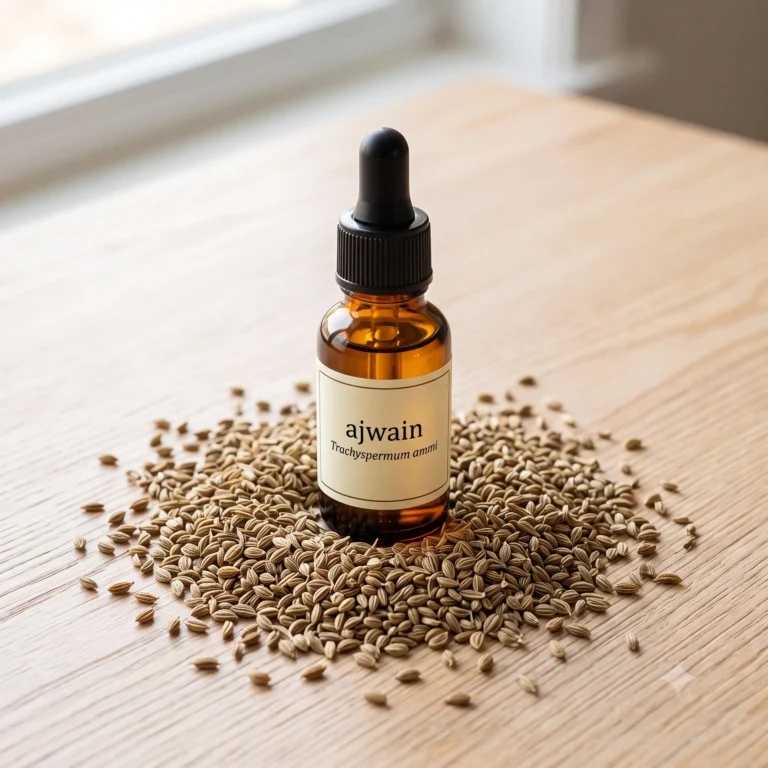
A concentrated aromatic oil traditionally used for topical comfort and aromatherapy.

A concentrated aromatic oil traditionally used for topical comfort and aromatherapy.
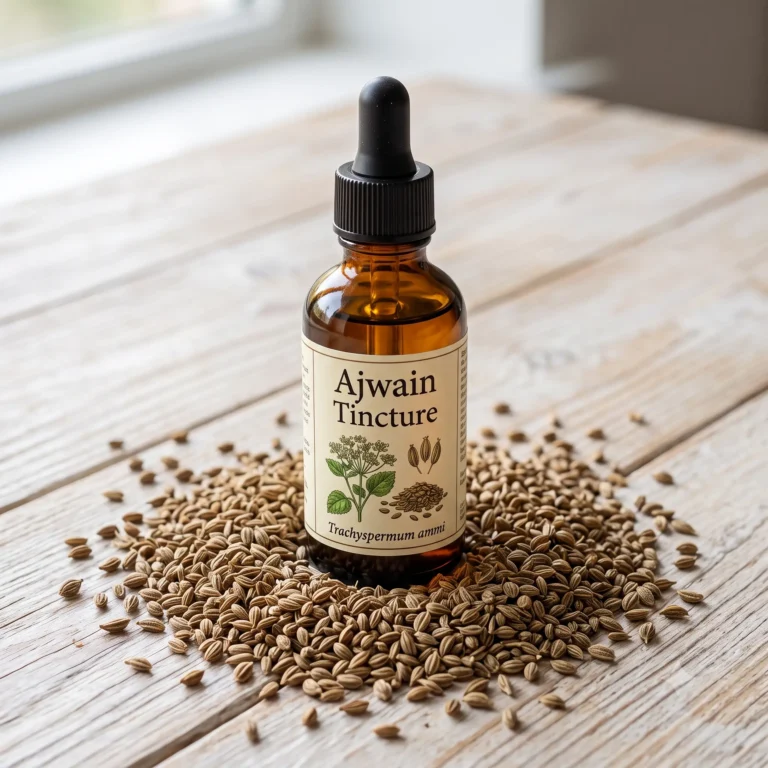
A concentrated liquid extract that supports healthy digestion and eases bloating.
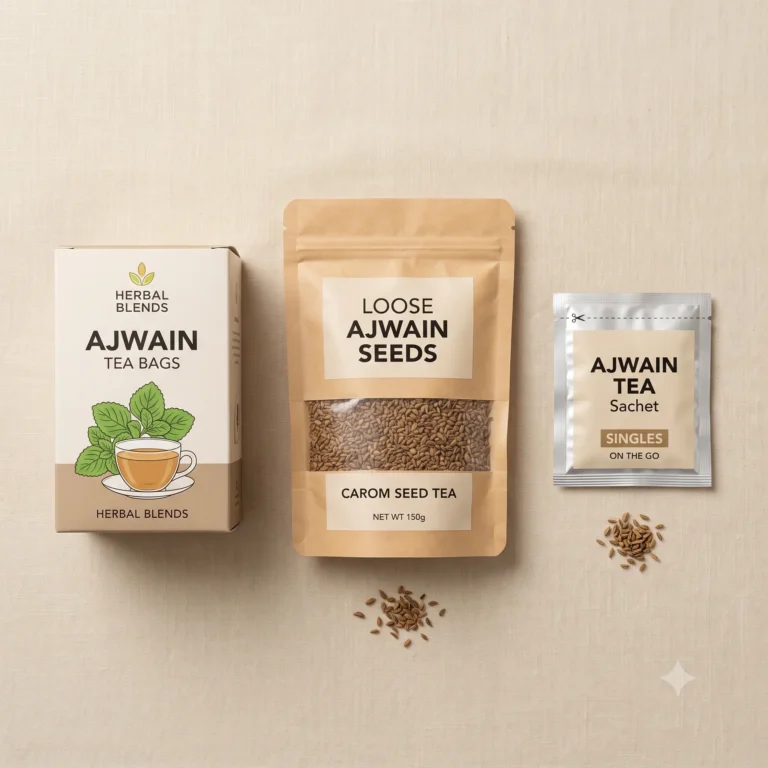
A warming herbal tea traditionally used to support digestion and ease bloating
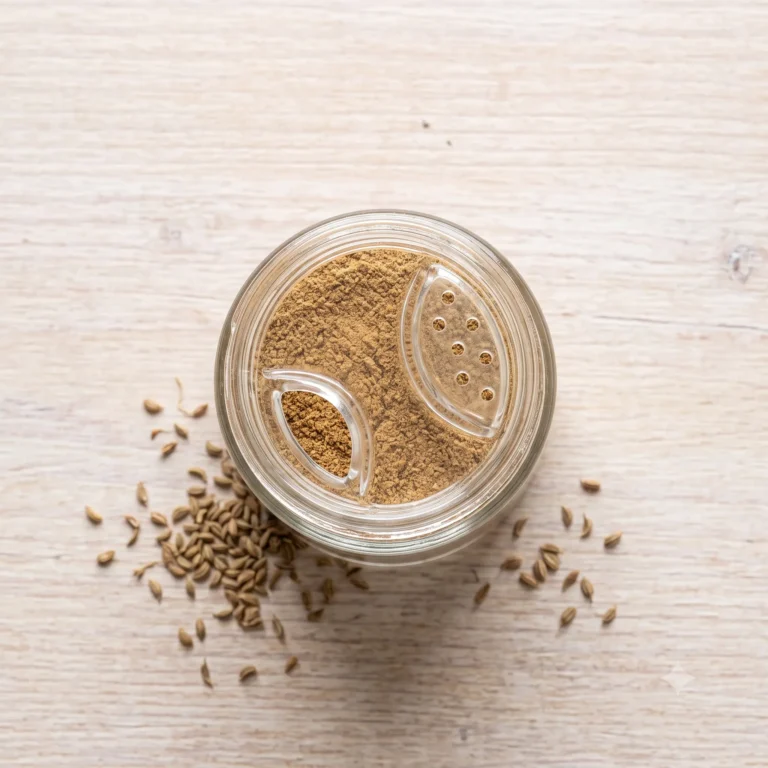
A convenient ground spice that supports healthy digestion and eases bloating.
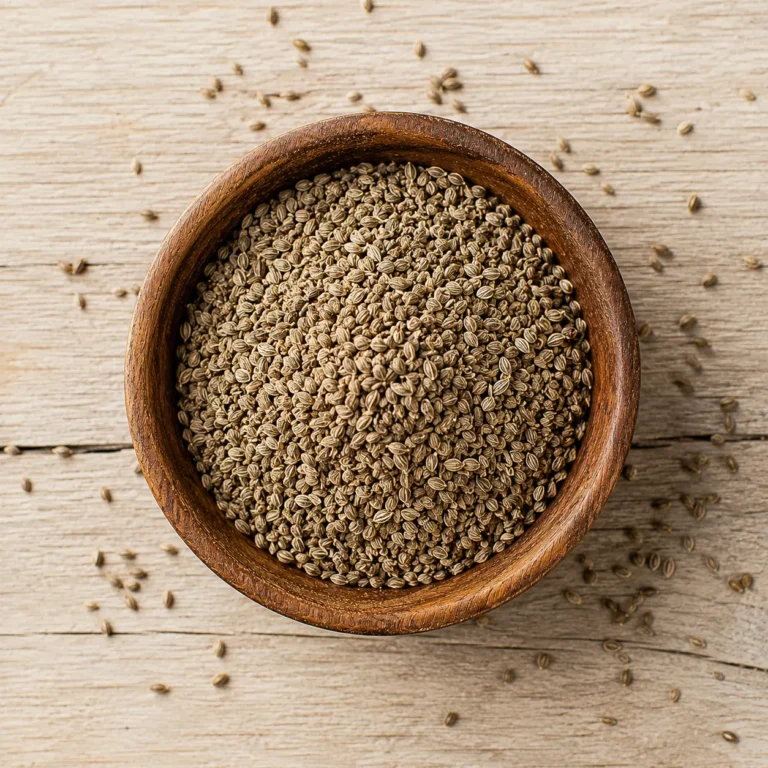
Supports healthy digestion and eases occasional bloating.
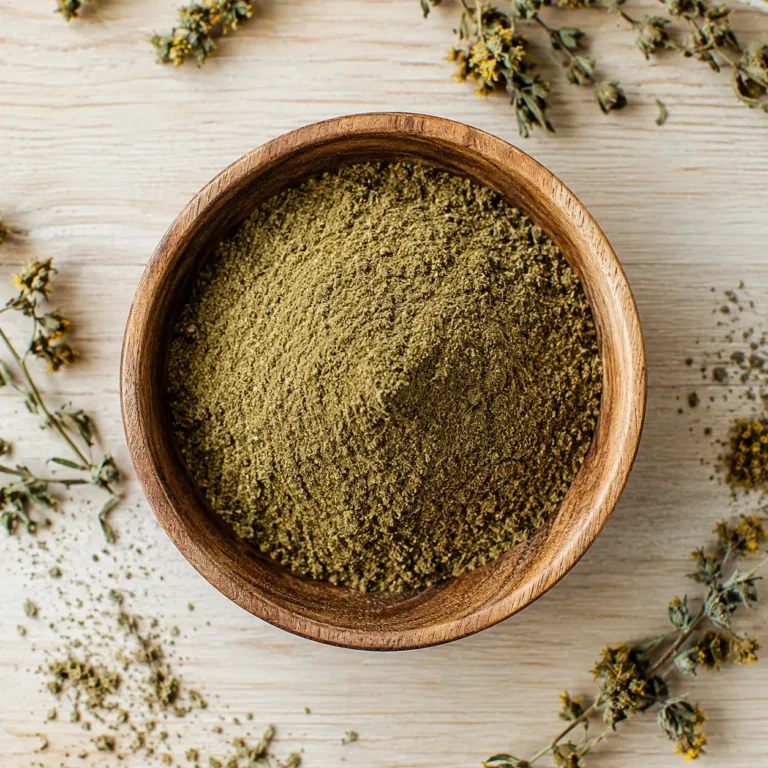
A finely ground herb that supports healthy digestion and gentle liver function.
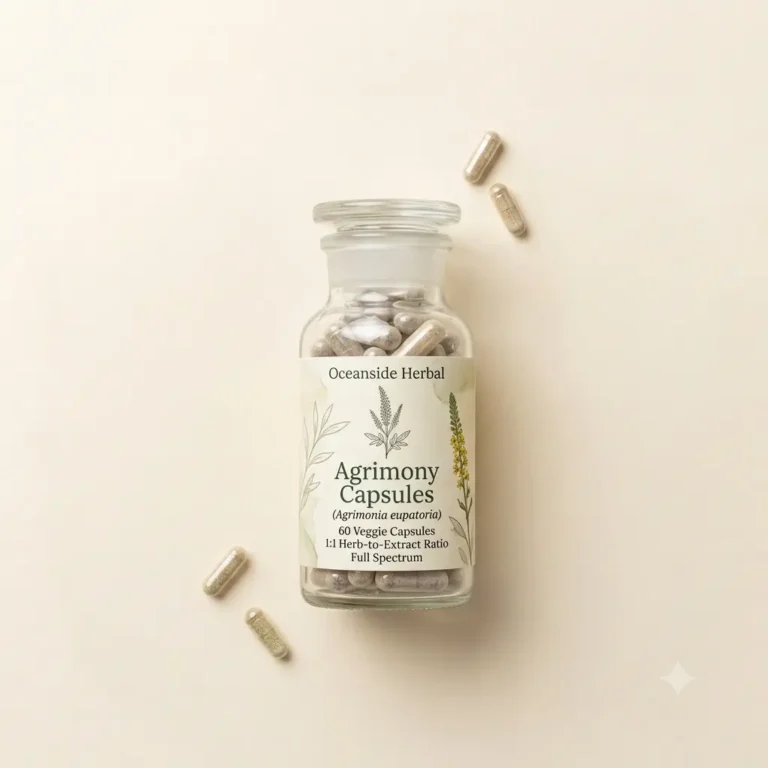
A convenient, tasteless way to support healthy digestion and gentle liver function
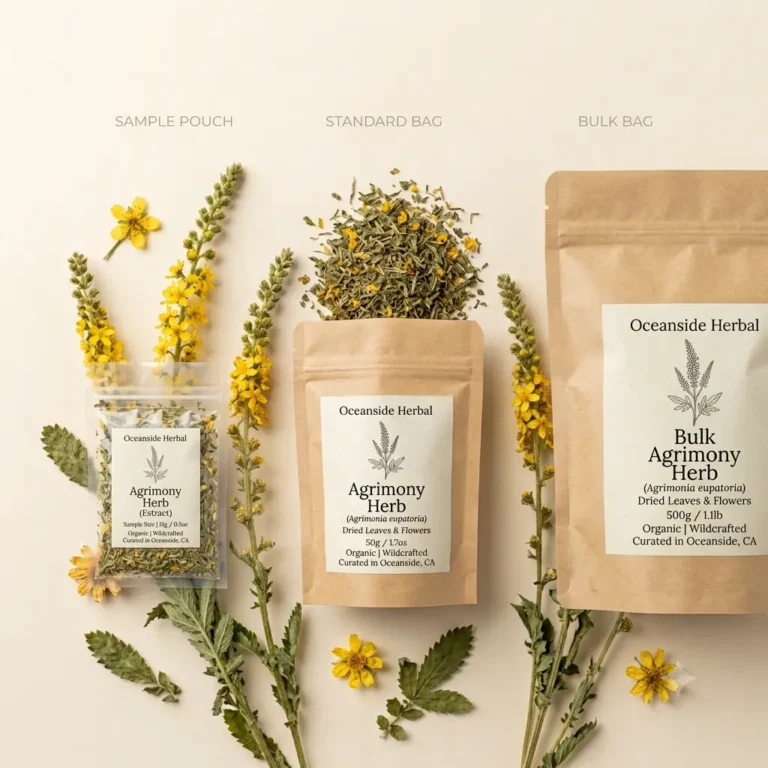
A versatile raw herb that supports healthy digestion and gentle liver function
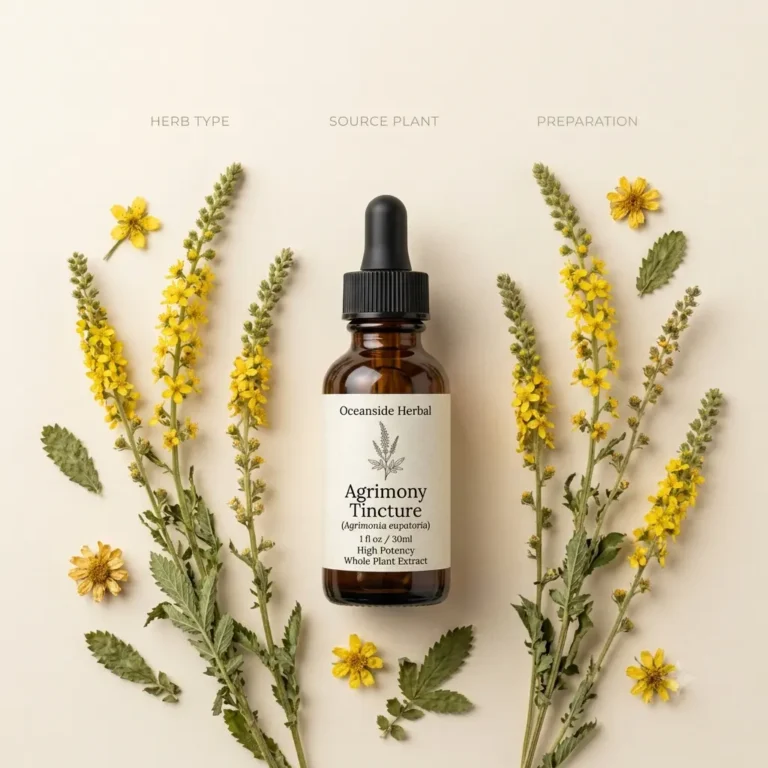
Supports healthy digestion and gentle liver function in concentrated liquid form.
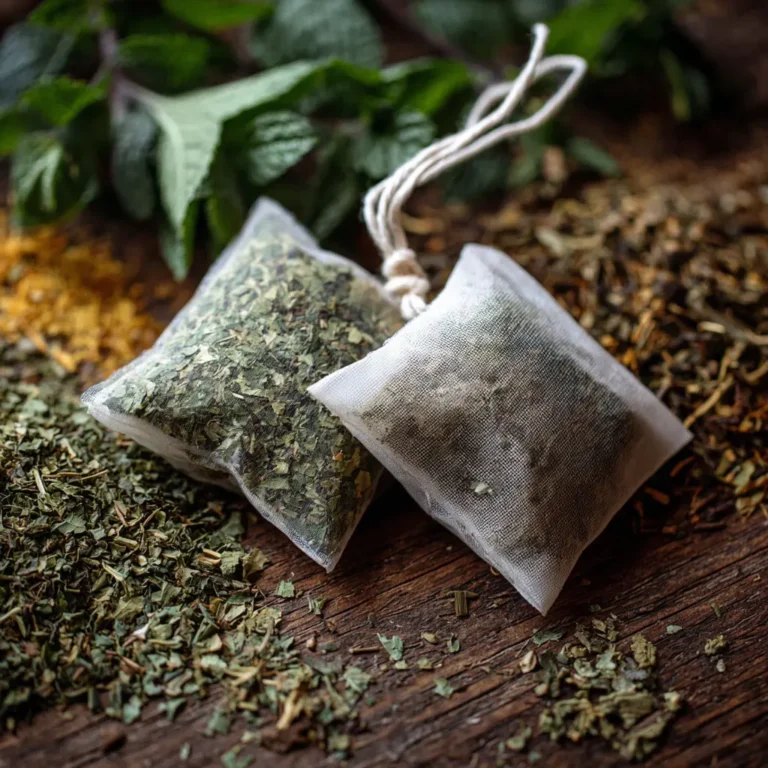
Supports healthy digestion and gentle liver function.
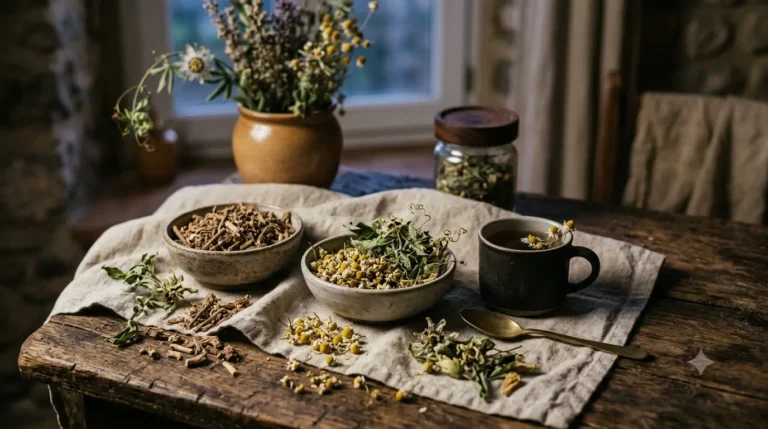
A growing library of herbal recipes for stress — teas, tonics, and remedies you can make at home.
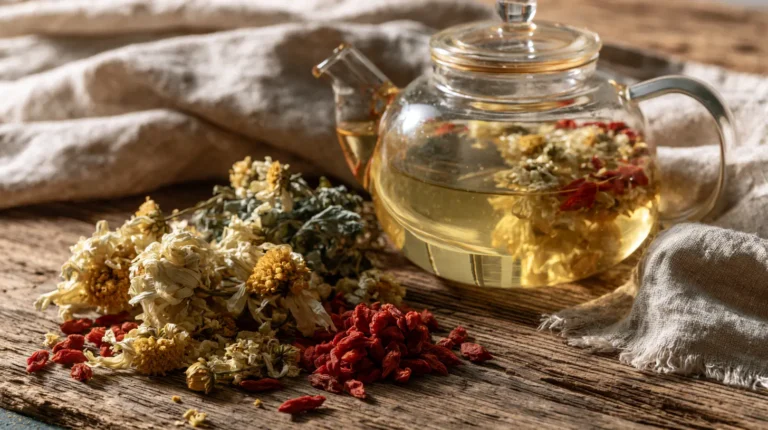
Chrysanthemum flower is used in Traditional Chinese Medicine to help clear a “foggy head” and settle restless eyes and mind, often paired with goji berries for a gentle nourishing sweetness. This light infusion is a good reach for scattered stress…
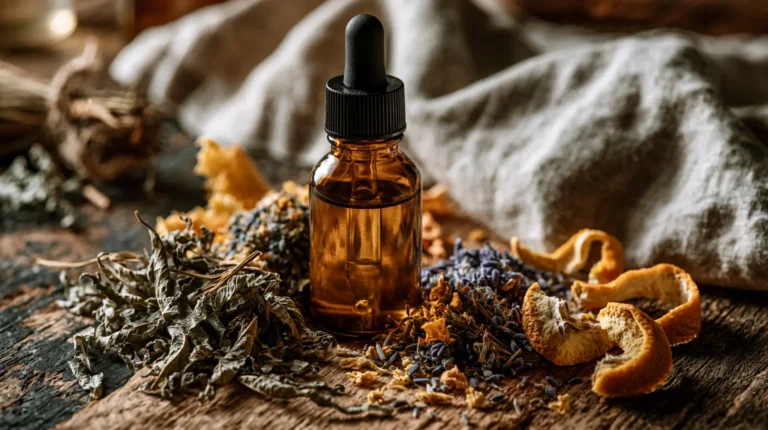
When scattered stress ties itself to a jittery stomach and appetite loss, a light aromatic bitters formula can help re-anchor the body before meals. This gentle blend of lavender and lemon verbena is soft and floral rather than intensely bitter.…
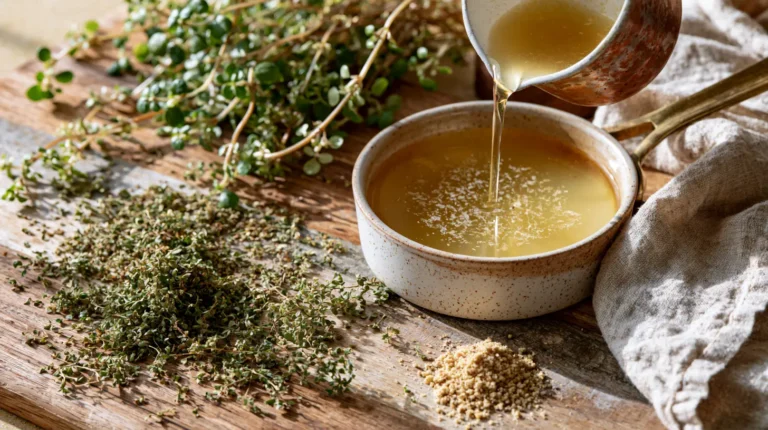
Bacopa is a small creeping herb used for centuries in Ayurvedic tradition and traditionally associated with mental focus and memory. This simmered decoction is a longer-acting daily preparation for people whose scattered stress is chronic rather than occasional. At a…
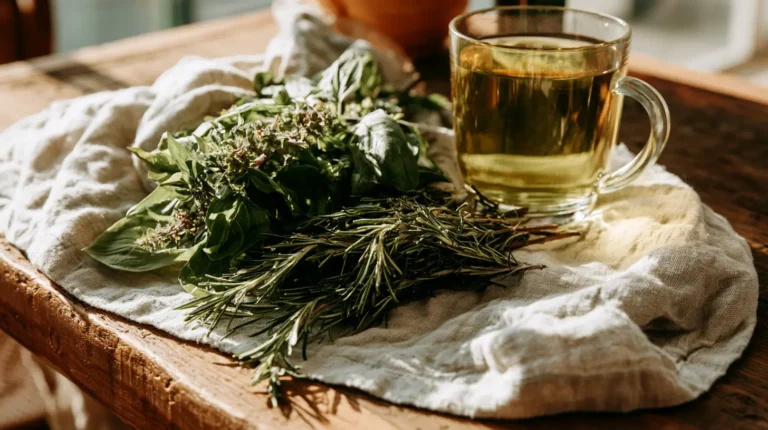
This pairing brings together tulsi’s adaptogenic steadiness with rosemary’s traditional association with mental clarity — a combination reached for when stress leaves the mind pulled in a dozen directions and unable to settle on one task. At a Glance Ingredients…
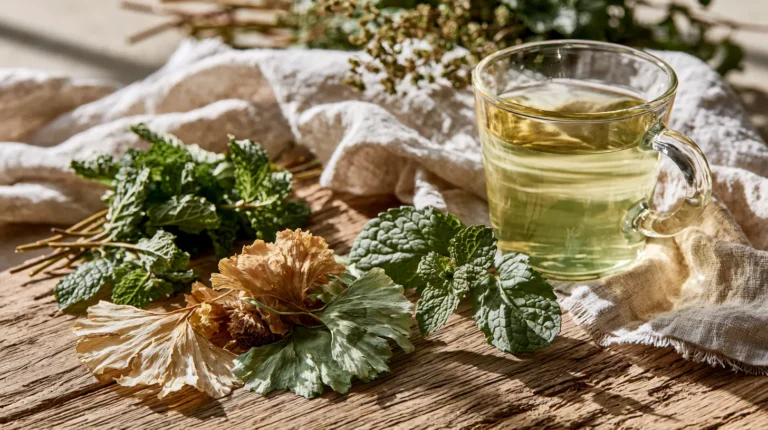
Ginkgo is one of the oldest tree species on earth and has a long tradition of use for supporting circulation and mental clarity. Paired with peppermint, this bright tea is a reach for days when thoughts feel foggy and hard…
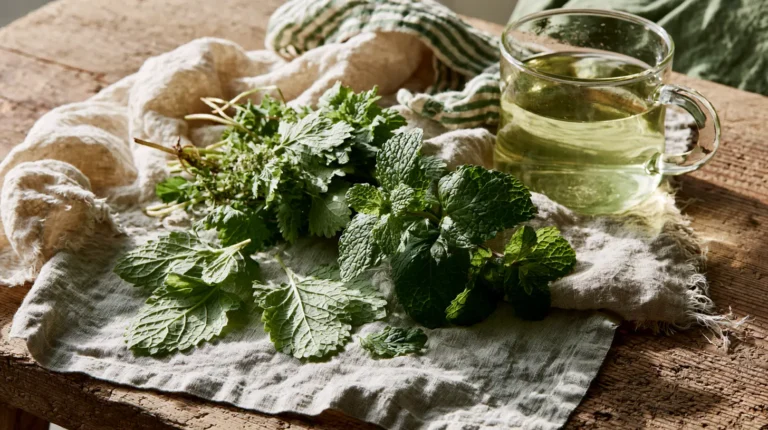
This bright, dual-action tea pairs calming lemon balm with clarifying peppermint — a combination traditionally used to settle a racing, scattered mind without causing drowsiness. It’s a good midday reach when thoughts feel hard to corral. At a Glance Ingredients…
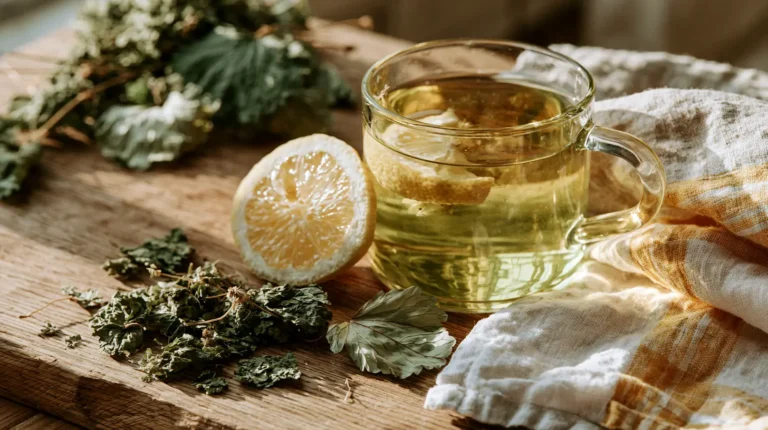
Gotu kola is an herb long used in Ayurvedic and Traditional Chinese Medicine traditions, historically associated with supporting a calm, centered focus. This simple infusion is a gentle daily reach for when the mind feels pulled in too many directions.…
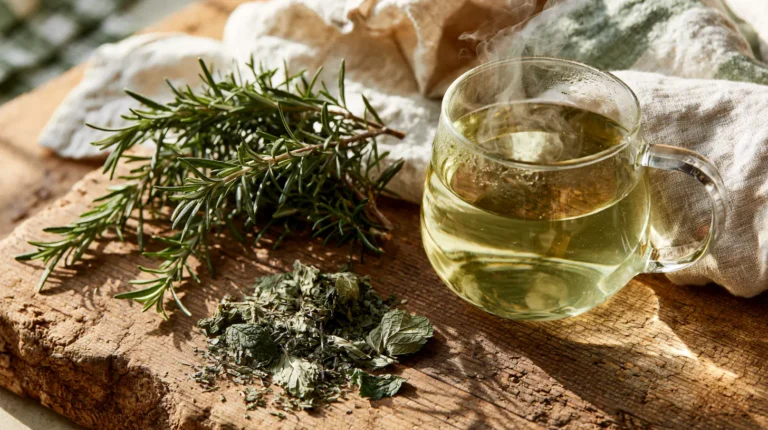
Rosemary has a long folk reputation as “the herb of remembrance,” traditionally reached for when the mind feels pulled in too many directions at once. Paired with peppermint for a bright, clarifying edge, this tea is a simple ritual for…
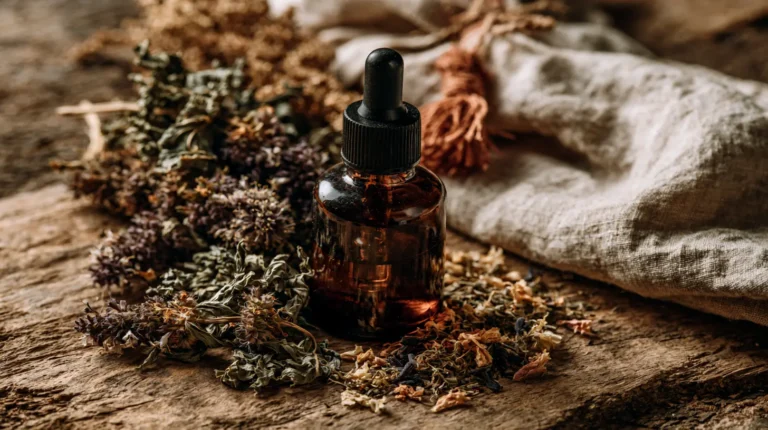
Motherwort is a bitter, minty-scented herb traditionally used by herbalists to ease emotional tension that shows up alongside a racing heartbeat or restlessness. As a tincture, it’s carried easily and taken in small doses whenever tension spikes. At a Glance…
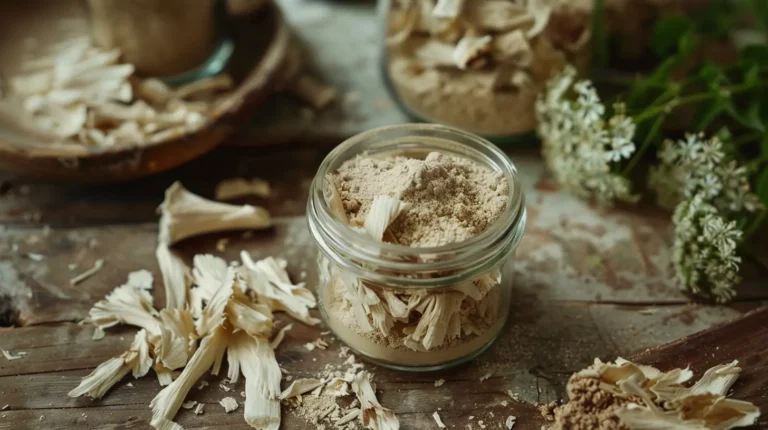
Marshmallow root is a classic demulcent herb, traditionally used to soothe and coat irritated tissues. Beyond digestive comfort, its cold-infused preparation is often reached for as a gentle, grounding ritual during stressful stretches when the body feels depleted. At a…
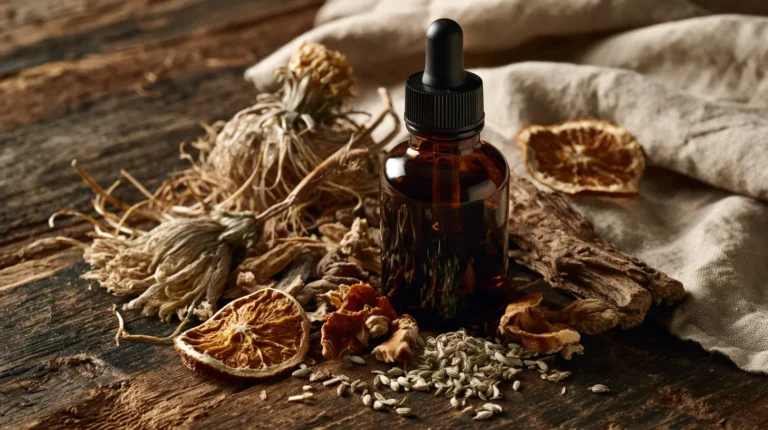
Stress often shows up in the gut as much as the mind, and bitters are a traditional herbal category used before meals to support digestive ease during tense periods. This simple tincture blend combines classic bitter and aromatic roots. At…
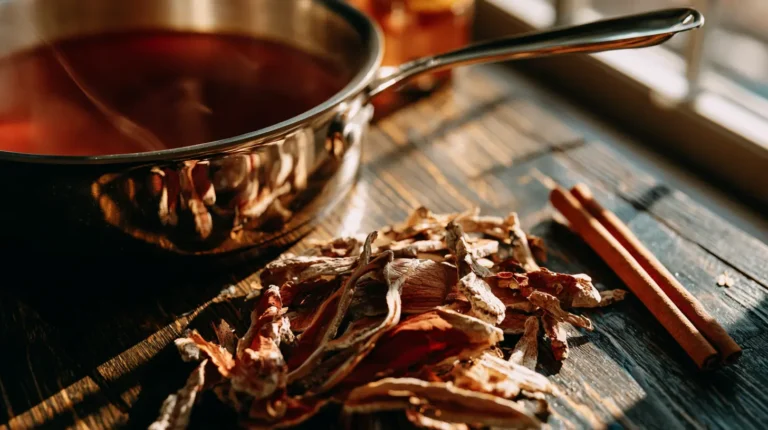
Reishi is a woody adaptogenic mushroom long used in Traditional Chinese Medicine as the “mushroom of immortality,” traditionally taken to support calm and resilience during demanding periods. This simmered tonic draws out its deep, earthy character. At a Glance Ingredients…
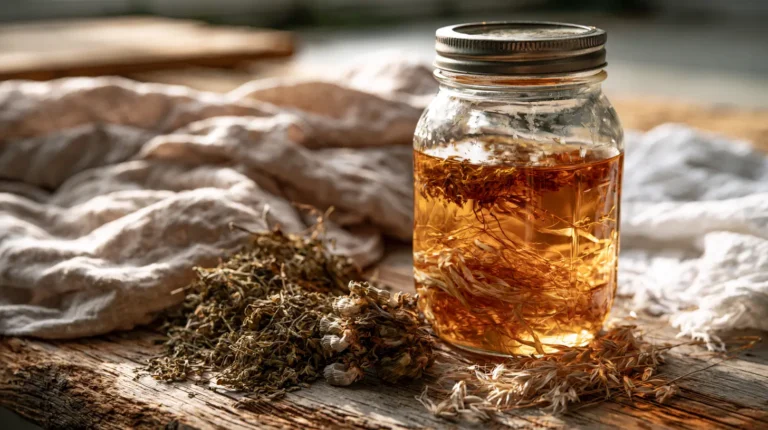
This deeply relaxing overnight infusion combines skullcap and oat straw, two herbs long favored in Western herbalism for nourishing a frayed, overworked nervous system. Brewed long and strong, it’s a staple “nervine tonic” preparation. At a Glance Ingredients Preparation Dosage…
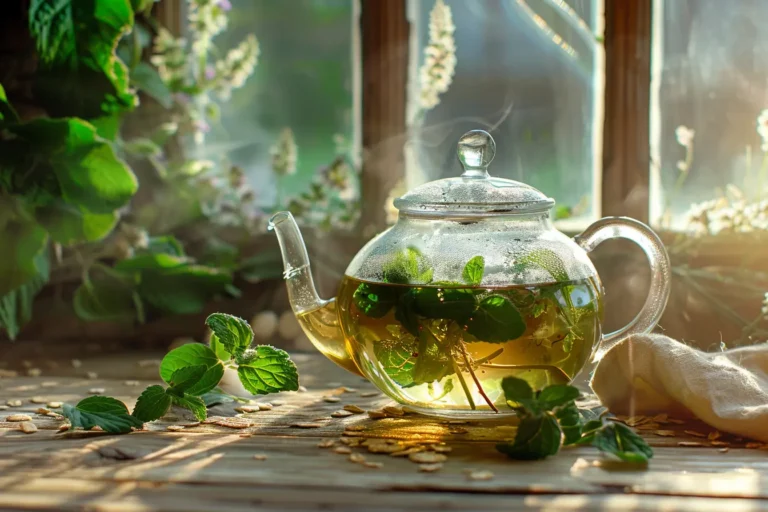
Lemon balm is a gentle, lemon-scented member of the mint family long used in folk herbalism to soothe a jittery, overstimulated mind. This simple infusion is brewed strong enough to bring out its traditional calming character. At a Glance Ingredients…
When emotions run high, certain herbs can calm the nervous system and gently ease the weight of stress.
When your attention feels pulled in a dozen directions, certain herbs can settle the mind and ease overwhelm.
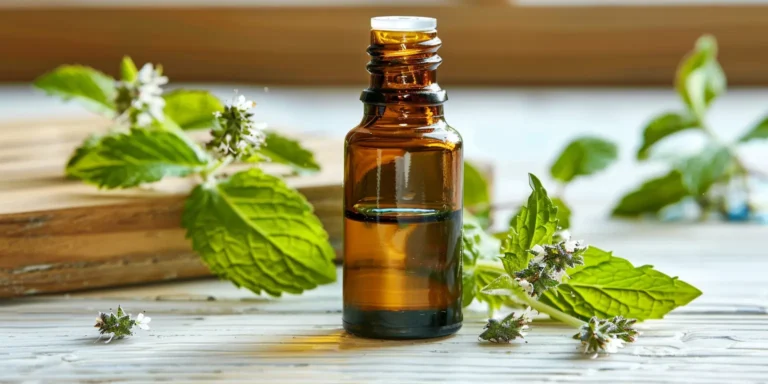
Steam distillation is the specialized process behind true essential oils, using steam to carry a plant’s most volatile aromatic compounds out of the plant material and into a concentrated, pure liquid. Unlike the other methods in this series, it requires…
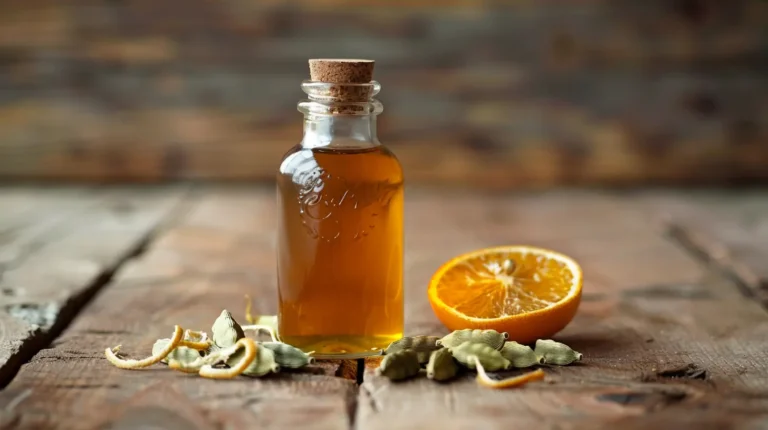
An herbal syrup transforms a strong decoction into a thick, sweetened preparation — a classic, kid-friendly format especially popular for cough and cold remedies. Sweetening isn’t just about taste; it also helps preserve the finished syrup for longer than a…
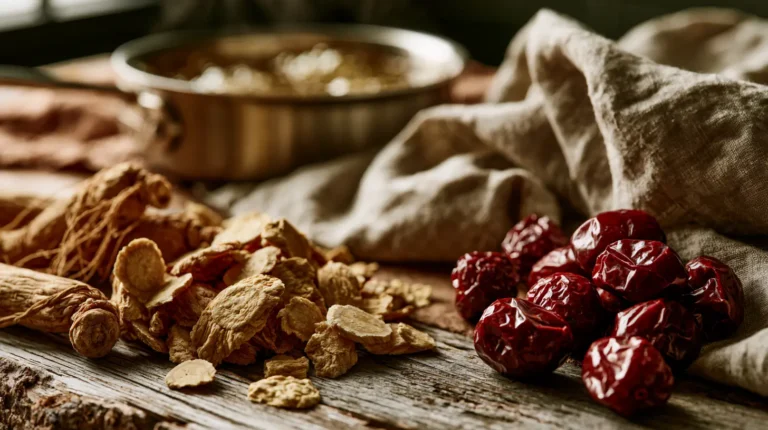
An herbal elixir takes a standard alcohol tincture and finishes it with honey or glycerin, transforming a sharp, bitter extract into a smooth, enjoyable daily tonic. It’s a favorite format for adaptogens and other herbs meant to be taken consistently…

An oxymel is one of the oldest documented herbal preparations, combining honey and vinegar into a single tangy-sweet extract. Dating back to ancient Greek and Roman medicine, it remains a favorite today for its balance of mineral-rich acidity and soothing…
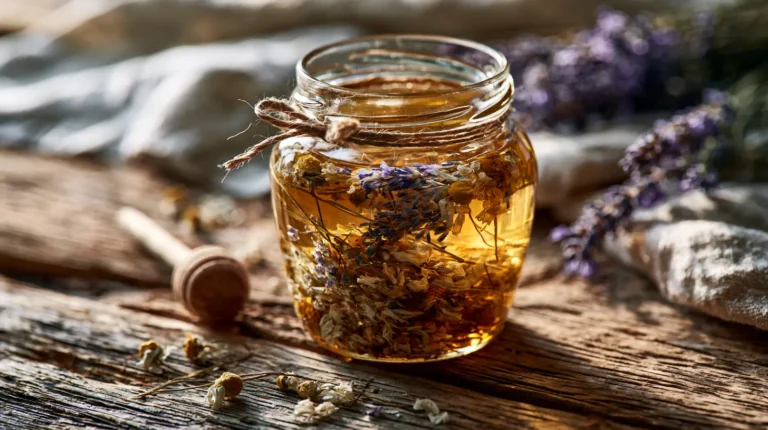
An herbal honey uses raw honey itself as the extraction medium, slowly drawing out plant compounds while doubling as a natural preservative. Combined with powdered herb into a thick paste, it becomes what herbalists call an electuary — one of…
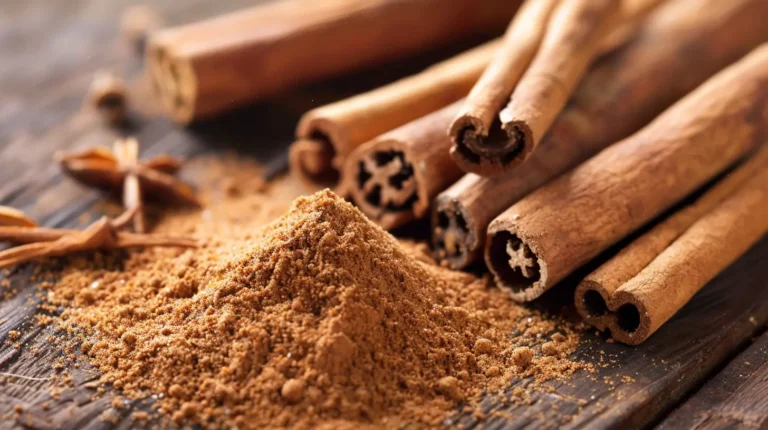
Using whole herb or powdered herb skips extraction entirely, delivering the full plant matrix — fiber included — rather than isolating specific compounds into a liquid. It’s the simplest way to use an herb, and often the best choice when…
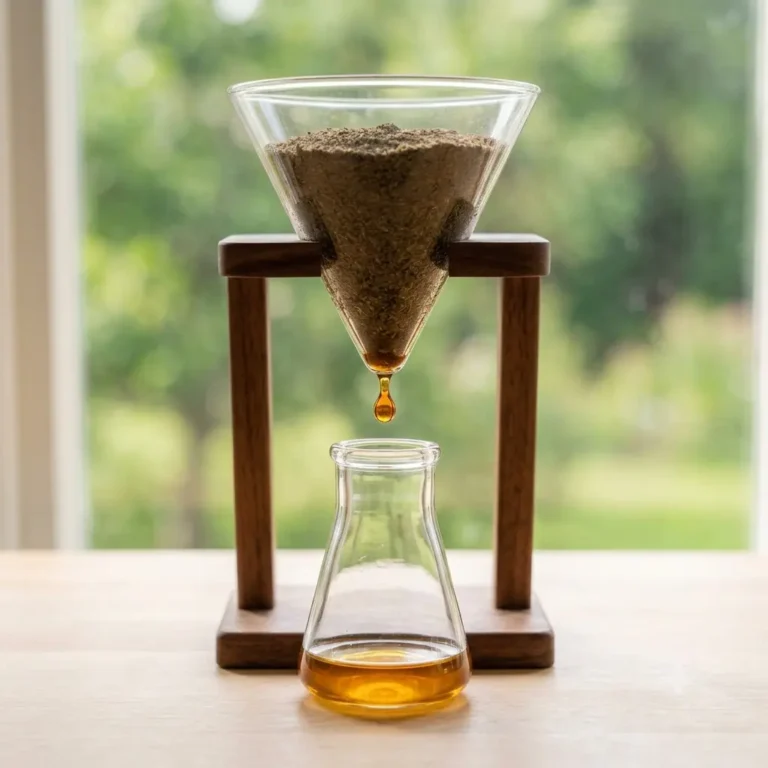
Percolation is a faster, more thorough alcohol extraction method where solvent is slowly dripped through tightly packed, moistened herb — similar to how a coffee percolator works. It’s commonly used in professional herbal production settings to create highly concentrated extracts…
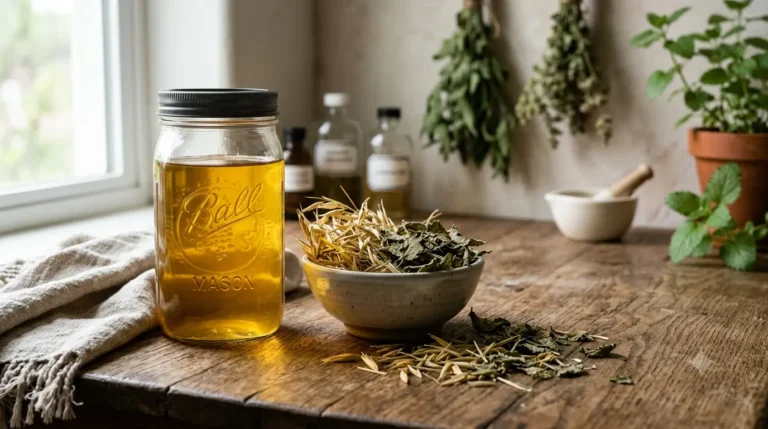
A vinegar extraction, or acetum, uses acidic vinegar — typically raw apple cider vinegar — as the solvent to draw out plant compounds, with a particular strength for pulling minerals from mineral-rich herbs. It’s one of the oldest herbal preparation…

A glycerite is an alcohol-free herbal extract made using vegetable glycerin as the solvent, offering a sweet, gentle alternative to traditional tinctures. It’s a popular choice for those avoiding alcohol, including many families with children. Secret Tips Herb Examples Best…
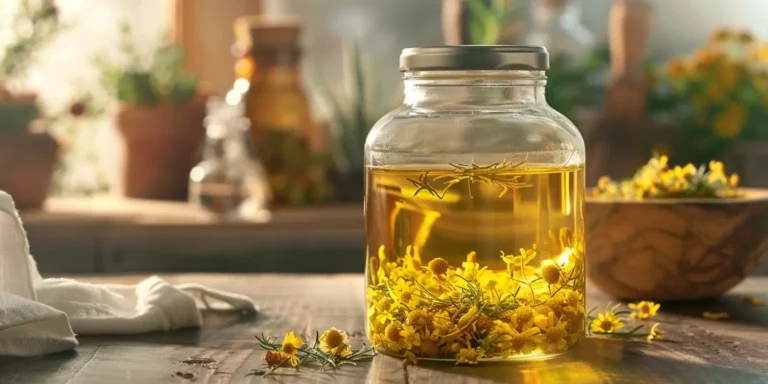
An oil infusion uses a carrier oil to pull out fat-soluble plant compounds, making it the foundation for most homemade salves, balms, and topical body oils. It’s a slow, gentle process that transforms simple oil into a skin-nourishing herbal extract.…
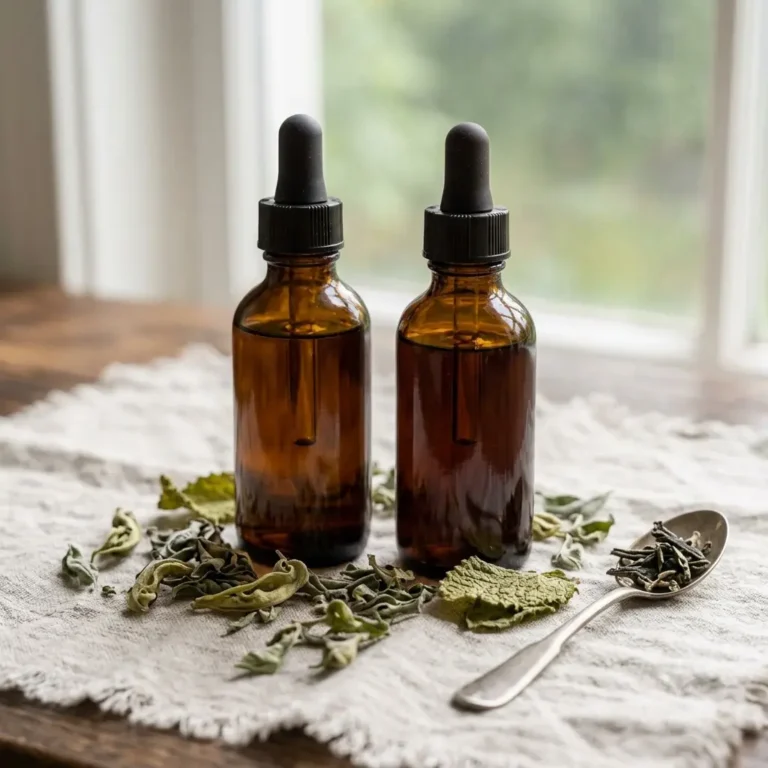
A tincture is a concentrated liquid herbal extract made by soaking plant material in alcohol, which pulls out a broader range of compounds — including alkaloids and resins — than water alone can reach. It’s one of the most popular…
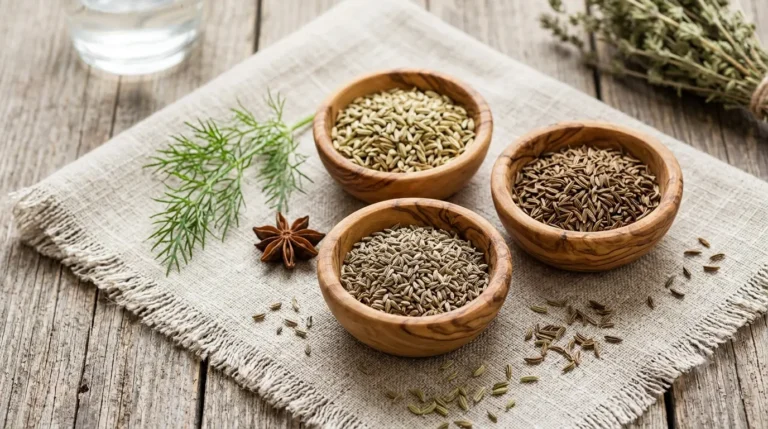
This classic trio of aromatic seeds has been used across cultures for generations to ease gas, bloating, and post-meal discomfort — the kind that so often flares up when stress disrupts normal digestion. It’s a simple, fragrant preparation perfect for…
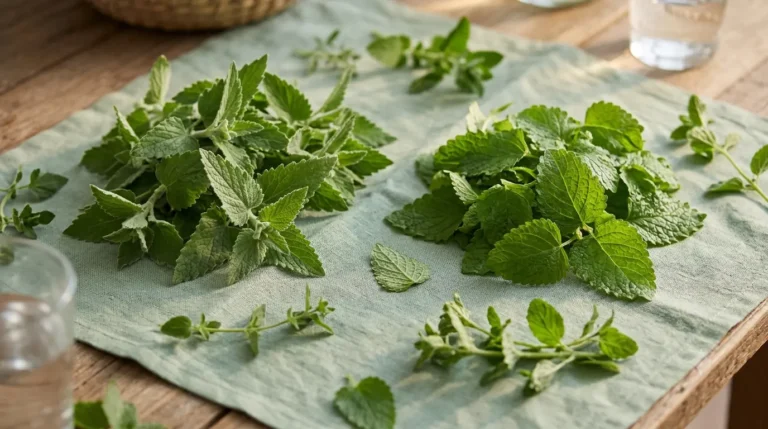
Often overlooked as just a cat treat, catnip has a long folk history as a gentle human digestive calmative. Paired with lemon balm, this mild tea is especially suited for tension-related stomach upset. At a Glance Ingredients Preparation Dosage &…
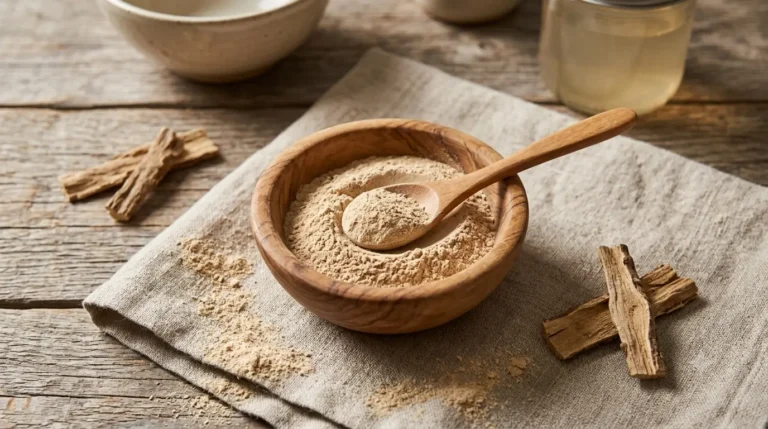
This simple, food-like preparation is a traditional folk remedy for a digestive tract that feels raw, tender, or overworked from ongoing stress. Slippery elm’s mucilaginous quality creates a gentle, coating paste that’s easy to make in minutes. At a Glance…
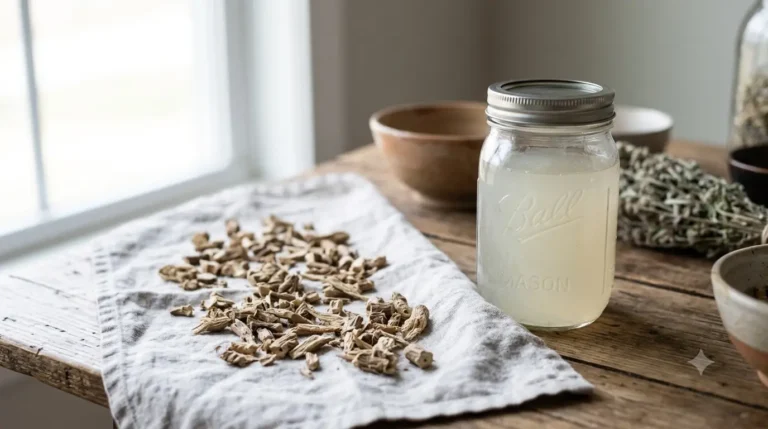
When stress leaves your stomach lining feeling raw or irritated, this soothing cold infusion offers gentle relief. Marshmallow root’s mucilage content makes it one of the most trusted demulcent herbs for calming an inflamed digestive tract. At a Glance Ingredients…
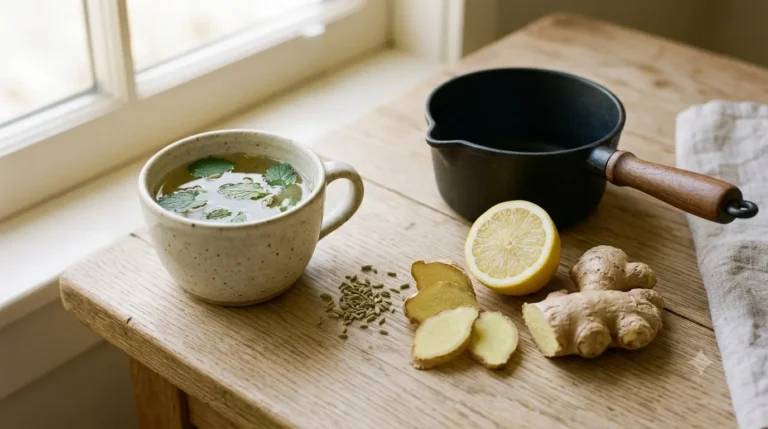
This warming decoction is a go-to for when stress leaves your stomach feeling sluggish or queasy. Ginger’s traditional reputation as a digestive warmer pairs beautifully with bright lemon to wake up a stalled gut. At a Glance Ingredients Preparation Dosage…
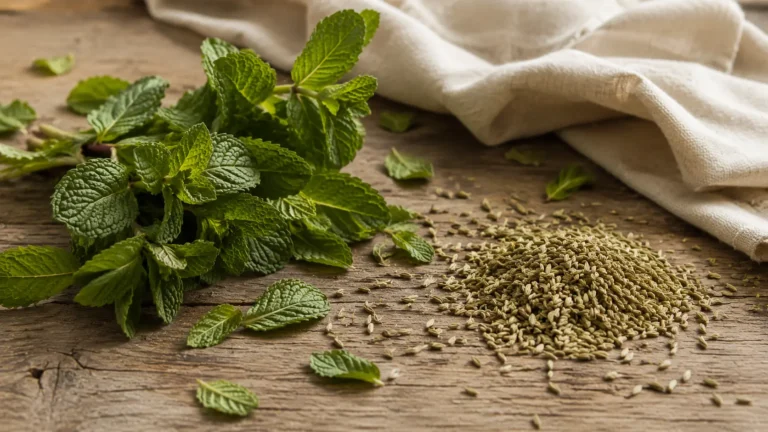
When stress ties your stomach in knots, this simple tea offers gentle, fast-acting comfort. Peppermint and fennel have long been paired in folk herbalism to ease tension in the digestive tract and settle a fluttery, stressed-out gut. At a Glance…
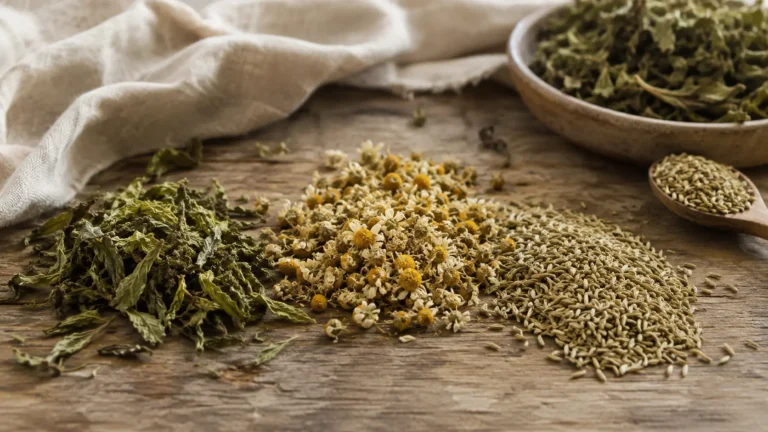
Digestive stress tightens the gut and disrupts digestion — these herbs help calm the belly and ease tension.
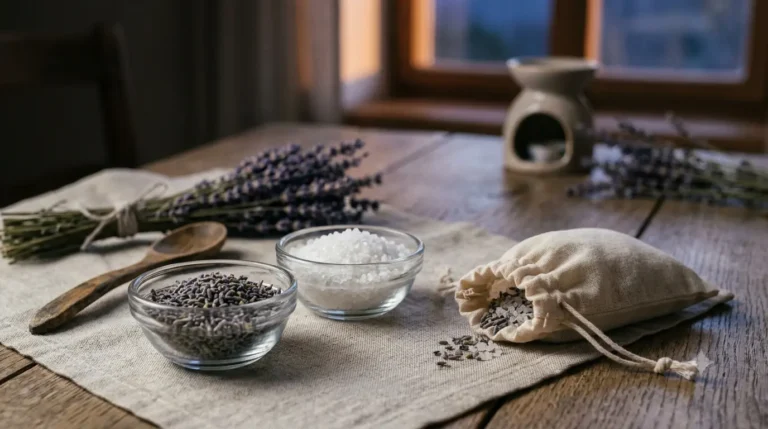
Not every sleep remedy needs to be ingested — this fragrant bath soak uses lavender’s traditional calming properties to ease physical tension before bed, making it a soothing addition to any wind-down routine. At a Glance Ingredients Preparation Dosage &…
Chronic sleep disruption often comes with a depleted, frazzled nervous system, not just a busy mind at bedtime. This mineral-rich, long-steeped infusion is a traditional herbalist’s approach to gently nourishing the nervous system over time. At a Glance Ingredients Preparation…
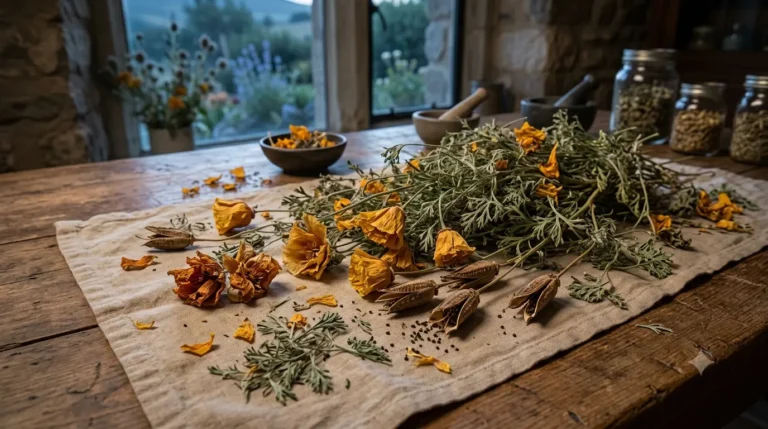
A gentle, non-narcotic herbal tea traditionally used for both falling asleep and staying asleep through the night. California poppy’s soft, golden blooms make this an easy addition to any bedtime routine. At a Glance Ingredients Preparation Dosage & Usage: One…
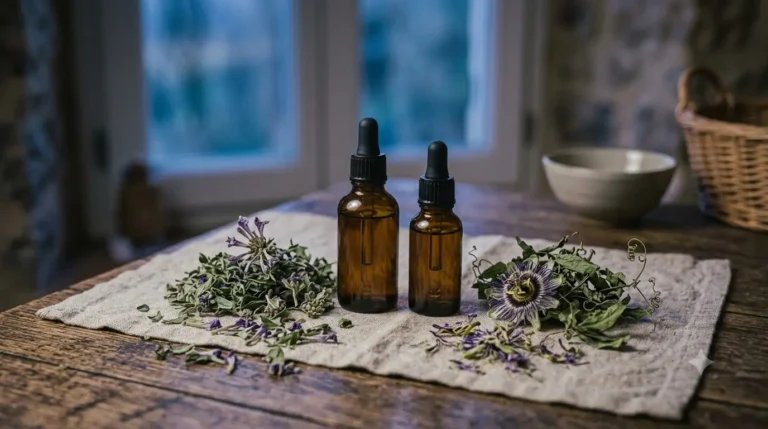
For nights when your thoughts won’t stop spinning, this fast, portable tincture blend offers a quick way to quiet mental chatter without needing to steep a tea. At a Glance Ingredients Preparation Dosage & Usage: Up to twice nightly as…
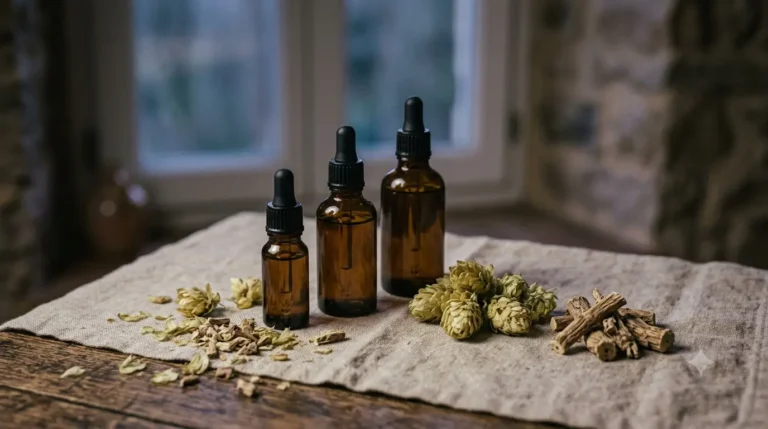
A fast-acting, no-fuss tincture blend for nights when you need something more concentrated than tea. A few drops in water offers a traditional sedative pairing long used together for sleep support. At a Glance Ingredients Preparation Dosage & Usage: Once…
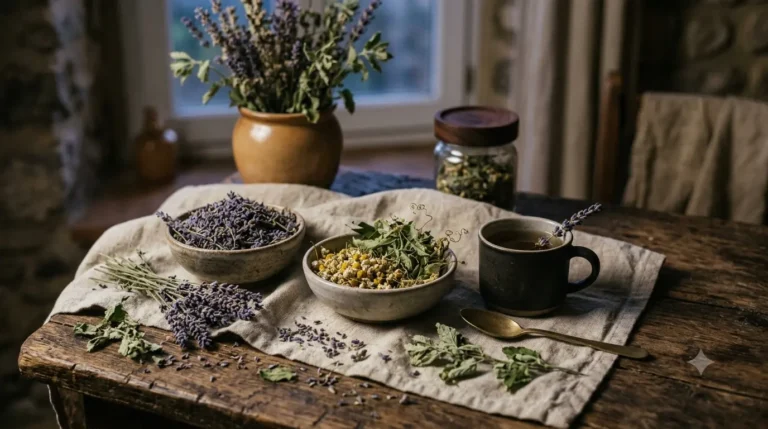
A gentle, fragrant infusion for nights when your mind won’t quite settle. Lavender and lemon balm work together to ease tension and invite a calmer, quieter state before sleep. At a Glance Ingredients Preparation Dosage & Usage: One cup nightly…
This classic trio blend combines three of the most trusted sleep-supportive herbs into one soothing nightly ritual. It’s designed to be sipped slowly in the half hour before bed, easing both a busy mind and a restless body toward rest.…
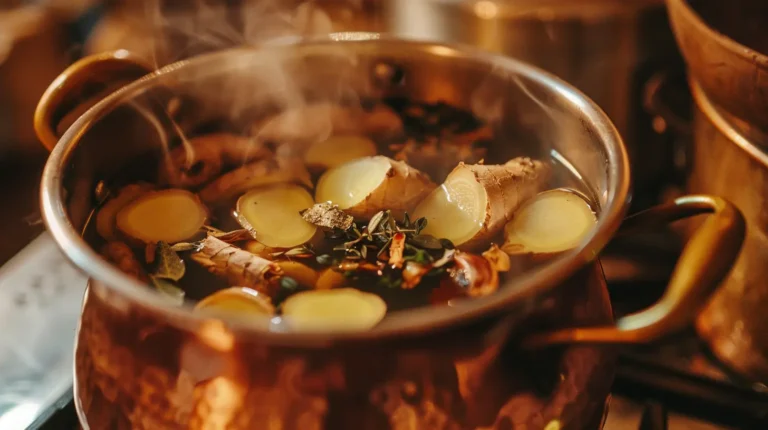
A decoction is a simmered water extraction used for tough plant material like roots, bark, and seeds — parts that a simple hot-water steep can’t fully break down. It’s one of the oldest and most straightforward ways to unlock the…
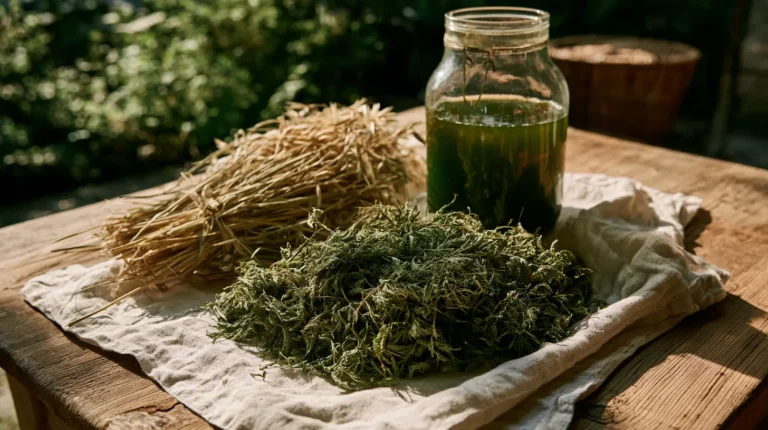
A cold infusion is a slow, unheated steeping method that relies on time instead of heat to draw compounds out of plant material. It’s the go-to technique for mucilage-rich and heat-sensitive herbs that turn gummy, lose potency, or become less…
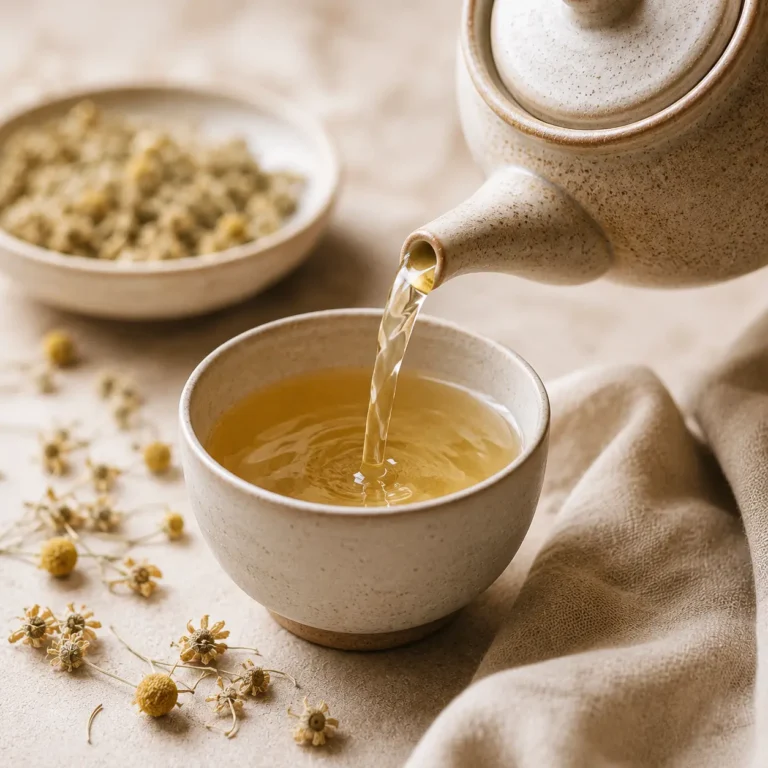
An infusion is the simplest herbal extraction method — a hot-water steep, much like making tea — and it’s the go-to technique for pulling water-soluble compounds out of delicate leaves and flowers without destroying their more fragile constituents. Secret Tips…
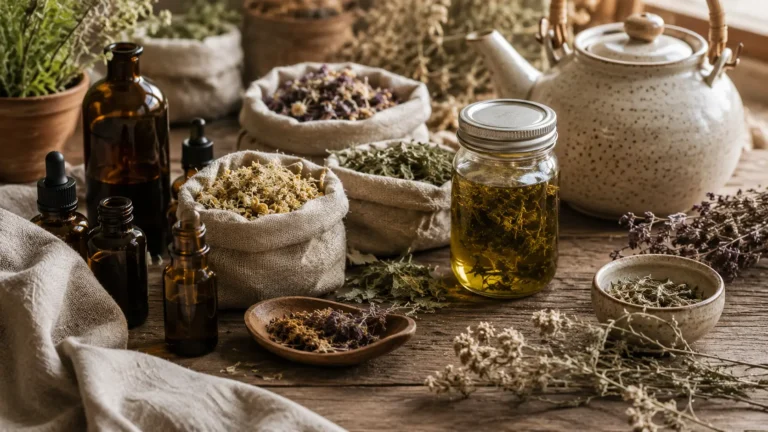
Herbal Extraction Methods Explained: Which One Pulls Out What Not all herbal preparations are created equal — even when they start with the exact same plant. A tea and a tincture made from the same root can taste different, work…
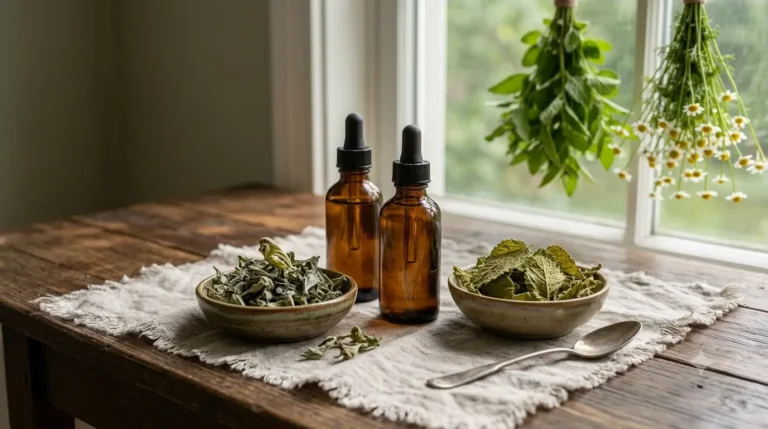
For moments when burnout tips into acute overwhelm, this fast-acting tincture blend offers a portable, easy way to find calm — no steeping or brewing required. At a Glance Ingredients Preparation Dosage & Usage: Up to 3 times daily as…
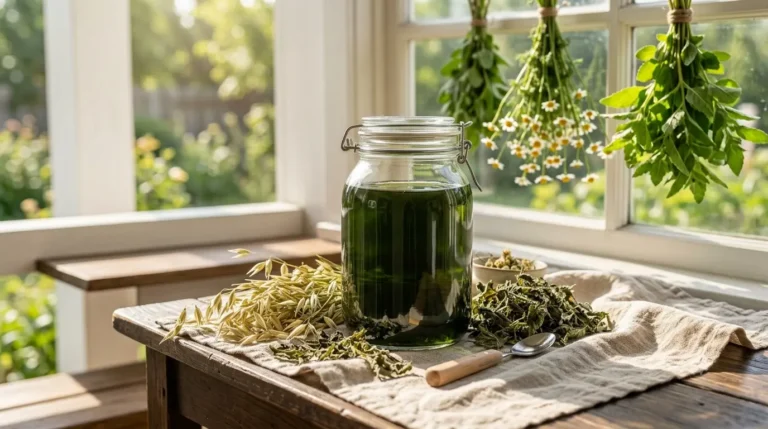
Deep burnout often comes with physical depletion, not just mental fatigue. This mineral-rich, long-steeped infusion is a traditional herbalist’s approach to gently replenishing and nourishing the body over time. At a Glance Ingredients Preparation Dosage & Usage: 1–3 cups daily.…
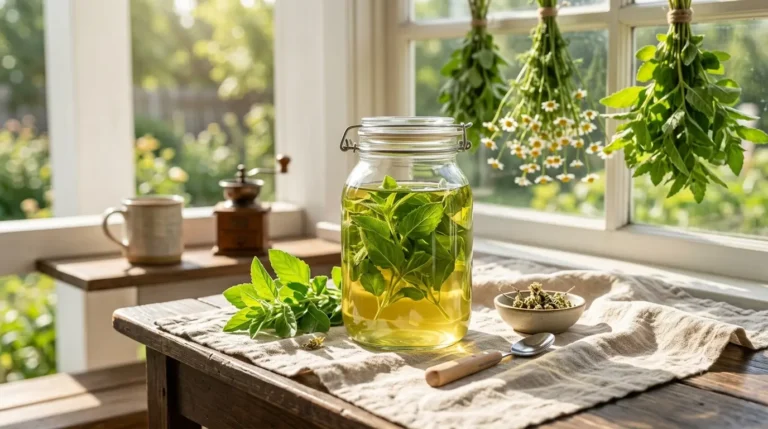
A refreshing, low-effort way to enjoy tulsi’s traditional calming benefits, this cold-brewed sun tea is perfect for sipping throughout a busy day without needing a stove. At a Glance Ingredients Preparation Dosage & Usage: Sip throughout the day as a…
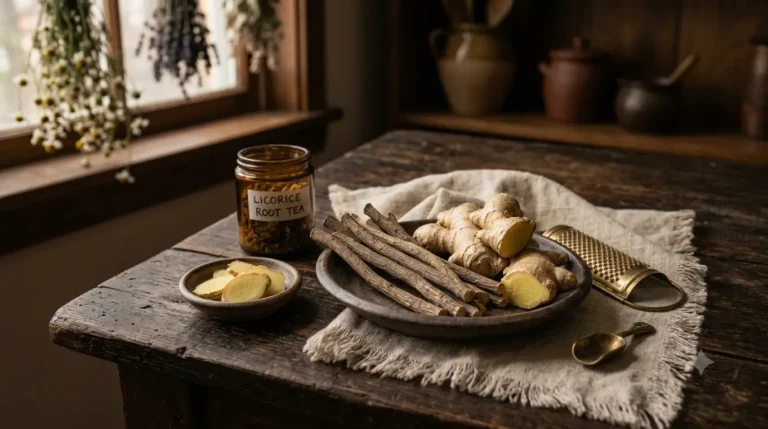
This warming, slightly sweet tea blend is traditionally used to support the adrenal glands during periods of prolonged stress, pairing licorice root’s grounding sweetness with ginger’s circulatory warmth. At a Glance Ingredients Preparation Dosage & Usage: One cup daily, ideally…
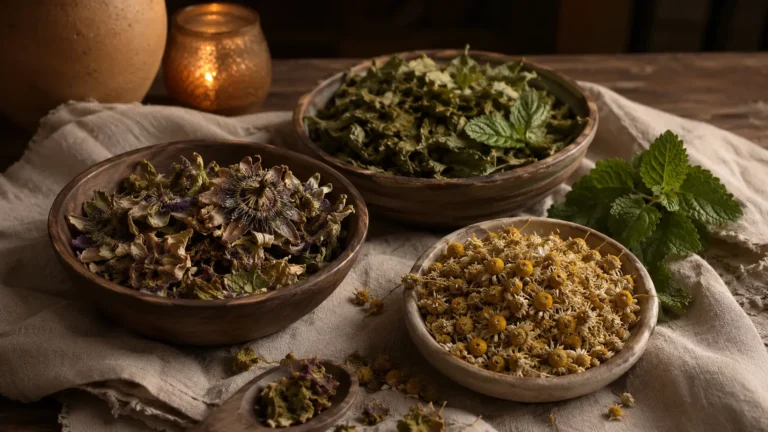
When burnout shows up as a racing mind at bedtime, this trio of calming nervines offers a gentle way to quiet mental chatter and prepare the body for deeper rest. At a Glance Ingredients Preparation Dosage & Usage: One cup…
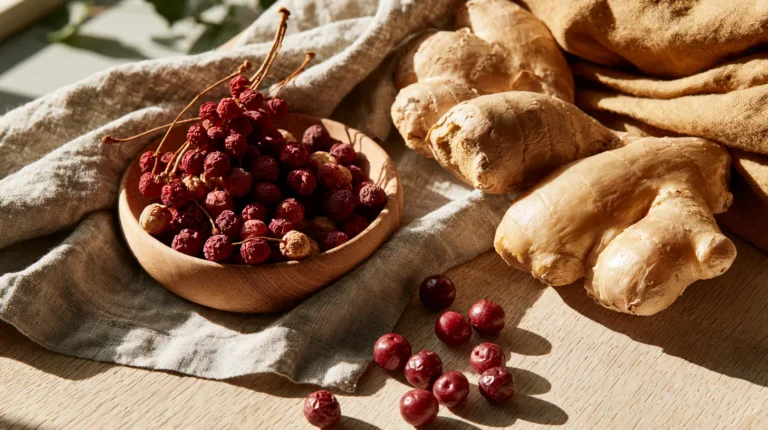
A tart, invigorating tonic designed for the midday slump, when mental fog makes it hard to push through the rest of the workday. Schisandra berries bring a distinctive five-flavor profile traditionally prized for supporting focus. At a Glance Ingredients Preparation…
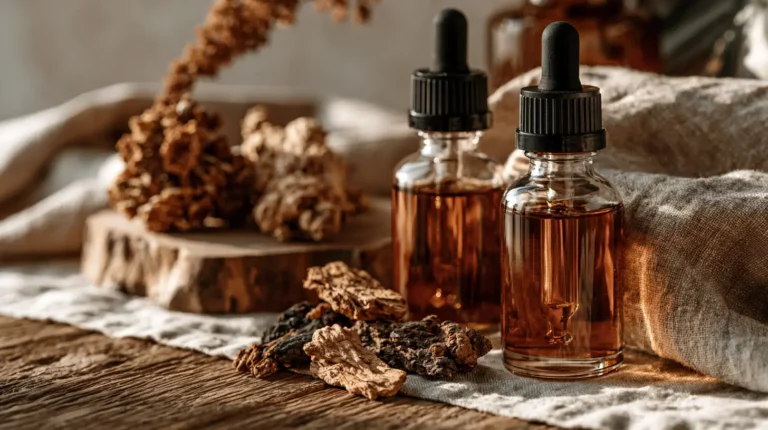
A quick, no-fuss tincture blend designed for mornings when motivation and mental clarity feel hard to find. A few drops in water or juice offers a gentle, non-caffeinated lift to start the day. At a Glance Ingredients Preparation Dosage &…
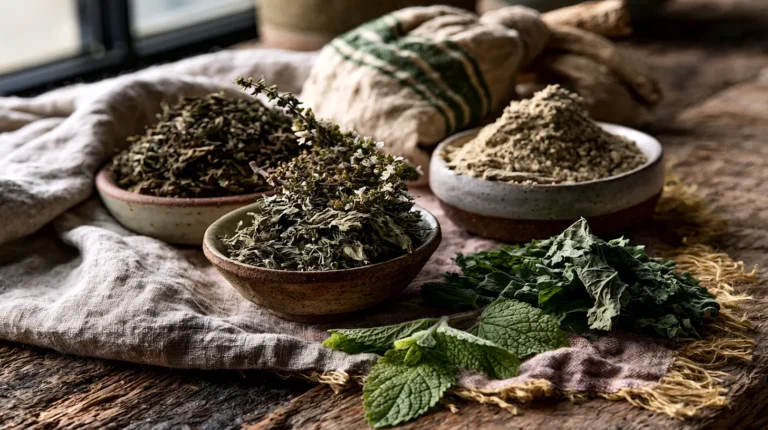
This warming blend combines three of the most trusted herbs for stress recovery into one gentle daily ritual. It’s designed to be sipped slowly in the late afternoon, offering a calming pause between the demands of the day and the…
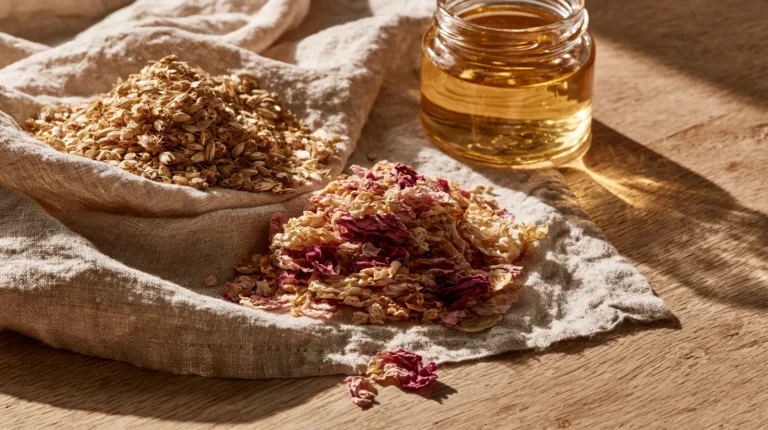
This gentle, alcohol-free glycerite combines nourishing oat tops with soothing rose petals, making it a good option for those who want a nervine remedy without alcohol, including for gentle daily use. At a Glance Ingredients Preparation Dosage & Usage: Take…

Stress often shows up in the gut, and this simple bitters formula pairs holy basil with classic digestive bitter herbs to traditionally support the gut-brain connection during tense times. At a Glance Ingredients Preparation Dosage & Usage: Take 10–20 drops…
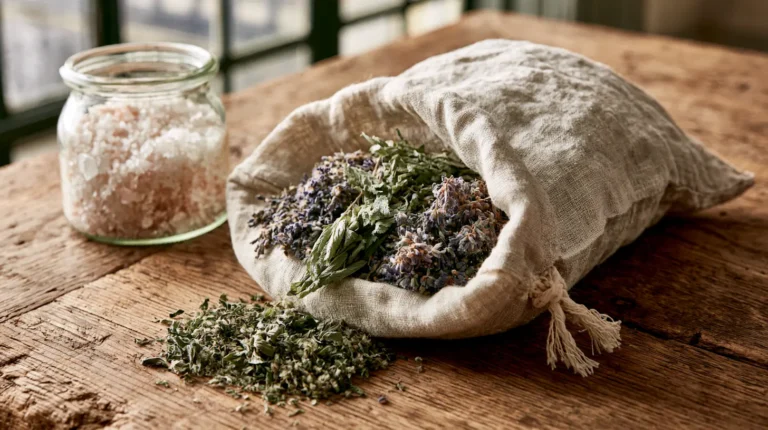
Sometimes the best stress support isn’t something you drink at all. This aromatic bath soak combines calming lavender and lemon balm with mineral-rich salts for a soothing, sensory reset at the end of a long day. At a Glance Ingredients…
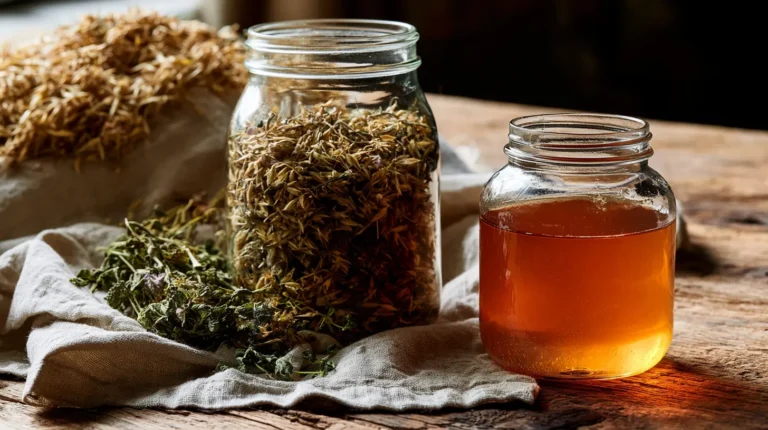
For nervous systems that feel frayed after long stretches of stress, this long-steeped infusion combines two classic restorative nervines, traditionally used to nourish and calm the body over time. At a Glance Ingredients Preparation Dosage & Usage: Drink 1–2 cups…

This rich, chocolatey elixir turns a stress-support ritual into something to look forward to, blending earthy reishi mushroom with warming cacao for a soothing afternoon or evening treat. At a Glance Ingredients Preparation Dosage & Usage: Enjoy one cup daily,…
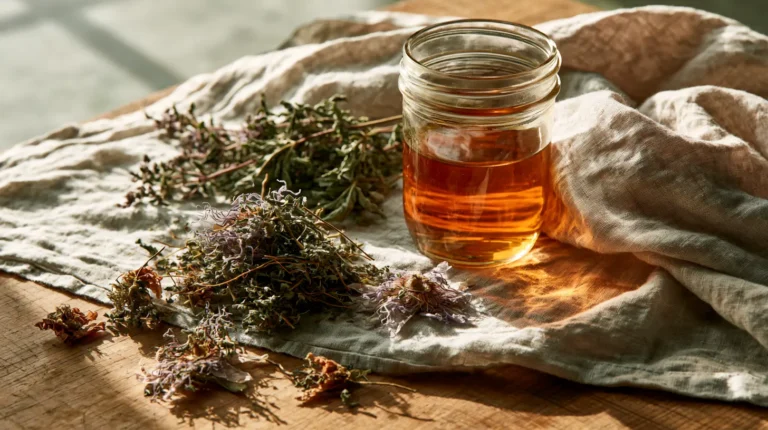
When racing thoughts make it hard to unwind, this simple passionflower tincture offers a fast-acting, concentrated way to invite calm — perfect for keeping on hand during especially stressful weeks. At a Glance Ingredients Preparation Dosage & Usage: Take 30–40…
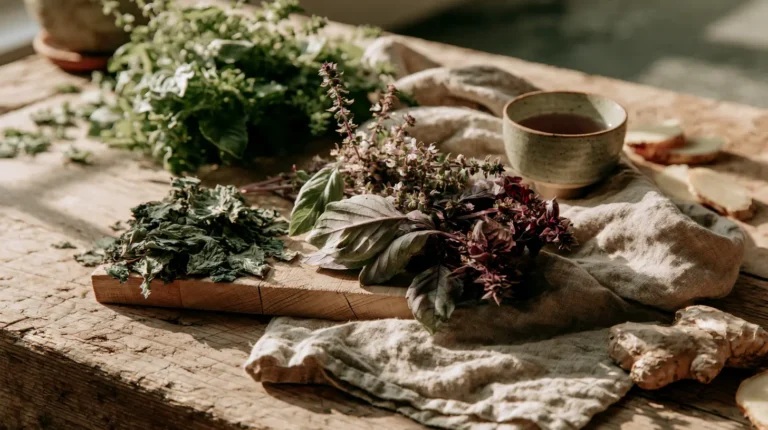
Holy basil, or tulsi, is one of Ayurveda’s most treasured herbs for mental steadiness. This simple daily tea is a gentle way to introduce tulsi into a stress-support routine. At a Glance Ingredients Preparation Dosage & Usage: Drink 1–3 cups…

When stress lingers for weeks or months, certain herbs can help the body adapt and recover its footing.
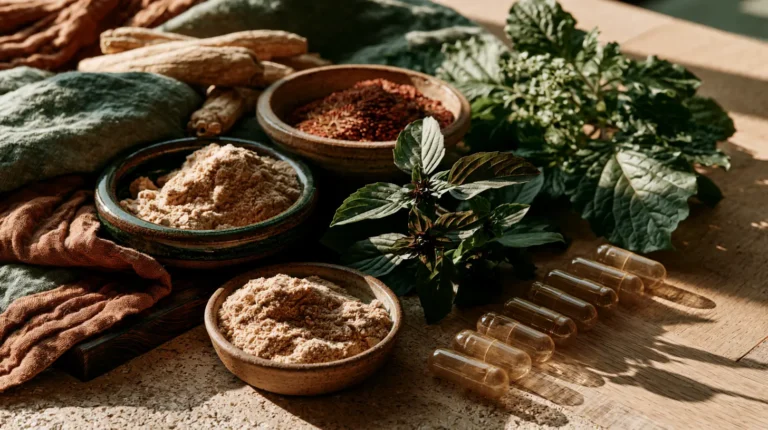
A No-Prep Option for Busy Days When there’s no time to brew tea or measure tinctures, this simple encapsulated powder blend offers a fast, no-taste way to take your favorite calming herbs with you wherever the day takes you. At…
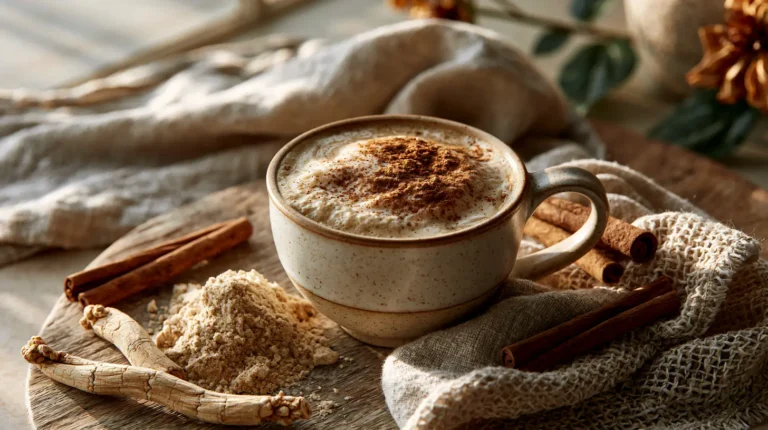
A Warm, Spiced Ritual for Stressful Days Part comfort drink, part herbal remedy, this warm ashwagandha latte blends adaptogenic root with cinnamon and warm milk for a cozy, grounding ritual — a soothing alternative to reaching for caffeine when you’re…
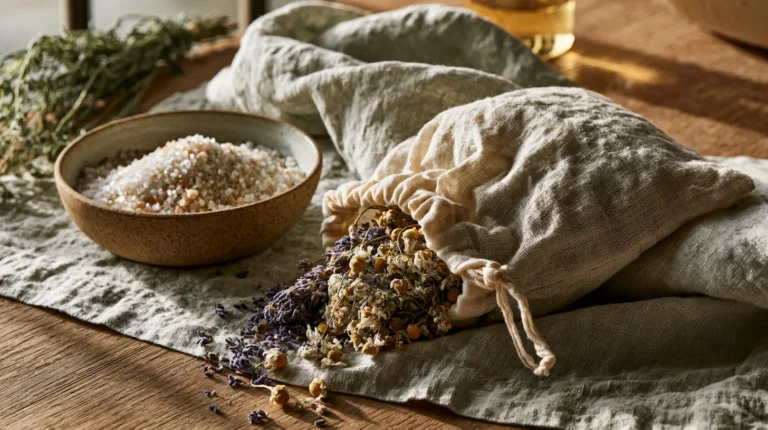
A Full-Body Reset After a Stressful Day For stress that lingers into the evening, this herbal bath soak combines lavender, chamomile, and Epsom salt for a full-body wind-down ritual. Simple to prepare, it turns an ordinary bath into a deliberate…
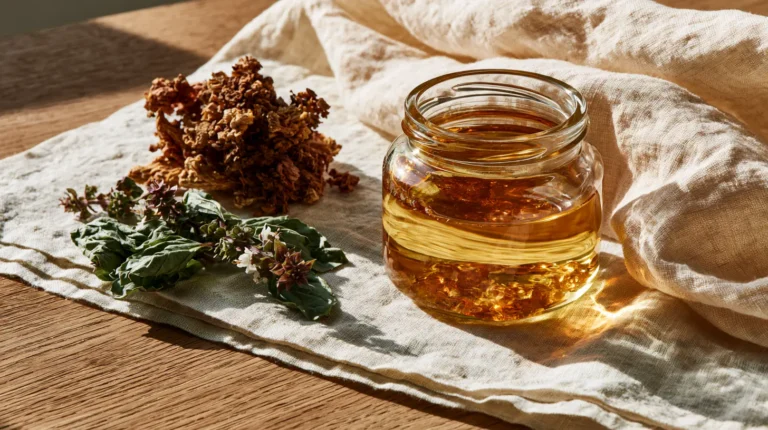
An Alcohol-Free Adaptogen Blend For those avoiding alcohol, this glycerite offers a sweet, alcohol-free way to take rhodiola and holy basil during stressful stretches. It’s an easy addition to water, juice, or taken straight off the spoon. At a Glance…
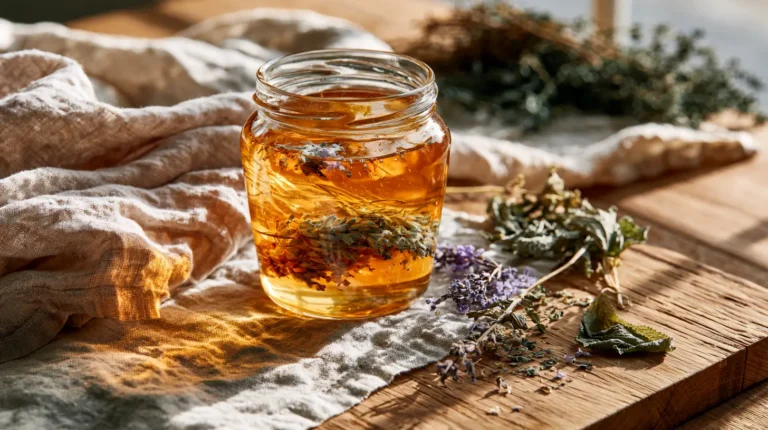
An Infused Honey for Sudden Overwhelm This herb-infused honey turns lavender and lemon balm into a spoonable remedy you can take straight or stir into tea. It’s a gentle, kid-friendly-adjacent option for easing acute stress. At a Glance Ingredients Preparation…

A Grounding Root Blend for Physical Tension When acute stress shows up as tight shoulders and a clenched jaw, this simmered root decoction goes to work on physical tension. Valerian and passionflower root make this a deeper, more grounding preparation…
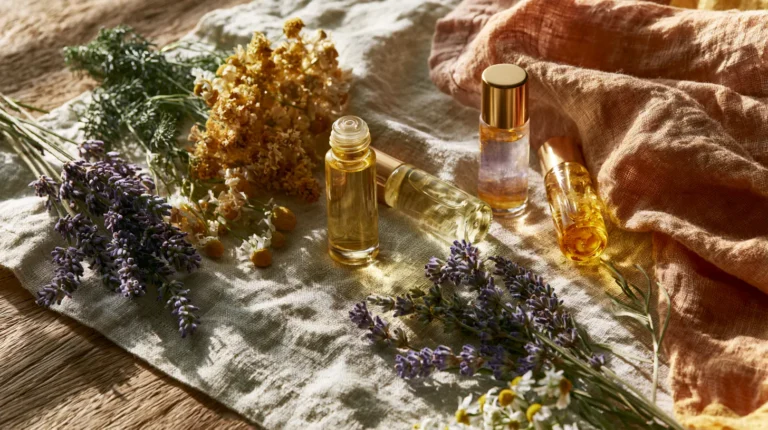
Aromatherapy for Sudden Tension Sometimes you need calm in seconds, not minutes. This roll-on aromatherapy blend combines lavender and chamomile essential oils in a carrier oil for a discreet, portable reset you can use anywhere. At a Glance Ingredients Preparation…
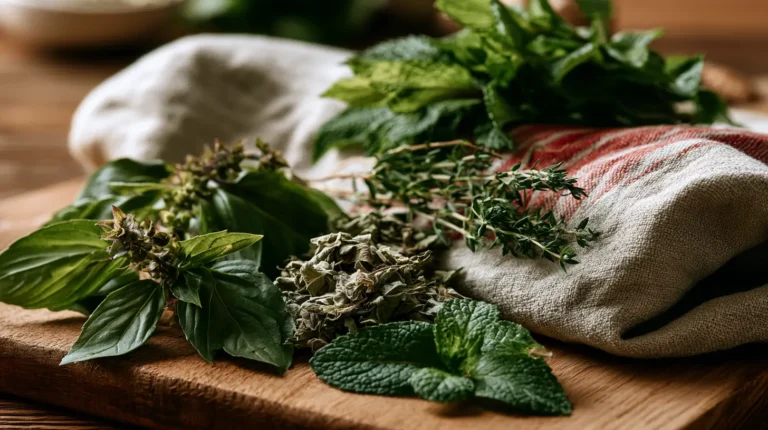
Calm Alertness Without the Crash Perfect for stressful workdays, this bright, minty tea blends holy basil with lemon balm and spearmint for a pick-me-up that calms rather than jitters. It’s a great alternative to reaching for another coffee. At a…
An Adaptogen Blend for Sudden Stress Spikes This concentrated tincture blends three well-known adaptogens traditionally used to help the body adapt to short bursts of pressure. A few drops under the tongue makes it easy to use anywhere, anytime. At…
A Fast-Acting Herbal Blend for Acute Stress When stress hits hard and fast, this gentle three-herb tea is designed to help you exhale. It combines traditional calming herbs known for easing tension and quieting a racing mind, brewed together into…
When a sudden trigger sends your body into fight-or-flight, certain herbs can help you calm down quickly.
Cordyceps Breathe Easy Tonic is a light, aromatic decoction built around cordyceps — a prized ingredient in Tibetan and Chinese medicine traditionally associated with supporting respiratory comfort and physical endurance. At a Glance Ingredients Preparation Dosage & Usage Take once…

Maca Vitality Smoothie is a creamy, naturally sweet blend built around maca root — a Peruvian Andes staple traditionally used to support stamina, mood, and everyday vitality. At a Glance Ingredients Preparation Dosage & Usage Enjoy once daily, typically in…

Astragalus Immune Support Broth is a savory root decoction rooted in traditional Chinese medicine, where astragalus has long been used as a seasonal tonic to support the body’s natural defenses. At a Glance Ingredients Preparation Dosage & Usage Enjoy one…
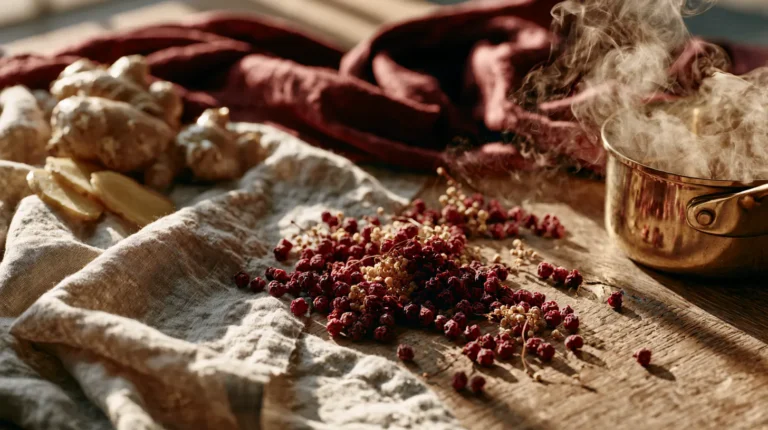
Schisandra Berry Clarity Tea is a tangy, five-flavored infusion built around schisandra berries — a staple of Chinese herbalism traditionally used to support mental clarity and a sense of steadiness during demanding periods. At a Glance Ingredients Preparation Dosage &…
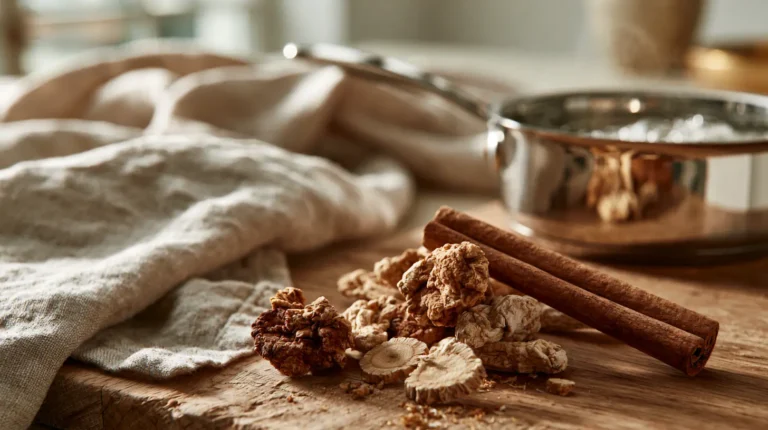
Eleuthero Endurance Tonic is a simple root decoction built around eleuthero (Siberian ginseng) — traditionally used to support stamina and the body’s resistance during physically demanding stretches. At a Glance Ingredients Preparation Dosage & Usage Take once in the morning,…
Panax Ginseng Energy Elixir is a warming root tonic rooted in traditional Chinese medicine, where ginseng has long been valued as a tonic for stamina and vitality, especially during periods of recovery or exertion. At a Glance Ingredients Preparation Dosage…
Reishi Evening Wind-Down Tea is a rich, earthy decoction built around reishi mushroom — long valued in Chinese herbalism as the “mushroom of immortality” and traditionally associated with restful, grounded evenings. At a Glance Ingredients Preparation Dosage & Usage Take…
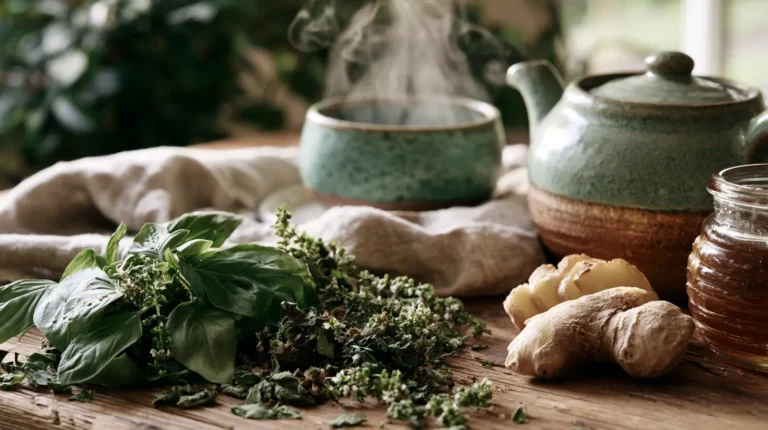
Holy Basil Calm Mind Tea is a fragrant daily infusion built around tulsi leaves — considered sacred in Ayurvedic tradition and used for generations as a gentle, grounding tonic for a steady, balanced mood. At a Glance Ingredients Preparation Dosage…
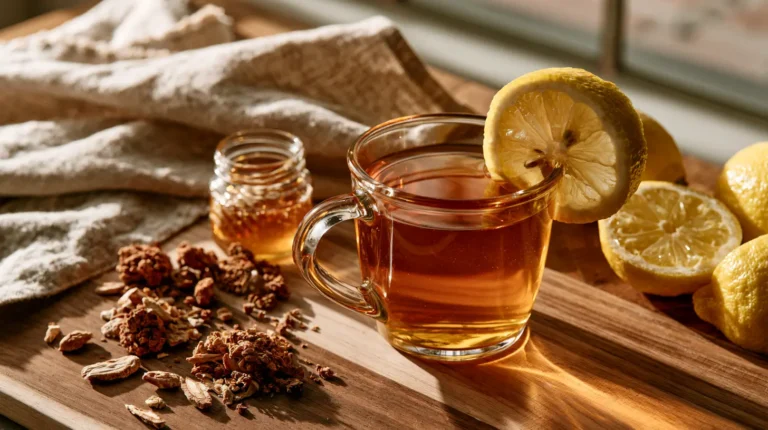
Rhodiola Morning Focus Tonic is a quick citrus-infused herbal shot built around rhodiola root — traditionally used in Scandinavian and Russian folk practice to support mental stamina and steady energy through demanding mornings. At a Glance Ingredients Preparation Dosage &…
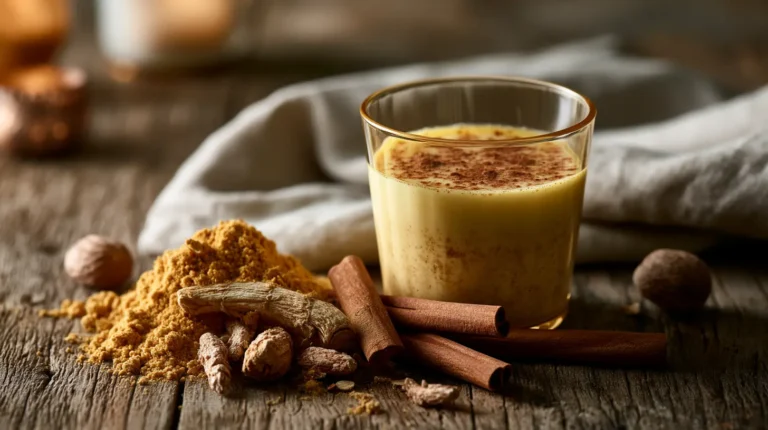
Ashwagandha Moonlight Milk is a warm, creamy evening drink built around ashwagandha root — an herb traditionally used in Ayurvedic practice to support the body’s relaxation response after a stressful day. It’s a gentle, low-effort ritual to fold into your…
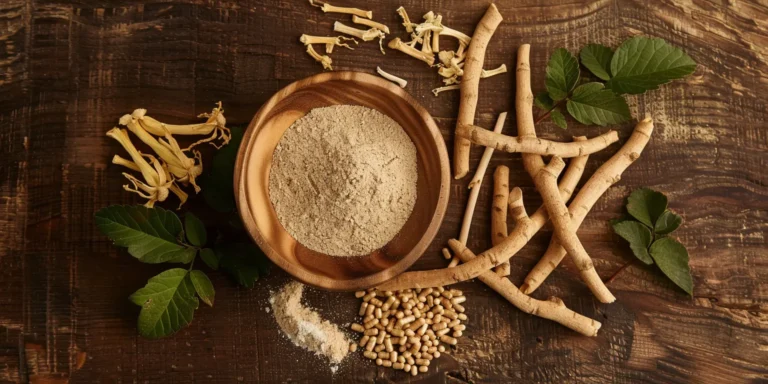
The Complete Guide to Nature’s Stress-Balancing Plants You know that feeling — you get through one stressful thing and there’s already another one waiting behind it. Work deadlines stack up, sleep gets shorter, and by mid-afternoon your energy has quietly…
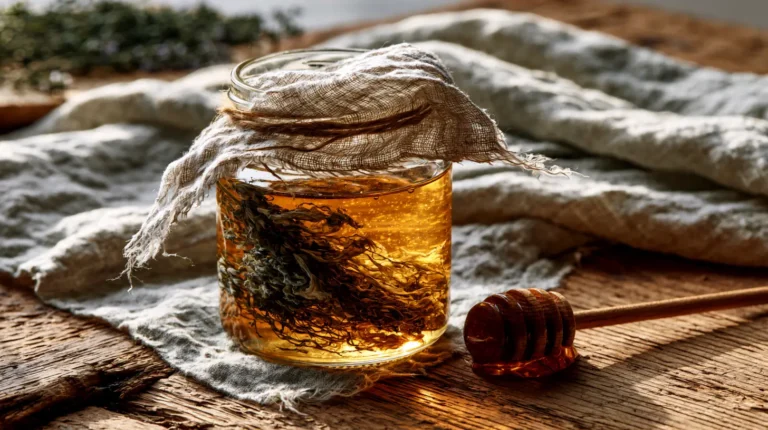
An electuary — herbs blended into honey — is one of the oldest and simplest ways to take a nervine herb, no steeping required. This skullcap honey is traditionally used to ease physical tension in small, spoonable doses throughout the…
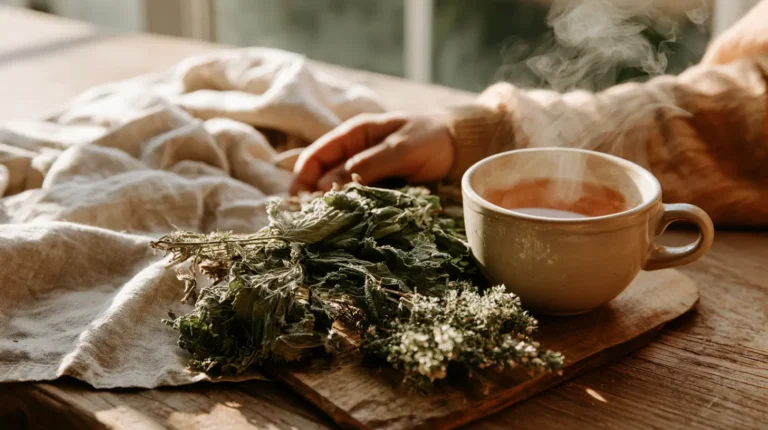
For moments when stress feels like it’s centered in the chest — a racing heart, tightness, or emotional overwhelm — this motherwort and lemon balm tea is traditionally used to bring a sense of steadiness and calm. At a Glance…

Sometimes the nervous system needs support that goes beyond a cup of tea. This lavender and oatstraw bath soak offers a traditional, full-body way to unwind, combining aromatic relaxation with nourishing minerals absorbed through a warm soak. At a Glance…
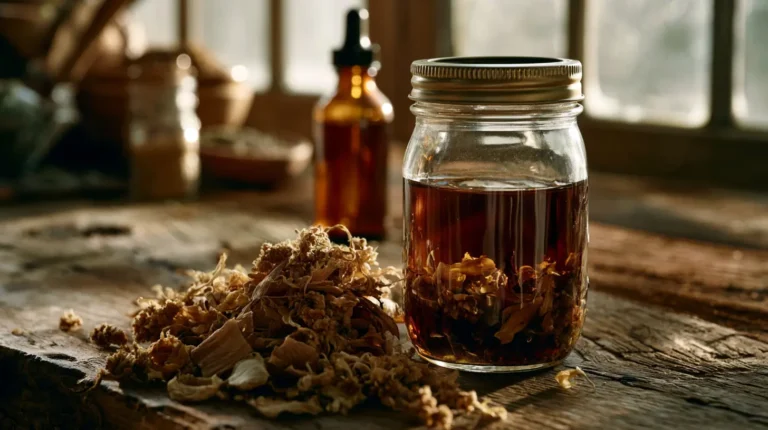
For nights when sleep feels especially out of reach, valerian is one of the strongest traditional nervines available. This concentrated tincture is designed for occasional use when a gentler tea just isn’t enough. At a Glance Ingredients Preparation Dosage &…
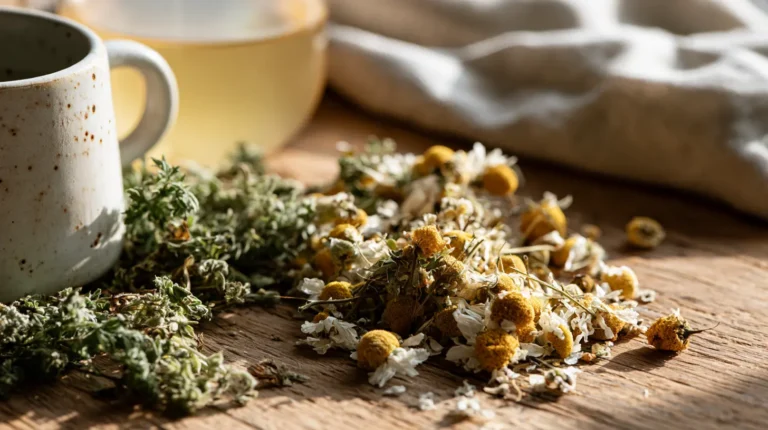
Catnip isn’t just for cats — this mild, gentle herb has a long tradition of soothing restlessness in both children and adults. Paired with chamomile, this tea offers an extra-gentle option for easing into a calmer evening. At a Glance…
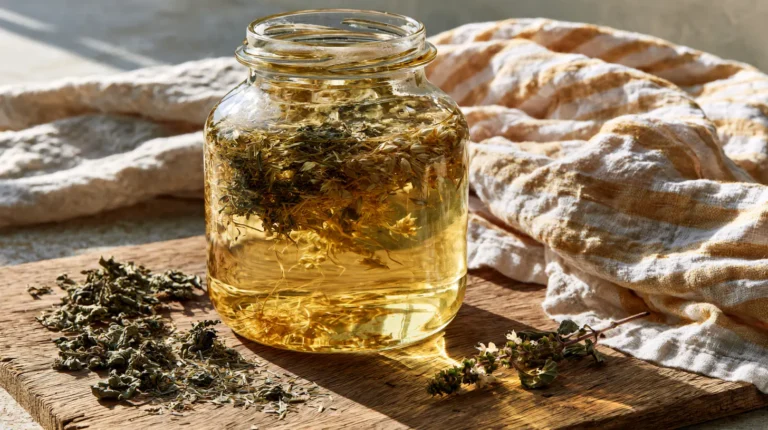
Not every nervine is about quick relief — some work best as a daily practice. This mineral-rich oatstraw and tulsi infusion is traditionally used to gently nourish a depleted nervous system over time, making it ideal for anyone navigating ongoing,…
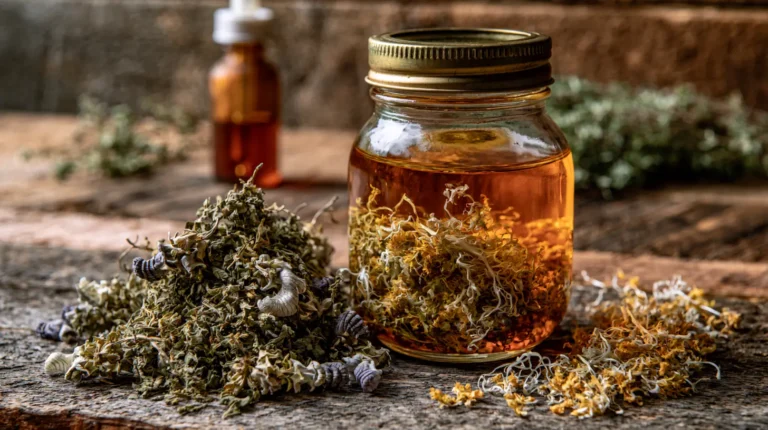
When stress shows up as tight shoulders, a clenched jaw, or a racing heart, this dual-herb tincture is traditionally used to ease physical tension held in the body alongside emotional overwhelm. At a Glance Ingredients Preparation Dosage & Usage Take…
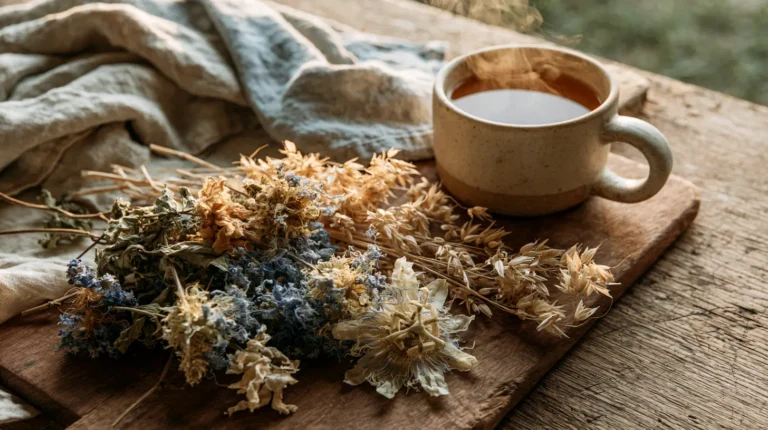
Racing thoughts at bedtime call for a stronger ally than chamomile alone. This passionflower nightcap tea is traditionally used to quiet an overactive mind and support deeper, more restful sleep. At a Glance Ingredients Preparation Dosage & Usage Drink 1…
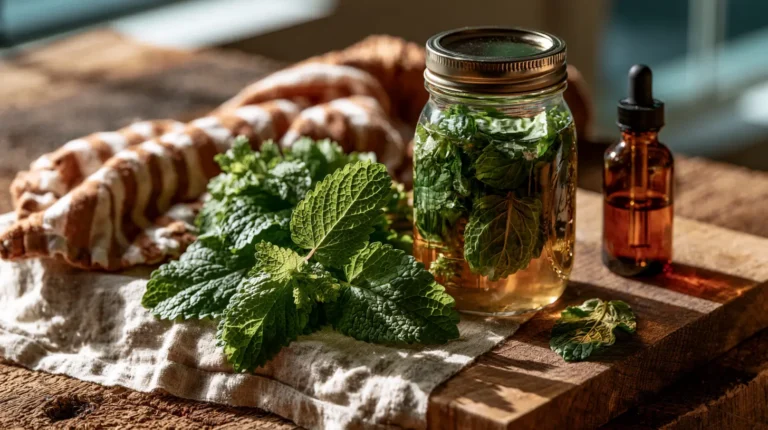
For moments when everyday stress feels like too much, this simple lemon balm tincture offers fast, portable support. Traditionally used to ease nervous tension and lift a heavy mood, lemon balm is a gentle go-to for busy days. At a…
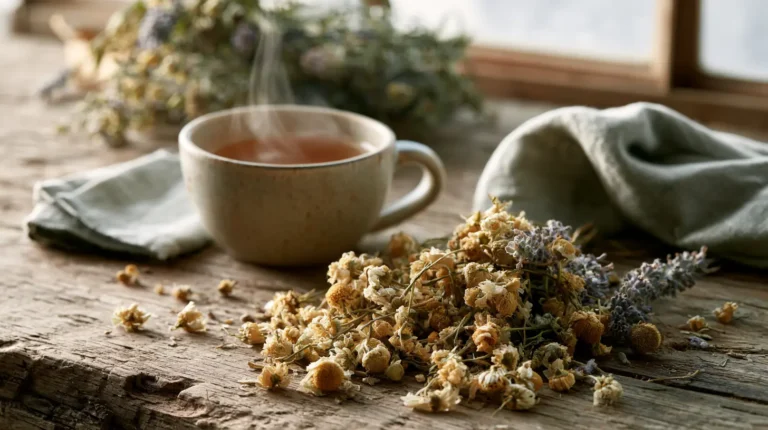
When your mind won’t slow down at bedtime, this gentle two-herb tea offers a simple, traditional way to ease into sleep. Chamomile and lavender have long been used together to calm a restless mind and relax a tense body before…
The Complete Guide to Calming Your Nervous System Naturally Racing thoughts at midnight. A jaw clenched from a stressful day you can’t quite shake. That wired-but-tired feeling that shows up no matter how much coffee you cut back on. If…
A no-brew calming ritual — lavender and chamomile infused into honey, ready to stir into tea, oatmeal, or warm milk.
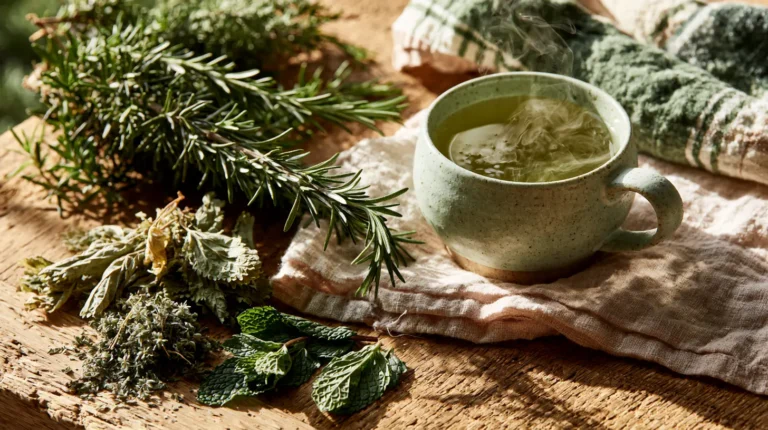
A daytime tea blending rosemary, lemon balm, and peppermint to clear the fog and sharpen scattered focus.
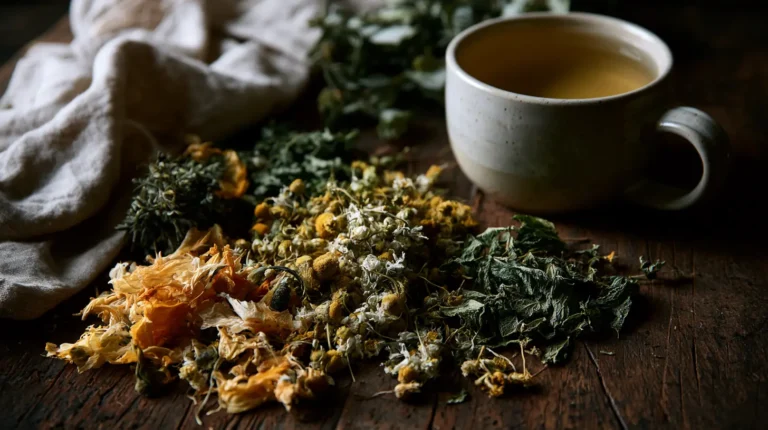
When stress makes it hard to settle down at night, this evening-only blend combines California poppy’s traditional calming quality with the gentle nervine support of chamomile and lemon balm. It’s meant for occasional use, not an everyday habit. California Poppy…
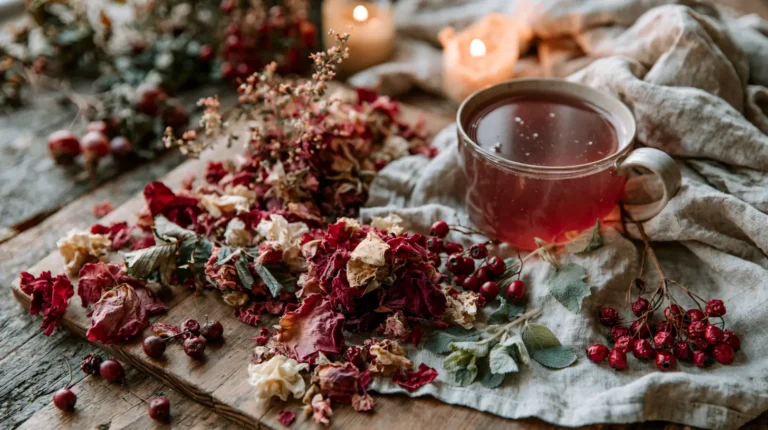
Some stress feels less like tension and more like heaviness in the chest — emotional, tender, hard to name. This tea pairs rose and hawthorn, two herbs traditionally associated with heart-centered comfort, with lemon balm’s gentle calm. Rose and Hawthorn…
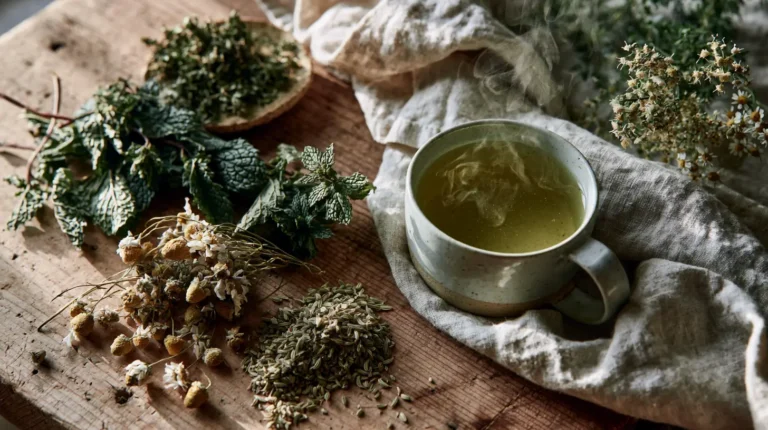
Stress doesn’t always stay in your head — often it settles in the stomach. This blend of spearmint, chamomile, and fennel is designed for the moments when stress makes your belly feel like it joined the meeting without permission. Spearmint…
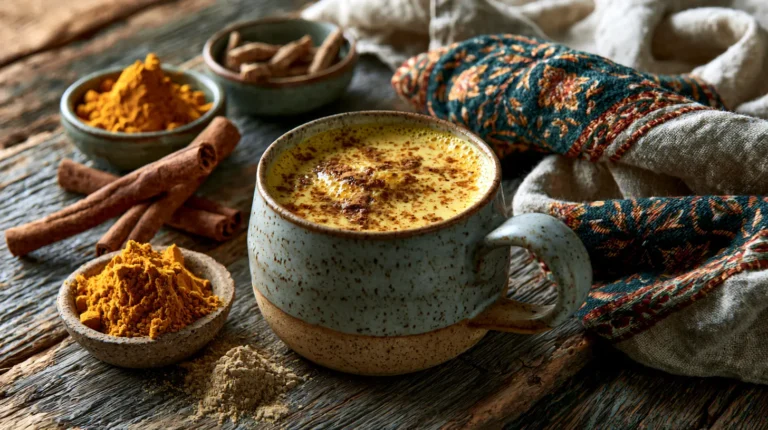
For stress that builds up over weeks or months, ashwagandha is one of the most traditionally used adaptogens for long-term resilience. Warmed into golden milk with turmeric and cinnamon, it becomes a grounding evening ritual rather than just a supplement.…
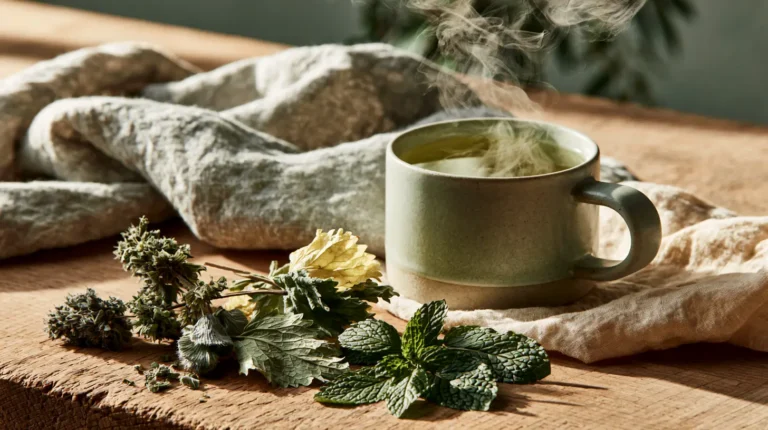
When stress settles into tight shoulders, a clenched jaw, or an overstimulated mind, this blend leans on skullcap’s traditional use for tension patterns, brightened by lemon balm and a refreshing note of peppermint. Skullcap and Lemon Balm Tension Tea At…
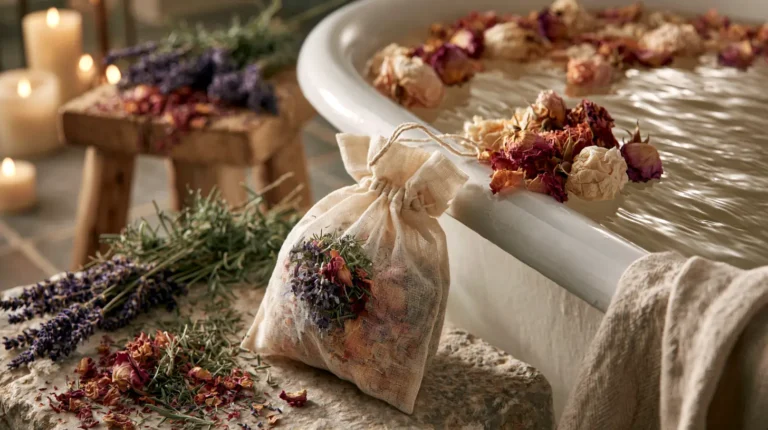
Sometimes stress relief needs to work through the senses rather than the digestive system. This herbal bath soak combines calming lavender, comforting rose, and soothing oats with Epsom salt for a warm, unhurried ritual — twenty minutes with no phone…
Not all stress calls for a quick calming sip — sometimes it calls for nourishment. This long-steeped infusion combines nutrient-rich oats and nettle into a mineral-dense drink traditionally used to support a body that feels tired, stretched thin, or depleted…
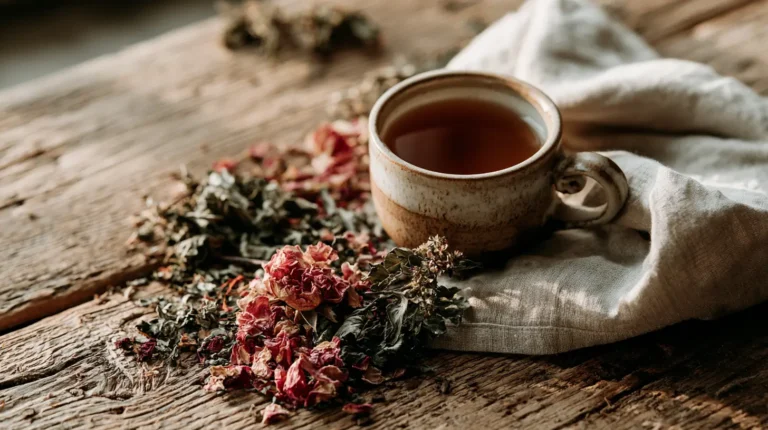
When stress feels less like a spike and more like a heavy, ongoing weight, holy basil (tulsi) is a traditional go-to for steady, daily support. Paired with softly floral rose petals, this tea is designed to be sipped as part…
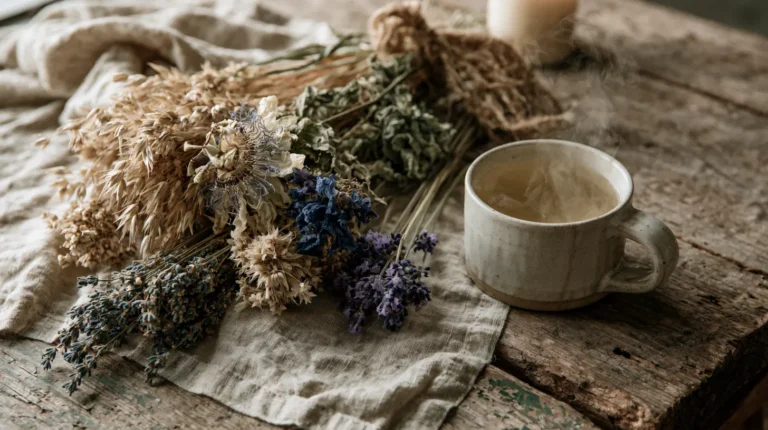
For nights when your thoughts won’t stop circling, this three-herb blend leans on passionflower’s traditional quieting effect, supported by nourishing oat straw and softly aromatic lavender. It’s designed as an evening wind-down ritual for a busy mind. Passionflower Evening Relaxation…
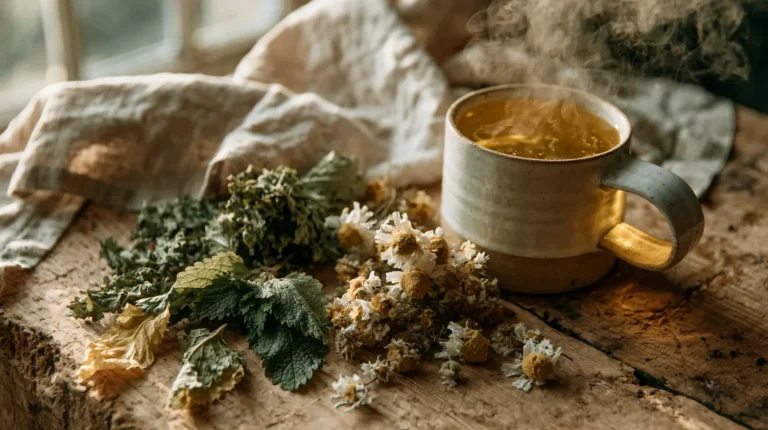
When stress shows up as restlessness or a fluttery stomach, sometimes what you need isn’t a big intervention — just a pause. This simple two-herb tea combines lemon balm and chamomile, two traditional calming herbs, into a gentle beginner-friendly ritual…
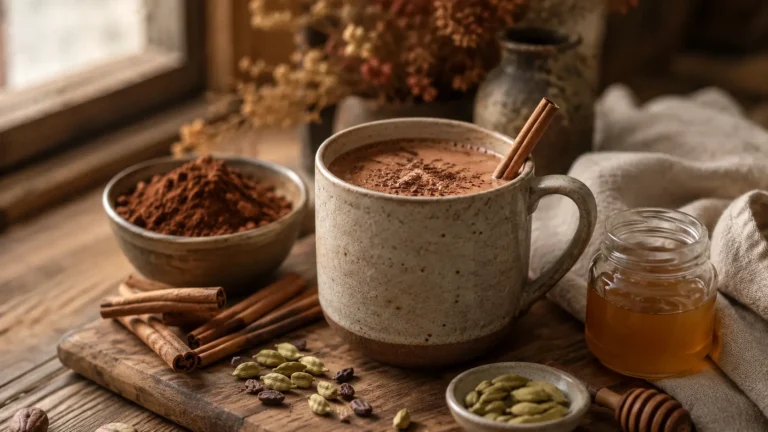
Craving something chocolatey but don’t want the sugar crash? This warm, spiced cacao tonic is a cozy way to satisfy that craving while getting a gentle dose of comforting, warming herbs. It’s simple to make and easy to sip slowly…
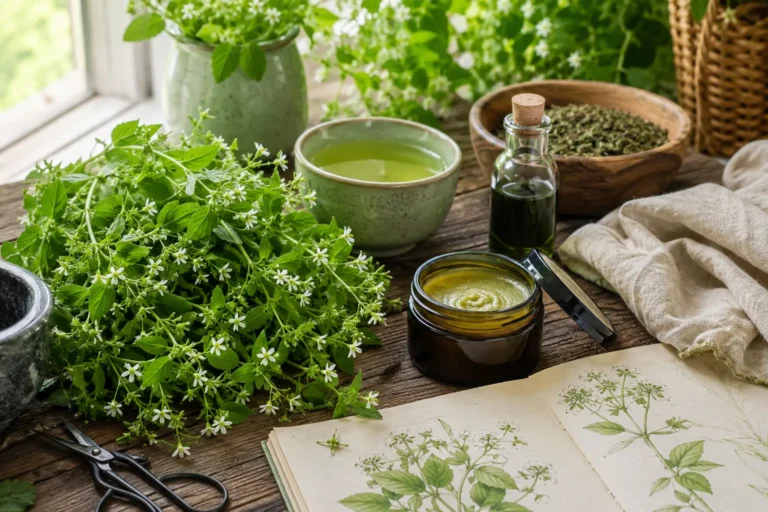
Gentle herb traditionally valued for supporting healthy skin and providing nourishing nutrients as part of a balanced diet.
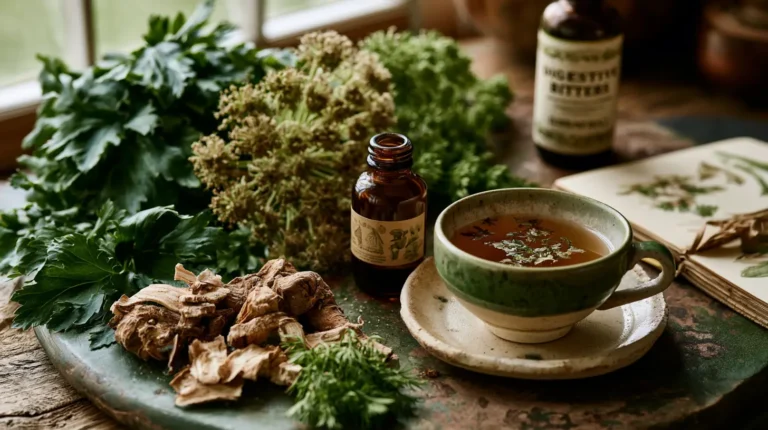
Herb for digestion, warmth, respiratory comfort, and women’s wellness
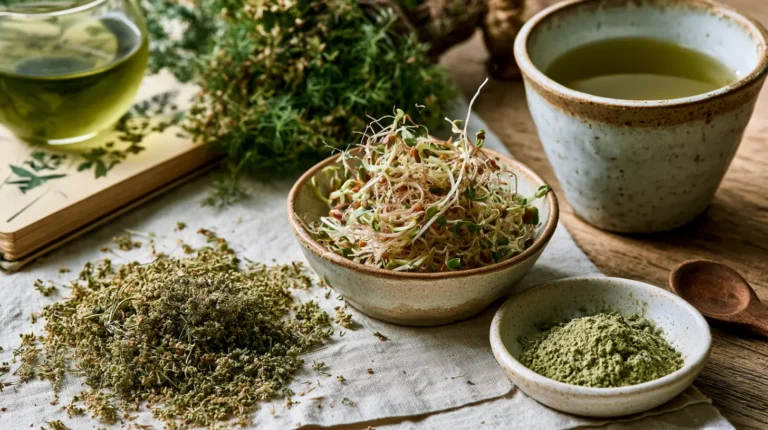
Herb for nutrition, digestion, and bones
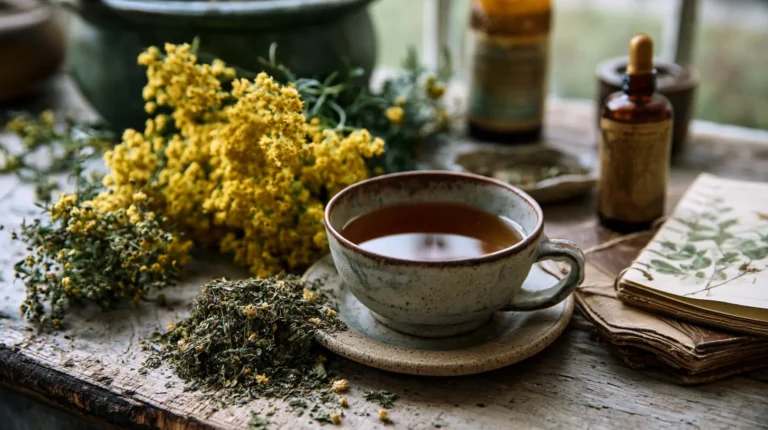
Traditionally used to ease sore throats and digestion
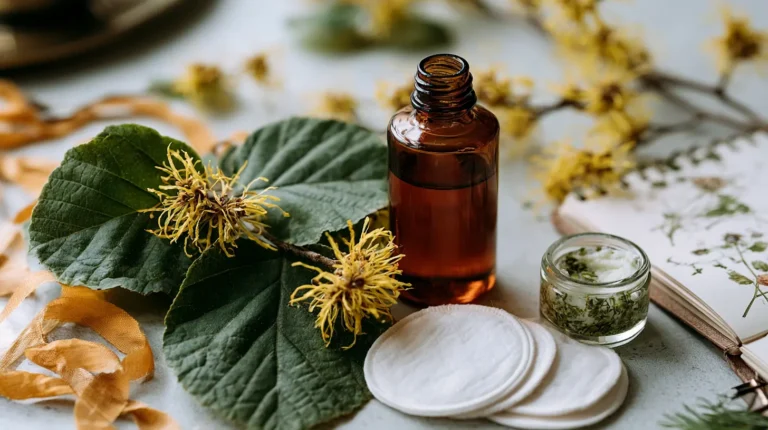
Witch hazel is a small North American tree or shrub with oval leaves, smooth gray-brown bark, and curious yellow ribbon-like flowers that bloom when much of the garden is winding down. Traditionally, witch hazel leaf, bark, and distilled preparations have…
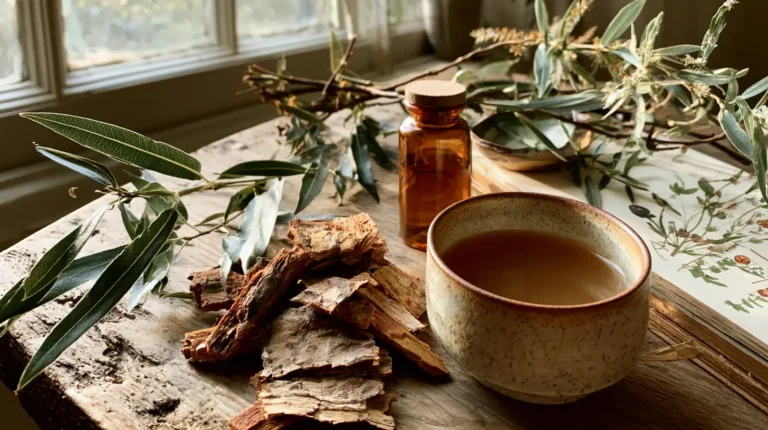
Willow bark is the bark of willow trees, especially white willow and related Salix species. The herb is best known for salicin, a bitter plant compound that the body can convert into salicylate-related compounds. This connection is why willow bark…
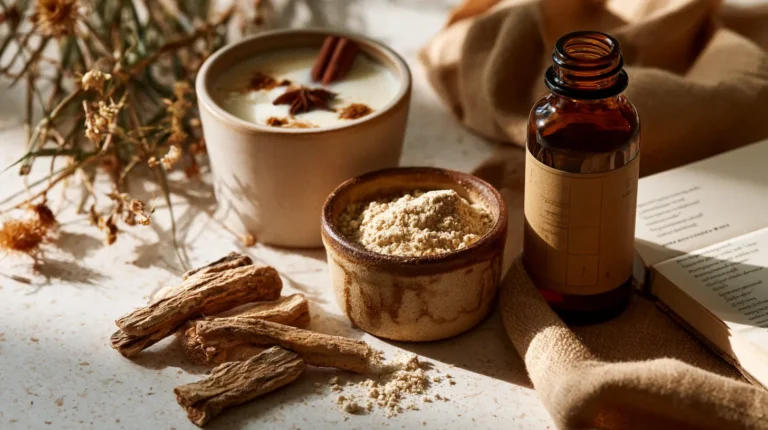
Shatavari is a traditional Ayurvedic root herb best known for women’s wellness, reproductive support, digestive comfort, and gentle nourishment. The name is often translated in herbal circles as “she who possesses a hundred husbands,” which is a very dramatic way…
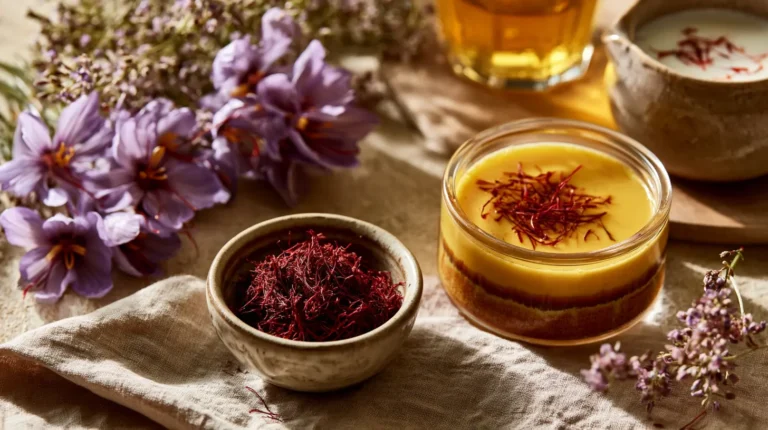
Traditionally, saffron has been used as a culinary spice, coloring agent, mood-support herb, digestive aromatic, and restorative tonic. It appears in Persian, Indian, Mediterranean, Middle Eastern, and European food traditions, where it brings color, aroma, and a slightly bitter floral…
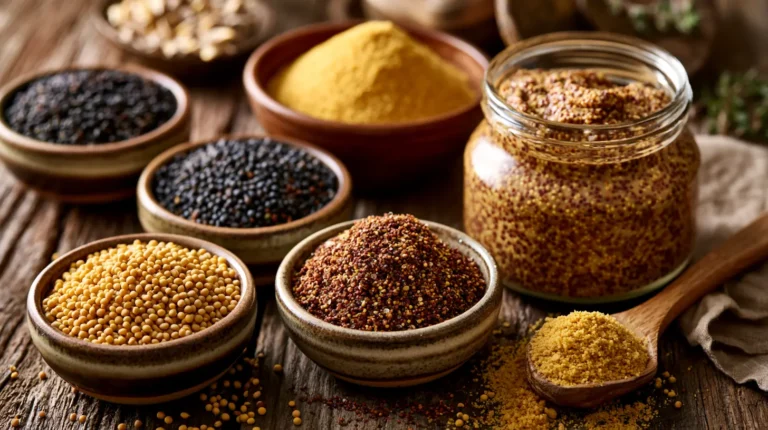
Mustard seed has been used around the world as both food and traditional herbal support. It appears in spice blends, pickles, condiments, oils, plasters, baths, and warming topical preparations. In herbal practice, mustard seed is usually understood as a pungent,…
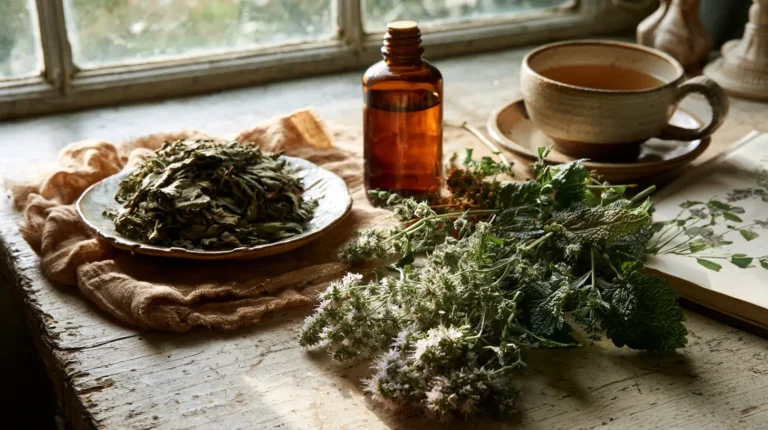
Motherwort name gives a strong clue to its traditional use: “mother” for women’s wellness traditions, and “wort,” an old word for medicinal plant. Herbalists have long used motherwort to support the nervous system, emotional steadiness, menstrual comfort, and heart-centered tension.…
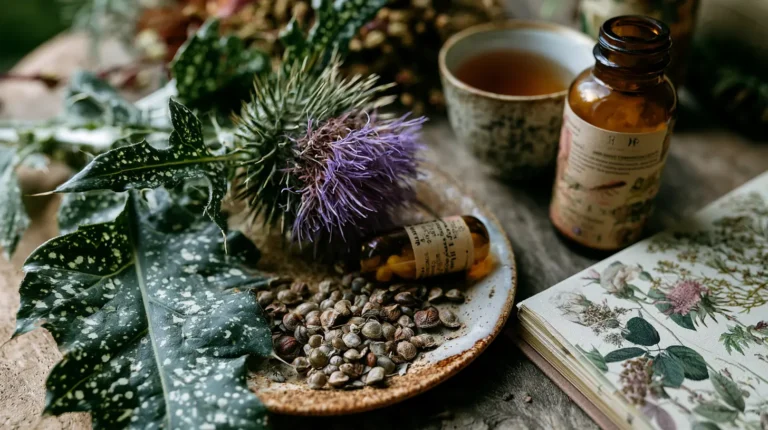
Milk thistle is a tall, prickly plant with purple flower heads and striking green leaves marked with white veins. Those white markings are part of the reason it became known as “milk” thistle. Traditionally, milk thistle has been used to…
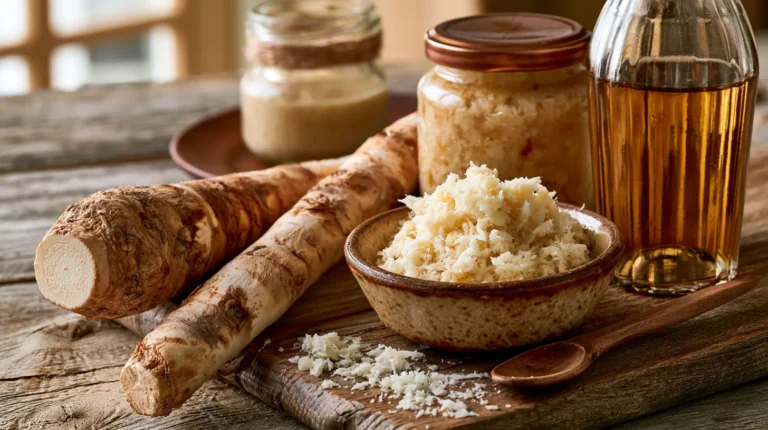
Traditionally, horseradish has been used as a pungent food herb to support digestion, clear-feeling breathing, circulation, and seasonal wellness. It is most often used fresh, grated, and mixed with vinegar as a condiment. In herbal practice, it belongs to the…
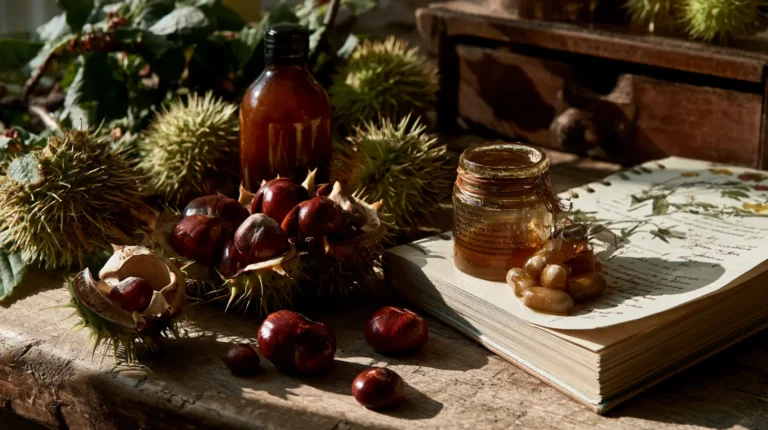
In herbal practice, horse chestnut is best known through properly processed seed extracts standardized for aescin, also called escin. Traditionally and clinically, these extracts are mainly associated with vein tone, leg heaviness, swelling, and circulation support. Horse chestnut is not…
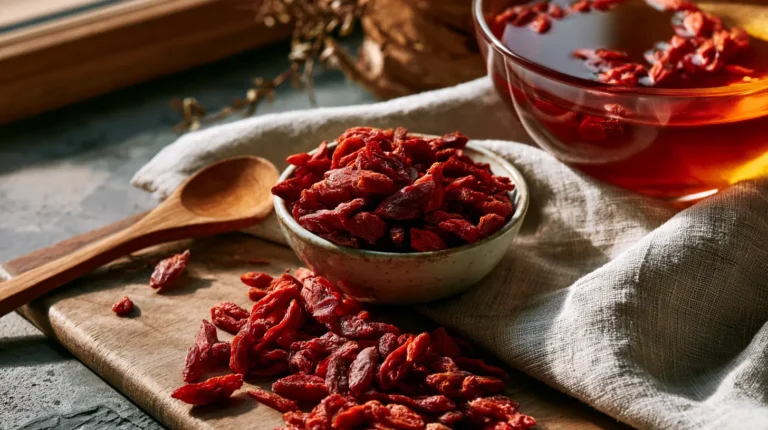
Goji berry is the small red-orange fruit of a shrub in the nightshade family. It is also known as wolfberry and has been used for centuries in traditional East Asian food and herbal practice. In Traditional Chinese Medicine, goji berry…
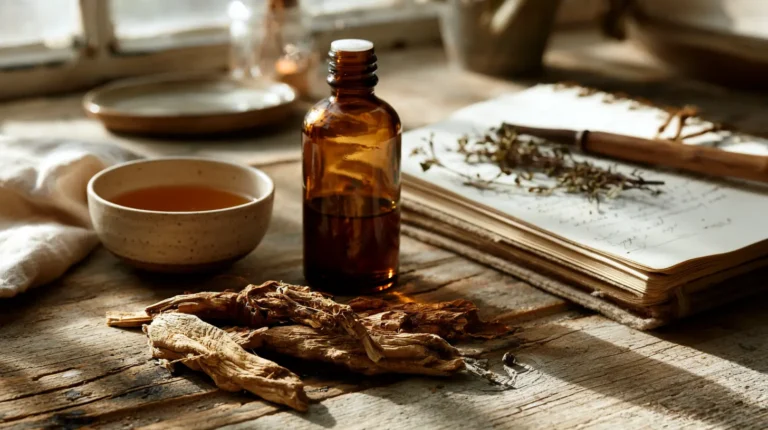
Gentian root is one of the most famous bitter herbs. Traditionally, gentian root has been used to support digestion, appetite, bile flow, and the body’s natural response to heavy meals. It is most often taken in small amounts before meals,…
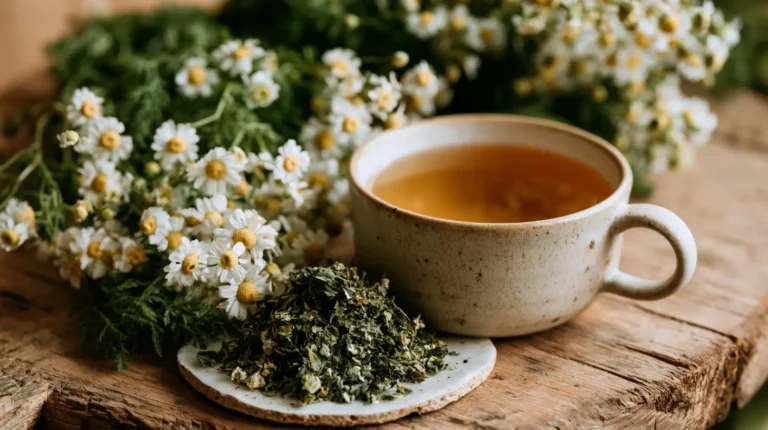
Feverfew is a small, daisy-like perennial herb in the Asteraceae family. Traditionally, feverfew has been used to support head comfort, menstrual wellness, digestive sluggishness, and the body’s response to occasional inflammatory stress. In modern herbalism, it is most often discussed…
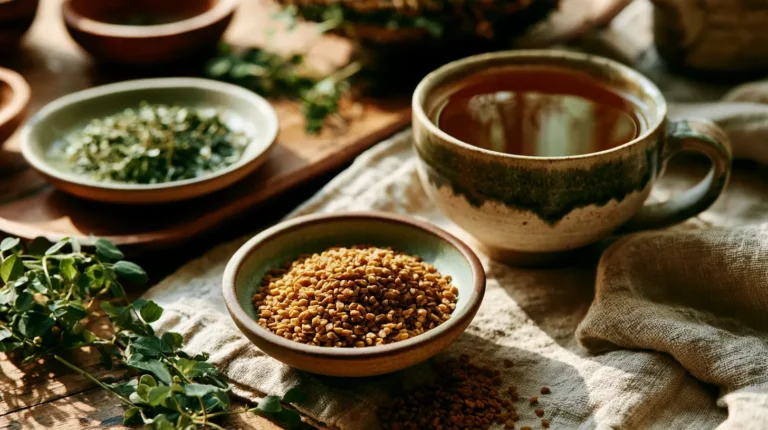
Traditionally, fenugreek seed has been used to support digestion, appetite, lactation, metabolic wellness, and everyday nourishment. It is a food herb with a long history, but it is also strong enough that concentrated supplements deserve real caution. Fenugreek may smell…
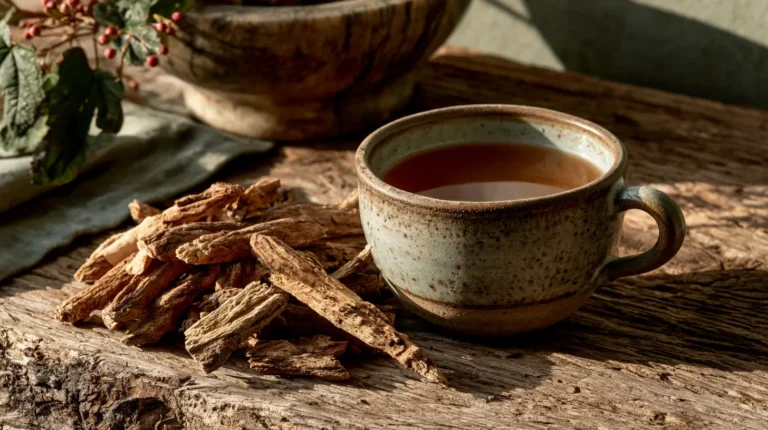
Eleuthero is a thorny shrub native to parts of northeastern Asia, including regions of Russia, China, Korea, and Japan. It is often called Siberian ginseng, but that name can be confusing because eleuthero is not a true ginseng. True ginsengs…
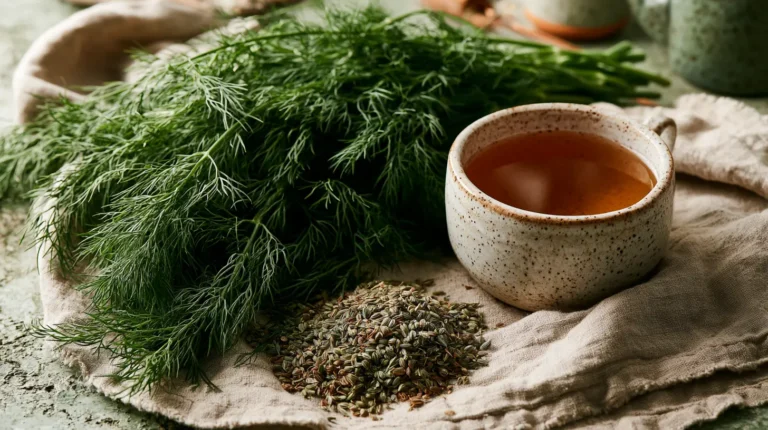
Herb for Gas Comfort, Fresh Flavor, and Gentle Herbal Warmth
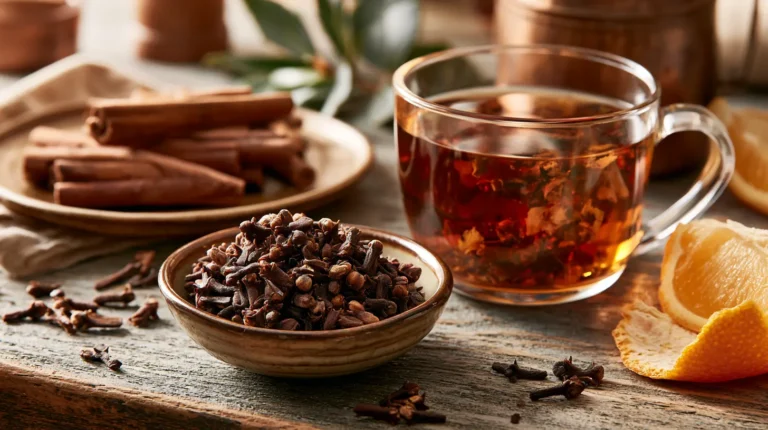
Warming spice traditionally valued for supporting digestive health and adding a rich, aromatic flavor to foods and herbal preparations.
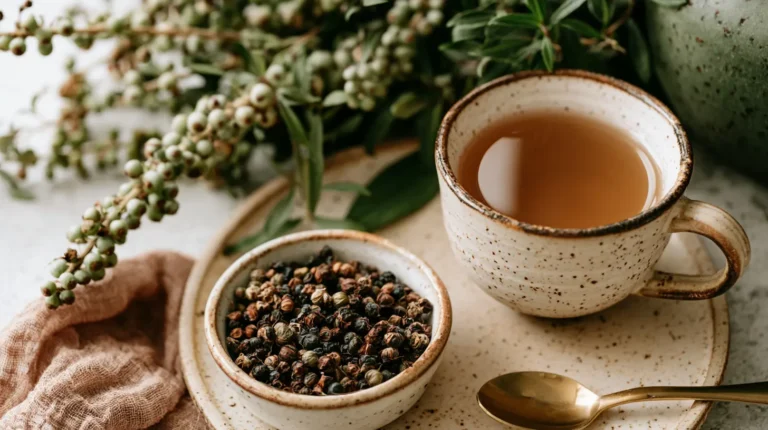
Hormone-Rhythm Herb for Cycles, PMS Support, and Women’s Wellness
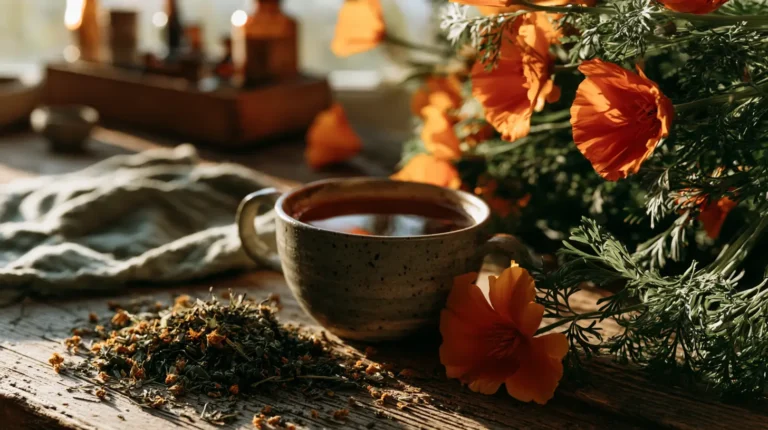
Known for its mild sedative quality, Calming herb traditionally used to promote relaxation and support restful sleep and a balanced nervous system.
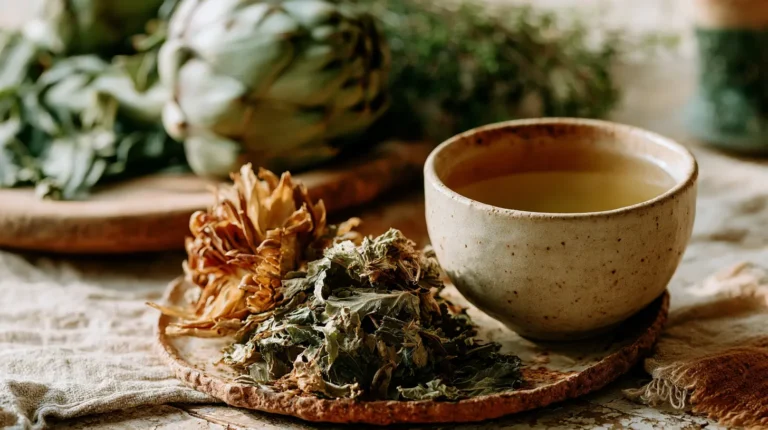
The Bitter Green Herb for Digestion, Bile Flow, and Liver Support
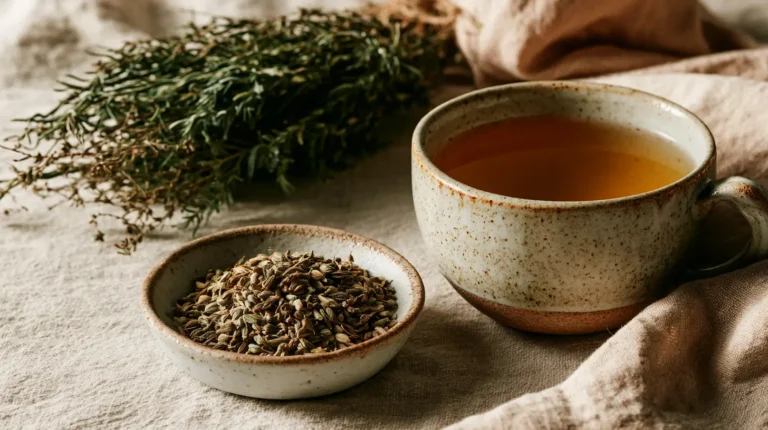
Digestion, Breath, and Gentle Herbal Warmth
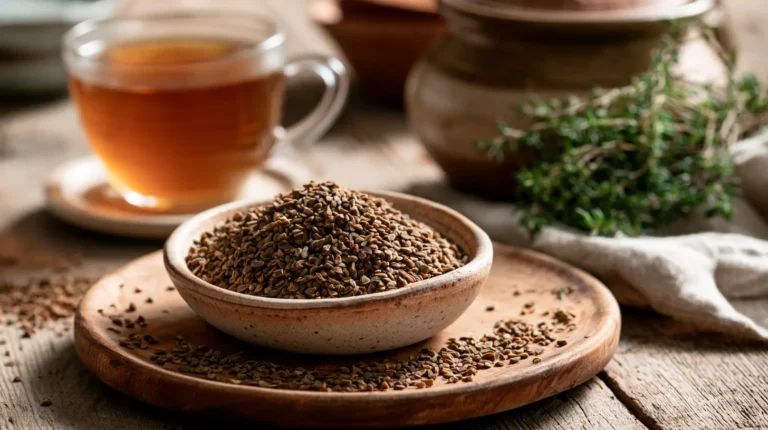
Tiny Thymol-Rich Seed for Digestion and Warmth
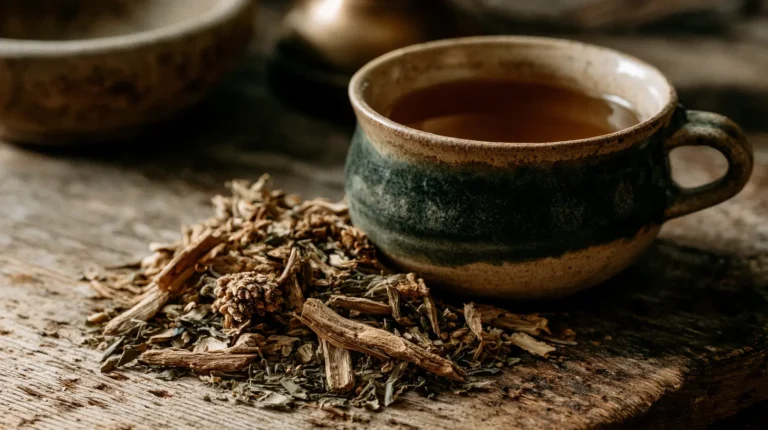
Traditionally, valerian root has been used to support relaxation, sleep rhythm, nervous system calm, and patterns of physical tension. It is one of the better-known nighttime herbs, but it is also one of those plants that works best when used…
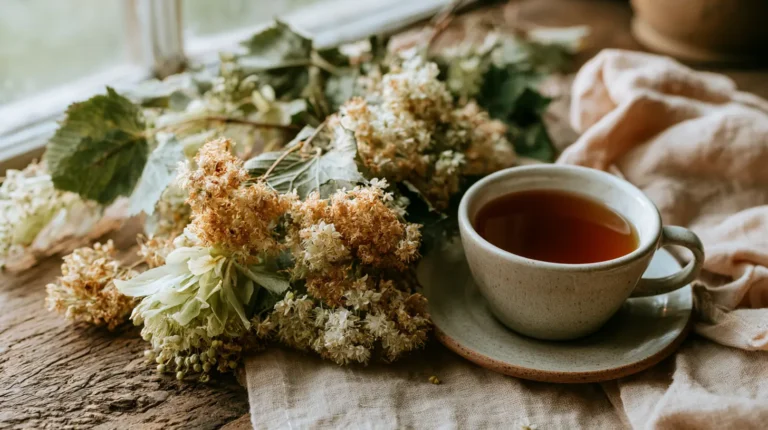
Linden is the fragrant flower and bract of the linden tree, also called lime flower in European herbal traditions. Despite the name, it has nothing to do with citrus lime, so no tiny green fruit is hiding in this tea.…
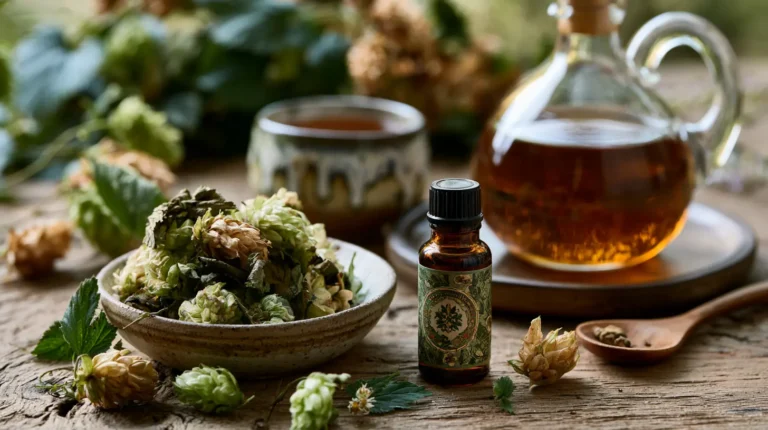
Hops are the female flower cones of a climbing plant best known for giving beer its bitter flavor and aromatic character. In herbalism, those same bitter, resinous cones are traditionally used for sleep support, nervous tension, digestion, and calming evening…
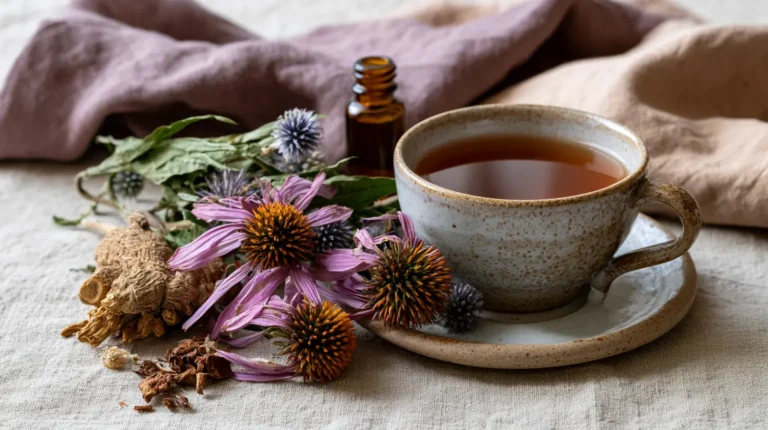
Herb traditionally used to support a healthy immune system and promote overall seasonal wellness.

Frankincense Resin for Joint Comfort, Inflammatory Balance, and Deep Aromatic Tradition
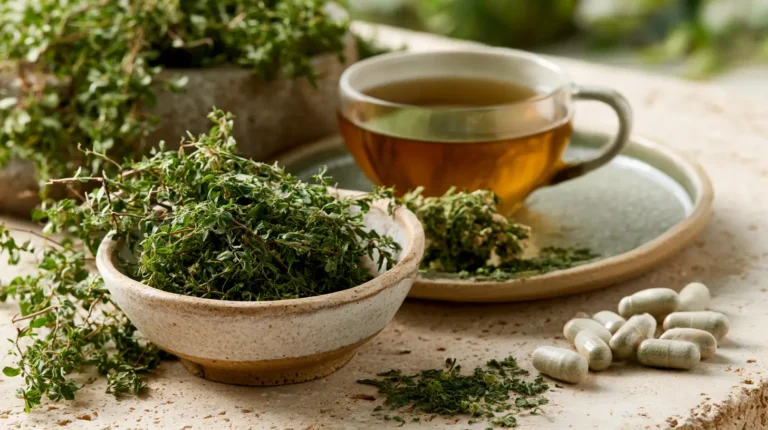
Memory, Focus, and Calm Mental Stamina
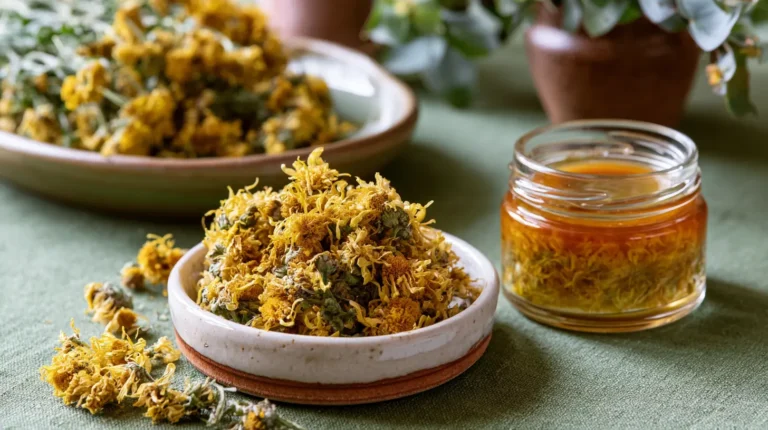
Topical Muscle, Joint, and Bruise Support
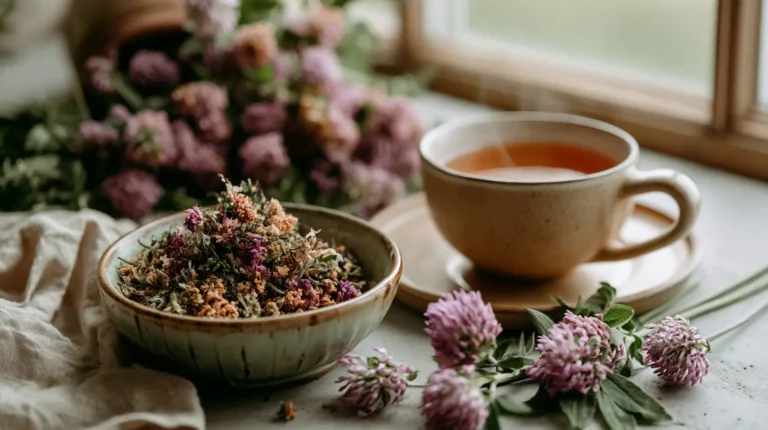
Traditionally, red clover blossoms have been used as a gentle tonic herb for women’s wellness, skin health, lymphatic support, respiratory comfort, and general nourishment. It is one of those friendly meadow plants that looks delicate but has a surprisingly serious…
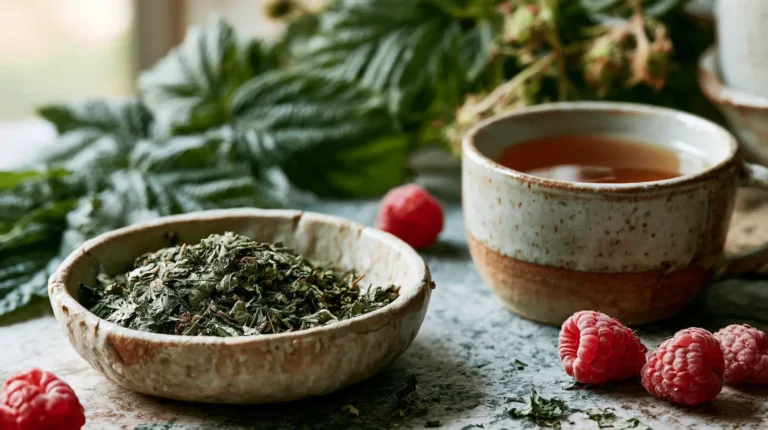
Raspberry leaf is best known in herbal traditions for women’s wellness, especially late-pregnancy tea traditions, menstrual comfort, digestive tone, and tissue support. It is a calm, steady herb — more like a practical aunt with good advice than a dramatic…
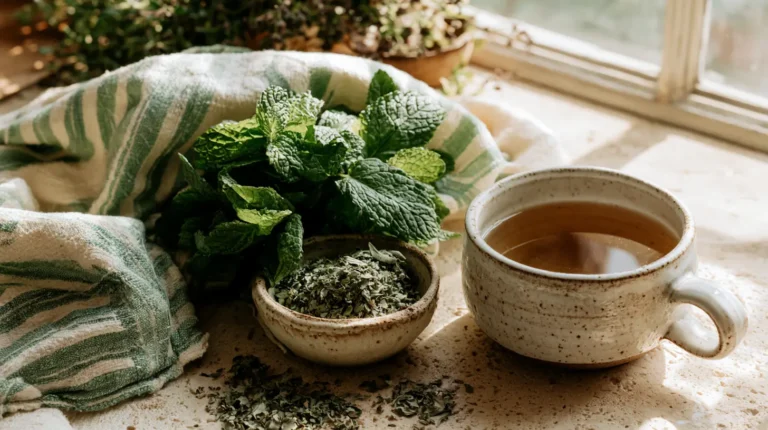
Mint is a fragrant family of herbs known for its cooling taste, bright aroma, and long history in food, tea, oral care, and traditional herbal preparations. The word “mint” can refer to several species, but the most common herbal and…
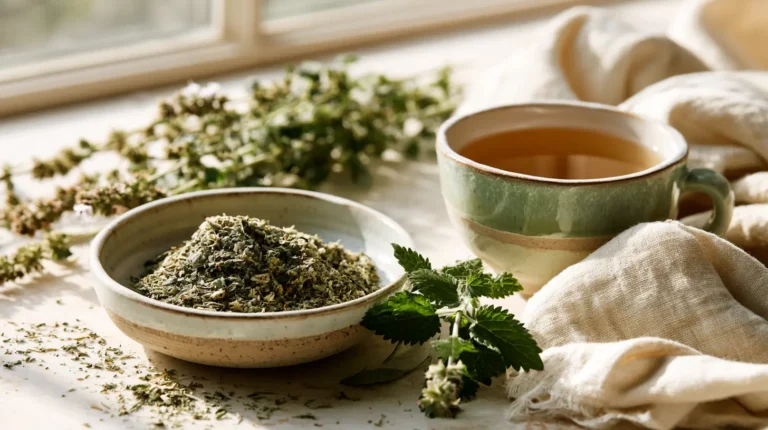
Gentle Mint-Family Herb for Calm, Digestion, and Curious Cats
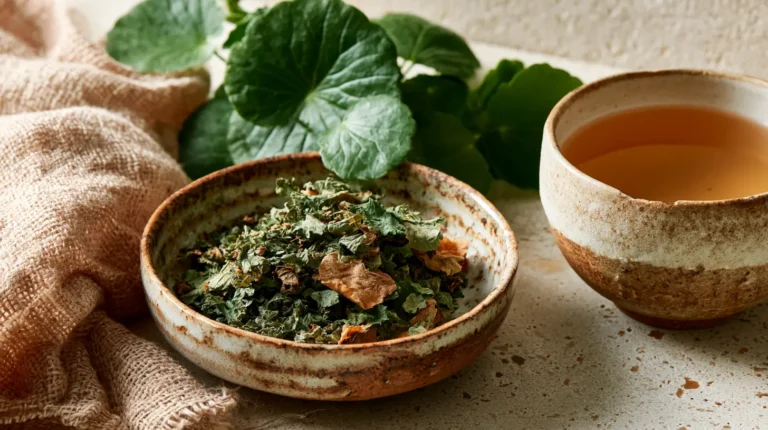
Gotu kola is a low-growing, creeping plant with small rounded leaves that has long been used in Ayurveda, traditional Chinese medicine, and Southeast Asian food traditions. It is not related to kola nut and does not contain caffeine, despite the…
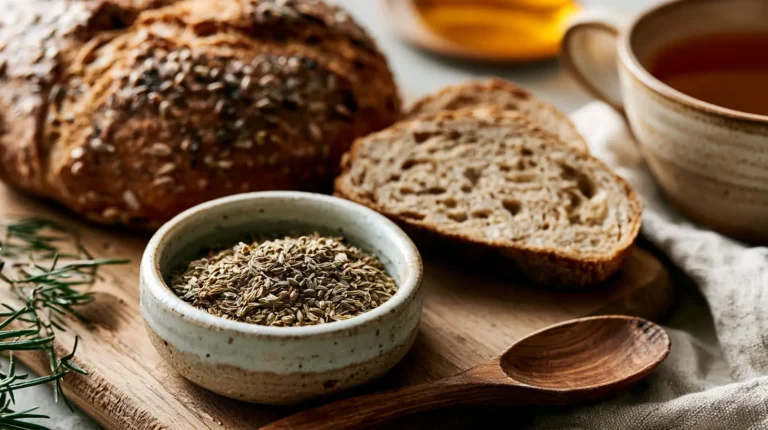
Aromatic herb traditionally used to support healthy digestion and add warm, distinctive flavor to foods and herbal preparations.
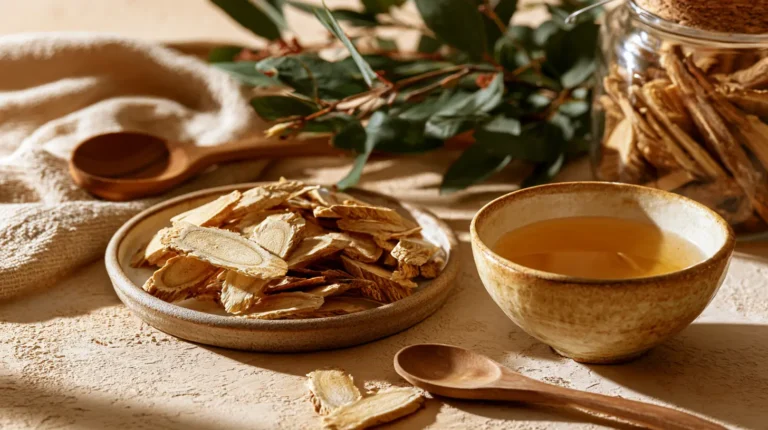
The Deep-Rooted Tonic for Immune Resilience and Energy
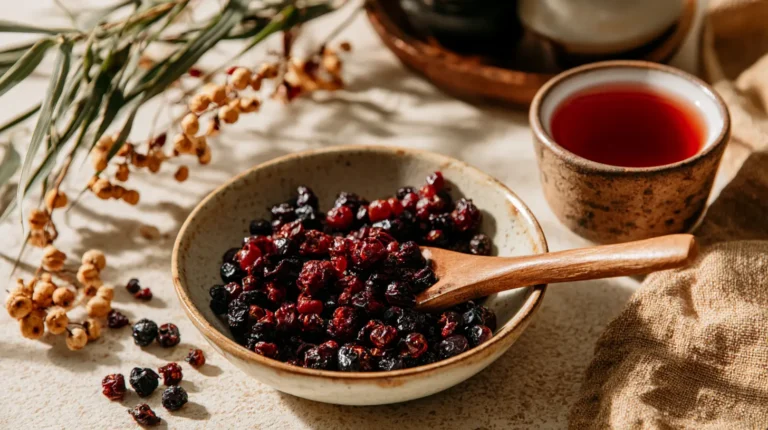
Schisandra is a bright red berry used in traditional Chinese medicine and modern herbalism as a tonic for resilience, liver support, stress response, and vitality. It is often called the “five-flavor fruit” because the berry contains sour, sweet, salty, bitter,…
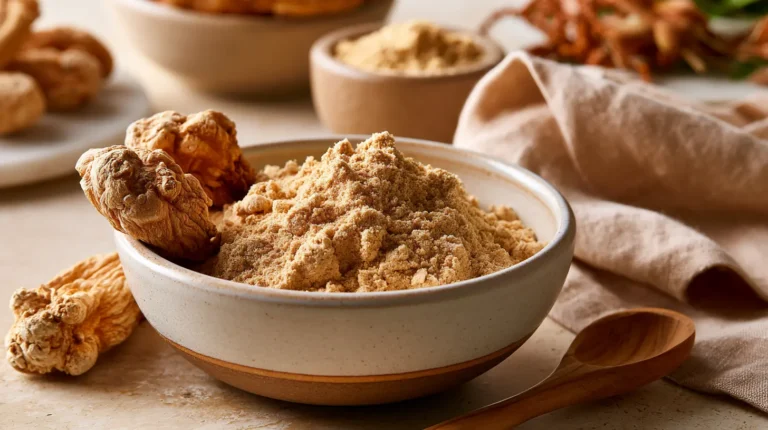
Maca is a hardy root vegetable native to the high Andes of Peru, where it has been grown as both food and traditional medicine for centuries. It belongs to the mustard family, which makes it a botanical cousin of radish,…
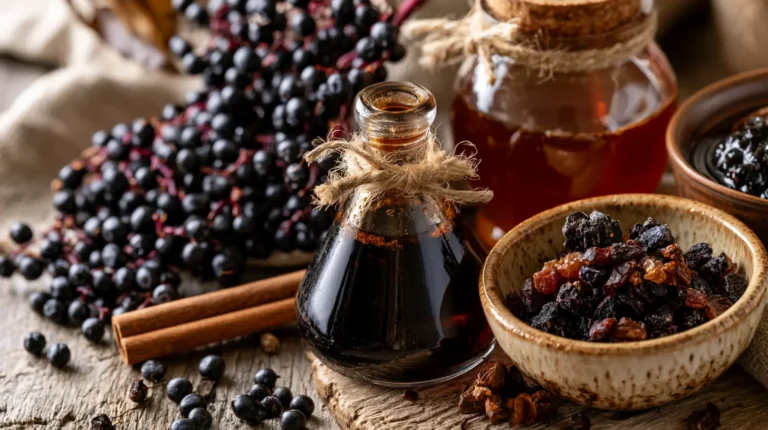
Elderberry is the small, dark purple-black fruit of the elder tree, a shrub traditionally used in European and North American folk herbalism. It is best known today as a seasonal wellness herb, especially in syrups, teas, gummies, and capsules. Elderberry…
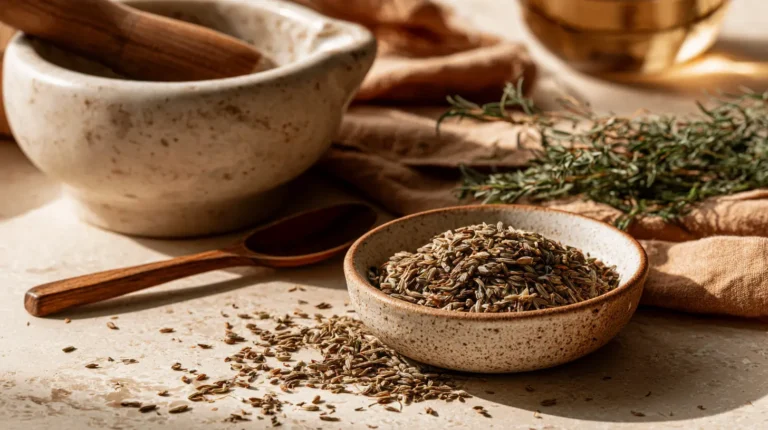
Warming Seed for Digestion and Flavor
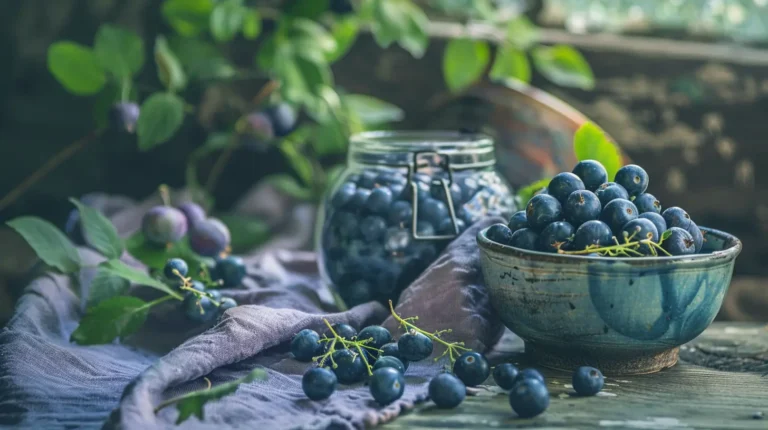
Deep-Blue Berry Support for Eyes, Circulation, and Antioxidant Wellness
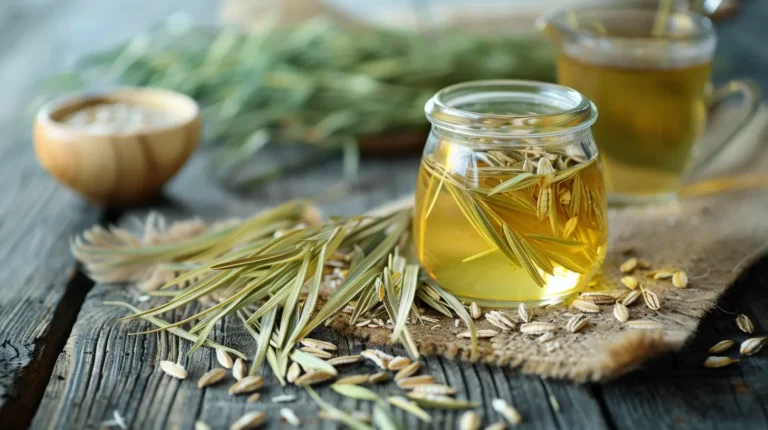
Oat straw is the dried green stem and leaf of the oat plant, harvested before the grain fully matures. It is different from oatmeal, oat bran, and milky oat tops, though all come from the same generous plant. Oat Straw…
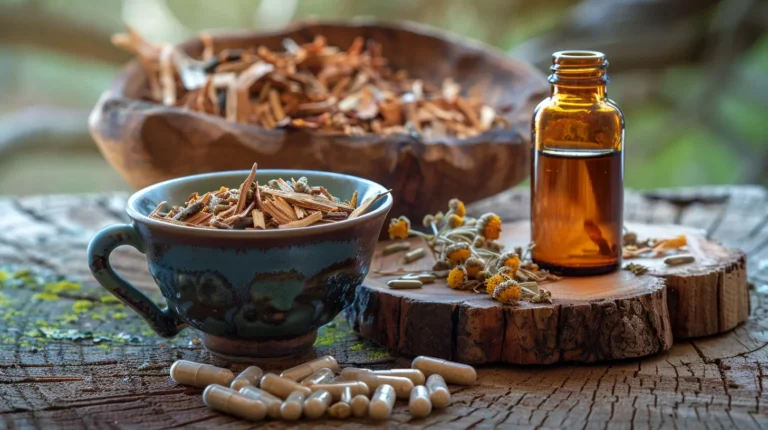
stimulating adaptogen traditionally used to fight fatigue, sharpen focus, and help the body cope with stress
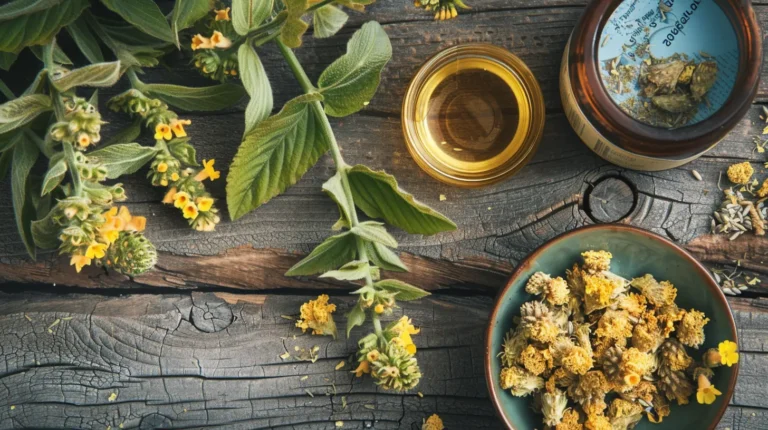
Mullein is a tall biennial plant with large, soft, fuzzy leaves and bright yellow flowers. Herbalists have long used the leaf and flower, especially in teas, syrups, oils, and soothing respiratory blends. Mullein (Verbascum thapsus) Traditional Uses of Mullein Respiratory…
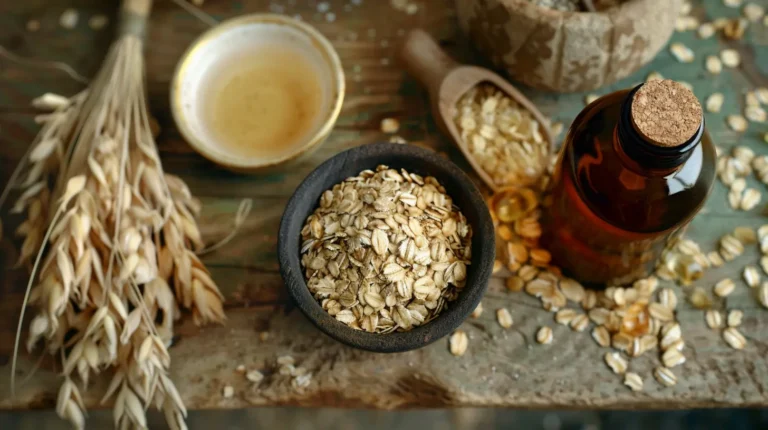
Milky oat refers to the fresh, immature seed of the oat plant harvested during the brief “milky” stage, when the seed releases a white, latex-like fluid when squeezed. This is different from oatmeal grain and slightly different from oat straw,…
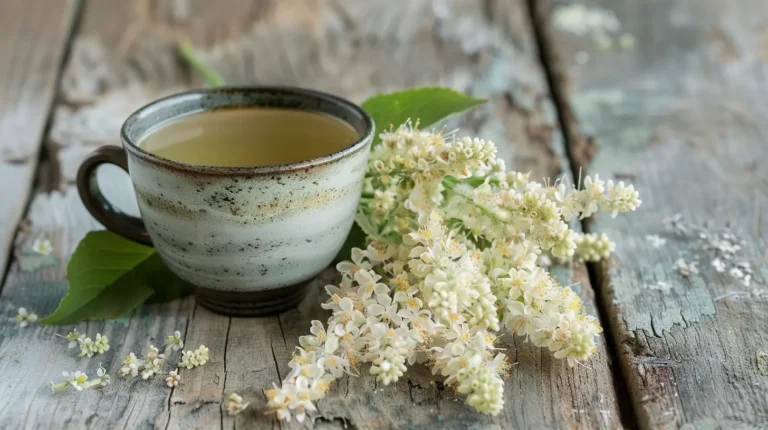
Meadowsweet is a fragrant flowering herb that grows in damp meadows, riverbanks, and moist woodland edges. Its creamy-white flower clusters smell sweet and almond-like, which makes its old common name, “queen of the meadow,” feel very well earned. Meadowsweet (Filipendula…
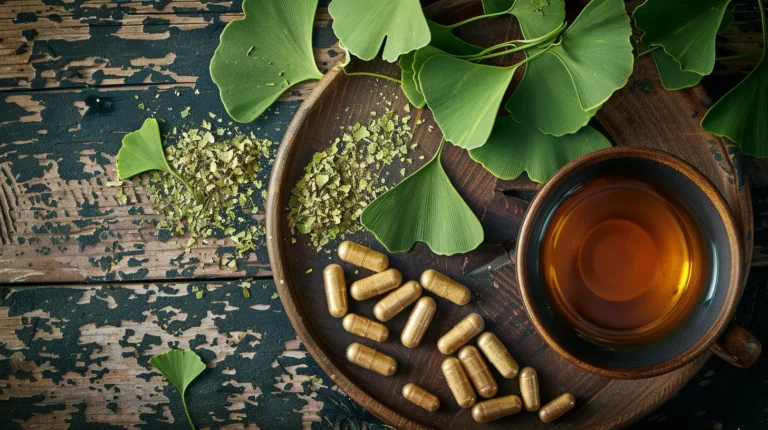
Ginkgo biloba is one of the oldest living tree species on Earth, sometimes called a “living fossil.” Its fan-shaped leaves have been used in traditional wellness systems and modern herbal preparations, especially for brain health, circulation, and age-related cognitive support.…
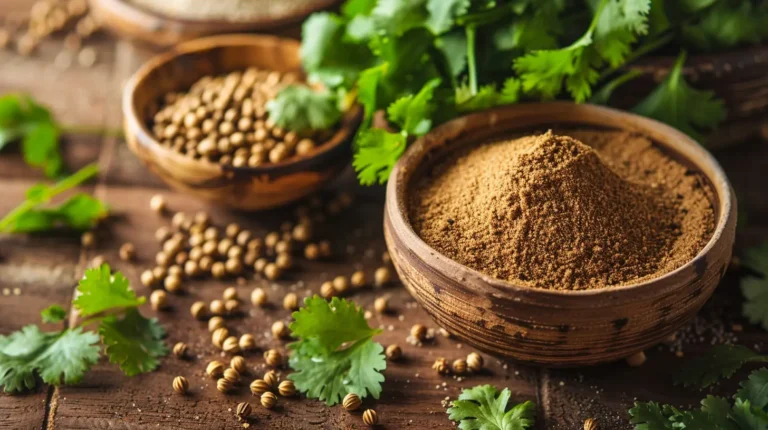
Herb for Digestion, Flavor, and Gentle Metabolic Support
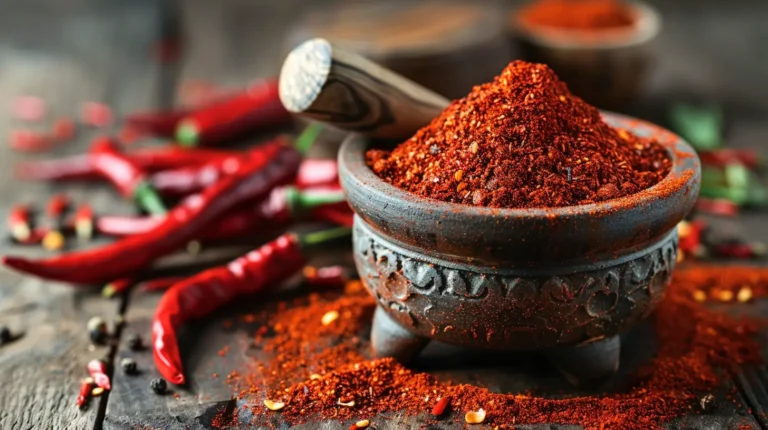
Fiery Pepper Support for Digestion, Circulation, and Metabolism.
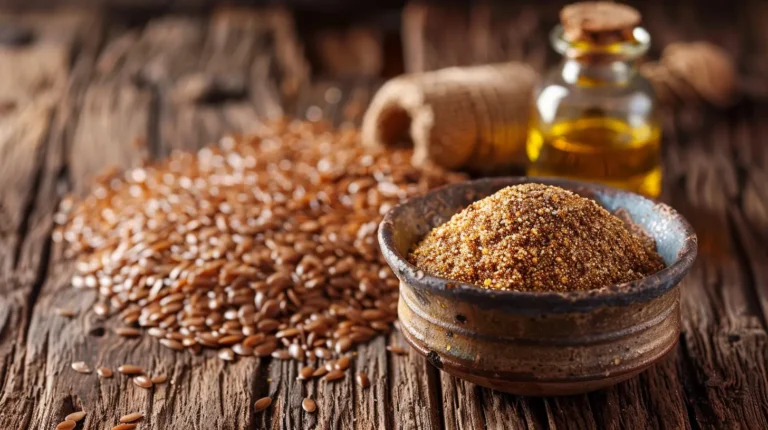
Flaxseed is the small, glossy seed of the flax plant, a crop that has been used for thousands of years for both food and fiber. In herbal and nutritional traditions, flaxseed is best known for its rich mucilage, plant-based omega-3…
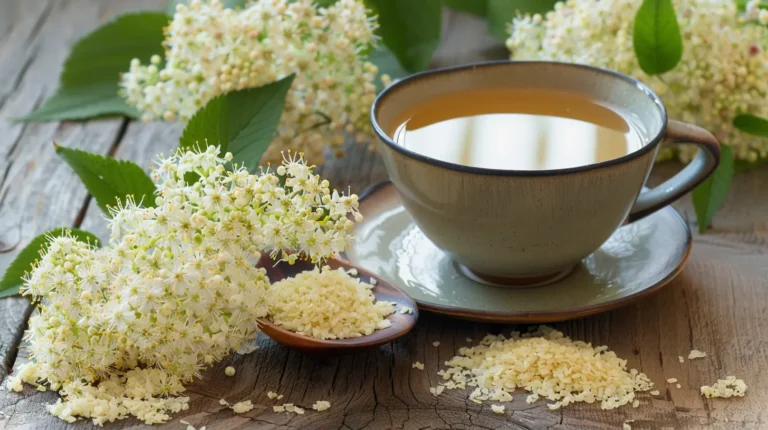
Elderflower is the creamy-white flower of the elder shrub, traditionally gathered in late spring when the blossoms are fragrant, airy, and just dramatic enough to make herbalists stop mid-walk. Elderflower (Sambucus nigra) Traditional Uses of Elderflower Respiratory Comfort: Elderflower has…

Green Bitter for Urinary, Digestive, and Mineral Support
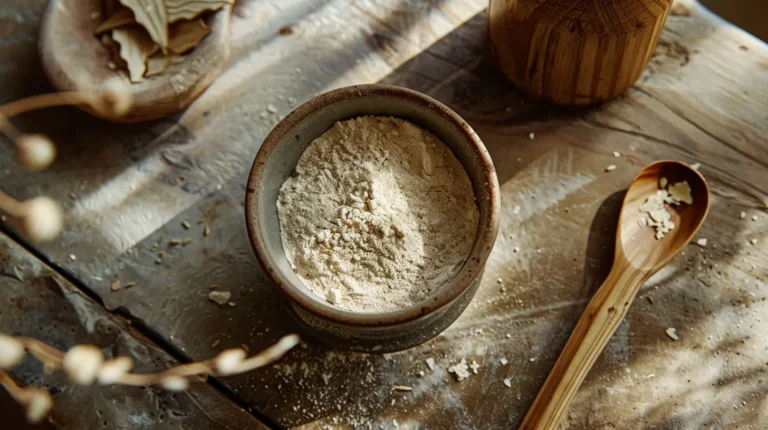
Slippery elm is a North American tree whose inner bark becomes silky, thick, and gel-like when mixed with water. That “slippery” texture is exactly why herbalists have traditionally used it for throat comfort, digestive soothing, and irritated mucous membranes. This…
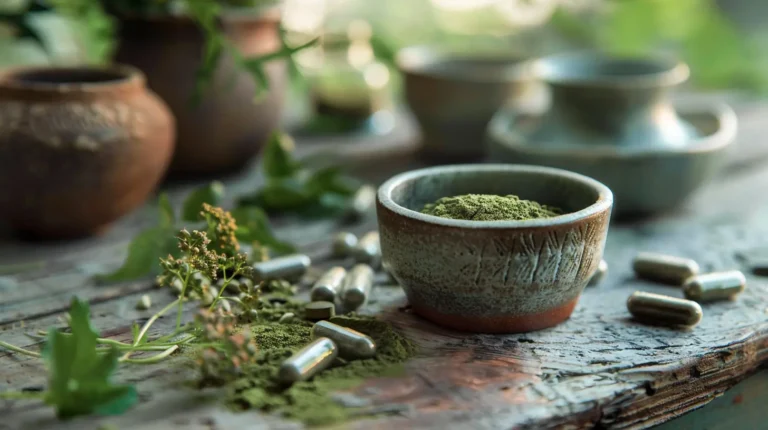
Gymnema is a climbing vine native to India, Africa, and parts of Asia, best known in Ayurveda by the name gurmar, often translated as “sugar destroyer.” That nickname comes from a fascinating effect: when gymnema leaf touches the tongue, its…

Nutrient-rich superfood traditionally enjoyed for its rich flavor and natural compounds that support overall well-being.
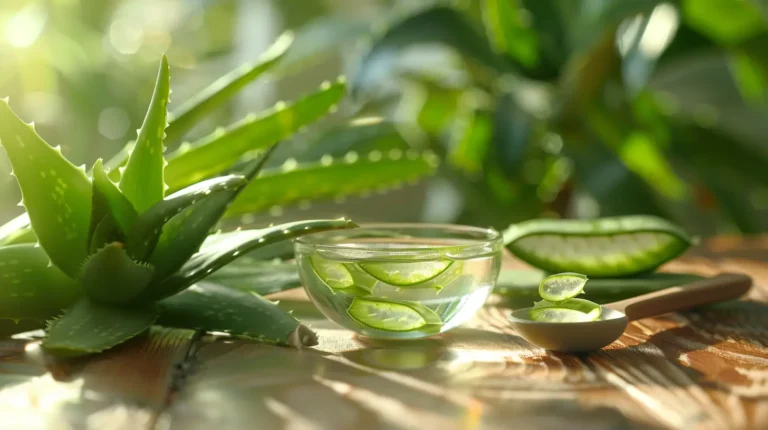
Cooling Succulent for Skin and Hydration
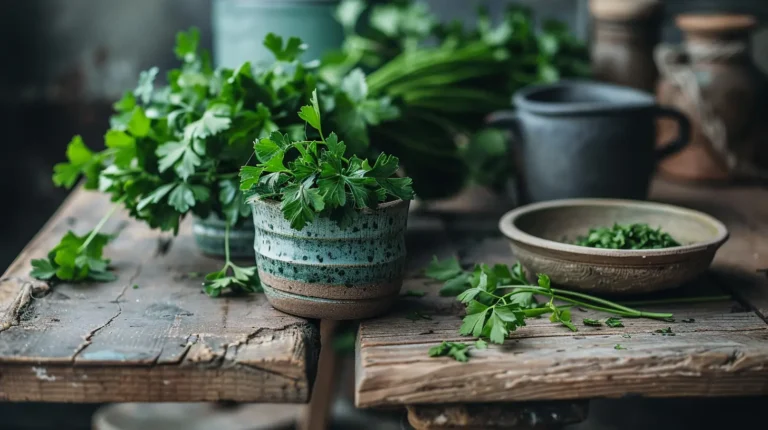
This bright green culinary herb has been traditionally used to support digestion, urinary flow, fresh breath, and everyday mineral-rich nourishment. Herbalists use parsley leaf most often, though parsley root and seed also appear in traditional herbal practice. The leaf is…

Lemon is one of the most familiar medicinal foods in the kitchen-herbal world. The juice, peel, zest, and essential oil are all used differently, which makes lemon more than just a garnish for tea. Traditionally, lemon has been used to…
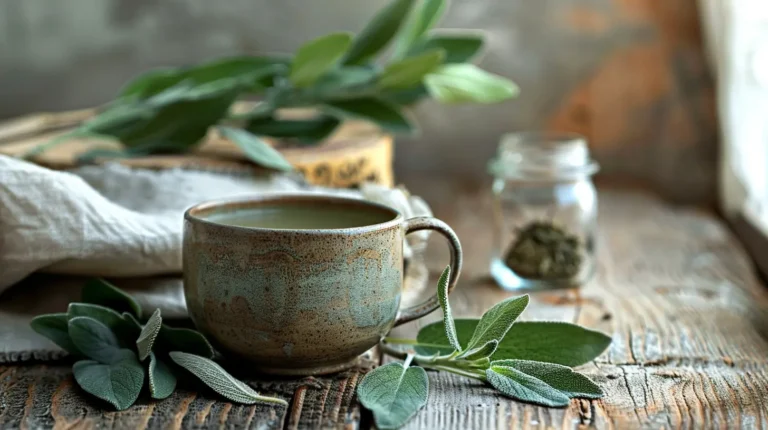
Sage is a strongly aromatic Mediterranean herb with soft gray-green leaves and a long history in both kitchens and herbal traditions. Herbalists have traditionally used sage for oral and throat comfort, digestion, sweating, and cognitive wellness. It is warm, drying,…
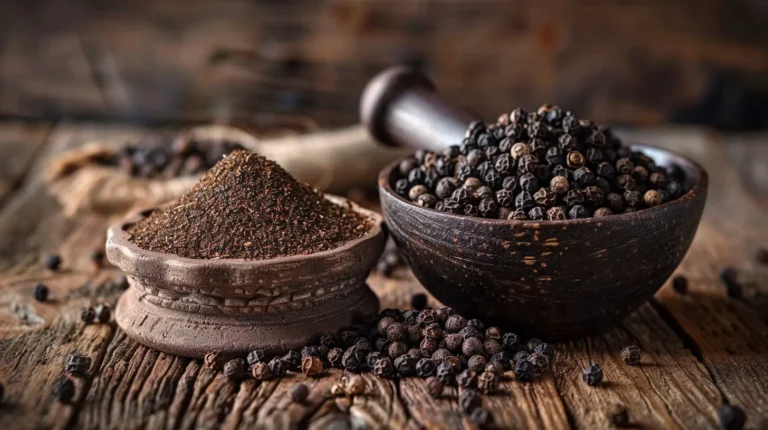
Bold flavor and contains piperine, a natural compound studied for its potential digestive and nutrient-absorption benefits.

Yarrow is a hardy, aromatic wildflower with delicate, fern-like leaves and flat clusters of tiny white or pale pink flowers. Herbalists have traditionally used yarrow for digestion, skin support, menstrual comfort, and seasonal wellness. It has a slightly bitter, aromatic…
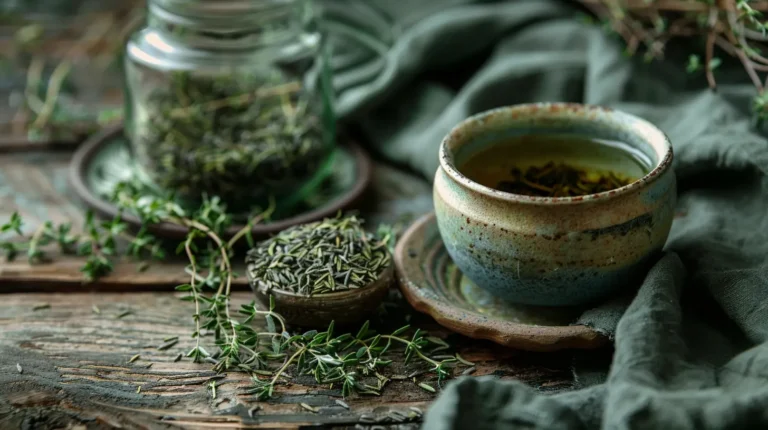
Thyme is a small, woody Mediterranean herb with a big personality. Herbalists have traditionally used thyme for respiratory comfort, digestion, oral wellness, and seasonal immune support. It is warming, aromatic, and pleasantly sharp — the kind of herb that walks…
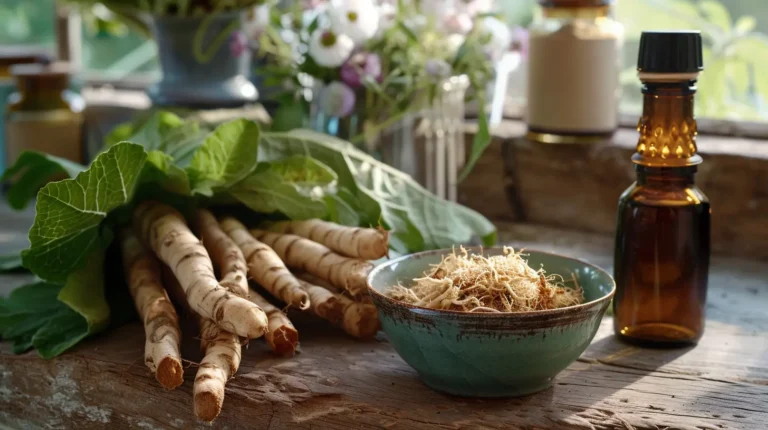
Herbal remedy traditionally valued for supporting healthy skin and digestion.
classic adaptogen traditionally used to help the body adapt to stress and rebuild resilience over time.
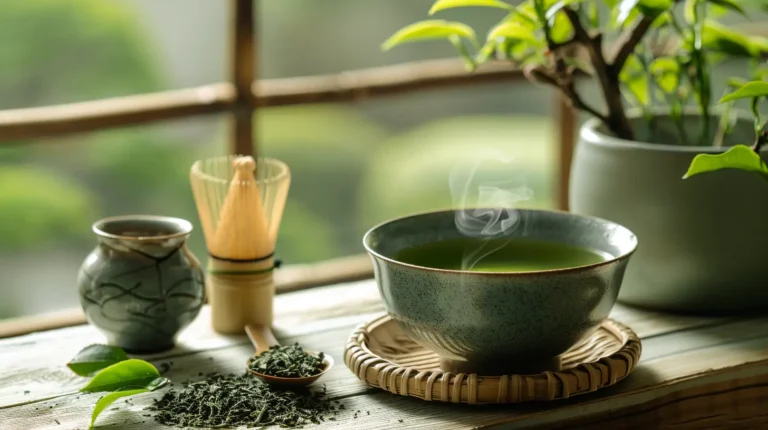
Green tea is one of the world’s most studied herbal beverages. It is made from Camellia sinensis leaves that are quickly heated after harvest to limit oxidation, helping preserve their green color, fresh flavor, catechins, and delicate aroma. Green Tea…
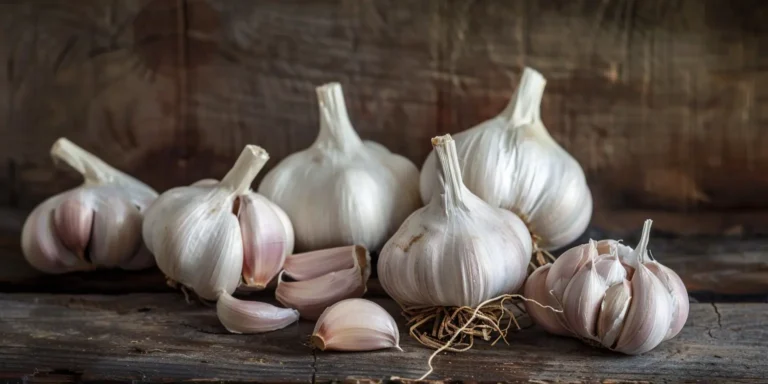
Immune Support and Heart Health Garlic is the pungent bulb of Allium sativum, a close relative of onion, leek, chive, and shallot. It has been used for thousands of years as food, spice, and traditional household medicine across Mediterranean, Middle…
Bitter Herb for Liver Support and Healthy Digestion
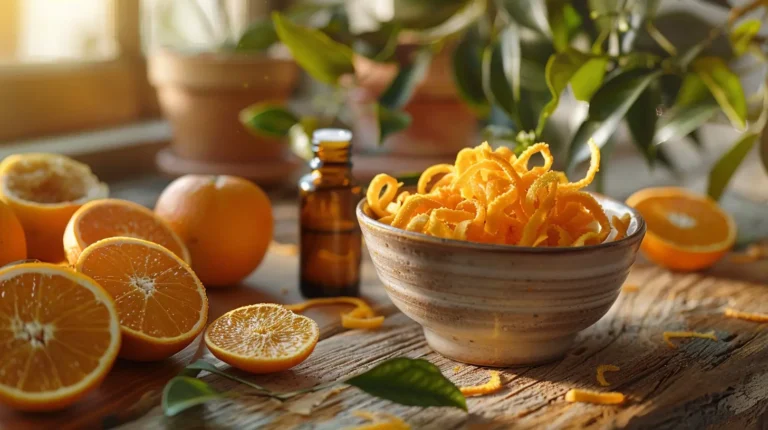
Orange peel is the fragrant outer rind of the sweet orange. In herbalism and traditional food cultures, the peel is used as an aromatic digestive herb, flavoring agent, tea ingredient, and bright companion to heavier or more bitter herbs. Orange…
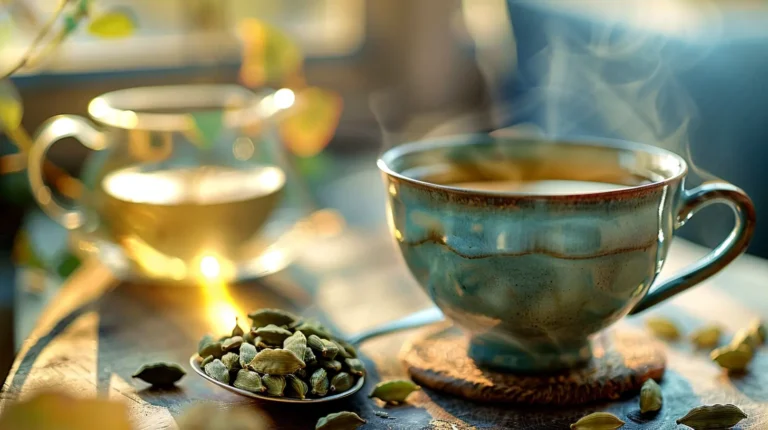
Fragrant spice traditionally used to support healthy digestion while adding a warm, sweet aroma to foods and teas.
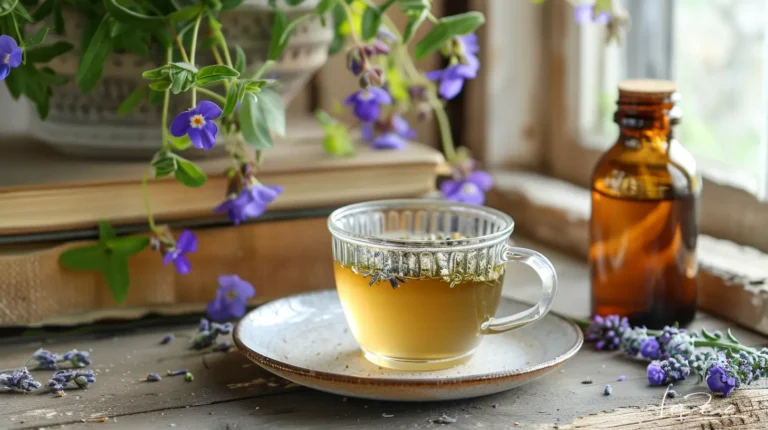
A calming nervine traditionally used to quiet an overactive mind and ease tension held in the body.
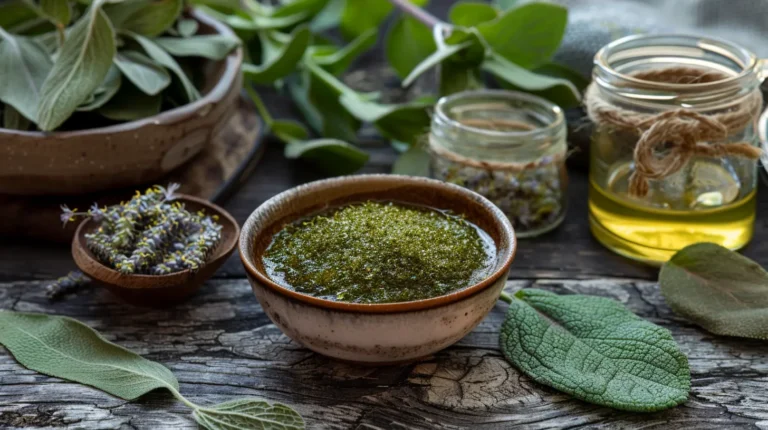
Plantain leaf is one of those humble backyard herbs that many people step over without realizing they are walking past a classic herbal ally. The leaves of Plantago major and Plantago lanceolata have been traditionally used in Western herbalism for…
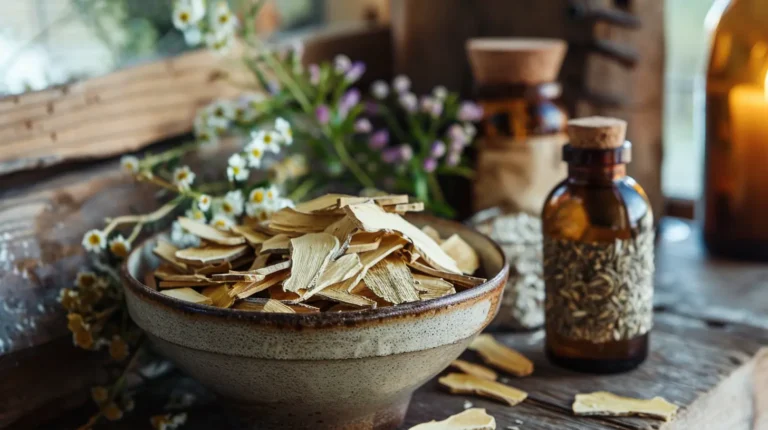
Licorice root is a sweet, earthy root with a long history in Western herbalism, Ayurveda, Traditional Chinese Medicine, and traditional European medicine. It is famous for its naturally sweet taste, which comes largely from glycyrrhizin, a compound many times sweeter…
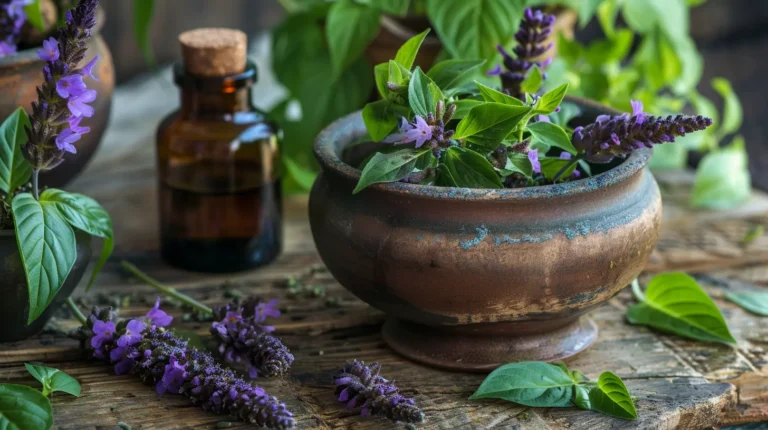
An adaptogenic herb traditionally used to steady the mind, ease mental fatigue, and support calm focus under pressure.
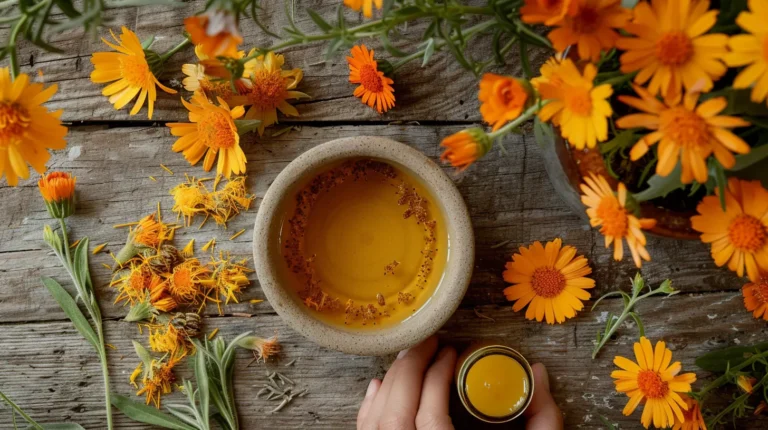
Gentle herb traditionally valued for supporting healthy skin and promoting the body's natural healing process.
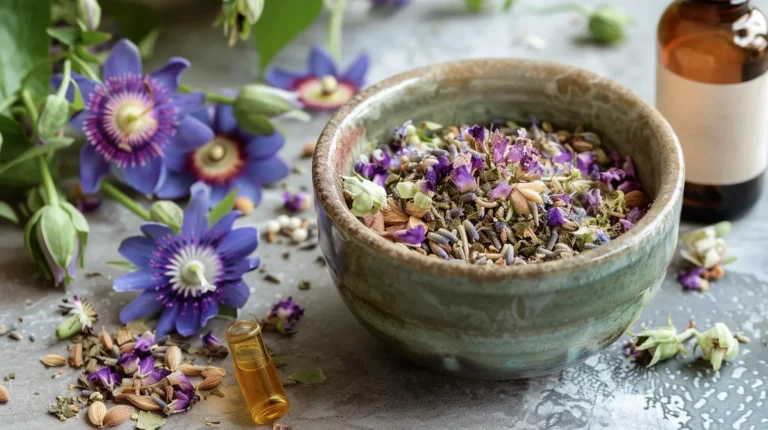
A traditional herb for a racing mind — passionflower has long been used to quiet worry and ease the way into sleep.
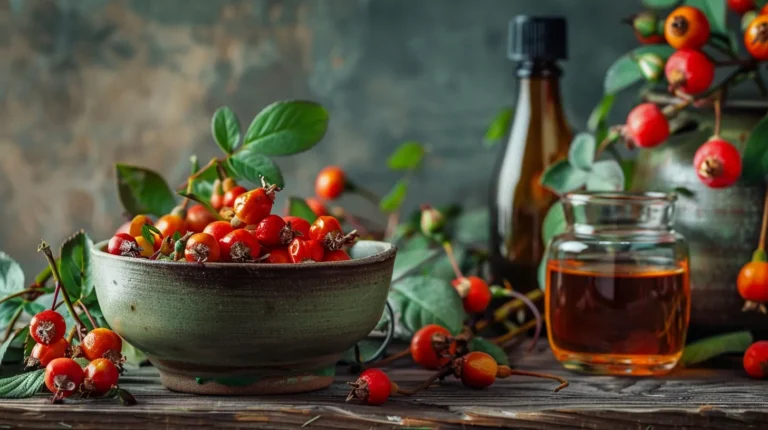
Rosehip is the small red-orange fruit-like part that forms after a rose flower has been pollinated and the petals fall away. Technically, it is not a true fruit in the simple botanical sense, but in everyday herbal life, it behaves…
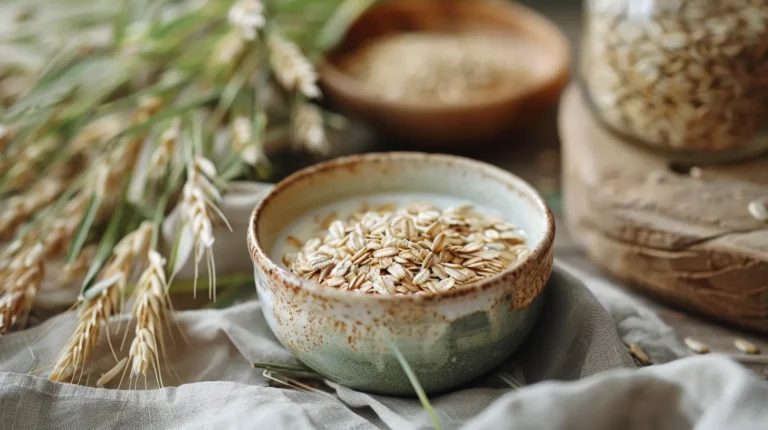
Oat is both a familiar food and a respected herb. Most people know oats as breakfast, but herbalists also use the green aerial parts, oat straw, and fresh milky oat tops as gentle restorative herbs for the nervous system, stress…
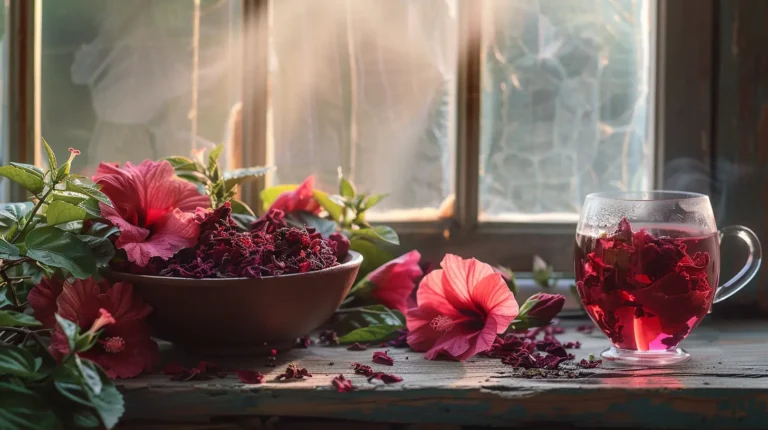
Hibiscus is a bright, tart, ruby-red herb best known as a refreshing tea. In herbalism, the part most often used is not the showy flower petal, but the fleshy red calyx that surrounds the seed pod of Hibiscus sabdariffa. That…
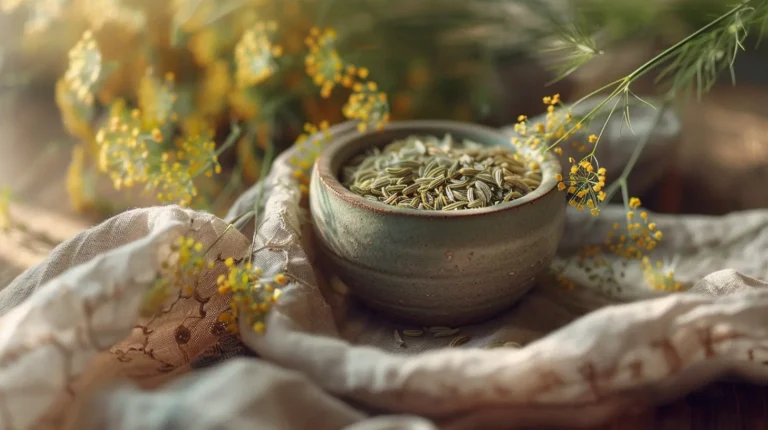
Fennel is a fragrant, sweet, anise-like herb in the carrot family. In herbalism, the “seeds” used in tea and cooking are technically the dried fruits of the fennel plant. They are small, aromatic, and surprisingly hardworking for something that looks…
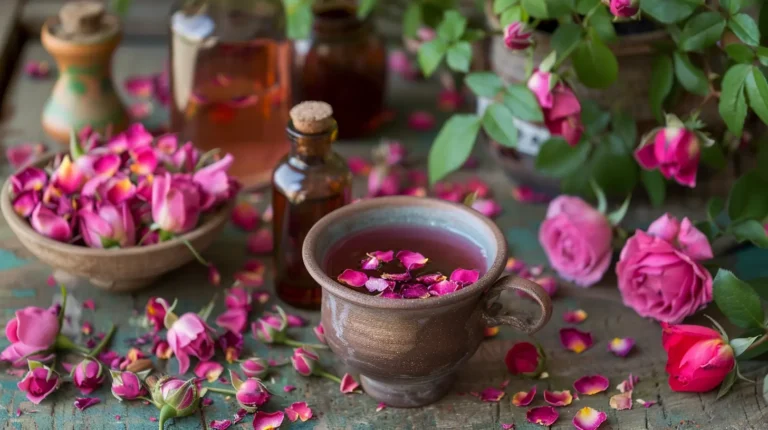
A gentle heart-soothing herb traditionally used to ease emotional tension, lift a heavy mood, and calm the nervous system.
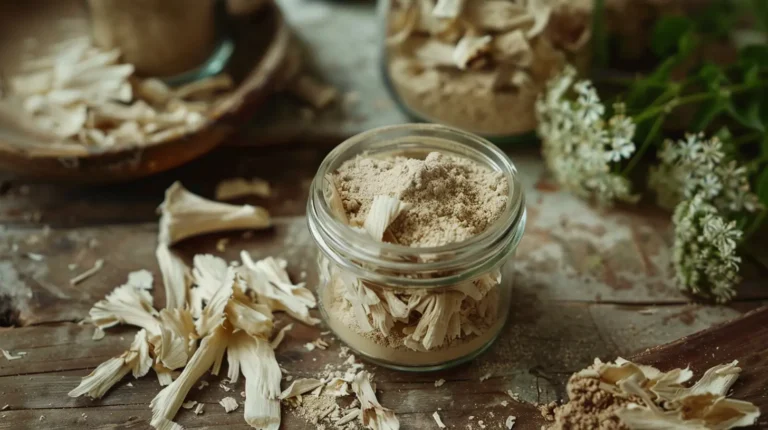
Marshmallow root is the soft, soothing root of Althaea officinalis, a perennial plant in the mallow family. It is rich in mucilage, a slippery plant compound that becomes gel-like when mixed with water. In herbalism, marshmallow root is one of…
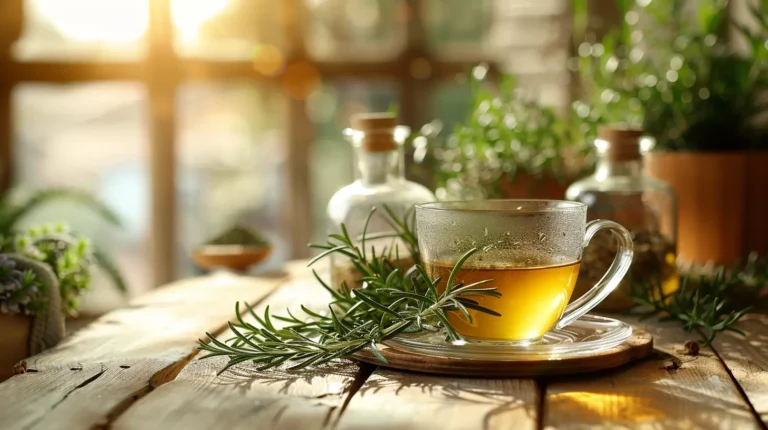
Rosemary is an evergreen Mediterranean herb with needle-like leaves, a resinous aroma, and a long history in kitchens, gardens, and traditional herbal practice. It is one of those herbs that feels both practical and poetic: good with roasted potatoes, but…
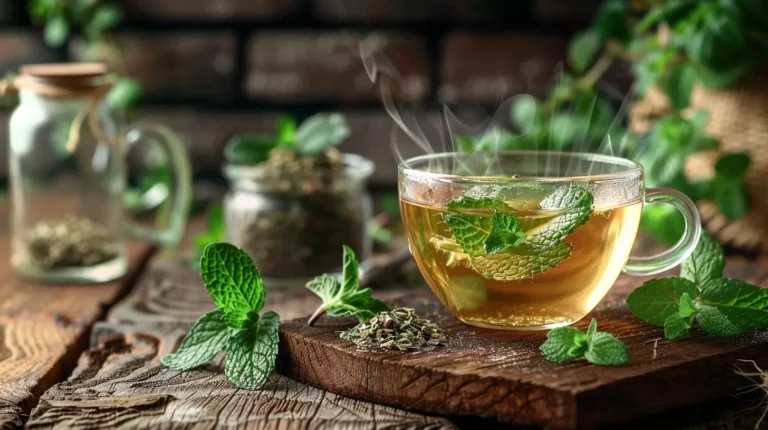
Spearmint is a bright, sweet, aromatic mint with soft green leaves and a gentler personality than peppermint. It belongs to the mint family and is widely used in teas, culinary dishes, oral care products, herbal blends, and traditional wellness preparations.…
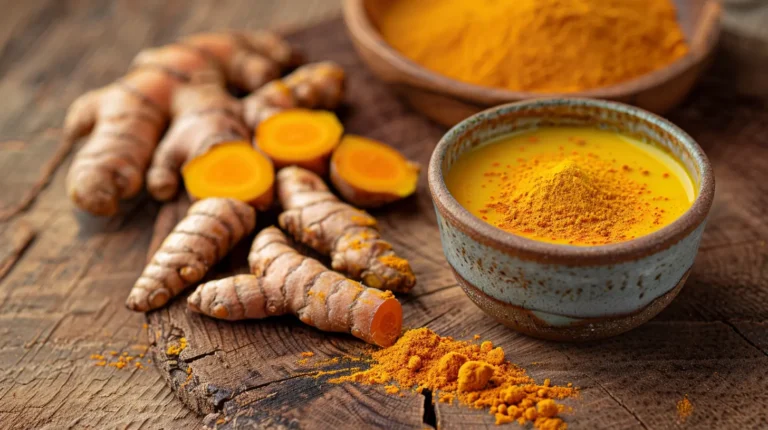
Turmeric is the deep golden-orange rhizome of a tropical plant in the ginger family. It has been used for centuries in food, traditional herbal preparations, and cultural wellness practices across South Asia and beyond. Turmeric (Curcuma longa) Traditional uses of…
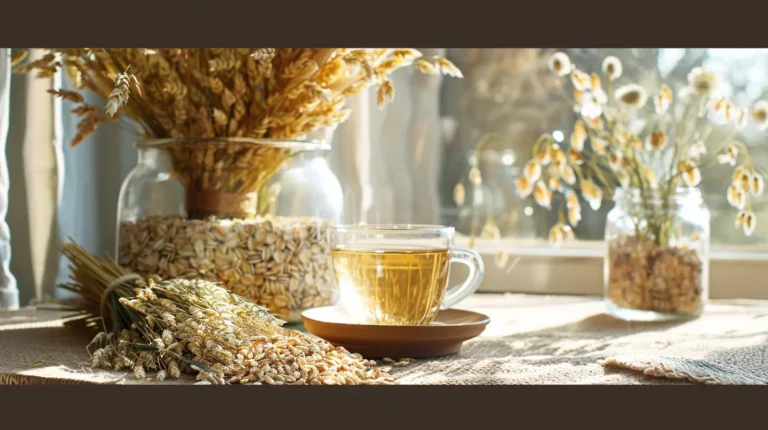
A nourishing nervine traditionally used to rebuild depleted energy and support the nervous system through prolonged stress.
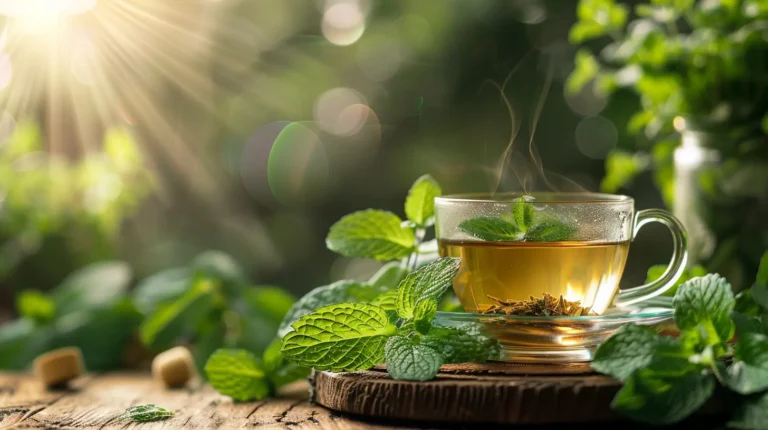
Peppermint is a bright, aromatic herb in the mint family, traditionally valued for digestion, cooling comfort, clear breathing, and mental freshness. It is a natural hybrid of watermint and spearmint, and its strong scent comes mostly from volatile oils such…
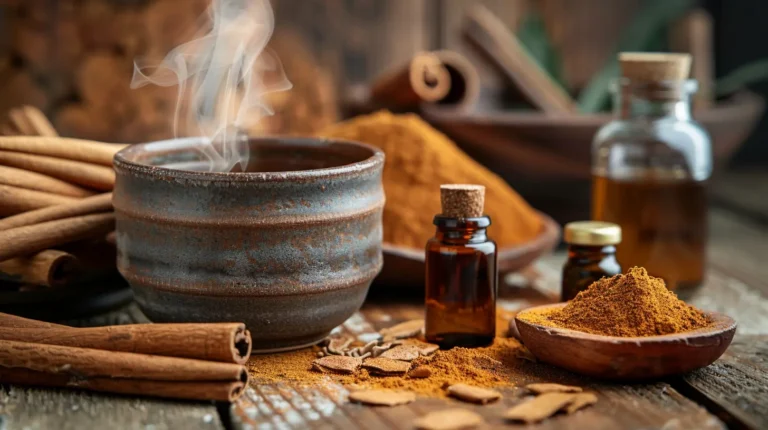
Warming spice traditionally used to support healthy digestion and add naturally sweet, aromatic flavor to foods and beverages.
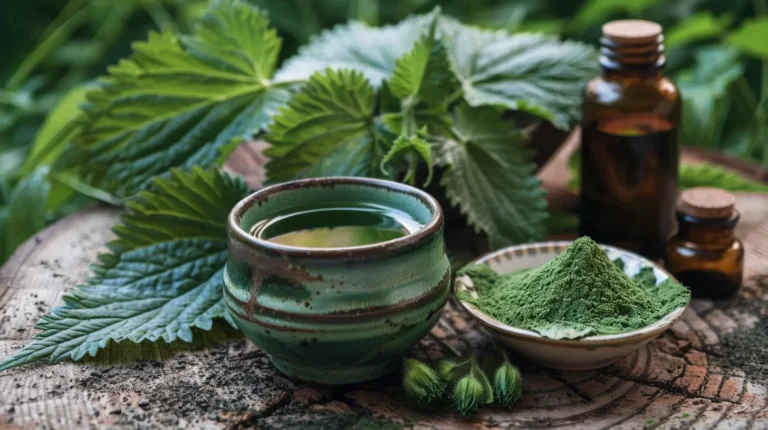
Nettle is a deeply nourishing green herb with a personality that is both generous and slightly prickly. Fresh nettle leaves are covered in tiny stinging hairs, but once dried, cooked, or properly prepared, the sting disappears and the plant becomes…
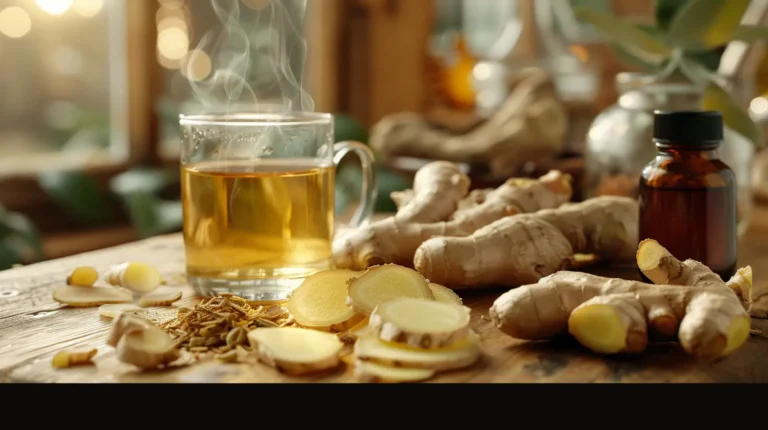
Ginger is the warming, spicy rhizome of a tropical plant in the Zingiberaceae family. It has been used for centuries in food, tea, traditional herbal practice, and household wellness routines, especially when the body needs warmth, digestive support, and a…
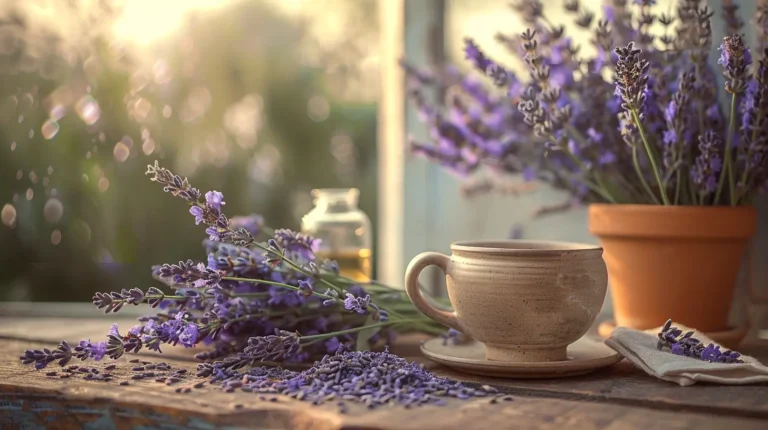
A soothing floral herb traditionally used to calm the mind, ease tension, and support a peaceful night's sleep.

Mosquito and insect bites can cause itching, redness, swelling, warmth, tenderness, or small raised bumps on the skin. Most mild bites are more annoying than dangerous, but they can still make you scratch like you signed a contract with chaos.…
Low blood pressure, also called hypotension, can mean blood pressure readings lower than expected, especially when symptoms appear. It may feel like dizziness, faintness, weakness, blurry vision, nausea, fatigue, or that unpleasant “I stood up too fast and briefly left…
Jet lag happens when your internal body clock does not match the local time after crossing time zones. It can feel like your brain landed in one country, your stomach stayed in another, and your sleep schedule is still waiting…
Eczema-like irritation can feel dry, itchy, rough, red, cracked, scaly, or extra sensitive, especially after scratching, weather changes, stress, or product reactions. It often makes skin act dramatically over tiny things, like soap, sweat, wool, fragrance, or one suspiciously windy…

Dry eyes can feel like burning, grittiness, redness, watering, blurry vision, light sensitivity, or the strange sense that someone filled your eyes with invisible sand. It can show up after long screen time, dry indoor air, allergies, aging, medications, contact…

Depression can feel like low mood, low energy, lost interest, poor sleep, appetite changes, foggy thinking, or the sense that daily life takes more effort than usual.It is not laziness, weakness, or a character flaw. It deserves care, support, and…

Menopausal transition symptoms can include hot flashes, night sweats, mood swings, sleep changes, brain fog, cycle changes, and vaginal dryness. How Herbs Can Help Menopausal Transition Symptoms Herbalism often sees menopausal transition symptoms as a mix of heat, dryness, nervous…
Slow skin healing means small cuts, scrapes, irritated patches, or post-breakout marks seem to linger longer than expected. It can feel frustrating because skin usually likes to announce progress very slowly, like a committee meeting with no agenda. How Herbs…
Heavy legs feel tired, achy, swollen, tight, weak, or difficult to move, especially after standing or sitting. The feeling can come from circulation, veins, muscles, fluid balance, nerves, medications, or a long day of asking your legs to behave like…

Light sensitivity, also called photophobia, means light feels uncomfortable, painful, overwhelming, or hard to tolerate. It may show up with squinting, eye pain, headache, migraine, dry eyes, nausea, or the sudden need to live like a calm forest creature. How…
Sinus pressure feels like fullness, heaviness, or aching around the forehead, cheeks, nose, or eyes. It often shows up with congestion, thick mucus, postnasal drip, headache, or that charming “my face has weather” feeling. How Herbs Can Help Sinus Pressure…
When worry won't quiet down, certain herbs can help soothe the nervous system and bring a sense of calm.
Migraines are recurring neurologic attacks that often bring throbbing head pain, nausea, light sensitivity, sound sensitivity, or smell sensitivity. They can feel like a headache borrowed the entire nervous system and started giving orders. How Herbs Can Help Migraines Herbalism…

Sensory overload happens when the brain receives more input than it can comfortably process. It may feel like sounds, lights, smells, textures, movement, or crowds suddenly become “too much” all at once. How Herbs Can Help Sensory Overload Herbalism traditionally…
Post-illness fatigue is the lingering tiredness that can remain after an infection, fever, stomach bug, respiratory illness, or other health setback. It may feel like your body finished the illness but forgot to turn the lights fully back on. How…
Poor circulation means blood flow does not move as easily through certain areas of the body. It may show up as cold hands or feet, leg heaviness, numbness, tingling, slow healing, swelling, or cramps when walking. How Herbs Can Help…
Constipation means bowel movements happen less often, feel difficult, or produce hard, dry stools. It can also bring bloating, straining, fullness, and the quiet betrayal of sitting on the toilet with unreasonable optimism. How Herbs Can Help Constipation Herbalism traditionally…
Rashes are changes in the skin that may look red, bumpy, dry, scaly, swollen, itchy, or irritated. They can appear suddenly, spread slowly, or show up after your skin meets something it strongly disagrees with. How Herbs Can Help Rashes…
Dizziness can feel like lightheadedness, spinning, floating, unsteadiness, or feeling close to fainting. It can happen suddenly, and it tends to make everyday tasks feel like the floor joined a dance class. How Herbs Can Help Dizziness Herbalism traditionally sees…
Poor appetite means you feel less interested in eating than usual. It can show up as early fullness, food disinterest, nausea around meals, skipped meals, or the classic “nothing sounds good” situation. How Herbs Can Help Poor Appetite Herbalism traditionally…

Memory issues happen when you forget names, appointments, words, tasks, or where you put your keys again. Occasional forgetfulness can happen to anyone, especially with stress, poor sleep, distraction, or a calendar that clearly needs fewer opinions. How Herbs Can…
Acid reflux happens when stomach contents move upward into the esophagus. It may feel like burning, sour burps, throat irritation, chest pressure, or post-meal regret with excellent dramatic timing. How Herbs Can Help Acid Reflux Herbalism traditionally sees acid reflux…
Liver support needs can show up when someone wants to care for digestion, energy, metabolism, and everyday detoxification pathways in a grounded way. The liver works constantly, so it does not need drama, punishment cleanses, or heroic “detox” quests; it…

PMS discomfort includes the physical and emotional changes that can show up before a period. It may feel like bloating, cramps, breast tenderness, irritability, fatigue, cravings, or the strange experience of feeling annoyed by absolutely everything for no obvious reason.…

Cold hands and feet can feel like your circulation packed a sweater but forgot your fingers and toes. It may happen in cold weather, during stress, after sitting still, or when the body feels tired, undernourished, or slow to warm.…
Hormonal mood changes can feel like your emotions changed rooms before telling you. They may show up as irritability, tearfulness, anxiety, sensitivity, low mood, restlessness, or feeling unusually reactive around menstrual cycles, perimenopause, postpartum shifts, or other hormonal transitions. How…
Nausea is the uncomfortable feeling that you may vomit, even when nothing actually happens. It can feel like stomach unease, food aversion, motion sensitivity, heavy digestion, or that classic “please do not mention lunch” feeling. How Herbs Can Help Nausea…
Post-exercise soreness is the achy, tender, stiff feeling that can show up after a workout, especially after new, intense, or unfamiliar movement. It often feels like your muscles are politely reminding you that yesterday’s “just one more set” had consequences.…
Itchy skin, also called pruritus, is that irritating skin sensation that makes you want to scratch. It may show up in one small area or across larger parts of the body, and it can feel mild, prickly, burning, dry, or…
Slow recovery after viral illness can feel like your body has technically “finished” being sick, but forgot to send energy back online. You may feel tired, foggy, weak, easily overwhelmed, or slower than usual after a cold, flu, COVID-19, or…
Diarrhea means passing loose, watery stools three or more times a day. It can feel urgent, uncomfortable, draining, and frankly rude when your gut suddenly cancels your plans. How Herbs Can Help Diarrhea Herbalism traditionally sees diarrhea as a sign…
Mood swings are noticeable changes in emotional state, such as moving from calm to irritable, cheerful to tearful, or motivated to overwhelmed. Everyone has emotional shifts, but mood swings can feel especially frustrating when they affect relationships, focus, sleep, appetite,…

Digestive-liver imbalance is not a formal medical diagnosis, but it is a useful traditional herbal phrase for times when digestion feels heavy, sluggish, bloated, or uncomfortable after rich meals. It often shows up as post-meal fullness, queasiness, bitter taste, burping,…

Indigestion, also called dyspepsia, is a group of upper digestive symptoms that may include fullness, bloating, belching, nausea, burning, or discomfort after eating. How Herbs Can Help Indigestion Herbalism traditionally sees indigestion as a sign that the stomach needs better…
Explore how hormonal imbalance affects mood and energy, and the herbs traditionally used to support balance naturally.

Neck stiffness is the feeling that turning, tilting, or relaxing the neck takes more effort than usual. It may show up as tight muscles, limited range of motion, soreness, or that familiar “I slept like a pretzel” feeling. How Herbs…
Dull skin usually means the complexion looks tired, flat, dry, uneven, or less naturally radiant than usual. It can feel frustrating because the skin may not be irritated or broken out, but it still looks like it stayed up late…

Chronic fatigue patterns describe ongoing tiredness, low stamina, slow recovery, or feeling drained in a way that does not improve easily with a normal night of sleep. It can feel like your body is running on a low battery, but…

Temporary blurred vision means your eyesight becomes fuzzy, hazy, unfocused, or less sharp for a short period of time and then improves. It can happen from something simple like dry eyes, screen strain, poor sleep, allergies, dehydration, or fluctuating blood…

Seasonal allergies happen when the immune system reacts strongly to airborne triggers such as pollen from trees, grasses, weeds, or mold spores. In everyday life, they can feel like a cold that arrives with the calendar: sneezing, runny nose, itchy…
Seasonal immune problems are the familiar times of year when your body feels more run-down, more reactive to weather changes, and less able to keep up with everyday demands. They often show up during colder months, seasonal transitions, travel, stressful…

Stress keeps the mind racing at night — these herbs help quiet the thoughts and support deeper, easier sleep.

Frequently waking during the night means sleep is interrupted again and again, sometimes with easy returns to sleep and sometimes with long, frustrating staring contests with the ceiling. It can leave a person feeling as if they “slept,” but never…

Difficulty falling asleep means the body is in bed, the lights are off, and yet the mind or nervous system does not easily shift into sleep. It may feel like tiredness is present, but the “sleep switch” is taking its…

Insomnia is difficulty falling asleep, staying asleep, waking too early, or feeling unrefreshed even after having enough opportunity to sleep. In everyday life, it can feel like the body is exhausted but the mind has suddenly decided to host a…

Herbs, Recipes, Products, and Safety Tips Poor concentration is the feeling that your attention keeps slipping away, even when you genuinely want to focus. It may show up as rereading the same sentence, jumping between tasks, forgetting details, or staring…
Brain fog is a common way people describe feeling mentally cloudy, forgetful, slow to focus, or less sharp than usual. It is not a diagnosis by itself, but it can feel very real in daily life, especially when simple tasks…

Joint stiffness can happen for many reasons, and not all stiffness means the same thing. Sometimes it is related to normal temporary tightness after sitting, sleeping, or doing repetitive movement. Other times, stiffness may be connected with joint changes, inflammation,…

Low resilience is the feeling that ordinary stressors take more out of you than they used to, whether that shows up as emotional overwhelm, tiredness, irritability, poor recovery, or a general sense of being “thin-skinned” to life’s daily weather. It…
Bloating is that uncomfortable full, tight, stretched feeling in the belly that can make your waistband feel personally offensive. It may come with gas, pressure, burping, gurgling, mild cramping, or the classic “I did not look like this two hours…
Sugar cravings are those strong urges for something sweet that can appear when energy dips, stress rises, sleep is short, or your afternoon brain begins campaigning for cookies with surprising political skill. They may feel like a simple taste preference,…

Dry skin is that tight, rough, flaky feeling that makes your face, hands, or legs seem like they are quietly turning into parchment. It can show up as dullness, itching, scaling, redness, cracking, or a “my skin drank moisturizer and…
An afternoon energy crash is that familiar mid-day slump when your focus gets fuzzy, your eyelids become suspiciously heavy, and your brain starts negotiating for snacks, caffeine, or a small vacation. It often shows up as tiredness, irritability, low motivation,…
Irritability is that prickly, low-patience state where small things feel louder than they should, and your nervous system seems to be answering every request with, “Absolutely not.” It can show up as snap reactions, tension, restlessness, overwhelm, poor sleep, or…
Gas is the very normal, very human result of digestion doing its slightly noisy work. It may show up as burping, flatulence, belly pressure, gurgling, fullness, or the socially inconvenient reminder that beans are both nutritious and dramatic. How Herbs…
Throat irritation is that scratchy, dry, tickly, or raw feeling in the throat that can make swallowing, speaking, or breathing dry indoor air feel more dramatic than it needs to be. It may show up as throat clearing, hoarseness, mild…

Low energy is the feeling of not having enough physical, mental, or emotional fuel to move through the day comfortably. It may show up as sluggish mornings, afternoon crashes, low motivation, heavy limbs, brain fog, or the strong desire to…

Poor sleep quality means sleep may not feel deep, steady, or refreshing, even if you technically spent enough hours in bed. It can feel like waking up tired, tossing and turning, waking often, having a busy mind at night, or…
High blood pressure, also called hypertension, means the force of blood against artery walls stays higher than ideal over time. It often has no obvious symptoms, which is why it has a reputation for being quiet, stubborn, and not especially…

Burnout drains energy, motivation, and focus over time — these herbs help restore vitality and rebuild resilience.
Muscle tension is that familiar tight, stiff, “why are my shoulders living near my ears?” feeling that often shows up after stress, long sitting, poor sleep, overuse, or awkward posture. It can feel like tight bands, tender spots, mild soreness,…
Poor metabolism is not a formal medical diagnosis, but people often use the phrase when they feel sluggish, heavy after meals, low in steady energy, or frustrated that their body seems to “run on economy mode.” In everyday life, it…

Overeating tendencies are patterns where a person often eats past comfortable fullness, eats quickly, or reaches for food when stress, boredom, tiredness, or habit is driving the moment more than true hunger. It can feel like the body and brain…
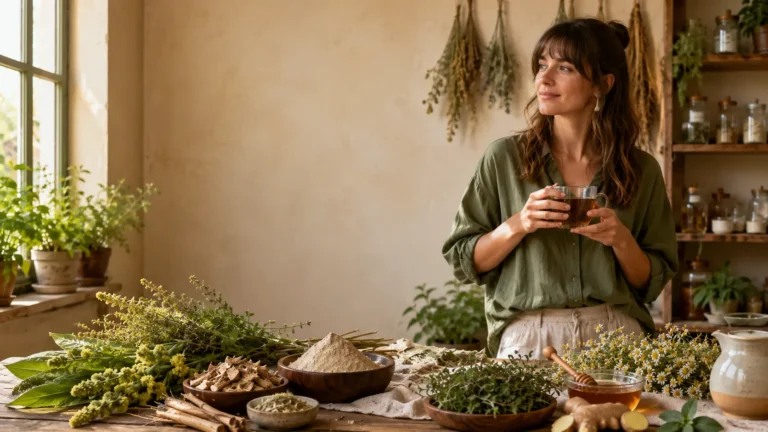
A dry cough is a cough that does not bring up much mucus and often feels tickly, scratchy, irritating, or “stuck” in the throat or chest. It can be especially annoying at night, during talking, after cold air exposure, or…
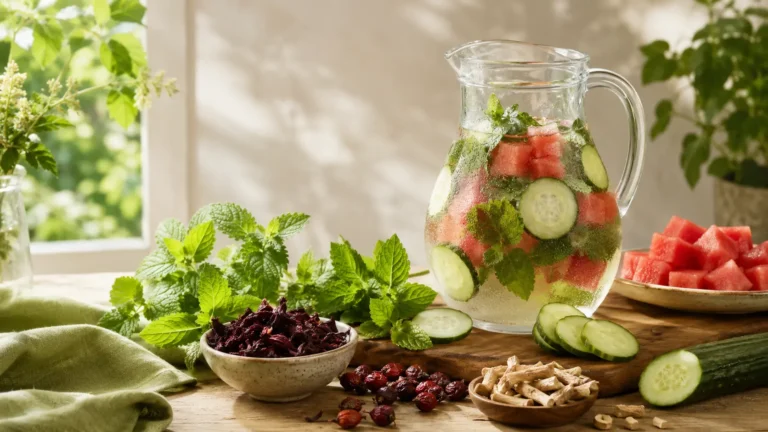
Low hydration means the body may not be getting enough fluid to comfortably support everyday functions like temperature balance, digestion, circulation, and clear thinking. In daily life, it may feel like thirst, dry mouth, darker urine, low energy, headache, constipation,…

Headaches are pain or pressure felt in the head, scalp, temples, forehead, neck, or behind the eyes, and they can turn an ordinary day into a very loud room inside your skull. They may feel dull, tight, throbbing, sharp, heavy,…

A runny nose is when the nose produces extra fluid or mucus, often making tissues, sleeves, and dignity work overtime. It commonly appears with colds, allergies, cold air, sinus irritation, spicy foods, strong smells, or dry indoor environments. How Herbs…
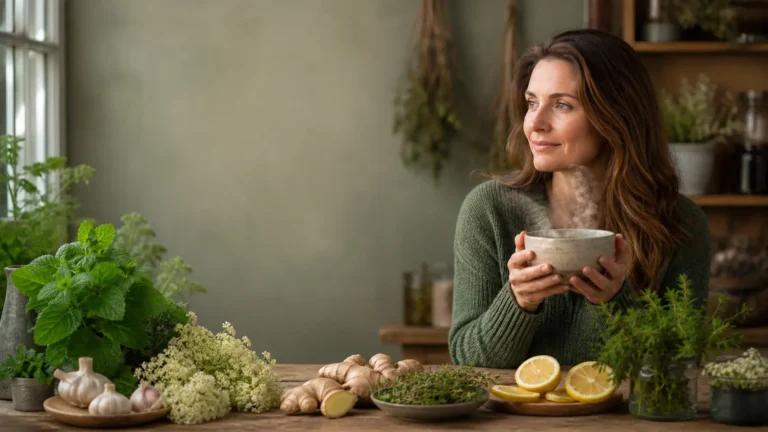
Congestion is that stuffed-up, heavy, hard-to-breathe-through-your-nose feeling that can make your head feel like it has been packed with wet cotton. It often shows up with colds, allergies, sinus irritation, dry indoor air, or chesty seasonal discomfort. How Herbs Can…

Eye fatigue from screen strain is the tired, dry, blurry, heavy-eyed feeling that can happen after long stretches of computer, phone, or tablet use. It may feel like your eyes are asking for a vacation, while your inbox is politely…
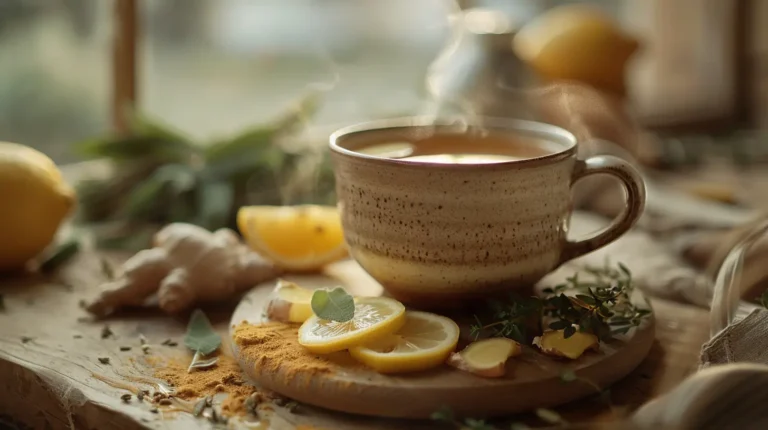
A sore throat is the scratchy, tender, irritated feeling that can make swallowing, talking, or even existing near toast feel unnecessarily dramatic. It often comes with dryness, hoarseness, swollen glands, mild cough, or that familiar “something is brewing” feeling in…

Nervous tension is not a formal diagnosis by itself, but it is a common way people describe the physical and emotional feeling of being keyed up, strained, or unable to fully relax. It often appears when stress, poor sleep, overstimulation,…

Frequent colds usually means a person seems to catch one cold after another, especially during colder months, busy work seasons, school exposure, travel, poor sleep, or periods of stress. It can feel like your nose has a full-time job, your…

A cough is the body’s natural way of clearing the throat and airways, but when it lingers, repeats, or shows up at night, it can quickly become the soundtrack nobody asked for. It may feel dry and tickly, loose and…
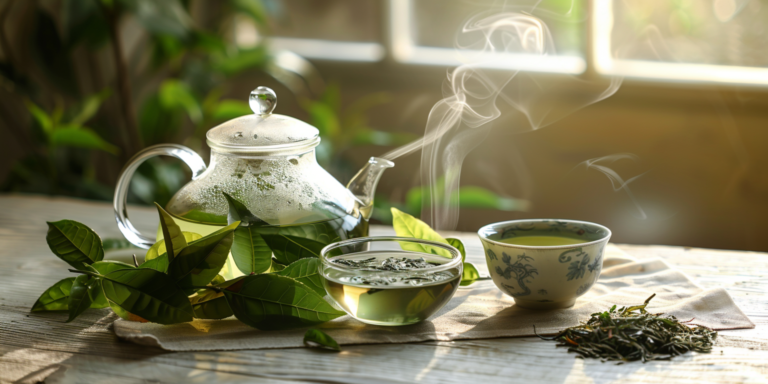
Health Benefits | Key Preparations | Shop Herbs & Products Camellia sinensis Health Benefits Green tea is used to gently support everyday energy, antioxidant wellness, digestion, and mental alertness. Herbalists often choose green tea when someone wants a clear, bright…

Recipes & Remedies | Key Herbs & Ingredients | Shop Herbal Products Acne is a common skin condition that shows up as clogged pores, blackheads, whiteheads, pimples, or deeper tender bumps. In everyday life, it can feel frustrating because it…
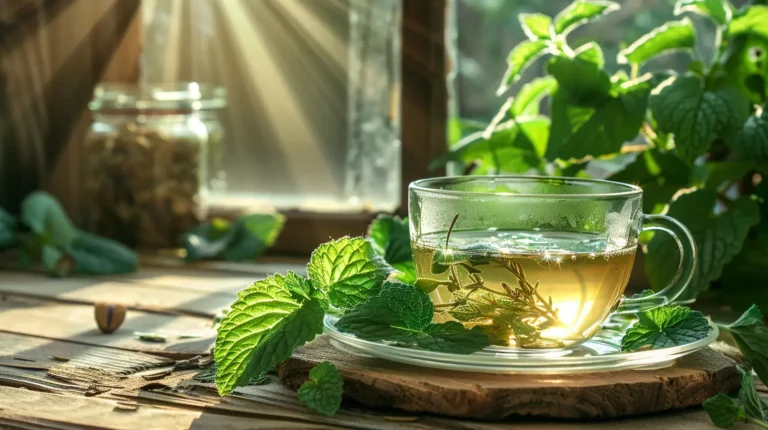
A gentle, lemon-scented herb traditionally used to calm the mind, ease tension, and lift a heavy mood without feeling sedating.

Soft, apple-like flavor carries a traditional reputation for easing stress, calming the nerves, and settling digestion.