
Mosquito and insect bites can cause itching, redness, swelling, warmth, tenderness, or small raised bumps on the skin. Most mild bites are more annoying than dangerous, but they can still make you scratch like you signed a contract with chaos.
How Herbs Can Help
Herbalism usually sees mosquito and insect bites as a local heat, itch, swelling, and irritation pattern that worsens with scratching. Herbalists use cooling herbs for heat, astringents for puffiness, demulcents for soothing, and vulneraries for skin comfort. They choose watery compresses for hot itchy bites, clay or plantain poultices for outdoor bites, and simple salves when skin feels dry after irritation. These are herbs traditionally used when mosquito and insect bites happen: plantain leaf, calendula, chamomile, oats, lavender, aloe vera, green tea, rose petals, witch hazel, yarrow, peppermint, marshmallow root, basil, turmeric, lemon balm.
“A mosquito bite is tiny proof that nature can be beautiful, poetic, and deeply irritating.”
Recipes & Remedies
Herbal Preparations
Plantain, Chickweed, and Calendula Itch-Comfort Compress
This simple compress supports mild itchy bites with cooling, soothing, skin-comfort herbs. It works best on clean, unbroken skin.
Ingredients
Dried plantain leaf: 1 tablespoon
Dried chickweed: 1 tablespoon
Dried calendula flowers: 1 tablespoon
Cool water: 1½ cups
Clean cotton cloth: 1
Preparation Instructions
- Place plantain, chickweed, and calendula in a clean jar.
- Add cool water.
- Cover and steep for 30 minutes.
- Strain well.
- Soak a clean cotton cloth in the liquid.
- Wring the cloth gently.
How to Use
Apply the cool compress to itchy bites for 5 to 10 minutes.
Use 2 to 3 times daily as needed.
Patch test first.
Do not use on open, infected, bleeding, or heavily scratched skin.
Seek medical care if swelling spreads quickly, pain worsens, or signs of infection appear.
Food for support Mosquito and Insect Bites
Cooling Cucumber, Basil, and Yogurt Bowl
This simple cooling bowl supports hydration and offers fresh herbs, protein, and skin-friendly nutrients. It will not make mosquitoes apologize, but it can support the body while irritated skin settles.
Ingredients
Plain Greek yogurt: ¾ cup
Cucumber: ½ cup diced
Fresh basil: 1 tablespoon chopped
Fresh mint: 1 tablespoon chopped
Ground flaxseed: 1 tablespoon
Lemon juice: 1 teaspoon
Honey: 1 teaspoon, optional
Pinch of salt: optional
Preparation Instructions
- Add Greek yogurt to a bowl.
- Stir in cucumber, basil, mint, flaxseed, and lemon juice.
- Add honey if desired.
- Add a tiny pinch of salt if appropriate.
- Chill for 10 minutes before eating.
How to Use
Enjoy as a cooling snack during warm weather or after outdoor time.
Avoid dairy if you are sensitive to it.
Use coconut yogurt or another unsweetened alternative if needed.
What Herbs You Need
For mosquito and insect bites, herbalists often consider plantain, chickweed, calendula, chamomile, aloe vera, witch hazel, lavender, peppermint, yarrow, marshmallow root, comfrey leaf, jewelweed, basil, thyme, oatmeal, mint, cucumber, and flaxseed. These herbs do not replace medical care for allergic reactions, infection, tick-borne illness, or severe swelling.
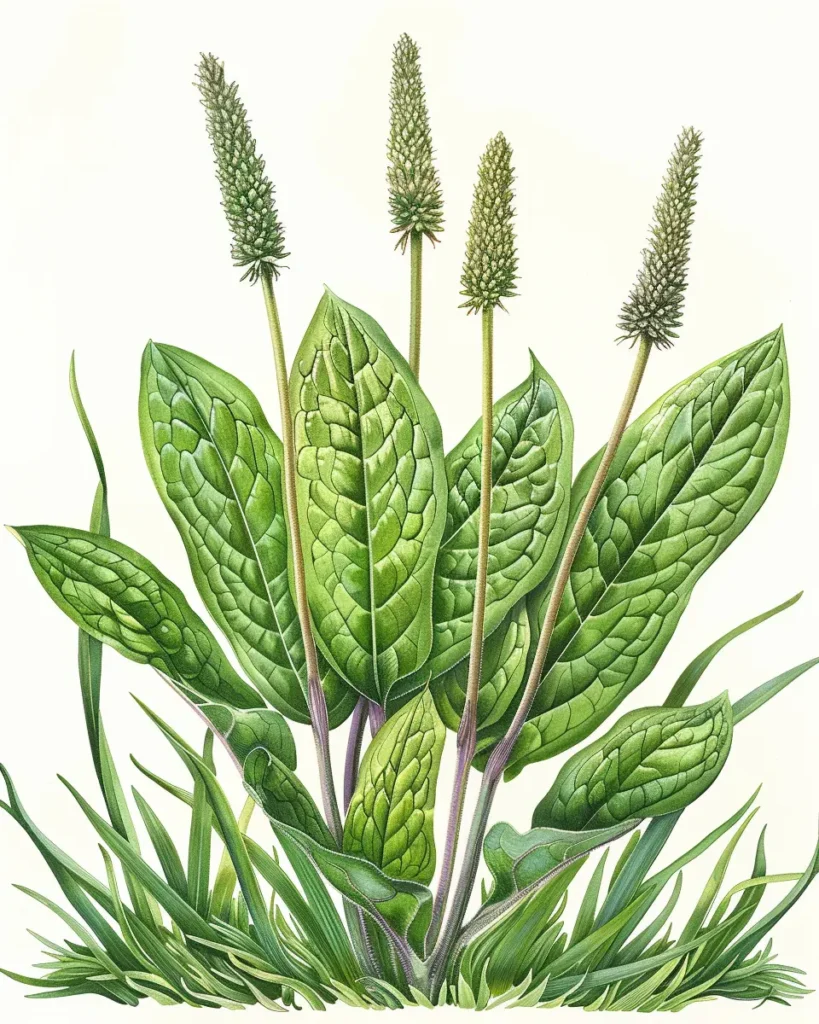
Plantain
Vulnerary – it for skin comfort. Astringent – it gently tones irritated tissue. Demulcent – it offers a soothing quality.
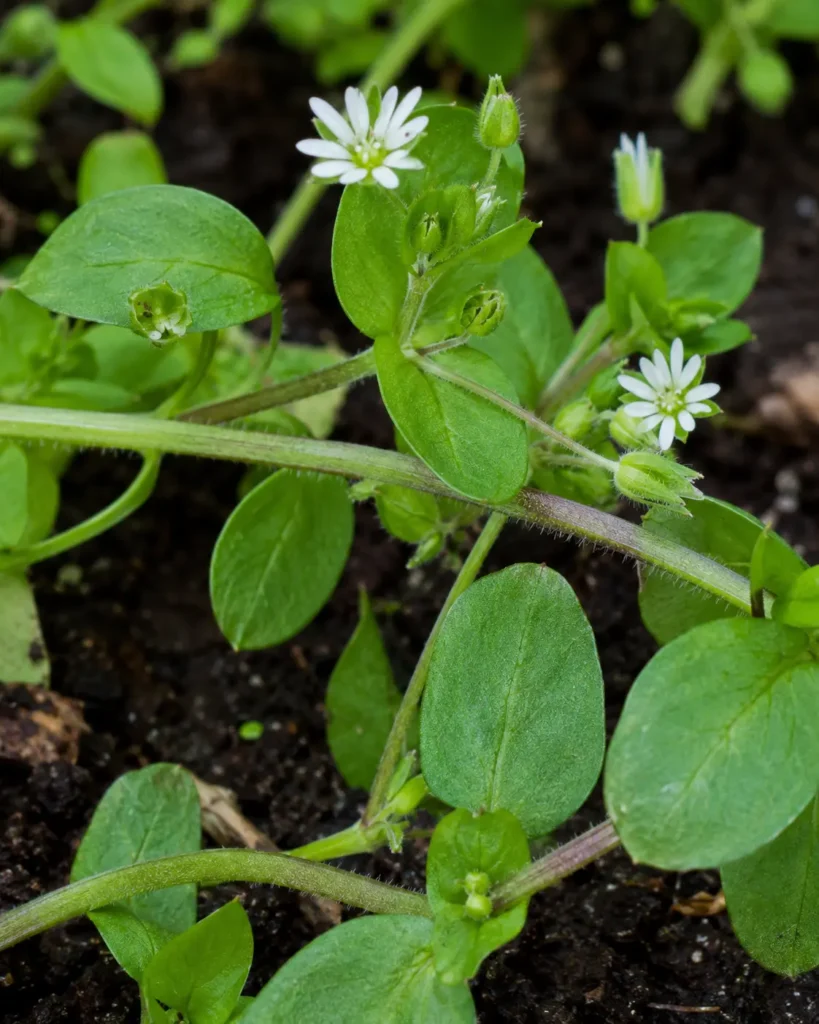
Chickweed
Cooling – use it for hot, itchy skin. Demulcent – it soothes irritation. Vulnerary, meaning it supports minor skin comfort.

Calendula
Vulnerary- use it for skin comfort. Anti-inflammatory – it may calm irritation. Lymphatic – use it for normal fluid movement.

Chamomile
Anti-inflammatory – it may calm irritation. Nervine – it supports relaxation. Vulnerary – use it for minor skin comfort.
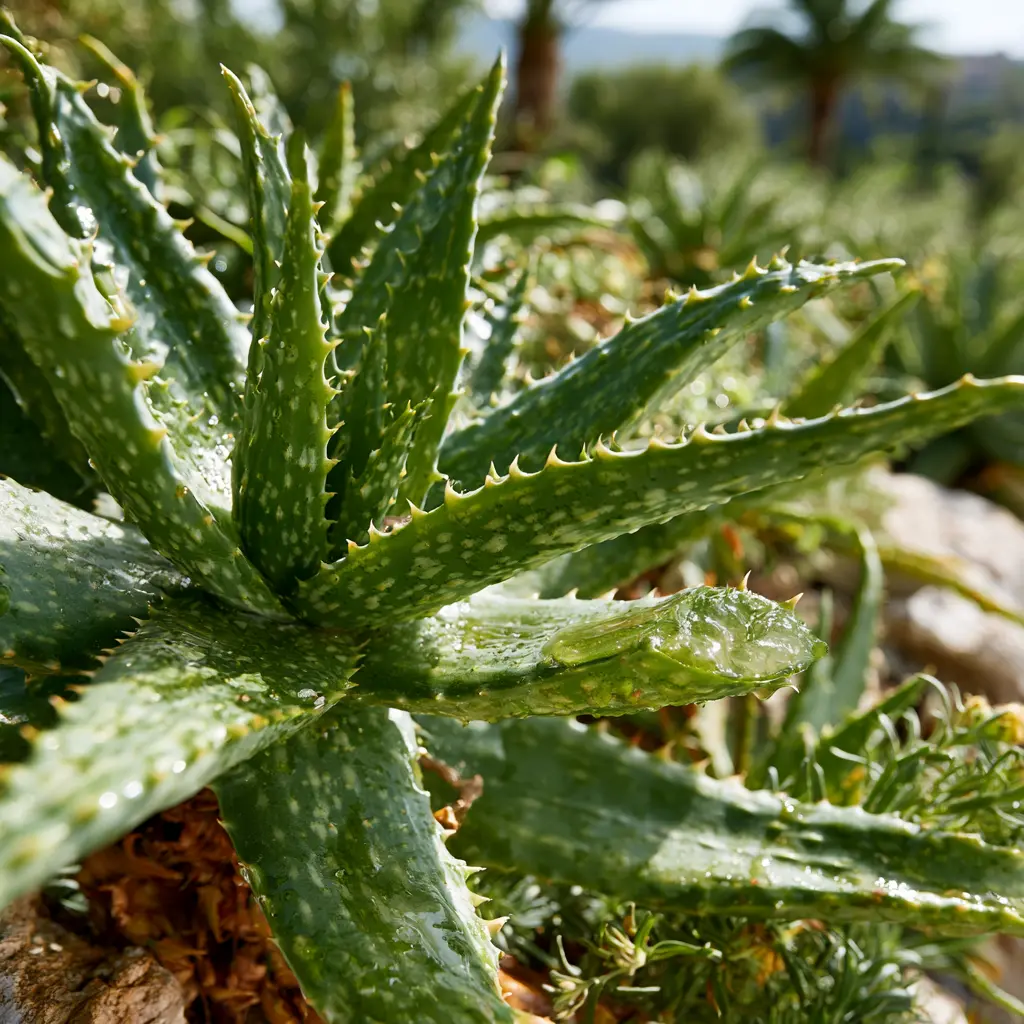
Aloe Vera
Demulcent – cooling and moistening. Humectant – it helps attract moisture. Vulnerary – herbalists use it for skin comfort.
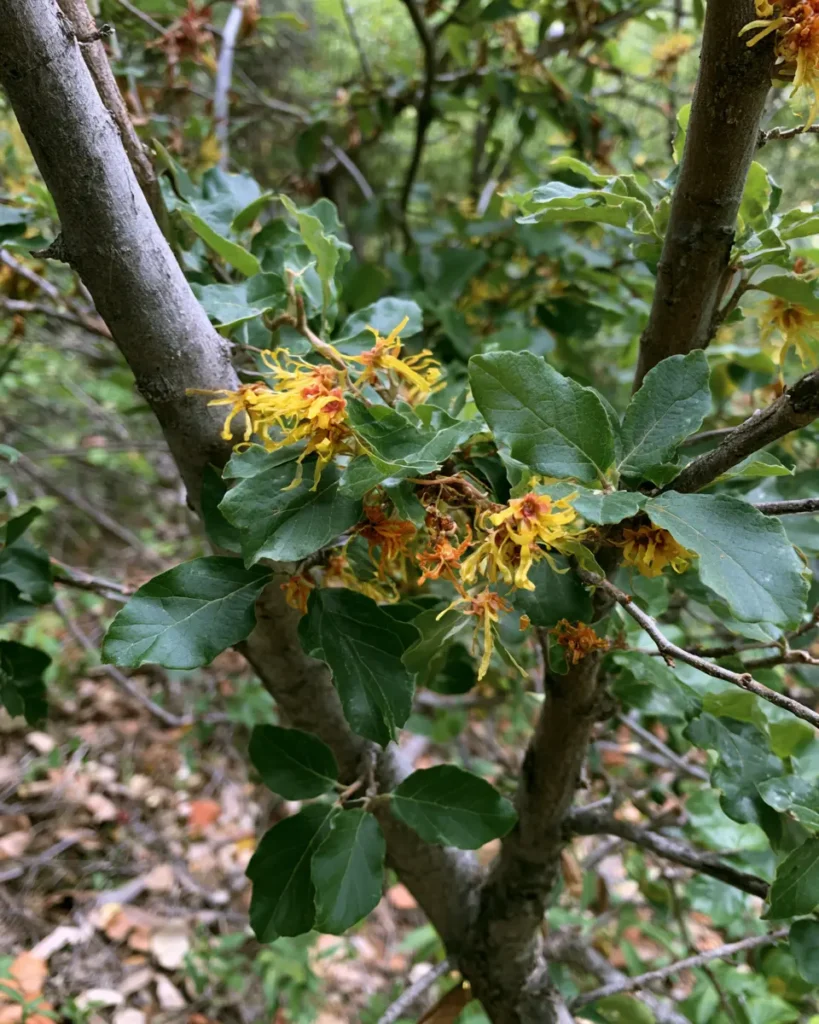
Witch Hazel
Astringent – it tightens and tones tissues. Cooling – it may feel refreshing on hot skin. Anti-inflammatory – research studies it for irritation pathways.
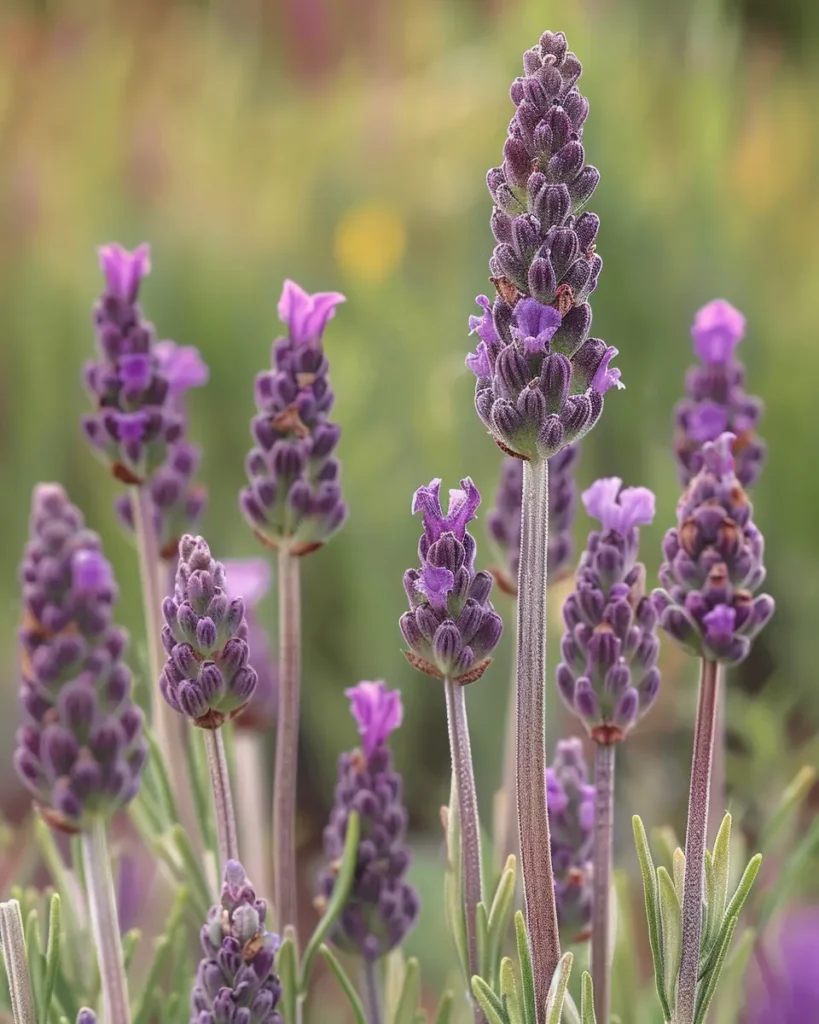
Lavender
Nervine – it supports relaxation. Aromatic, meaning it contains fragrant volatile oils. Skin-comfort herb – use it in gentle topical routines.
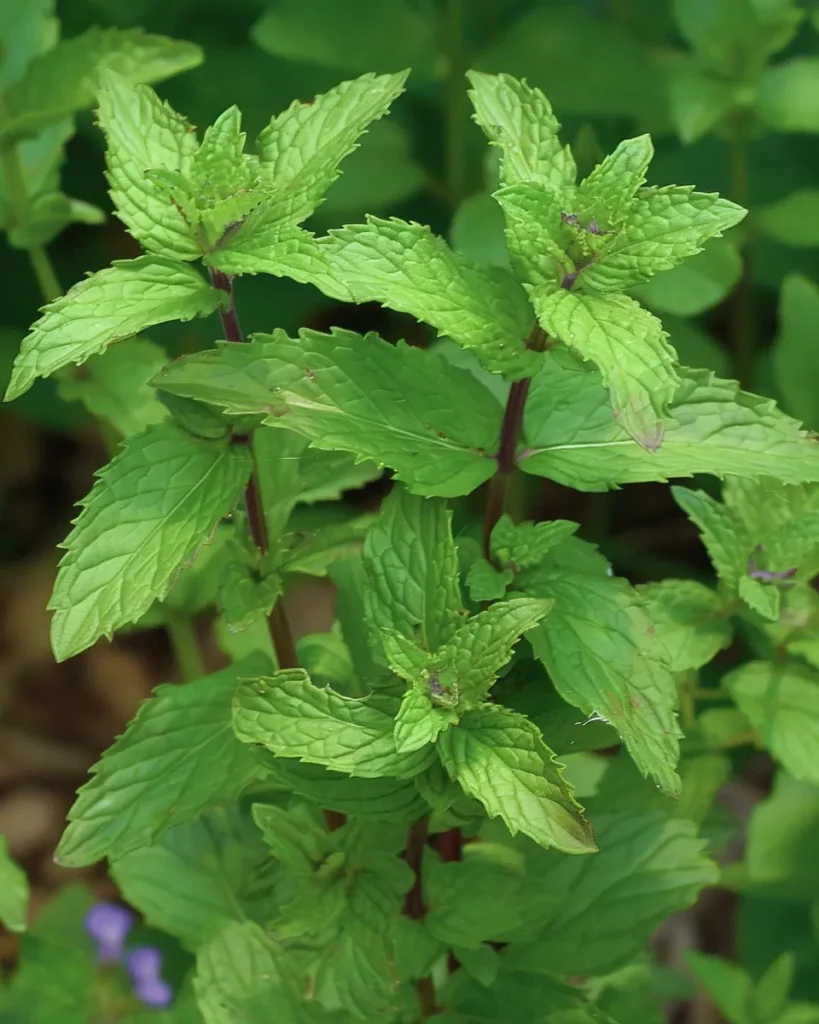
Peppermint
Cooling – it creates a fresh sensation. Aromatic – it carries strong volatile compounds. Carminative – it supports digestion when used internally.
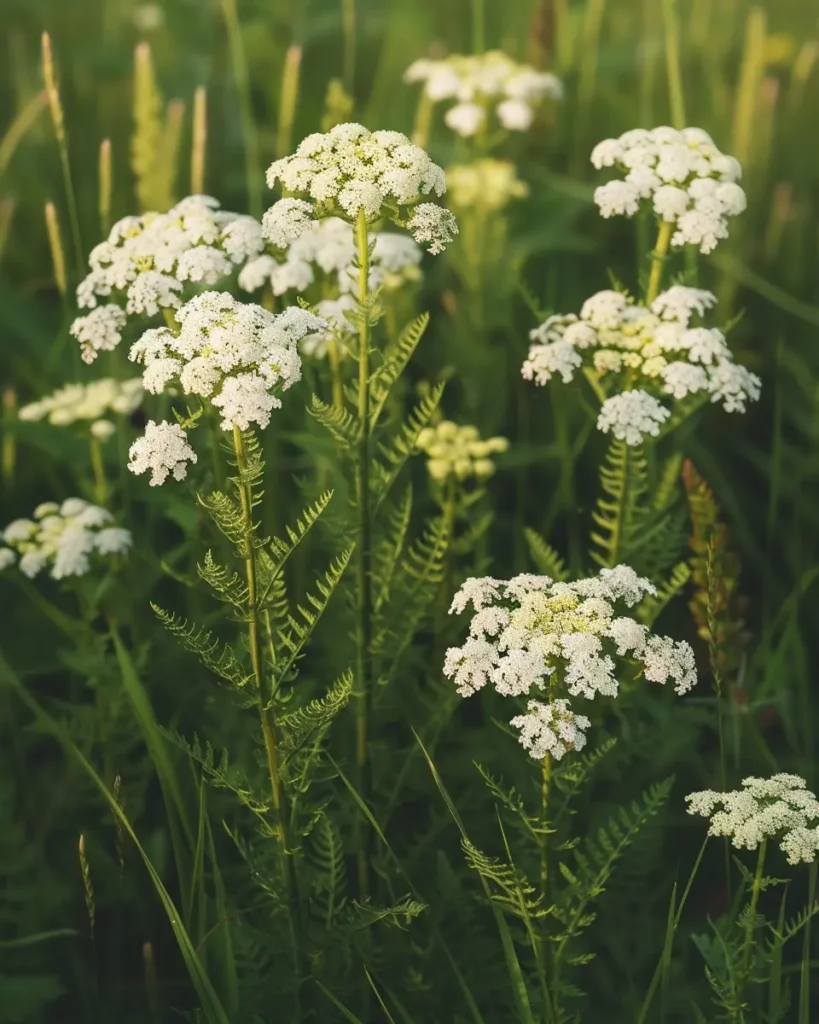
Yarrow
Astringent – it gently tones tissues. Vulnerary – use it for skin comfort.
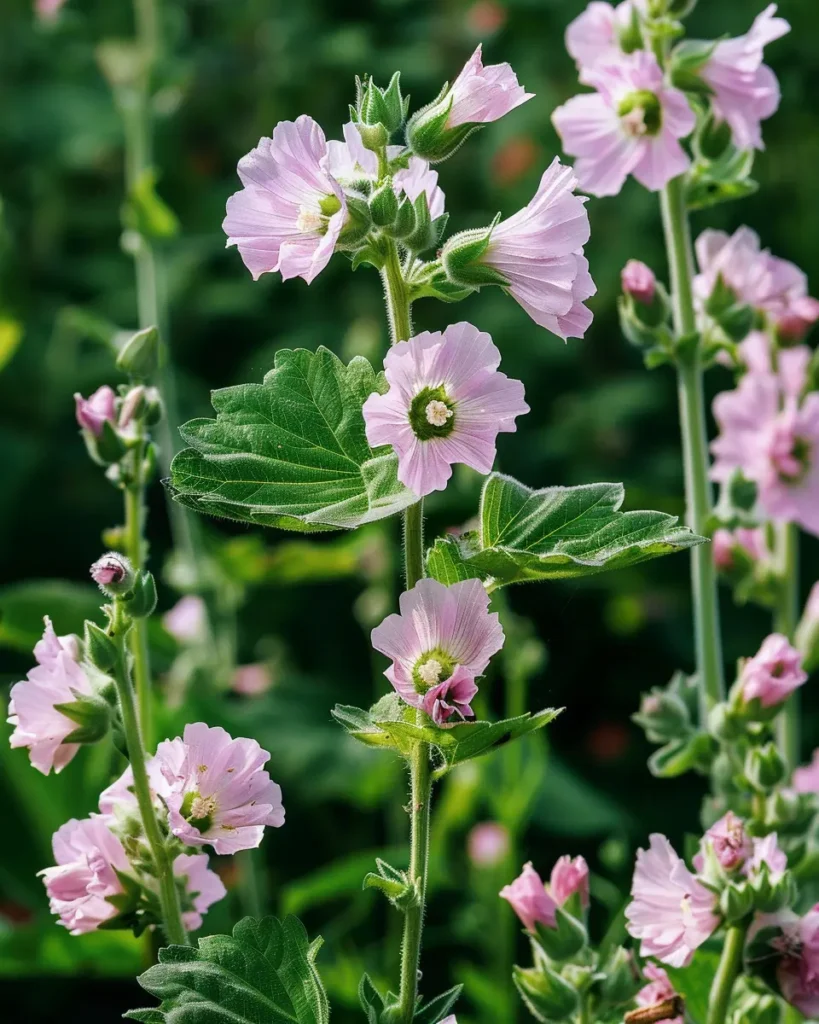
Marshmallow Root
Demulcent – it moistens and soothes. Cooling – herbalists use it for hot dryness. Emollient – it softens irritated tissues.

Comfrey Leaf
Vulnerary – herbalists use it for skin comfort. Demulcent – it soothes tissues. Cell-proliferative traditional herb – it has historical use for surface repair support.
Jewelweed
Cooling – herbalists use it for hot, itchy irritation. Skin-comfort herb – it has traditional use after outdoor exposure. Moistening – the fresh plant feels juicy and soothing.
Basil
Aromatic – it contains fragrant volatile compounds. Cooling food herb – it brightens summer meals. Digestive – it supports meal enjoyment.
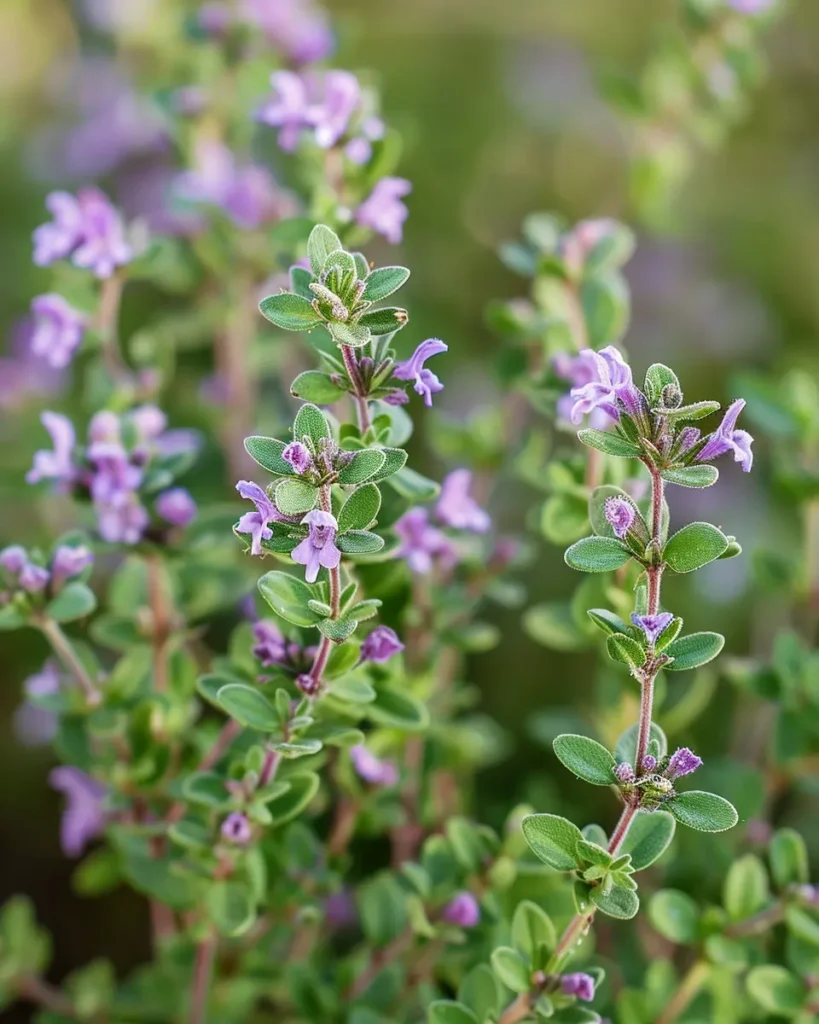
Thyme
Aromatic – it contains fragrant volatile compounds. Antimicrobial -research studies its activity against microbes. Warming – herbalists use it for sluggish patterns.

Oat
Demulcent- it soothes dryness. Skin protectant – colloidal oatmeal helps protect irritated skin. Anti-itch support – it may calm itchy discomfort.
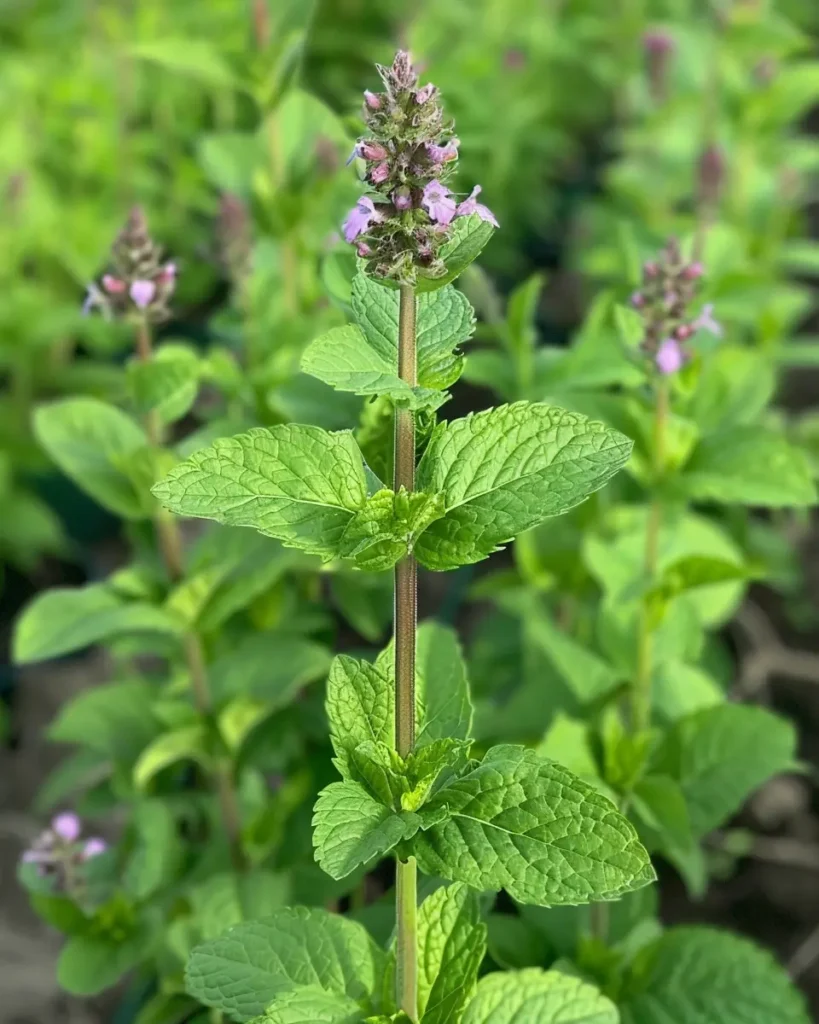
Mint
Cooling – it feels refreshing. Carminative, meaning it supports digestion. Aromatic – it adds a bright scent and flavor.

Cucumber
Cooling – it supports hot-weather foods. Hydrating – it provides water-rich nourishment. Skin-comfort food – it appears in traditional cooling routines.
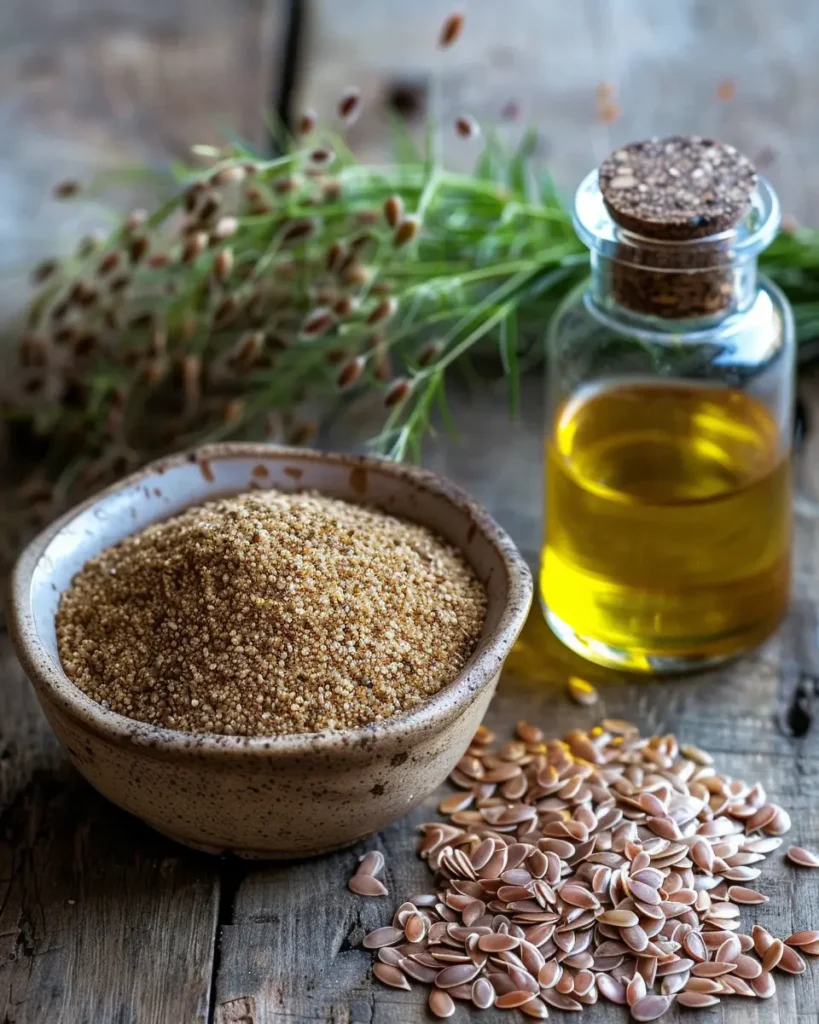
Flaxseed
Nutritive – it provides fiber and fatty acids. Demulcent – it moistens tissues. Oil-rich – it supports dietary fat intake.
Key Herbal Products
Plantain Salve
Plantain salve combines plantain-infused oil with wax or butter. People commonly use it on minor itchy outdoor skin irritation.
Pros: It feels simple, traditional, and easy to carry.
Cons: It can feel greasy and should not go on infected or open skin.
Choose this when bites feel dry, itchy, and not weepy.
Calendula Cream
Calendula cream contains Calendula officinalis extract in a lotion or cream base. People commonly use it for minor skin irritation and comfort.
Pros: Creams feel lighter than oil-based salves.
Cons: Some products contain fragrance or preservatives that may irritate sensitive skin.
Choose this when you want a less greasy topical product.
Aloe Vera Gel
Aloe vera gel provides a cooling, moistening topical option. People commonly use it for hot, irritated skin.
Pros: It feels cooling and light.
Cons: Some aloe gels contain alcohol, dyes, or fragrance.
Choose this when bites feel hot and tight.
Witch Hazel Pads
Witch hazel pads contain Hamamelis virginiana distillate or extract. People commonly use them for quick cooling and astringent skin comfort.
Pros: They feel convenient and travel-friendly.
Cons: Alcohol-based formulas may sting or dry the skin.
Choose this when puffiness and itch need a quick wipe, but avoid broken skin.
Colloidal Oatmeal Bath Packets
Colloidal oatmeal packets contain finely milled oat powder. People commonly use them in baths for widespread itch or multiple bites.
Pros: They can soothe larger itchy areas.
Cons: Oat residue can make tubs slippery.
Choose this when bites are spread over larger skin areas.
FAQ
Can herbs stop mosquito bites from itching?
Herbs should not promise to stop itching completely. Cooling compresses, oatmeal baths, aloe, and plantain salves may support comfort and reduce the urge to scratch. Avoid scratching because it can break the skin.
Can I use essential oils on bites?
Use essential oils with great caution. Never apply them undiluted, near eyes, on broken skin, or on young children. Many bites do better with simple whole-herb compresses, aloe, oatmeal, or fragrance-free products.
When should I get medical care for a bite?
Seek medical care for trouble breathing, facial swelling, dizziness, widespread hives, fever, pus, spreading redness, severe pain, or swelling that worsens quickly. Tick bites, animal bites, and unknown bites may also need professional evaluation.
Can I use herbal remedies on children?
Use extra caution with children. Avoid strong essential oils, strong tinctures, and harsh astringents. For young children, cool compresses, plain oatmeal baths, and pediatric guidance are safer starting points.
Fresh herbs or dried herbs: which works better?
Both can work well. Fresh plantain and chickweed are popular outdoor herbs when correctly identified and clean. Dried herbs are convenient, consistent, and easier to store.
How should I store homemade bite preparations?
Store water-based compress liquids in the refrigerator and use within 24 hours. Store oil-based salves in a cool, dry place. Discard anything that smells strange, grows mold, or changes texture.
Can pets use these bite remedies?
Do not use human herbal bite remedies on pets unless a veterinarian approves. Pets lick their skin and may react differently to herbs. Essential oils can be especially risky for cats, dogs, birds, and small animals.
References
Mayo Clinic: Mosquito Bites Symptoms and Causes
Mayo Clinic: Mosquito Bites Diagnosis and Treatment
American Academy of Dermatology: Bug Bites and Stings
PubMed Central: Colloidal Oatmeal Skin Barrier Benefits
PubMed Central: Aloe Vera Clinical Trials and Wound Healing
PubMed Central: Calendula officinalis and Wound Healing
PubMed Central: Plantago major Traditional Uses and Pharmacological Activity
PubMed Central: Comfrey and Pyrrolizidine Alkaloid Safety
Disclaimer
This article offers educational information only. It does not provide medical advice, diagnosis, or treatment.
Mosquito and insect bites can sometimes cause allergic reactions, infections, tick-borne illness, or reactions that need medical care. Seek urgent help for breathing trouble, facial swelling, dizziness, fainting, widespread hives, fever, rapidly spreading redness, severe pain, pus, or unusual symptoms after a bite or sting.
Herbs may cause allergies or interact with medications, pregnancy, breastfeeding, surgery, chronic conditions, children, pets, and sensitive skin. Always patch test topical herbs and avoid homemade preparations on serious, infected, open, or worsening skin.