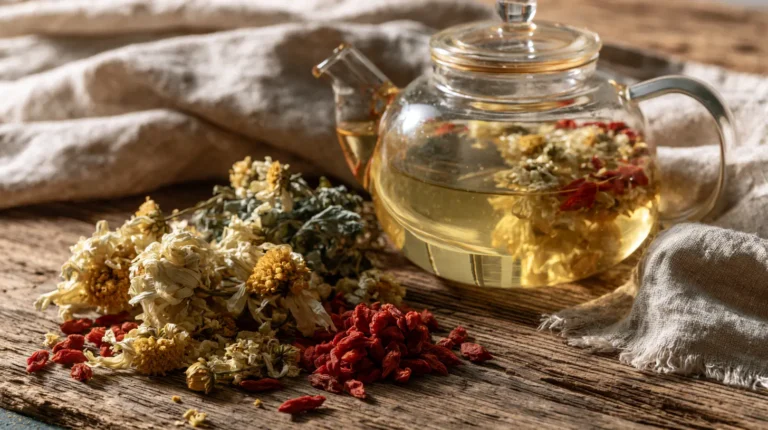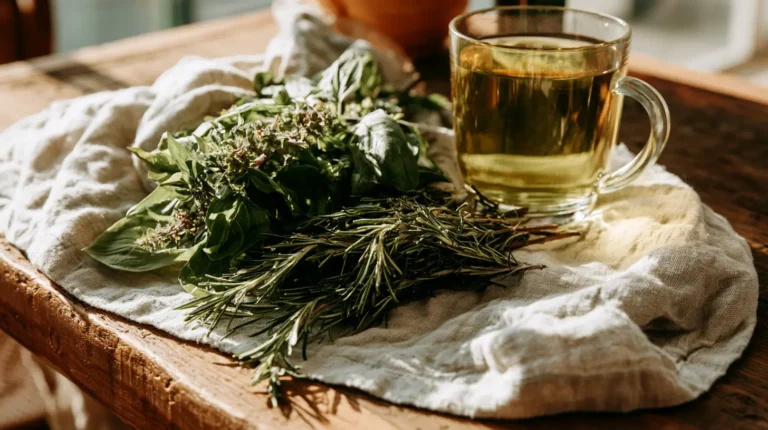
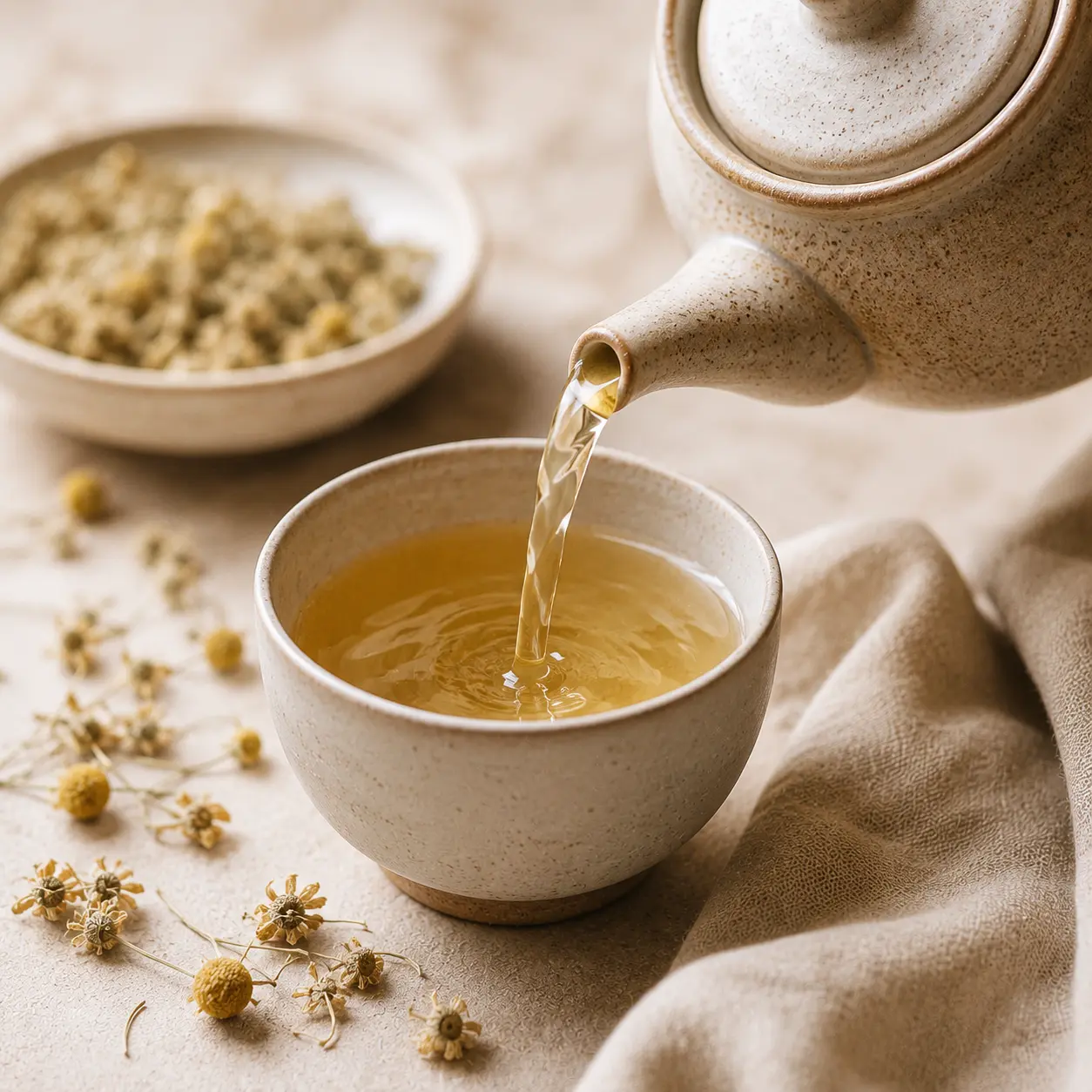
An infusion is the simplest herbal extraction method — a hot-water steep, much like making tea — and it’s the go-to technique for pulling water-soluble compounds out of delicate leaves and flowers without destroying their more fragile constituents.
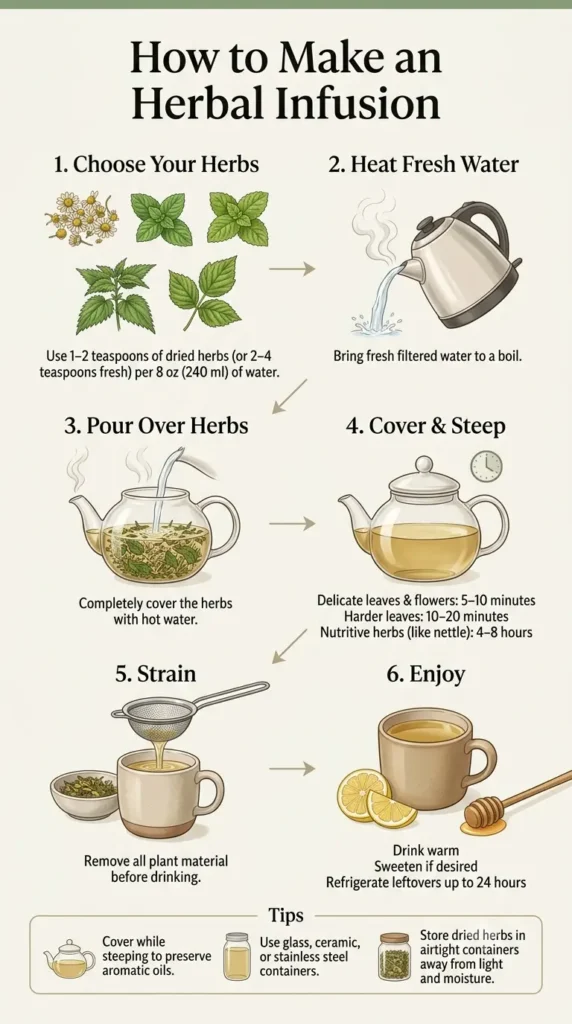
- Measure 1–2 teaspoons of dried herb (or 2–3 teaspoons fresh) per cup of water.
- Bring water to a boil, then remove from heat.
- Pour the hot water over the herb in a mug, teapot, or tea infuser.
- Cover immediately to trap steam and volatile compounds.
- Steep for 5–15 minutes, depending on the herb.
- Strain and drink, sweetening if desired.
Secret Tips
- Always cover your infusion while steeping — an uncovered cup lets volatile oils escape with the rising steam, meaning you lose potency and aroma before you even taste it.
- For very delicate flowers, let the water cool slightly off the boil before pouring to protect the most fragile compounds.
- Steep longer (up to 15–20 minutes) for a more medicinal-strength infusion, or shorter (3–5 minutes) for a lighter, more everyday cup.
- Pre-warm your mug or teapot with hot water before adding your herb and fresh boiling water — this helps maintain a more consistent steeping temperature.
Explore Infusion Recipes
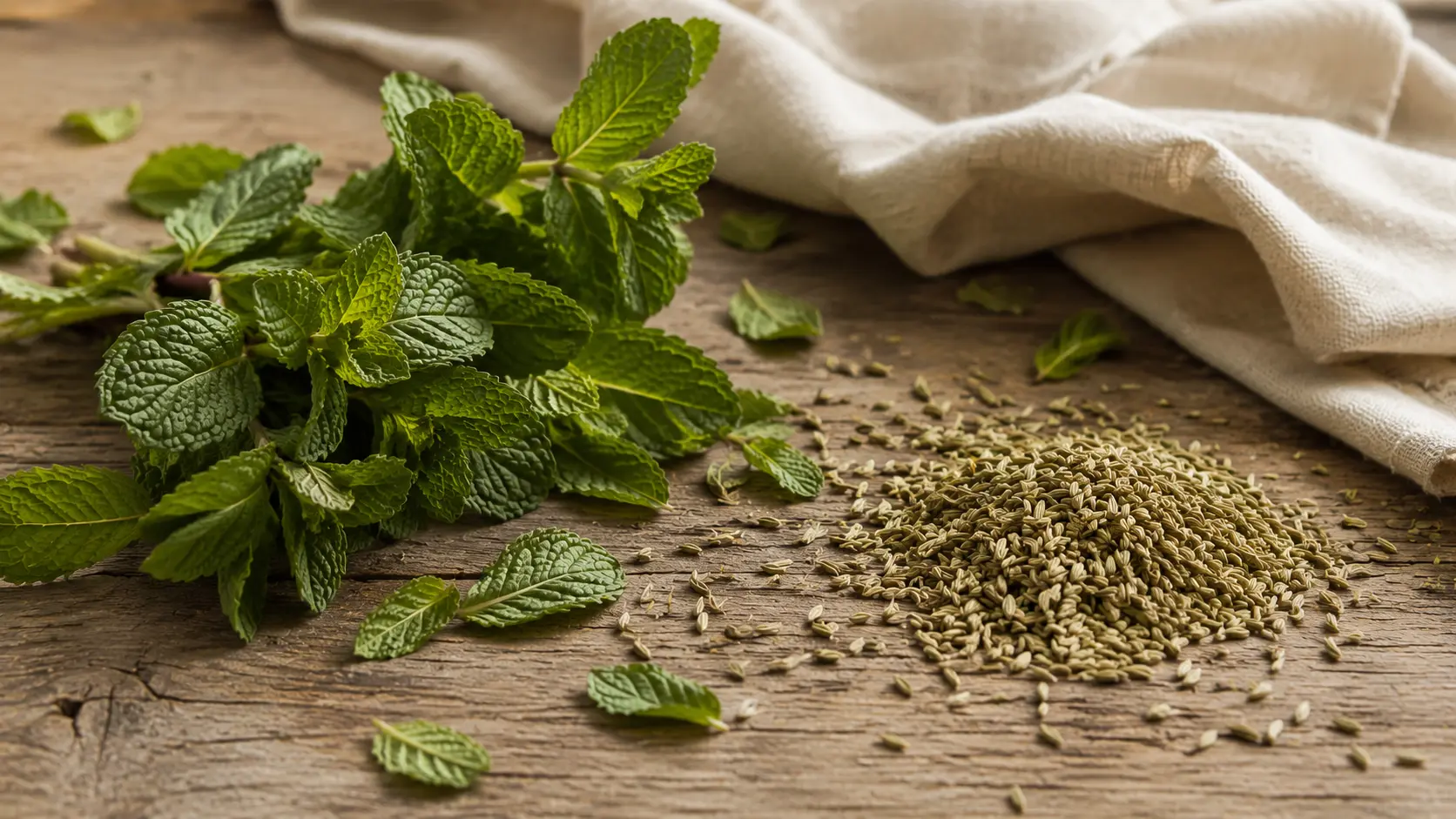
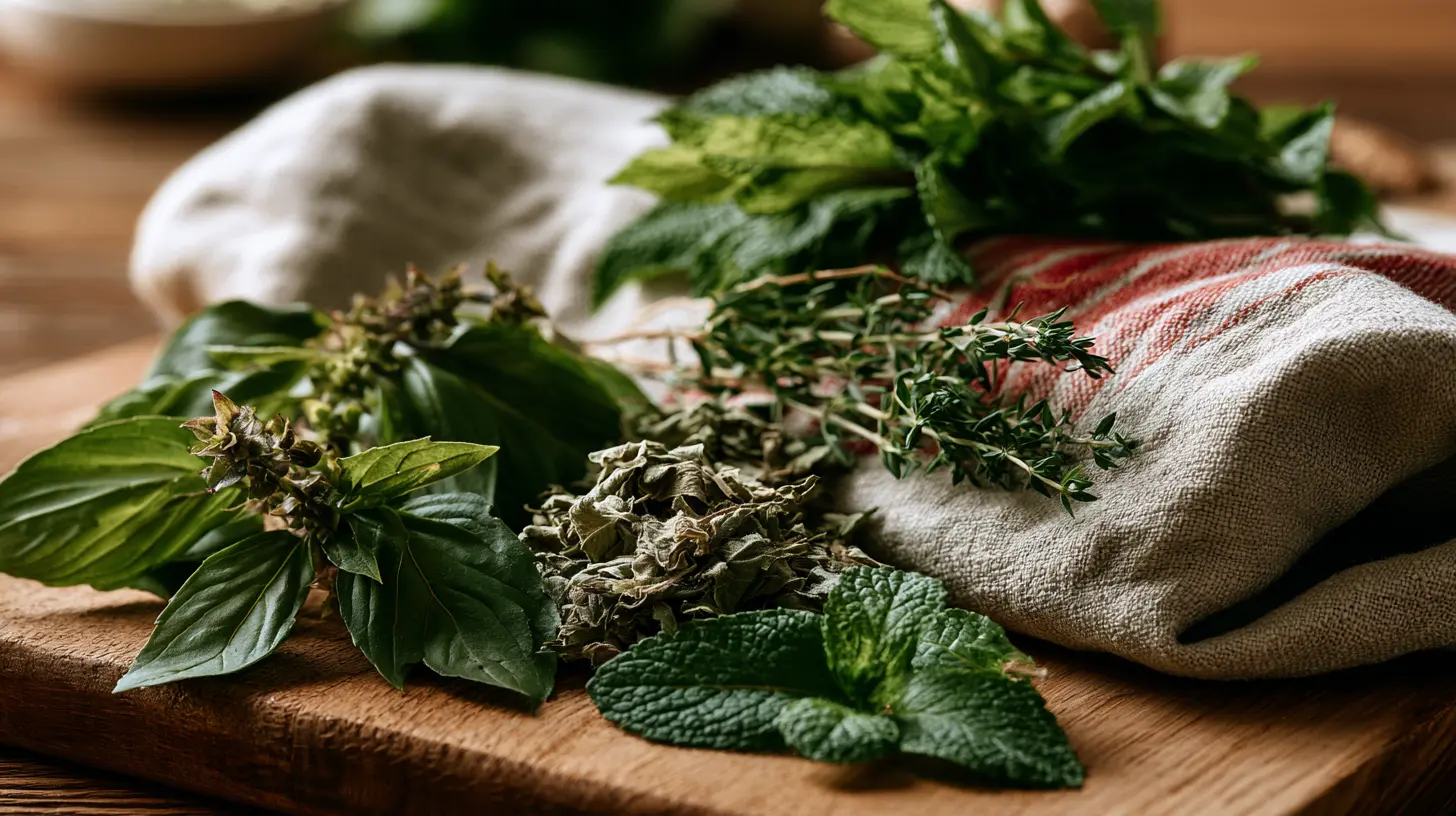
Herb Examples Best Suited to Infusion
- Chamomile — delicate flowers that release their calming compounds easily in hot water.
- Lemon Balm — a soft, aromatic leaf best extracted with a gentle steep.
- Peppermint — releases its bright, cooling menthol quickly and easily.
- Holy Basil (Tulsi) — a classic infusion herb prized for its everyday calming properties.
Q&A
Q: How is an infusion different from a decoction? A: An infusion is a quick, hot-water steep for soft plant parts like leaves and flowers, while a decoction involves simmering tougher material like roots and bark for a longer time.
Q: How long can I keep an infusion before it goes bad? A: Infusions are best consumed fresh within a few hours; refrigerate if you need to store it longer than a day.
Q: Can I make a stronger infusion by using more herb? A: Yes, increasing the herb-to-water ratio (sometimes called a “medicinal strength” infusion) is a common way to boost potency, alongside a longer steep time.
Q: Do I need special equipment to make an infusion? A: No — a simple mug, teapot, or tea infuser and a strainer are all you need.
Q: Can infusions be made with cold water instead of hot? A: Yes, though this is technically a cold infusion, a different (slower) method better suited to mucilage-rich or heat-sensitive herbs.
Safety Tips
- Use fresh, filtered water for the best flavor and quality.
- Allow boiling water to cool slightly before pouring over very delicate flowers to preserve their compounds.
- Consult a healthcare provider before using infusions medicinally, especially if pregnant, nursing, or on medication.
Disclaimer
This content is for educational purposes only and is not a substitute for professional medical advice, diagnosis, or treatment.