


Traditionally, California poppy has been used to support relaxation, sleep rhythm, nervous system calm, and mild physical tension. It is usually considered gentler than strong sedative herbs, but still strong enough to deserve respect. In herbalism, the aerial parts of the plant are used, meaning the flowers, leaves, and stems harvested above the ground. Although it belongs to the poppy family, California poppy is not the same as opium poppy. It does not contain the same opiate alkaloids associated with Papaver somniferum.
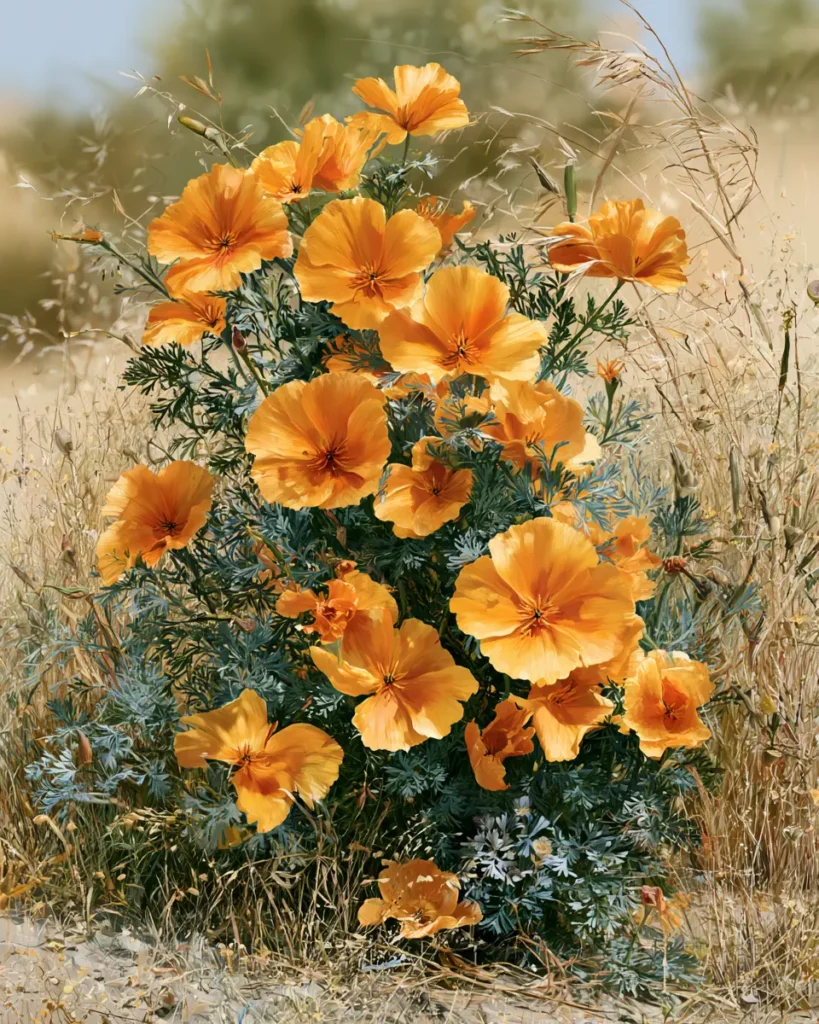
California Poppy (Eschscholzia californica)
Traditional Uses of California Poppy
Sleep Support: California poppy is traditionally used in evening formulas to support the body’s natural transition into rest.
Stress Support: Herbalists often choose it when a person feels tense, restless, or mentally “switched on” at the wrong time.
Nervous System Support: It is classically used as a calming nervine, especially when the goal is relaxation without heaviness.
Muscle Tension: California poppy has a traditional antispasmodic reputation, making it useful in formulas where nervous tension and body tightness overlap.
“California poppy is like sunset in herb form: golden, gentle, and quietly asking you to slow down.”
Available California Poppy Products
California Poppy Capsules — Capsules/Tablets
A taste-free extract capsule traditionally used for calming nervous system support and relaxation.
Buy California Poppy Capsules
California Poppy Liquid Extract — Tincture/Liquid Extract
A fresh-plant tincture made from root, leaf, and flower, traditionally used as a gentle nervine for calming and sleep support.
Buy California Poppy Liquid Extract
California Poppy Tea — Tea/Loose Herb
A caffeine-free herbal tea made from dried California poppy leaves, stems, and petals, traditionally sipped in the evening for relaxation.
Buy California Poppy Tea
California Poppy Dried Herb — Raw/Dried Herb
Whole dried aerial parts (leaves, stems, petals) for brewing your own tea or making homemade tinctures and blends.
Buy California Poppy Dried Herb
⚠️ These are dietary supplements — not evaluated by the FDA for treating disease. California poppy (Eschscholzia californica) is a distinct, non-narcotic species unrelated to opium poppy, but it does have mild sedative properties and can enhance the effects of other sedatives, alcohol, or sleep medications. Not recommended during pregnancy or nursing, and caution is advised when combining with other calming herbs or medications. Check with a healthcare provider before use.
Key Herbal Actions
California poppy is known as a nervine, mild sedative, hypnotic, anxiolytic-supportive herb, antispasmodic, mild analgesic-supportive herb, and bitter alkaloid herb.
Nervine
A nervine is an herb traditionally used to support the nervous system. California poppy is considered a calming nervine, especially suited to restlessness, tension, and evening relaxation routines.
Mild Sedative
A mild sedative herb supports relaxation and a calmer state. California poppy is traditionally used in this way, though individual responses can vary.
Hypnotic
In herbal language, a hypnotic is an herb used to support sleep. California poppy is often included in nighttime formulas, especially when sleep difficulty is linked with nervous tension.
Anxiolytic-Supportive Herb
Anxiolytic-supportive means the herb has traditional use for calm and emotional steadiness. This does not mean it treats anxiety disorders, but it explains why herbalists often place California poppy in stress-support formulas.
Antispasmodic
Antispasmodic herbs are traditionally used to ease patterns of tightness, gripping, or tension. California poppy is sometimes used when nervous system tension and physical tension appear together.
Mild Analgesic-Supportive Herb
California poppy has traditional use in formulas where discomfort and tension overlap. It should not be presented as a pain treatment, but it may be used as part of a calming comfort blend.
Bitter Alkaloid Herb
California poppy contains several alkaloids that contribute to its herbal activity. These compounds give the plant part of its distinctive chemistry and explain why dose, timing, and safety matter.
Active Compounds and Extraction
California poppy contains isoquinoline alkaloids, protopine, allocryptopine, californidine, eschscholtzine, sanguinarine-related alkaloids in trace chemistry, flavonoids, carotenoids, and phenolic compounds.
Isoquinoline Alkaloids
Isoquinoline alkaloids are nitrogen-containing plant compounds found in several members of the poppy family. In California poppy, these alkaloids are studied in relation to nervous system activity and help explain its traditional calming use.
Best extraction: Alcohol-water tincture.
To make a simple tincture, cover dried California poppy herb with an alcohol-water mixture in a clean jar. Let it macerate for several weeks, shaking regularly, then strain and store in dark glass.
Protopine
Protopine is an alkaloid found in several Papaveraceae plants. It has been studied for smooth muscle and nervous system-related activity, which fits California poppy’s traditional use as a calming and antispasmodic herb.
Best extraction: Tincture or standardized liquid extract.
Protopine is better captured in hydroalcoholic preparations than in a quick tea alone. This is one reason tinctures are so common for California poppy.
Allocryptopine
Allocryptopine is another alkaloid associated with plants in the poppy family. In California poppy, it contributes to the herb’s overall alkaloid profile rather than acting alone.
Best extraction: Alcohol-water extract.
A tincture is the most practical home-style extraction method. Tea can still be used traditionally, but it may not extract the same range of alkaloids.
Californidine
Californidine is an alkaloid named from California poppy chemistry. It is one of the compounds that makes this plant chemically distinct from many other nervine herbs.
Best extraction: Tincture.
Hydroalcoholic extraction is preferred for broader alkaloid capture. Store tinctures away from light and heat to protect potency.
Eschscholtzine
Eschscholtzine is another alkaloid associated with Eschscholzia species. It is part of the plant’s characteristic chemistry and supports the herb’s identity as a true California poppy preparation.
Best extraction: Alcohol-water tincture.
Use properly identified dried aerial parts. Avoid using ornamental poppies unless they are confirmed as the correct species and grown without chemicals.
Flavonoids
Flavonoids are antioxidant plant compounds found in many herbs. In California poppy, they contribute to the plant’s broader wellness profile, though alkaloids are usually the main focus.
Best extraction: Hot water infusion or tincture.
To make California poppy tea, use 1 teaspoon dried herb per cup of hot water. Cover and steep for 10–15 minutes, then strain. The taste is mildly bitter and earthy.
Carotenoids
Carotenoids are pigments that contribute to the orange and golden color of the flowers. They are more relevant to the plant’s color and antioxidant chemistry than to its main nervine action.
Best extraction: Whole herb use or alcohol-containing extract.
Carotenoids are not the main reason California poppy is used in herbalism, but they are part of the whole plant profile.
Phenolic Compounds
Phenolic compounds are plant constituents associated with antioxidant activity. In California poppy, they round out the plant’s chemistry alongside alkaloids and flavonoids.
Best extraction: Infusion or tincture.
A covered infusion is suitable for simple home tea. A tincture provides a broader extract when stronger plant chemistry is desired.
Harvesting and Storing Right
California poppy aerial parts are usually harvested when the plant is in flower, often in spring to early summer depending on climate. The best time of day is late morning after dew has dried but before strong afternoon heat.
Harvest only from clean, unsprayed areas and only where harvesting is legal and ecologically responsible. Since California poppy is a beloved native and state flower in California, many people prefer growing it at home rather than wild-harvesting.
Cut the upper flowering tops, including leaves, stems, and flowers. Dry them in a thin layer in a shaded, airy place. Avoid high heat, which can reduce quality.
Store dried California poppy in an airtight jar away from heat, light, and moisture. Dried herb is best used within about 1 year. Powder should be used faster, often within 6 months. Tinctures usually keep for several years when made and stored properly. Glycerites generally have a shorter shelf life, often about 1–2 years.
Body Functions California Poppy Can Support
California poppy can support sleep, stress support, nervous system, brain, muscles and joint comfort, digestion system, adrenal stress response, and energy and vitality.
Sleep
California poppy is best known for sleep support, especially when restlessness or tension makes it hard to settle. It is often used in evening tea or tincture blends with herbs such as passionflower, lemon balm, linden, or chamomile.
Stress Support
As a calming nervine, California poppy is traditionally used when the body needs help shifting from alert mode into rest mode. It is better suited to gentle relaxation support than to daytime energy.
Nervous System
California poppy’s alkaloids are the main reason it is associated with nervous system support. Herbalists often use it when the nervous system feels overstimulated, tense, or unable to unwind.
Brain
Because sleep and relaxation are closely connected with brain function, California poppy is traditionally used to support mental quiet. It should not be framed as a cognitive enhancer; its role is more about helping the mind soften its grip.
Muscles and Joint
California poppy is sometimes used where body tension and nervous tension overlap. Its antispasmodic reputation makes it relevant for comfort formulas, but it should not replace care for persistent pain or injury.
Digestion System
Nervous tension can affect digestion, and California poppy may be used in formulas when stress appears to tighten the gut. It is not a primary digestive herb like fennel or artichoke leaf, but it can support digestion indirectly through relaxation.
Adrenal Stress Response
California poppy is not an adaptogen, but it may support the evening “downshift” after a stressful day. This makes it useful in routines designed to separate daytime pressure from nighttime rest.
Energy and Vitality
California poppy does not boost energy directly. Instead, by supporting rest and relaxation, it may indirectly support next-day vitality when used appropriately.
Safety and Practical Considerations
California poppy should be used thoughtfully because it may cause drowsiness. Avoid combining it with alcohol, sedatives, sleeping pills, anti-anxiety medications, opioid medications, muscle relaxants, or other substances that slow the nervous system unless guided by a qualified healthcare professional.
Do not use California poppy before driving, operating machinery, or doing work that requires alertness until you know how it affects you. Some people may feel sleepy, foggy, or mentally slowed.
Pregnant and breastfeeding people should avoid medicinal use unless specifically guided by a qualified professional. Children, older adults, and sensitive individuals need extra caution.
People with liver conditions, serious medical conditions, complex medication routines, or upcoming surgery should consult a healthcare professional before using California poppy. Stop use if it causes unusual symptoms such as excessive sedation, agitation, rash, nausea, or dizziness.
California poppy is most commonly used dried, tinctured, powdered, or as a glycerite. Correct plant identification matters, especially because many plants are casually called “poppy.”
FAQ
What does California poppy taste like?
California poppy tastes mildly bitter, earthy, and green. It is not as pleasant as chamomile or linden, so many people prefer it blended with better-tasting calming herbs.
Is California poppy the same as opium poppy?
No. California poppy is Eschscholzia californica, while opium poppy is Papaver somniferum. They are in the same broader plant family, but they are chemically and legally different plants.
When is the best time to use California poppy?
California poppy is usually used in the evening or before rest because it may feel calming or sedating. It is not ideal before driving, work, or tasks that require alert attention.
Is fresh or dried California poppy better?
Both fresh and dried aerial parts can be used when properly identified. Dried herb is more common in the marketplace and easier to store.
Is California poppy tea, tincture, or capsule better?
Tea is gentle and traditional, tincture is more concentrated and practical, and capsules are convenient but less flexible. Many herbalists prefer tincture because it extracts a broader range of alkaloids.
Can California poppy be used daily?
It is often used short-term or occasionally as part of evening support. Daily long-term use should be discussed with a qualified healthcare professional, especially if medications or health conditions are involved.
How should California poppy be stored?
Store dried California poppy in a sealed jar away from heat, light, and moisture. Tinctures should be kept in dark glass bottles and stored in a cool place.
Does California poppy combine well with other herbs?
Yes. It combines well with passionflower, lemon balm, linden, chamomile, skullcap, lavender, hops, and valerian. Stronger combinations may be more sedating, so caution is important.
Is California poppy safe for everyone?
No. It may not be appropriate for pregnant or breastfeeding people, children, people taking sedative medications, people using alcohol, those with liver concerns, or anyone preparing for surgery.
Can California poppy be used for pets?
Pet use should be guided by a veterinarian or qualified animal herbalist. Sedative herbs can affect animals strongly, and human dosing should never be applied to pets.
Disclaimer
This content is educational only. It is not medical advice, diagnosis, or treatment. Herbs may interact with medications or health conditions. People who are pregnant, breastfeeding, managing a medical condition, taking prescription medications, or preparing for surgery should consult a qualified healthcare professional before using herbs.
References
Plants of the World Online: Eschscholzia californica
PubMed: Herbal Medicine for Depression, Anxiety and Insomnia – Review
PubMed: California Poppy Alkaloid Biosynthesis and Benzophenanthridine Alkaloids
NCBI Bookshelf: Herbal Medicine Safety and Herb-Drug Interaction Considerations
California Department of Fish and Wildlife: California Poppy