


Maca is a hardy root vegetable native to the high Andes of Peru, where it has been grown as both food and traditional medicine for centuries. It belongs to the mustard family, which makes it a botanical cousin of radish, turnip, cabbage, and broccoli — though maca has its own mountain-grown personality.
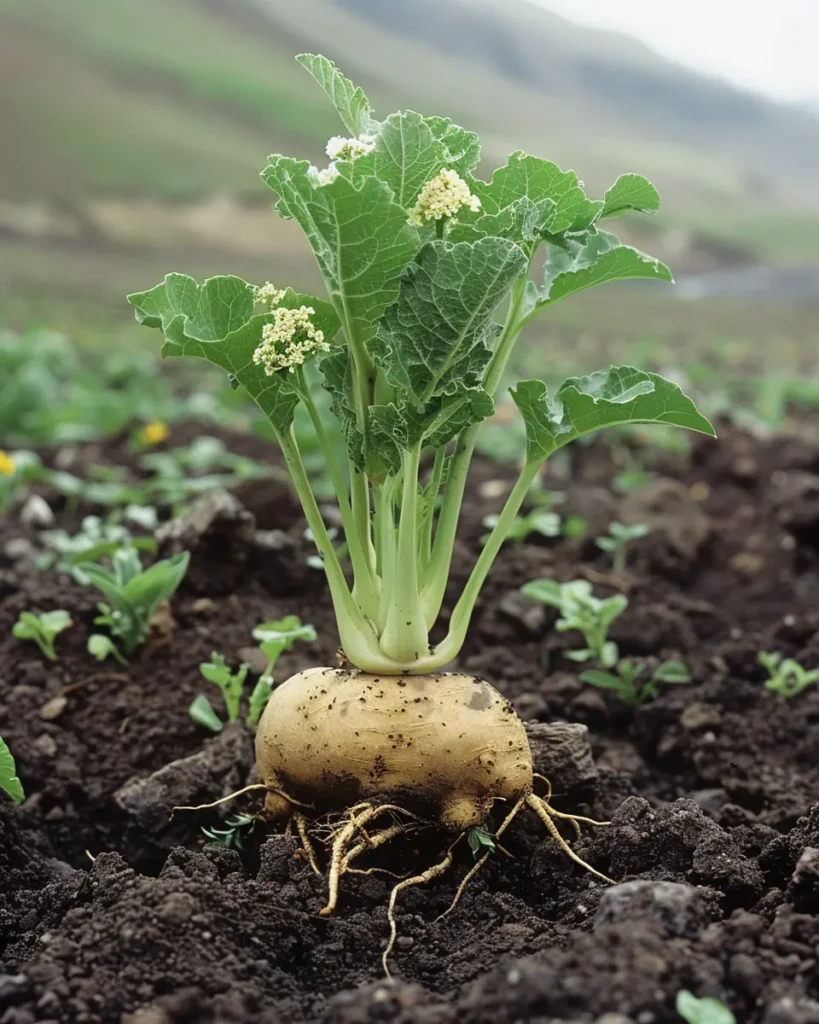
Maca (Lepidium meyenii / Lepidium peruvianum)
Traditional Uses of Maca
Energy and Vitality: Maca has traditionally been used as a strengthening food when the body feels tired, depleted, or worn down.
Reproductive Wellness: Maca is commonly associated with libido, fertility traditions, and reproductive vitality in both men and women.
Stress Support: As a nourishing adaptogen-like root, maca is often used when someone wants support for stamina and resilience without strong stimulation.
Menopausal Transition Support: Some clinical studies have explored maca for mood, sexual wellbeing, and menopausal comfort, though research is still limited.
“Maca is the mountain root that seems to say, ‘Let’s keep going, but let’s do it with food-like steadiness.”
Available Maca Products
Maca Powder
Maca powder is the most common form. It is usually added to smoothies, oatmeal, coffee alternatives, yogurt, energy bites, or warm drinks. Good maca powder should smell earthy, malty, slightly sweet, and nutty.
Gelatinized Maca
Gelatinized maca is maca powder that has been processed with heat and water to remove much of the starch. It is not gelatin and does not contain animal products. Many people find it easier to digest than raw maca powder.
Maca Capsules
Capsules are convenient for people who dislike maca’s earthy taste. Labels should clearly state the botanical name, serving size, whether the maca is raw or gelatinized, and whether it is yellow, red, black, or blended maca.
Maca Extract
Maca extracts are more concentrated than plain powder. They may come as capsules, liquids, or powders and should list extract ratio, serving size, and preparation method.
Maca Tincture
Maca tincture is less common than powder or capsules, but it exists. Because maca is a starchy root food, powder and gelatinized forms are usually more traditional and practical than tincture.
Red, Yellow, and Black Maca
Maca comes in different root colors, commonly yellow, red, and black. Research has explored whether different colors may have different effects, but strong conclusions should be avoided because human evidence is still limited.
Key Herbal Actions
Maca is known as a nutritive tonic, adaptogen-like root, endocrine-supportive herb, reproductive tonic, nervine trophorestorative, mild energizing tonic, and antioxidant food-herb.
Nutritive Tonic
A nutritive tonic is a food-like herb used over time to support strength and nourishment. Maca fits this category because it is traditionally eaten as a root crop and contains carbohydrates, fiber, amino acids, minerals, and plant compounds.
Adaptogen-Like Root
Maca is often described as adaptogenic, although it is not always listed with classic adaptogens such as ashwagandha, rhodiola, or eleuthero. In practical herbal language, maca supports stamina and resilience in a slower, food-like way.
Endocrine-Supportive Herb
Maca is often connected with hormonal wellness, but it does not appear to work like a direct hormone replacement. Research suggests maca may influence wellbeing, libido, and stress-related pathways without consistently changing major reproductive hormone levels.
Reproductive Tonic
Maca has a long traditional reputation for supporting libido, fertility, and reproductive vitality. Human studies are promising but limited, so it is best described as supportive rather than corrective.
Nervine Trophorestorative
A nervine trophorestorative is an herb that nourishes and supports the nervous system over time. Maca is not sedating; it is more often used when stress, fatigue, mood, and stamina overlap.
Mild Energizing Tonic
Maca is often used for energy, but it does not act like caffeine. It is better understood as a steady, nourishing tonic rather than a quick stimulant.
Antioxidant Food-Herb
Maca contains glucosinolates, macamides, macaenes, phenolics, and other compounds studied for antioxidant and cellular-supportive activity. This adds to its value as a functional food-herb.
Active Compounds and Extraction
Maca contains macamides, macaenes, glucosinolates, alkaloids, polysaccharides, phenolic compounds, amino acids, fiber, minerals, sterols, and fatty acids.
Macamides and Macaenes
Macamides and macaenes are unique lipid-like compounds found in maca. They are often discussed as key marker compounds in maca research and quality testing.
These compounds are more soluble in alcohol and fats than in plain water. They are one reason extracts may differ from simple tea.
Best extraction: powder, gelatinized powder, alcohol extract, hydroalcoholic extract, and lipid-based extraction.
The simplest method is to use maca powder as food. Add 1 teaspoon to a smoothie, oatmeal, or warm drink. Start small because maca can feel strong to sensitive digestion.
Glucosinolates
Glucosinolates are sulfur-containing compounds found in plants from the mustard family. They are also present in broccoli, mustard seed, cabbage, and radish.
In maca, glucosinolates are studied for their biological activity and relationship to plant defense chemistry. They may partly explain maca’s slightly radish-like, earthy edge.
Best extraction: food use, powder, gelatinized powder, and water-based preparations.
Maca can be stirred into warm milk, plant milk, or porridge. Avoid boiling it for a long time if you want to preserve more delicate compounds.
Polysaccharides
Polysaccharides are complex carbohydrates that may contribute to maca’s nourishing and food-like quality. They are water-soluble and fit well with warm drinks and cooked preparations.
Best extraction: warm water, decoction, porridge, soup, and gelatinized powder.
To make a simple maca drink, stir 1 teaspoon maca powder into warm milk or plant milk with cinnamon. Keep the heat gentle and whisk well.
Phenolic Compounds
Phenolic compounds are antioxidant plant constituents found in many roots, fruits, herbs, and seeds. In maca, they contribute to the root’s overall antioxidant profile.
Best extraction: powder, alcohol-water extract, and warm-water preparation.
Using whole maca powder keeps more of the complete plant matrix than a strained tea.
Alkaloids
Maca contains small amounts of alkaloid-like compounds sometimes called macaridine and related constituents. These are studied as part of maca’s unique chemistry, but they should not be exaggerated.
Best extraction: alcohol-water tincture and whole powder.
A tincture can be made from dried maca using about 1 part powder to 5 parts alcohol-water mixture. However, because powder is messy and starchy, capsules or food preparations are usually easier.
Amino Acids, Fiber, and Minerals
Maca root contains amino acids, fiber, and minerals such as calcium, potassium, iron, copper, and manganese. Amounts vary by soil, color type, processing, and serving size.
Best extraction: whole powder, gelatinized powder, capsules, and food use.
These nutrients are best obtained by consuming the whole root powder rather than making a strained tea.
Sterols and Fatty Acids
Maca contains plant sterols and fatty acids in small amounts. These compounds are part of its broader nutritional profile and may contribute to its traditional tonic use.
Best extraction: whole powder, gelatinized powder, and lipid-based preparations.
Mixing maca into foods that contain healthy fats, such as nut butter or yogurt, may make sense from a culinary standpoint.
Harvesting and Storing Right
Maca grows in the high Andes, often at elevations around 3,800–4,500 meters. It is usually harvested after the root-like hypocotyl has matured, often after several months of growth in harsh mountain conditions.
Traditionally, maca roots are dried in the sun after harvest. Drying improves storage life and makes the root easier to transport, grind, and use.
Maca powder should be stored in an airtight container away from heat, moisture, and light. It usually keeps best for 1–2 years if stored well, though aroma and potency gradually fade.
Gelatinized maca should also be kept dry and sealed. Capsules should be stored according to the label, away from humid bathrooms or hot kitchens.
Maca tinctures and extracts usually keep longer than powder when properly made and stored in a cool, dark place.
Body Functions Maca Can Support
Maca can support Energy and vitality, Stress Support, Nervous system, Reproductive system male, Reproductive system female, Hormonal balance, Metabolism, Brain, and Muscles and joint.
Energy and Vitality
Maca is traditionally used as a stamina and vitality root. It is not a caffeine-like stimulant, so its effects are usually described as gradual and nourishing.
People often use maca when they want steady support during busy seasons, physical exertion, or recovery from general depletion. Sensitive people should start with small amounts because maca can feel energizing.
Stress Support
Maca is often used in adaptogen-style formulas for resilience. Its food-like nutrients, polysaccharides, macamides, and other compounds may help explain why it is used during stress and fatigue.
It should not be described as a treatment for anxiety, burnout, or adrenal disorders. Its role is supportive and tonic.
Nervous System
Maca may support mood and nervous system resilience indirectly through nourishment, stamina support, and its role in stress-related wellness traditions. Some human studies have explored mood-related outcomes, especially in postmenopausal women.
The evidence is still limited, so maca should be presented as a gentle supportive root rather than a mood treatment.
Reproductive System Male
Maca is traditionally associated with male reproductive vitality, libido, and fertility support. Some human studies have explored sperm parameters and sexual wellbeing, but results are not strong enough for broad medical claims.
Maca does not appear to work simply by raising testosterone. This is important because many supplement claims overstate maca’s hormone effects.
Reproductive System Female
Maca has been studied for sexual wellbeing and menopausal transition support in women. Some studies suggest possible benefits for sexual function or comfort, but trials are generally small.
Maca should not be used as a replacement for care when symptoms are severe, sudden, or disruptive. It may be considered a supportive food-herb when appropriate.
Hormonal Balance
Maca is often marketed for “hormone balance,” but that phrase can be misleading. Research does not consistently show that maca directly changes estrogen, progesterone, or testosterone levels.
A more accurate explanation is that maca may support how people feel during hormonal life stages, especially through vitality, mood, libido, and resilience pathways.
Metabolism
Maca contains carbohydrates, fiber, minerals, and plant compounds that make it a functional food. Some studies explore metabolic markers, but evidence is not strong enough to claim maca changes blood sugar, cholesterol, or body weight.
People with blood sugar concerns should also remember that maca is a root powder and may add carbohydrates depending on serving size.
Brain
Maca is sometimes used for focus, mood, and mental stamina. Its antioxidant compounds and traditional tonic reputation make it relevant to brain support, but evidence remains early.
Maca is best used as part of a broader routine that includes sleep, food, movement, and stress care. No root can outwork three nights of terrible sleep and a phone glowing at midnight.
Muscles and Joint
Maca is popular among physically active people because of its connection to stamina and recovery traditions. It provides food-like nourishment and may support general vitality.
It should not be described as a pain-relieving or muscle-building herb. Its role is more about steady energy and nutritional support.
Safety and Practical Considerations
Maca is generally well tolerated in food-like amounts, but concentrated extracts and large servings may not suit everyone. Some people report digestive upset, gas, headache, insomnia, or feeling overstimulated.
Start with a small amount, such as 1/2 to 1 teaspoon powder daily, and increase gradually if it feels appropriate. Many commercial studies use around 1.5–3.5 grams per day, but product quality and preparation type vary.
People with hormone-sensitive conditions, thyroid conditions, fertility treatments, psychiatric medications, blood pressure medication, or complex medical histories should speak with a qualified healthcare professional before using maca regularly.
Because maca belongs to the mustard family, people sensitive to cruciferous plants may want to use caution. People with thyroid concerns should be especially thoughtful with large amounts of raw maca because glucosinolates may be relevant in high intakes, especially with low iodine status.
Pregnancy and breastfeeding safety data are limited for supplement-level maca use. Culinary or traditional food use is different, but concentrated products should be avoided unless guided by a qualified professional.
Children, older adults, and sensitive individuals should use smaller amounts. Pet use should only be guided by a veterinarian.
FAQ
What does maca taste like?
Maca tastes earthy, malty, nutty, slightly sweet, and a little butterscotch-like to some people. Others find it strong or radish-like, especially in raw powder.
When is the best time to use maca?
Many people prefer maca in the morning or early afternoon because it can feel energizing. Sensitive people may want to avoid taking it close to bedtime.
Is raw or gelatinized maca better?
Raw maca is less processed, but gelatinized maca is often easier to digest because much of the starch has been removed. People with sensitive digestion often prefer gelatinized maca.
Is maca tea, powder, or capsule better?
Powder is the most food-like and versatile form. Capsules are convenient, while tea is less common because many of maca’s useful compounds are best taken as the whole root powder.
Can maca be used daily?
Some people use maca daily for short periods or as part of a routine. Long-term daily use should be considered thoughtfully, especially with medical conditions, medications, pregnancy, breastfeeding, or hormone-related concerns.
How should maca be stored?
Store maca powder in an airtight container away from heat, light, and moisture. Keep capsules and extracts tightly closed and follow the label’s storage instructions.
Does maca combine well with other herbs?
Yes. Maca combines well with cacao, cinnamon, ginger, ashwagandha, rhodiola, shatavari, nettle seed, oat straw, and medicinal mushrooms depending on the person and goal.
Is maca safe for everyone?
No. Maca is not appropriate for everyone, especially in concentrated amounts. People with thyroid concerns, hormone-sensitive conditions, medication use, pregnancy, breastfeeding, or significant health conditions should seek professional guidance.
Is maca the same as ginseng?
No. Maca is sometimes called “Peruvian ginseng,” but it is not true ginseng. It is a cruciferous Andean root from the mustard family.
Can maca be used for pets?
Pet use should only be guided by a veterinarian. Human maca powders and extracts may not be appropriate for animals, especially in concentrated doses.
Disclaimer
This content is educational only. It is not medical advice, diagnosis, or treatment. Herbs may interact with medications or health conditions. People who are pregnant, breastfeeding, managing a medical condition, taking prescription medications, or preparing for surgery should consult a qualified healthcare professional before using herbs.
References
Memorial Sloan Kettering Cancer Center: Maca
PubMed: Maca for Sexual Function — Systematic Review
PubMed: Maca and Menopausal Symptoms — Systematic Review
PubMed: Effect of Maca on Semen Parameters and Serum Hormone Levels in Adult Healthy Men
PubMed: Maca Reduces Blood Pressure and Depression in Postmenopausal Women