


Immune Support and Heart Health
Garlic is the pungent bulb of Allium sativum, a close relative of onion, leek, chive, and shallot. It has been used for thousands of years as food, spice, and traditional household medicine across Mediterranean, Middle Eastern, Asian, and European traditions.
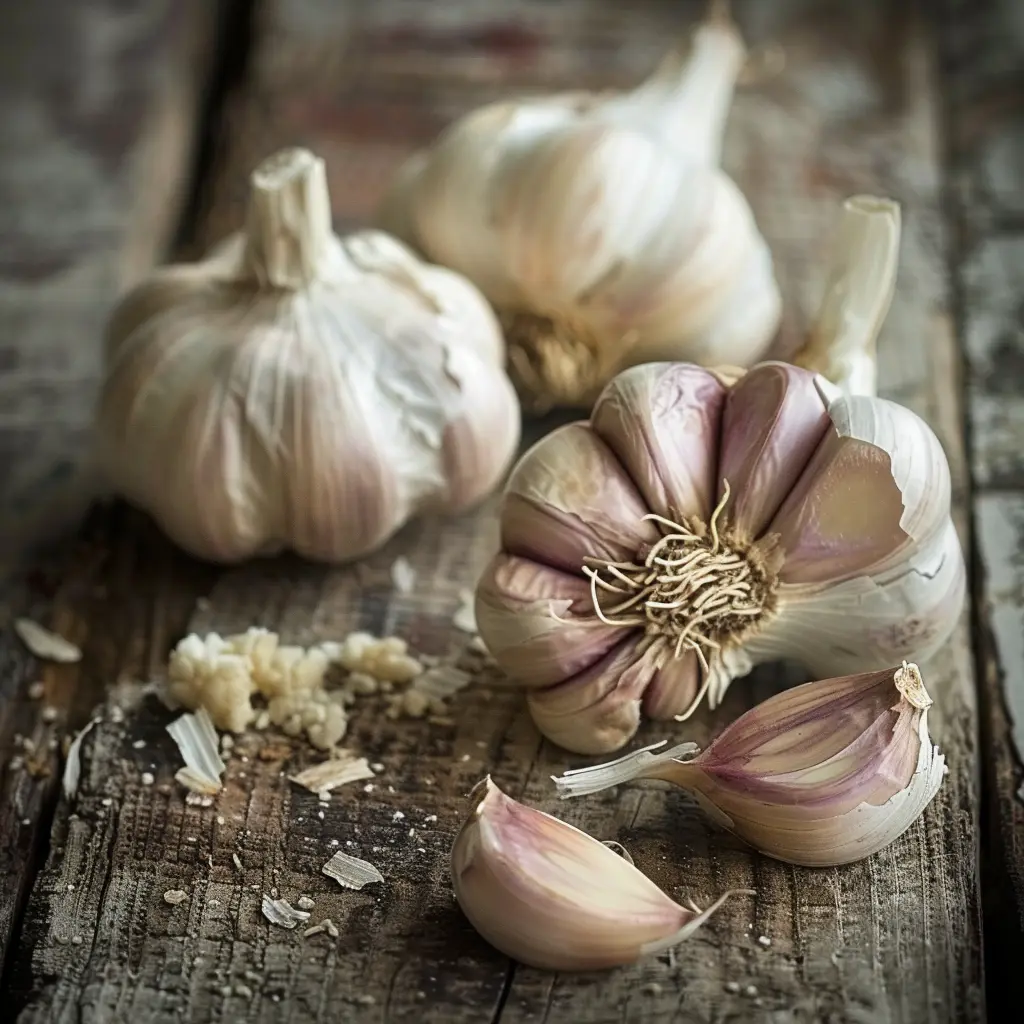
Garlic (Allium sativum) – Common names include garlic, garlic bulb, poor man’s treacle, and stinking rose. The “stinking rose” nickname is affectionate, though your breath may have opinions.
Traditional uses of garlic:
Cardiovascular Wellness: Garlic is traditionally used to support circulation, healthy blood pressure, and lipid balance, especially in food-based wellness traditions.
Immune & Seasonal Support: Garlic has long been used in cold-season foods and folk preparations for general immune resilience.
Digestive Support: As a pungent aromatic herb, garlic is traditionally used to wake up sluggish digestion and support microbial balance in the gut.
Respiratory Support: Garlic is traditionally included in syrups, broths, and foods during seasonal respiratory discomfort.
Garlic is humble, strong, and not subtle. It is the herb that enters the room before you do.
“Garlic is the kitchen herb with a warrior’s heart and a very memorable handshake.”
Available Garlic Products
Fresh Garlic
Fresh garlic cloves are the most traditional and food-like form. Crushing, chopping, or chewing fresh garlic activates the enzyme alliinase, which converts alliin into allicin, one of garlic’s best-known sulfur compounds.
For the strongest traditional preparation, garlic is usually crushed and allowed to sit for about 5–10 minutes before being added to food. Heat reduces some allicin formation, so raw or lightly cooked garlic is chemically different from long-cooked garlic.
Dried Garlic
Dried garlic is sold as flakes, granules, minced garlic, and powder. It is convenient for cooking and seasoning, though its sulfur chemistry depends on processing and storage. Dried garlic may still provide useful compounds, but it is not identical to freshly crushed raw garlic.
Garlic Powder
Garlic powder is common in capsules, spice blends, and cooking. It is easy to use but loses potency and aroma over time. Look for products that smell fresh, pungent, and clean, not stale or dusty.
Garlic Tincture
Garlic tincture is a concentrated liquid extract. It is less common than capsules or food use but appears in some traditional formulas. Because garlic is strong and can interact with medications, tinctures should be used carefully.
Garlic Capsules
Garlic capsules may contain garlic powder, garlic oil, aged garlic extract, or standardized garlic extract. Product quality varies widely. Labels should clearly state the garlic form, serving size, standardization, and whether the product is enteric-coated.
Aged Garlic Extract
Aged garlic extract is made by aging sliced garlic in an alcohol-water solution for an extended period, often many months. This process changes the chemistry, reducing some harsh pungency and increasing water-soluble compounds such as S-allyl cysteine. It is one of the better-studied supplement forms.
Garlic Oil
Garlic oil products may be made by steam distillation, maceration, or oil infusion. Garlic oil supplements may contain fat-soluble sulfur compounds. Homemade garlic-in-oil preparations require food safety caution because improperly stored garlic oil can support botulism toxin formation.
Garlic Essential Oil
Garlic essential oil is highly concentrated and extremely potent. It is not commonly used casually in home herbalism because it can irritate skin, mucous membranes, and digestion. It should not be used internally unless guided by a qualified professional trained in essential oil safety.
Fermented Garlic / Black Garlic
Black garlic is made by aging garlic under controlled heat and humidity until the cloves become dark, sweet, soft, and molasses-like. It has different compounds and a gentler flavor than raw garlic. It is mainly used as food, though it is also studied for antioxidant activity.
Garlic Syrup or Honey
Garlic honey is a traditional household preparation made by combining crushed garlic with honey. It is commonly used in cold-season food traditions. Because honey is not appropriate for children under 1 year old, garlic honey should not be given to infants.
Key Herbal Actions
Garlic is known as an antimicrobial-supportive herb, cardiotonic-supportive herb, circulatory stimulant, expectorant, diaphoretic, antioxidant, hypolipidemic-supportive herb, hypotensive-supportive herb, digestive stimulant, carminative, and immune-supportive food herb.
Antimicrobial-Supportive Herb
Garlic has been studied for activity against bacteria, fungi, and other microbes in laboratory settings. Much of this activity is linked to sulfur compounds such as allicin and ajoene. Laboratory activity does not mean garlic replaces medical care for infections.
Cardiotonic-Supportive Herb
In traditional herbal language, a cardiotonic-supportive herb supports general heart and circulation wellness. Garlic has been studied for blood pressure, cholesterol, platelet activity, and vascular function. Evidence suggests possible modest cardiovascular benefits, especially with standardized supplements, but results vary by preparation.
Circulatory Stimulant
Garlic is warming and pungent, traditionally used to support circulation and warmth. It has a moving quality that fits cold, sluggish, damp-feeling patterns in traditional herbal thinking. This is not the same as treating cardiovascular disease.
Expectorant
Garlic is traditionally used in respiratory formulas and foods to support mucus movement and seasonal comfort. Its pungent sulfur compounds and warming nature help explain this use. It is often paired with honey, thyme, onion, ginger, or lemon.
Diaphoretic
A diaphoretic herb supports the body’s natural sweating response. Garlic’s warming pungency is traditionally used in cold-season broths and foods when someone wants to feel warmed from the inside. This is gentle food-level support, not a fever treatment.
Antioxidant
Garlic contains sulfur compounds, flavonoids, and other phytochemicals studied for antioxidant activity. Aged garlic extract is especially discussed in antioxidant and cardiovascular research. Antioxidants support protection from oxidative stress, but they are not magic shields.
Hypolipidemic-Supportive Herb
Garlic supplements have been studied for effects on cholesterol and blood lipids. Some reviews suggest modest improvements in total cholesterol and LDL cholesterol, but findings are not consistent enough to replace medical care. Food-level garlic is best viewed as part of a heart-supportive diet.
Hypotensive-Supportive Herb
Garlic supplements may modestly lower blood pressure in some people, especially those with elevated blood pressure. This is one reason people taking blood pressure medication should use caution with garlic supplements. Garlic in cooking is usually much gentler than concentrated extracts.
Digestive Stimulant
Garlic’s pungent flavor stimulates digestive secretions and appetite in many food traditions. It is often used in rich meals to add warmth and movement. Raw garlic can be irritating for sensitive stomachs, so form and dose matter.
Carminative
Garlic may support digestion and help reduce sluggishness, but it can also cause gas or burning in sensitive people. It is more pungent and stimulating than gentle carminatives like fennel or chamomile. For some bellies, garlic is a hero; for others, it is a tiny spicy villain.
Immune-Supportive Food Herb
Garlic is traditionally used as a daily food to support immune resilience. Its sulfur compounds and antioxidant profile support this reputation. It should be viewed as a supportive food-herb, not a cure or prevention guarantee.
Active Compounds and Extraction
Garlic contains alliin, allicin, alliinase, ajoene, diallyl disulfide, diallyl trisulfide, S-allyl cysteine, S-allyl mercaptocysteine, gamma-glutamyl cysteine peptides, flavonoids, saponins, fructans, selenium, and other sulfur-containing compounds.
Alliin
Alliin is a sulfur-containing amino acid derivative found in intact garlic cloves. It is odorless until the garlic is crushed or chopped. When plant cells are damaged, alliin meets the enzyme alliinase and begins the famous garlic chemistry show.
Best extraction: Fresh crushed garlic, lightly prepared food use.
To activate alliin conversion, crush or chop fresh garlic and let it sit for 5–10 minutes before eating or adding to food. This gives alliinase time to form allicin before heat reduces enzyme activity.
Alliinase
Alliinase is the enzyme that converts alliin into allicin when garlic is crushed. It is sensitive to heat. This is why raw crushed garlic has a stronger sulfur profile than garlic added whole to a long-cooked soup.
Best extraction: Fresh preparation, minimal heat.
For a practical kitchen method, mince garlic, wait several minutes, then add it near the end of cooking. This balances flavor, chemistry, and social survivability.
Allicin
Allicin is one of garlic’s most famous compounds. It forms after garlic is crushed and is unstable, quickly transforming into other sulfur compounds. Allicin is studied for antimicrobial, cardiovascular, antioxidant, and inflammation-related activity.
Best extraction: Fresh crushed garlic, stabilized garlic powder, some enteric-coated products.
Allicin is not well preserved in ordinary cooked garlic. For food use, crushed raw or lightly cooked garlic is most relevant.
Ajoene
Ajoene forms from allicin and is found especially in oil-macerated garlic preparations. It is studied for platelet, antimicrobial, and antioxidant-related activity. Because of platelet effects, concentrated garlic products require caution with blood thinners.
Best extraction: Oil maceration, aged preparations, extracts.
Garlic oil preparations should be made safely. Homemade garlic in oil must be refrigerated and used quickly, because improperly stored garlic oil can create botulism risk.
Diallyl Disulfide and Diallyl Trisulfide
These fat-soluble sulfur compounds are found in garlic oil and cooked or processed garlic preparations. They contribute to garlic’s odor and biological activity. They are studied for cardiovascular, detoxification-enzyme, antioxidant, and antimicrobial-related effects.
Best extraction: Garlic oil, cooked garlic, tincture, food use.
Cooking garlic changes the sulfur profile rather than making garlic useless. Slow-cooked garlic may have less allicin but still contains other sulfur compounds.
S-Allyl Cysteine
S-allyl cysteine is a water-soluble sulfur compound especially associated with aged garlic extract. It is more stable than allicin and is often used as a marker compound for aged garlic products. It is studied in antioxidant and cardiovascular research.
Best extraction: Aged garlic extract, water-alcohol extract.
This compound is not the main focus of a quick garlic tea. It is most relevant to aged garlic supplement products.
S-Allyl Mercaptocysteine
S-allyl mercaptocysteine is another compound found in aged garlic preparations. It is studied for antioxidant and cellular protective effects. It contributes to the distinct chemistry of aged garlic extract.
Best extraction: Aged garlic extract.
Aged garlic products are specialized preparations. Follow label directions and medication cautions.
Gamma-Glutamyl Cysteine Peptides
These compounds occur naturally in whole garlic and can transform into other sulfur compounds. They contribute to garlic’s complex chemistry and are part of its cardiovascular research interest. Whole garlic contains several sulfur pathways, not just allicin.
Best extraction: Food use, aged extract, tincture.
Eating garlic as food provides a broad range of compounds. Supplements may focus on specific markers.
Flavonoids
Garlic contains smaller amounts of flavonoids compared with many leafy herbs, but they still contribute to antioxidant activity. They support the whole-food profile of garlic. Garlic’s main chemistry, however, is sulfur-based.
Best extraction: Food use, tincture, powder.
Using garlic regularly in food is the most practical way to access its broad compound profile.
Fructans
Garlic contains fructans, a type of fermentable carbohydrate. These may feed gut microbes but can also trigger gas, bloating, or digestive discomfort in people with IBS or FODMAP sensitivity. This is why garlic is both loved and feared at dinner tables.
Best extraction: Food use, water extraction.
People who are FODMAP-sensitive often tolerate garlic-infused oil better than whole garlic because fructans are water-soluble, not oil-soluble. Food safety still matters with homemade oils.
Selenium and Trace Minerals
Garlic may contain selenium and other trace minerals depending on soil conditions. These contribute to its nutritional profile, though amounts vary widely. Garlic should not be treated as a selenium supplement.
Best extraction: Food use.
Whole garlic in meals is the most reasonable way to obtain these small nutrient contributions.
Harvesting and Storing Right
Garlic bulbs are usually harvested in summer when the lower leaves begin to yellow and dry but several upper leaves remain green. Harvesting too early gives small bulbs, while harvesting too late may cause the bulb wrappers to split and reduce storage quality.
The best time to harvest is during dry weather. Loosen the soil gently with a fork and lift the bulbs rather than pulling hard on the stems. Garlic bruises more easily than it looks.
After harvest, cure garlic in a warm, dry, shaded, well-ventilated place for 2–4 weeks. Once cured, trim roots and tops or braid softneck garlic. Store bulbs in a cool, dry, dark place with good airflow.
Properly cured whole garlic bulbs may keep for 3–8 months depending on variety and storage conditions. Peeled cloves should be refrigerated and used quickly. Minced garlic in oil must be refrigerated and used within a few days, or prepared according to tested food-safety methods, because of botulism risk.
Body Functions Garlic Can Support
Garlic can support circulation, immune system, respiratory system, digestion system, metabolism, liver support, dental oral wellness, skin, energy and vitality, and cardiovascular wellness.
Circulation
Garlic is one of the best-known food-herbs for circulation support. Research suggests garlic supplements may modestly support blood pressure and blood lipid markers in some people. Because garlic may affect platelet function and blood pressure, concentrated products require medication caution.
Immune System
Garlic is traditionally used as a food-based immune support herb. Its sulfur compounds and antioxidant activity help explain this reputation. It is best used as part of a nourishing diet rather than as a dramatic “immune cure.”
Respiratory System
Garlic has traditional use in cold-season broths, syrups, and foods for respiratory comfort. Its pungent, warming nature supports a feeling of openness and movement. Raw garlic is strong, so many people prefer it in honey, soup, or food.
Digestion System
Garlic supports digestion through pungency, warmth, and aromatic stimulation. It may also influence gut microbial balance, but raw garlic can irritate sensitive digestion. People with reflux, gastritis, ulcers, IBS, or FODMAP sensitivity may need caution.
Metabolism
Garlic has been studied for blood sugar, lipids, body weight markers, and metabolic syndrome-related outcomes. Some reviews show promising but variable results. Culinary garlic is best viewed as one helpful part of a broader food and lifestyle pattern.
Liver Support
Garlic sulfur compounds are studied for antioxidant activity and detoxification-enzyme support. In traditional food-herb language, garlic supports internal cleansing through digestion, circulation, and microbial balance. People with liver disease or medication concerns should avoid high-dose supplements unless professionally guided.
Dental Oral
Garlic has antimicrobial activity in laboratory studies and has a long folk history for oral concerns. However, raw garlic can burn oral tissues if held against the gums or skin. Do not use raw garlic as a direct dental remedy.
Skin
Garlic is sometimes used traditionally for skin, but topical raw garlic can cause burns, blisters, and dermatitis. For skin, garlic should be approached with extreme caution. Gentle herbs like calendula or plantain are usually better choices for home topical use.
Energy and Vitality
Garlic is warming, pungent, and stimulating to the senses. It may support vitality indirectly through circulation, digestion, and food-based nourishment. It is not a caffeine-like stimulant.
Cardiovascular Wellness
Garlic’s cardiovascular reputation is supported by studies on blood pressure, cholesterol, platelet aggregation, and vascular function, especially with supplements and aged garlic extract. Effects are generally modest and depend on preparation and person. Garlic should never replace prescribed cardiovascular treatment.
Safety and Practical Considerations
Garlic in food amounts is generally safe for many people, but concentrated garlic supplements require more caution.
Garlic supplements may increase bleeding risk. Use caution with anticoagulants, antiplatelet drugs, aspirin, NSAIDs, blood thinners, and before surgery. NCCIH specifically warns that garlic supplements can increase bleeding risk and should be discussed with healthcare providers, especially before surgery or when taking medicines that affect bleeding.
Garlic may also interact with some medications, including saquinavir and possibly other drugs metabolized through liver pathways. People taking HIV medications, blood pressure medications, diabetes medications, anticoagulants, antiplatelets, or multiple prescriptions should seek professional guidance before using garlic supplements.
Garlic can cause heartburn, reflux, stomach upset, gas, bloating, nausea, body odor, and bad breath. Raw garlic is more likely to irritate the digestive tract than cooked garlic.
People with GERD, gastritis, ulcers, IBS, FODMAP sensitivity, or allium allergy should use caution. Garlic allergy is uncommon but possible and may include digestive, skin, or respiratory symptoms.
Pregnant and breastfeeding people commonly consume garlic as food, but medicinal doses and supplements should be used only with professional guidance. Garlic may change breast milk odor and may affect infant tolerance in some cases.
Topical raw garlic can burn skin and mucous membranes. Do not tape raw garlic to the skin, place it in the ear, hold it against the gums, or use it as a home treatment for serious skin issues.
Homemade garlic oil must be handled carefully. Garlic stored in oil at room temperature can support growth of Clostridium botulinum, which can produce botulism toxin. Refrigerate garlic oil and use it quickly, or follow tested food-safety recipes.
Children, older adults, pets, and sensitive individuals need extra caution. Garlic can be toxic to dogs and cats in sufficient amounts, so do not give garlic medicinally to pets without veterinary guidance.
FAQ
What does garlic taste like?
Garlic tastes pungent, spicy, savory, sulfurous, and slightly sweet when cooked. Raw garlic is sharp and hot. Roasted garlic becomes mellow, sweet, and almost buttery.
When is the best time to use garlic?
Garlic is best used with meals for most people because raw garlic can irritate the stomach. Traditional cold-season preparations often use garlic in soups, broths, honey, or cooked foods. Supplements should be timed according to label directions and professional advice.
Is fresh or dried garlic better?
Fresh garlic is best for allicin formation when crushed and used raw or lightly cooked. Dried garlic is convenient and still useful in food and supplements. Aged garlic extract is a different preparation with more stable compounds such as S-allyl cysteine.
Is garlic tea, tincture, capsule, or food better?
Food use is the safest and most traditional form for most people. Capsules and extracts are more concentrated and require more safety attention. Garlic tea is less common because the flavor is intense, but garlic broth or garlic honey is more traditional.
Can garlic be used daily?
Garlic is commonly eaten daily in food amounts in many cultures. Daily garlic supplements are different and should be discussed with a healthcare professional if you take medications, have surgery planned, have bleeding risk, or manage a health condition. Food-level garlic is not the same as high-dose extract.
How should garlic be stored?
Store whole cured garlic bulbs in a cool, dry, dark place with good airflow. Do not store fresh garlic in oil at room temperature. Garlic powder should be kept tightly sealed away from heat and moisture.
Does garlic combine well with other herbs?
Yes. Garlic combines well with thyme, oregano, rosemary, ginger, onion, cayenne, lemon, parsley, turmeric, black pepper, fennel, and honey. For respiratory foods, it pairs well with thyme and honey. For digestion, it pairs well with ginger and fennel.
Is garlic safe for everyone?
No. Garlic may not be appropriate for people taking blood thinners, antiplatelet drugs, certain HIV medications, blood pressure drugs, diabetes medications, or those preparing for surgery. It may also bother people with reflux, ulcers, IBS, FODMAP sensitivity, or allium allergy.
Can garlic be used for pets?
Garlic should not be used medicinally for pets without veterinary guidance. Garlic and other alliums can be toxic to dogs and cats in sufficient amounts. Do not give garlic supplements, garlic oil, or concentrated garlic preparations to pets.
Why should garlic sit after chopping?
When garlic is chopped or crushed, alliin and alliinase combine to form allicin. Letting chopped garlic sit for 5–10 minutes gives this reaction time to occur. Heating immediately may reduce allicin formation.
Disclaimer
This content is educational only. It is not medical advice, diagnosis, or treatment. Herbs may interact with medications or health conditions. People who are pregnant, breastfeeding, managing a medical condition, taking prescription medications, or preparing for surgery should consult a qualified healthcare professional before using herbs.
References
EMA: European Union Herbal Monograph on Allium sativum L., bulbus
PubMed: Garlic, Cardiovascular Risk Factors and Disease – A Systematic Review
PubMed: Allicin and Cardiovascular Benefits – Review
Linus Pauling Institute: Garlic
PMC: Garlic and Hypertension – Efficacy, Mechanism of Action, and Clinical Implications