
Cold hands and feet can feel like your circulation packed a sweater but forgot your fingers and toes. It may happen in cold weather, during stress, after sitting still, or when the body feels tired, undernourished, or slow to warm.
Learn more about Cold Hands and Feet
Why It Happens
Cold hands and feet often happen when blood vessels narrow to conserve body heat. Stress, cold exposure, smoking, certain medications, low iron, thyroid changes, poor circulation, and Raynaud’s phenomenon can also play a role.
Main Types in Plain Language
Temporary coldness often appears in cold weather and improves with warmth. Stress-related coldness may happen when the nervous system tightens blood vessels. Raynaud’s-type coldness may include color changes, numbness, tingling, or pain in fingers or toes.
Common Triggers
Common triggers include cold air, air conditioning, wet socks, caffeine, nicotine, emotional stress, sitting still, low food intake, and sudden temperature changes.
How It Shows Up Daily
You may notice icy fingers, cold toes, numbness, tingling, pale skin, or slow warming after going outside. Some people need gloves indoors, which feels dramatic until the office thermostat declares war.
Traditional Herbal View
Traditional herbalism often sees cold hands and feet through patterns of coldness, low vitality, tension, sluggish circulation, or depleted nourishment. Herbalists may choose warming circulatory herbs, mineral-rich tonics, gentle nervines, and warming foods depending on the person’s pattern.
How Herbs Can Help Cold Hands and Feet
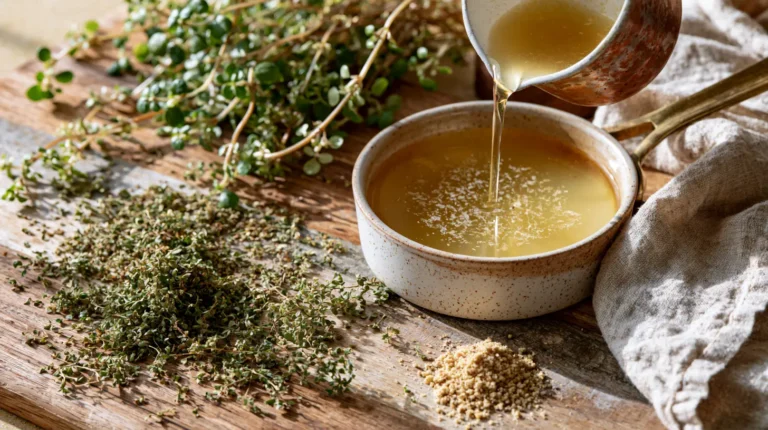
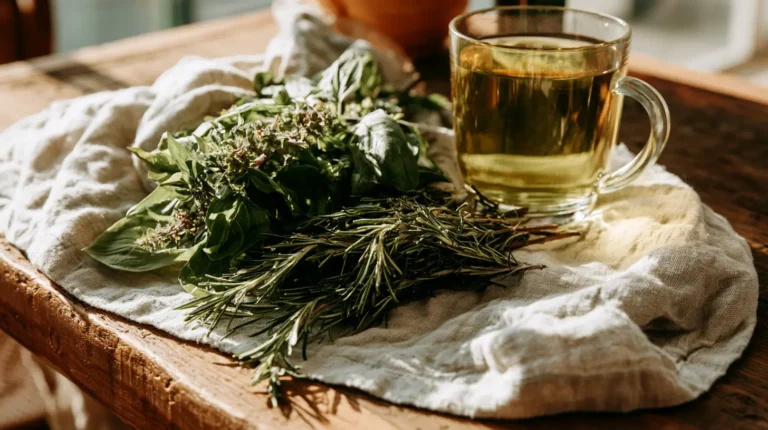
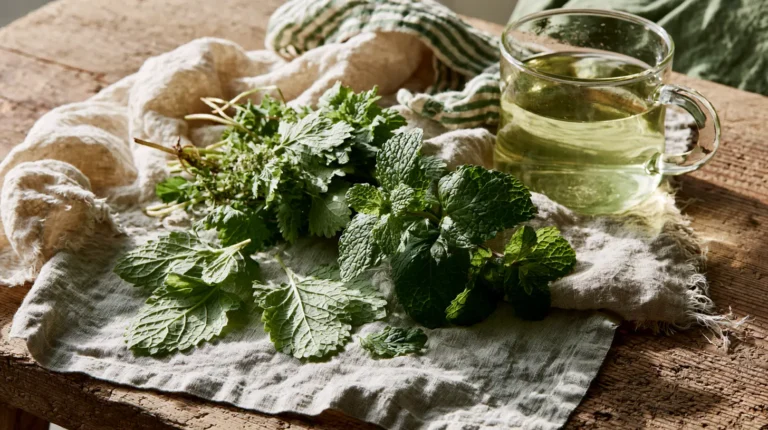
Herbalism traditionally sees cold hands and feet as a pattern of coldness, tension, sluggish peripheral circulation, or low nourishment. Warming circulatory herbs encourage warmth and movement, nervines ease stress-related tightening, and nutritive herbs support everyday mineral intake. Herbalists choose between those actions by noticing whether the coldness feels stress-triggered, winter-related, numb, pale, tense, depleted, or linked with low energy. These are herbs traditionally used when cold hands and feet happen: ginger, cinnamon, rosemary, hawthorn, cayenne, nettle, oat straw, lemon balm, chamomile, turmeric, ginkgo
“Cold fingers are not a personality flaw; sometimes your circulation just needs a kinder invitation.”
Recipes & Remedies Cold Hands and Feet
Herbal Preparations
Warming Ginger-Cinnamon Circulation Tea
This cozy tea uses warming spices traditionally used when the body feels cold, slow, and tense from chilly weather.
Ingredients with exact measurements
- 1 teaspoon freshly grated ginger
- 1 small cinnamon stick
- 1/4 teaspoon dried rosemary
- 1 small pinch cayenne, optional
- 10 ounces hot water
- 1 teaspoon honey, optional
- 1 teaspoon lemon juice, optional
Step-by-step preparation instructions
- Add ginger, cinnamon, rosemary, and cayenne to a mug.
- Pour 10 ounces hot water over the herbs.
- Cover the mug.
- Steep for 10 minutes.
- Strain well.
- Add honey and lemon after the tea cools slightly.
- Sip while warm.
How to use
Drink 1 cup on cold days or when hands and feet feel chilly. Skip cayenne if you have reflux, mouth irritation, heat sensitivity, or a sensitive stomach. Do not use strong warming herbs as a substitute for medical care when coldness comes with pain, color changes, sores, or numbness.
Food for support Cold Hands and Feet
Warming Lentil Stew with Ginger and Rosemary
This hearty stew brings warmth, protein, fiber, minerals, and circulation-friendly kitchen herbs into one simple bowl.
Ingredients with exact measurements
- 1 cup cooked lentils
- 1 cup diced carrots
- 1/2 cup diced onion
- 1 celery stalk, diced
- 1 teaspoon freshly grated ginger
- 1/2 teaspoon dried rosemary
- 1/4 teaspoon ground cumin
- 2 cups low-sodium vegetable broth
- 1 tablespoon olive oil
- 1/4 teaspoon sea salt
- Optional: 1 cup chopped spinach
Step-by-step preparation instructions
- Warm olive oil in a pot over medium heat.
- Add onion, carrot, and celery.
- Cook for 5 minutes, stirring often.
- Add ginger, rosemary, cumin, and salt.
- Stir for 30 seconds.
- Add lentils and broth.
- Simmer for 15 minutes.
- Stir in spinach during the final 2 minutes.
- Serve warm.
How to use
Eat as a warming lunch or dinner during cold weather. Pair it with warm socks, gentle movement, and regular meals. Avoid ingredients that do not suit your digestion.
What Herbs You Need
For cold hands and feet, traditional herbalism often uses ginger, cinnamon, cayenne, rosemary, hawthorn, ginkgo, nettle, oat straw, and lemon balm. These herbs support different patterns, but persistent coldness, color changes, pain, sores, or one-sided symptoms deserve medical attention.
Ginger
Latin name: Zingiber officinale
Key herbal actions:
Warming carminative: supports digestion and brings warmth.
Circulatory stimulant: traditionally used to encourage warmth and movement.
Anti-inflammatory support: contains compounds studied for inflammatory pathways.
Key active compounds: gingerols, shogaols, zingiberene, paradols.
Cinnamon
Latin name: Cinnamomum verum or Cinnamomum cassia
Key herbal actions:
Warming aromatic: brings heat and fragrance to formulas.
Carminative: helps ease gas and sluggish digestion.
Circulatory spice: traditionally used when the body feels cold and slow.
Key active compounds: cinnamaldehyde, eugenol, coumarin, procyanidins.
Cayenne
Latin name: Capsicum annuum or Capsicum frutescens
Key herbal actions:
Rubefacient: creates surface warmth when used topically.
Circulatory stimulant: traditionally used to bring warmth and movement.
Counterirritant: creates heat that shifts attention from cold or tension.
Key active compounds: capsaicin, carotenoids, flavonoids.
Rosemary
Latin name: Salvia rosmarinus
Key herbal actions:
Circulatory herb: traditionally used when warmth and movement feel helpful.
Aromatic nervine: offers a bright, stimulating scent.
Antioxidant support: contains compounds studied for oxidative stress.
Key active compounds: rosmarinic acid, carnosic acid, carnosol, 1,8-cineole.
Hawthorn
Latin name: Crataegus monogyna or Crataegus laevigata
Key herbal actions:
Cardiovascular tonic: traditionally used for long-term heart and vessel support.
Antioxidant: helps protect tissues from oxidative stress.
Mild relaxing herb: traditionally used when tension affects the heart area.
Key active compounds: flavonoids, oligomeric procyanidins, vitexin, hyperoside.
Ginkgo
Latin name: Ginkgo biloba
Key herbal actions:
Circulatory support herb: traditionally used for blood-flow-related patterns.
Antioxidant: helps protect cells from oxidative stress.
Cognitive support herb: commonly marketed for memory and circulation formulas.
Key active compounds: ginkgolides, bilobalide, flavone glycosides.
Nettle
Latin name: Urtica dioica
Key herbal actions:
Nutritive: provides minerals and plant compounds for daily nourishment.
Tonic: traditionally used for steady rebuilding.
Alterative: traditionally used in long-term wellness routines.
Key active compounds: minerals, chlorophyll, flavonoids, carotenoids, phenolic acids.
Oat Straw
Latin name: Avena sativa
Key herbal actions:
Nutritive nervine: supports the nervous system through gentle nourishment.
Tonic: traditionally used during depleted or worn-down states.
Mineral support: provides plant-based minerals in infusion form.
Key active compounds: avenanthramides, flavonoids, minerals, saponins.
Lemon Balm
Latin name: Melissa officinalis
Key herbal actions:
Nervine: supports calm when stress affects circulation patterns.
Carminative: helps ease digestive tension.
Aromatic: contains fragrant oils that support comfort.
Key active compounds: rosmarinic acid, citral, citronellal, flavonoids.
Key Herbal Products for Cold Hands and Feet
Ginger Tea
Ginger tea uses fresh or dried ginger root in hot water. People commonly choose it when cold hands and feet come with chilly digestion, low appetite, or winter coldness. It feels simple and warming, but strong ginger can bother reflux or sensitive stomachs. Someone might choose ginger tea when they want a kitchen-based daily ritual.
Cinnamon Spice Tea
Cinnamon tea combines cinnamon bark with warming spices. People often choose it when the whole body feels cold and sluggish. Cassia cinnamon contains more coumarin than Ceylon cinnamon, so high daily intake needs caution. Someone might choose cinnamon when they want a sweet, warming flavor without caffeine.
Rosemary Massage Oil
Rosemary massage oil uses rosemary-infused oil or diluted rosemary essential oil in a topical base. People commonly use it for cold, tight muscles or chilly hands and feet. Essential oils need proper dilution and should not touch broken skin. Someone might choose rosemary oil when topical warmth feels more useful than tea.
Ginkgo Capsules
Ginkgo capsules contain standardized ginkgo leaf extract. People commonly choose them for circulation-related formulas, but ginkgo can interact with blood-thinning medications and may not suit surgery preparation. It also may cause headache, dizziness, or digestive upset. Someone might choose ginkgo only after checking safety with a clinician.
Cayenne Warming Balm
Cayenne balms use capsaicin to create surface warmth. People may use them on areas that feel cold or stiff, but they can burn sensitive skin. Keep cayenne products away from eyes, mucous membranes, and broken skin. Someone might choose a balm when they want strong external warmth rather than an internal herb.
FAQ
Are cold hands and feet normal?
They can be normal during cold weather, stress, or long periods of sitting. However, frequent or severe coldness may need evaluation. Pay attention if symptoms include pain, numbness, sores, swelling, or color changes.
What is Raynaud’s phenomenon?
Raynaud’s phenomenon causes blood vessels in the fingers or toes to narrow strongly during cold exposure or stress. The skin may turn white, blue, or red and may feel numb, painful, or tingly. People with these symptoms should talk with a healthcare professional.
Can herbs improve circulation?
Herbs can support warmth and comfort routines, but they should not replace medical evaluation for circulation problems. Warming herbs may feel helpful when coldness comes from mild chill, stress, or sluggish digestion. Severe symptoms need proper care.
Is ginger safe for daily use?
Many people tolerate ginger in food or tea. Strong ginger products can cause heartburn, stomach upset, diarrhea, or mouth irritation. Ask a healthcare professional before using ginger supplements with medications or medical conditions.
Should I use cayenne on cold feet?
Cayenne can create strong surface warmth, but it can also irritate or burn skin. Use only well-formulated products and patch test first. Do not apply it to broken skin, sensitive areas, or before touching your eyes.
What lifestyle habits help cold hands and feet?
Warm layers, dry socks, gentle movement, regular meals, hydration, and stress reduction may help. Avoid nicotine, because it narrows blood vessels. Limit sudden cold exposure when possible.
Can pets use these remedies?
Do not use warming herbs, essential oils, cayenne balms, or circulation supplements on pets without veterinary guidance. Pets may lick products from their skin and ingest unsafe ingredients. Cold paws, limping, or color changes in pets need a veterinarian.
References
MedlinePlus: Raynaud Phenomenon
Mayo Clinic: Raynaud’s Disease Symptoms and Causes
Cleveland Clinic: Raynaud’s Syndrome
NCCIH: Ginger Usefulness and Safety
NCCIH: Ginkgo Usefulness and Safety
NIH/PMC: A Review of Raynaud’s Disease
NIH/PMC: Ginger on Human Health
User-provided article prompt
Disclaimer
This article is for educational purposes only and does not provide medical advice, diagnosis, or treatment. Cold hands and feet can relate to cold exposure, stress, Raynaud’s phenomenon, anemia, thyroid changes, diabetes, vascular disease, medication effects, smoking, or other concerns. Seek medical care if coldness is severe, painful, one-sided, persistent, or paired with numbness, color changes, sores, swelling, weakness, or shortness of breath. Talk with a qualified healthcare professional before using herbs or supplements if you take medication, have a medical condition, are pregnant, are breastfeeding, or are preparing remedies for a child.