


Camellia sinensis
Health Benefits
Green tea is used to gently support everyday energy, antioxidant wellness, digestion, and mental alertness. Herbalists often choose green tea when someone wants a clear, bright lift without the heavy “I accidentally became one with the couch” feeling, especially when focus, metabolism, and daily rhythm seem to be having one big group conversation.
Green Tea Health Benefits >>>
Herbal Actions of Green Tea
Green tea comes from the young leaves of Camellia sinensis, the same plant that gives us black tea, white tea, oolong, and pu-erh. What makes green tea different is the way the leaves are processed: they are quickly heated after harvest, which helps preserve many of the leaf’s natural polyphenols, especially catechins.
In traditional herbalism, green tea is often viewed as a gently stimulating, slightly bitter, mildly astringent herb. It has long been used as a daily beverage for clarity, light digestive support, and general vitality. Its bitterness can gently wake up digestion, while its caffeine and L-theanine content give it a different personality than coffee: alert, but usually smoother and less dramatic.
Modern research has paid special attention to green tea’s catechins, especially epigallocatechin gallate, often shortened to EGCG. A typical brewed cup of green tea may contain roughly 240–320 mg of catechins and around 45 mg of caffeine, though the exact amount depends on the tea variety, amount used, water temperature, steeping time, and whether the product is a brewed tea, powder, or extract.
Green tea is not a magic potion, despite what the internet sometimes tries to whisper into your shopping cart. It is best understood as a traditional daily herb with antioxidant compounds, mild stimulation, a pleasant bitterness, and a long history of use as both a beverage and a wellness-supporting plant.
Antioxidant
Green tea is rich in polyphenols, especially catechins, which are studied for their antioxidant activity. In plain language, antioxidants help the body handle normal oxidative stress, which is part of everyday life and metabolism. In herbal logic, antioxidant herbs are often used as part of a long-term wellness routine rather than as quick fixes. Green tea fits this role well because it is traditionally consumed regularly as a beverage.
Mild Stimulant
Green tea naturally contains caffeine, though usually less than coffee. This gives it a gentle energizing quality that may support alertness and focus for people who tolerate caffeine well. Traditional herbalists often think of green tea as a “brightening” herb. It can feel lighter and less intense than coffee, partly because green tea also contains L-theanine, an amino acid often discussed in relation to calm focus.
Astringent
Green tea has a slightly drying, puckering quality because of its tannins and catechins. That mild astringency is part of what gives strong green tea its firm, sometimes slightly bitter edge. In traditional herbalism, astringent herbs are used when tone and tightening are part of the herbal picture. For green tea, this action helps explain its use in mouth rinses, facial compresses, and simple topical preparations.
Digestive Bitter
Green tea has a gentle bitterness, especially when steeped strongly or with water that is too hot. Bitter herbs are traditionally used before or after meals to gently invite digestive activity. Green tea is not as strongly bitter as classic bitter herbs like gentian or dandelion root, but its mild bitterness still gives it a place in everyday digestive wellness traditions.
Aromatic Beverage Herb
While green tea is not usually thought of as an essential-oil-rich herb like peppermint or lavender, it does contain aromatic compounds that contribute to its flavor and sensory experience. The aroma can be grassy, vegetal, floral, nutty, marine, or sweet depending on the type of green tea. This matters because herbalism is not only about isolated compounds. Taste, aroma, warmth, ritual, and daily use all shape how an herb fits into someone’s life.
Active Compounds in Green Tea
Catechins
Catechins are a group of polyphenols found in green tea. The most discussed catechins include EGCG, EGC, ECG, and EC.
EGCG is often studied because it is one of the major catechins in green tea and has strong antioxidant activity in laboratory settings. In the body, catechins are understood as compounds that may help support normal cellular protection processes, but research is still careful about how much can be promised from tea drinking alone.
EGCG
EGCG stands for epigallocatechin gallate. It is the best-known green tea catechin and is commonly used in scientific studies on green tea extracts.
EGCG is often discussed in relation to antioxidant activity, metabolism research, and cellular signaling. However, concentrated EGCG extracts are not the same as a cup of tea, and high-dose extracts deserve more caution than traditional brewed green tea.
Cafeine
Caffeine is a naturally occurring stimulant found in green tea. It supports alertness and wakefulness, though sensitivity varies widely from person to person. Green tea usually contains less caffeine than coffee, but it is still caffeine. For people who are sensitive, even green tea in the afternoon can be enough to make bedtime feel like an unpaid internship.
L-Theanine
L-theanine is an amino acid naturally found in tea leaves. It is often studied for its relationship to calm attention and the smoother-feeling stimulation many people associate with tea. In practical terms, L-theanine is one reason green tea is often described as focused rather than jittery. That said, the experience depends on the person, the tea, and the amount consumed.
Flavonoids
Flavonoids are a broad family of plant compounds found in many fruits, vegetables, and herbs. Green tea contains several flavonoids that contribute to its overall antioxidant profile. These compounds are part of why green tea has been so widely studied. They work together with catechins, caffeine, L-theanine, and other constituents rather than acting as one isolated “hero ingredient.
Tannins
Tannins are plant compounds that create a drying, puckering sensation in the mouth. They contribute to green tea’s astringent taste. Tannins can bind with certain minerals and may reduce non-heme iron absorption when tea is consumed with meals. This does not mean everyone needs to avoid green tea with food, but people with low iron levels may want to be mindful about timing.
Green tea is the herbal equivalent of opening a window in your mind: fresh air, soft light, and just enough motivation to answer one more email.
Key Preparations
Green tea is best prepared as a gentle infusion using hot, not boiling, water because overly hot water can make the tea taste harsh and overly bitter. It also works well as matcha powder, simple iced tea, a mild mouth rinse, and a cooled compress for external use. Concentrated extracts, capsules, and powders are common, but they are stronger than brewed tea and deserve more careful label-reading and common sense.
Green Tea Recipes
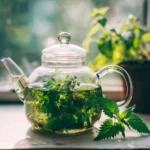
Gentle Everyday Green Tea Infusion
Materials
- 1 tsp loose green tea leaves
- 8 oz hot water, about 160–175°F
- 1 tsp honey optional
- 1 thin slice lemon if desired
Instructions
- Warm your cup or teapot with a little hot water, then discard the water.Add the green tea leaves.Pour hot water over the leaves.Steep for 2–3 minutes.Strain the tea.Add honey or lemon if desired.
Notes
How to Use
Enjoy as a daily beverage, preferably earlier in the day if you are sensitive to caffeine. For a smoother taste, use cooler water and a shorter steep rather than adding more sweetener to rescue an over-brewed cup.Gentle Everyday Green Tea Infusion is most suitable when you want a simple daily cup that feels clean, light, and refreshing. Herbalists traditionally use green tea as an infusion because the tender leaves release flavor and compounds quickly in hot water.
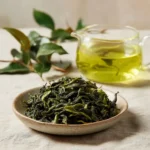
Green Tea and Mint Digestive Infusion
Materials
- 1 tsp green tea leaves
- 1 tsp dried peppermint or spearmint
- 8 oz hot water, about 165–175°F
- 1 tsp honey optional
Instructions
- Add green tea and mint to a teapot or infuser.Pour hot water over the herbs.Cover and steep for 2–3 minutes.Strain into a cup.Add honey if desired.
Notes
How to Use
Sip after meals as a traditional digestive-style tea. Keep the steep short if you prefer a lighter flavor and want to avoid too much bitterness.Green Tea and Mint Digestive Infusion is most suitable after meals when you want something light, fresh, and gently bitter. Green tea brings mild bitterness and astringency, while mint adds a cooling aromatic quality.
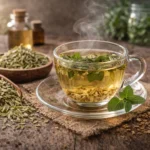
Iced Green Tea With Lemon Balm
Materials
- 2 tsp green tea leaves
- 1 tbsp dried lemon balm
- 16 oz hot water, about 165–175°F
- 1 tsp honey optional
- 2 slices lemon slices
- Ice, as needed
Instructions
- Add green tea and lemon balm to a heat-safe jar or teapot.Pour hot water over the herbs.Cover and steep for 3 minutes.Strain and let cool.Stir in honey or maple syrup if using.Pour over ice and add lemon slices.
Notes
Iced Green Tea With Lemon Balm is most suitable for warm days when you want a refreshing herbal drink without making it complicated. Lemon balm adds a soft, lemony, calming note that pairs beautifully with green tea’s grassy brightness.

Green Tea Facial Compress
Materials
- 1 tsp green tea leaves
- 1 cup hot water, about 165–175°F
Instructions
- Add green tea leaves to a cup or small bowl.Pour hot water over the leaves.Steep for 3 minutes.Strain and allow the tea to cool completely.Soak a clean cloth or facial round in the cooled tea.
Notes
Green Tea Facial Compress is most suitable for a simple external skin-care ritual. Green tea’s mild astringency makes it a traditional choice for cooled compresses and gentle topical use.
Shop Herbs & Products
Shop Dried Green Tea
Dried green tea leaves are the classic form for making hot tea, iced tea, compresses, and simple mouth rinses. Look for fresh-smelling leaves with a green, grassy, vegetal, or lightly sweet aroma rather than dull, dusty leaves. Loose-leaf tea often gives you more control over strength and steeping than standard tea bags.
Shop Green Tea Tincture
Green tea tinctures are less traditional than brewed tea but are available from some herbal companies. They may be practical for people who prefer liquid extracts, but they can be stronger and more concentrated than a cup of tea. Check the label for alcohol content, serving size, caffeine information, and whether the product is standardized.
Shop Green Tea Capsules
Green tea capsules usually contain powdered green tea leaf or green tea extract. They are convenient, but they can be much more concentrated than brewed tea, especially if standardized for catechins or EGCG. Read labels carefully and avoid stacking multiple caffeine-containing products.
Shop Green Tea Glycerite
Green tea glycerites are alcohol-free liquid extracts made with vegetable glycerin. They may be useful for people avoiding alcohol, though they are less common than teas, capsules, and standardized extracts. As with any extract, check the label for concentration and suggested use.
Shop Green Tea Powder
Green tea powder may refer to finely ground green tea or matcha. Matcha is made from specially grown and processed green tea leaves and is consumed as the whole powdered leaf, making it more concentrated than steeped tea. Choose bright green, fresh-smelling powder and store it away from heat, light, and moisture.
Shop Green Tea Extract
Green tea extract is a concentrated preparation often standardized for catechins or EGCG. Extracts are not the same as drinking green tea and deserve more caution, especially at high amounts or when taken on an empty stomach. People with liver concerns, medication use, pregnancy, breastfeeding, or upcoming surgery should speak with a qualified healthcare professional before using concentrated extracts.
Safety and Practical Considerations
Green tea as a brewed beverage is commonly used by adults, but it does contain caffeine. People who are sensitive to caffeine may notice sleep disruption, nervousness, heart racing, digestive upset, or headaches, especially with strong tea, matcha, or extracts.
Green tea can taste bitter when steeped too long or brewed with boiling water. For a smoother cup, use cooler water and a shorter steep time.
Concentrated green tea extracts require more caution than brewed tea. Rare liver-related safety concerns have been reported with green tea extract products, especially concentrated supplement forms.
Green tea may also affect iron absorption when consumed with meals because of its tannins and polyphenols. People with low iron levels may want to drink green tea between meals rather than directly with iron-rich meals or iron supplements.
People who are pregnant, breastfeeding, managing a medical condition, taking prescription medications, sensitive to caffeine, or preparing for surgery should consult a qualified healthcare professional before using green tea supplements or concentrated extracts. Children, older adults, and sensitive individuals should use extra care with caffeine-containing herbs.
Green tea is commonly used dried, though fresh tea leaves are used in some regions where the plant is grown. Most home users will work with loose-leaf tea, tea bags, matcha powder, capsules, or extracts.
FAQ
What does green tea taste like?
Green tea can taste grassy, fresh, vegetal, floral, nutty, or slightly ocean-like depending on the variety. If it tastes harsh or extremely bitter, it may have been steeped too long or brewed with water that was too hot.
When is the best time to use green tea?
Many people prefer green tea in the morning or early afternoon because it contains caffeine. If you are sensitive to caffeine, avoid using it late in the day so it does not interfere with sleep.
Is fresh or dried green tea better?
Dried green tea is the most common and practical form for everyday use. Fresh tea leaves are not widely available unless you live near tea growers, and dried tea is much easier to store and prepare.
Is green tea tea, tincture, capsule, or powder better?
For most people, brewed green tea is the gentlest and most traditional option. Matcha powder and capsules are more concentrated, while extracts may be much stronger and should be used more cautiously.
Can green tea be used daily?
Green tea is commonly enjoyed as a daily beverage by many adults. Daily use should still take caffeine sensitivity, sleep, digestion, medications, pregnancy, breastfeeding, and overall health into account.
How should green tea be stored?
Store green tea in an airtight container away from light, heat, moisture, and strong odors. Green tea is more delicate than black tea and can lose its fresh flavor faster, so smaller amounts are often better than a giant forgotten bag in the back of the pantry.
Does green tea combine well with other herbs?
Yes, green tea combines well with mint, lemon balm, ginger, rose, jasmine, tulsi, and citrus peel. Choose companion herbs based on taste and the kind of daily wellness ritual you want to create.
Is green tea safe for everyone?
Green tea is not ideal for everyone, especially in concentrated extract form. People who are sensitive to caffeine, have liver concerns, take prescription medications, have low iron, are pregnant or breastfeeding, or are preparing for surgery should ask a qualified healthcare professional before using concentrated green tea products.
Can green tea be used for pets?
Green tea should not be casually given to pets without veterinary guidance because animals may respond differently to caffeine and plant compounds. If you are considering green tea for a pet, ask a veterinarian first.
Disclaimer
This content is for educational purposes only and is not medical advice, diagnosis, or treatment. Herbs may interact with medications, supplements, medical conditions, or upcoming procedures. People who are pregnant, breastfeeding, managing a medical condition, taking prescription medications, sensitive to caffeine, or preparing for surgery should consult a qualified healthcare professional before using herbs or concentrated herbal products.
References
National Center for Complementary and Integrative Health: Green Tea
European Medicines Agency: Camelliae sinensis non fermentatum folium
EMA Community Herbal Monograph on Camellia sinensis
NIH Office of Dietary Supplements: Dietary Supplements for Weight Loss, Green Tea Section
Green Tea: A Review of Its Phytochemistry, Pharmacology, and Toxicology
A Review of the Role of Green Tea in Antioxidative Stress
Health Benefits and Chemical Composition of Matcha Green Tea
Green Tea Catechin, Epigallocatechin-3-Gallate, and Its Role in Health
Dietary Supplement Ingredient Database: Green Tea Single Ingredient Study