


Lemon is one of the most familiar medicinal foods in the kitchen-herbal world. The juice, peel, zest, and essential oil are all used differently, which makes lemon more than just a garnish for tea. Traditionally, lemon has been used to support digestion, seasonal wellness, skin care, oral freshness, and the enjoyment of food that needs a little sparkle.
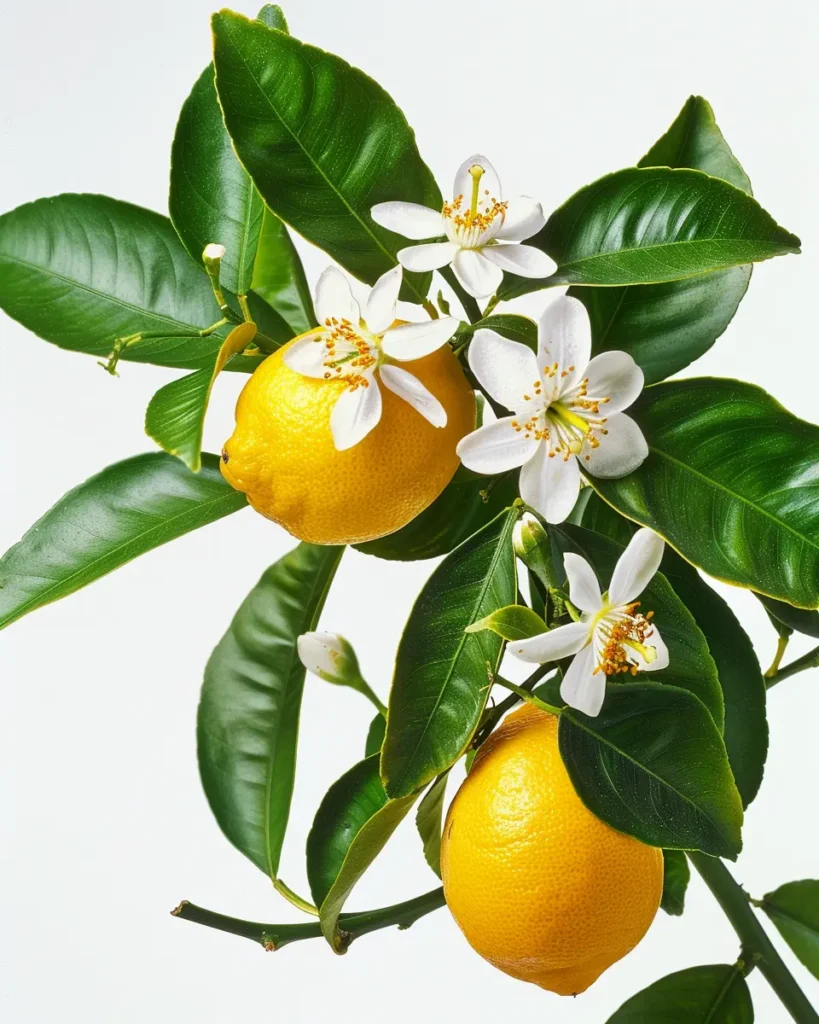
Lemon (Citrus limon)
Traditional Uses of Lemon
Digestion: Lemon juice and peel have traditionally been used to brighten appetite and support digestive comfort, especially before or with meals.
Seasonal Wellness: Lemon is naturally rich in vitamin C and flavonoids, making it a familiar cold-season kitchen companion.
Skin Support: Lemon peel and essential oil are used in cosmetic and aromatic preparations, though topical use requires caution because expressed lemon oil can increase sun sensitivity.
Oral Freshness: Lemon’s sharp, clean flavor has made it popular in rinses and drinks, but its acidity means it should be used carefully around tooth enamel.
“Lemon is sunshine with a peel — bright, sharp, and surprisingly practical.”
Available Lemon Products
Fresh Lemon
Fresh lemon is commonly used for juice, zest, tea, dressings, marinades, and infused water. Choose lemons that feel heavy for their size, have fragrant peel, and are free from mold or soft spots.
Dried Lemon Peel
Dried lemon peel is used in teas, bitters, spice blends, bath blends, and culinary formulas. Look for peel that smells bright and citrusy, not stale or dusty.
Lemon Juice
Lemon juice is used in drinks, food, syrups, and simple kitchen preparations. Fresh juice has the liveliest flavor, while bottled juice is more convenient but often less aromatic.
Lemon Tincture
Lemon peel tincture is usually made from fresh or dried peel. Alcohol extracts aromatic oils, bitter compounds, and flavonoids from the peel.
Lemon Capsules
Capsules may contain lemon peel powder, citrus bioflavonoids, lemon extract, or pectin. Read labels carefully because “lemon” supplements can vary widely in strength and purpose.
Lemon Glycerite
Lemon glycerite may be used when someone wants a sweet, alcohol-free citrus preparation. It is less powerful for extracting volatile oils than alcohol but can still carry flavor and some water-soluble compounds.
Lemon Essential Oil
Lemon essential oil is usually cold-pressed from the peel. It is highly concentrated, should be diluted before topical use, and should not be taken internally as a home practice.
Lemon Powder
Lemon powder may be made from dried juice, peel, or whole fruit. It is used in drinks, culinary blends, capsules, and powdered herbal formulas.
Key Herbal Actions
Lemon is known as a carminative, digestive stimulant, antioxidant, antimicrobial aromatic, astringent, refrigerant, nutritive, and mild bitter.
Carminative
Carminative herbs and foods support digestive comfort and help reduce occasional gas. Lemon peel is especially connected to this action because of its aromatic oils.
Digestive Stimulant
Lemon’s sour taste can encourage salivation and appetite. In traditional use, sour and bitter flavors are often used to “wake up” digestion before meals.
Antioxidant
Lemon contains vitamin C, flavonoids, and phenolic compounds studied for antioxidant activity. These compounds help protect plant tissues and contribute to lemon’s wellness reputation.
Antimicrobial Aromatic
Lemon peel and essential oil contain aromatic compounds such as limonene and citral. These have shown antimicrobial activity in laboratory studies, especially in concentrated forms.
Astringent
Lemon peel contains tannins and flavonoids that contribute a mild toning effect. This helps explain its traditional use in skin and oral preparations.
Refrigerant
In herbal language, a refrigerant is a cooling herb or food traditionally used to refresh and relieve heat sensations. Lemon water is a classic example of this simple cooling preparation.
Nutritive
Lemon provides vitamin C, potassium, citric acid, and flavonoids. It is not a major calorie source, but it contributes useful plant compounds in everyday food amounts.
Mild Bitter
Lemon peel has a gentle bitterness from compounds in the rind. Bitter citrus peels are traditionally used to support appetite and digestion.
Active Compounds and Extraction
Lemon contains vitamin C, citric acid, flavonoids, limonene, citral, pectin, coumarins, furocoumarins, phenolic acids, potassium, and small amounts of tannins.
Vitamin C
Vitamin C is a water-soluble nutrient involved in collagen formation, antioxidant defense, and normal immune function. Lemon juice contains vitamin C, though the amount varies by fruit size, freshness, and storage.
Best extraction: Fresh juice, cold infusion, or quick warm tea.
Simple method: Squeeze fresh lemon juice into cool or warm water. Avoid boiling the juice for long periods, because vitamin C is sensitive to heat, oxygen, and storage time.
Citric Acid
Citric acid gives lemon its sharp sour taste. It supports lemon’s traditional use as a bright digestive and refreshing food.
Best extraction: Fresh juice or dried lemon powder.
Simple method: Add fresh lemon juice to water, salad dressings, soups, or marinades. For tooth enamel protection, drink acidic beverages through a straw and rinse the mouth with plain water afterward.
Flavonoids
Lemon contains citrus flavonoids such as hesperidin, eriocitrin, diosmin, and related compounds. These are studied for antioxidant activity and their role in citrus fruit’s broader wellness profile.
Best extraction: Peel tea, tincture, whole-fruit preparations, and citrus bioflavonoid extracts.
Lemon peel tea: Use 1–2 teaspoons dried lemon peel per cup of hot water. Cover and steep for 10 minutes, then strain.
Limonene
Limonene is the dominant aromatic terpene in lemon peel oil. It gives lemon its bright citrus scent and has been studied for antioxidant, antimicrobial, and digestive-related activity.
Best extraction: Fresh zest, tincture, infused oil, or essential oil.
Fresh zest method: Grate only the yellow outer peel, avoiding the bitter white pith. Add zest to tea blends, dressings, soups, or honey.
Citral
Citral is a lemony aromatic compound found in smaller amounts in lemon oil and many other citrus-scented plants. It contributes to lemon’s fresh fragrance and has been studied for antimicrobial activity in laboratory settings.
Best extraction: Essential oil, fresh zest, tincture, or covered infusion.
Covered infusion method: Add fresh lemon zest to hot water, cover for 5–10 minutes, then strain. Covering helps keep the aromatic oils in the cup.
Pectin
Pectin is a soluble fiber found in lemon peel and pulp. It is studied for digestive and cholesterol-related effects, though typical lemon-water use provides much less pectin than whole peel or concentrated pectin products.
Best extraction: Whole lemon preparations, peel, pulp, marmalade-style preparations, or commercial pectin.
Kitchen method: Use organic lemon zest and some pulp in food preparations rather than only the strained juice.
Furocoumarins
Furocoumarins are compounds found in some citrus peels and cold-pressed citrus oils. They matter mostly for topical safety because they can increase skin sensitivity to sunlight.
Best extraction: Cold-pressed essential oil contains the most concern.
Practical note: Do not apply expressed lemon essential oil to skin before sun exposure unless the product is clearly labeled furocoumarin-free or non-phototoxic.
Harvesting and Storing Right
Lemons are harvested when fully colored, fragrant, and heavy with juice. In home gardens, winter through spring is often a major harvest season, though timing depends on climate and variety.
Harvest in the morning or cooler part of the day when fruit is firm and aromatic. Choose fruit with clean, bright peel and avoid bruised, moldy, or overly soft lemons.
Fresh lemons: Store at room temperature for about 1 week or in the refrigerator for 3–4 weeks.
Fresh lemon juice: Best used immediately, or refrigerated and used within 2–3 days.
Lemon zest: Use fresh, freeze in small portions, or dry gently for later use.
Dried lemon peel: Store in an airtight jar away from light and heat. Best quality is usually within 6–12 months.
Lemon tincture: Store in dark glass in a cool place. Alcohol tinctures may keep for several years.
Lemon essential oil: Store tightly closed, away from heat and light. Use within about 1–2 years for best aromatic quality.
Body Functions Lemon can Support
Lemon can support the digestion system, immune system, skin, dental oral health, liver support, urinary system, circulation, metabolism, and energy and vitality.
Digestion System
Lemon’s sour taste stimulates saliva and helps prepare the body for food. Lemon peel adds aromatic and mildly bitter compounds that support its traditional use in digestive blends.
Immune System
Lemon contains vitamin C and citrus flavonoids that support normal immune function and antioxidant activity. In everyday use, lemon works best as part of a nutrient-rich diet rather than as a stand-alone “immune fix.”
Skin
Vitamin C is involved in normal collagen formation, and lemon peel contains antioxidant flavonoids. Topical lemon juice can irritate skin and increase sun sensitivity, so gentle, properly formulated products are safer than DIY face applications.
Dental Oral
Lemon’s bright flavor is refreshing, but its acidity can weaken tooth enamel with frequent exposure. Lemon water is best followed by plain water rinsing, and brushing should be delayed for a while after acidic drinks.
Liver Support
Lemon peel’s bitter-aromatic quality makes it traditionally useful in digestive-liver style formulas. This does not mean lemon “detoxes” the liver, but it can support digestive flow and appetite in a gentle culinary way.
Urinary System
Lemon juice contains citric acid, and citrate is often discussed in relation to urinary stone prevention research. Anyone with kidney disease, recurring stones, or urinary symptoms should seek medical guidance rather than relying on lemon alone.
Circulation
Citrus flavonoids have been studied for vascular and antioxidant effects. In practical herbalism, lemon is used more as a supportive dietary plant than as a circulation treatment.
Metabolism
Lemon is low in calories and adds flavor without sugar when used in water, tea, and food. Its flavonoids and pectin are studied in metabolic research, but everyday lemon use should be viewed as supportive nutrition.
Energy and Vitality
Lemon’s sour taste and bright aroma can feel refreshing and uplifting. Sometimes a cup of warm lemon water is less about drama and more about reminding the morning to behave.
Safety and Practical Considerations
Lemon is generally safe for most people in normal food amounts. The main concerns are acidity, reflux, tooth enamel, skin irritation, and essential oil safety.
People with acid reflux, gastritis, mouth ulcers, sensitive teeth, or citrus sensitivity may find lemon irritating. Frequent lemon water can affect tooth enamel, especially if sipped all day.
Lemon essential oil should not be taken internally as a home remedy. Cold-pressed lemon essential oil can be phototoxic, meaning it may increase the risk of sunburn or skin reaction when applied before sun exposure.
People who are pregnant or breastfeeding usually consume lemon safely in food amounts, but concentrated extracts and essential oils should be used only with professional guidance. Children, older adults, sensitive individuals, and pets need extra care with essential oils.
People taking medications or managing medical conditions should ask a qualified healthcare professional before using concentrated lemon extracts or citrus bioflavonoid supplements.
FAQ
What does lemon taste like?
Lemon tastes sour, bright, sharp, and refreshing. The juice is strongly acidic, while the peel is aromatic, slightly bitter, and citrusy.
When is the best time to use lemon?
Lemon is commonly used in the morning, before meals, with food, or in warm drinks. People with reflux may tolerate it better with meals rather than on an empty stomach.
Is fresh or dried lemon better?
Fresh lemon is best for juice, zest, and bright flavor. Dried lemon peel is better for tea blends, storage, bitters, and herbal formulas.
Is lemon tea, tincture, or capsule better?
Lemon tea or water is best for simple everyday use. Tinctures and capsules are more concentrated and are usually chosen for peel compounds, bioflavonoids, or pectin.
Can lemon be used daily?
Many people use lemon daily in normal food amounts. Daily acidic drinks should be used carefully to protect tooth enamel and avoid irritating reflux or sensitive digestion.
How should lemon be stored?
Fresh lemons keep best in the refrigerator. Dried peel should be stored in an airtight jar away from heat, light, and moisture.
Does lemon combine well with other herbs?
Yes. Lemon combines beautifully with ginger, mint, lemon balm, thyme, sage, rosemary, chamomile, hibiscus, green tea, and honey.
Is lemon safe for everyone?
No food or herb is perfect for everyone. People with reflux, citrus allergy, sensitive teeth, gastritis, kidney concerns, or medication use should be thoughtful with concentrated lemon products.
Can lemon be used for pets?
Lemon and lemon essential oil should not be used casually for pets. Citrus oils can be irritating or unsafe for animals, so pet use should be guided by a veterinarian.
Can lemon essential oil be used on skin?
Yes, but only when properly diluted and with sun-safety precautions. Cold-pressed lemon essential oil can be phototoxic, so avoid sun exposure after topical use unless the product is labeled non-phototoxic.
Disclaimer
This content is educational only. It is not medical advice, diagnosis, or treatment. Herbs may interact with medications or health conditions. People who are pregnant, breastfeeding, managing a medical condition, taking prescription medications, or preparing for surgery should consult a qualified healthcare professional before using herbs.
References
NIH Office of Dietary Supplements: Vitamin C
PubMed Central: Citrus Fruits as a Treasure Trove of Active Natural Metabolites
PubMed Central: Citrus Flavonoids and Their Antioxidant Evaluation
PubMed Central: Citrus limon Essential Oil Chemical Composition and Biological Activities
PubMed Central: D-Limonene: Safety and Clinical Applications
PubMed Central: Pectin and Human Health