


👉 Jump straight to Where to Buy Dried Agrimony
Dried agrimony is the cut and sifted leaf and flower of Agrimonia eupatoria, a tall, yellow-flowered herb long valued in European folk herbalism. As a raw, versatile herb, it’s the starting point for teas, tinctures, poultices, and homemade herbal blends — a pantry staple for anyone who likes to prepare their own remedies.
Quick Facts
| Botanical name | Agrimonia eupatoria |
| Plant part used | Leaves and flowering tops (aerial parts) |
| Traditional uses | Supporting digestion, gentle liver support, soothing the throat |
| Typical dosage range | 1–2 tsp dried herb per cup for tea; varies for tinctures and other preparations |
What Is Dried Agrimony?
Agrimony, also known as “sticklewort” or “church steeples,” is a rose-family herb native to Europe, Asia, and North Africa, recognized by its tall spikes of small yellow flowers. It has a long history in traditional herbalism, historically used by monks, folk healers, and — according to herbal lore — even applied on battlefields in the Middle Ages.
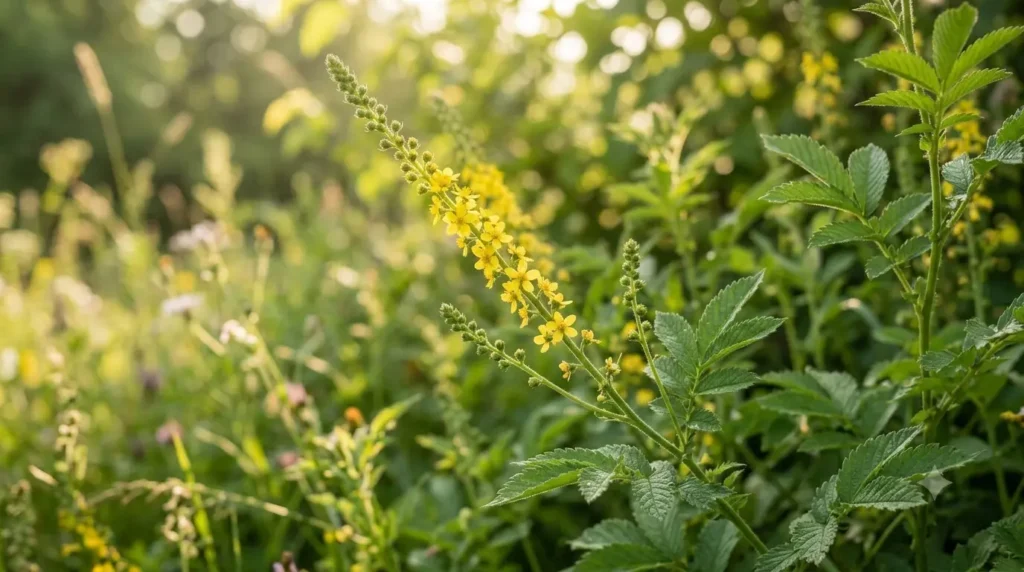
Dried agrimony refers to the harvested aerial parts of the plant — leaves and flowering tops — that have been air- or low-heat dried and typically “cut and sifted” (chopped into small, uniform pieces) for ease of use. Unlike a pre-made tea bag or tincture, dried loose herb gives you full control over strength, preparation method, and blending with other herbs.
Dried agrimony is commonly used to make:
- Tea/infusion — steeped directly in hot water
- Tincture — macerated in alcohol or glycerin
- Poultice or compress — moistened and applied topically
- Custom herbal blends — combined with other dried herbs
Key Traditional Uses & Benefits
- Digestive support — traditionally used to ease occasional bloating and support healthy digestion
- Liver support — long used in folk herbalism as a gentle liver tonic
- Throat comfort — traditionally gargled or sipped to soothe an occasional scratchy throat
- Astringent properties — historically used topically and internally for its mild astringent, toning qualities
- Versatility — as a raw herb, it adapts to teas, tinctures, and topical preparations alike
Note: these are traditional and folk uses. Agrimony is not intended to diagnose, treat, cure, or prevent any disease.
How It’s Made (Commercial Process)
Commercially prepared dried agrimony is typically produced by:
- Harvesting the aerial parts of the plant during flowering, when its beneficial compounds are most concentrated
- Air- or low-heat drying the leaves and flowering tops to preserve color, aroma, and potency
- Cutting and sifting the dried herb to a consistent, usable size
- Packaging in resealable, light-blocking pouches or bags to protect freshness
How to Dry Agrimony Yourself (DIY)
If you have access to fresh agrimony (garden-grown or responsibly foraged from a pesticide-free area), drying your own is simple.
What you’ll need:
- Fresh agrimony leaves and flowering tops (a generous handful)
- A dehydrator, oven on its lowest setting, or a well-ventilated drying rack
- Garden twine or a rubber band (if air-drying in bundles)
- An airtight glass jar for storage
Steps:
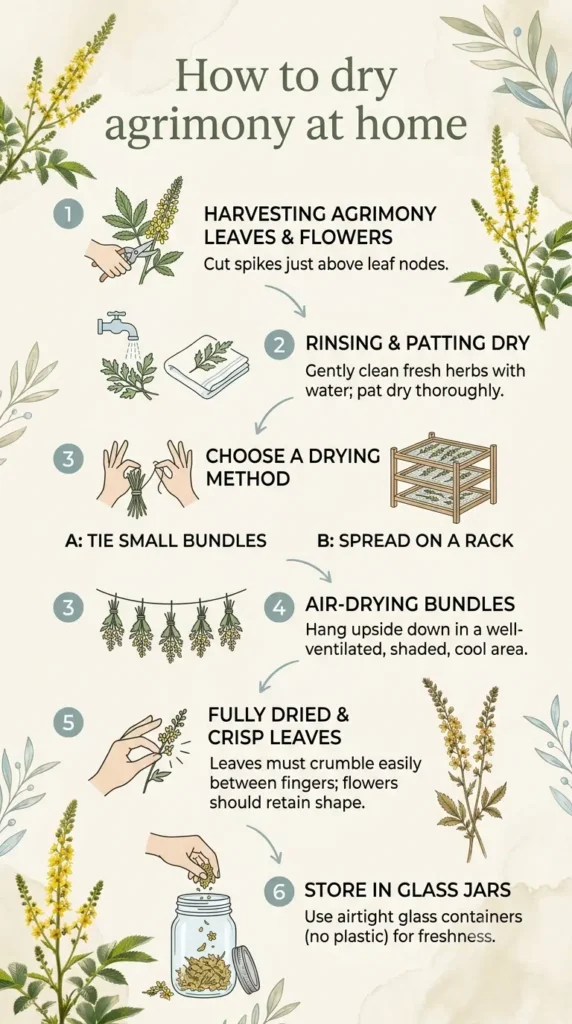
- Harvest agrimony leaves and flower spikes on a dry morning, once any dew has evaporated.
- Rinse gently if needed and pat completely dry — excess moisture can cause mold during drying.
- Either spread the herb in a single layer on a dehydrator tray or baking sheet, or gather small bundles and tie with twine to hang upside down in a warm, airy spot.
- Dry at low heat (95–115°F / 35–46°C) in a dehydrator or oven, or air-dry hanging bundles for 1–2 weeks, until the leaves and flowers are fully crisp and crumble easily.
- Once dry, strip the leaves and flowers from any thick stems and cut or crumble to your preferred size.
- Store in an airtight glass jar, away from light and heat.
Shelf life: Home-dried agrimony keeps well for about 6–12 months when stored properly in an airtight container.
Many people still prefer store-bought dried agrimony for its consistent quality, verified organic sourcing, and convenience — especially since correctly identifying and harvesting wild agrimony isn’t always straightforward.
How to Use Dried Agrimony
- As tea: Steep 1–2 tsp in hot water for 5–10 minutes, then strain
- As tincture: Macerate in alcohol or glycerin for 4–6 weeks, then strain
- As a poultice: Moisten with hot water and apply as a warm compress
- In blends: Combine with other dried herbs like chamomile, lemon balm, or peppermint for a custom mix
Because dried agrimony is a raw ingredient rather than a finished product, always account for potency loss over time — herb that’s been stored longer will generally be milder than freshly dried herb.
Potential Side Effects & Precautions
- Generally well-tolerated, but its astringent properties may cause mild stomach upset in sensitive individuals if taken in excess
- May interact with blood-thinning or diabetes medications — consult a healthcare provider if you take either
- Not well studied in pregnancy or breastfeeding; avoid unless guided by a healthcare provider
- Discontinue use and consult a doctor if you notice any allergic reaction (rash, itching, difficulty breathing)
- Always consult a qualified healthcare provider before starting any new herbal supplement, especially if you’re on medication or managing a health condition
What to Look for When Buying
- Organic certification — reduces exposure to pesticide residues
- Cut & sifted quality — a consistent, moderate cut size brews and infuses more evenly
- Sourcing transparency — brands that disclose growing origin and harvest practices tend to be more trustworthy
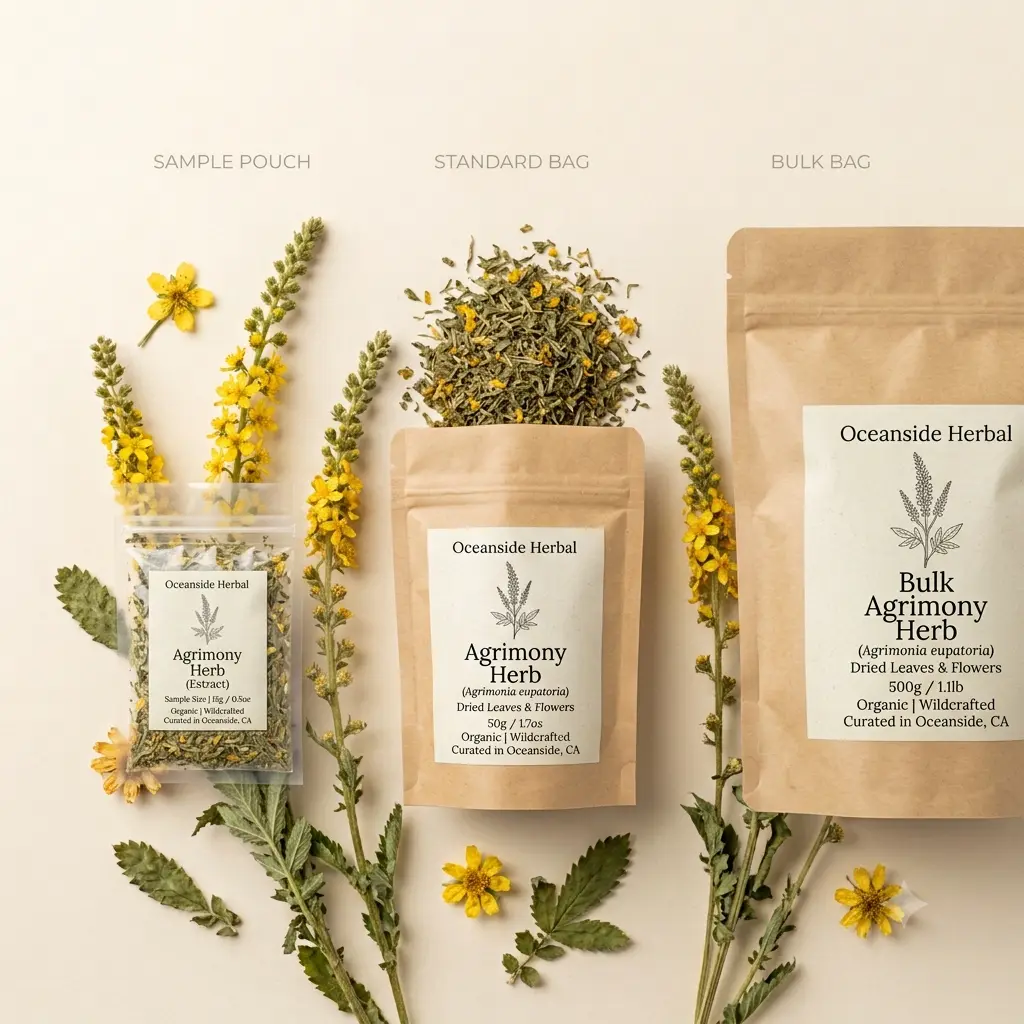
- Freshness & packaging — look for resealable, light-blocking pouches to preserve potency
- Bulk options — if you use agrimony regularly for teas or tinctures, buying in bulk is often more economical
Where to Buy Dried Agrimony
A few reputable options currently available:
- Starwest Botanicals Organic Agrimony Herb C/S (4 oz) — certified organic, cut & sifted, from a well-established herb supplier
- Organic Bio Herbs Organic Dried Agrimony (6 oz) — 100% organic loose herb, sustainably sourced, non-GMO
- Bulk Apothecary Organic Agrimony Herb — available in bulk quantities, ideal for regular users or small herbal businesses
Other Agrimony Products
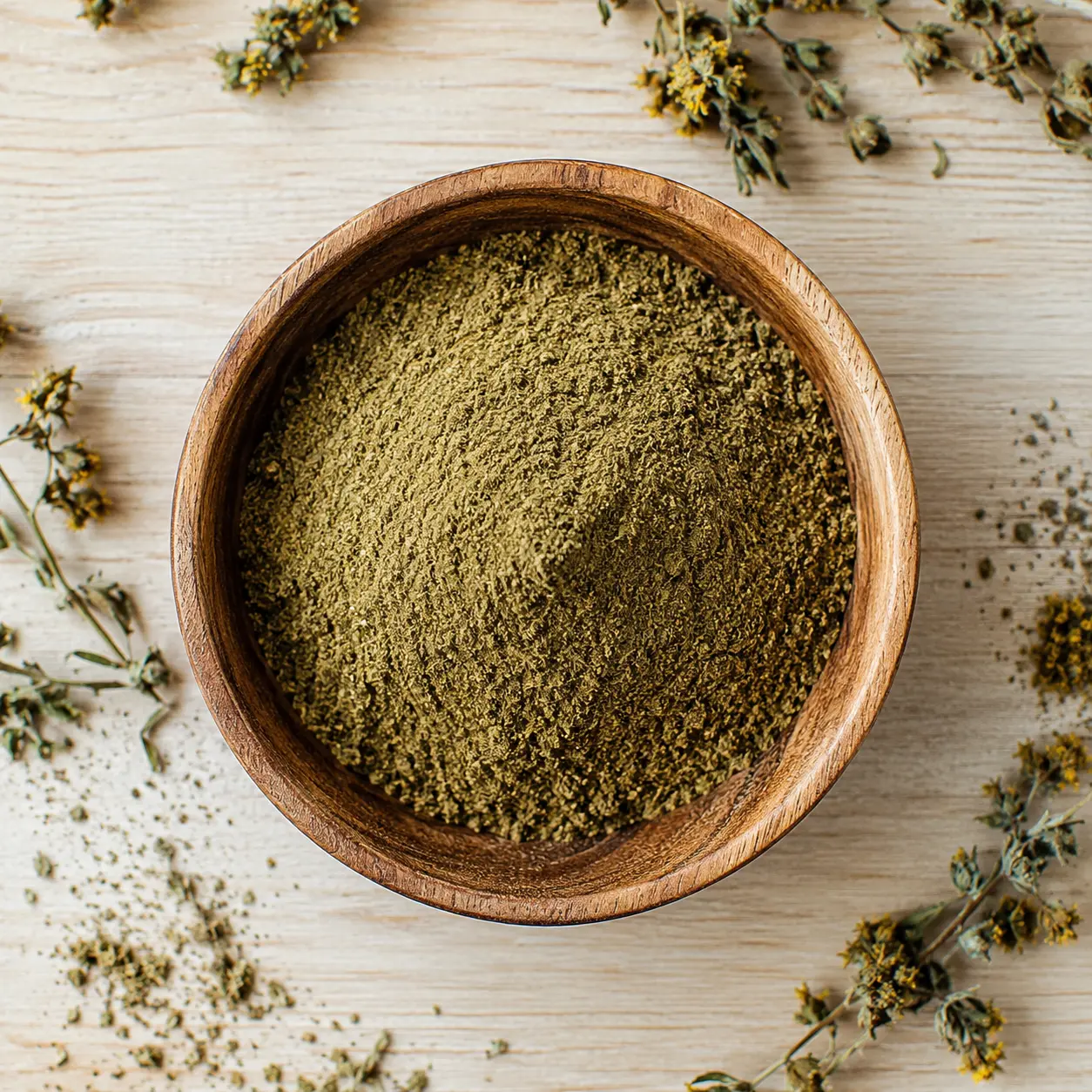
Agrimony Powder
A finely ground herb that supports healthy digestion and gentle liver function….
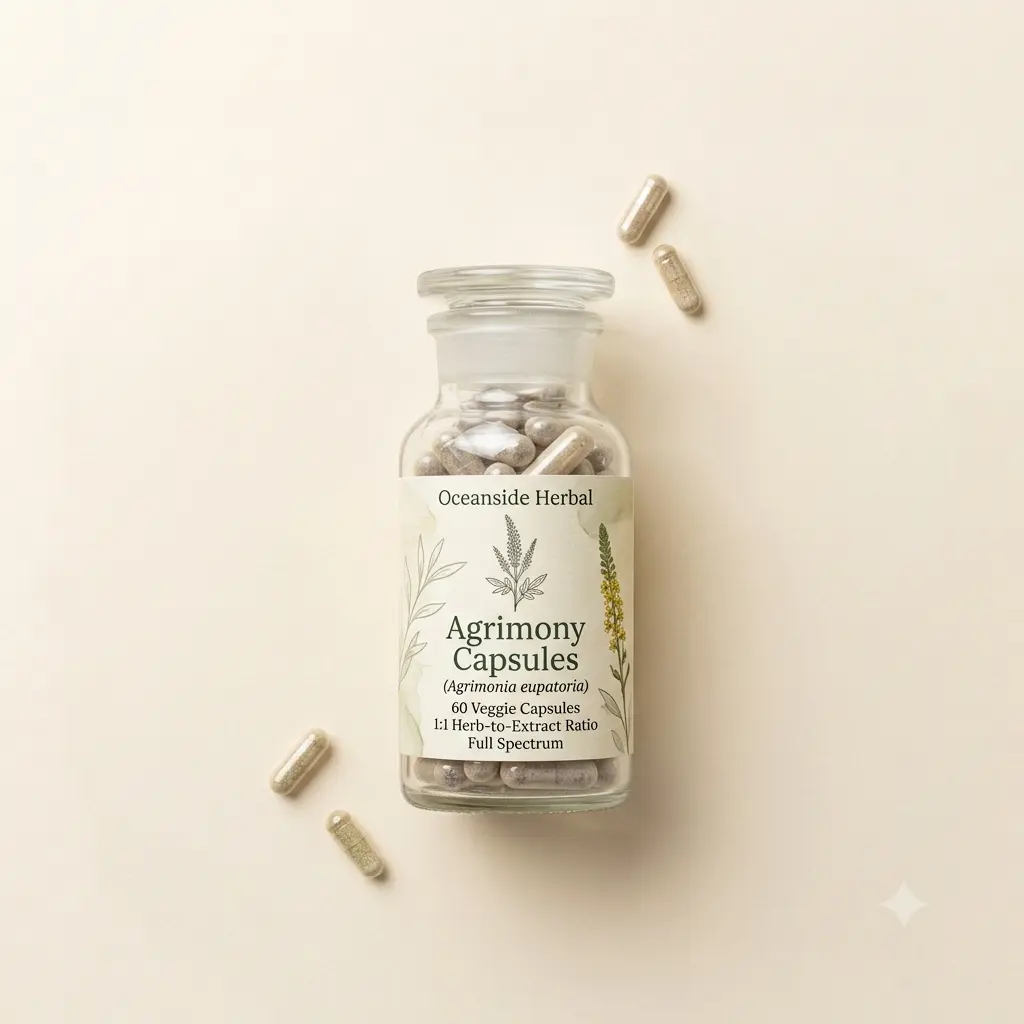
Agrimony Capsules
A convenient, tasteless way to support healthy digestion and gentle liver function…
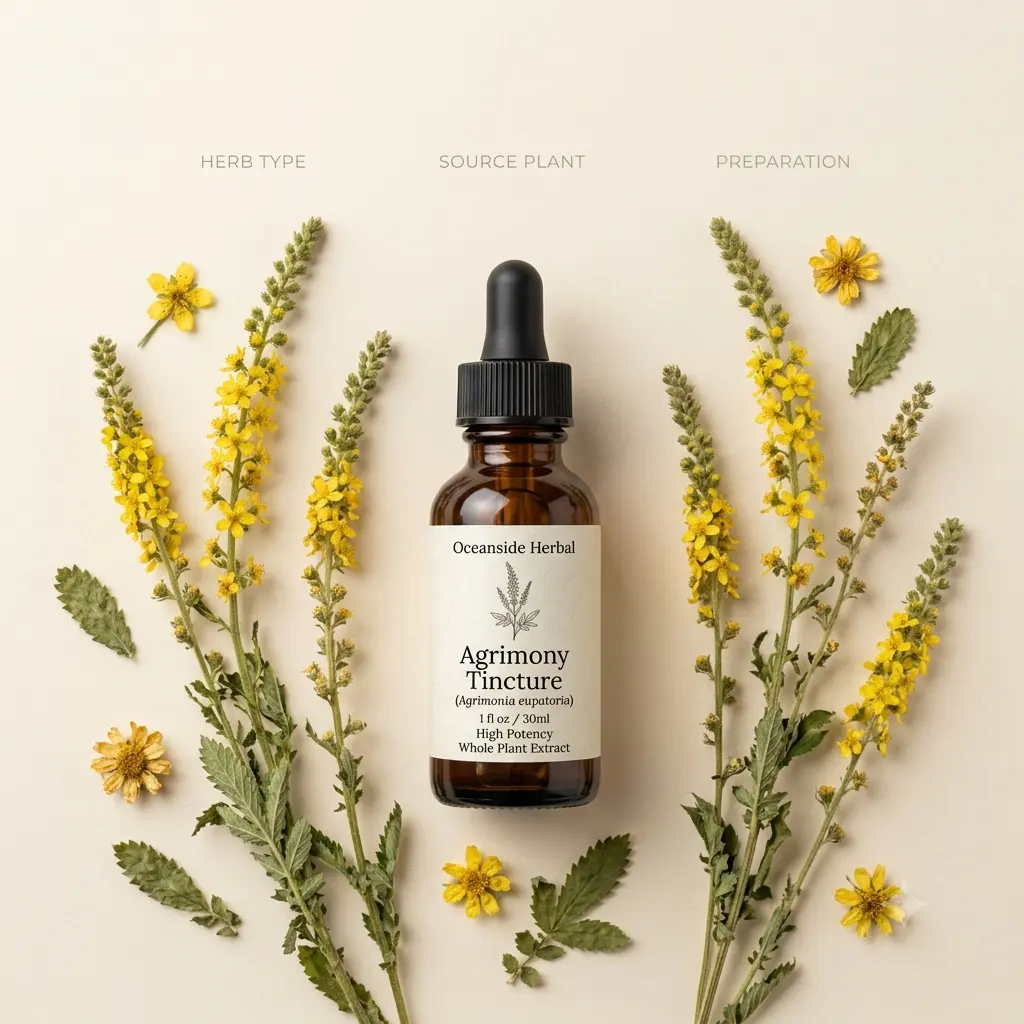
Agrimony Tincture
Supports healthy digestion and gentle liver function in concentrated liquid form….
FAQ
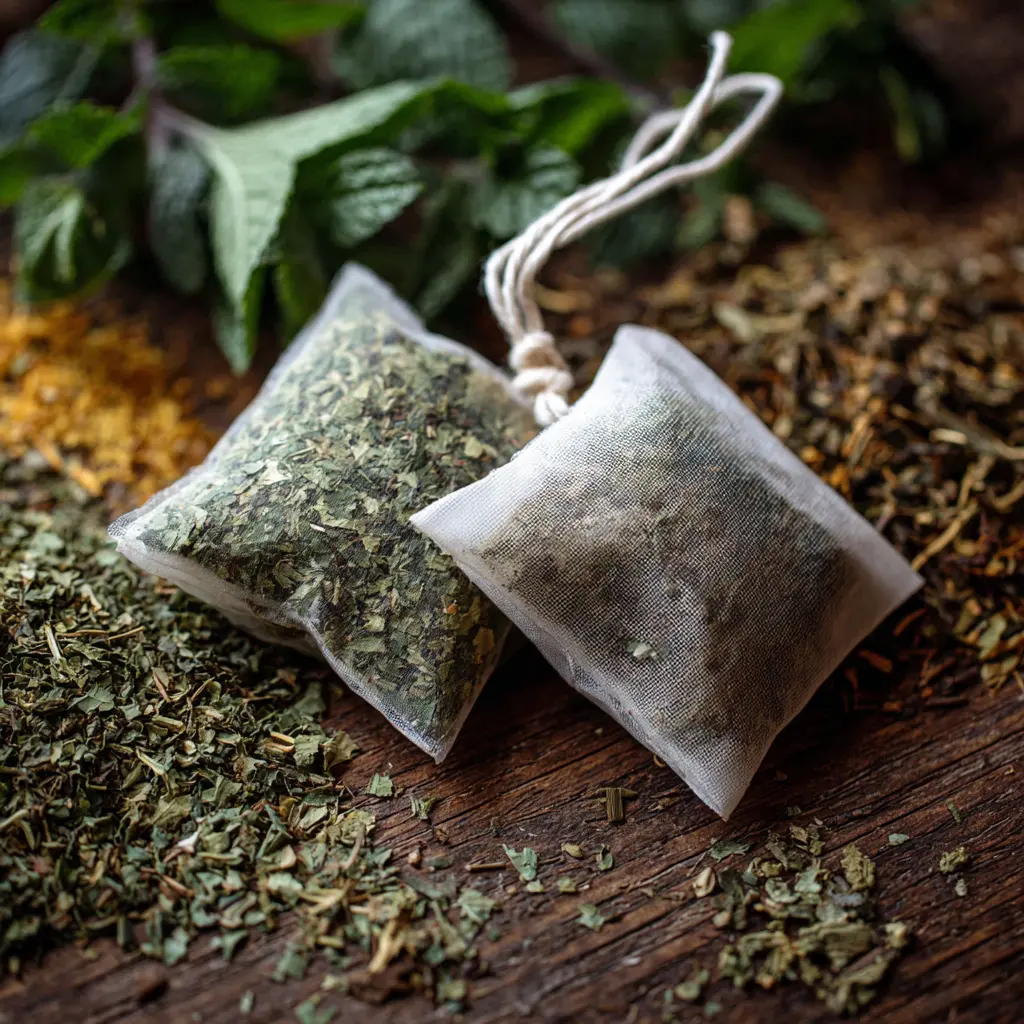
What’s the difference between dried agrimony and agrimony tea bags? Dried agrimony is the loose, raw herb — it can be used for tea, tinctures, or other preparations. Tea bags are pre-portioned for convenience but offer less flexibility.
How much dried agrimony should I use for tea? A general guideline is 1–2 teaspoons of dried herb per cup of hot water, steeped for 5–10 minutes.
Can dried agrimony be used to make a tincture? Yes — dried agrimony is commonly macerated in alcohol or glycerin for 4–6 weeks to make a concentrated liquid extract.
How should I store dried agrimony? Keep it in an airtight glass container away from light, heat, and moisture to preserve its flavor and potency.
How long does dried agrimony stay potent? Properly stored, dried agrimony generally retains good potency for 6–12 months, though it can be used a bit longer at reduced strength.
Is dried agrimony safe for kids? Speak with a pediatrician before giving any herbal preparation to children, as safety data for kids is limited.
Conclusion
Dried agrimony is a versatile, pantry-staple herb — the raw material behind teas, tinctures, and homemade remedies rooted in centuries of folk tradition. Whether you dry your own harvest or buy from a trusted organic supplier, it’s a simple way to keep this gentle digestive and liver-supporting herb on hand.
Disclaimers
These statements have not been evaluated by the FDA. This product is not intended to diagnose, treat, cure, or prevent any disease. Always consult a qualified healthcare provider before starting any new supplement.