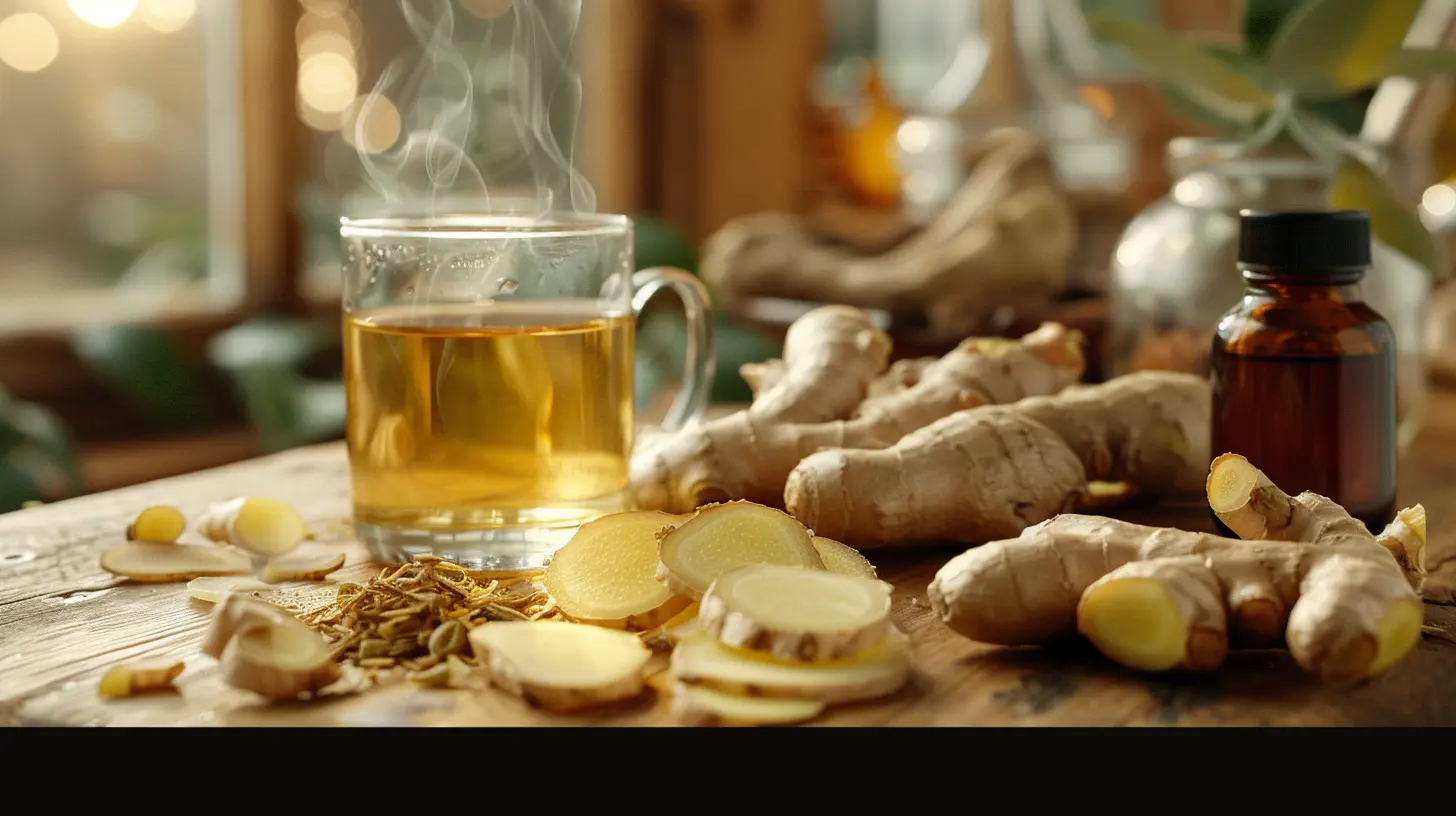
Ginger is the warming, spicy rhizome of a tropical plant in the Zingiberaceae family. It has been used for centuries in food, tea, traditional herbal practice, and household wellness routines, especially when the body needs warmth, digestive support, and a little internal “get moving” energy.
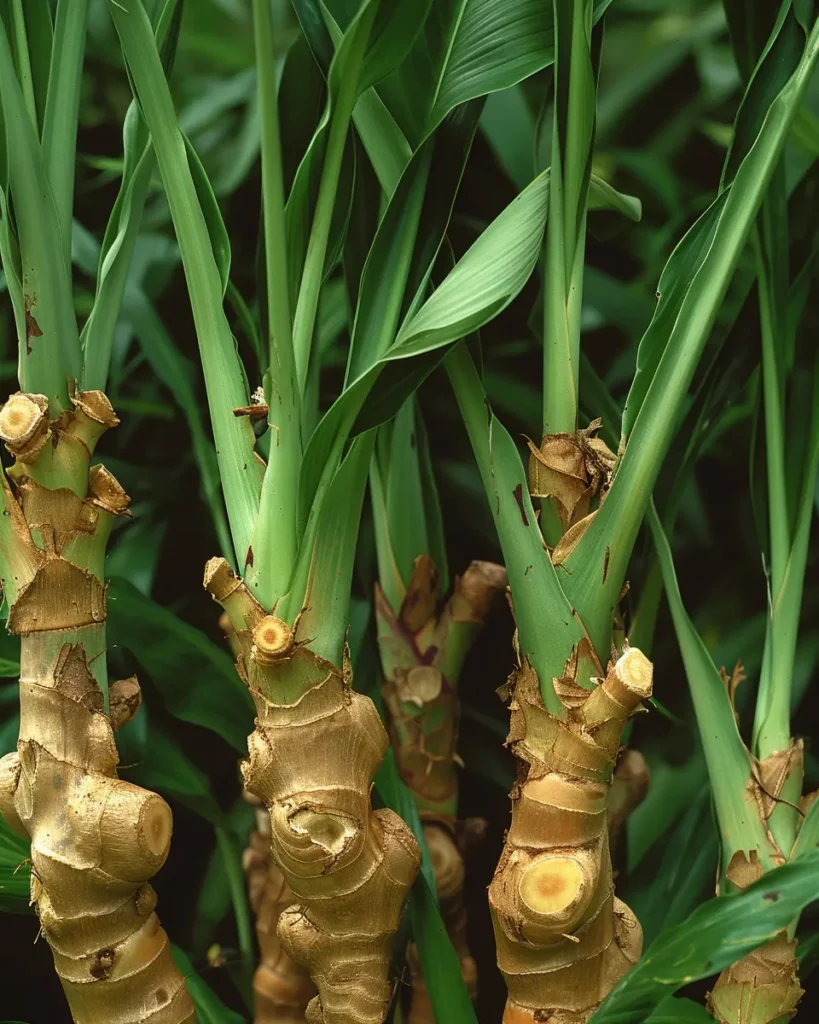
Ginger (Zingiber officinale)
Traditional and modern herbal uses of ginger include:
Digestion: Ginger is one of the classic warming carminative herbs, traditionally used to support digestion, reduce occasional gas, and help the body handle heavier meals.
Nausea Support: Ginger has been widely studied for nausea-related uses, including motion-related nausea and pregnancy-associated nausea, though individual situations still need care and guidance.
Circulation and Warmth: Herbalists often use ginger when someone feels cold, sluggish, or tense. It is the herbal equivalent of turning on a small internal heater.
Muscles and Joint Comfort: Ginger’s pungent compounds are studied for inflammation-modulating activity and are traditionally used in warming teas, compresses, and body-care preparations.
“Ginger is the warm spark in the teacup that reminds the body to wake up gently.”
Available Ginger Products
Fresh Ginger
Fresh ginger rhizome is widely used in cooking, tea, broths, syrups, juices, and home remedies. Choose firm, smooth pieces with a fresh spicy scent. Avoid ginger that feels soft, wrinkled, moldy, or dried out at the edges.
Dried Ginger
Dried ginger is warmer, sharper, and more concentrated than fresh ginger. It is commonly used in teas, spice blends, capsules, powders, and warming herbal formulas. Dried ginger is especially useful when a stronger warming quality is desired.
Ginger Powder
Ginger powder is made from dried, ground ginger rhizome. It is convenient for capsules, cooking, teas, baking, smoothies, and herbal blends. Because powder loses potency faster than whole dried pieces, it should smell spicy and lively, not like beige dust with ambitions.
Ginger Tincture
Ginger tincture is a liquid extract usually made with alcohol. It is useful when someone wants a small, concentrated preparation without making tea. Ginger tincture is commonly used in traditional herbalism for digestive support, warming formulas, and travel-friendly nausea support.
Ginger Capsules
Ginger capsules may contain powdered ginger, dried extract, or standardized extract. Capsules are convenient for people who dislike ginger’s spicy taste. Labels should be checked for botanical name, serving size, extract type, and the amount of ginger per capsule.
Ginger Glycerite
Ginger glycerite is an alcohol-free extract made with vegetable glycerin. It may be useful for people avoiding alcohol, though glycerin is not as strong as alcohol for extracting pungent compounds. It tends to taste sweet and spicy.
Ginger Tea Bags
Ginger tea bags are convenient and widely available. Some contain only ginger, while others blend ginger with lemon, turmeric, peppermint, licorice, or cinnamon. Look for tea that smells fresh and spicy when opened.
Ginger Essential Oil
Ginger essential oil is steam-distilled from the rhizome. It is concentrated and usually used externally in diluted massage oils, baths, and aromatherapy. Internal use of ginger essential oil should not be casual or self-directed.
Ginger Syrup
Ginger syrup is made by simmering ginger with water and sweetener. It is commonly used in drinks, teas, mocktails, digestive bitters-style blends, and culinary preparations. Because it contains sugar or honey, it may not be appropriate for everyone.
Crystallized Ginger
Crystallized ginger is cooked ginger preserved with sugar. It is more of a food than a medicinal preparation, but many people use it for travel, digestion after meals, or a quick warming bite. Because it is sugar-rich, portion size matters.
Key Herbal Actions
Carminative
A carminative is an aromatic herb traditionally used to support digestion and ease occasional gas or bloating. Ginger is one of the classic carminatives because its pungent compounds stimulate warmth and movement in the digestive tract.
Digestive Stimulant
Digestive stimulants wake up digestive secretions and appetite. Ginger’s spicy taste and warming quality make it useful when digestion feels slow or cold. This is why ginger is often used before or after meals.
Antiemetic
Antiemetic herbs are traditionally used to help reduce nausea. Ginger has more modern research in this area than many common kitchen herbs. It is especially well known for motion-related nausea and pregnancy-associated nausea, though concentrated use during pregnancy should be discussed with a qualified professional.
Circulatory Stimulant
Circulatory stimulants are warming herbs traditionally used to support blood flow and body warmth. Ginger’s pungent heat makes it useful when the hands, feet, or digestion feel cold and sluggish.
Diaphoretic
A diaphoretic supports healthy sweating. Ginger is a warming diaphoretic, especially when taken as hot tea. Herbalists often use warming diaphoretics when the body feels chilled and needs gentle warmth.
Anti-inflammatory
Ginger contains pungent compounds that have been studied for inflammation-modulating activity. This supports its traditional use in formulas for muscles, joints, and general body comfort. It should not be presented as a cure or replacement for medical care.
Antioxidant
Ginger contains phenolic compounds such as gingerols, shogaols, zingerone, and paradols. These compounds have shown antioxidant activity in laboratory studies. In whole-herb use, this supports ginger’s broader wellness profile.
Antispasmodic
Antispasmodic herbs are traditionally used to relax occasional tension or spasms in smooth muscle. Ginger’s digestive and warming actions help explain why it is used when digestive tightness, gas, or cramping feelings are present.
Active Compounds and Extraction
Gingerols
Gingerols are the main pungent phenolic compounds in fresh ginger. The best-known one is 6-gingerol, which contributes to ginger’s spicy flavor and has been studied for antioxidant and inflammation-modulating activity. Gingerols are more abundant in fresh ginger than in heavily dried or heated ginger.
Best extraction methods: fresh ginger tea, alcohol tincture, vinegar extract, syrup, cooking.
How to make fresh ginger tea: Slice or grate 1–2 teaspoons fresh ginger per cup of water. Simmer gently for 10–15 minutes, covered, then strain. Add lemon or honey if desired.
How to make ginger tincture: Finely chop fresh ginger and cover it with alcohol, commonly around 40–60% alcohol by volume. Let it macerate for 2–4 weeks, shaking regularly, then strain and bottle.
Shogaols
Shogaols are pungent compounds that increase when ginger is dried or heated. They are chemically related to gingerols and help explain why dried ginger feels hotter and sharper than fresh ginger. Shogaols are studied for antioxidant, digestive, and inflammation-modulating activity.
Best extraction methods: dried ginger tea, decoction, alcohol tincture, powder, capsules.
How to make dried ginger decoction: Use about 1/2 teaspoon dried ginger powder or 1–2 teaspoons dried ginger pieces per cup of water. Simmer gently for 10 minutes, strain if needed, and drink warm. Dried ginger is strong, so start modestly.
Zingerone
Zingerone is formed when ginger is heated and contributes a sweeter, less sharp aroma than raw gingerols. It is one reason cooked ginger has a rounder, softer flavor than raw ginger. Zingerone has been studied for antioxidant and digestive-related effects.
Best extraction methods: cooking, simmered tea, syrup.
How to make ginger syrup: Simmer sliced fresh ginger in water for 15–20 minutes, strain, then combine the liquid with honey or sugar while warm. Store refrigerated and use in small amounts in tea or sparkling water.
Paradols
Paradols are pungent phenolic compounds related to gingerols and shogaols. They are part of ginger’s warming and spicy chemical profile. Research has explored paradols for antioxidant and inflammation-related activity.
Best extraction methods: alcohol tincture, dried ginger preparations, cooked preparations.
How to extract paradol-type compounds: Use dried ginger in alcohol tincture or simmered tea. Alcohol extracts a wider range of pungent compounds, while simmering is practical for everyday use.
Volatile Oils
Ginger contains volatile oils, including zingiberene, beta-bisabolene, alpha-farnesene, beta-sesquiphellandrene, and other terpenes. These compounds contribute to ginger’s aroma and digestive carminative action. They are lighter and more aromatic than ginger’s pungent phenolic compounds.
Best extraction methods: covered hot infusion, steam distillation, fresh juice, tincture.
How to preserve volatile oils in tea: Keep the pot covered while steeping or simmering. Aromatic compounds like to leave with steam, and the lid politely tells them to stay.
Terpenes
Terpenes are aromatic compounds found in ginger’s essential oil. They contribute to scent, flavor, and some digestive effects. They are especially relevant to ginger essential oil and fresh ginger preparations.
Best extraction methods: steam distillation, covered tea, alcohol tincture.
How ginger essential oil is made: Ginger rhizome is steam-distilled so the volatile aromatic compounds are carried with steam, condensed, and separated into essential oil and hydrosol. This is not the same as making ginger-infused oil at home.
Starch, Fiber, and Minerals
Whole ginger rhizome also contains starch, fiber, and small amounts of minerals. These are not the main “active compounds,” but they are part of the whole-food nature of ginger. Fresh ginger used in cooking is both a culinary spice and a traditional herbal ingredient.
Best extraction methods: food use, powder, decoction.
How to use ginger as food: Add grated or sliced ginger to soups, stir-fries, lentils, broths, marinades, sauces, and teas. Food use is one of the most traditional and practical ways to enjoy ginger.
Harvesting and Storing Right
Ginger is a tropical perennial grown for its rhizome. It is usually harvested when the plant has matured and the leaves begin to yellow, often 8–10 months after planting. Young ginger may be harvested earlier and is juicier, milder, and less fibrous.
The best time to harvest is during dry weather when the soil is not waterlogged. Gently lift the rhizomes, shake off soil, and wash only what you plan to use soon. Too much moisture during storage encourages spoilage.
Fresh ginger should be stored in a cool, dry place for short-term use or refrigerated for longer storage. Unpeeled fresh ginger often keeps for several weeks in the refrigerator. It can also be frozen whole or sliced.
Dried ginger pieces and powder should be stored in airtight containers away from heat, light, and moisture. Dried pieces are usually best within 1–2 years, while powder is best within 6–12 months for flavor and potency.
Ginger tincture is usually best within about 2–3 years if stored in a cool, dark place. Ginger essential oil should be kept in a tightly closed dark glass bottle and used within the shelf life provided by the maker, often around 2–3 years.
Body Functions Ginger Can Support
Digestion System
Ginger is one of the best-known digestive herbs. Its carminative, digestive stimulant, antiemetic, and antispasmodic actions make it useful when digestion feels slow, cold, gassy, or unsettled. Gingerols, shogaols, and volatile oils all contribute to this warming digestive profile.
Stress Support
Ginger is not a classic calming nervine like chamomile or lavender, but it can support stress-related digestion. When tension settles in the stomach, ginger’s warming carminative action may help the body feel less stuck. It is more “warm and move” than “soft and soothe.”
Circulation
Ginger is traditionally considered a circulatory stimulant. Its pungent heat supports a feeling of warmth and movement, especially in people who tend to feel cold. This action comes mainly from gingerols, shogaols, and related pungent compounds.
Muscles and Joint
Ginger’s pungent compounds are studied for inflammation-modulating and antioxidant activity. Traditionally, ginger is used internally as tea or food and externally in warming compresses or massage blends for body comfort. It should be used thoughtfully by people taking blood thinners or preparing for surgery.
Respiratory System
Ginger is often used in warming teas during cold, damp, or chilly seasons. As a warming diaphoretic and aromatic herb, it can support comfort, warmth, and healthy sweating. It pairs well with lemon, honey, thyme, elderflower, or cinnamon in seasonal blends.
Immune System
Ginger is commonly included in seasonal wellness preparations because of its warming, aromatic, and antioxidant qualities. It does not “boost immunity” like flipping a switch, but it can support comfort, warmth, and digestion during times when the body needs extra care.
Energy and Vitality
Ginger’s warming and digestive-stimulating nature can help people feel more awake and internally warmed. It is not a caffeine-like stimulant, but it can feel energizing when sluggishness is connected to cold digestion or heaviness after meals.
Metabolism
Ginger’s spicy compounds are studied for effects related to digestion, thermogenesis, and metabolic markers. In traditional herbalism, ginger is used to warm and stimulate sluggish patterns. It should be seen as supportive, not as a weight-loss shortcut.
Brain
Ginger’s relationship to brain support is mostly indirect, through antioxidant activity, circulation, and digestive comfort. When digestion feels better and the body feels warmer, mental clarity may feel easier. Ginger is not usually categorized as a primary brain herb, but it can support the body systems that help people feel alert.
Reproductive System Female
Ginger has traditional use for occasional menstrual discomfort, especially when coldness, tension, or sluggish circulation are part of the picture. Its warming antispasmodic and circulation-supporting qualities explain this use. It should not replace care for severe, unusual, or persistent symptoms.
Safety and Practical Considerations
Ginger is widely used as food and is generally well tolerated in normal culinary amounts. Concentrated ginger products, capsules, tinctures, and high-dose powders require more caution.
Possible side effects include heartburn, abdominal discomfort, diarrhea, mouth or throat irritation, and a warming sensation that may feel too strong for sensitive people. People with reflux, ulcers, gastritis, or strong heat sensations may need smaller amounts or may not tolerate ginger well.
Ginger may increase bleeding risk in some situations, especially when used in concentrated supplement form. People taking blood thinners, antiplatelet medications, or preparing for surgery should consult a qualified healthcare professional before using medicinal amounts.
People with gallstones or gallbladder disease should ask a healthcare professional before using concentrated ginger products, because ginger may stimulate bile flow.
Pregnant people should speak with a qualified healthcare professional before using ginger medicinally. Ginger has been studied for pregnancy-associated nausea, but safety guidance differs depending on dose, product, and individual risk.
Breastfeeding safety data is limited for concentrated ginger preparations, so professional guidance is wise. Culinary use is different from medicinal-strength use.
Children, older adults, and sensitive individuals may need smaller amounts. Ginger tea can be made very mild for beginners.
Ginger essential oil should be diluted before topical use and should not be taken internally without professional guidance. It can irritate sensitive skin.
For pets, ginger should only be used with veterinary guidance. Small food-like amounts may be tolerated by some animals, but species, size, medications, and health conditions matter.
FAQ
What does ginger taste like?
Ginger tastes hot, spicy, slightly sweet, earthy, and aromatic. Fresh ginger is juicy and bright, while dried ginger is sharper and hotter. If ginger tastes flat or dusty, it is probably old.
When is the best time to use ginger?
Ginger is often used before or after meals for digestive support. It can also be used during travel or chilly weather. Because it is warming, some people prefer it earlier in the day rather than right before bed.
Is fresh or dried ginger better?
Fresh ginger is juicier, brighter, and often better for fresh tea, cooking, nausea support, and gentle digestive use. Dried ginger is hotter, more concentrated, and more stimulating. The best choice depends on the goal and the person’s constitution.
Is ginger tea, tincture, or capsule better?
Ginger tea is simple, warming, and easy to adjust. Tincture is concentrated and convenient, especially for travel. Capsules are useful for people who dislike the taste, but labels should be checked carefully for dose and extract type.
Can ginger be used daily?
Many people use ginger daily in food or tea. Concentrated supplements should be used more carefully, especially by people taking medications or managing health conditions. Start small if you are sensitive to spicy herbs.
How should ginger be stored?
Fresh ginger can be stored in the refrigerator for several weeks or frozen for longer storage. Dried ginger and powder should be kept in airtight containers away from heat, light, and moisture. Powder loses strength faster than sliced dried ginger.
Does ginger combine well with other herbs?
Yes. Ginger combines well with lemon, honey, cinnamon, turmeric, fennel, peppermint, chamomile, licorice, elderflower, thyme, and cayenne. It is often used to warm up formulas and improve flavor.
Is ginger safe for everyone?
No. Ginger may not be appropriate in large or concentrated amounts for people with bleeding disorders, gallstones, reflux, ulcers, certain medication use, pregnancy considerations, or upcoming surgery. Food amounts are different from supplement-level use.
Can ginger be used for pets?
Ginger should only be used for pets with veterinary guidance. Some pet formulas include ginger, but dose and safety depend on the animal’s species, size, condition, and medications. Essential oil should not be used casually around pets.
Can ginger essential oil be applied directly to skin?
No. Ginger essential oil should be diluted in a carrier oil before topical use. It is warming and may irritate sensitive skin, so a patch test is wise.
Disclaimer
This content is educational only. It is not medical advice, diagnosis, or treatment. Herbs may interact with medications or health conditions. People who are pregnant, breastfeeding, managing a medical condition, taking prescription medications, or preparing for surgery should consult a qualified healthcare professional before using herbs.
References
- NCCIH: Ginger
- EMA: European Union Herbal Monograph on Zingiber officinale Rhizome
- EMA: Assessment Report on Zingiber officinale Rhizome
- PubMed Central: Bioactive Compounds and Bioactivities of Ginger
- PubMed Central: Ginger on Human Health, A Comprehensive Systematic Review
- PubMed Central: Critical Review of Ginger’s Antioxidant, Anti-Inflammatory, and Immunomodulatory Activities
- NCBI Bookshelf: Ginger Root
- Memorial Sloan Kettering Cancer Center: Ginger