
Difficulty falling asleep means the body is in bed, the lights are off, and yet the mind or nervous system does not easily shift into sleep. It may feel like tiredness is present, but the “sleep switch” is taking its sweet time.
Learn more about Difficulty Falling Asleep
Difficulty falling asleep is often called sleep-onset difficulty. It can happen occasionally during stressful seasons, travel, schedule changes, illness, grief, exciting life events, or after too much evening stimulation. When it happens frequently, it can become frustrating because the bed starts to feel less like a place of rest and more like a nightly negotiation table.
Falling asleep depends on several body signals lining up at the right time. The brain responds to darkness by producing melatonin, a hormone involved in circadian rhythm timing. Light exposure at night can interfere with that signal, which is why late screens, bright lights, and “just one more video” can make bedtime less sleepy than expected. The nervous system also needs to shift out of daytime alertness and into a quieter parasympathetic state.
There are several common patterns of difficulty falling asleep. One is racing-thought sleep difficulty, where the body is tired but the mind keeps reviewing conversations, tasks, worries, or tomorrow’s schedule. Another is tense-body sleep difficulty, where the muscles feel tight and the body cannot fully soften. A third is rhythm-related sleep difficulty, where bedtime does not match the body’s internal clock. A fourth is digestive sleep difficulty, where a heavy meal, reflux, alcohol, or late caffeine keeps the system more active than restful.
Common triggers include stress, anxiety, late caffeine, alcohol, bright evening light, irregular sleep timing, long naps, late workouts, heavy dinners, work emails at night, pain, hormonal changes, travel, and noisy or uncomfortable sleep environments. Difficulty falling asleep can also become self-reinforcing: the more a person worries about not sleeping, the more alert the body may become. Very rude of the nervous system, but biologically understandable.
Traditional herbalism tends to understand difficulty falling asleep through patterns of nervous tension, excess stimulation, disrupted rhythm, digestive heaviness, or depleted reserves. A tense and restless pattern may call for relaxing nervines such as passionflower, skullcap, or lemon balm. A gentle, worry-heavy pattern may call for chamomile, lavender, or lemon balm. A deeper exhausted-but-wired pattern may call for milky oats or oat straw over time. A digestive pattern may call for chamomile, lemon balm, fennel, or a small amount of ginger earlier in the evening.
Herbalists traditionally choose herbs based on how bedtime difficulty feels. If the mind is racing, calming nervines and bedtime rituals may be emphasized. If the body is tight, relaxing herbs and warm baths may be used. If digestion is uncomfortable, carminative herbs may be selected. If the sleep schedule is shifted later and later, rhythm-support habits become just as important as herbs.
How Herbs Can Help Difficulty Falling Asleep
How Herbalism Traditionally Approaches This Issue
Herbalism typically sees difficulty falling asleep as a pattern of nervous system alertness, mental looping, physical tension, or a delayed evening rhythm. Relaxing nervines help calm mental and body tension, aromatic herbs support a soothing bedtime ritual, and nutritive nervines are traditionally used when sleeplessness follows long-term stress or depletion. Herbalists choose between those actions by looking at whether falling asleep feels anxious, restless, tense, overstimulated, digestive, or rhythm-related; these are herbs traditionally used when difficulty falling asleep happens: chamomile, lemon balm, lavender, passionflower, skullcap, milky oats, oat straw, valerian, hops, cinnamon, California poppy, catnip, rose.
“Difficulty falling asleep is when your body clocks out for the day, but your brain stays late to reorganize every memory since 2008.”
Recipes & Remedies Difficulty Falling Asleep
Herbal Preparations
Gentle Sleep-Onset Tea
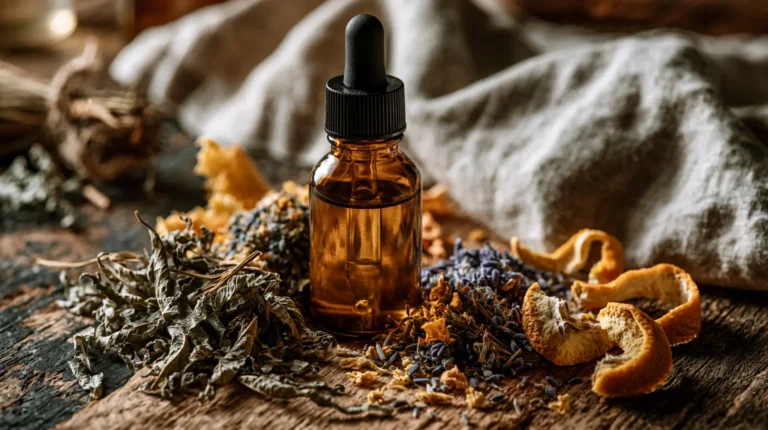
This soft bedtime tea combines chamomile, lemon balm, passionflower, and lavender, herbs traditionally used when the mind feels busy and the body needs help settling into the evening. It is gentle, floral, slightly lemony, and best used as part of a repeated wind-down routine.
Ingredients with exact measurements
1 teaspoon dried chamomile flowers
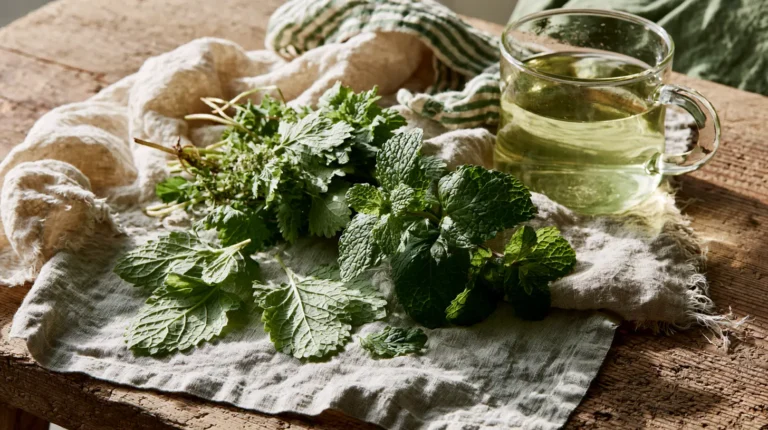
1 teaspoon dried lemon balm
1 teaspoon dried passionflower
1/4 teaspoon dried lavender flowers
1 cup hot water
1 teaspoon honey, optional
Step-by-step preparation instructions
Place chamomile, lemon balm, passionflower, and lavender into a mug or teapot.
Pour 1 cup hot water over the herbs.
Cover and steep for 10 to 15 minutes.
Strain well.
Add honey if desired.
Drink slowly in dim light, ideally without scrolling, emailing, or starting a deep philosophical debate with yourself.
How to use
Drink 1 cup 30 to 60 minutes before bed as part of a consistent bedtime routine. This tea is not meant to force sleep; it is meant to help create a calmer landing. Avoid combining sedating herbs with alcohol, sleep medication, anti-anxiety medication, or other sedatives unless approved by a healthcare professional.
Food for support Difficulty Falling Asleep
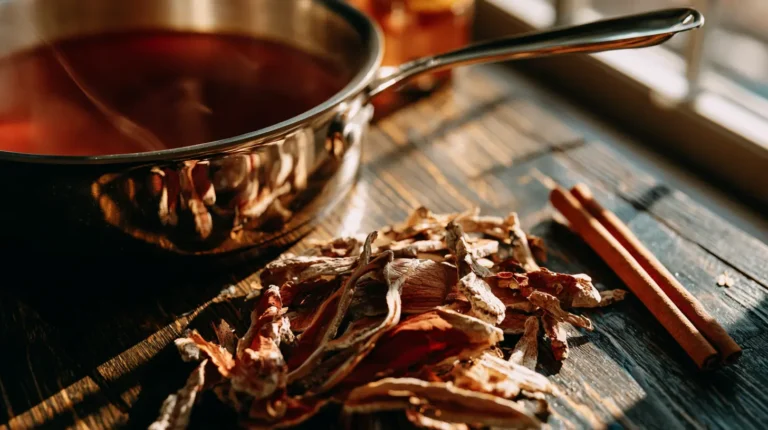
Warm Oat-Cherry Bedtime Bowl
This small evening bowl combines oats, tart cherries, pumpkin seeds, cinnamon, and warm milk or oat milk. It is useful when difficulty falling asleep is made worse by hunger, blood sugar dips, or an evening routine that feels too abrupt.
Ingredients with exact measurements
1/3 cup rolled oats
3/4 cup milk or unsweetened oat milk
1/4 cup tart cherries, fresh, frozen, or unsweetened dried
1 tablespoon pumpkin seeds
1/4 teaspoon cinnamon
1 small pinch sea salt
1 teaspoon honey or maple syrup, optional
Optional: 1 tablespoon strong brewed chamomile tea stirred in after cooking
Step-by-step preparation instructions
Step-by-step preparation instructions
Top with pumpkin seeds and a small amount of honey or maple syrup if desired.
Add oats, milk or oat milk, cinnamon, and sea salt to a small saucepan.
Cook over medium-low heat for 5 to 7 minutes, stirring often.
Add tart cherries and cook for 1 more minute.
Remove from heat.
Stir in strong brewed chamomile tea if using.
How to use
Enjoy a small bowl 1 to 2 hours before bed if you tend to feel restless, hungry, or too wired after a light dinner. Keep the portion modest, since a very full stomach can make falling asleep harder. Pair it with low lighting, a quiet room, and a bedtime that does not involve “accidentally” researching lamps for 47 minutes.
What Herbs You Need
The herbs traditionally used for difficulty falling asleep often include relaxing nervines, mild sedatives, aromatic calming herbs, and nourishing nervous system tonics. The recipes above use chamomile, lemon balm, passionflower, lavender, oats, cinnamon, and tart cherry; other commonly used herbs for sleep-onset support include skullcap, valerian, hops, milky oats, oat straw, and California poppy.
Chamomile
Latin name: Matricaria chamomilla or Matricaria recutita
Key herbal actions:
Relaxing nervine: traditionally used to calm tension and support a peaceful bedtime routine.
Carminative: traditionally used to support digestion when discomfort keeps the body alert.
Mild bitter: traditionally used to support digestive secretions after meals.
Key active compounds relevant to this issue: apigenin, bisabolol, chamazulene, luteolin, quercetin, and volatile oils.
Lemon Balm
Latin name: Melissa officinalis
Key herbal actions:
Calming nervine: traditionally used when worry, stress, or mental busyness affects sleep onset.
Carminative: traditionally used to support comfortable digestion.
Mild relaxant: traditionally used when the body feels tense but tired.
Key active compounds relevant to this issue: rosmarinic acid, citral, citronellal, linalool, geraniol, flavonoids, and volatile oils.
Passionflower
Latin name: Passiflora incarnata
Key herbal actions:
Relaxing nervine: traditionally used when the mind feels restless or overactive.
Mild sedative: traditionally used to support a calmer transition toward sleep.
Antispasmodic: traditionally used when tension shows up in the body.
Key active compounds relevant to this issue: flavonoids including vitexin and isovitexin, chrysin, maltol, and trace indole alkaloids.
Lavender
Latin name: Lavandula angustifolia
Key herbal actions:
Aromatic nervine: traditionally used to calm the senses and support relaxation.
Carminative: traditionally used when stress affects digestion.
Mild relaxant: often used in teas, baths, and aromatherapy for bedtime routines.
Key active compounds relevant to this issue: linalool, linalyl acetate, lavandulol, cineole, and other volatile oils.
Skullcap
Latin name: Scutellaria lateriflora
Key herbal actions:
Relaxing nervine: traditionally used when the nervous system feels tense, jumpy, or overworked.
Nervine tonic: traditionally used for longer-term nervous system support.
Mild antispasmodic: traditionally used when tension is held in the body.
Key active compounds relevant to this issue: baicalin, baicalein, scutellarin, wogonin, flavonoids, and bitter compounds.
Valerian
Latin name: Valeriana officinalis
Key herbal actions:
Sedative nervine: traditionally used when sleeplessness is linked with restlessness or tension.
Antispasmodic: traditionally used when muscular tension accompanies sleep difficulty.
Relaxing herb: commonly included in stronger bedtime formulas.
Key active compounds relevant to this issue: valerenic acid, valepotriates, lignans, sesquiterpenes, and volatile oils.
Hops
Latin name: Humulus lupulus
Key herbal actions:
Sedative nervine: traditionally used in formulas for restlessness and sleep difficulty.
Bitter digestive: traditionally used when digestive heaviness interferes with rest.
Relaxing herb: often paired with valerian in traditional bedtime preparations.
Key active compounds relevant to this issue: humulone, lupulone, xanthohumol, myrcene, humulene, and volatile oils.
Milky Oats
Latin name: Avena sativa, fresh milky seed stage
Key herbal actions:
Nervine trophorestorative: traditionally used as a deeply nourishing herb for nervous system depletion.
Gentle tonic: used when stress leaves someone feeling exhausted, sensitive, or frayed.
Moistening herb: traditionally used when depletion feels dry or brittle.
Key active compounds relevant to this issue: avenanthramides, minerals, flavonoids, saponins, and fresh oat constituents.
Oat Straw
Latin name: Avena sativa
Key herbal actions:
Nutritive nervine: traditionally used to nourish an overworked nervous system.
Mineral-rich tonic: used for slow, steady support during depleted seasons.
Moistening herb: traditionally used when the body feels worn down or frayed.
Key active compounds relevant to this issue: beta-glucans, avenanthramides, flavonoids, silica, magnesium, and saponins.
California Poppy
Latin name: Eschscholzia californica
Key herbal actions:
Relaxing nervine: traditionally used in bedtime formulas for restlessness.
Mild sedative: used cautiously for sleep-onset support in traditional Western herbalism.
Antispasmodic: traditionally used when tension and discomfort interfere with settling.
Key active compounds relevant to this issue: isoquinoline alkaloids including californidine, eschscholtzine, protopine, flavonoids, and carotenoids.
Cinnamon
Latin name: Cinnamomum verum or Cinnamomum cassia
Key herbal actions:
Warming digestive: traditionally used to support digestion and comfort.
Aromatic spice: used in food traditions to make evening foods more grounding.
Circulatory warming herb: traditionally used when the body feels cold or sluggish.
Key active compounds relevant to this issue: cinnamaldehyde, cinnamic acid, eugenol, coumarin, procyanidins, and polyphenols.
Key Herbal Products for Difficulty Falling Asleep
Bedtime Tea Blends
Bedtime teas often include chamomile, lemon balm, passionflower, lavender, skullcap, oat straw, hops, or valerian. They are commonly used as part of a calming routine before sleep.
Pros: gentle, hydrating, soothing, and useful for building a bedtime ritual.
Cons: less concentrated than capsules or tinctures, and drinking too much liquid close to bed may lead to bathroom trips.
Best choice when: someone wants a mild, ritual-based approach for occasional difficulty falling asleep.
Passionflower Tincture
Passionflower tincture is a liquid herbal extract often used when the mind feels busy, restless, or unable to settle. It may be alcohol-based or glycerin-based.
Pros: portable, easy to adjust serving size, and commonly paired with lemon balm or skullcap.
Cons: taste can be strong, alcohol-based tinctures are not suitable for everyone, and sedative interactions are possible.
Best choice when: someone wants a flexible liquid preparation rather than tea.
Valerian Capsules
Valerian capsules contain powdered valerian root or concentrated valerian extract. They are commonly used in stronger sleep formulas, especially when bedtime restlessness is prominent.
Pros: convenient, avoids valerian’s very strong taste, and provides a measured serving size.
Cons: may cause grogginess, vivid dreams, digestive upset, or a stimulating effect in some people.
Best choice when: someone wants a stronger traditional sleep herb and has checked safety concerns first.
Lavender Aromatherapy Products
Lavender products include essential oil, pillow sprays, bath blends, dried sachets, and roll-ons. They are commonly used to create a calming sleep environment.
Pros: external use, pleasant scent, and helpful for creating a sensory wind-down signal.
Cons: essential oils can irritate skin, trigger headaches in sensitive people, and may be unsafe around pets if used improperly.
Best choice when: someone wants environmental support rather than an internal herbal product.
Magnesium and Herbal Sleep Powders
Many sleep powders combine magnesium with herbs such as chamomile, lemon balm, passionflower, lavender, or valerian. They are usually mixed into water or warm drinks before bed.
Pros: convenient, often pleasant tasting, and easy to make part of a routine.
Cons: formulas vary widely, magnesium can cause loose stools, and multi-ingredient products make it harder to identify what works or causes side effects.
Best choice when: someone wants a combined bedtime product and is comfortable reading labels carefully.
FAQ
Is difficulty falling asleep the same as insomnia?
Difficulty falling asleep can be one type of insomnia, often called sleep-onset insomnia. Insomnia can also include waking during the night, waking too early, or not feeling refreshed after sleep. If trouble falling asleep happens often or affects daytime life, it is worth discussing with a healthcare professional.
When should difficulty falling asleep be checked?
It should be checked if it happens several nights per week, lasts for weeks or months, causes daytime sleepiness, affects driving or work, or comes with anxiety, depression, pain, breathing problems, restless legs, or major life disruption. Chronic insomnia is commonly described as sleep difficulty at least 3 nights per week for at least 3 months. Herbs can support routines, but ongoing sleep problems deserve proper evaluation.
Can herbs make me fall asleep quickly?
Some herbs may feel calming the same evening, especially chamomile, lemon balm, lavender, or passionflower. Stronger herbs such as valerian or hops are traditionally used when restlessness is more pronounced, but they are not right for everyone. Herbs usually work best when paired with low light, consistent timing, caffeine awareness, and a calm bedtime routine.
What does sleep-onset tea taste like?
Sleep-onset tea usually tastes floral, lemony, grassy, or gently bitter. Chamomile is soft and apple-like, lemon balm is lemony, passionflower is earthy-green, and lavender is floral. Use lavender lightly, because a little is charming and too much tastes like drinking a sachet drawer.
Is melatonin an herb?
No, melatonin is not an herb. It is a hormone produced by the brain in response to darkness, and supplements are usually synthetic. Melatonin may be useful for certain circadian rhythm situations, such as jet lag or delayed sleep-wake timing, but major guidelines do not recommend it as a first-line routine option for chronic insomnia.
Can I use sleep herbs every night?
Gentle herbs such as chamomile, lemon balm, and oat straw are commonly used in evening tea routines. Stronger herbs such as valerian, hops, California poppy, or concentrated tincture blends should be used more cautiously, especially with medications or health conditions. It is best to speak with a healthcare professional if you plan to use sedating herbs regularly.
Are sleep herbs safe for pets?
Do not give sleep herbs, essential oils, tinctures, or supplements to pets unless guided by a veterinarian. Pets metabolize herbs differently than humans, and products such as lavender essential oil, valerian, hops, and concentrated blends may be unsafe for animals. Keep sleep products away from pets and children.
References
NCCIH: Sleep Disorders and Complementary Health Approaches
NCCIH: Melatonin: What You Need To Know
NCCIH: Valerian Usefulness and Safety
NHLBI: Sleep Deprivation and Deficiency
American College of Physicians: Management of Chronic Insomnia Disorder in Adults
American Academy of Sleep Medicine: Pharmacologic Treatment of Chronic Insomnia in Adults
PubMed: Passionflower Herbal Tea and Sleep Quality
PubMed: Chamomile for Sleep Quality, Anxiety, and Insomnia Systematic Review
PubMed: Lavender and the Nervous System
NIH Office of Dietary Supplements: Magnesium Fact Sheet
Disclaimer
This article is for educational purposes only and is not medical advice. Difficulty falling asleep can have many causes, including stress, anxiety, depression, pain, hormonal changes, sleep apnea, restless legs, medications, caffeine, alcohol, shift work, circadian rhythm disruption, and other health conditions. Herbs and supplements may interact with medications, medical conditions, pregnancy, breastfeeding, surgery, alcohol, sedatives, and sleep medications. Always speak with a qualified healthcare professional before using herbal products, especially concentrated extracts, capsules, tinctures, essential oils, melatonin, or sedative herbs.