Herbal Support for When Your Body Hits the Panic Button
Acute stress is your body’s short-term, high-alert reaction to a specific trigger — fast, intense, and gone once the moment passes. Your phone buzzes with “can we talk?” from your boss, and suddenly your palms are damp and your jaw’s locked tight. Sound familiar?
Herbs That Can Help
Herbs can’t cancel the tense meeting or the deadline, but many traditional calming herbs support your nervous system’s ability to downshift once the alarm has done its job, helping you settle back to baseline more quickly.
- Ashwagandha — An adaptogenic root used in Ayurvedic tradition to help the body modulate its stress response; often used to help take the edge off a spiking stress reaction.
- Holy Basil (Tulsi) — Revered in Ayurveda as an “elixir of life,” traditionally taken to promote calm alertness during moments of pressure without causing drowsiness.
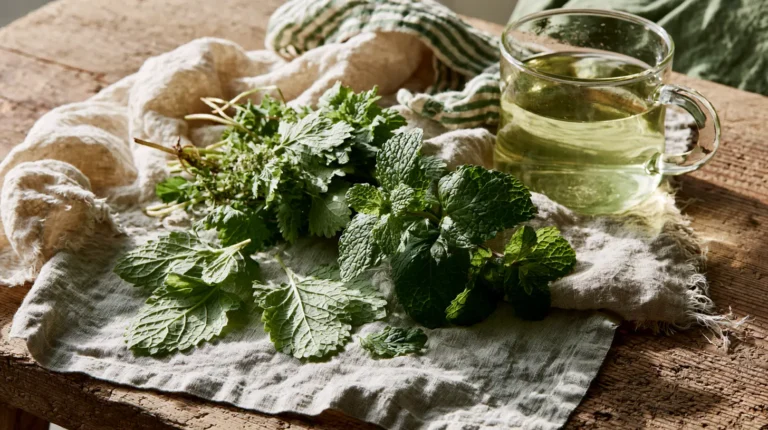
- Lemon Balm — A gentle, lemon-scented member of the mint family traditionally used to ease tension and lift mood almost immediately after brewing.
- Chamomile — One of the most widely used calming herbs, traditionally sipped as tea to soothe a racing mind and settle a nervous stomach.
- Passionflower — A climbing vine traditionally used to quiet mental chatter and racing thoughts in moments of acute worry.
- Lavender — Known for its aromatic and traditional calming use, often inhaled or sipped as tea to ease sudden tension in the body.
- Skullcap — A traditional nervine herb used to relax an overstimulated nervous system without heavy sedation.
- Valerian Root — Traditionally used for its calming, muscle-relaxing properties, especially when stress shows up as physical tension.
- Rhodiola — An adaptogen traditionally used to support mental clarity and resilience during short bursts of high pressure, like before a big presentation.
Most Popular Recipe
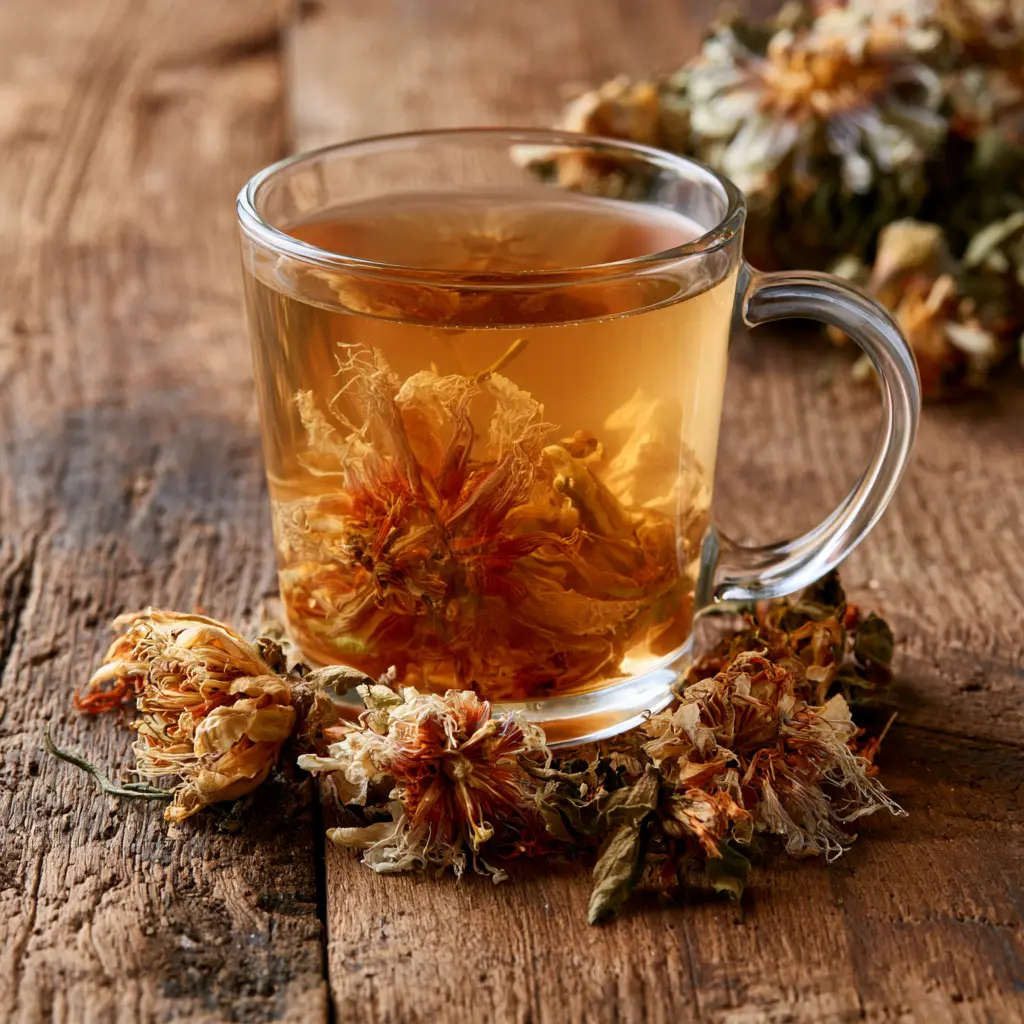
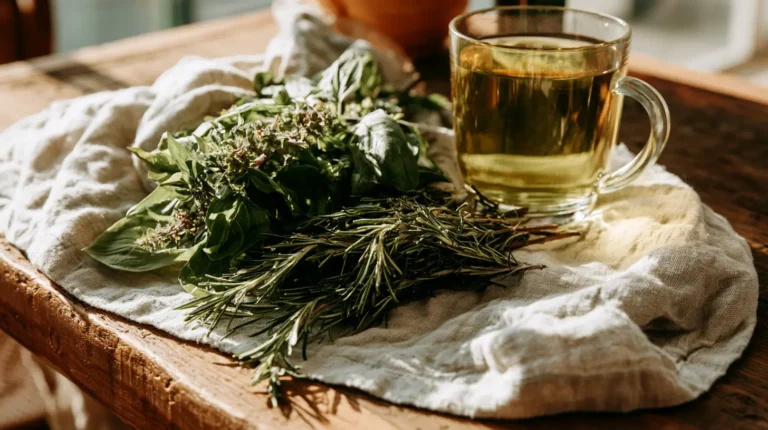
Rescue Calm Tea Herbs used: Lemon balm, chamomile, and passionflower
- Combine 1 teaspoon each of dried lemon balm, chamomile, and passionflower in a tea infuser or cup.
- Pour 8 oz of just-boiled water over the herbs and steep, covered, for 8–10 minutes.
- Strain, sip slowly, and take a few slow breaths between sips.
This blend is a great starting point if you’re new to herbs for acute stress — all three are gentle, widely available, and pleasant-tasting on their own.
Explore Other Recipes
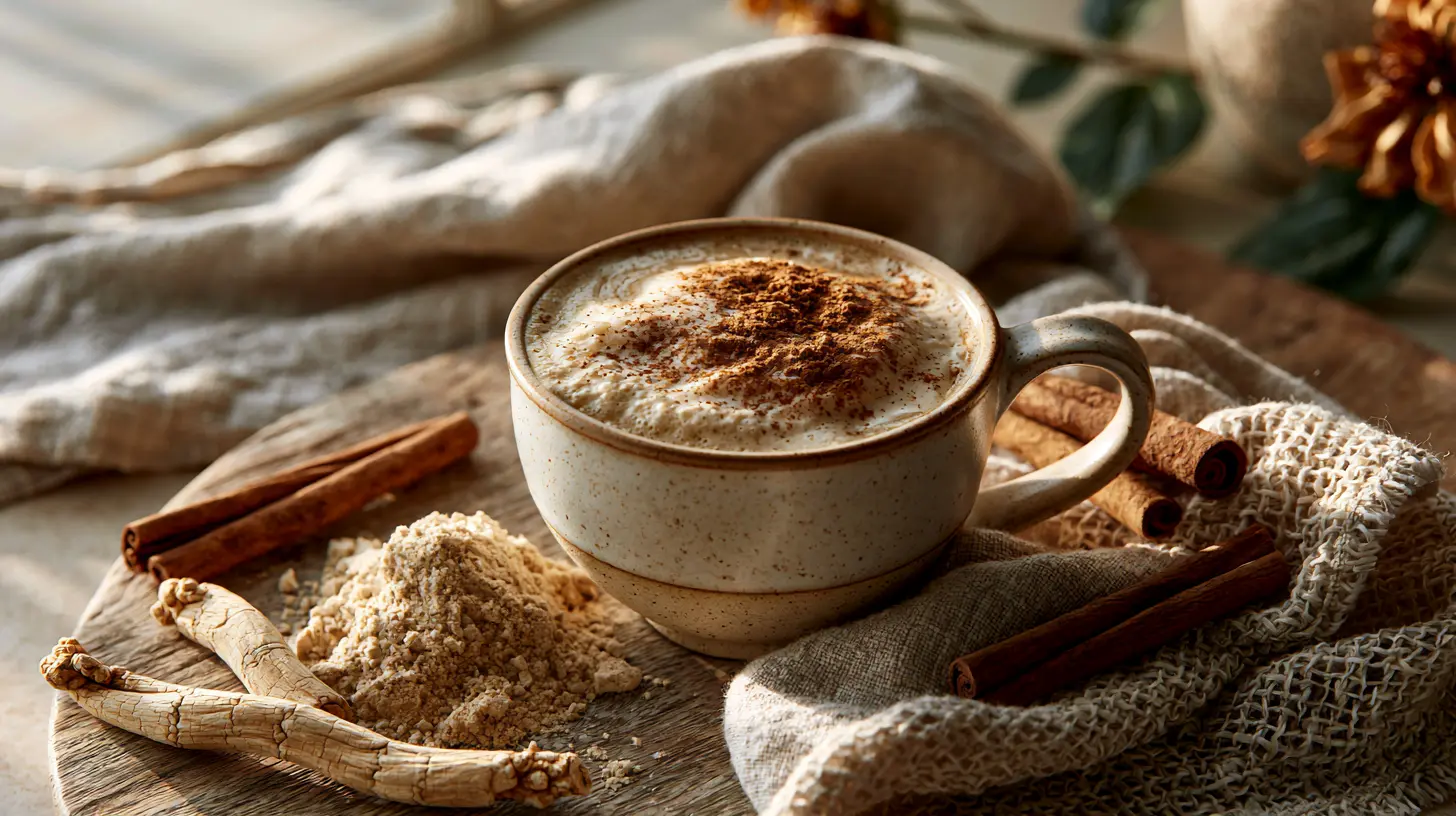
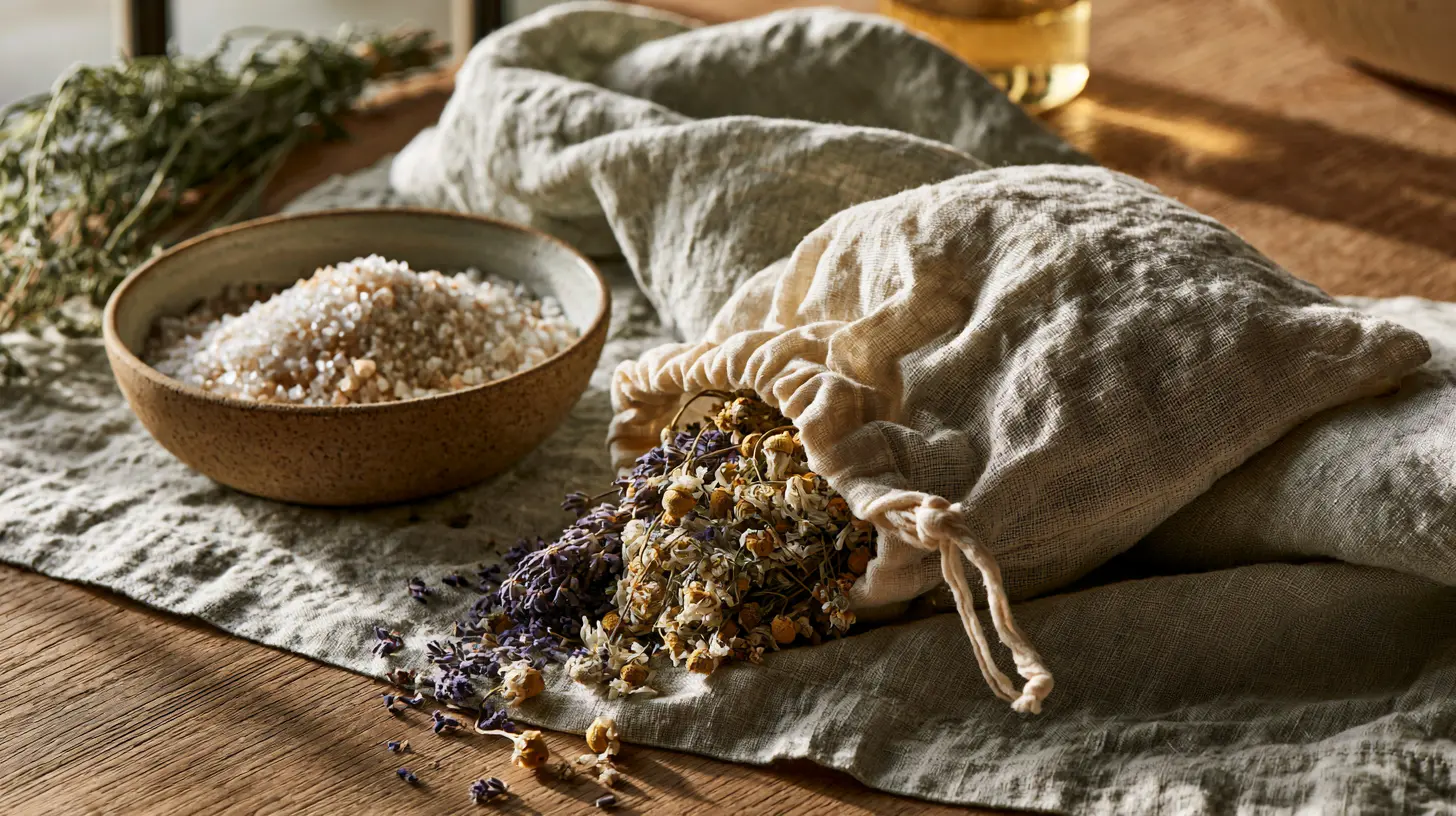
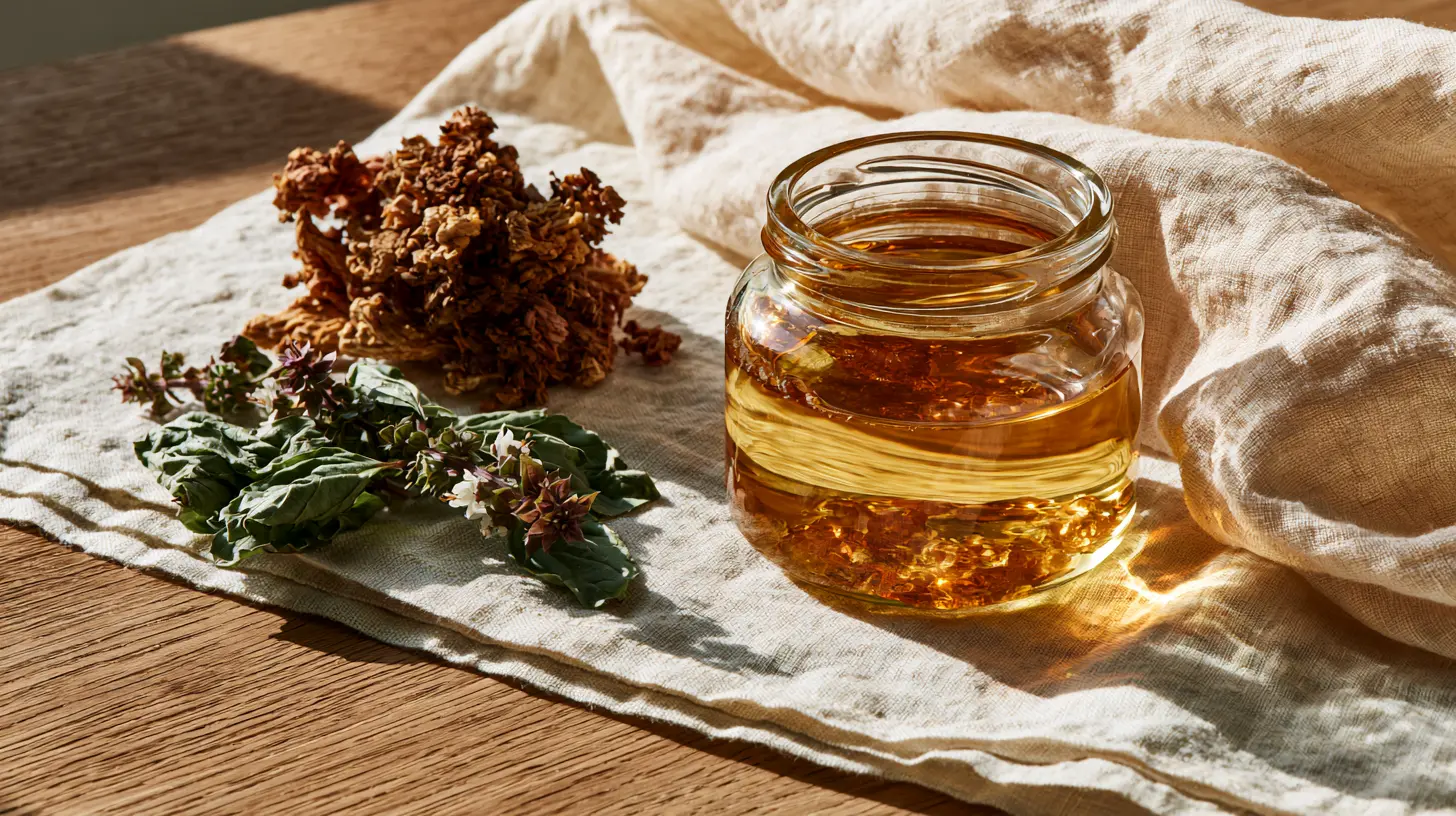
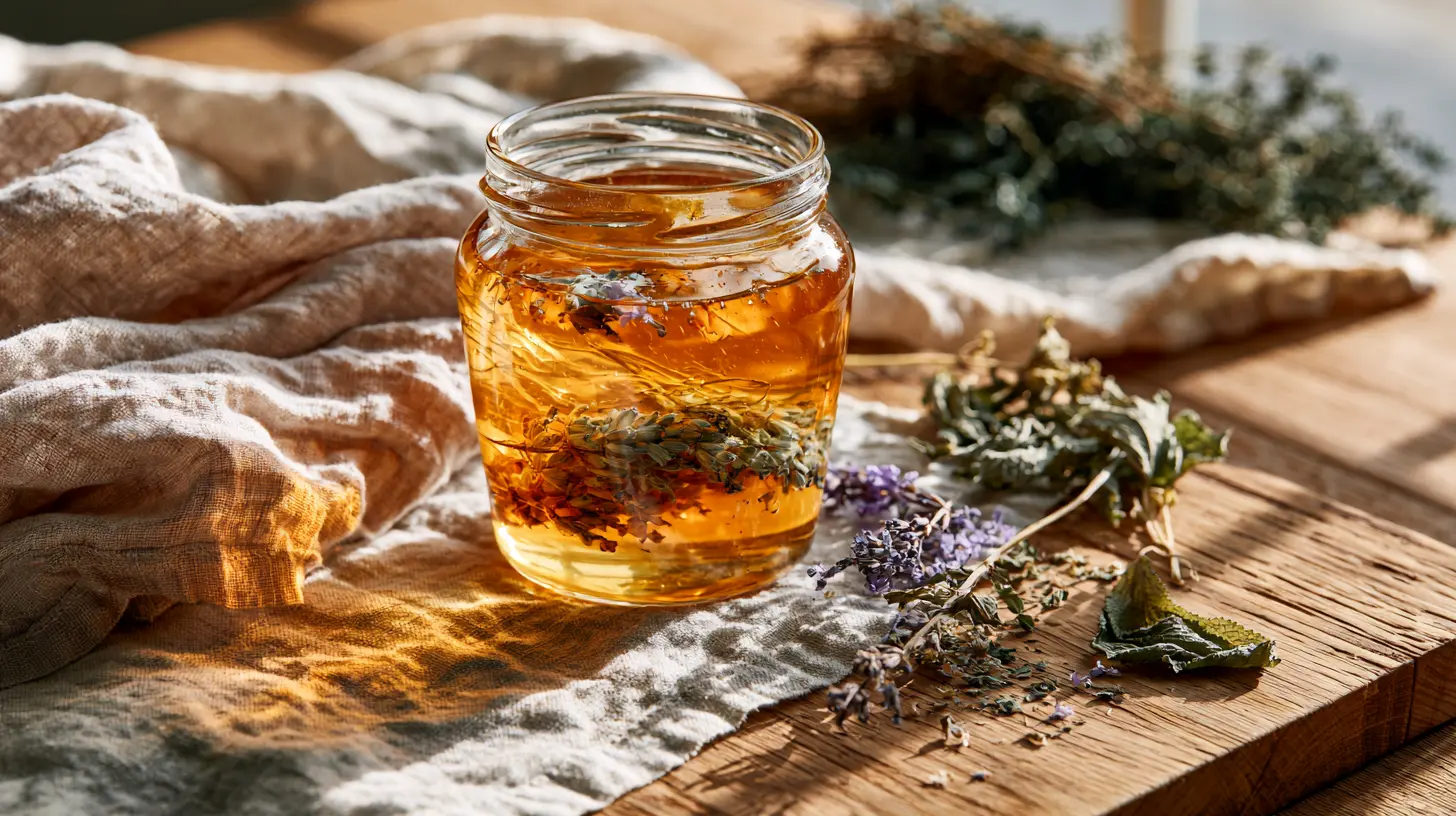
Herbal Products with Acute Stress Herbs
If tea isn’t practical in the moment (say, you’re stress-sweating in a conference room), these herbs also come in other forms:
- Teas — Easiest entry point; great for a deliberate wind-down ritual. [Product Link]
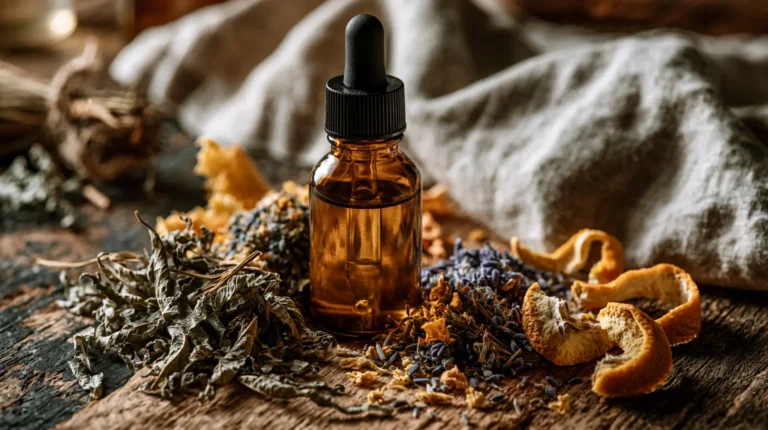
- Tinctures — Fast-acting liquid extracts you can carry in a bag and take sublingually within seconds. [Product Link]
- Capsules — A no-taste, no-prep option for herbs like ashwagandha and rhodiola when you need convenience. [Product Link]
- Bath Soaks — Lavender or chamomile-infused soaks are a good end-of-day reset after an acutely stressful day. [Product Link]
- Roll-On Aromatherapy Blends — Lavender or lemon balm essential oil blends for a quick sensory reset at your desk. [Product Link]
Comparison of Herbs
| Herb | Best For | How to Use |
|---|---|---|
| Ashwagandha | General stress-response support | Capsule or powder, daily |
| Holy Basil (Tulsi) | Calm alertness without drowsiness | Tea or tincture |
| Lemon Balm | Fast mood lift, tension relief | Tea or tincture |
| Chamomile | Racing mind, nervous stomach | Tea |
| Passionflower | Racing thoughts, acute worry | Tea or tincture |
| Lavender | Sudden physical tension | Tea, aromatherapy, or bath soak |
| Skullcap | Overstimulated nervous system | Tincture or tea |
| Valerian Root | Physical tension, restlessness | Tincture or capsule |
| Rhodiola | Mental clarity under short-term pressure | Capsule, taken before a stressful event |
Learn More About Acute Stress
What Acute Stress Is Acute stress is the body’s immediate, short-lived reaction to a specific stressor — a near-miss in traffic, a tough conversation, a looming deadline. It’s different from chronic stress, which is a prolonged, ongoing state with no clear “off” switch, and different from digestive stress, which centers specifically on gut-related symptoms rather than a whole-body alarm response. Acute stress is defined by its trigger-and-resolve pattern: something happens, your body reacts intensely, and then — ideally — it resolves once the trigger passes.
How It Shows Up
- Racing heart or pounding pulse
- Sweaty palms or a sudden flush of heat
- Shallow, rapid breathing
- Tight chest, clenched jaw, or tense shoulders
- A sudden urge to freeze, flee, or snap at someone
- Difficulty focusing on anything other than the stressor
- Stomach “drop” or a wave of nausea
Why It Happens Acute stress is your sympathetic nervous system’s fight-or-flight response in action. The moment your brain perceives a threat — real or perceived — it signals the release of adrenaline and cortisol, redirecting blood flow to your muscles, sharpening your senses, and putting digestion and other “non-essential” functions on pause. This response is ancient and protective, designed to help you react quickly to danger. The catch: your nervous system doesn’t distinguish well between a genuine threat and a stressful email, so it fires the same alarm either way.
Types of Stress, Explained — Plus Herbal Support for Each
Q&A
Q: How fast do calming herbs work for acute stress? A: Teas and tinctures tend to act within 20–40 minutes, though effects vary by person and herb. Tinctures are generally faster-acting than teas or capsules since they’re absorbed more quickly.
Q: Can I combine several of these herbs at once? A: Many of these herbs are traditionally blended (like in the Rescue Calm Tea recipe above), but start with one or two to see how your body responds before combining several, especially at higher doses.
Q: Is ashwagandha safe to take every day, or just during stressful moments? A: Ashwagandha is typically taken daily as a long-term adaptogen rather than an as-needed remedy. For an in-the-moment response, herbs like lemon balm, chamomile, or passionflower tend to be better suited.
Q: Will these herbs make me drowsy at work? A: Herbs like valerian and skullcap can be mildly sedating for some people, so it’s worth testing them at home first. Lemon balm, holy basil, and chamomile are generally considered calming without being sedating for most people.
Q: Who should avoid these herbs? A: Pregnant or breastfeeding individuals, people on sedative or thyroid medications, and those with autoimmune conditions should check with a healthcare provider before use, since several of these herbs (especially ashwagandha and valerian) can interact with medications or hormone-sensitive conditions.
Q: Can herbs replace stress-management techniques like breathing exercises? A: Herbs work best as a support alongside — not a replacement for — techniques like deep breathing, movement, or talking to someone. Combining both tends to be more effective than either alone.
References
- National Center for Complementary and Integrative Health. Ashwagandha: Usefulness and Safety. nccih.nih.gov/health/ashwagandha
- National Center for Complementary and Integrative Health. Chamomile: Usefulness and Safety. nccih.nih.gov/health/chamomile
- National Center for Complementary and Integrative Health. Anxiety and Complementary Health Approaches: What the Science Says. nccih.nih.gov/health/providers/digest/anxiety-and-complementary-health-approaches-science
- Mount Sinai Health System. Lemon Balm. mountsinai.org/health-library/herb/lemon-balm
- Office of Dietary Supplements, National Institutes of Health. Ashwagandha: Is it Helpful for Stress, Anxiety, or Sleep? — Health Professional Fact Sheet. ods.od.nih.gov/factsheets/Ashwagandha-HealthProfessional
- National Center for Complementary and Integrative Health. Herb-Drug Interactions: What the Science Says. nccih.nih.gov/health/providers/digest/herb-drug-interactions-science
Safety Tips
- Start with one herb at a time and a low dose to see how your body responds.
- Check with a healthcare provider before use if you’re pregnant, breastfeeding, or taking prescription medications — especially sedatives, thyroid medication, or blood thinners.
- Avoid combining sedating herbs (like valerian or skullcap) with alcohol or other sedatives.
- Choose reputable, third-party-tested brands, since herbal supplement quality and potency can vary widely.
- If acute stress is frequent, intense, or disrupting daily life, consider speaking with a healthcare provider — herbs are a support, not a substitute for care.
Disclaimer
This article is for educational purposes only and is not intended as medical advice. It is not a substitute for professional medical diagnosis, treatment, or care. Always consult a qualified healthcare provider before starting any new herbal remedy, especially if you are pregnant, nursing, managing a health condition, or taking medication.