


Cayenne is the hot red pepper made from pungent Capsicum fruits. It is used around the world as a culinary spice and has a long history in herbal traditions as a warming, stimulating herb.
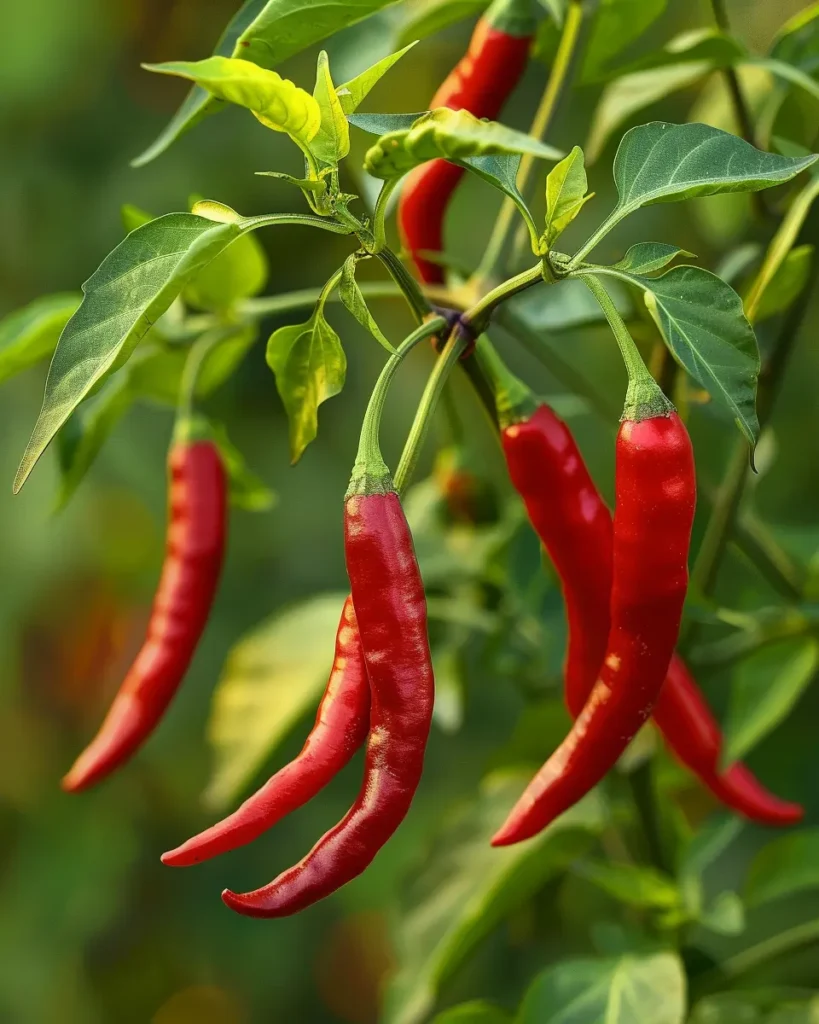
Cayenne (Capsicum annuum / Capsicum frutescens)
Traditional Uses of Cayenne
Digestion: Cayenne is traditionally used as a warming digestive stimulant. Its spicy taste encourages saliva, gastric secretions, and that unmistakable “yes, I am awake now” feeling.
Circulation: Herbalists often describe cayenne as a circulatory stimulant because it brings warmth and movement to the body. This use is traditional and should not be confused with treating heart or blood vessel conditions.
Muscles and Joints: Cayenne’s best-studied modern use is topical capsaicin, which is used in creams and patches for localized nerve, muscle, and joint discomfort.
Metabolism: Capsaicin, the spicy compound in cayenne, has been studied for its effects on thermogenesis, appetite, energy expenditure, and metabolic markers.
“Cayenne is the herb that knocks politely once, then enters with a marching band.”
Available Cayenne Products
Cayenne Pepper Capsules — Capsules/Tablets
A concentrated pepper supplement standardized by heat units, traditionally used to support metabolism and circulation.
Buy Cayenne Pepper Capsules
Cayenne Pepper Liquid Extract — Tincture/Liquid Extract
A fast-absorbing, alcohol-free liquid extract taken in drops, traditionally used to support digestion and overall well-being.
Buy Cayenne Pepper Liquid Extract
Capsaicin Pain Relief Cream — Topical Cream
A cayenne-derived capsaicin cream applied to skin to relieve minor muscle and joint pain from arthritis, strains, and sprains.
Buy Capsaicin Pain Relief Cream
Cayenne Pepper Powder — Powder
Ground dried cayenne pepper used as a culinary spice or mixed into water and beverages for a metabolism-boosting kick.
Buy Cayenne Pepper Powder
⚠️ These are dietary supplements/topical products — not evaluated by the FDA for treating disease. Capsaicin cream can cause a burning sensation on application — always wash hands thoroughly afterward and avoid contact with eyes, mucous membranes, and broken skin. Oral cayenne in supplement doses may irritate the digestive tract and interacts with certain blood pressure and blood-thinning medications. Not recommended in medicinal doses during pregnancy or nursing without medical guidance. Check with a healthcare provider before use.
Key Herbal Actions
Cayenne is known as a stimulant, rubefacient, digestive stimulant, carminative, circulatory stimulant, analgesic topical, antioxidant, anti-inflammatory, sialagogue, and metabolic stimulant.
Stimulant
A stimulant herb encourages warmth, movement, and activity in the body. Cayenne’s heat makes it one of the clearest examples of a warming stimulant herb.
Rubefacient
A rubefacient brings blood flow to the surface of the skin, creating warmth and redness. Cayenne does this through capsaicin, which activates heat-sensitive nerve receptors in the skin.
Digestive Stimulant
A digestive stimulant supports digestive secretions through taste, heat, and sensory activation. Cayenne’s pungency encourages salivation and may support appetite and digestive readiness.
Carminative
A carminative helps ease gas and digestive stagnation in traditional herbal language. Cayenne is often used in tiny amounts with other digestive herbs to bring warmth to the formula.
Circulatory Stimulant
A circulatory stimulant is traditionally understood to support warmth and movement. Cayenne has long been used by herbalists when a formula needs a “spark plug.”
Analgesic Topical
Topical capsaicin is studied for its ability to reduce pain signaling over time. It initially creates heat and irritation, then can desensitize certain sensory nerves with repeated use.
Antioxidant
Cayenne contains carotenoids, vitamin C, and phenolic compounds that contribute antioxidant activity. These compounds help explain some of cayenne’s broader wellness research.
Anti-inflammatory
Capsaicin has been studied for its effects on inflammatory signaling. This does not mean cayenne is an anti-inflammatory treatment, but it helps explain why it is researched in topical and metabolic contexts.
Sialagogue
A sialagogue encourages saliva flow. Anyone who has tasted cayenne knows this action does not need much explanation.
Metabolic Stimulant
Capsaicin is studied for thermogenesis, energy expenditure, appetite, and fat oxidation. Human results are mixed, and effects are usually modest.
Active Compounds and Extraction
Cayenne contains capsaicinoids, carotenoids, flavonoids, phenolic acids, vitamin C, volatile compounds, fatty acids, minerals, and polysaccharides.
Capsaicinoids
Capsaicinoids are the spicy compounds in cayenne. Capsaicin and dihydrocapsaicin are the main ones, and they activate TRPV1 receptors, the heat-sensitive receptors involved in burning sensation, warmth, and pain signaling.
Best extraction: alcohol, oil, vinegar, or topical cream base.
To make a simple cayenne tincture, cover dried cayenne powder or chopped dried peppers with alcohol in a jar, shake regularly, and strain after 2–4 weeks. Use carefully because cayenne tincture is very strong.
Capsaicin
Capsaicin is the best-known active compound in cayenne. Topically, it overstimulates TRPV1 receptors, which can lead to temporary desensitization of pain signaling with repeated use.
Best extraction: oil, alcohol, or standardized topical preparation.
To make cayenne infused oil, combine dried cayenne with olive oil in a clean jar and warm gently using a low-heat water bath for 1–2 hours. Strain through cloth and use externally only on intact skin.
Carotenoids
Carotenoids are red, orange, and yellow plant pigments. In cayenne, they contribute color and antioxidant activity, and some carotenoids are fat-soluble.
Best extraction: oil or food with fat.
Cayenne used in oil-based cooking, infused oils, or dressings helps extract fat-soluble carotenoids. Avoid burning the spice, because high heat damages flavor and delicate compounds.
Flavonoids
Flavonoids are antioxidant plant compounds. Capsicum fruits contain flavonoids such as quercetin and luteolin derivatives, which contribute to the pepper’s antioxidant profile.
Best extraction: hot water, alcohol, or food use.
A light cayenne infusion can be made by adding a very small pinch of cayenne to hot water or herbal tea. Start tiny; cayenne does not believe in being subtle.
Phenolic Acids
Phenolic acids are antioxidant compounds found in many colorful plants. In cayenne, they contribute to antioxidant activity and may support the broader effects studied in metabolic and inflammatory research.
Best extraction: water-alcohol tincture or food use.
Cayenne used as a culinary spice is a practical way to access these compounds. A tincture extracts both water- and alcohol-soluble constituents.
Vitamin C
Fresh Capsicum peppers can contain vitamin C, though dried cayenne powder usually contains less due to drying and storage. Vitamin C supports normal immune function and collagen formation.
Best extraction: fresh food use.
Fresh cayenne peppers are best used in sauces, salsas, vinegars, or cooked foods. For vitamin C, fresh peppers are more relevant than long-stored powder.
Volatile Compounds
Volatile compounds contribute aroma and flavor. They are more delicate than capsaicin and fade with time, heat, and poor storage.
Best extraction: fresh use or quick culinary preparation.
Use fresh cayenne in food or add dried cayenne near the end of cooking to preserve more aroma.
Minerals
Cayenne contains small amounts of minerals such as potassium and magnesium. These are nutritionally minor at typical spice amounts but contribute to the whole-food profile.
Best extraction: food use.
Because cayenne is used in small quantities, it should not be relied on as a mineral supplement. Its main value is pungency and bioactive plant chemistry.
Harvesting and Storing Right
Cayenne peppers are usually harvested when fully red and mature, though they can be used fresh before drying. Harvest on a dry day after dew has evaporated.
Fresh peppers can be stored in the refrigerator for about 1–2 weeks. For drying, string the peppers or place them in a dehydrator at low heat until fully dry and brittle.
Dried whole cayenne peppers keep their strength longer than powder. Store whole dried peppers or powder in airtight containers away from light, heat, and moisture. Whole dried peppers are best within 1–2 years, while ground cayenne is usually best within 6–12 months. Infused oils should be stored carefully and used within a few months; discard if they smell rancid or show signs of spoilage.
Body Functions Cayenne can Support
Cayenne can support the digestion system, circulation, metabolism, muscles and joints, respiratory system, skin, nervous system, immune system, energy and vitality, and brain.
Digestion System
Cayenne’s heat stimulates saliva and digestive awareness. In small culinary amounts, it may support appetite and digestive warmth, but larger amounts can irritate reflux, ulcers, or sensitive stomachs.
Circulation
Cayenne is traditionally used as a warming circulatory herb. This means it may help create a sensation of warmth and movement, not that it treats circulation disorders.
Metabolism
Capsaicin has been studied for thermogenesis, appetite, energy expenditure, and metabolic markers. Effects in human studies are generally modest and vary by dose, tolerance, and diet.
Muscles and Joints
Topical capsaicin is one of cayenne’s most researched uses. It may create heat first, then gradually reduce local pain signaling when used repeatedly in properly formulated products.
Respiratory System
Cayenne’s pungency can temporarily stimulate mucus flow, tears, and nasal secretions. This is why spicy foods may briefly make the nose run, though it should not be used as a treatment for respiratory illness.
Skin
Cayenne is used externally as a rubefacient to warm the skin. It must be used with care because capsaicin can burn, irritate, or blister sensitive skin.
Nervous System
Capsaicin acts on sensory nerves through TRPV1 receptors. This is why it creates a burning sensation and why repeated topical exposure may change pain signaling in a local area.
Immune System
Cayenne contains antioxidant compounds, and fresh peppers provide vitamin C. As a spice, it may support overall wellness as part of a varied diet, but it is not an immune “booster” or cure.
Energy and Vitality
Cayenne is warming and stimulating, so it can feel energizing. This is a sensory stimulation effect, not the same as caffeine or an adaptogen.
Brain
Capsaicin activates sensory pathways and has been studied for nervous system signaling. Research is still developing, so cayenne is best described as a pungent spice with interesting neuroactive compounds rather than a brain herb.
Safety and Practical Considerations
Cayenne is powerful. In food amounts, many people tolerate it well, but concentrated products can cause burning, stomach upset, reflux, nausea, sweating, runny nose, coughing, or skin irritation.
Avoid cayenne internally if you have active ulcers, severe reflux, inflammatory bowel flare-ups, or strong sensitivity to spicy foods unless guided by a qualified professional. Keep cayenne away from eyes, broken skin, genitals, mucous membranes, and children’s hands.
Topical cayenne and capsaicin products should be used only on intact skin. Wash hands thoroughly after use, or wear gloves. Do not apply heat packs over capsaicin products, because this can increase burning and irritation.
Caution is wise for people taking blood thinners, blood pressure medications, diabetes medications, stomach acid medications, or multiple prescriptions. Cayenne may also irritate the digestive tract and can affect how some people tolerate medications.
Pregnant or breastfeeding people should avoid medicinal amounts and topical high-strength products unless supervised by a healthcare professional. Children, older adults, and sensitive individuals should use extra caution.
FAQ
What does cayenne taste like?
Cayenne tastes hot, sharp, pungent, and slightly earthy. Its heat builds quickly, especially in powder or tincture form.
When is the best time to use cayenne?
Cayenne is usually best used with food rather than on an empty stomach. As a warming spice, it often fits better earlier in the day or with meals.
Is fresh or dried cayenne better?
Fresh cayenne is best for sauces, vinegars, and fresh food preparations. Dried cayenne powder is more common for spice blends, capsules, salves, and herbal formulas.
Is cayenne tea, tincture, or capsule better?
Cayenne tea is uncommon except in tiny amounts added to other teas. Tincture is strong and used in drops, while capsules hide the taste but may still irritate the stomach.
Can cayenne be used daily?
Small culinary amounts are commonly used daily in many diets. Concentrated cayenne supplements should be approached carefully, especially if digestion, medications, pregnancy, or health conditions are involved.
How should cayenne be stored?
Store cayenne powder in a tightly closed jar away from heat, light, and moisture. Whole dried peppers keep their flavor and heat longer than powder.
Does cayenne combine well with other herbs?
Yes, cayenne is often used in tiny amounts with ginger, turmeric, garlic, cinnamon, hawthorn, or digestive bitters. It is a “little goes a long way” herb.
Is cayenne safe for everyone?
No. People with reflux, ulcers, bowel inflammation, medication use, pregnancy, breastfeeding, sensitive skin, or strong spice sensitivity should be cautious.
Can cayenne be used for pets?
Cayenne is generally not appropriate for casual pet use. It can irritate the mouth, stomach, eyes, and skin, so pet use should only happen under veterinary guidance.
Is cayenne the same as capsaicin?
Not exactly. Cayenne is the whole pepper or spice, while capsaicin is one active compound found in cayenne and other hot peppers.
Disclaimer
This content is educational only. It is not medical advice, diagnosis, or treatment. Herbs may interact with medications or health conditions. People who are pregnant, breastfeeding, managing a medical condition, taking prescription medications, or preparing for surgery should consult a qualified healthcare professional before using herbs.
References
EMA: Capsici fructus – Herbal Medicinal Product
https://www.ema.europa.eu/en/medicines/herbal/capsici-fructus
EMA: Community Herbal Monograph on Capsicum annuum L. var. minimum and Capsicum frutescens L., fructus
https://www.ema.europa.eu/en/documents/herbal-monograph/draft-community-herbal-monograph-capsicum-annuum-l-var-minimum-miller-heiser-and-small-fruited-varieties-capsicum-frutescens-l-fructus_en.pdf
Memorial Sloan Kettering Cancer Center: Cayenne
https://www.mskcc.org/cancer-care/integrative-medicine/herbs/cayenne
Memorial Sloan Kettering Cancer Center: Capsaicin
https://www.mskcc.org/cancer-care/integrative-medicine/herbs/capsaicin
NIH / PubMed Central: A Review of the Effects of Capsicum annuum L. and Its Constituent, Capsaicin
https://pmc.ncbi.nlm.nih.gov/articles/PMC6000222/
NIH / PubMed Central: Spicy Food and Chili Peppers and Multiple Health Outcomes
https://pmc.ncbi.nlm.nih.gov/articles/PMC10078540/
PubMed: The Effect of Red Pepper/Capsaicin on Blood Pressure and Heart Rate
https://pubmed.ncbi.nlm.nih.gov/34676607/
NIH / PubMed Central: Minimal Influence of Cayenne Pepper on the Human Gut Microbiota
https://pmc.ncbi.nlm.nih.gov/articles/PMC9695709/
PubMed: Capsaicin and Gut Microbiota in Health and Disease
https://pubmed.ncbi.nlm.nih.gov/33276488/