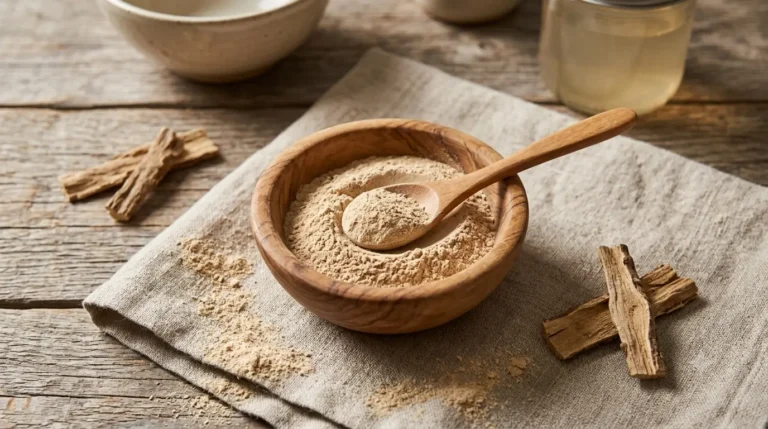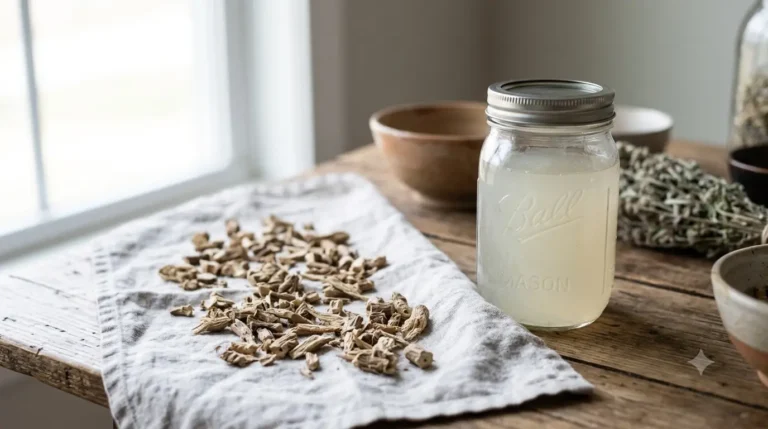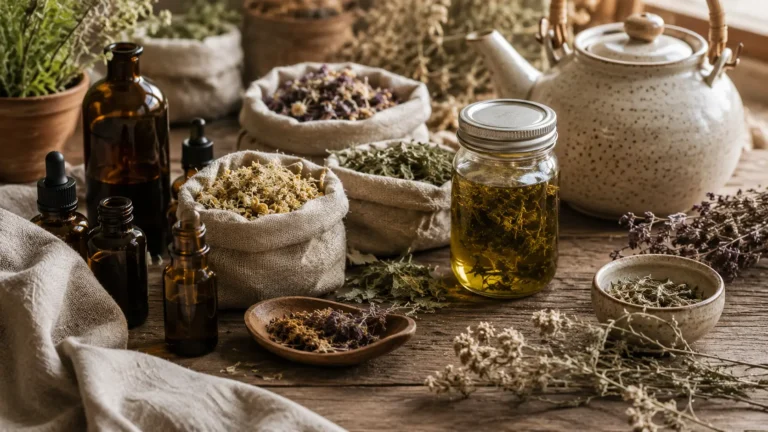
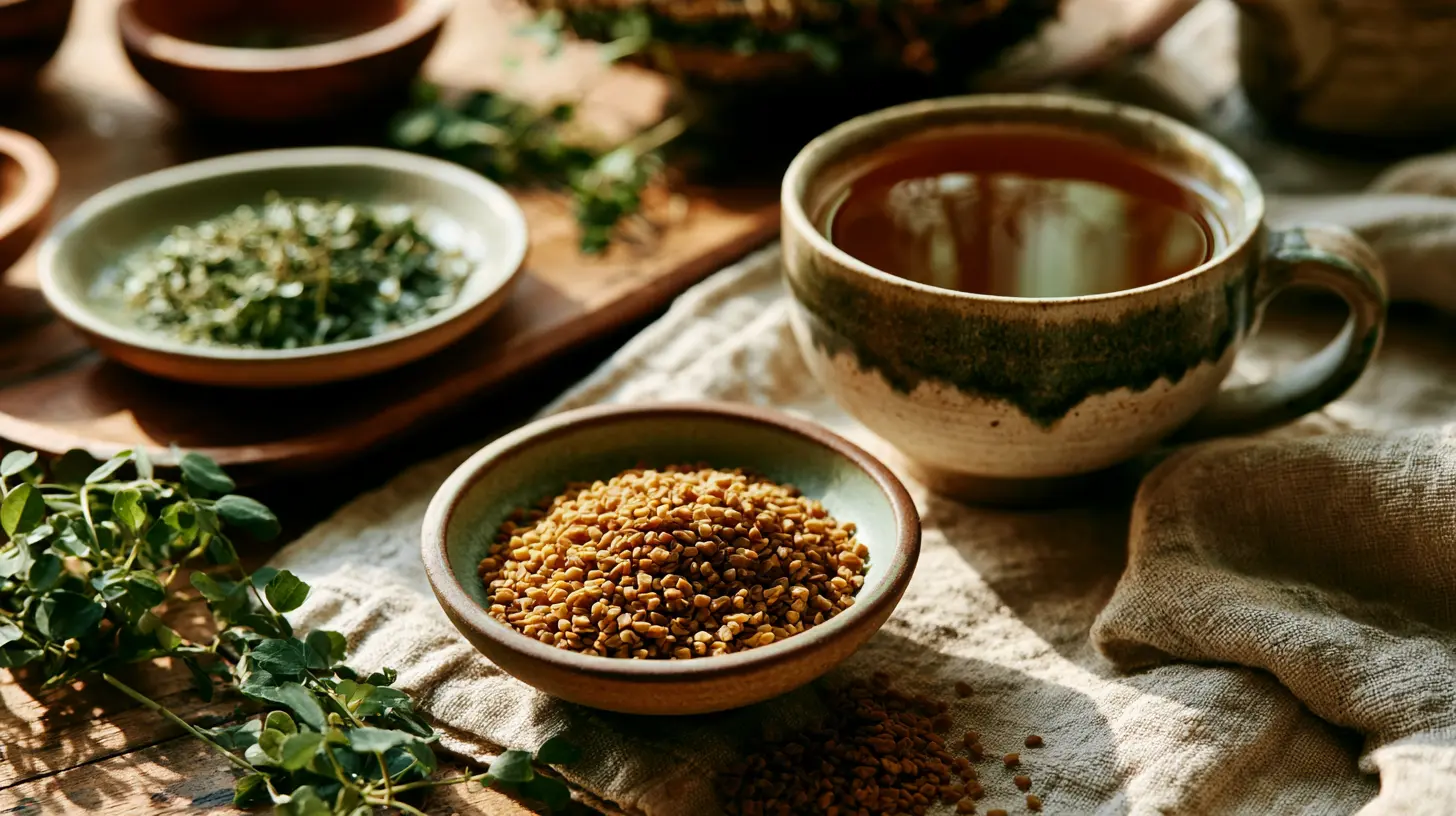
Traditionally, fenugreek seed has been used to support digestion, appetite, lactation, metabolic wellness, and everyday nourishment. It is a food herb with a long history, but it is also strong enough that concentrated supplements deserve real caution. Fenugreek may smell like breakfast syrup, but it should not be treated like candy.
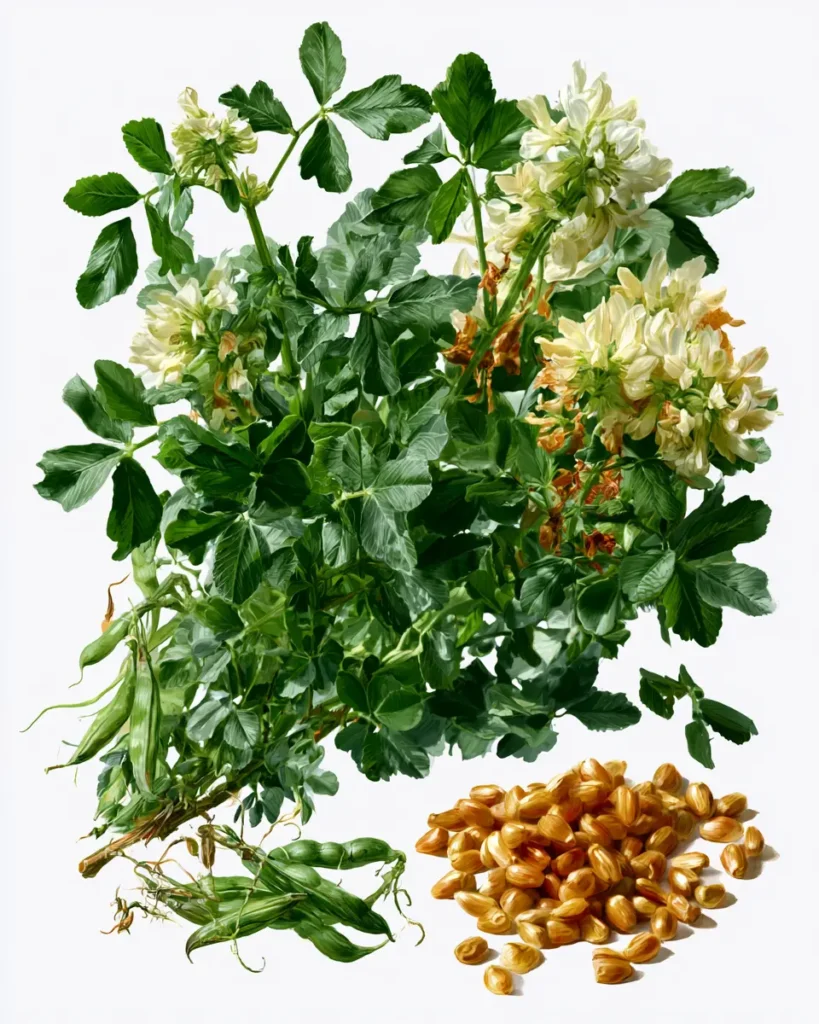
Fenugreek (Trigonella foenum-graecum)
Traditional Uses of Fenugreek
Digestive Support: Fenugreek seed is traditionally used to support appetite, digestion, and post-meal comfort.
Lactation Support: Fenugreek has a long history as a galactagogue, meaning it has been used to support breast milk production, though evidence is mixed and safety guidance is important.
Metabolic Wellness: Modern research has explored fenugreek seed for blood sugar and lipid markers, especially because of its soluble fiber and saponin content.
Respiratory and Throat Comfort: Its mucilage gives fenugreek a soothing quality in traditional teas and porridges.
“Fenugreek is the seed that smells like maple syrup but behaves more like a serious herbal multitasker.”
Available Fenugreek Products
Whole Fenugreek Seeds
Whole fenugreek seeds are the most common traditional form. They are used in cooking, teas, soaked preparations, spice blends, and sprouting. Good seeds should smell sweet, warm, bitter-maple, and fresh.
Ground Fenugreek
Ground fenugreek is convenient for cooking, capsules, and powdered formulas. It loses aroma faster than whole seed, so it is best bought in small amounts and stored tightly sealed.
Fenugreek Tea
Fenugreek tea is made from crushed or simmered seeds. It has a bitter, maple-like taste and is often used after meals or in soothing herbal blends.
Fenugreek Water
Fenugreek water is made by soaking seeds in water, often overnight. This releases mucilage and creates a slightly thick, bitter liquid traditionally used for digestive and metabolic wellness routines.
Fenugreek Capsules
Capsules may contain powdered seed, seed extract, or standardized extract. They are convenient, but they can be more concentrated than culinary use, so label directions and professional guidance matter.
Fenugreek Tablets
Tablets are common in supplements marketed for blood sugar, lactation, or men’s wellness. Check the serving size, extract type, and whether it is combined with other active herbs or nutrients.
Fenugreek Tincture
Fenugreek tincture is less common than seed, powder, or capsules, but it can be made as an alcohol-water extract. It may capture some bitter and saponin compounds, though water preparations are especially important for mucilage.
Fenugreek Glycerite
A glycerite is an alcohol-free liquid extract made with vegetable glycerin. It may be useful for people avoiding alcohol, though it is usually milder than tincture and not the classic preparation for fenugreek.
Fenugreek Sprouts
Fenugreek seeds can be sprouted and eaten as a food. Sprouts have a fresh bitter flavor and should be prepared with careful hygiene because sprouts can carry food-safety risks if contaminated.
Fenugreek Leaves
Fenugreek leaves, often called methi, are used fresh or dried in cooking. They are not the same as the seed medicinally, but they are an important culinary form of the plant.
Key Herbal Actions
Fenugreek is known as a demulcent, nutritive tonic, carminative, digestive bitter, galactagogue, metabolic-support herb, expectorant, antioxidant, hypoglycemic-supportive herb, and lipid-metabolism-support herb.
Demulcent
A demulcent herb contains soothing, slippery compounds that coat irritated tissues. Fenugreek seed contains mucilage, which explains its softening quality in teas, porridges, and soaked preparations.
Nutritive Tonic
A nutritive tonic provides food-like support over time. Fenugreek seed contains fiber, protein, minerals, and plant compounds that make it both a culinary seed and an herbal ingredient.
Carminative
A carminative supports the release of digestive gas. Fenugreek is not as aromatic as fennel or dill, but it has traditional digestive use, especially in spice blends.
Digestive Bitter
Fenugreek has a noticeable bitter taste. Bitter herbs can support appetite and digestive readiness, especially when used before or with meals.
Galactagogue
A galactagogue is an herb traditionally used to support breast milk production. Fenugreek is one of the best-known traditional galactagogues, but research results are mixed and safety during breastfeeding is not fully settled.
Metabolic-Support Herb
Fenugreek has been studied for blood sugar and lipid markers. Its soluble fiber, saponins, and amino acid compounds help explain why it is used in metabolic wellness formulas.
Expectorant
Fenugreek’s mucilage makes it traditionally useful in soothing respiratory and throat formulas. It is not a strong expectorant like elecampane, but it can support comfort in warm teas.
Antioxidant
Fenugreek contains flavonoids, phenolic compounds, and saponins that contribute to antioxidant activity in research settings.
Hypoglycemic-Supportive Herb
Fenugreek may influence blood sugar levels, especially in concentrated or high-dose forms. This action is why people taking diabetes medication need professional guidance.
Lipid-Metabolism-Support Herb
Fenugreek seed has been studied for cholesterol and triglyceride markers. This does not mean it replaces medical care, but it is one reason it appears in heart and metabolic wellness formulas.
Active Compounds and Extraction
Fenugreek contains galactomannan mucilage, soluble fiber, steroidal saponins, diosgenin, protodioscin, trigonelline, 4-hydroxyisoleucine, flavonoids, quercetin, luteolin, alkaloids, coumarins, proteins, fixed oils, and minerals.
Galactomannan Mucilage
Galactomannan is a soluble fiber that becomes thick and soothing when mixed with water. It contributes to fenugreek’s demulcent quality and may also help explain its effects on post-meal blood sugar and cholesterol markers.
Best extraction: Soaking, hot infusion, or simmered decoction.
To make fenugreek water, soak 1 teaspoon of seeds in 1 cup of water overnight, then strain. For tea, lightly crush the seeds and simmer for 10–15 minutes.
Soluble Fiber
Fenugreek seed is rich in soluble fiber, which slows digestion and forms a gel-like texture in water. This fiber is important for digestive comfort and metabolic research.
Best extraction: Soaked seed, porridge, powder, or whole food use.
Using the soaked seeds or powder provides more fiber than drinking strained tea. Start small, because too much fiber too quickly can cause gas or bloating.
Steroidal Saponins
Steroidal saponins are plant compounds with a slightly bitter quality. In fenugreek, they are studied in relation to lipid metabolism and hormone-related chemistry.
Best extraction: Decoction, tincture, or standardized extract.
A simmered seed preparation extracts some saponins. Alcohol-water extracts and capsules may provide more concentrated amounts.
Diosgenin
Diosgenin is a steroidal sapogenin found in fenugreek. It is used industrially as a starting material for steroid synthesis, but eating fenugreek does not mean the body turns it into hormones.
Best extraction: Alcohol-water extract or concentrated seed extract.
Diosgenin is better captured in extracts than in a quick tea. Whole seed preparations still provide a broader food-like profile.
Protodioscin
Protodioscin is a saponin compound found in fenugreek and some other plants. It contributes to fenugreek’s saponin-rich chemistry and appears in research on metabolic and reproductive wellness.
Best extraction: Tincture, decoction, or standardized extract.
Crushing the seeds before extraction improves contact with water or alcohol. Whole hard seeds extract more slowly.
Trigonelline
Trigonelline is an alkaloid found in fenugreek and coffee. It is one of the compounds studied in relation to glucose metabolism and antioxidant activity.
Best extraction: Hot water infusion, decoction, or tincture.
Trigonelline is water-soluble enough for tea and decoction. Simmering crushed seeds gives a stronger extraction than a quick steep.
4-Hydroxyisoleucine
4-hydroxyisoleucine is an unusual amino acid found in fenugreek seed. It has been studied for effects related to insulin secretion and blood sugar metabolism.
Best extraction: Water-based preparations or standardized extract.
Tea, soaked seed, and powdered seed can provide water-soluble amino acid compounds. Standardized supplements may be stronger and should be used more cautiously.
Flavonoids: Quercetin and Luteolin
Flavonoids are antioxidant plant compounds. Fenugreek contains flavonoids such as quercetin and luteolin, which contribute to the seed’s broader protective chemistry.
Best extraction: Hot water infusion or alcohol-water tincture.
A covered tea extracts many water-soluble flavonoids. Tincture may capture a broader range of compounds.
Coumarins and Alkaloids
Fenugreek contains several minor coumarin and alkaloid compounds. These contribute to the plant’s complex chemistry and are one reason concentrated use should be approached thoughtfully.
Best extraction: Tincture, decoction, or whole seed use.
For everyday use, culinary amounts and simple water preparations are gentler than high-dose extracts.
Proteins, Fixed Oils, and Minerals
Fenugreek seed contains protein, fixed oils, and minerals that support its role as a food-like herb. These are most relevant when the seed is eaten, powdered, sprouted, or cooked.
Best extraction: Whole food use, powder, sprouts, or cooked seed.
Add small amounts to curries, dals, breads, soups, or spice blends. Toasting the seeds lightly can reduce bitterness and deepen the flavor.
Harvesting and Storing Right
Fenugreek seeds are harvested when the plant’s pods mature and dry. The pods are cut, dried further, and threshed to release the hard golden-brown seeds.
For home growing, harvest when the pods turn yellow-brown and dry but before they split and scatter. Morning is best after dew has dried. The leaves can be harvested earlier as a culinary green.
Store whole fenugreek seeds in an airtight jar away from heat, light, and moisture. Whole seeds usually keep well for about 1–2 years. Ground fenugreek should be used within about 6 months because it loses aroma and potency more quickly.
Fenugreek powder should be protected from moisture because it can clump. Sprouted fenugreek should be prepared hygienically and eaten fresh. Tinctures generally keep for several years when prepared and stored properly.
Body Functions Fenugreek Can Support
Fenugreek can support digestion system, metabolism, pancreas, reproductive system female, respiratory system, liver support, circulation, immune system, skin, energy and vitality, and reproductive system male.
Digestion System
Fenugreek supports digestion through its bitter taste, mucilage, and fiber. It may be especially useful when digestion needs both stimulation and soothing.
Metabolism
Fenugreek has been studied for blood sugar and lipid markers. Its soluble fiber, saponins, and 4-hydroxyisoleucine help explain its connection to metabolic wellness.
Pancreas
Fenugreek research often focuses on insulin and glucose metabolism, which involves pancreatic function. People with diabetes or blood sugar concerns should use medical guidance because fenugreek may lower blood sugar.
Reproductive System Female
Fenugreek has traditional use as a galactagogue and in menstrual wellness traditions. Because this area can involve pregnancy, breastfeeding, hormones, and infants, professional guidance is important.
Respiratory System
Fenugreek’s mucilage gives it a soothing quality in warm respiratory teas. It is traditionally used when the throat feels dry or irritated, especially in blends with herbs like marshmallow root, thyme, or licorice.
Liver Support
Fenugreek is not a primary liver herb like milk thistle or artichoke leaf, but it has been studied in relation to lipid metabolism and metabolic markers connected with liver wellness. Concentrated use should be cautious because rare liver-related adverse reports exist with supplements.
Circulation
Because blood sugar and lipid metabolism are connected with cardiovascular wellness, fenugreek appears in some circulation and heart-health formulas. This should be framed as supportive wellness use, not treatment for heart disease.
Immune System
Fenugreek contains antioxidant compounds and soothing mucilage. This supports general wellness, but fenugreek should not be described as an immune cure.
Skin
Fenugreek has traditional external use in poultices and skin-softening preparations. Its mucilage can feel soothing externally, though sensitive skin should be patch-tested first.
Energy and Vitality
By supporting digestion and nourishment, fenugreek may indirectly support vitality. It is not a caffeine-like stimulant, but it can be useful when food-based herbal support is desired.
Reproductive System Male
Fenugreek appears in some modern men’s wellness supplements, often marketed for vitality or testosterone support. Evidence varies by extract and product type, so this use should be approached cautiously and without exaggerated claims.
Safety and Practical Considerations
Fenugreek is commonly used as a food spice, and normal culinary amounts are generally well tolerated by many people. Medicinal amounts, high-dose powders, and concentrated extracts require more caution.
Fenugreek is not safe during pregnancy in amounts greater than those used in food. People who are breastfeeding should consult a lactation professional or healthcare provider before using fenugreek to support milk supply because research is mixed and safety data are limited.
Fenugreek may lower blood sugar. People taking insulin, diabetes medications, or blood sugar-lowering supplements should use professional guidance and monitor carefully.
Fenugreek may interact with blood thinners, antiplatelet drugs, diabetes medications, hormone-related medications, and other prescription medicines. People preparing for surgery should discuss supplement use with a qualified healthcare professional.
People allergic to legumes such as peanuts, chickpeas, soy, or peas may be more likely to react to fenugreek. Possible side effects include gas, bloating, diarrhea, nausea, allergic reactions, asthma-like symptoms, and a maple-syrup odor in sweat or urine.
Children, older adults, sensitive individuals, and people with liver disease, kidney disease, hormone-sensitive conditions, or complex medical histories should use extra caution with supplements.
FAQ
What does fenugreek taste like?
Fenugreek tastes bitter, nutty, warm, and slightly maple-like. The aroma can remind people of maple syrup or burnt sugar.
Is fenugreek seed the same as fenugreek leaf?
No. The seed is stronger, more bitter, and more common in herbal preparations. The leaf, often called methi, is mostly used as a culinary green.
When is the best time to use fenugreek?
Fenugreek is often used with meals or before meals for digestive and metabolic wellness routines. For supplements, timing should follow product directions or professional guidance.
Is fenugreek tea, soaked seed, or capsule better?
Tea is gentle and traditional, soaked seed provides mucilage and soluble fiber, and capsules are convenient but more concentrated. The best form depends on the goal and the person’s safety needs.
Can fenugreek be used daily?
Fenugreek can be used regularly in small culinary amounts. Daily medicinal use should be discussed with a qualified healthcare professional, especially for pregnancy, breastfeeding, diabetes, medication use, or hormone-related concerns.
How should fenugreek be stored?
Store whole seeds in a sealed jar away from heat, light, and moisture. Ground fenugreek should be used faster because it loses aroma and freshness more quickly.
Does fenugreek combine well with other herbs?
Yes. Fenugreek combines well with fennel, cumin, coriander, ginger, turmeric, cinnamon, marshmallow root, licorice root, and nettle depending on the purpose of the blend.
Is fenugreek safe for everyone?
No. Fenugreek may not be appropriate for pregnant people, people with legume allergies, people taking diabetes medications or blood thinners, infants, or those with complex health conditions.
Can fenugreek be used for pets?
Pet use should be guided by a veterinarian or qualified animal herbalist. Human fenugreek supplements should not be given casually to animals.
Why does fenugreek make sweat or urine smell like maple syrup?
Fenugreek contains aromatic compounds that can pass into sweat or urine and create a maple-like smell. This effect is usually harmless, but it can be surprising if no one warned you.
Disclaimer
This content is educational only. It is not medical advice, diagnosis, or treatment. Herbs may interact with medications or health conditions. People who are pregnant, breastfeeding, managing a medical condition, taking prescription medications, or preparing for surgery should consult a qualified healthcare professional before using herbs.
References
NCBI Bookshelf: LactMed – Fenugreek
NCBI Bookshelf: LiverTox – Fenugreek
PubMed: Revisiting Trigonella foenum-graecum – Pharmacology and Therapeutic Potentialities
PubMed: The Effect of Fenugreek in Type 2 Diabetes and Prediabetes
PubMed: Effect of Fenugreek on Hyperglycemia – Systematic Review and Meta-Analysis
PubMed: Toxicological Properties of Fenugreek
PubMed: Oral Galactagogues for Increasing Breast Milk Production