Low blood pressure, also called hypotension, can mean blood pressure readings lower than expected, especially when symptoms appear. It may feel like dizziness, faintness, weakness, blurry vision, nausea, fatigue, or that unpleasant “I stood up too fast and briefly left Earth” sensation.
Learn more about Low Blood Pressure
Why It Happens
Low blood pressure can happen when the body lacks enough fluid volume, when blood vessels relax too much, or when the heart, nerves, hormones, or medications affect circulation. Some people naturally have lower numbers and feel fine.
Main Types in Plain Language
Orthostatic hypotension happens when blood pressure drops after standing. Postprandial hypotension happens after meals, especially large meals. Dehydration-related low blood pressure may follow sweating, illness, heat, vomiting, diarrhea, or low fluid intake.
Common Triggers
Common triggers include dehydration, heat, alcohol, prolonged standing, skipped meals, large high-carbohydrate meals, pregnancy, blood loss, anemia, infection, heart conditions, endocrine issues, and some medications.
How It Shows Up Daily
Low blood pressure may show up as morning dizziness, lightheadedness after standing, fatigue after meals, fainting, cold hands, poor focus, or weakness during hot weather. Symptoms matter more than numbers alone.
Traditional Herbal View
Traditional herbalism often looks at low blood pressure through patterns of depletion, low fluid tone, weak digestion, heat exhaustion, or poor circulation. Herbalists may choose mineral-rich herbs, warming aromatics, digestive bitters, hydration support, and gentle tonics.
However, fainting, chest pain, confusion, severe weakness, or sudden symptoms need medical care, not a heroic cup of tea.
How Herbs Can Help Low Blood Pressure
Herbalism often sees low blood pressure as a depleted, under-hydrated, low-tone, or sluggish-circulation pattern, depending on how symptoms appear. Herbalists use mineral-rich nutritives for nourishment, warming circulatory herbs for cold sluggishness, digestive herbs for post-meal heaviness, and moistening herbs when dryness and low fluids dominate. They choose salty mineral broths for dehydration patterns, ginger or rosemary for cold sluggish patterns, and gentler teas when the person feels sensitive or overstimulated. These are herbs traditionally used when low blood pressure happens: nettle, rosehips, ginger, rosemary, lemon balm, oat straw, orange peel, tulsi, cinnamon, gentian root, spearmint, rose petals, ashwagandha, cardamom, peppermint, fennel seed, licorice, green tea, lavender
“Low blood pressure is your body’s way of saying, “Please hydrate before standing up like a dramatic movie character.”
Recipes & Remedies Low Blood Pressure
Herbal Preparations
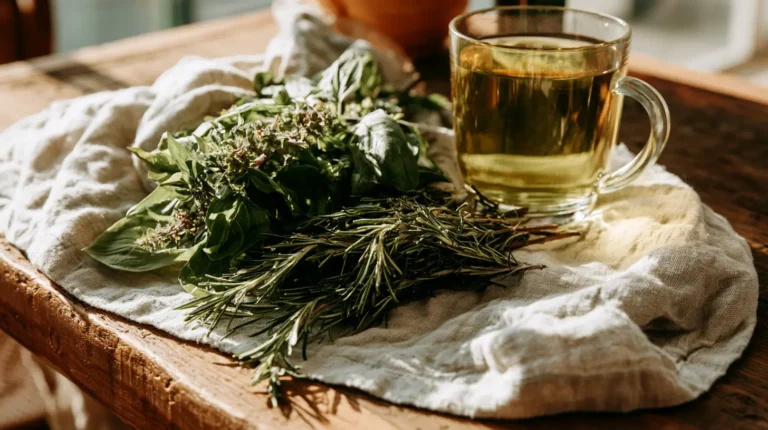
Mineral-Rich Nettle, Oat Straw, and Ginger Hydration Tea
This tea supports hydration, minerals, digestion, and gentle warmth. It works best for mild lightheadedness connected with low fluid intake, heat, or depletion, not for sudden or severe symptoms.
Ingredients
Dried nettle leaf: 1 tablespoon
Dried oat straw: 1 tablespoon
Fresh ginger root: ½ teaspoon grated
Hot water: 2 cups
Lemon juice: 1 teaspoon
Honey: 1 teaspoon, optional
Tiny pinch of sea salt: optional, only if your clinician allows salt
Preparation Instructions
- Place nettle, oat straw, and ginger in a teapot or heat-safe jar.
- Pour hot water over the herbs.
- Cover and steep for 15 minutes.
- Strain well.
- Stir in lemon juice.
- Add honey if desired.
- Add a tiny pinch of sea salt only if extra salt is safe for you.
How to Use
Drink 1 cup slowly during the day.
Do not use this tea as emergency care for fainting, chest pain, confusion, severe weakness, or dehydration.
Avoid extra salt if you have high blood pressure, kidney disease, heart failure, pregnancy complications, or salt restrictions.
Ask your clinician before using nettle if you take blood thinners, diuretics, lithium, diabetes medication, or blood pressure medication.
Food for support Low Blood Pressure
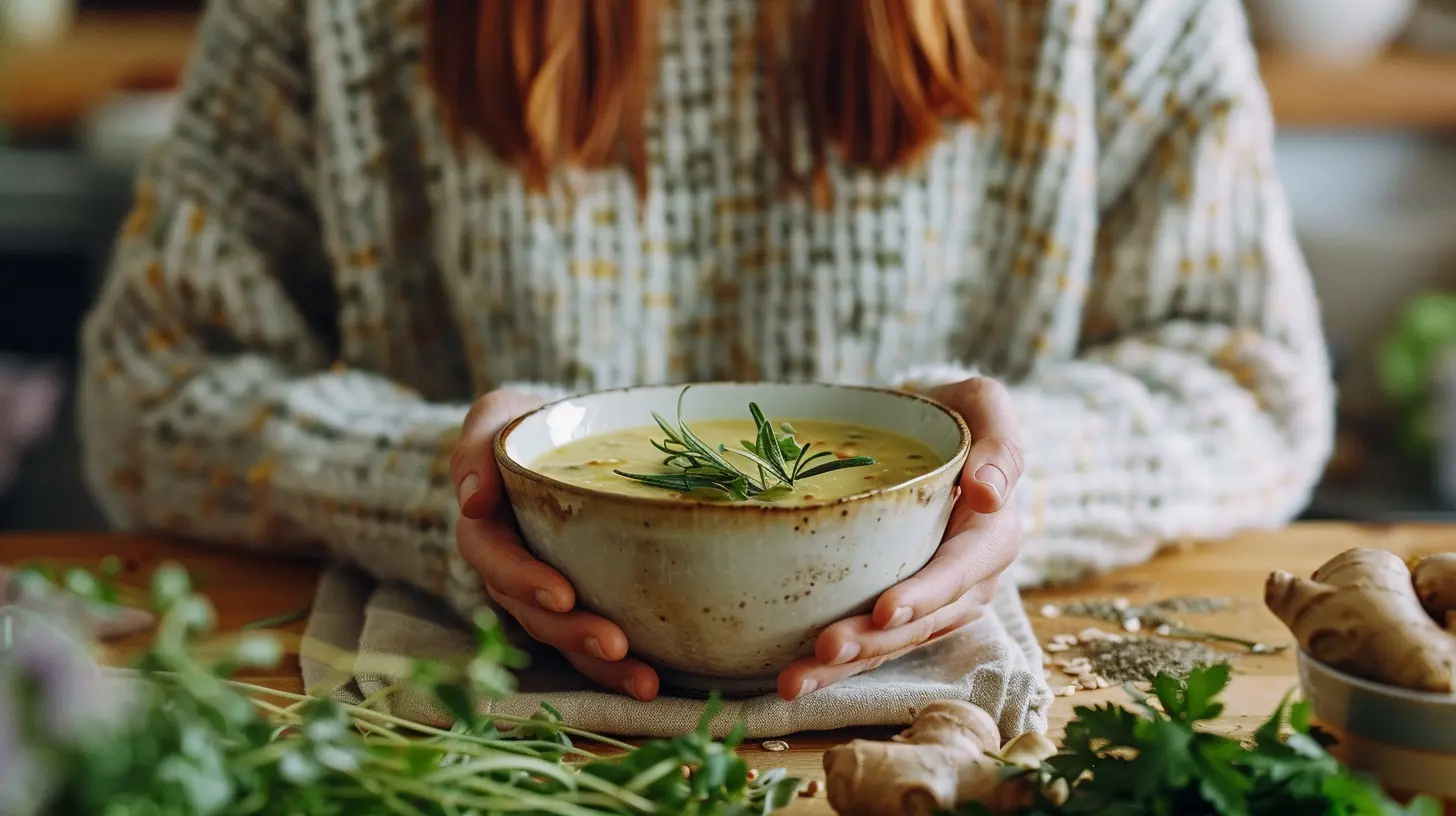
Savory Lentil, Spinach, and Herb Electrolyte Soup
This simple soup supports fluid intake, minerals, protein, fiber, and steady energy. It works especially well when low blood pressure feelings show up after heat, missed meals, or poor hydration.
Ingredients
Vegetable or chicken broth: 4 cups
Cooked lentils: 1 cup
Baby spinach: 1 cup
Carrot: 1 medium, chopped
Celery: 1 stalk, chopped
Fresh parsley: 2 tablespoons chopped
Fresh rosemary: ½ teaspoon minced
Fresh ginger: ½ teaspoon grated
Olive oil: 1 tablespoon
Lemon juice: 1 teaspoon
Salt: ¼ teaspoon, or to taste if salt is safe for you
Preparation Instructions
- Warm olive oil in a soup pot.
- Add carrot, celery, rosemary, and ginger.
- Cook for 5 minutes.
- Add broth and lentils.
- Simmer for 15 minutes.
- Stir in spinach and parsley.
- Cook for 2 minutes.
- Add lemon juice and salt if appropriate.
How to Use
Eat 1 bowl as lunch or dinner when you need steady nourishment and fluids.
Pair it with whole-grain toast, olives, or a small salty snack only if your clinician allows more sodium.
Avoid added salt if you follow a sodium-restricted diet.
What Herbs You Need
For low blood pressure support, herbalists often consider nettle, oat straw, ginger, rosemary, licorice, hawthorn, tulsi, peppermint, fennel, dandelion leaf, parsley, rosehip, lemon balm, seaweed, spinach, lentil, carrot, and celery. These herbs and foods do not replace medical evaluation because low blood pressure can come from dehydration, medication effects, heart conditions, endocrine issues, infection, bleeding, or nervous system changes.
Nettle
Latin name: Urtica dioica
Key herbal actions: Nutritive, meaning it provides minerals. Tonic, meaning herbalists use it for long-term vitality. Astringent, meaning it gently tones tissues.
Key active compounds: Minerals, chlorophyll, flavonoids, phenolic acids.
Oat Straw
Latin name: Avena sativa
Key herbal actions: Nervine tonic, meaning it supports nervous system resilience. Nutritive, meaning it provides gentle minerals. Restorative, meaning herbalists use it for depleted patterns.
Key active compounds: Avenanthramides, silicic acid, flavonoids, minerals.
Ginger
Latin name: Zingiber officinale
Key herbal actions: Circulatory stimulant, meaning herbalists use it for warmth and movement. Carminative, meaning it supports digestion. Warming, meaning it suits cold, sluggish patterns.
Key active compounds: Gingerols, shogaols, zingerone, volatile oils.
Rosemary
Latin name: Salvia rosmarinus
Key herbal actions: Circulatory stimulant, meaning herbalists use it for warmth and movement. Aromatic, meaning it carries fragrant volatile compounds. Uplifting herb, meaning it may support sluggish fatigue patterns.
Key active compounds: Rosmarinic acid, carnosic acid, carnosol, essential oil compounds.
Licorice
Latin name: Glycyrrhiza glabra
Key herbal actions: Demulcent, meaning it soothes dry tissues. Adrenal-supportive, meaning herbalists use it for depletion patterns. Mineralocorticoid-like herb, meaning glycyrrhizin can affect sodium, potassium, and blood pressure.
Key active compounds: Glycyrrhizin, liquiritin, glabridin, flavonoids.
Important safety note: Licorice can raise blood pressure, lower potassium, cause fluid retention, and interact with many medications. It is not safe for many people and should not be used casually for low blood pressure.
Hawthorn
Latin name: Crataegus monogyna or Crataegus laevigata
Key herbal actions: Cardiac tonic, meaning herbalists use it for heart support. Circulatory supportive, meaning it supports healthy blood flow patterns. Antioxidant, meaning it helps protect against oxidative stress.
Key active compounds: Oligomeric procyanidins, flavonoids, vitexin, hyperoside.
Important safety note: Hawthorn can interact with heart and blood pressure medications, so use it only with professional guidance.
Tulsi
Latin name: Ocimum tenuiflorum
Key herbal actions: Adaptogen, meaning herbalists use it for stress resilience. Nervine, meaning it supports calm alertness. Aromatic, meaning it offers a bright, uplifting quality.
Key active compounds: Eugenol, ursolic acid, rosmarinic acid, flavonoids.
Peppermint
Latin name: Mentha x piperita
Key herbal actions: Carminative, meaning it supports gas and bloating comfort. Cooling, meaning it feels refreshing. Aromatic, meaning it carries strong volatile compounds.
Key active compounds: Menthol, menthone, rosmarinic acid, flavonoids.
Fennel
Latin name: Foeniculum vulgare
Key herbal actions: Carminative, meaning it supports digestion after meals. Aromatic, meaning it contains fragrant volatile oils. Mild antispasmodic, meaning herbalists use it for digestive tension.
Key active compounds: Anethole, fenchone, estragole, flavonoids.
Dandelion Leaf
Latin name: Taraxacum officinale
Key herbal actions: Diuretic, meaning it may increase urination. Bitter, meaning it supports digestion. Nutritive, meaning it provides minerals.
Key active compounds: Potassium, sesquiterpene lactones, flavonoids, phenolic acids.
Important safety note: Dandelion leaf may not suit low-fluid or dehydration-related low blood pressure because diuretic herbs can increase fluid loss.
Parsley
Latin name: Petroselinum crispum
Key herbal actions: Nutritive, meaning it adds plant nutrients. Digestive, meaning it supports meal enjoyment. Aromatic, meaning it adds brightness to food.
Key active compounds: Apigenin, vitamin C, vitamin K, flavonoids.
Rosehip
Latin name: Rosa canina
Key herbal actions: Nutritive, meaning it provides plant nutrients. Antioxidant, meaning it supports protection against oxidative stress. Astringent, meaning it gently tones tissues.
Key active compounds: Vitamin C, carotenoids, flavonoids, polyphenols.
Lemon Balm
Latin name: Melissa officinalis
Key herbal actions: Nervine, meaning it supports the nervous system. Carminative, meaning it eases digestive tension. Mild calming herb, meaning it supports relaxation.
Key active compounds: Rosmarinic acid, citral, citronellal, flavonoids.
Seaweed
Latin names: Alaria esculenta, Laminaria digitata, or Saccharina latissima
Key herbal actions: Mineral-rich, meaning it provides iodine and trace minerals. Nutritive, meaning it supports dietary mineral intake. Salty food herb, meaning it adds savory mineral flavor.
Key active compounds: Iodine, alginates, fucoidan, minerals.
Important safety note: Seaweed may not suit thyroid disease, iodine restriction, pregnancy without guidance, kidney disease, or certain medications.
Spinach
Latin name: Spinacia oleracea
Key herbal actions: Nutritive, meaning it provides minerals and folate. Food tonic, meaning it supports everyday nourishment. Antioxidant, meaning it contains protective plant compounds.
Key active compounds: Folate, magnesium, nitrates, lutein, flavonoids.
Lentil
Latin name: Lens culinaris
Key herbal actions: Nutritive, meaning it provides protein and minerals. Blood-building food, meaning traditional food wisdom uses it for depletion. Fiber-rich, meaning it supports steady digestion.
Key active compounds: Protein, iron, folate, fiber, polyphenols.
Carrot
Latin name: Daucus carota
Key herbal actions: Nutritive, meaning it provides colorful plant nutrients. Digestive food, meaning it suits gentle meals. Antioxidant, meaning it contains carotenoids.
Key active compounds: Beta-carotene, fiber, potassium, polyphenols.
Celery
Latin name: Apium graveolens
Key herbal actions: Aromatic, meaning it supports flavor and digestion. Mineral food, meaning it adds potassium and fluid. Cooling food, meaning traditional food use places it in lighter meals.
Key active compounds: Phthalides, flavonoids, potassium, fiber.
Key Herbal Products for Low Blood Pressure
Electrolyte Powder
Electrolyte powder is not an herb, but people often use it for hydration support. It commonly contains sodium, potassium, magnesium, and sometimes sugar.
Pros: It works well for travel, heat, sweating, and mild dehydration patterns.
Cons: Sodium and potassium levels may not suit kidney disease, heart disease, high blood pressure, or some medications.
Choose this when low blood pressure symptoms seem connected with fluid loss and your clinician allows electrolytes.
Nettle Tea
Nettle tea contains dried Urtica dioica leaf. People commonly use it as a mineral-rich daily infusion.
Pros: It offers gentle nourishment and hydration.
Cons: It may interact with blood thinners, diuretics, lithium, diabetes medication, or blood pressure medication.
Choose this when depletion and low mineral intake seem part of the pattern.
Ginger Tea or Ginger Chews
Ginger products include tea bags, capsules, chews, and crystallized ginger. People commonly use them for nausea, cold digestion, and sluggish travel feelings.
Pros: Ginger feels warming and travel-friendly.
Cons: It may worsen reflux and may interact with blood-thinning medication.
Choose this when low blood pressure feelings come with coldness, nausea, or weak digestion.
Licorice Root Products
Licorice root products include tea, capsules, chew sticks, and extracts. People sometimes discuss licorice because glycyrrhizin can raise blood pressure.
Pros: It may raise blood pressure in some people.
Cons: It can cause high blood pressure, low potassium, swelling, abnormal heart rhythms, and dangerous medication interactions.
Choose this only with clinician supervision, not as a casual home remedy.
Compression Stockings
Compression stockings are not herbal, but they are a common practical product for orthostatic symptoms. People use them to reduce blood pooling in the legs.
Pros: They may help standing-related dizziness.
Cons: They must fit properly and may feel uncomfortable in heat.
Choose this when dizziness happens after standing and a clinician recommends compression support.
FAQ
Is low blood pressure always dangerous?
No. Some people naturally have low blood pressure and feel well. It becomes more concerning when it causes dizziness, fainting, confusion, weakness, chest pain, blurred vision, or falls.
What blood pressure number counts as low?
Many medical sources describe low blood pressure as below 90/60 mm Hg. However, symptoms and personal baseline matter. A number that feels normal for one person may cause symptoms in another.
Can herbs raise blood pressure?
Some herbs may influence circulation, fluids, or blood pressure, but they are not a safe substitute for medical evaluation. Licorice can raise blood pressure, but it also carries real risks. Use it only with professional guidance.
Should I eat more salt for low blood pressure?
Do not increase salt without medical guidance. Extra salt may help some people, but it can harm others with high blood pressure, kidney disease, heart failure, pregnancy complications, or medication restrictions.
Can dehydration cause low blood pressure?
Yes. Dehydration can reduce blood volume and may contribute to dizziness or faintness. Water, electrolytes, food, and rest may help mild dehydration, but severe dehydration needs medical care.
Fresh herbs or dried herbs: which works better?
Both can work well. Dried nettle, oat straw, and rosemary store easily, while fresh ginger tastes bright and warming. Use clean, correctly identified herbs from trustworthy sources.
Can pets use these herbs?
Do not give low-blood-pressure herbs, salt, electrolytes, licorice, or supplements to pets unless a veterinarian approves. Animals process herbs and minerals differently. Keep teas, powders, and tinctures out of reach.
References
Mayo Clinic: Low Blood Pressure Symptoms and Causes
Mayo Clinic: Low Blood Pressure Diagnosis and Treatment
American Heart Association: Low Blood Pressure When Blood Pressure Is Too Low
Cleveland Clinic: Low Blood Pressure Hypotension
Cleveland Clinic: Orthostatic Hypotension
NCCIH: Licorice Root Usefulness and Safety
PubMed Central: Preventing and Treating Orthostatic Hypotension
Cleveland Clinic Journal of Medicine: Evaluation and Management of Orthostatic Hypotension
PubMed Central: Bioactive Candy: Effects of Licorice on the Cardiovascular System
Disclaimer
This article offers educational information only. It does not provide medical advice, diagnosis, or treatment.
Low blood pressure can come from dehydration, medications, heart problems, endocrine disorders, pregnancy, blood loss, infection, anemia, allergic reactions, or nervous system conditions. Seek medical care if low blood pressure causes fainting, chest pain, shortness of breath, confusion, severe weakness, black stools, heavy bleeding, fever, or sudden symptoms.
Herbs, salt, electrolytes, and supplements may interact with medications, pregnancy, breastfeeding, kidney disease, heart disease, blood pressure disorders, diabetes, surgery, and chronic conditions. Always review persistent or symptomatic low blood pressure with a qualified healthcare professional.