


Oat straw is the dried green stem and leaf of the common oat plant, harvested while the plant is still green and mineral-rich. While oats are best known as breakfast food, oat straw belongs more to the “slow nourishment” side of herbalism.
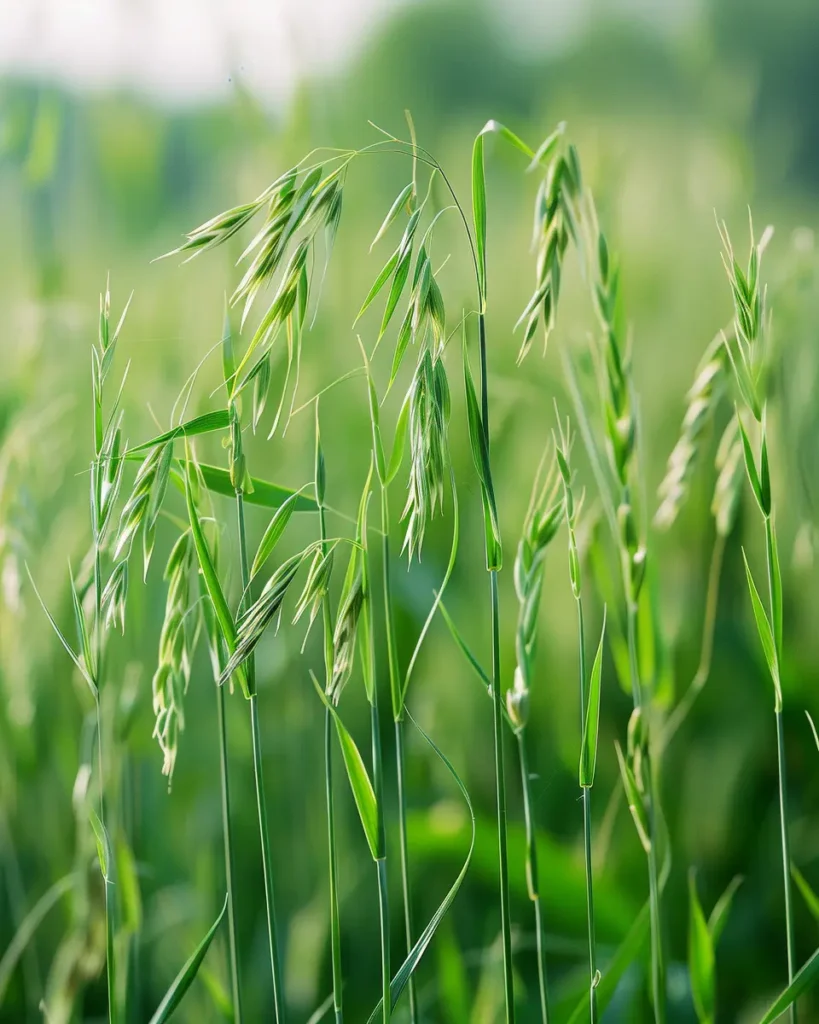
Oat Straw (Avena sativa)
Traditional herbal uses of oat straw:
Nervous System Support: Oat straw is traditionally used as a gentle nervine tonic, especially when the body feels worn down, tense, depleted, or overworked.
Stress Support: Herbalists often choose oat straw when someone needs steady support rather than a strong sedative effect. Think less “knock me out” and more “please help my nerves stop making dramatic announcements.”
Mineral Support: Oat straw is valued as a nourishing herb because it naturally contains minerals and plant compounds that support general wellness.
Sleep and Restoration: Oat straw is commonly used in long infusions and evening blends to support relaxation and a more settled rhythm.
“Oat straw is the quiet friend who brings soup, a blanket, and common sense.”
Available Oat Straw Products
Dried Oat Straw
Dried oat straw is the most common form used by herbalists. It is often prepared as a long infusion to pull out minerals and water-soluble compounds. Good-quality oat straw should look greenish, smell fresh and grassy, and should not smell musty or dusty.
Oat Straw Tea
Oat straw tea is usually stronger and longer-steeped than a quick cup of peppermint or chamomile. Many herbalists prepare it as an overnight infusion, which gives the water more time to extract minerals and other water-soluble constituents.
Oat Straw Tincture
Oat straw tincture is a liquid extract made with alcohol and water. It is convenient, but tinctures are not always the most traditional choice for mineral-rich herbs because minerals extract best in water. Tincture may still be used when convenience matters or when the product is made from fresh green oat tops.
Oat Straw Capsules
Oat straw capsules usually contain powdered dried herb or extract. Capsules may be convenient for people who do not want to prepare tea. Labels should clearly state whether the product is powdered herb, dry extract, or standardized extract.
Oat Straw Glycerite
Oat straw glycerite is an alcohol-free liquid extract made with vegetable glycerin and water. It may be useful for people avoiding alcohol, though glycerites may not extract minerals as thoroughly as a long water infusion. They tend to taste mildly sweet and grassy.
Oat Straw Powder
Oat straw powder can be used in capsules or blended into herbal formulas. Because powdered herbs lose freshness faster than cut herbs, oat straw powder should be stored tightly sealed and used while it still smells fresh.
Milky Oat Tops
Milky oat tops are not exactly the same as oat straw, but they come from the same plant. They are the immature oat seed tops harvested when they release a white “milk” when squeezed. Milky oats are often used fresh in tinctures and are especially associated with nervous system support in traditional herbalism.
Key Herbal Actions
Oat straw is known as a nervine tonic, nutritive, restorative, mild demulcent, mild relaxant, mineral-rich tonic, and antioxidant-supportive herb.
Nervine Tonic
A nervine tonic is an herb traditionally used to nourish and support the nervous system over time. Oat straw is not usually thought of as a fast-acting sedative. It is more like steady background support for people who feel depleted, tense, or overextended.
Nutritive
Nutritive herbs are valued for their mineral and nutrient content. Oat straw is traditionally prepared as a long infusion to draw out minerals and water-soluble plant compounds. This is why it is often used as a daily or near-daily tonic herb.
Restorative
Restorative herbs are used when the body feels worn down or undernourished. Oat straw is often chosen after periods of stress, overwork, or general depletion. Its role is gentle and gradual rather than dramatic.
Mild Demulcent
Demulcent herbs contain soothing constituents that can feel moistening or softening. Oat straw is not as strongly demulcent as marshmallow root or slippery elm, but it has a mild soothing quality when prepared as a water infusion.
Mild Relaxant
Oat straw is traditionally used to support relaxation without heaviness. It is often included in evening tea blends with herbs such as lemon balm, skullcap, passionflower, or chamomile.
Mineral-Rich Tonic
Oat straw is valued for minerals such as calcium, magnesium, silica, and other trace elements, though the exact amount varies by soil, growing conditions, harvest timing, and preparation method. Long infusions are preferred when mineral extraction is the goal.
Antioxidant-Supportive Herb
Oat straw and other oat plant parts contain phenolic compounds, flavonoids, and other antioxidant constituents. These compounds are studied for their role in protecting cells from oxidative stress.
Active Compounds and Extraction
Oat straw contains minerals, silica, flavonoids, phenolic acids, avenanthramides, saponins, beta-glucans, alkaloid-like compounds, proteins, amino acids, and small amounts of lipids.
Minerals
Oat straw is traditionally valued for minerals such as calcium, magnesium, potassium, and silica. These minerals are part of why oat straw is considered a nutritive herb. Mineral content varies depending on soil quality, climate, harvest timing, and how the herb is prepared.
Best extraction method: long water infusion.
How to make oat straw long infusion: Use about 1 ounce dried oat straw per quart of just-boiled water. Cover and steep for 4–8 hours or overnight, then strain. This long steep gives water time to pull out more minerals than a quick 10-minute tea.
Silica
Silica is a mineral-associated compound often discussed in relation to connective tissue, hair, nails, and general structural support. Oat straw is traditionally used as one of the gentle silica-containing herbs. It is best extracted with long water preparation.
Best extraction method: long infusion or gentle decoction.
How to prepare: For a stronger preparation, simmer oat straw gently for 15–20 minutes, then steep covered for another hour or longer before straining. This is stronger than a quick tea and better suited for mineral extraction.
Flavonoids
Flavonoids are plant compounds commonly studied for antioxidant activity. In oat straw, they contribute to the plant’s broad wellness profile. They extract reasonably well in water and alcohol-water preparations.
Best extraction methods: infusion, long infusion, tincture.
How to prepare: A long infusion is practical because it extracts both flavonoids and minerals. For a lighter daily tea, steep 1–2 teaspoons dried oat straw per cup for 15–20 minutes.
Phenolic Acids
Phenolic acids are antioxidant compounds found in many plants, including oats. They help protect the plant from environmental stress and are studied for their antioxidant effects in humans. Oat preparations may contain several types of phenolic compounds depending on the plant part and extraction method.
Best extraction methods: water infusion, tincture.
How to prepare: A covered hot infusion helps extract water-soluble phenolic compounds. Avoid boiling aggressively for long periods unless making a deliberate decoction.
Avenanthramides
Avenanthramides are polyphenolic compounds especially associated with oats. They are studied for antioxidant and anti-inflammatory pathways, particularly in oat grain and related oat preparations. Their levels vary by oat variety and plant part.
Best extraction methods: water extraction, hydroalcoholic extraction.
How to prepare: For home use, a long infusion is the most practical method. Commercial extracts may be more standardized, but home oat straw tea is usually used as a gentle traditional preparation.
Beta-Glucans
Beta-glucans are soluble fibers best known from oat grain. Oat straw may contain some water-soluble polysaccharides, though oat grain is the richer and more studied source. These compounds are associated with the soothing, nourishing quality of oat preparations.
Best extraction method: water infusion or decoction.
How to prepare: Long steeping in hot water is preferred. The liquid may feel slightly fuller or softer than a quick tea.
Saponins
Saponins are plant compounds that can foam slightly in water and may contribute to the plant’s biological activity. In oat straw, they are part of the broader chemical profile rather than the main reason the herb is used.
Best extraction methods: water infusion, hydroalcoholic tincture.
How to prepare: A long infusion is suitable for everyday use. A tincture may extract a broader range of compounds but is less ideal if mineral nourishment is the main goal.
Harvesting and Storing Right
Oat straw is harvested when the oat plant is still green, usually before the seed fully matures. Many herbalists harvest the aerial parts during the green stage or around the milky oat stage, when the plant is still vital and not fully dried in the field.
The best time of day to harvest is mid-morning, after dew has dried but before strong afternoon heat. This helps reduce moisture problems while preserving plant quality.
Dry oat straw in a shaded, well-ventilated area. Because stems can hold moisture, spread the herb loosely and make sure it dries completely before storage.
Typical shelf life:
Fresh oat straw: Best used quickly or dried soon after harvest.
Dried oat straw: About 1 year for best quality when stored properly.
Oat straw powder: About 3–6 months for best freshness.
Oat straw tincture: Often 3–5 years when stored cool, dark, and tightly capped.
Oat straw glycerite: Usually around 1–2 years depending on formulation and storage.
Long infusion: Best used within 24–48 hours when refrigerated.
Body Functions Oat Straw Can Support
Oat straw can support nervous system, stress support, sleep, spine and bones, skin, muscles and joint, energy and vitality, digestion system, brain, and reproductive system female and male as general tonic support.
Nervous System
Oat straw is traditionally used as a nourishing nervine tonic. It is often chosen when the nervous system feels depleted, tense, or worn thin. Its mineral content, flavonoids, and gentle restorative qualities support its traditional role as a steady tonic herb.
Stress Support
Oat straw is used when stress has been long-term rather than sudden. It is not usually the herb for dramatic, immediate effects, but it may fit well in daily tea routines. Herbalists often pair it with lemon balm, skullcap, or passionflower for stress support.
Sleep
Oat straw is commonly used in evening blends when sleep issues are connected to tension or depletion. It does not act like a strong sedative. Instead, it supports a calmer foundation, especially when used consistently over time.
Spine and Bones
Oat straw is traditionally valued as a mineral-rich herb, especially because of its calcium, magnesium, and silica content. These minerals are part of why herbalists associate oat straw with structural support. It should be viewed as a supportive nutritive herb, not a replacement for dietary minerals or medical care.
Skin
Oat preparations have a long history of use for skin comfort. While oat grain and colloidal oatmeal are more common for topical skin use, oat straw infusions may also be used in baths or washes. Its mild soothing quality makes it a gentle choice in traditional herbal bathing.
Muscles and Joint
Oat straw’s mineral-rich profile makes it a common tonic in formulas for people who feel depleted or physically worn down. Magnesium and other minerals are often part of the herbal logic here. For acute pain, injury, swelling, or persistent joint issues, medical evaluation is important.
Energy and Vitality
Oat straw is often used as a restorative herb when energy feels low from overwork or stress. It is not a stimulant like caffeine. Its traditional role is slow nourishment, the herbal version of rebuilding the pantry rather than borrowing energy from tomorrow.
Digestion System
Oat straw is mild and generally easy on digestion for many people. Its water-soluble compounds and gentle nutritive nature make it suitable in simple daily infusions. People with oat sensitivity or celiac disease should be careful about sourcing and contamination risk.
Brain
Green oat extracts have been studied for cognitive performance, attention, and stress-related outcomes. Oat straw’s traditional use for the nervous system overlaps with modern interest in mood and cognition. The evidence is still developing, so it is best described as supportive rather than proven for specific cognitive concerns.
Reproductive System Female and Male
Oat straw is traditionally used as a general tonic during times of depletion, including for people experiencing stress-related reproductive or vitality concerns. This is a broad restorative use rather than a targeted hormonal claim. It is often combined with other herbs depending on the person and goal.
Safety and Practical Considerations
Oat straw is generally considered a gentle herb, especially when used as tea or long infusion. However, people with oat allergy should avoid it. People with celiac disease or gluten sensitivity should only use oat straw products that are clearly labeled gluten-free, because cross-contamination with gluten-containing grains can occur.
Oat straw may be used fresh or dried, though dried oat straw is most common for long infusions. The taste is mild, grassy, slightly sweet, and earthy. It is not flashy, but that is part of its charm.
Pregnant or breastfeeding people should consult a qualified healthcare professional before using oat straw medicinally. Children, older adults, and sensitive individuals should start with mild preparations and small amounts.
People taking prescription medications, managing chronic conditions, or preparing for surgery should seek professional guidance before using herbs regularly. Oat straw is not known as a high-risk herb, but individual situations matter.
For best results, oat straw is usually prepared as a long infusion rather than a quick tea. If you steep it for only five minutes, you are mostly getting a polite handshake from the herb, not the full conversation.
FAQ
What does oat straw taste like?
Oat straw tastes mild, grassy, slightly sweet, and earthy. It is much softer than peppermint or ginger. Some people enjoy it plain, while others prefer it blended with lemon balm, cinnamon, or spearmint.
When is the best time to use oat straw?
Oat straw can be used during the day or evening. Many people use it as a daily tonic tea or long infusion. If it feels relaxing to you, evening may be a good time.
Is fresh or dried oat straw better?
Fresh oat straw is lovely when available, but dried oat straw is more practical and commonly used. Dried oat straw works well for long infusions. The key is freshness, color, and proper storage.
Is oat straw tea, tincture, or capsule better?
For mineral-rich nourishment, a long water infusion is usually preferred. Tinctures and capsules are more convenient but may not provide the same style of mineral extraction. Capsules can be useful, but quality and labeling matter.
Can oat straw be used daily?
Oat straw is traditionally used as a daily or near-daily tonic herb by many herbalists. Daily use should still be approached thoughtfully, especially for people with allergies, gluten sensitivity, medical conditions, or medication use. Start simple and observe how your body responds.
How should oat straw be stored?
Store dried oat straw in an airtight container away from heat, light, and moisture. Because it is bulky and stemmy, make sure it is fully dry before storing. If it smells musty, discard it.
Does oat straw combine well with other herbs?
Yes, oat straw combines well with lemon balm, skullcap, passionflower, chamomile, nettle, red clover, spearmint, and rosehips. It makes a good base herb for nourishing tea blends. Stronger-tasting herbs can make oat straw blends more enjoyable.
Is oat straw safe for everyone?
No herb is suitable for everyone. People with oat allergy, celiac disease, gluten sensitivity, or complex medical situations should use caution. Pregnant or breastfeeding people should consult a qualified professional before medicinal use.
Can oat straw be used for pets?
Oat straw may appear in some animal herbal traditions, but pet use should be guided by a veterinarian or qualified animal herbalist. Animals metabolize herbs differently than humans. Do not use concentrated extracts or formulas for pets without professional guidance.
Is oat straw the same as oatmeal?
No. Oat straw is the green stem and leaf of the oat plant, while oatmeal comes from the mature oat grain. They come from the same plant but are used differently. Oatmeal is food; oat straw is usually prepared as an herbal infusion.
Disclaimer
This content is educational only. It is not medical advice, diagnosis, or treatment. Herbs may interact with medications or health conditions. People who are pregnant, breastfeeding, managing a medical condition, taking prescription medications, or preparing for surgery should consult a qualified healthcare professional before using herbs.
References
EMA: Avenae herba Herbal Medicinal Product
EMA: Community Herbal Monograph on Avena sativa L., herba
PubMed Central: Acute and Chronic Effects of Green Oat Extract
PubMed: Avena sativa as a Nutraceutical and Therapeutic Agent
PubMed Central: Nutritional and Phytochemical Composition of Oats
MDPI Antioxidants: Multiple Antioxidative and Bioactive Molecules of Oats