


Thyme is a small, woody Mediterranean herb with a big personality. Herbalists have traditionally used thyme for respiratory comfort, digestion, oral wellness, and seasonal immune support. It is warming, aromatic, and pleasantly sharp — the kind of herb that walks into a cup of tea and immediately starts organizing the room.
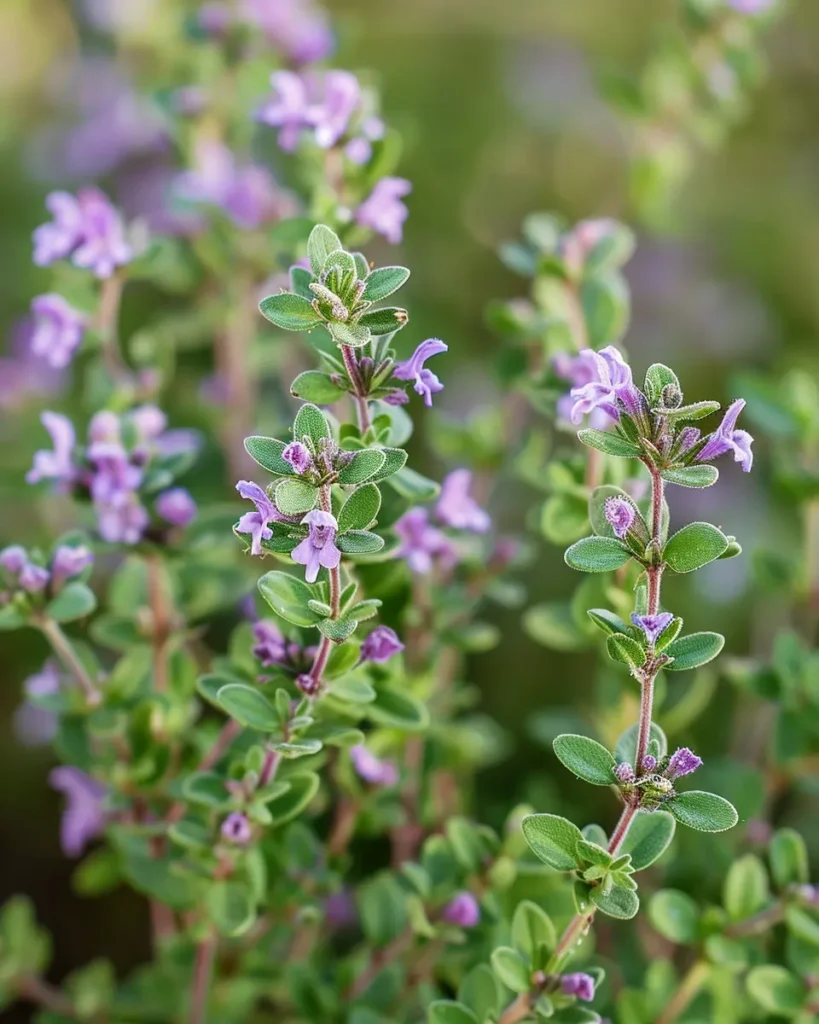
Thyme (Thymus vulgaris)
Traditional Uses of Thyme
Respiratory Support: Thyme has long been used in herbal traditions to support the chest, encourage easier clearing of mucus, and bring aromatic warmth during cold-season discomfort.
Digestion: As a warming carminative herb, thyme is traditionally used after meals to ease gas, bloating, and that “my stomach is still negotiating dinner” feeling.
Dental & Oral Wellness: Thyme’s aromatic compounds and tannins have made it a traditional ingredient in mouth rinses and gargles.
Immune Support: Thyme is rich in aromatic oils and phenolic compounds that have been studied for antioxidant and antimicrobial activity in laboratory settings.
“Thyme is the little kitchen herb that quietly carries a whole herbal apothecary in its leaves.”
Available Thyme Products
Dried Thyme
Dried thyme is one of the most common forms used for tea, steams, seasoning, infused vinegar, and herbal blends. Look for dried thyme that still smells aromatic, greenish-gray, and lively rather than dusty, brown, or flat.
Thyme Tincture
Thyme tincture is commonly used when someone wants a concentrated, shelf-stable preparation. Alcohol-based tinctures extract both aromatic compounds and some phenolic constituents, making them practical for small serving sizes.
Thyme Capsules
Capsules are convenient for people who dislike thyme’s strong taste. Labels should clearly list the botanical name, plant part, serving size, and whether the product contains whole herb powder or an extract.
Thyme Glycerite
Thyme glycerite may be useful for people avoiding alcohol, though glycerin is not as strong as alcohol at extracting some aromatic compounds. It tends to taste sweeter and may be easier for sensitive palates.
Thyme Essential Oil
Thyme essential oil is highly concentrated and should be used carefully. It is commonly used in aromatherapy, topical blends when properly diluted, and cleaning formulas, but it should not be taken internally without professional supervision.
Thyme Powder
Thyme powder is usually made from dried leaves and can be used in capsules, culinary blends, or mixed into honey. Because powder loses aroma faster than whole dried leaves, smaller quantities are usually better.
Fresh Thyme
Fresh thyme is excellent for cooking, vinegar infusions, honey preparations, and gentle teas. It has a brighter, greener flavor than dried thyme and is especially nice when harvested before or during flowering.
Key Herbal Actions
Thyme is known as an expectorant, carminative, antispasmodic, antimicrobial aromatic, antioxidant, astringent, and warming diaphoretic.
Expectorant
An expectorant is an herb traditionally used to support the body’s natural process of clearing mucus from the respiratory tract. Thyme’s aromatic oils make it especially connected to chest and throat support.
Carminative
Carminatives are herbs that help ease gas and digestive tension. Thyme’s warming, aromatic character makes it a classic after-meal herb, especially when food feels heavy.
Antispasmodic
Antispasmodic herbs are traditionally used to calm occasional cramping or tightness in smooth muscle tissues. Thyme has been studied for compounds that may influence smooth muscle tone, which helps explain its traditional use for both digestion and the chest.
Antimicrobial Aromatic
This action describes herbs rich in volatile oils that have shown antimicrobial activity in laboratory studies. Thyme’s thymol and carvacrol are especially well-known in this category.
Antioxidant
Antioxidant herbs contain compounds that help neutralize free radicals in laboratory models. Thyme contains phenolic acids and flavonoids that contribute to this activity.
Astringent
Astringent herbs contain tannins that create a tightening, toning effect on tissues. This helps explain thyme’s traditional use in gargles and mouth rinses.
Warming Diaphoretic
Warming diaphoretics are traditionally used to support gentle sweating and surface warmth. Thyme’s warming nature makes it a familiar cold-season herb in teas and steams.
Active Compounds and Extraction
Thyme contains volatile oils, thymol, carvacrol, p-cymene, gamma-terpinene, rosmarinic acid, flavonoids, phenolic acids, tannins, and triterpenes.
Volatile Oils
Volatile oils are the aromatic compounds responsible for thyme’s strong scent. Thyme essential oil often contains thymol, carvacrol, p-cymene, and gamma-terpinene, though the percentages vary depending on chemotype, climate, harvest stage, and growing conditions.
Best extraction: Covered hot infusion, steam inhalation, tincture, infused oil, or professional steam distillation.
How to make a thyme infusion: Use 1–2 teaspoons dried thyme per cup of just-boiled water. Cover the cup while steeping for 10 minutes so the aromatic oils do not float away with the steam.
Thymol and Carvacrol
Thymol and carvacrol are phenolic monoterpenes found in thyme’s essential oil. They are strongly aromatic and have been studied for antimicrobial, antioxidant, and anti-inflammatory activity in laboratory and animal models.
Best extraction: Alcohol tincture, essential oil distillation, or covered hot infusion.
Simple tincture method: Fill a clean jar halfway with dried thyme, cover with 40–50% alcohol, seal, and shake daily for 2–4 weeks. Strain and store in a dark glass bottle.
p-Cymene and Gamma-Terpinene
These are aromatic terpenes found in thyme essential oil. They are part of thyme’s fragrance profile and may work alongside thymol and carvacrol in the overall activity of the plant.
Best extraction: Covered infusion, steam, tincture, or essential oil.
Simple steam method: Add a small handful of thyme to a bowl of hot water, cover the head loosely with a towel, and breathe gently for a few minutes. Keep eyes closed and avoid steam that feels too hot.
Rosmarinic Acid
Rosmarinic acid is a phenolic acid found in several mint-family herbs. It is studied for antioxidant and anti-inflammatory activity and contributes to thyme’s broad herbal profile.
Best extraction: Hot water infusion or hydroalcoholic tincture.
Good kitchen method: Make a covered tea with dried or fresh thyme and let it steep for 10–15 minutes. Water extracts many phenolic acids well.
Flavonoids
Flavonoids are plant pigments and protective compounds. Thyme contains flavonoid derivatives such as luteolin and apigenin compounds, which are studied for antioxidant activity.
Best extraction: Tea, tincture, or vinegar infusion.
Vinegar method: Place fresh thyme in apple cider vinegar for 2–3 weeks, then strain. This makes a flavorful culinary vinegar for salads, soups, and marinades.
Tannins
Tannins are astringent compounds that gently tighten tissues. In thyme, tannins help explain its traditional use in mouth rinses and gargles.
Best extraction: Hot water infusion.
Simple gargle preparation: Make a strong covered thyme tea, let it cool to a comfortable temperature, strain well, and use as a gargle. Do not swallow large amounts of strong gargle preparations.
Harvesting and Storing Right
Thyme is best harvested in late spring to early summer, just before or as flowers begin to open. This is when the aromatic oils are usually most lively. Harvest in the morning after dew has dried but before the day becomes hot, because heat can reduce volatile oil quality.
Cut the top 4–6 inches of healthy stems, leaving enough plant behind for regrowth. Dry thyme in small bundles or on a screen in a warm, shaded, well-ventilated place.
Fresh thyme: Store wrapped lightly in a damp towel in the refrigerator for about 1–2 weeks.
Dried thyme: Store in an airtight jar away from light and heat. Best quality is usually within 6–12 months.
Thyme tincture: Store in a dark glass bottle in a cool place. Alcohol tinctures often keep for several years.
Thyme glycerite: Usually best within 1–2 years, depending on preparation quality.
Thyme essential oil: Store tightly closed, away from heat and light. Many thyme oils are best used within 2–4 years, depending on storage and oxidation.
Body Functions Thyme can Support
Thyme can support the respiratory system, digestion system, dental oral health, immune system, skin, brain, and circulation.
Respiratory System
Thyme is one of the classic aromatic herbs traditionally connected with the chest and throat. Its expectorant and antispasmodic actions, along with volatile oils such as thymol and carvacrol, help explain why herbalists often choose it for cold-season respiratory blends.
Digestion System
Thyme’s carminative action makes it useful as a traditional digestive herb after rich or heavy meals. Its warming aromatics may help reduce occasional gas and bloating while encouraging a more comfortable digestive rhythm.
Dental Oral
Thyme has a long history in gargles and mouth rinses. Its tannins provide a gentle astringent effect, while its aromatic compounds have been studied for antimicrobial activity in laboratory settings.
Immune System
Thyme is often used during seasonal changes because of its warming, aromatic profile. Its phenolic compounds, including thymol, carvacrol, rosmarinic acid, and flavonoids, have been studied for antioxidant and antimicrobial activity.
Skin
Thyme preparations have been studied mostly in laboratory settings for microbial balance and antioxidant activity. For skin use, thyme essential oil must be diluted carefully because it can be irritating, especially for sensitive skin.
Brain
Thyme contains aromatic terpenes and phenolic compounds that have been studied for antioxidant activity. Traditionally, its bright, penetrating aroma is considered clearing and stimulating, especially when used as tea, steam, or culinary seasoning.
Circulation
As a warming aromatic herb, thyme has traditionally been used to bring gentle warmth to the body. This does not mean it “improves circulation” as a medical claim, but it explains why herbalists often place it among warming kitchen herbs.
Safety and Practical Considerations
Thyme is widely used as a culinary herb and is generally well tolerated in food amounts. Strong medicinal preparations, concentrated extracts, and essential oil deserve more caution.
People allergic to mint-family plants should use thyme carefully. Thyme essential oil can irritate skin and mucous membranes and should always be diluted for topical use. Internal use of thyme essential oil is not recommended for home use.
People who are pregnant, breastfeeding, taking prescription medications, managing chronic health conditions, or preparing for surgery should speak with a qualified healthcare professional before using thyme medicinally. Extra care is also wise for children, older adults, and sensitive individuals.
Thyme has a strong taste, so a little goes a long way. If the tea tastes like it could season an entire roasted chicken, you probably used too much.
FAQ
What does thyme taste like?
Thyme tastes warm, earthy, slightly peppery, and aromatic. Fresh thyme is greener and brighter, while dried thyme tastes deeper and more concentrated.
When is the best time to use thyme?
Thyme is commonly used after meals, during cold seasons, or when someone wants a warming herbal tea. It also works well in cooking because it supports flavor and digestion at the same time.
Is fresh or dried thyme better?
Both are useful. Fresh thyme is brighter and better for cooking, vinegar, and gentle teas, while dried thyme is more convenient for storage, tea blends, and tinctures.
Is thyme tea, tincture, or capsule better?
Tea is best when you want a gentle, aromatic preparation. Tincture is more concentrated and convenient, while capsules are useful for people who dislike the taste.
Can thyme be used daily?
Thyme can be used regularly in normal culinary amounts. Daily medicinal use should be more thoughtful, especially with strong extracts or if someone takes medications.
How should thyme be stored?
Dried thyme should be stored in an airtight jar away from heat, light, and moisture. If it no longer smells aromatic, it is probably ready to retire from herbal duty.
Does thyme combine well with other herbs?
Yes. Thyme combines well with sage, oregano, rosemary, peppermint, licorice root, marshmallow root, elderflower, and ginger, depending on the goal of the blend.
Is thyme safe for everyone?
No herb is perfect for everyone. People with allergies to mint-family plants, sensitive digestion, pregnancy, breastfeeding, medical conditions, or prescription medications should use caution.
Can thyme be used for pets?
Thyme may appear in some pet-safe herbal formulas, but essential oil use around pets requires special caution. Pet use should be guided by a veterinarian or qualified animal herbalist.
Can thyme essential oil be added to tea?
No. Thyme essential oil is highly concentrated and should not be added to tea for home use. Use dried or fresh thyme leaves instead.
Disclaimer
This content is educational only. It is not medical advice, diagnosis, or treatment. Herbs may interact with medications or health conditions. People who are pregnant, breastfeeding, managing a medical condition, taking prescription medications, or preparing for surgery should consult a qualified healthcare professional before using herbs.
References
EMA: Assessment Report on Thymus vulgaris L. and Thymus zygis L.
PubMed Central: Thymol and Thyme Essential Oil—New Insights into Selected Therapeutic Applications
PubMed Central: Thymus vulgaris Essential Oil: Chemical Composition and Antimicrobial Activity
PubMed: Efficacy and Tolerability of a Fluid Extract Combination of Thyme Herb and Ivy Leaves