


Yarrow is a hardy, aromatic wildflower with delicate, fern-like leaves and flat clusters of tiny white or pale pink flowers. Herbalists have traditionally used yarrow for digestion, skin support, menstrual comfort, and seasonal wellness. It has a slightly bitter, aromatic taste — not exactly candy, but definitely the kind of herb that seems to know what it is doing.
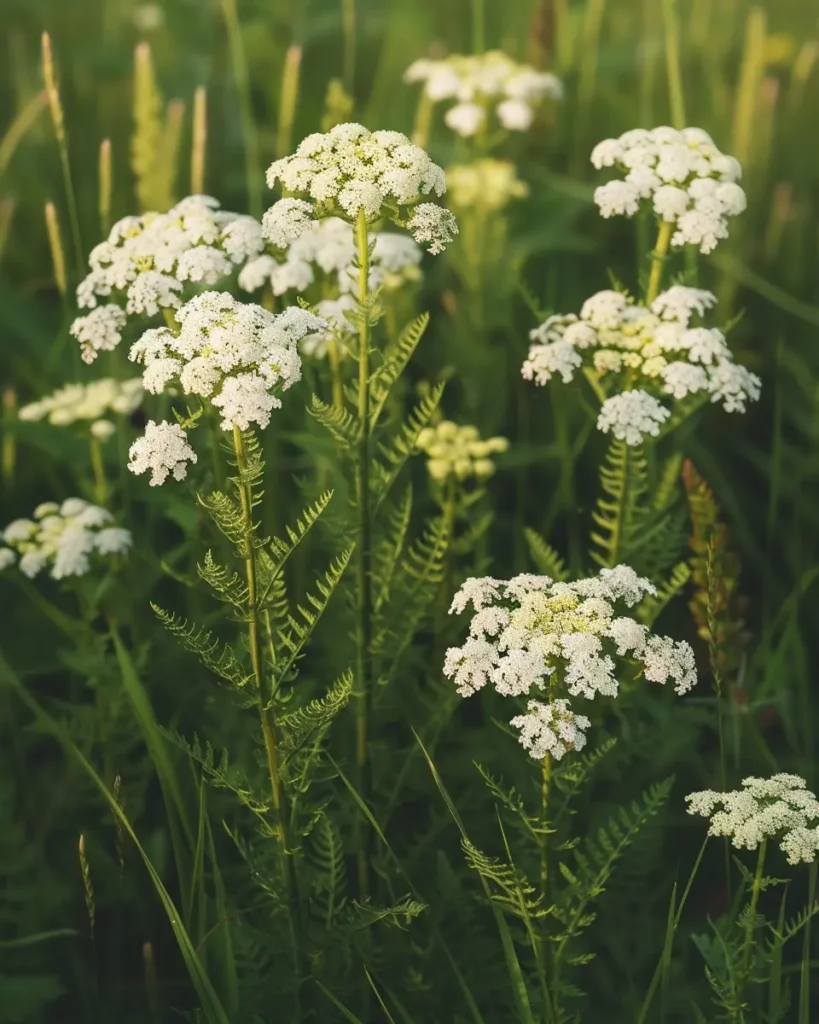
Yarrow (Achillea millefolium)
Traditional Uses of Yarrow
Digestive Support: Yarrow has traditionally been used as a bitter, aromatic herb to support appetite, digestion, bloating, and occasional gas.
Skin & Wound Care: Yarrow has a long history of external use for small superficial wounds and skin cleansing preparations.
Menstrual Comfort: Herbalists often use yarrow for minor menstrual cramping, especially when tension and stagnation are part of the picture.
Seasonal Wellness: Yarrow is traditionally used as a warming diaphoretic herb to support the body’s natural sweating response during seasonal discomfort.
“Yarrow is the wild meadow herb that looks delicate but carries a very practical toolkit.”
Available Yarrow Products
Dried Yarrow
Dried yarrow is commonly used for tea, infusions, washes, sitz baths, steams, and herbal blends. Look for flower tops and leaves that still have a fresh, aromatic, slightly bitter scent and a natural green-gray color.
Yarrow Tincture
Yarrow tincture is often preferred when someone wants a concentrated, shelf-stable preparation. Alcohol helps extract aromatic compounds, bitter principles, flavonoids, and other plant constituents.
Yarrow Capsules
Capsules may be convenient for people who do not enjoy yarrow’s bitter taste. Check labels for the botanical name, plant part, serving size, and whether the product contains whole herb powder or an extract.
Yarrow Glycerite
Yarrow glycerite may be useful for people avoiding alcohol, though glycerin is not as strong as alcohol for extracting some of yarrow’s aromatic and bitter compounds. It usually has a sweeter taste and may be easier for sensitive palates.
Yarrow Essential Oil
Yarrow essential oil exists, but it is less common than lavender, peppermint, or thyme oil. It is concentrated and should be used carefully, always diluted for topical use, and not taken internally.
Yarrow Powder
Yarrow powder is usually made from dried aerial parts. It may be used in capsules, poultices, or topical herbal powders, but it loses aroma faster than cut-and-sifted herb.
Fresh Yarrow
Fresh yarrow is traditionally used for fresh poultices, infused vinegar, fresh tincture, and field-style herbal preparations. Correct plant identification is essential because wild plants can be confused with other species.
Key Herbal Actions
Yarrow is known as a bitter tonic, carminative, antispasmodic, astringent, diaphoretic, vulnerary, anti-inflammatory, antimicrobial aromatic, and hemostatic herb.
Bitter Tonic
A bitter tonic is an herb that stimulates taste receptors and traditionally supports appetite and digestive secretions. Yarrow’s bitter taste explains its long-standing use before or after meals.
Carminative
Carminative herbs help ease occasional gas and digestive discomfort. Yarrow’s aromatic compounds make it useful in traditional digestive blends, especially when digestion feels sluggish.
Antispasmodic
Antispasmodic herbs are traditionally used to calm occasional cramping or muscle tension in smooth tissue. This action helps explain yarrow’s use for digestive cramping and minor menstrual discomfort.
Astringent
Astringent herbs contain tannins that create a toning, tightening effect on tissues. Yarrow’s astringency supports its traditional use in mouth rinses, skin washes, and minor wound-care preparations.
Diaphoretic
Diaphoretic herbs support the body’s natural sweating process. Yarrow is a classic warming diaphoretic, especially when prepared as hot tea.
Vulnerary
Vulnerary herbs are traditionally used to support the skin’s natural repair process. Yarrow has a long history in topical preparations for small superficial wounds.
Anti-inflammatory
Yarrow contains flavonoids, sesquiterpene lactones, and other constituents studied for inflammation-modulating activity. In herbal practice, this helps explain its traditional use for skin, digestion, and menstrual comfort.
Antimicrobial Aromatic
Yarrow’s essential oil contains aromatic compounds that have shown antimicrobial activity in laboratory studies. This does not mean yarrow is a substitute for medical care, but it supports its traditional use in cleansing preparations.
Hemostatic
Hemostatic herbs are traditionally used to help slow minor surface bleeding. Yarrow has a strong folk history in this area, especially for small cuts and superficial wounds.
Active Compounds and Extraction
Yarrow contains flavonoids, sesquiterpene lactones, volatile oils, azulenes, tannins, phenolic acids, coumarins, alkaloids, bitters, and triterpenes.
Flavonoids
Flavonoids are plant compounds studied for antioxidant and inflammation-modulating activity. Yarrow contains flavonoids such as apigenin, luteolin, and related glycosides.
Best extraction: Hot infusion, tincture, or vinegar infusion.
How to make yarrow tea: Use 1–2 teaspoons dried yarrow per cup of just-boiled water. Cover and steep for 10–15 minutes, then strain.
Sesquiterpene Lactones
Sesquiterpene lactones are bitter compounds found in many Asteraceae-family plants. They contribute to yarrow’s bitter tonic action and may help explain its traditional digestive use.
Best extraction: Alcohol tincture or hot infusion.
Simple tincture method: Fill a clean jar halfway with dried yarrow, cover with 40–50% alcohol, seal, and shake daily for 2–4 weeks. Strain and store in a dark glass bottle.
Volatile Oils
Yarrow contains volatile oils that give the plant its aromatic scent. The essential oil composition varies widely depending on region, plant genetics, harvest time, and drying method.
Best extraction: Covered hot infusion, steam, tincture, infused oil, or professional distillation.
Important tip: Always cover yarrow tea while steeping. Otherwise, the fragrant volatile oils escape into the kitchen air instead of staying in the cup.
Azulenes
Some yarrow essential oils contain blue-colored azulene-related compounds, especially chamazulene, formed during distillation from precursor compounds. These compounds are often discussed in relation to soothing topical and inflammation-modulating activity.
Best extraction: Essential oil distillation or infused oil for topical use.
Infused oil method: Place dried yarrow in a clean jar, cover with olive oil or another carrier oil, and infuse for 2–4 weeks in a warm place away from direct sunlight. Strain well before use.
Tannins
Tannins are astringent compounds that tone tissues and create a mild tightening sensation. They support yarrow’s traditional use in washes, gargles, and topical preparations.
Best extraction: Hot water infusion.
Skin wash method: Make a strong yarrow infusion with 1 tablespoon dried herb per cup of hot water. Cool completely, strain carefully, and use externally.
Phenolic Acids
Phenolic acids are antioxidant plant compounds. In yarrow, they contribute to its overall protective chemistry and support its role as a traditional wellness herb.
Best extraction: Hot infusion, tincture, or vinegar.
Vinegar method: Cover fresh or dried yarrow with apple cider vinegar for 2–3 weeks, then strain. Use as a culinary herbal vinegar or diluted external rinse.
Coumarins
Coumarins are aromatic plant compounds found in small amounts in many herbs. In yarrow, they contribute to the plant’s complex chemistry, but they also remind us to be cautious with blood-thinning medications.
Best extraction: Tincture and infusion.
Practical note: People taking anticoagulant or antiplatelet medications should ask a qualified healthcare professional before using yarrow medicinally.
Harvesting and Storing Right
Yarrow is usually harvested in late spring through summer when the plant is flowering. The best time is mid-morning after dew has dried but before strong afternoon heat reduces aromatic quality.
Harvest the flowering tops along with the upper leaves. Avoid roadside plants, sprayed areas, polluted locations, and any plant you cannot confidently identify.
Fresh yarrow: Use soon after harvest or store loosely wrapped in the refrigerator for a few days.
Dried yarrow: Dry in small bundles or on screens in a shaded, well-ventilated area. Store in an airtight jar away from light and heat for about 6–12 months.
Yarrow tincture: Store in a dark glass bottle in a cool place. Alcohol tinctures may keep for several years.
Yarrow infused oil: Store away from heat and light and use within about 6–12 months.
Yarrow essential oil: Store tightly closed in a cool, dark place. Discard if the aroma changes sharply or smells oxidized.
Body Functions Yarrow can Support
Yarrow can support the digestion system, skin, respiratory system, immune system, reproductive system female, circulation, dental oral health, liver support, and urinary system.
Digestion System
Yarrow’s bitter tonic and carminative actions make it a traditional digestive herb. Its bitter compounds may support appetite and digestive secretions, while its aromatics help explain its use for bloating and gas.
Skin
Yarrow has a long tradition of external use in washes, compresses, poultices, and infused oils. Its astringent tannins, flavonoids, and aromatic compounds support its traditional role in minor skin care.
Respiratory System
Yarrow is traditionally used in hot teas and steams during seasonal discomfort. Its diaphoretic and aromatic qualities make it a classic companion to herbs like elderflower and peppermint.
Immune System
Yarrow is often used in seasonal herbal blends because of its warming diaphoretic action. Its flavonoids, phenolic acids, and volatile oils also contribute antioxidant and antimicrobial activity in laboratory research.
Reproductive System Female
Yarrow is traditionally used for minor menstrual cramps and pelvic tension. Its antispasmodic, bitter, and warming qualities help explain why it appears in many traditional menstrual-support formulas.
Circulation
Yarrow has a traditional connection with blood and tissue tone, especially in external preparations. Its astringent and hemostatic reputation is mostly connected to minor surface use rather than internal circulation claims.
Dental Oral
Yarrow tea can be used as a traditional mouth rinse or gargle. Its tannins provide a toning effect, while its aromatic compounds support a clean, fresh herbal profile.
Liver Support
As a bitter herb, yarrow is traditionally connected with digestive-liver function. This does not mean it “detoxes” the liver, but bitter herbs are often used by herbalists to support digestive flow and appetite.
Urinary System
Yarrow has been traditionally used in some herbal systems as a mild diuretic. This action is gentle and should not replace medical evaluation for urinary symptoms.
Safety and Practical Considerations
Yarrow is a strong-tasting, aromatic, bitter herb, and not everyone enjoys it as tea. People sensitive to bitter herbs may prefer smaller servings or blended formulas.
Avoid yarrow if you are allergic to Asteraceae-family plants such as ragweed, chamomile, echinacea, calendula, or daisies. Skin irritation or allergic reactions are possible, especially with topical use.
Yarrow should be used cautiously by people taking blood-thinning medications, antiplatelet medications, sedatives, lithium, or medications affected by diuretic herbs. People with bleeding disorders, upcoming surgery, serious medical conditions, or prescription medication use should consult a qualified healthcare professional before using yarrow medicinally.
Yarrow is generally avoided during pregnancy unless guided by a qualified clinician because of its traditional association with menstrual activity and uterine stimulation. Breastfeeding parents, children, older adults, and sensitive individuals should use extra caution.
Yarrow essential oil should not be taken internally and must be diluted before topical use. Fresh and dried yarrow are both used, but correct identification is especially important when harvesting wild plants.
FAQ
What does yarrow taste like?
Yarrow tastes bitter, aromatic, slightly sharp, and a little earthy. It is not a sweet herb, but its bitterness is part of why herbalists value it for digestion.
When is the best time to use yarrow?
Yarrow is often used before meals as a bitter digestive tea or during seasonal discomfort as a hot infusion. It is also used externally as a cooled wash or compress.
Is fresh or dried yarrow better?
Fresh yarrow is excellent for tinctures, poultices, and vinegar preparations. Dried yarrow is more convenient for teas, storage, and year-round use.
Is yarrow tea, tincture, or capsule better?
Tea is best for gentle daily-style use and traditional diaphoretic preparations. Tincture is more concentrated and convenient, while capsules avoid the bitter taste but miss the sensory benefit of tasting a bitter herb.
Can yarrow be used daily?
Yarrow may be used occasionally or short-term by many adults, but daily long-term use is not ideal for everyone. People with allergies, medical conditions, pregnancy, breastfeeding, or prescription medications should get professional guidance.
How should yarrow be stored?
Dried yarrow should be stored in an airtight jar away from heat, light, and moisture. If it smells dull, dusty, or has lost its bitter-aromatic scent, it is probably past its best quality.
Does yarrow combine well with other herbs?
Yes. Yarrow combines well with elderflower, peppermint, ginger, chamomile, calendula, lemon balm, nettle, and raspberry leaf, depending on the purpose of the blend.
Is yarrow safe for everyone?
No. People with Asteraceae allergies, pregnancy, breastfeeding, bleeding disorders, upcoming surgery, or medication use should be cautious. Yarrow is a useful herb, but it is not a casual “more is better” plant.
Can yarrow be used for pets?
Yarrow should only be used for pets with guidance from a veterinarian or qualified animal herbalist. Cats, dogs, and other animals process herbs differently than humans, and essential oils are especially risky around pets.
Can yarrow essential oil be used directly on skin?
No. Yarrow essential oil should be diluted in a carrier oil before topical use. A patch test is wise, especially for sensitive skin.
Disclaimer
This content is educational only. It is not medical advice, diagnosis, or treatment. Herbs may interact with medications or health conditions. People who are pregnant, breastfeeding, managing a medical condition, taking prescription medications, or preparing for surgery should consult a qualified healthcare professional before using herbs.
References
EMA: European Union Herbal Monograph on Achillea millefolium L.
PubMed: Pharmacognosy, Phytochemistry and Pharmacological Properties of Achillea millefolium L.
PubMed Central: Achillea millefolium Mechanism of Action, Pharmacokinetic, and Safety Review
PubMed Central: A Review on Phytochemistry and Medicinal Properties of the Genus Achillea
PubMed: Achillea spp. Comprehensive Review on Ethnobotany, Phytochemistry, and Biological Activity
PubMed Central: Safety and Hemostatic Effect of Achillea millefolium L.