A cold infusion is a slow, unheated steeping method that relies on time instead of heat to draw compounds out of plant material. It’s the go-to technique for mucilage-rich and heat-sensitive herbs that turn gummy, lose potency, or become less pleasant when exposed to hot water.
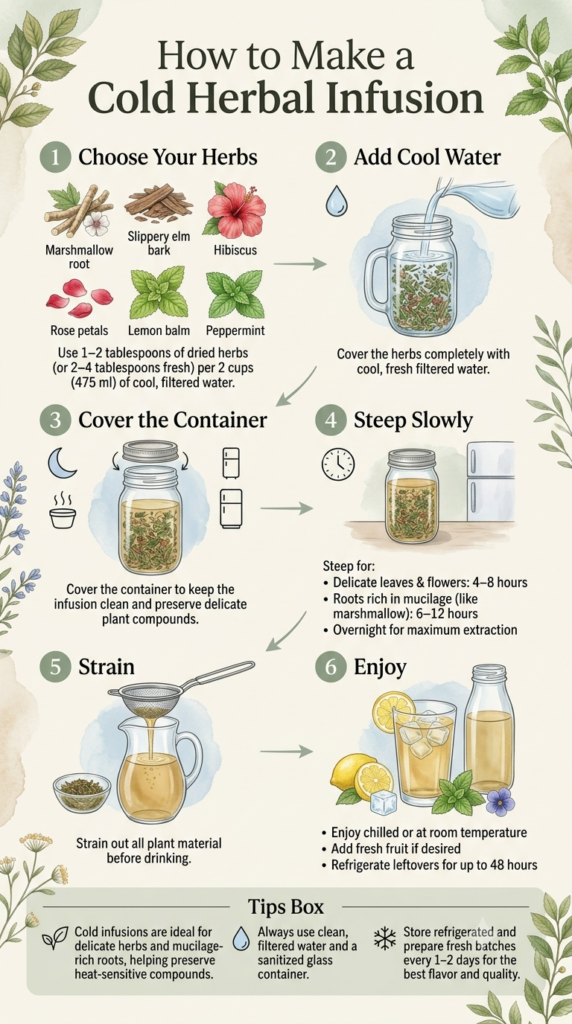
- Measure 1–2 tablespoons of dried herb per cup of water (more for nutritive, mineral-rich infusions).
- Combine herb and room-temperature or cool water in a glass jar.
- Cover and let sit at room temperature or in the refrigerator for 4–8 hours, or overnight.
- Strain gently through a cloth or fine mesh strainer.
- Drink chilled, or gently warm (never boil) if you prefer it warm.
Secret Tips
- For mucilage-rich herbs like marshmallow root, resist the urge to squeeze the straining cloth — gentle straining preserves the silky, soothing texture that heat and pressure destroy.
- If steeping at room temperature for more than a few hours, especially in warm weather, move it to the refrigerator partway through to avoid spoilage.
- For nutritive infusions (like nettle or oatstraw), a longer steep — even a full 8 hours — pulls out significantly more minerals than a shorter one.
- Use a wide-mouth jar for easier straining, especially with mucilage herbs that can clog narrow openings.
Herb Examples Best Suited to Cold Infusion
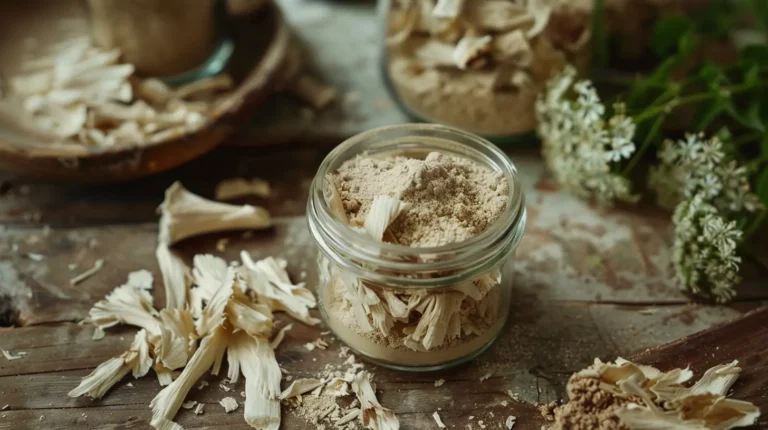
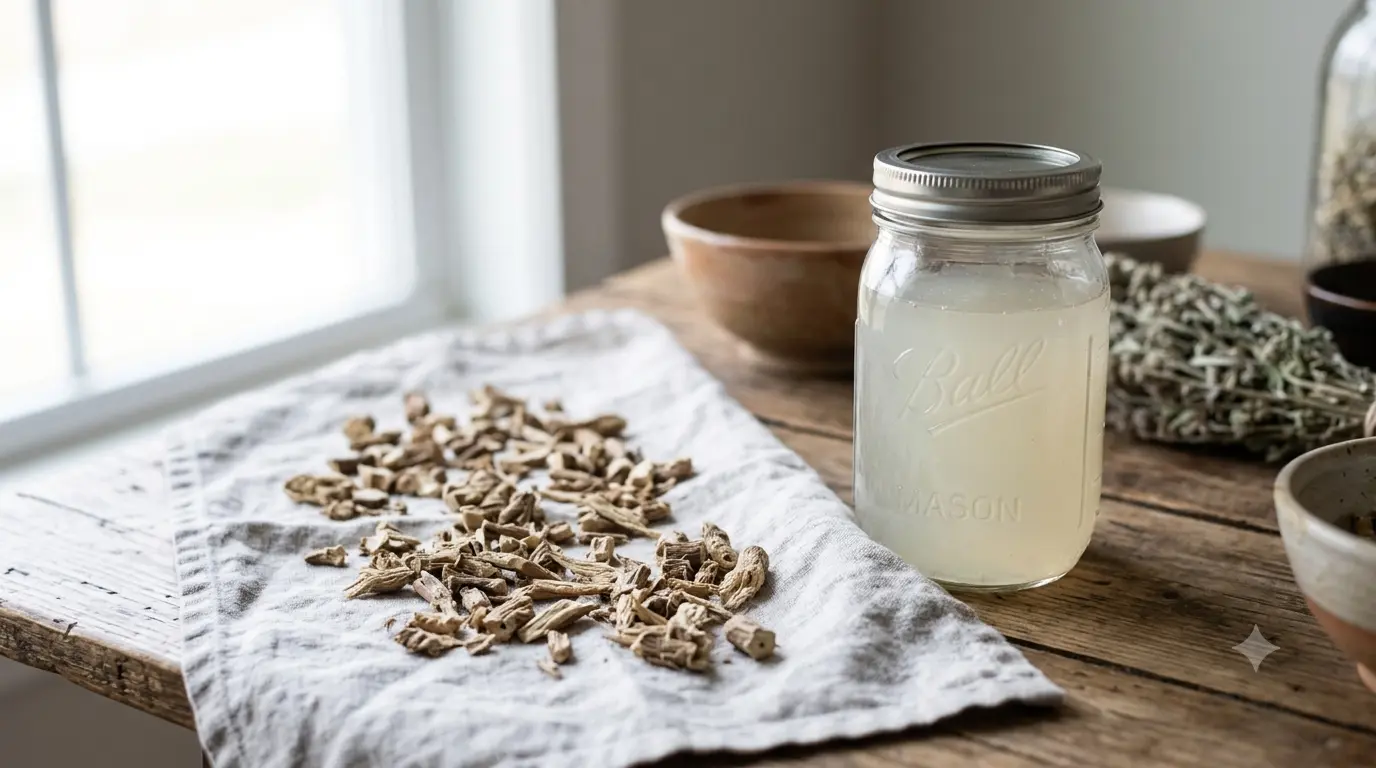
- Marshmallow Root — releases its soothing mucilage best without heat, which can break it down.
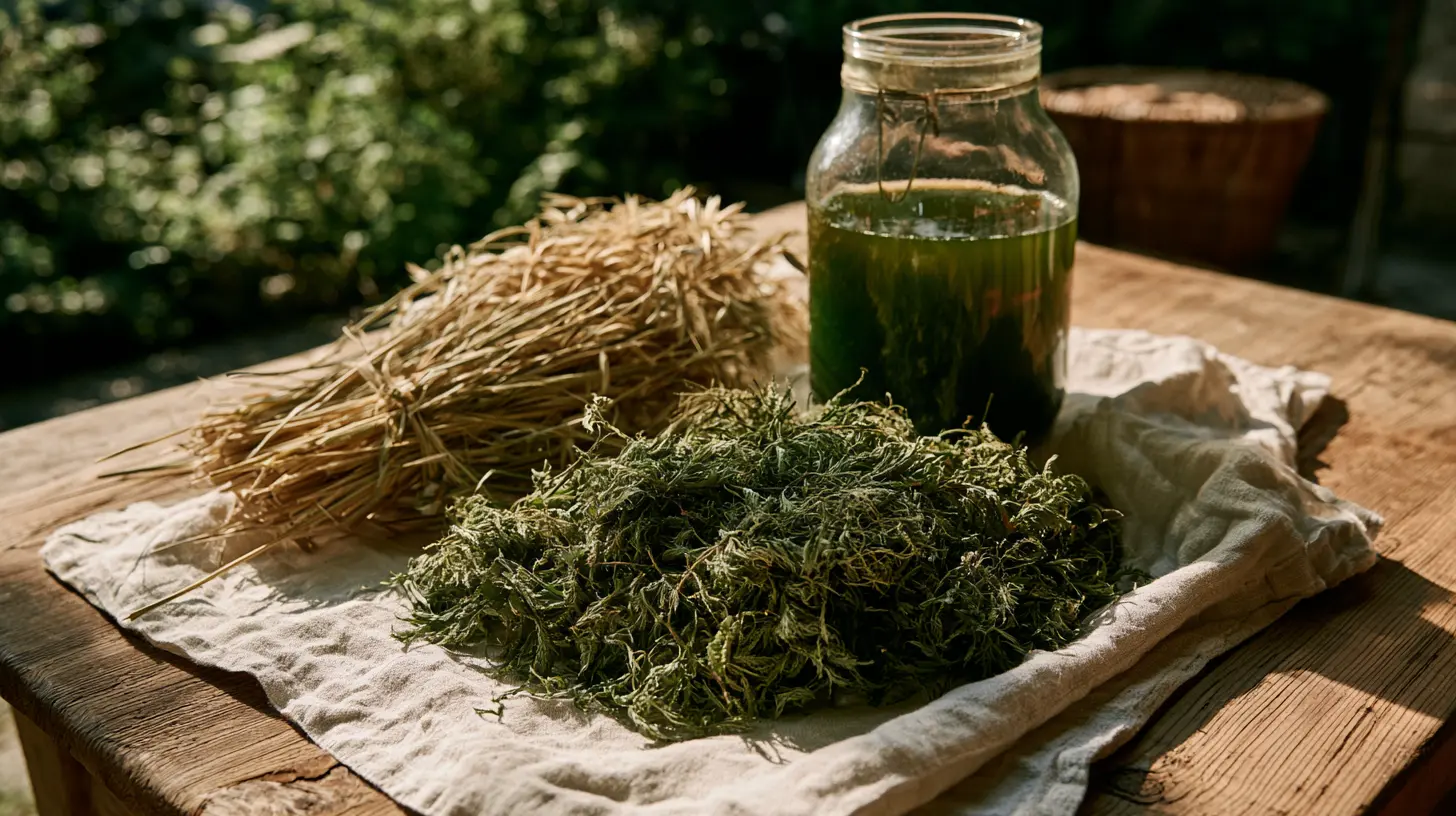
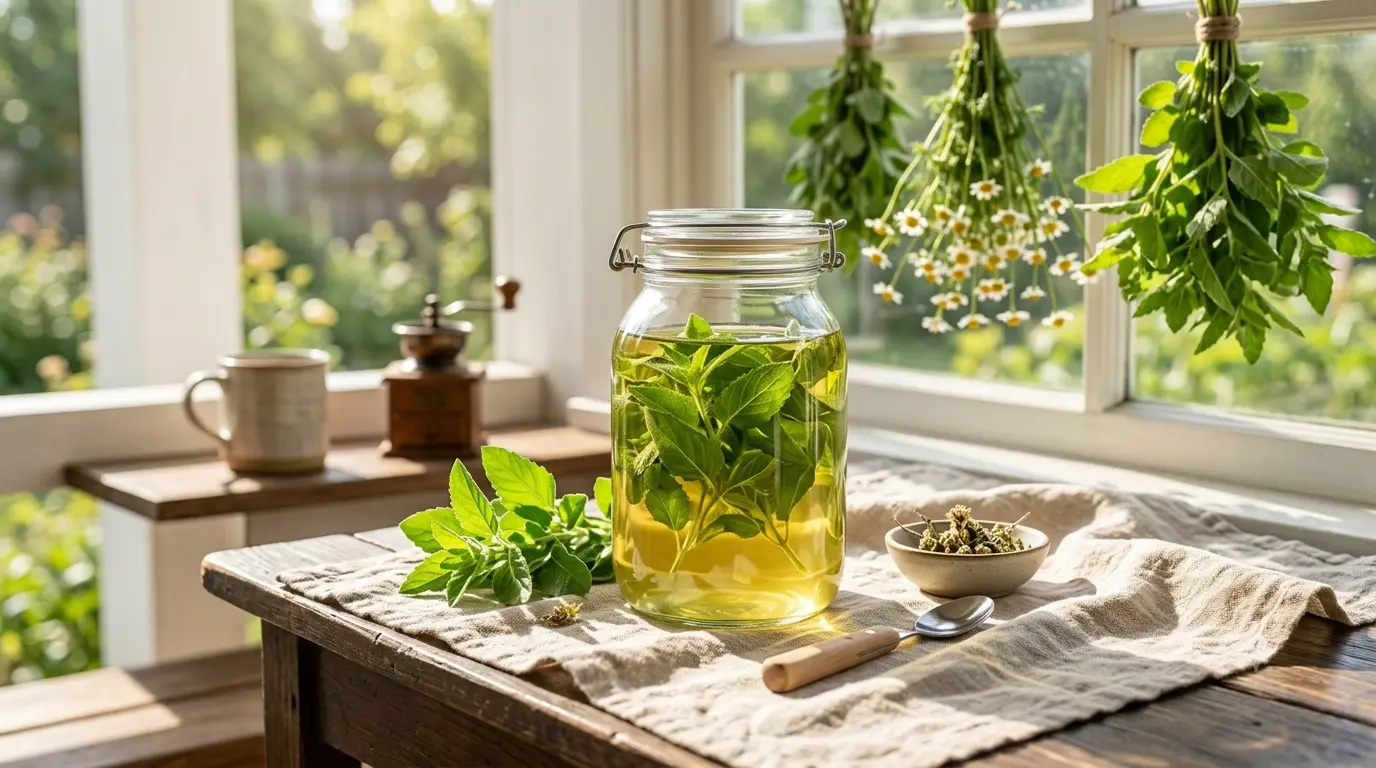
- Oatstraw — a nutritive herb that benefits from a long, gentle steep to release minerals.
- Nettle Leaf — commonly cold-infused overnight for a mineral-rich daily tonic.
- Slippery Elm Bark — another mucilage-rich herb best extracted without heat.
Q&A
Q: How is a cold infusion different from a regular infusion? A: A regular infusion uses hot water and a short steep time, while a cold infusion uses room-temperature or cool water and a much longer steep, which better preserves heat-sensitive compounds like mucilage.
Q: How long can I keep a cold infusion once strained? A: Refrigerate immediately and use within 24–48 hours for best quality and safety.
Q: Can I leave a cold infusion out overnight at room temperature? A: It’s generally fine for most herbs, though in warm climates or during summer, refrigerating partway through is a safer choice to prevent bacterial growth.
Q: Why do mucilage herbs need cold infusion specifically? A: Heat can break down mucilage’s gel-like structure, reducing the very soothing quality that makes these herbs valuable.
Q: Can I sweeten or flavor a cold infusion? A: Yes — honey, lemon, or a splash of juice can be added after straining, though this is more common for nutritive infusions than mucilage-focused ones.
Safety Tips
- Refrigerate cold infusions promptly, especially in warm weather, to prevent bacterial growth.
- Discard any infusion that smells off or shows signs of cloudiness beyond the herb’s natural appearance.
- Consult a healthcare provider before using cold infusions medicinally, especially if pregnant, nursing, or on medication.
Disclaimer
This content is for educational purposes only and is not a substitute for professional medical advice, diagnosis, or treatment.