


Linden is the fragrant flower and bract of the linden tree, also called lime flower in European herbal traditions. Despite the name, it has nothing to do with citrus lime, so no tiny green fruit is hiding in this tea. Traditionally, linden flower has been used as a gentle herbal tea for nervous system support, sleep rhythm, respiratory comfort, and the body’s natural warmth-and-sweat response during seasonal discomfort.
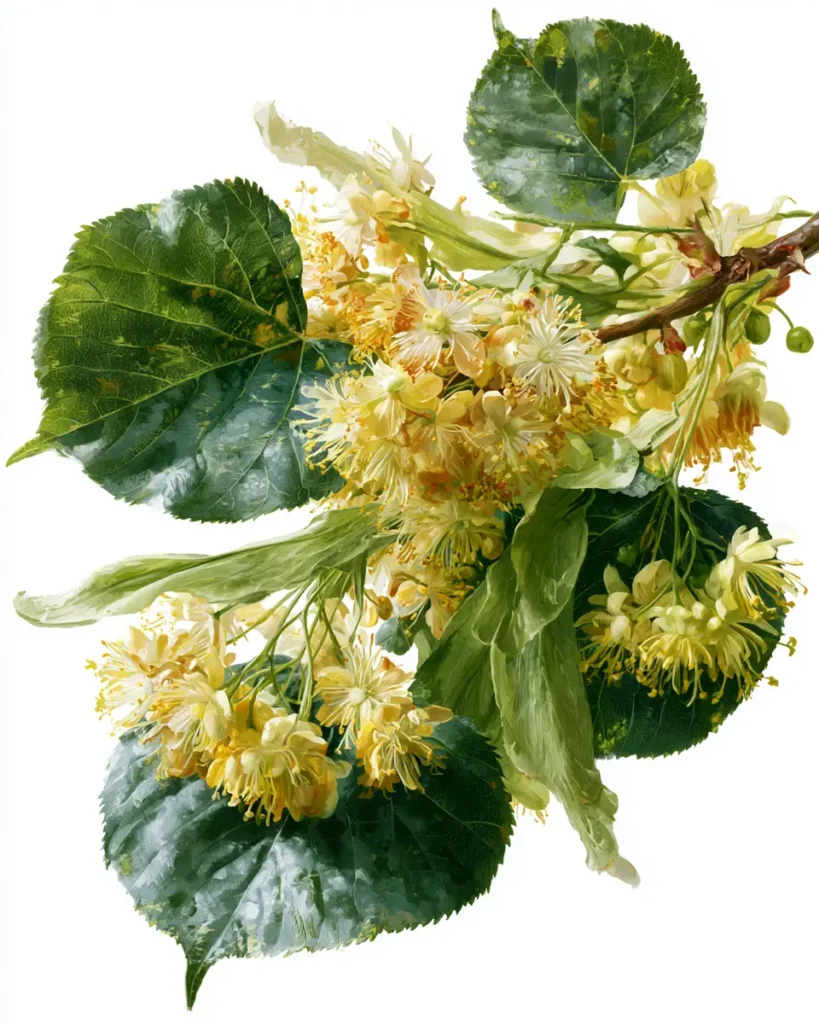
Linden (Tilia cordata, Tilia platyphyllos, Tilia × europaea)
Traditional Uses of Linden
Stress Support: Linden flower is traditionally used as a gentle nervine, meaning it supports a calm, settled feeling without being overly strong.
Sleep Rhythm: Linden tea is often taken in the evening as part of a relaxing bedtime routine, especially when tension or restlessness is part of the picture.
Respiratory Comfort: Its mucilage and soothing flower compounds make it a traditional choice for dry throat comfort and gentle respiratory support.
Seasonal Warmth: Linden is classically known as a diaphoretic herb, traditionally used to support the body’s natural surface warmth and healthy sweating response.
“Linden is the herbal equivalent of a soft blanket, a quiet room, and someone finally turning the volume down.”
Available Linden Products
Dried Linden Flower
Dried linden flower is the most common and traditional form. It is usually sold as whole or cut flowers with attached pale green bracts. Look for fragrant, pale yellow-green material with a sweet floral scent; dull brown, dusty, or scentless linden is usually past its best days.
Linden Tea Bags
Tea bags are convenient for quick use, especially for evening tea or seasonal comfort. They are easy to measure, but quality can vary, so choose products that identify the botanical species and use flower/bract material rather than vague “natural flavors.”
Linden Tincture
Linden tincture is a liquid extract made with alcohol and water. It is practical when someone wants a shelf-stable form that does not require brewing tea, though linden’s soft mucilage is best appreciated in water-based preparations.
Linden Glycerite
A glycerite is an alcohol-free liquid extract made with vegetable glycerin. It may be useful for people avoiding alcohol, though glycerites are usually milder and sweeter than alcohol-based tinctures.
Linden Capsules
Capsules are less traditional for linden but may be available. They are convenient for people who dislike tea, but capsules do not deliver the same warm, aromatic, soothing experience that makes linden so beloved.
Linden Powder
Linden powder is dried linden flower ground into a fine form. It may be used in herbal blends or capsules, but powder loses aroma faster than whole dried flowers, so it should be stored carefully and used relatively quickly.
Linden Honey
Linden honey is made by bees visiting linden blossoms. It is not the same as linden flower medicine, but it carries a distinctive floral aroma and can pair beautifully with linden tea.
Key Herbal Actions
Linden is known as a nervine, mild sedative, diaphoretic, demulcent, antispasmodic, mild expectorant, antioxidant, and gentle astringent.
Nervine
A nervine is an herb traditionally used to support the nervous system. Linden is considered a gentle nervine because it is commonly used when stress, tension, or emotional “tightness” needs softening.
Mild Sedative
A mild sedative herb supports relaxation and restfulness. Linden is not usually considered a strong sedative; it is more like a calm invitation rather than a command.
Diaphoretic
A diaphoretic supports the body’s natural sweating response. Linden tea is traditionally used warm, especially during seasonal discomfort, to encourage surface warmth.
Demulcent
A demulcent herb contains soothing, slippery compounds that help coat irritated tissues. Linden flower contains mucilage, which explains its soft, comforting quality in tea.
Antispasmodic
Antispasmodic herbs are traditionally used to ease patterns of tension or gripping in the body. Linden has a long history of use where nervous tension and digestive or respiratory tightness overlap.
Mild Expectorant
Expectorant herbs support the body’s natural process of moving mucus. Linden is not a strong expectorant like elecampane or thyme, but its warm tea and soothing mucilage make it a gentle respiratory companion.
Antioxidant
Antioxidant herbs contain compounds that help neutralize free radicals in laboratory studies. Linden flowers contain flavonoids and phenolic compounds that contribute to this activity.
Gentle Astringent
Astringent herbs contain compounds such as tannins that create a mild tightening or toning effect on tissues. Linden’s tannins are not as bold as sage or oak bark, but they add to its traditional throat and mucous membrane use.
Active Compounds and Extraction
Linden contains flavonoids, mucilage, phenolic acids, tannins, volatile oils, triterpenes, and aromatic compounds such as farnesol.
Flavonoids
Flavonoids are plant pigments and antioxidant compounds. Linden flowers are known to contain flavonoid compounds related to quercetin and kaempferol, which are studied for antioxidant activity and may help explain some of linden’s traditional calming and protective reputation.
Best extraction: Hot water infusion or hydroalcoholic tincture.
To make linden infusion, use 1–2 teaspoons dried linden flower per cup of hot water. Cover and steep for 10–15 minutes, then strain. Covering the cup helps preserve the delicate aroma.
Mucilage
Mucilage is a soft, slippery plant compound that becomes soothing in water. It is one reason linden tea feels gentle on the throat and mucous membranes.
Best extraction: Hot water infusion or longer warm infusion.
For a more mucilage-rich cup, steep dried linden flower covered for 15–20 minutes. The tea may feel slightly fuller or silkier on the tongue.
Phenolic Acids
Phenolic acids are antioxidant plant compounds found in many herbs. In linden, they contribute to the herb’s antioxidant profile and overall plant chemistry.
Best extraction: Hot water infusion or tincture.
A standard covered infusion extracts many water-soluble phenolic compounds. Alcohol-water tinctures may capture a broader range of phenolics.
Tannins
Tannins are astringent compounds that gently tone tissues. In linden, they are part of the herb’s traditional use for throat and mucous membrane comfort.
Best extraction: Hot water infusion.
Steeping linden for 10–15 minutes extracts some tannins without making the tea too heavy or puckering. Very long steeping may create a stronger, slightly drier taste.
Volatile Oils
Volatile oils are aromatic compounds responsible for much of linden’s sweet floral scent. These compounds are delicate and can escape with steam.
Best extraction: Covered hot infusion.
Pour hot water over the flowers, cover the cup immediately, and steep for 10 minutes. This simple lid trick is small but important; the aroma is part of the herbal experience.
Triterpenes
Triterpenes are plant compounds studied for various biological activities. In linden, they are part of the broader chemistry of the flowers and bracts.
Best extraction: Hydroalcoholic tincture.
A tincture made with alcohol and water is better suited than plain water for extracting less water-soluble constituents. Home tinctures are commonly prepared by covering dried linden with a suitable alcohol-water mixture and allowing it to macerate for several weeks before straining.
Harvesting and Storing Right
Linden flowers are usually harvested in late spring to early summer, when the blossoms have just opened and are fragrant. The best time of day is late morning after dew has dried but before strong afternoon heat fades the aroma.
Harvest the flowers together with their pale green bracts. Spread them in a thin layer in a shaded, airy place and dry them gently. Avoid high heat, because linden’s delicate aromatic compounds are part of its charm.
Store dried linden in an airtight jar away from light, heat, and moisture. Whole dried flowers are best used within 1 year for flavor and aroma, though they may last longer if stored well. Powdered linden should be used faster, often within 6 months, because powders lose aroma quickly.
Tinctures generally keep for several years when made and stored properly. Glycerites usually have a shorter shelf life, often about 1–2 years depending on preparation quality and storage.
Body Functions Linden Can Support
Linden can support stress support, sleep, nervous system, respiratory system, immune system, digestion system, circulation, skin, and dental oral comfort.
Stress Support
Linden’s nervine action makes it a traditional choice for emotional tension and everyday stress support. Its flavonoids and aromatic compounds may contribute to the relaxing quality associated with linden tea.
Sleep
Linden is commonly used in evening tea blends because it supports a calm transition toward rest. It works best as part of a routine: dim lights, warm cup, slower breathing, less scrolling.
Nervous System
As a gentle nervine, linden is traditionally used to support the nervous system during periods of restlessness or tension. It is especially valued when the person needs soft support rather than a strong knockout herb.
Respiratory System
Linden’s demulcent mucilage supports throat comfort, while its warm infusion offers gentle respiratory support. It is often blended with herbs such as elderflower, marshmallow root, or thyme depending on the goal.
Immune System
Linden is traditionally used during seasonal discomfort because of its diaphoretic action. Warm linden tea supports the body’s natural surface warmth response, which is why it appears in many classic cold-season tea blends.
Digestion System
Linden may support digestion when tension and discomfort overlap. Its gentle antispasmodic and nervine qualities make it useful in traditional herbalism when stress seems to “sit in the stomach.”
Circulation
Traditional herbal texts often describe linden as gently relaxing and warming. Its warm tea preparation may support peripheral warmth and a relaxed feeling, though it should not be used as a substitute for medical care for cardiovascular concerns.
Skin
Because linden is traditionally used as a diaphoretic, it has a historical connection to skin as an elimination pathway through healthy sweating. Externally, cooled linden infusion may be used as a gentle herbal wash, especially when a soft, non-harsh preparation is desired.
Dental Oral
Linden’s mucilage and mild tannins make it traditionally useful for mouth and throat comfort. A cooled infusion can be used as a gentle rinse, though it should not replace dental care.
Safety and Practical Considerations
Linden flower is generally regarded as a gentle herb when used in normal tea amounts, but gentle does not mean suitable for everyone in every situation.
People with known allergies to linden, related plants, or strong sensitivity to pollens should use caution. Those who are pregnant, breastfeeding, giving herbs to children, managing heart or kidney conditions, taking sedatives, blood pressure medication, diuretics, lithium, or other prescription medications should speak with a qualified healthcare professional before using linden regularly.
Because linden is relaxing for some people, it is wise to test it at home first rather than before driving, working with machinery, or attending an important meeting where yawning would be socially inconvenient.
Linden is most commonly used dried as tea, but fresh flowers can also be used when correctly identified and harvested from clean areas. Avoid harvesting from roadsides, sprayed trees, or ornamental trees exposed to pollution.
FAQ
What does linden taste like?
Linden tea tastes lightly sweet, floral, soft, and slightly honey-like. Good quality linden has a gentle aroma that feels calming before you even take the first sip.
When is the best time to use linden?
Many people use linden in the evening because it has a relaxing reputation. It may also be used as a warm tea during seasonal discomfort when gentle warmth and comfort are desired.
Is fresh or dried linden better?
Fresh linden is beautifully aromatic when harvested at the right time, but dried linden is more practical and widely available. Properly dried linden keeps much of its soothing character and is the usual form used for tea.
Is linden tea, tincture, or capsule better?
Tea is the most traditional form and is especially good for extracting mucilage and enjoying the aroma. Tinctures are more convenient, while capsules are easiest for travel but miss the warm, soothing quality of tea.
Can linden be used daily?
Linden is commonly used as an occasional or short-term daily tea, especially in gentle wellness routines. For long-term daily use, pregnancy, breastfeeding, medical conditions, or prescription medications, it is best to check with a qualified healthcare professional.
How should linden be stored?
Store dried linden in a sealed jar away from heat, light, and moisture. If it loses its floral scent or turns dull and dusty, it is probably time to replace it.
Does linden combine well with other herbs?
Yes, linden blends well with lemon balm, chamomile, passionflower, elderflower, rosehips, marshmallow root, and peppermint. The best blend depends on whether the goal is relaxation, throat comfort, sleep support, or seasonal warmth.
Is linden safe for everyone?
No herb is safe for absolutely everyone. People with allergies, medical conditions, pregnancy or breastfeeding considerations, or prescription medications should use caution and seek professional guidance.
Can linden be used for pets?
Pet use should be guided by a veterinarian or a qualified animal herbalist. Animals process herbs differently from humans, and dose, species, age, medications, and health status all matter.
Why should linden tea be covered while steeping?
Covering the cup helps keep aromatic compounds from escaping with the steam. It is a small step, but with floral herbs like linden, small steps can make a noticeably better cup.
Disclaimer
This content is educational only. It is not medical advice, diagnosis, or treatment. Herbs may interact with medications or health conditions. People who are pregnant, breastfeeding, managing a medical condition, taking prescription medications, or preparing for surgery should consult a qualified healthcare professional before using herbs.
References
EMA: European Union Herbal Monograph on Tilia Flower
EMA: Assessment Report on Tilia Flower
PubMed: Linden Tea from Serbia – Phenolic Profile, Radical Scavenging and Antimicrobial Activities
PubMed: Tilia tomentosa Extract and Central Nervous System Activity
NCBI Bookshelf: Herbal Medicine Safety and Herb-Drug Interaction Considerations