
Low resilience is the feeling that ordinary stressors take more out of you than they used to, whether that shows up as emotional overwhelm, tiredness, irritability, poor recovery, or a general sense of being “thin-skinned” to life’s daily weather. It is not a formal diagnosis, but it is a very real lived experience: the nervous system feels like it has fewer cushions between you and the next demand.
Learn more about Low Resilience
Low resilience often develops when the body and mind have been asked to adapt for too long without enough recovery. Stress is a normal biological response, but when it becomes frequent or long-lasting, the body may spend more time in a high-alert state. During stress, the nervous system and the hypothalamic-pituitary-adrenal axis help release stress hormones such as cortisol, while heart rate, breathing, muscle tension, and alertness may increase.
In everyday language, low resilience can feel like having a smaller “stress budget.” A task that once felt manageable may suddenly feel exhausting. Small changes may feel irritating. Sleep may become lighter, digestion may feel touchier, and concentration may drift off like it has taken an unscheduled lunch break.
Common patterns of low resilience may include:
Emotional low resilience, where someone feels more reactive, tearful, worried, irritable, or easily discouraged.
Physical low resilience, where the body feels slow to recover from busy days, poor sleep, exercise, travel, or seasonal changes.
Mental low resilience, where focus, decision-making, and motivation feel more fragile than usual.
Energetic low resilience, where energy rises and falls unevenly, often with afternoon dips, caffeine dependency, or that familiar “I am technically awake, but spiritually unavailable” feeling.
Common triggers may include chronic work stress, poor sleep, irregular meals, overuse of stimulants, grief, caregiving, too much screen time, under-eating, overtraining, illness recovery, blood sugar swings, and lack of meaningful rest. Low resilience can also be connected with major life transitions, even positive ones, because the nervous system does not always separate “exciting” from “demanding.”
Traditional herbalism tends to view low resilience through patterns rather than one single cause. A depleted pattern may call for nourishing tonics, mineral-rich herbs, and gentle adaptogens. A tense pattern may call for calming nervines that help the body soften out of a braced state. A tired-but-wired pattern may call for herbs that support rest while also gently rebuilding energy over time. A sluggish pattern may include digestive bitters, warming herbs, and daily rhythm support.
Herbalists traditionally choose herbs based on how the issue shows up. Someone who feels exhausted and cold may not need the same herbs as someone who feels wired, tense, and unable to settle. Someone with poor sleep and nervous tension may respond better to gentle nervines than stimulating tonics. Someone recovering from a long stressful season may benefit from slow, steady, food-like herbs rather than strong extracts taken like a heroic rescue mission.
How Herbs Can Help Low Resilience
How Herbalism Traditionally Approaches This Issue
Herbalism typically sees low resilience as a pattern of depleted vitality, nervous system strain, and reduced recovery capacity after repeated stress. Adaptogens are traditionally used to support stress adaptation, nervines are used to calm and nourish the nervous system, and nutritive herbs provide minerals and plant compounds that support steady daily function. Herbalists choose between these actions by looking at whether the person feels depleted, tense, wired, sluggish, or slow to recover; these are herbs traditionally used when low resilience happens: ashwagandha, cinnamon, cardamom, holy basil, lemon balm, oat straw, nettle, rhodiola, peppermint, ginger, milky oats, chamomile, turmeric, garlic, parsley, licorice, orange peel, rose, hawthorn, lavender.
“Resilience is not about becoming a stone wall; it is more like becoming a well-rooted tree: flexible enough to sway, strong enough not to quit over one windy Tuesday.”
Recipes & Remedies Low Resilience
Herbal Preparations
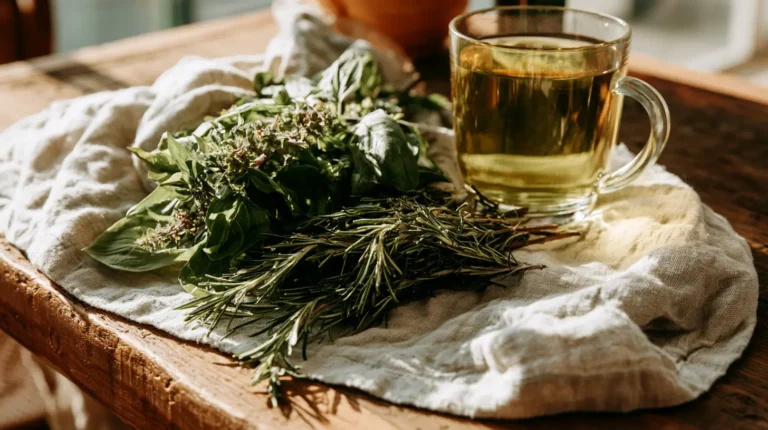
Resilience Support Tea
This gentle tea brings together calming nervines, mineral-rich herbs, and warming support for people who feel depleted, tense, or worn thin by daily stress. It is designed as a practical evening or late-afternoon tea, not as a dramatic herbal intervention. The flavor is earthy, lemony, lightly sweet, and a little grassy in the best “I am trying to act like a responsible adult” way.
Ingredients with exact measurements
1 teaspoon dried lemon balm
1 teaspoon dried oat straw
1 teaspoon dried nettle leaf
1/2 teaspoon dried holy basil
1/4 teaspoon dried ginger root
1 cup hot water
Optional: 1 teaspoon honey
Step-by-step preparation instructions
Place the lemon balm, oat straw, nettle, holy basil, and ginger into a mug or teapot.
Pour 1 cup of hot water over the herbs.
Cover and steep for 10 to 15 minutes. Covering helps keep the aromatic compounds from drifting away with the steam.
Strain well.
Add honey if desired.
Sip slowly while doing something wildly underrated, such as sitting down without multitasking.
How to use
Drink 1 cup daily as part of a calming routine, especially during stressful seasons or when you feel stretched thin. This tea is best used consistently and gently, rather than as an emergency button. Avoid using herbs as a substitute for medical care if stress, exhaustion, mood changes, or sleep problems are persistent or severe.
Food for support Low Resilience
Mineral-Rich Lentil Nettle Soup
This simple soup combines lentils, leafy greens, nettle, garlic, ginger, and vegetables for steady nourishment. In traditional herbal thinking, resilience is not only about special herbs; it is also built through warm meals, minerals, protein, fiber, and the radical act of eating something besides crackers over the sink.
Ingredients with exact measurements
1 tablespoon olive oil
1 small yellow onion, diced
2 garlic cloves, minced
1 teaspoon fresh grated ginger
1 medium carrot, diced
1 celery stalk, diced
1 cup dried red lentils, rinsed
4 cups vegetable broth or chicken broth
1 cup chopped spinach or kale
1 tablespoon dried nettle leaf
1/2 teaspoon ground turmeric
1/4 teaspoon black pepper
1/2 teaspoon sea salt, or to taste
1 tablespoon lemon juice
Step-by-step preparation instructions
Warm the olive oil in a medium pot over medium heat.
Add the onion, carrot, and celery. Cook for 5 minutes, stirring occasionally.
Add the garlic and ginger. Cook for 1 minute, until fragrant.
Add the lentils, broth, dried nettle, turmeric, black pepper, and salt.
Bring to a gentle boil, then reduce the heat and simmer for 18 to 22 minutes, or until the lentils are soft.
Stir in the spinach or kale and cook for 2 to 3 minutes.
Turn off the heat and add lemon juice.
Taste and adjust salt if needed.
How to use
Enjoy 1 bowl as a grounding lunch or dinner, especially during demanding weeks. Pair it with rest, hydration, and a steady sleep routine for a more complete resilience-supporting approach. Leftovers can be stored in the refrigerator for up to 4 days.
What Herbs You Need
The herbs traditionally used to support low resilience often include adaptogens, calming nervines, mineral-rich nutritive herbs, and gentle warming herbs. In the recipes above, the key herbs are lemon balm, oat straw, nettle, holy basil, ginger, garlic, and turmeric; additional commonly used resilience-support herbs include ashwagandha and rhodiola, though these are often used more carefully as capsules, powders, or extracts.
Lemon Balm
Latin name: Melissa officinalis
Key herbal actions:
Nervine: traditionally used to calm and support the nervous system.
Carminative: traditionally used to support comfortable digestion when tension affects the stomach.
Mild relaxant: traditionally used when stress feels restless, fluttery, or mentally busy.
Key active compounds relevant to this issue: rosmarinic acid, citral, citronellal, linalool, flavonoids, and volatile oils.
Oat Straw
Latin name: Avena sativa
Key herbal actions:
Nutritive tonic: traditionally used as a mineral-rich daily herb for long-term nourishment.
Nervine tonic: traditionally used to support a worn or depleted nervous system over time.
Demulcent: provides a moistening, soothing quality in traditional herbal use.
Key active compounds relevant to this issue: beta-glucans, minerals including magnesium and silica, flavonoids, avenanthramides, and saponins.
Nettle
Latin name: Urtica dioica
Key herbal actions:
Nutritive tonic: traditionally used as a mineral-rich herb for general vitality.
Restorative: used in herbal traditions when someone feels depleted or run down.
Mild alterative: traditionally used to support normal elimination and overall balance.
Key active compounds relevant to this issue: chlorophyll, minerals including iron, calcium, magnesium, and potassium, flavonoids, phenolic acids, and carotenoids.
Holy Basil
Latin name: Ocimum tenuiflorum or Ocimum sanctum
Key herbal actions:
Adaptogen: traditionally used to support the body’s ability to adapt to stress.
Nervine: traditionally used when stress feels emotional, tense, or mentally heavy.
Aromatic digestive: traditionally used when stress and digestion are connected.
Key active compounds relevant to this issue: eugenol, ursolic acid, rosmarinic acid, apigenin, linalool, and other volatile oils.
Ginger
Latin name: Zingiber officinale
Key herbal actions:
Warming digestive: traditionally used to support digestive fire and comfort.
Circulatory stimulant: traditionally used to encourage warmth and movement.
Carminative: traditionally used to ease gas and digestive tension.
Key active compounds relevant to this issue: gingerols, shogaols, zingerone, and volatile oils.
Garlic
Latin name: Allium sativum
Key herbal actions:
Nutritive culinary herb: traditionally used as a daily food herb for vitality.
Warming circulatory herb: traditionally used to support warmth and movement.
Digestive support: commonly used in food traditions to support robust digestion.
Key active compounds relevant to this issue: allicin, alliin, sulfur compounds, flavonoids, and selenium-containing compounds.
Turmeric
Latin name: Curcuma longa
Key herbal actions:
Warming digestive: traditionally used to support digestion and comfort after meals.
Bitter aromatic: traditionally used to support digestive secretions and food metabolism.
Traditional restorative spice: used in many food traditions for daily resilience and balance.
Key active compounds relevant to this issue: curcuminoids including curcumin, turmerones, and other volatile oils.
Ashwagandha
Latin name: Withania somnifera
Key herbal actions:
Adaptogen: traditionally used to support stress adaptation and steady recovery.
Nervine tonic: traditionally used when stress is paired with depletion or poor rest.
Restorative tonic: commonly used in Ayurveda for long-term vitality.
Key active compounds relevant to this issue: withanolides, sitoindosides, alkaloids, and steroidal lactones.
Rhodiola
Latin name: Rhodiola rosea
Key herbal actions:
Adaptogen: traditionally used to support stamina and stress adaptation.
Uplifting tonic: traditionally used when fatigue is paired with low motivation or mental dullness.
Performance-support herb: historically used in cold, high-altitude regions for endurance.
Key active compounds relevant to this issue: rosavins, salidroside, tyrosol, flavonoids, and phenolic compounds.
Key Herbal Products for Low Resilience
Adaptogen Capsules
Adaptogen capsules usually contain herbs such as ashwagandha, rhodiola, holy basil, or blends of several stress-support herbs. They are commonly used by people who want a convenient, measured form that fits into a busy routine.
Pros: easy to measure, portable, consistent serving size, and simple to use.
Cons: less flexible than tea, quality varies widely, and some adaptogens may not be appropriate for everyone.
Best choice when: someone wants convenience and does not enjoy the taste of herbal teas or powders.
Herbal Teas
Herbal teas for resilience often include lemon balm, holy basil, oat straw, nettle, chamomile, lavender, or ginger. They are commonly used as part of a daily calming ritual.
Pros: gentle, hydrating, easy to customize, and helpful for building a pause into the day.
Cons: less concentrated than extracts and requires preparation time.
Best choice when: the goal is gentle daily support, nervous system calming, and a simple evening routine.
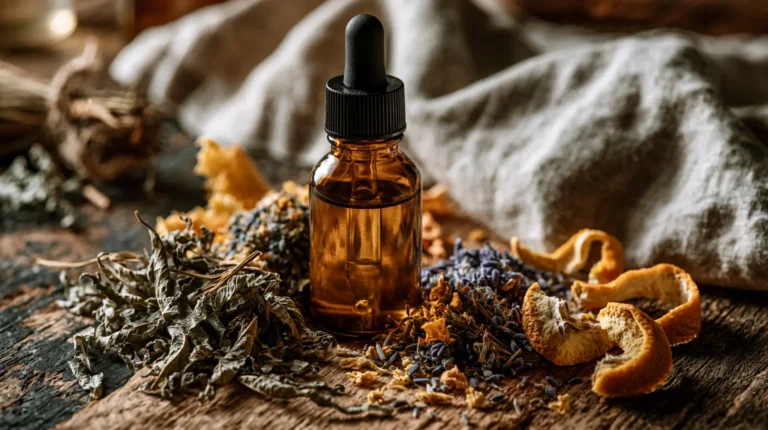
Liquid Extracts and Tinctures
Liquid extracts are concentrated herbal preparations made by extracting herbs into alcohol, glycerin, vinegar, or another liquid base. They are commonly used when someone wants a stronger or faster-to-use preparation than tea.
Pros: compact, customizable serving size, and often shelf-stable.
Cons: alcohol-based tinctures are not suitable for everyone, taste can be strong, and careful labeling matters.
Best choice when: someone wants a concentrated form and is comfortable using drops or measured servings.
Herbal Powders
Powders may include ashwagandha, maca, turmeric, ginger, or blended adaptogen formulas. They are often stirred into smoothies, warm milk, oatmeal, or other foods.
Pros: versatile, easy to combine with food, and useful for people who like kitchen-based herbalism.
Cons: taste and texture can be strong, serving sizes can be inconsistent without measuring, and powders may clump.
Best choice when: someone wants a food-style approach and does not mind earthy flavors.
Mineral-Rich Herbal Blends
These blends often include nettle, oat straw, alfalfa, horsetail, raspberry leaf, or other nutritive herbs. They are typically used as long-steeped infusions rather than quick teas.
Pros: supportive for daily nourishment, affordable, and suitable for slow, steady routines.
Cons: not dramatic, requires consistency, and long infusions take more planning.
Best choice when: low resilience feels connected with depletion, poor diet, or long-term wear-and-tear rather than acute stress alone.
FAQ
Is low resilience the same as burnout?
Not exactly. Low resilience can be a general feeling of reduced capacity to handle stress, while burnout is usually connected with prolonged overload, often from work, caregiving, or chronic responsibility. They can overlap, but persistent exhaustion, hopelessness, or major changes in mood deserve support from a qualified professional.
Can herbs rebuild resilience quickly?
Herbs are usually best understood as part of a steady support plan, not a quick personality upgrade in a bottle. Some calming herbs may feel soothing the same day, but deeper resilience usually depends on sleep, food, boundaries, movement, and consistent recovery time. The herbs are helpers, not tiny botanical employees working overtime.
Are adaptogens safe for daily use?
Some adaptogens have been studied for short-term use, often around 8 to 12 weeks, but long-term safety data is limited for many herbs. Ashwagandha, rhodiola, and holy basil may interact with medications or may not be appropriate during pregnancy, breastfeeding, autoimmune conditions, thyroid concerns, liver concerns, or certain mental health conditions. It is wise to check with a healthcare professional before using concentrated products.
What does resilience-support tea taste like?
Most resilience teas taste earthy, grassy, lemony, or lightly spicy depending on the herbs used. Lemon balm gives a bright citrus-mint flavor, oat straw and nettle taste green and mineral-rich, and ginger adds warmth. Honey or lemon can make the flavor friendlier if your taste buds are still negotiating.
Should I use fresh or dried herbs?
Both can be useful. Fresh lemon balm and holy basil are aromatic and bright, while dried herbs are easier to store and measure year-round. For mineral-rich herbs like oat straw and nettle, dried herbs are often more practical for teas and infusions.
How should I store resilience herbs?
Store dried herbs in airtight containers away from heat, moisture, and direct sunlight. Most dried leafy herbs are best used within about 1 year, while roots and spices may keep their quality longer if stored well. If an herb has lost its color, aroma, or flavor, it is probably ready for compost retirement.
Are these herbs safe for pets?
Do not give herbal products to pets unless guided by a veterinarian trained in herbal medicine. Animals metabolize herbs differently than humans, and ingredients that seem gentle for people may not be appropriate for dogs, cats, birds, or other pets. Also keep tinctures, capsules, essential oils, and loose herbs out of reach.
References
NCCIH: Ashwagandha Usefulness and Safety
NCCIH: Rhodiola Usefulness and Safety
Nutrients: Effects of Withania somnifera Extract in Chronically Stressed Adults
PubMed: Adaptogens and the Central Nervous System
PubMed: Lemon Balm and Stress-Related Effects
NIH Office of Dietary Supplements: Magnesium Fact Sheet
PubMed: Tulsi, Queen of Herbs: India’s Holy Basil
Disclaimer
This article is for educational purposes only and is not medical advice. Low resilience, chronic stress, fatigue, mood changes, poor sleep, or difficulty coping can have many causes and may require professional support. Herbs and supplements may interact with medications, medical conditions, pregnancy, breastfeeding, surgery, or mental health care. Always speak with a qualified healthcare professional before using herbal products, especially concentrated extracts, capsules, tinctures, or adaptogen formulas.