


👉 Jump straight to Where to Buy Agrimony Tincture
Agrimony tincture is a concentrated liquid extract of Agrimonia eupatoria, a tall, yellow-flowered herb long used in European folk herbalism. Taken by the dropperful, it offers a fast-absorbing way to bring this gentle, mildly bitter herb into a daily routine focused on digestion and liver support.
Quick Facts
| Botanical name | Agrimonia eupatoria |
| Plant part used | Leaves and flowering tops (aerial parts) |
| Traditional uses | Supporting digestion, gentle liver support, soothing the throat |
| Typical dosage range | 20–40 drops (approx. 1 mL), 1–3 times daily |
What Is Agrimony Tincture?
Agrimony, sometimes called “sticklewort” or “church steeples,” is a rose-family herb native to Europe, Asia, and North Africa, recognized by its tall spikes of small yellow flowers. It has a long tradition in folk herbalism as a gentle, everyday tonic plant.

A tincture is made by macerating the dried aerial parts of the plant — leaves and flowering tops — in a solvent, most commonly alcohol, though glycerin-based (alcohol-free) versions are also available. This extraction process concentrates the plant’s compounds into a shelf-stable liquid that’s absorbed more quickly by the body than tea or capsules.
You’ll typically find two types on the market:
- Alcohol-based tincture — the traditional maceration method, offering strong extraction and a long shelf life
- Glycerin-based tincture (glycerite) — alcohol-free, milder tasting, often preferred by those avoiding alcohol
Key Traditional Uses & Benefits
- Digestive support — traditionally used to ease occasional bloating and support healthy digestion
- Liver support — long used in folk herbalism as a gentle liver tonic
- Throat comfort — traditionally used to soothe an occasional scratchy throat
- Astringent properties — historically valued for its mild astringent, toning qualities
- Fast absorption — liquid tinctures are absorbed more quickly than capsules or dried herb, making onset generally faster
Note: these are traditional and folk uses. Agrimony is not intended to diagnose, treat, cure, or prevent any disease.
How It’s Made (Commercial Process)
Commercial agrimony tincture is typically produced by:
- Harvesting the aerial parts of the plant during flowering, when its compounds are most concentrated
- Macerating the dried herb in a solvent (alcohol, glycerin, or a blend) for several weeks
- Pressing and straining the plant matter out of the finished liquid
- Bottling the extract in amber glass bottles with a dropper to protect it from light
How to Make Agrimony Tincture Yourself (DIY)
Making your own agrimony tincture at home is straightforward if you have access to dried agrimony herb.
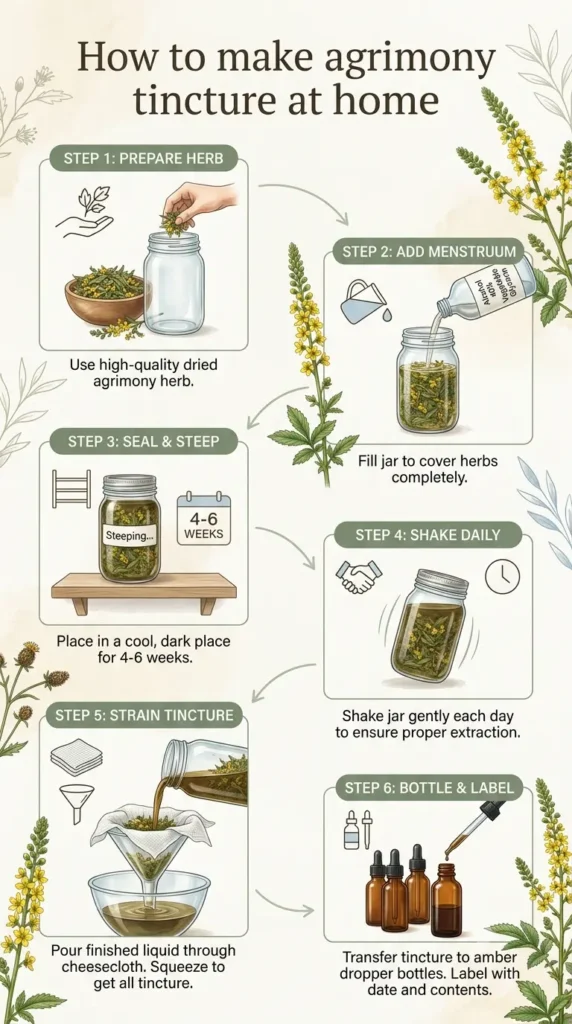
What you’ll need:
- Dried agrimony leaves and flowering tops (about ½–1 cup)
- High-proof vodka or brandy (80–100 proof), or vegetable glycerin for an alcohol-free version
- A clean glass jar with a tight-fitting lid
- Cheesecloth or a fine mesh strainer
- Amber glass dropper bottles for storage
Steps:
- Place the dried agrimony herb into a clean glass jar, filling it about one-third to one-half full.
- Pour vodka, brandy, or glycerin over the herb until fully submerged, leaving about an inch of headspace.
- Seal the jar tightly and store in a cool, dark cupboard for 4–6 weeks, shaking gently every day or two.
- After steeping, strain the liquid through cheesecloth or a fine mesh strainer, pressing out as much liquid as possible from the herb.
- Transfer the finished tincture into amber glass dropper bottles for easy dosing and storage.
- Label the bottle with the date and ingredients used for future reference.
Shelf life: Alcohol-based tinctures can last 3–5 years when stored properly; glycerin-based versions typically last 1–2 years.
While making your own is rewarding, many people still choose commercially prepared tinctures for consistent potency, lab-verified purity, and standardized dosing.
How to Use Agrimony Tincture
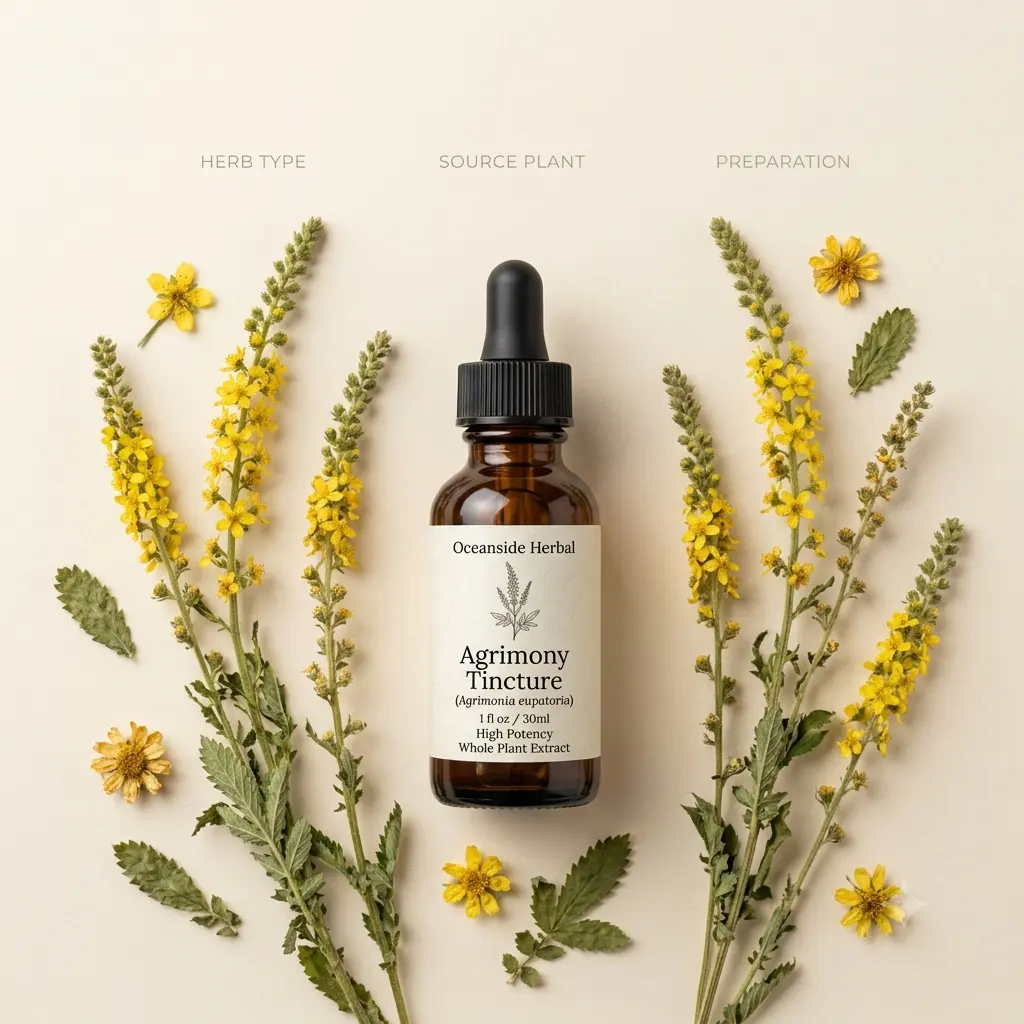
- Directly: Place drops under the tongue and hold for 30–60 seconds before swallowing
- In water: Add drops to a small glass of water to mellow the bitter, astringent taste
- In tea: Add drops to a warm (not boiling) cup of tea
- Timing: Often taken after meals to support digestion
Alcohol-based tinctures tend to be slightly more concentrated than glycerin-based versions, so always check the specific product’s suggested dosage on the label, since potency varies by brand and extraction ratio.
Potential Side Effects & Precautions
- Generally well-tolerated, but its astringent properties may cause mild stomach upset if taken in excess
- May interact with blood-thinning or diabetes medications — consult a healthcare provider if you take either
- Alcohol-based tinctures may not be suitable for those avoiding alcohol; a glycerin-based version is a good alternative
- Not well studied in pregnancy or breastfeeding; avoid unless guided by a healthcare provider
- Discontinue use and consult a doctor if you notice any allergic reaction (rash, itching, difficulty breathing)
- Always consult a qualified healthcare provider before starting any new herbal supplement, especially if you’re on medication or managing a health condition
What to Look for When Buying
- Organic certification — reduces exposure to pesticide residues
- Extraction ratio disclosed — concentration (e.g., 1:3 or 1:5) indicates potency
- Extraction method disclosed — alcohol-based vs. glycerin-based should be clearly labeled
- Sourcing transparency — brands that disclose where and how the herb is grown and harvested tend to be more trustworthy
- Amber glass packaging — protects the tincture from light degradation
Where to Buy Agrimony Tincture
A few reputable options currently available:
- Hawaii Pharm Organic Agrimony Liquid Extract (2×2 oz) — certified organic, concentrated 1:3 extraction ratio
- FLORIDA HERBS Agrimony Tincture — small-batch organic extract, free of common allergens
- HerbalTerra Agrimony Tincture (2 fl oz) — made using classic maceration, sourced from Hungary-grown organic agrimony
Other Agrimony Products
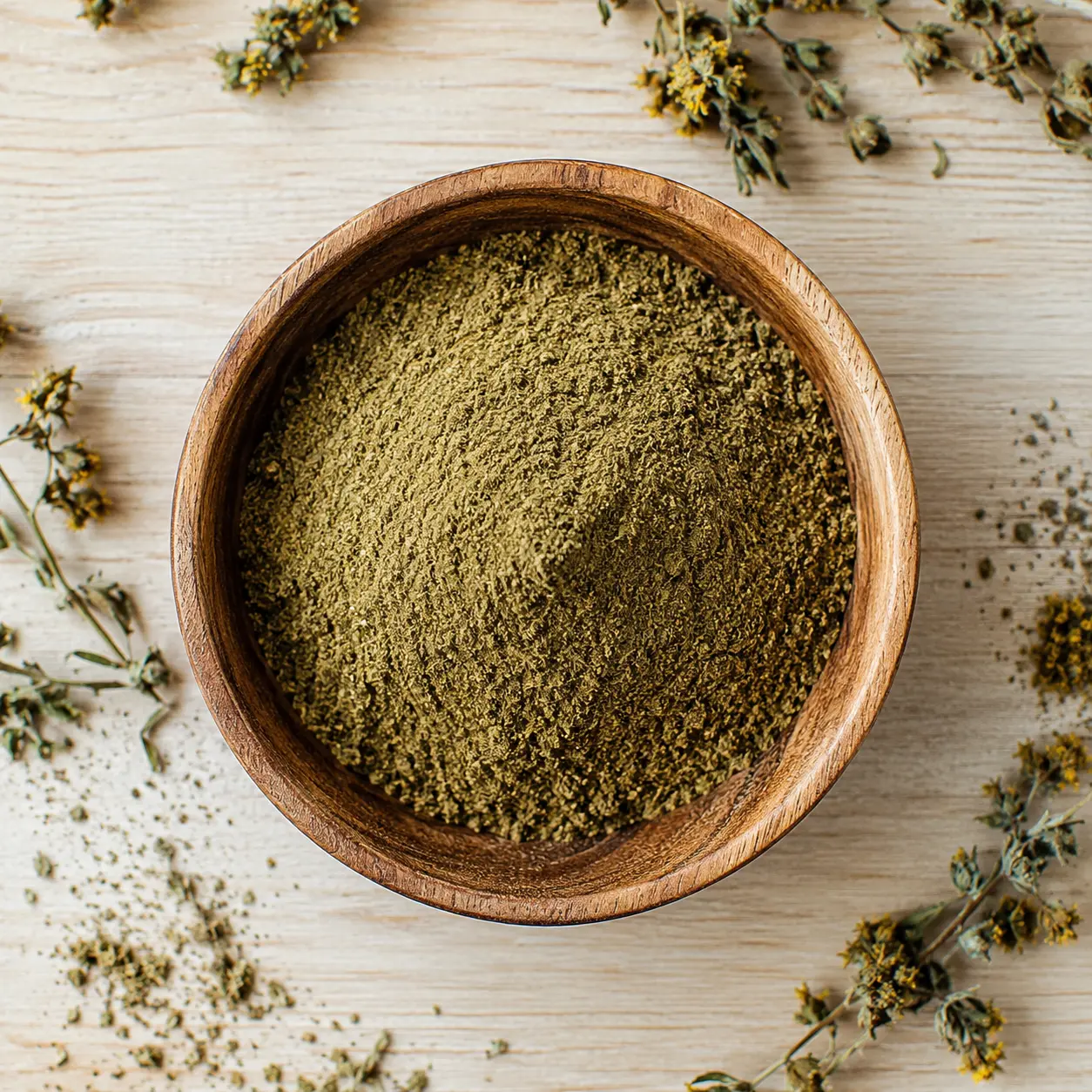
Agrimony Powder
A finely ground herb that supports healthy digestion and gentle liver function….
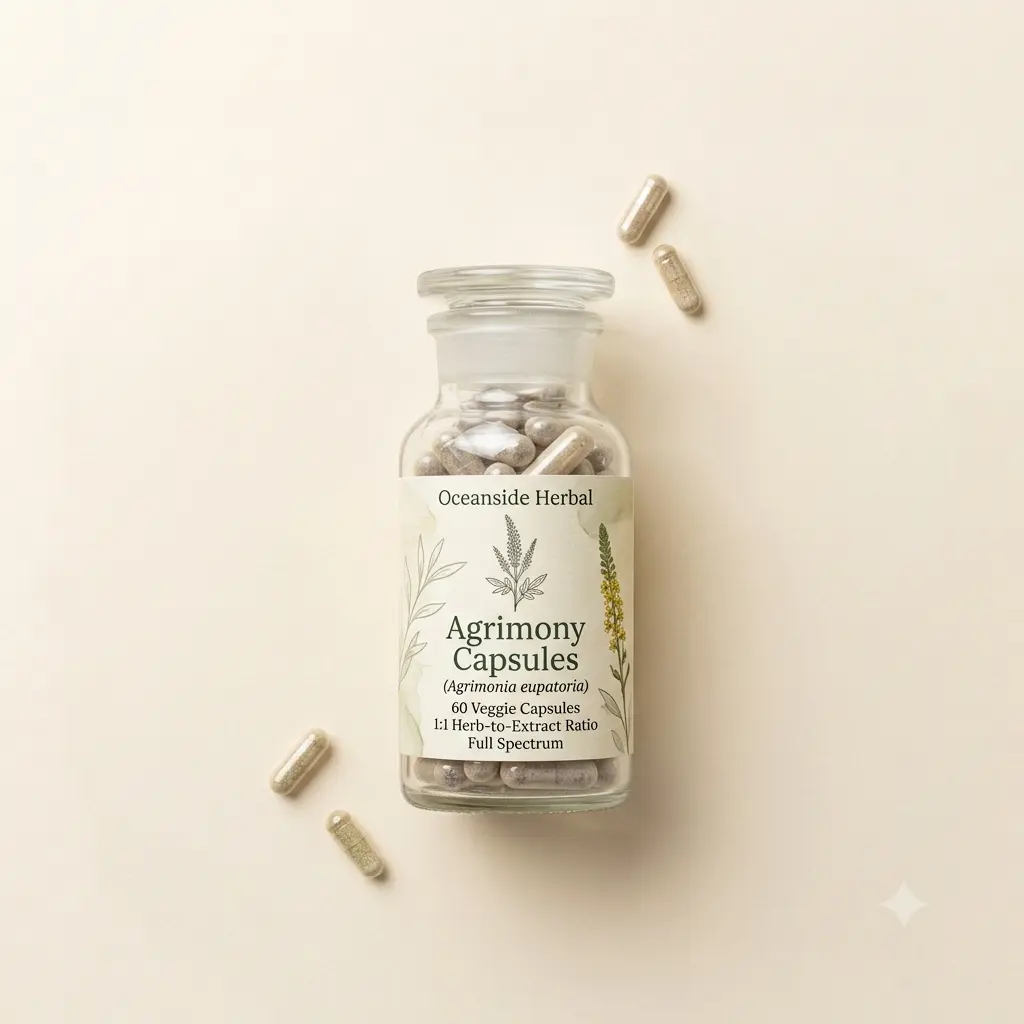
Agrimony Capsules
A convenient, tasteless way to support healthy digestion and gentle liver function…
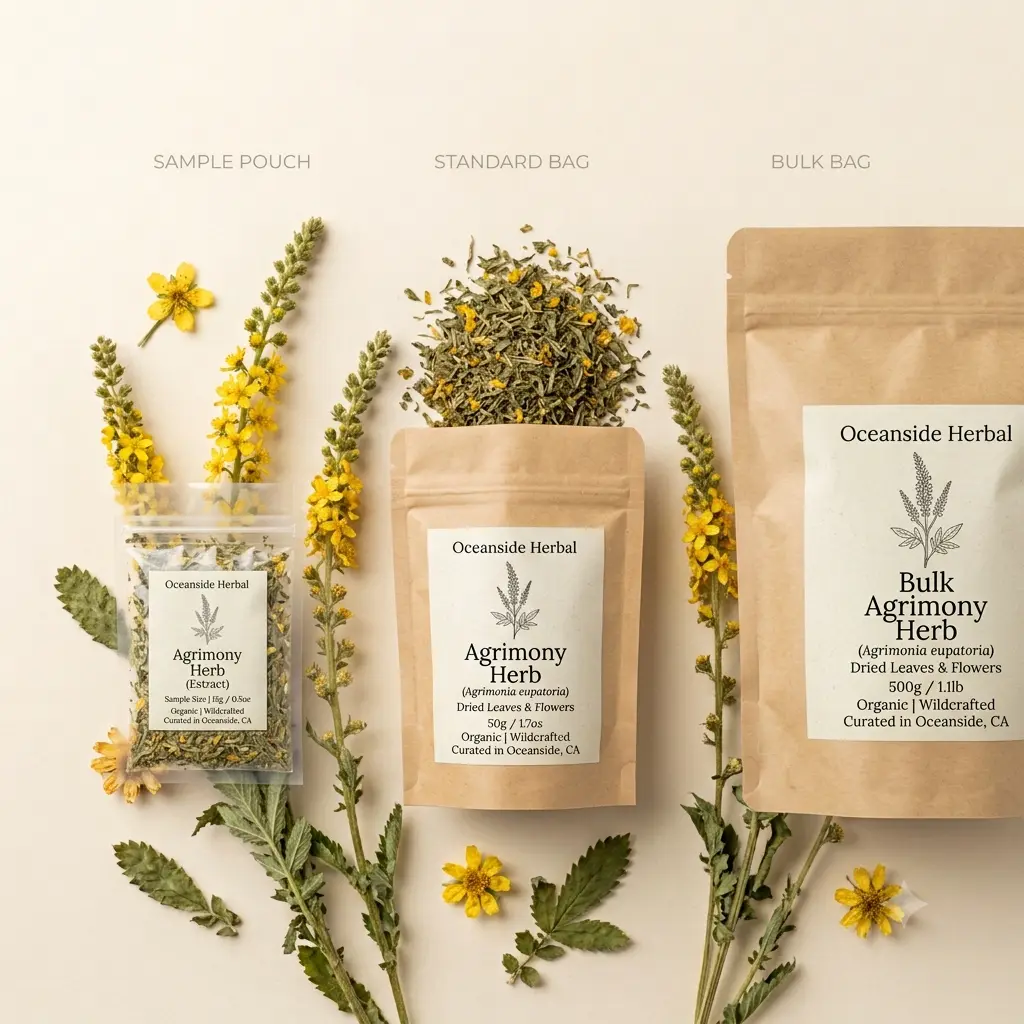
Dried Agrimony
A versatile raw herb that supports healthy digestion and gentle liver function…
FAQ
Is agrimony tincture the same as agrimony tea? No. Tea is a water-based infusion of the dried herb, while tincture is a concentrated liquid extract taken in small drop doses.
What’s the difference between alcohol-based and glycerin-based agrimony tincture? Alcohol-based tinctures are typically more concentrated and shelf-stable, while glycerin-based (alcohol-free) versions are milder and gentler, often preferred by those avoiding alcohol.
Can I take agrimony tincture every day? Many people use it daily, but it’s best to consult a healthcare provider for personalized guidance, especially for extended use.
Does agrimony tincture taste good? It has a mildly bitter, astringent, earthy flavor — many people dilute it in water or juice to make it easier to take.
How should I store agrimony tincture? Keep it in its original amber glass bottle, away from direct light and heat, in a cool cupboard.
Is agrimony tincture safe for kids? Speak with a pediatrician before giving any herbal tincture to children; an alcohol-free glycerite is generally the preferred option if approved.
Conclusion
Agrimony tincture is a fast-absorbing, concentrated way to bring this traditional digestive and liver-supporting herb into your routine — whether taken directly, diluted in water, or made at home from dried herb. If you’d rather skip the weeks-long steeping process, a quality organic tincture from a trusted retailer is a convenient, ready-to-use alternative.
Disclaimers
These statements have not been evaluated by the FDA. This product is not intended to diagnose, treat, cure, or prevent any disease. Always consult a qualified healthcare provider before starting any new supplement.