In herbal practice, horse chestnut is best known through properly processed seed extracts standardized for aescin, also called escin. Traditionally and clinically, these extracts are mainly associated with vein tone, leg heaviness, swelling, and circulation support. Horse chestnut is not a casual kitchen herb. It is more like a specialized tool in the herbal cabinet.
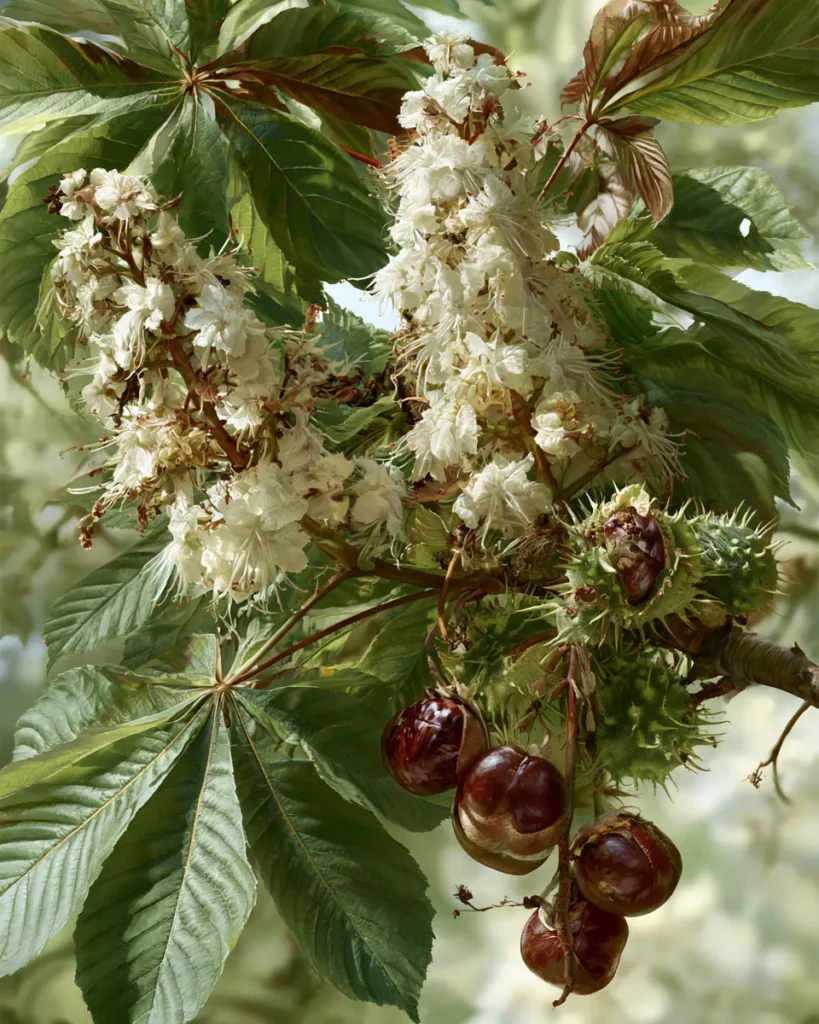
Horse Chestnut (Aesculus hippocastanum)
Horse chestnut is traditionally connected with these wellness areas:
Circulation Support: Standardized horse chestnut seed extract is best known for supporting healthy vein tone and comfort in the legs.
Heavy Legs and Swelling: Horse chestnut is often used in formulas for leg heaviness, ankle puffiness, and tired legs related to venous circulation.
Connective Tissue and Vessel Support: Aescin is studied for its relationship with capillary strength, fluid balance, and vascular tone.
Topical Comfort: Horse chestnut appears in creams and gels used for tired legs, visible veins, bruising, and localized tissue comfort.
“Horse chestnut is the polished brown seed that says, ‘Let’s give those tired legs a little backup.”
Available Horse Chestnut Products
Standardized Horse Chestnut Seed Extract
This is the most important and appropriate internal form of horse chestnut. Quality products are usually standardized to aescin content, often around 16–20% aescin depending on the product and country. Proper processing is important because raw horse chestnut contains toxic compounds that should not be consumed.
Horse Chestnut Capsules
Capsules commonly contain standardized horse chestnut seed extract. This form is convenient and allows the user to follow a clearly measured serving size. Labels should identify the plant part as seed, list aescin content, and avoid vague wording such as “whole horse chestnut powder” for internal use.
Horse Chestnut Tablets
Tablets are similar to capsules and often use standardized extracts. They may be designed for circulation and vein-support formulas. Choose products from reputable manufacturers with clear testing and dosage information.
Horse Chestnut Tincture
Horse chestnut tinctures exist, but they require caution. Homemade tinctures are not recommended because raw seeds and other plant parts contain unsafe compounds. If using a tincture, choose a professionally prepared product with clear labeling and safety guidance.
Horse Chestnut Topical Gel
Topical gels are common for tired legs, visible veins, and localized swelling. They are not meant to replace medical care for vein disease, blood clots, wounds, or unexplained swelling. Avoid applying gels to broken skin unless the product specifically says it is safe for that use.
Horse Chestnut Cream or Ointment
Creams and ointments are used externally for leg comfort and skin massage. They may be combined with herbs such as butcher’s broom, witch hazel, arnica, or calendula. Patch-test first if you have sensitive skin.
Raw Horse Chestnut Seeds
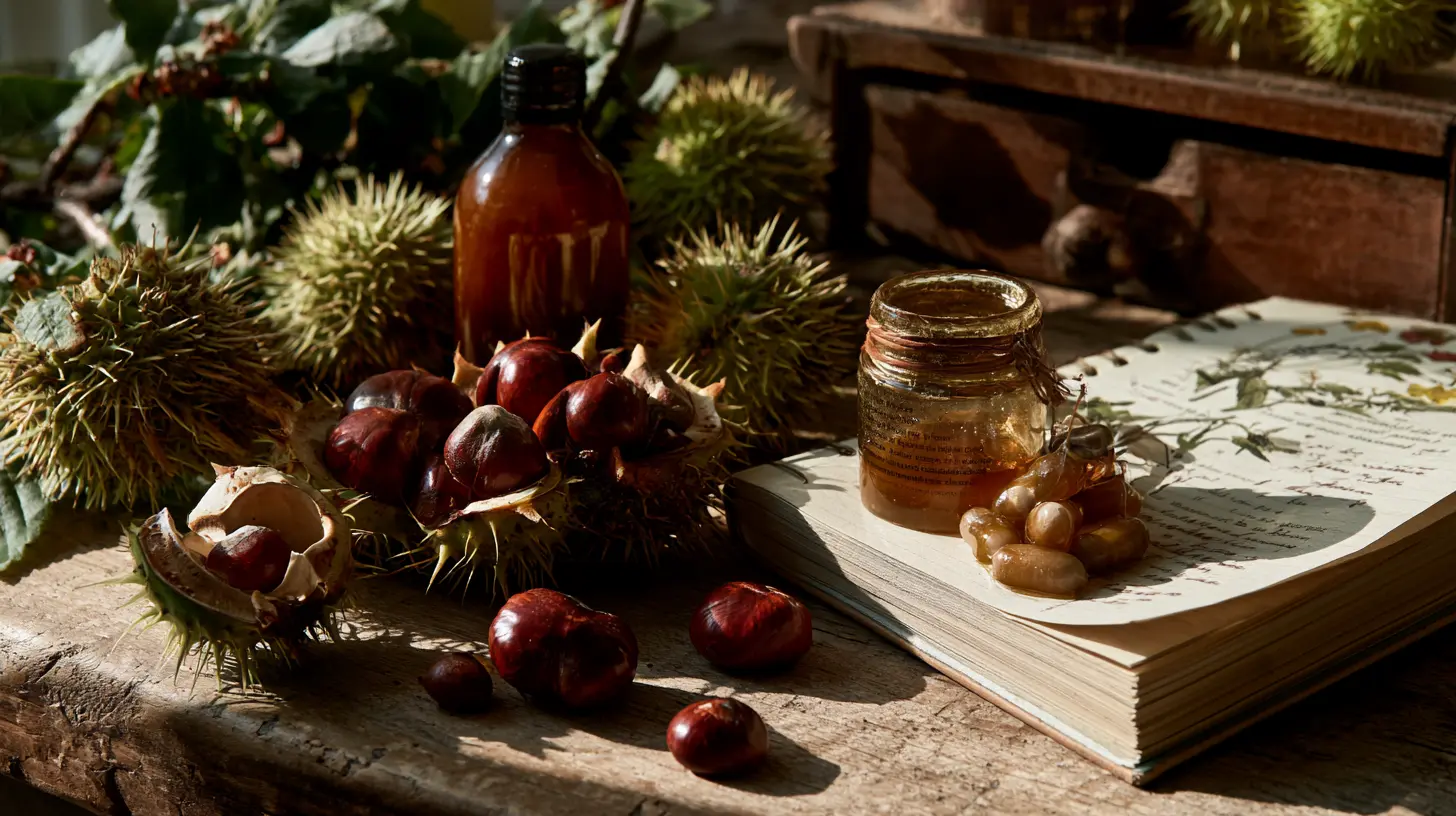
Raw seeds should not be used internally. They are not edible chestnuts and should not be made into home tea, powder, flour, capsules, or food. This is the form to admire under a tree, not the form to put in your teacup.
Key Herbal Actions
Horse chestnut is known as a venotonic, astringent, anti-edematous herb, capillary-supportive herb, anti-inflammatory herb, antioxidant, and topical vulnerary-support herb.
Venotonic
A venotonic supports healthy vein tone. Horse chestnut seed extract is most strongly associated with this action because aescin has been studied for venous circulation, leg heaviness, and swelling.
Astringent
Astringent herbs help tone and tighten tissues. Horse chestnut contains tannins and other compounds that contribute to its traditional tissue-toning reputation. This action is especially relevant to veins, capillaries, and topical preparations.
Anti-Edematous Herb
Anti-edematous herbs are traditionally used to support healthy fluid balance in tissues. Horse chestnut seed extract is studied in relation to leg swelling and fluid leakage from small blood vessels. This is one reason it appears in vein-support formulas.
Capillary-Supportive Herb
Capillaries are the smallest blood vessels. Horse chestnut is used to support capillary integrity and reduce the feeling of tissue congestion. Its saponins and flavonoids help explain this traditional and modern use.
Anti-Inflammatory Herb
Horse chestnut compounds, especially aescin, have been studied for inflammatory pathways. In herbal language, this supports its use for tissue comfort and swelling-related concerns. It should not be described as a cure for inflammatory disease.
Antioxidant
Horse chestnut contains flavonoids and proanthocyanidins that contribute antioxidant activity. These compounds help protect plant tissues and are studied for their role in vascular health.
Topical Vulnerary-Support Herb
Externally, horse chestnut is used in gels and creams for tissue comfort and appearance. It is not a classic open-wound herb, but it may support the feeling of tone and comfort in intact skin.
Active Compounds and Extraction
Horse chestnut contains triterpene saponins known as aescin or escin, coumarin glycosides such as aesculin and fraxin, flavonoids including quercetin and kaempferol derivatives, tannins, proanthocyanidins, and sterols.
Aescin / Escin
Aescin, also spelled escin, is the best-known active compound group in horse chestnut seed. It is a mixture of triterpene saponins studied for vascular tone, capillary permeability, swelling, and inflammatory pathways. Standardized horse chestnut seed extracts are usually designed around aescin content.
Best extraction methods:
Commercial standardized extract: This is the safest and most reliable internal form. Reputable manufacturers process the seeds to concentrate aescin and reduce unsafe compounds.
Hydroalcoholic extraction: Alcohol-water extraction can pull out saponins and related compounds, but this should be done professionally for internal products. Homemade extracts may not remove toxic constituents reliably.
Topical gel extraction: Aescin is commonly used in topical gels and creams. These products are formulated for external use and should follow label directions.
Coumarin Glycosides: Aesculin and Fraxin
Horse chestnut contains coumarin glycosides, including aesculin and fraxin. Aesculin is one reason raw horse chestnut plant parts are considered unsafe. Properly processed commercial extracts are designed to reduce or remove unsafe levels of these compounds.
Best extraction methods:
Do not home-extract for internal use: Because aesculin is a safety concern, horse chestnut is not a good candidate for homemade teas, powders, or tinctures.
Professional processing: Internal products should come from manufacturers that follow quality standards and identify standardized aescin content.
Flavonoids
Horse chestnut contains flavonoids such as quercetin and kaempferol derivatives. Flavonoids are plant compounds often studied for antioxidant and vascular-supportive activity. They help round out the herb’s circulation-focused profile.
Best extraction methods:
Hydroalcoholic extract: A water-alcohol extract captures a broader range of flavonoids than water alone.
Topical preparations: Flavonoid-rich extracts may appear in creams or gels for skin and vein-support formulas.
Tannins
Tannins are astringent compounds that help explain horse chestnut’s tissue-toning reputation. They are especially relevant to topical use and traditional discussions of vessel tone.
Best extraction methods:
Water extraction: Tannins extract well into water, but horse chestnut tea is not recommended for home use because of safety concerns.
Commercial extract: Properly manufactured extracts are preferred when internal use is considered.
Proanthocyanidins
Proanthocyanidins are antioxidant compounds also found in herbs such as grape seed and pine bark. In horse chestnut, they contribute to the overall vascular and antioxidant profile.
Best extraction methods:
Hydroalcoholic extract: Alcohol-water extraction is useful for a broad range of polyphenols.
Whole standardized extract: A standardized seed extract provides a more controlled preparation than homemade extraction.
Harvesting and Storing Right
Horse chestnut seeds mature in late summer to autumn, when the spiky green capsules split open and release shiny brown seeds. Although they are beautiful and easy to collect, home harvesting is not recommended for internal herbal use.
The reason is safety. Raw seeds, leaves, bark, and flowers contain compounds that can be toxic when ingested. Internal horse chestnut products should be professionally processed and standardized.
Storage tips:
Standardized capsules or tablets: Store in a cool, dry place away from light and moisture. Follow the expiration date on the label.
Liquid extracts: Keep tightly closed and stored away from heat and sunlight. Follow the manufacturer’s shelf-life guidance.
Topical gels and creams: Store according to the label and avoid contamination by using clean hands.
Raw seeds: Keep away from children and pets. Do not store them with edible nuts or chestnuts.
Body Functions Horse Chestnut Can Support
Horse chestnut can support circulation, lymphatic system, skin, muscles and joint, and reproductive system male.
Circulation
Horse chestnut is best known for vein and circulation support. Standardized seed extract has been studied for chronic venous insufficiency, especially symptoms such as leg heaviness, swelling, itching, and tiredness. It should be used as supportive care, not as a replacement for medical evaluation.
Lymphatic System
Horse chestnut is sometimes used in formulas for tissue fluid balance. Its relevance comes from its studied effects on capillary permeability and swelling. Herbalists may choose it when fluid feels “stuck” in the lower legs, but sudden or one-sided swelling needs medical attention.
Skin
Horse chestnut topical gels and creams are often used for the appearance and comfort of tired legs and visible veins. Its astringent and vascular-supportive actions make it common in external formulas. It should be used only on intact skin unless a product specifically says otherwise.
Muscles and Joint
Topical horse chestnut may be included in products for bruising, soft tissue comfort, or sports-related massage. This use is related to local circulation and swelling support. It is not a pain-relief cure and should not be used over serious injuries without guidance.
Reproductive System Male
Aescin has been studied in relation to varicocele-associated male fertility concerns, where vein function is part of the picture. This is a specialized medical topic, not a casual supplement use. Men with fertility concerns should work with a qualified healthcare professional.
Safety and Practical Considerations
Horse chestnut requires more caution than many common herbs. Raw horse chestnut seeds, leaves, bark, and flowers should not be eaten or made into homemade tea, powder, tincture, or food.
Only properly processed and standardized horse chestnut seed extract should be considered for internal use. Look for products that list aescin or escin content and come from reputable manufacturers.
Horse chestnut may interact with blood-thinning medications, anticoagulants, antiplatelet drugs, diabetes medications, lithium, and drugs that affect the liver or kidneys. Anyone taking prescription medications should ask a healthcare professional before using it.
People with kidney disease, liver disease, bleeding disorders, digestive ulcers, or serious circulation problems should avoid horse chestnut unless medically supervised.
Pregnant and breastfeeding people should avoid horse chestnut because safety is not well established. Children should not use horse chestnut supplements unless directed by a qualified clinician.
Do not use horse chestnut as a substitute for urgent care. Sudden leg swelling, one-sided swelling, chest pain, shortness of breath, severe calf pain, skin ulcers, or signs of a blood clot require medical attention.
Topical products can irritate sensitive skin. Patch-test first and avoid applying to broken or infected skin.
FAQ
What does horse chestnut taste like?
Horse chestnut is not normally used for taste because raw forms should not be consumed. Standardized capsules and tablets usually have little taste. Liquid extracts may taste bitter, earthy, and astringent.
When is the best time to use horse chestnut?
Internal products should be used according to label directions or professional guidance. Horse chestnut is commonly used with meals to reduce stomach upset. Topical gels are often applied when legs feel tired or heavy.
Is fresh or dried horse chestnut better?
Neither fresh nor dried raw horse chestnut is appropriate for home internal use. Properly processed standardized seed extract is the preferred internal form. Fresh seeds are useful for botanical identification, not for kitchen herbal preparations.
Is horse chestnut tea, tincture, or capsule better?
Capsules or tablets made from standardized seed extract are usually the most appropriate internal form. Tea is not recommended because raw horse chestnut contains unsafe compounds. Tinctures should only be professionally prepared and clearly labeled.
Can horse chestnut be used daily?
Some standardized extracts have been used daily in studies for short-term periods, but daily use should be guided by label directions or a healthcare professional. Long-term self-use is not ideal, especially for people taking medications or managing circulation issues.
How should horse chestnut be stored?
Store capsules, tablets, and extracts in a cool, dry place away from heat, light, and moisture. Keep all horse chestnut products away from children and pets. Raw seeds should never be stored near edible nuts.
Does horse chestnut combine well with other herbs?
Horse chestnut is often combined with butcher’s broom, grape seed, pine bark, gotu kola, witch hazel, calendula, or arnica in vein-support or topical formulas. Combining multiple circulation herbs with medications should be done cautiously.
Is horse chestnut the same as edible chestnut?
No. Horse chestnut is not the same as sweet chestnut. Sweet chestnut comes from Castanea species and is edible when properly prepared. Horse chestnut comes from Aesculus hippocastanum and raw plant parts are unsafe to eat.
Is horse chestnut safe for everyone?
No. It is not suitable for everyone and should be avoided by pregnant or breastfeeding people, children, and people with liver disease, kidney disease, bleeding disorders, or medication concerns unless professionally guided.
Can horse chestnut be used for pets?
Horse chestnut should not be given to pets. Raw horse chestnut can be toxic to animals, and supplements should only be considered under direct veterinary guidance.
Disclaimer
This content is educational only. It is not medical advice, diagnosis, or treatment. Herbs may interact with medications or health conditions. People who are pregnant, breastfeeding, managing a medical condition, taking prescription medications, or preparing for surgery should consult a qualified healthcare professional before using herbs.
References
European Medicines Agency: Horse Chestnut Seed Herbal Medicine
Memorial Sloan Kettering Cancer Center: Horse Chestnut
Cochrane Review: Horse Chestnut Seed Extract for Chronic Venous Insufficiency
PubMed: Aescin Pharmacology, Pharmacokinetics and Therapeutic Profile
Kew Science: Plants of the World Online – Aesculus hippocastanum