Lavender is one of the most recognizable aromatic herbs in traditional Western herbalism. Its purple flower spikes, soft floral scent, and calming reputation have made it a favorite in teas, sachets, baths, infused oils, and evening routines.
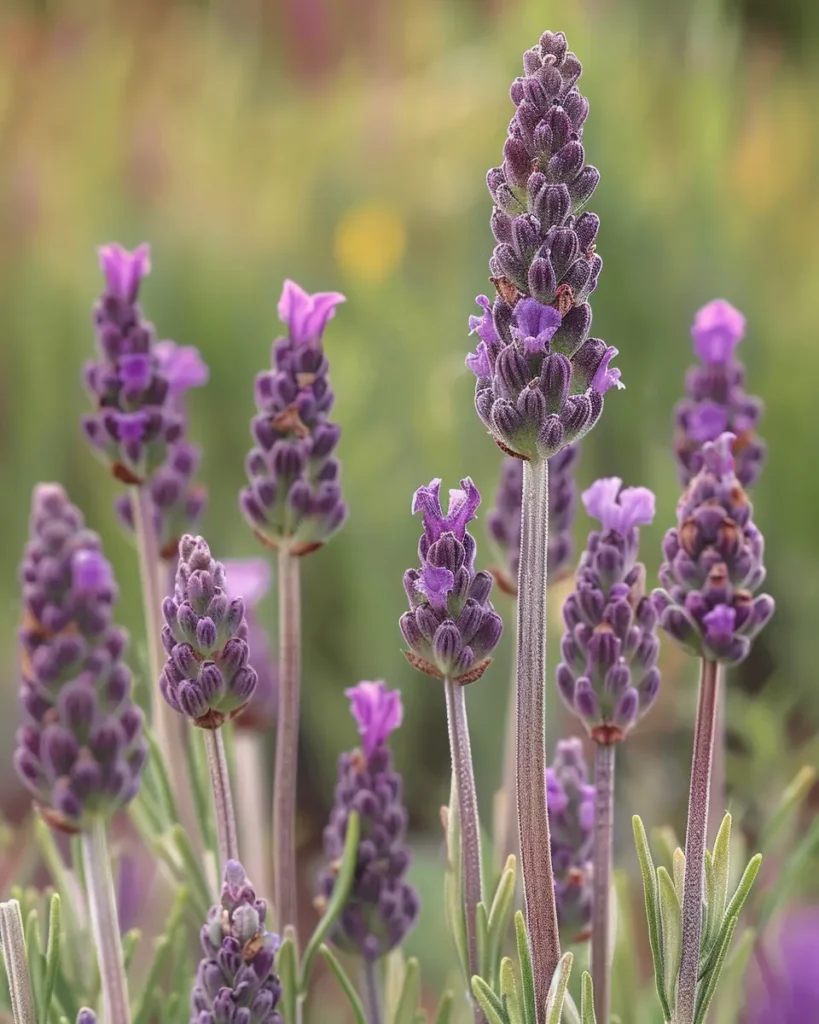
Lavender (Lavandula angustifolia)
Traditional and modern herbal uses of lavender include:
Stress Support: Lavender is traditionally used as a calming nervine, especially when the body feels tense, overstimulated, or emotionally “too full.”
Sleep Support: Lavender flower and lavender essential oil are commonly used to support relaxation before bedtime. It does not knock the body into sleep; it gently reminds the nervous system where the off switch might be.
Digestion: As an aromatic carminative, lavender has been used to support digestion when occasional gas, bloating, or nervous stomach feelings show up.
Skin Comfort: Lavender has a long history in topical preparations such as infused oils, baths, compresses, and diluted essential oil blends for general skin comfort and body care.
“Lavender is the herb version of a quiet room, a warm cup, and a deep breath.”
Available Lavender Products
Dried Lavender
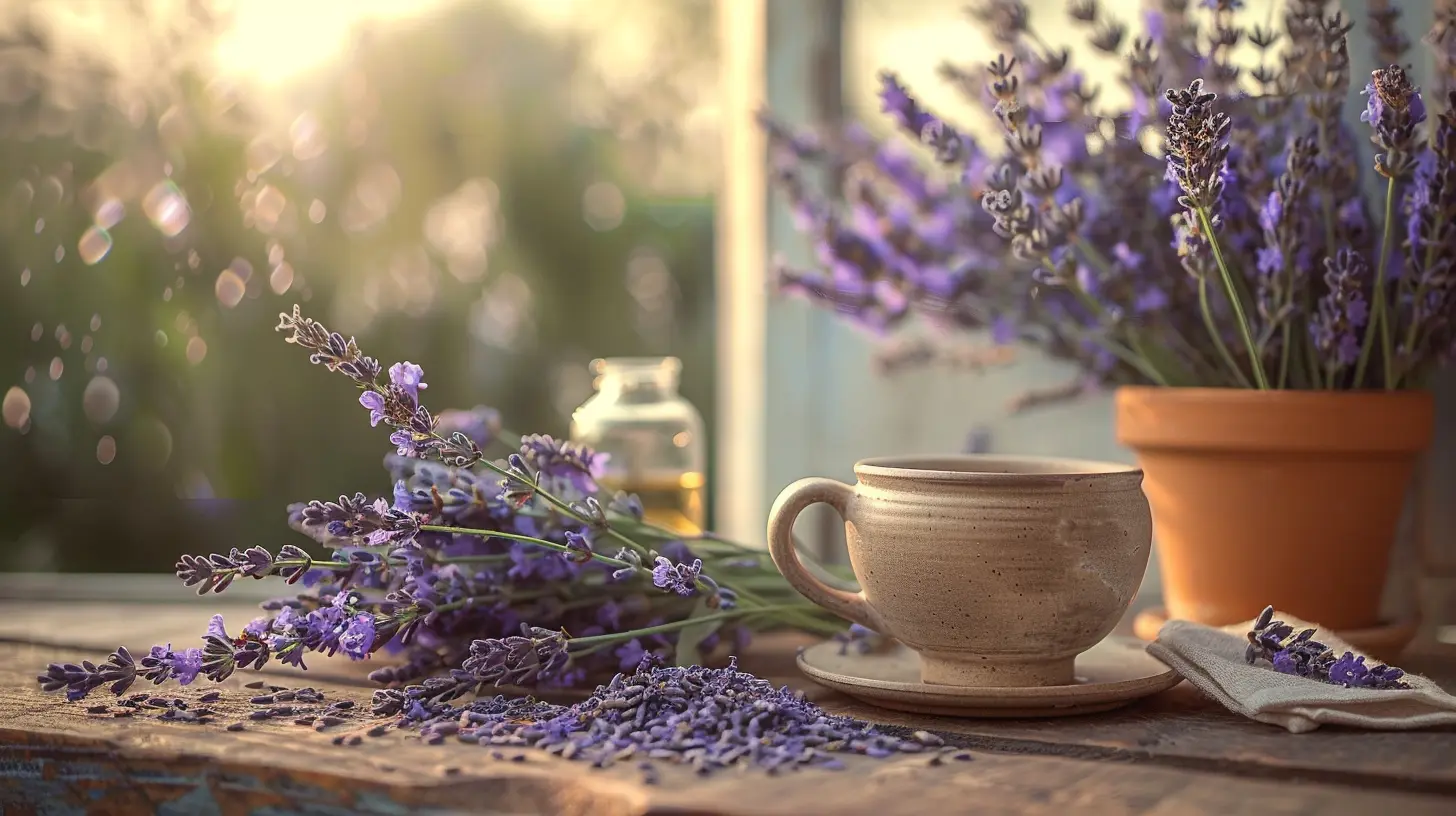
Dried lavender flowers are commonly used for tea, bath blends, sachets, herbal pillows, culinary recipes, and infused oils. Good dried lavender should have a clean floral aroma and blue-purple color. If it smells dusty, flat, or like an old drawer sachet from another century, it has probably lost much of its aromatic strength.
Lavender Tincture
Lavender tincture is usually made by extracting lavender flowers in alcohol. It is practical when someone wants a small, concentrated herbal preparation without making tea. In traditional herbal practice, lavender tincture is often used for nervous system support, digestive tension, and evening relaxation.
Lavender Capsules
Lavender capsules may contain powdered lavender flower, lavender extract, or specially prepared lavender oil. These are not the same thing, so the label matters. Buyers should check the plant name, plant part, serving size, extract ratio, and whether the product uses whole herb, extract, or essential oil.
Lavender Glycerite
Lavender glycerite is an alcohol-free liquid extract made with vegetable glycerin. It may be useful for people who avoid alcohol, though glycerin does not extract volatile oils as strongly as alcohol. Lavender glycerites tend to taste sweet and floral, which makes them friendlier than many herbal extracts.
Lavender Essential Oil
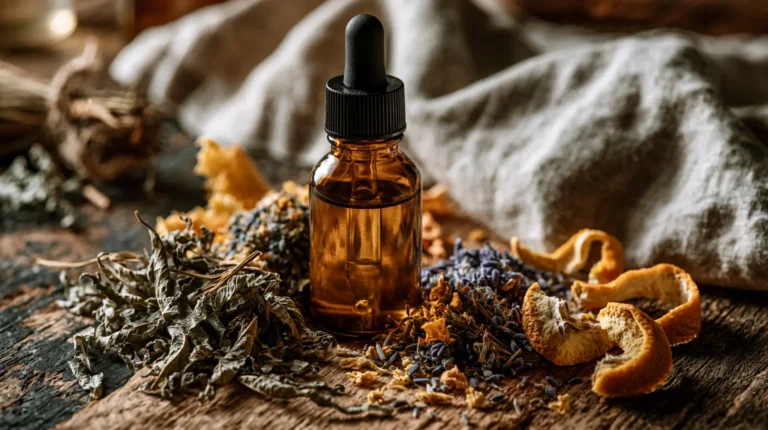
Lavender essential oil is steam-distilled from the flowering tops of the plant. It is highly concentrated and should be used carefully. It is commonly used in aromatherapy, massage oils, baths, linen sprays, and diluted topical blends. Internal use of lavender essential oil should not be casual or self-directed.
Lavender Infused Oil
Lavender infused oil is made by steeping dried lavender flowers in a carrier oil such as olive, jojoba, sunflower, or almond oil. This preparation is much gentler than essential oil and is commonly used in massage oils, salves, body oils, and skin-care blends.
Lavender Hydrosol
Lavender hydrosol is the aromatic water produced during steam distillation. It is much milder than essential oil and is often used as a facial mist, linen spray, cooling body spray, or gentle aromatic skin preparation.
Culinary Lavender
Food-grade lavender is used in teas, honey, syrups, baked goods, herbal sugars, and savory blends such as herbes de Provence. Culinary lavender should be used lightly. A pinch can feel elegant; a spoonful can make dessert taste like soap joined the committee.
Key Herbal Actions
Nervine
A nervine is an herb traditionally used to support the nervous system. Lavender is considered a calming aromatic nervine because its fragrance and volatile oils are associated with relaxation, emotional ease, and gentle nervous system support.
Carminative
Carminatives are aromatic herbs traditionally used to support digestion and ease occasional gas or bloating. Lavender’s volatile oils explain why it has been used in small amounts in digestive tea blends, especially when digestion feels affected by stress.
Antispasmodic
Antispasmodic herbs are traditionally used to relax occasional tension in muscles or the digestive tract. Lavender’s aromatic compounds help explain its use in baths, massage oils, and digestive blends.
Mild Sedative
A mild sedative herb supports relaxation and the body’s natural movement toward rest. Lavender is not a heavy sedative herb; it is more of a gentle evening companion.
Aromatic
Aromatic herbs contain volatile oils that create strong scent and quick sensory effects. Lavender’s aroma is central to its traditional use in teas, sachets, pillows, baths, and aromatherapy.
Vulnerary
A vulnerary is an herb traditionally used to support the skin’s natural repair and comfort. Lavender has a long history in topical herbal preparations, especially infused oils, salves, washes, and baths.
Antioxidant
Lavender contains phenolic compounds and flavonoids that have shown antioxidant activity in laboratory research. This supports lavender’s broader role as a protective aromatic herb, though laboratory antioxidant activity should not be interpreted as a guaranteed medical effect in the body.
Active Compounds and Extraction
Volatile Oils
Lavender’s volatile oil contains aromatic compounds such as linalool, linalyl acetate, lavandulol, terpinen-4-ol, and other terpenes. Linalool and linalyl acetate are often discussed as key lavender constituents connected with its calming aroma and traditional nervous system use. Essential oil composition varies depending on species, growing region, harvest timing, drying, and distillation method.
Best extraction methods: steam distillation, covered hot infusion, alcohol tincture, infused oil.
How to make lavender tea: Use 1–2 teaspoons dried lavender flowers per cup of hot water. Pour just-boiled water over the flowers, cover, steep 5–10 minutes, then strain. Covering the cup helps keep the aromatic oils from escaping before you get to enjoy them.
How to make lavender infused oil: Fill a clean, dry jar about halfway with dried lavender flowers. Cover completely with a carrier oil, seal, and let sit in a warm place for 2–4 weeks, shaking occasionally. Strain well and store away from heat and light.
Essential Oil Constituents
Lavender essential oil is rich in monoterpenes and esters, especially linalool and linalyl acetate. These compounds are studied for their effects on the nervous system, including relaxation-related pathways. Because essential oils are concentrated, they require more caution than tea or dried herb preparations.
Best extraction method: steam distillation.
How lavender essential oil is made: Fresh or partly dried flowering tops are placed in a still. Steam passes through the plant material, carrying volatile aromatic compounds, which are then condensed and separated into essential oil and hydrosol. This is not the same as making tea or infused oil at home.
Phenolic Acids
Lavender contains phenolic acids, including rosmarinic acid and related compounds. Phenolic acids are plant compounds studied for antioxidant and inflammation-modulating activity. In whole-herb use, they contribute to lavender’s broader supportive profile rather than acting alone.
Best extraction methods: hot water infusion, alcohol tincture.
How to extract phenolic acids in tea: Prepare lavender as a covered infusion and steep for about 10 minutes. A longer steep may taste stronger and more bitter, so lavender tea is best kept gentle.
Flavonoids
Lavender flowers contain flavonoids, a group of plant compounds often associated with antioxidant activity. Flavonoids are common in many medicinal and culinary plants. They contribute to lavender’s whole-plant profile alongside volatile oils and phenolic acids.
Best extraction methods: hot water infusion, alcohol tincture.
How to extract flavonoids: Use dried lavender flowers in hot water, covered, or prepare an alcohol tincture. Water is suitable for tea, while alcohol can extract a broader range of aromatic and phenolic compounds.
Tannins
Lavender contains small amounts of tannins, which are naturally astringent plant compounds. Astringent herbs gently tighten tissues, which helps explain lavender’s traditional use in skin washes and bath blends.
Best extraction methods: water infusion, alcohol tincture.
How to make a lavender skin wash: Use 1 tablespoon dried lavender flowers per cup of hot water. Steep covered for 10 minutes, strain thoroughly, cool, and use externally the same day.
Coumarins and Other Minor Constituents
Lavender also contains small amounts of coumarins and other secondary plant compounds. These are part of the plant’s natural chemical profile, though they are not usually the main focus of lavender preparations.
Best extraction methods: alcohol tincture, mixed water-alcohol extraction.
How to make a lavender tincture: Cover dried lavender flowers with alcohol, commonly around 40–60% alcohol by volume. Let the mixture macerate for 2–4 weeks, shaking regularly, then strain and bottle.
Harvesting and Storing Right
Lavender is usually harvested in late spring to summer, when the flower buds are formed and some flowers are just beginning to open. This stage often gives the best balance of fragrance, color, and volatile oil content.
Harvest on a dry morning after the dew has evaporated but before the strongest afternoon heat. Use clean scissors or pruners, cut the flowering stems, and gather them in loose bundles.
To dry lavender, hang bundles upside down in a shaded, dry, well-ventilated area. Avoid direct sunlight because it can fade the flowers and weaken the aroma.
Dried lavender should be stored in airtight containers away from heat, light, and moisture. For tea and culinary use, it is best within about 1 year. For sachets or bath blends, it may remain useful longer if the aroma is still strong.
Lavender essential oil should be stored in a tightly closed dark glass bottle away from heat and sunlight. It is generally best used within about 2–3 years, though freshness depends on storage quality.
Lavender hydrosol is more delicate and usually has a shorter shelf life. Keep it refrigerated when possible and replace it if the scent changes, cloudiness appears, or the product seems unstable.
Body Functions Lavender Can Support
Stress Support
Lavender is best known as a calming aromatic nervine. Its volatile oil constituents, especially linalool and linalyl acetate, are associated with relaxation-focused traditional use and modern research interest. Lavender may be helpful as part of a calming routine that also includes rest, quiet, and less screen glare from the tiny glowing rectangle of modern life.
Sleep
Lavender flower and lavender oil are traditionally used to support relaxation before sleep. The European Medicines Agency recognizes lavender oil’s traditional use for mild symptoms of mental stress and exhaustion and to aid sleep. Lavender works best as part of a bedtime ritual rather than as a stand-alone solution.
Nervous System
Lavender’s nervine action makes it especially relevant to the nervous system. Its aroma, volatile oils, and traditional use all point toward gentle calming support. It is commonly used in teas, baths, aromatherapy, sachets, and massage oils.
Digestion System
Lavender is an aromatic carminative, meaning it has traditionally been used to support digestion and ease occasional gas or bloating. This makes sense because aromatic herbs often influence both digestion and the nervous system. Lavender is usually used in small amounts because its flavor can quickly take over a blend.
Skin
Lavender is widely used in topical herbal preparations such as infused oils, salves, compresses, and bath blends. Its volatile oils, phenolic compounds, and mild astringency help explain its traditional use for general skin comfort. Essential oil should always be diluted before applying to skin.
Muscles and Joint
Lavender is commonly used in baths and massage oils for occasional body tension. Its aromatic and antispasmodic qualities make it a good companion to herbs such as rosemary, chamomile, and calendula in topical preparations.
Brain
Lavender’s main relationship with brain function is through relaxation, sensory calming, and nervous system support. It is not a sharp-focus stimulant like rosemary, but it may help create a calmer mental atmosphere. Think less “study all night” and more “stop arguing with your own thoughts at 10 p.m.”
Dental Oral
Lavender has a traditional place in aromatic mouth rinses and herbal washes. Its volatile oils and small amount of tannins may support a clean, refreshing oral-care experience. It should not replace dental care or professional attention for oral health concerns.
Respiratory System
Lavender’s aroma may feel soothing in steam blends, baths, and chest rubs, especially when used with other aromatic herbs. It is not a strong expectorant, but its pleasant scent can support comfort during stuffy seasons. Essential oil should be used carefully around children, pets, and people with asthma or scent sensitivity.
Safety and Practical Considerations
Lavender is commonly used fresh, dried, and as an essential oil, but strength varies greatly by form. Tea and culinary lavender are much milder than essential oil. Lavender essential oil is concentrated and should be diluted before topical use.
Lavender is generally considered safe in amounts commonly used in foods. Oral lavender products have been studied in specific forms and amounts, but concentrated products can cause side effects such as nausea, headache, diarrhea, or burping in some people.
Aromatherapy with lavender oil may cause headache, coughing, or irritation in sensitive individuals. People with asthma, fragrance sensitivity, migraines triggered by scent, or sensitive skin should start cautiously.
Lavender essential oil should not be swallowed casually. Internal use of essential oils should be guided by a qualified healthcare professional.
People using sedatives, sleep medications, anti-anxiety medications, or other prescriptions should ask a qualified healthcare professional before using concentrated lavender products. Lavender may add to calming or sedating effects in some situations.
Pregnant or breastfeeding people should consult a qualified healthcare professional before using medicinal amounts or concentrated preparations. Occasional culinary use is different from therapeutic-strength use.
Children, older adults, and sensitive individuals may need smaller amounts and gentler preparations. Essential oil use around children should be cautious and age-appropriate.
Lavender may cause allergic skin reactions in some people. A patch test is wise before using a new lavender skin product.
For pets, lavender requires extra care. The ASPCA lists lavender as toxic to dogs, cats, and horses. Do not apply lavender essential oil to pets or use lavender internally for animals unless guided by a veterinarian.
FAQ
What does lavender taste like?
Lavender tastes floral, slightly sweet, lightly bitter, and very aromatic. In small amounts, it can be lovely in tea or desserts. In large amounts, it can taste like soap with strong opinions.
When is the best time to use lavender?
Lavender is often used in the evening because of its calming traditional profile. It can also be used during stressful parts of the day as tea, aromatherapy, or a bath blend. Sensitive people may prefer to try it when they do not need to drive or focus intensely.
Is fresh or dried lavender better?
Fresh lavender has a brighter, greener aroma and is lovely for infused oils, fresh tea, and culinary use. Dried lavender is easier to store and works well for tea, tinctures, sachets, and bath blends. The best choice depends on the preparation.
Is lavender tea, tincture, or capsule better?
Lavender tea is gentle, sensory, and good for simple home use. Tincture is more concentrated and convenient. Capsules are practical, but the label should clearly explain whether they contain whole herb, extract, or lavender oil.
Can lavender be used daily?
Lavender tea or culinary lavender may be used regularly by many people in modest amounts. Concentrated forms, especially essential oil products, deserve more caution. Daily use should be based on the person, the product, and any health or medication concerns.
How should lavender be stored?
Store dried lavender in an airtight container away from light, heat, and moisture. Essential oil should be kept in a dark glass bottle with the cap tightly closed. If lavender loses its scent or smells stale, it is time to replace it.
Does lavender combine well with other herbs?
Yes. Lavender combines well with lemon balm, chamomile, passionflower, oat straw, skullcap, rose, mint, and rosemary. Because lavender is strongly aromatic, it is often best used as an accent herb rather than the main flavor.
Is lavender safe for everyone?
No herb is safe for every person in every form. Lavender may not be appropriate for people with allergies, scent sensitivity, certain medication use, pregnancy or breastfeeding considerations, or young children without guidance. Essential oil requires the most caution.
Can lavender be used for pets?
Lavender should not be used casually for pets. The ASPCA lists lavender as toxic to dogs, cats, and horses, and essential oils can be especially risky for animals. Pet use should be guided by a veterinarian.
Can lavender essential oil be applied directly to skin?
Lavender essential oil should be diluted in a carrier oil before skin use. Even gentle-smelling essential oils can irritate skin when used undiluted. Sensitive individuals should patch test first.
Disclaimer
This content is educational only. It is not medical advice, diagnosis, or treatment. Herbs may interact with medications or health conditions. People who are pregnant, breastfeeding, managing a medical condition, taking prescription medications, or preparing for surgery should consult a qualified healthcare professional before using herbs.
References
- NCCIH: Lavender
- EMA: Lavandulae flos Herbal Medicinal Product
- EMA: Lavandulae aetheroleum Herbal Medicinal Product
- EMA: Community Herbal Monograph on Lavender Essential Oil
- EMA: Assessment Report on Lavender Flower and Lavender Essential Oil
- PubMed Central: Lavender and the Nervous System
- PubMed Central: Exploring Pharmacological Mechanisms of Lavender Essential Oil
- ASPCA: Lavender Toxicity for Dogs, Cats, and Horses
- ASPCApro: Are Essential Oils Dangerous to Pets?