


Chamomile is one of the most familiar and widely used herbs in traditional Western herbalism. Its small daisy-like flowers have a gentle apple-like aroma, a mildly bitter floral taste, and a long reputation for supporting calm, digestion, skin comfort, and relaxation.
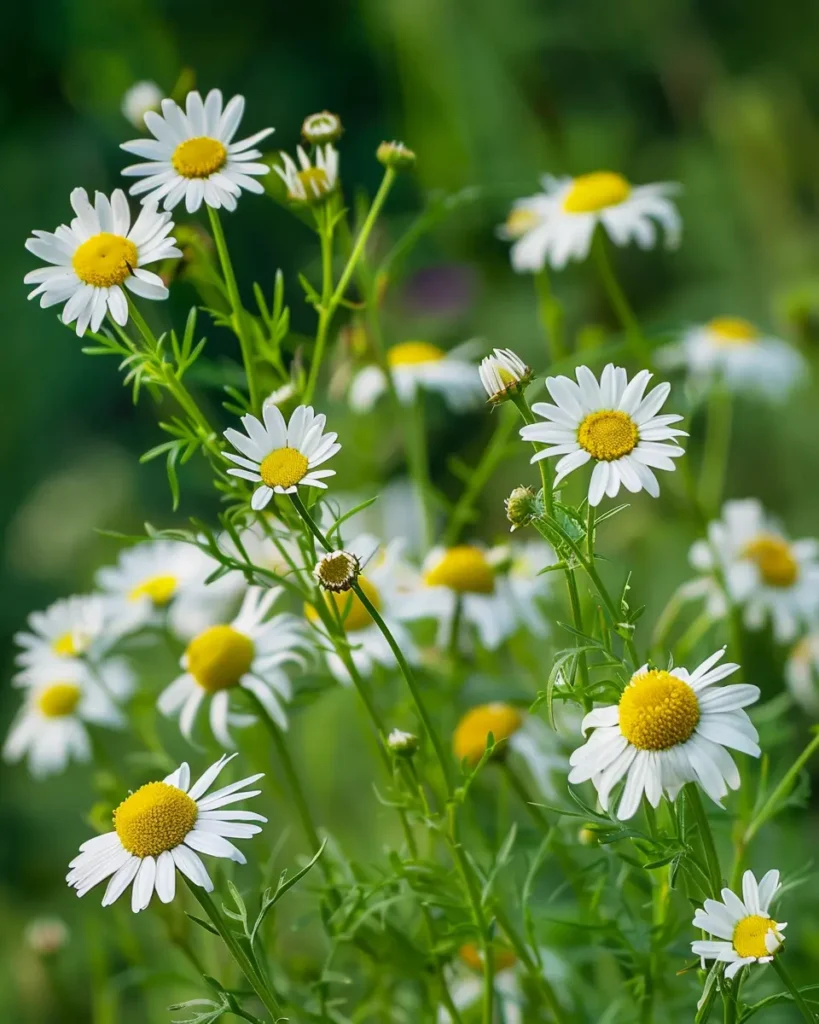
Chamomile (Matricaria recutita)
Traditional and modern herbal uses of chamomile include:
Stress Support: Chamomile is traditionally used as a gentle nervine when the body feels tense, restless, or emotionally overfilled.
Sleep Support: Chamomile tea is commonly used in evening routines to support relaxation before bedtime. It does not “force” sleep; it politely invites the nervous system to stop checking emails.
Digestion: Chamomile is an aromatic carminative and mild bitter, traditionally used to support digestion, especially when occasional gas, bloating, or nervous stomach feelings appear.
Skin and Oral Comfort: Chamomile has a long history in washes, compresses, baths, and mouth rinses for general skin and mucous membrane comfort.
“Chamomile is the herb equivalent of someone saying, ‘Let’s sit down for a minute.”
Available Chamomile Products
Chamomile Tea — Tea Bags
A caffeine-free herbal tea made from chamomile flowers, traditionally used to support relaxation, calm the mind, and ease occasional stomach discomfort.
Buy Chamomile Tea
Chamomile Capsules — Capsules/Tablets
A concentrated chamomile flower extract supplement traditionally used to support relaxation, stress relief, and sleep.
Buy Chamomile Capsules
Chamomile Liquid Extract — Tincture/Liquid Extract
A gentle tincture made from fresh chamomile flowers, traditionally taken in water or juice to calm the spirit and support digestion.
Buy Chamomile Liquid Extract
Roman Chamomile Essential Oil — Essential Oil
A steam-distilled oil with a soft, apple-like aroma, used in aromatherapy and diluted topical blends to soothe the skin and support relaxation.
Buy Roman Chamomile Essential Oil
Chamomile Dried Whole Flowers — Raw/Dried Herb
Whole dried chamomile flowers for brewing your own tea, making infused oils, or use in skin and hair care recipes.
Buy Chamomile Dried Flowers
⚠️ These are dietary supplements/cosmetic products — not evaluated by the FDA for treating disease. Chamomile is part of the daisy (Asteraceae) family, so those allergic to ragweed, marigolds, or chrysanthemums may also react to it. It may enhance the effects of blood thinners and sedatives. Not generally recommended in medicinal amounts during pregnancy without medical guidance. Check with a healthcare provider before use.
Key Herbal Actions
Nervine
A nervine is an herb traditionally used to support the nervous system. Chamomile is considered a gentle calming nervine, especially helpful when tension, irritability, or restlessness are part of the picture. Its mild nature makes it one of the classic “beginner-friendly” nervine herbs.
Carminative
Carminatives are aromatic herbs traditionally used to support digestion and ease occasional gas or bloating. Chamomile’s volatile oils contribute to this action. This is why chamomile often appears in digestive tea blends, especially alongside fennel, peppermint, lemon balm, or ginger.
Antispasmodic
Antispasmodic herbs are traditionally used to relax occasional tension in smooth muscles, including the digestive tract. Chamomile’s flavonoids and volatile oil constituents are part of why it has been traditionally used for belly tension and mild cramping feelings.
Mild Bitter
Bitter herbs support digestive function by gently waking up the taste buds and digestive secretions. Chamomile is not a strong bitter like gentian or artichoke leaf, but it does have a soft bitterness beneath its floral taste. That little bitter note is part of its digestive personality.
Vulnerary
A vulnerary is an herb traditionally used to support the skin’s natural comfort and repair process. Chamomile is commonly used in washes, compresses, infused oils, and salves for general skin care.
Anti-inflammatory
In herbal language, anti-inflammatory herbs are traditionally used to calm irritated tissues. Chamomile contains compounds such as bisabolol derivatives, chamazulene, apigenin, and other flavonoids that have been studied for inflammation-modulating activity. This supports chamomile’s traditional use in skin, oral, and digestive comfort preparations.
Antioxidant
Chamomile contains flavonoids and phenolic compounds with antioxidant activity in laboratory research. Antioxidants help protect cells from oxidative stress in experimental settings, though this should not be interpreted as a guaranteed medical effect from drinking tea.
Mild Astringent
Astringent herbs gently tighten and tone tissues. Chamomile is not highly astringent, but it contains small amounts of tannins and related compounds. This helps explain its traditional use in washes and mouth rinses.
Active Compounds and Extraction
Flavonoids
Chamomile flowers contain flavonoids such as apigenin, luteolin, quercetin, and their glycosides. Apigenin is one of chamomile’s best-known compounds and is often discussed in relation to relaxation, antioxidant activity, and inflammation-modulating effects. Chamomile extracts are studied for these compounds, though whole-herb use is broader than any single constituent.
Best extraction methods: hot water infusion, alcohol tincture, glycerite.
How to make chamomile tea: Use 1 tablespoon dried chamomile flowers per cup of hot water. Pour just-boiled water over the flowers, cover, steep for 5–10 minutes, then strain. Covering the cup helps keep the aromatic compounds from leaving before you get the good part.
How to make a chamomile tincture: Cover dried chamomile flowers with alcohol, commonly around 40–50% alcohol by volume. Let the mixture sit for 2–4 weeks, shaking regularly, then strain and bottle.
Apigenin
Apigenin is a flavonoid found in chamomile and several other plants, including parsley and celery. In chamomile, apigenin is commonly discussed as one of the key compounds connected with its calming reputation. Research has explored apigenin’s interaction with nervous system pathways, but chamomile tea should still be understood as gentle herbal support, not a medication.
Best extraction methods: hot water infusion, alcohol tincture.
How to extract apigenin in tea: Use dried flowers and hot water, steeped covered for 10 minutes. A longer steep may extract more bitterness, so taste and comfort matter.
Volatile Oils
Chamomile contains volatile oils that contribute to its aroma and digestive action. German chamomile essential oil may contain alpha-bisabolol, bisabolol oxides, chamazulene, beta-farnesene, and other aromatic constituents. The exact composition varies depending on plant quality, origin, harvest time, drying method, and distillation.
Best extraction methods: covered hot infusion, steam distillation, infused oil, alcohol tincture.
How to preserve volatile oils in tea: Always cover chamomile while steeping. Aromatic compounds are light and easily lost with steam. The lid is not fancy; it is functional.
Bisabolol and Bisabolol Oxides
Alpha-bisabolol and related bisabolol oxides are important chamomile essential oil constituents. They are studied for skin-soothing and inflammation-modulating activity. These compounds help explain why chamomile is so often used in topical herbal preparations.
Best extraction methods: steam distillation, infused oil, alcohol tincture.
How to make chamomile infused oil: Fill a clean, dry jar about halfway with dried chamomile flowers. Cover completely with a carrier oil, such as olive or sunflower oil. Let it steep in a warm place for 2–4 weeks, shaking occasionally, then strain carefully and store away from heat and light.
Chamazulene
Chamazulene is a blue-colored compound associated with German chamomile essential oil. It forms during steam distillation from natural precursors in the plant. Chamazulene is one reason German chamomile oil may appear deep blue and is valued in topical aromatic preparations.
Best extraction method: steam distillation.
How chamomile essential oil is made: Chamomile flowering tops are placed in a still, and steam carries volatile compounds from the plant material. The steam is condensed and separated into essential oil and hydrosol. This is not the same as making infused oil at home.
Phenolic Acids
Chamomile contains phenolic acids and related antioxidant compounds. These water-soluble constituents contribute to chamomile’s broader wellness-supportive profile. They are one reason simple tea remains a very appropriate preparation for chamomile.
Best extraction methods: hot water infusion, alcohol tincture.
How to extract phenolic acids: Prepare a covered infusion using dried flowers and hot water. Steep 5–10 minutes, strain, and use fresh.
Coumarins
Chamomile contains naturally occurring coumarins such as herniarin and umbelliferone. These compounds are part of chamomile’s chemical profile, though they are not usually the main reason people use the herb. Because coumarin-related compounds may be relevant to medication safety, people using blood-thinning medications should be cautious.
Best extraction methods: alcohol tincture, hot water infusion.
How to extract coumarins: A tincture or infusion can extract some coumarin compounds. For everyday use, tea is the gentler option.
Polysaccharides
Chamomile contains polysaccharides, which are larger carbohydrate compounds found in many medicinal plants. These may contribute to chamomile’s soothing quality in water-based preparations. They are best appreciated in teas and washes rather than essential oil.
Best extraction method: hot water infusion.
How to extract polysaccharides: Use hot water and allow the flowers to steep for 10 minutes. This is another reason chamomile tea remains such a sensible traditional preparation.
Harvesting and Storing Right
Chamomile is usually harvested when the flower heads are fully open but still fresh and bright. The best season is late spring through summer, depending on climate and growing conditions.
Harvest in the morning after the dew has dried but before strong afternoon heat. At this time, the flowers are fresh, aromatic, and less stressed by sun exposure.
Pick the flower heads gently by hand or with small scissors. Avoid collecting brown, overly dry, or insect-damaged flowers.
To dry chamomile, spread the flowers in a single layer on a clean screen, basket, or drying rack in a shaded, warm, well-ventilated place. Avoid direct sunlight because it can reduce color, aroma, and quality.
Store dried chamomile flowers in airtight glass jars or sealed bags away from heat, light, and moisture. Whole dried flowers are best used within about 1 year for tea. Powder should be used sooner because it loses aroma quickly.
Chamomile tincture is usually best within about 2–3 years if stored in a cool, dark place. Chamomile infused oil is often best within 6–12 months, depending on the carrier oil. Chamomile hydrosol is more delicate and should be used within the time listed by the maker, often within several months after opening.
Body Functions Chamomile Can Support
Stress Support
Chamomile is traditionally used as a gentle nervine for stress support. Its flavonoids, especially apigenin, and its aromatic compounds help explain its long-standing role in calming tea blends. It is best suited for mild everyday tension rather than serious or persistent mental health concerns.
Sleep
Chamomile is commonly used before bedtime to support relaxation and healthy sleep routines. The warmth of tea, the aroma, and the gentle nervine action all contribute to its evening reputation. It works best when paired with basic sleep hygiene, not as a substitute for it.
Nervous System
Chamomile supports the nervous system through its traditional nervine and mild sedative actions. It is especially useful when nervous tension and digestive tightness show up together. Chamomile is gentle, but gentle does not mean useless; sometimes the nervous system prefers a whisper over a marching band.
Digestion System
Chamomile is one of the classic herbs for digestive comfort. Its carminative, antispasmodic, mild bitter, and aromatic qualities make it useful when occasional gas, bloating, or belly tension appear. It is often combined with fennel, peppermint, lemon balm, or ginger.
Skin
Chamomile has a long history of topical use in washes, compresses, baths, infused oils, and salves. Its flavonoids, bisabolol compounds, chamazulene, and mild astringency help explain its role in skin-comfort preparations. Essential oil should be diluted, while tea and infused oil are gentler home options.
Dental Oral
Chamomile has been traditionally used in mouth rinses and gargles for oral and throat comfort. Its mild astringent, aromatic, and tissue-soothing qualities make it suitable for gentle oral-care preparations. It should not replace dental care or professional evaluation for persistent oral issues.
Respiratory System
Chamomile is traditionally used in steam preparations and teas during seasonal discomfort. It is not a strong expectorant, but its warmth, aroma, and gentle soothing quality can support comfort. People with allergies to plants in the daisy family should be cautious.
Muscles and Joint
Chamomile is used in baths, compresses, and massage oils for occasional body tension. Its antispasmodic and inflammation-modulating constituents help explain this traditional use. It pairs well with lavender, calendula, rosemary, and ginger in topical preparations.
Reproductive System Female
Chamomile has been traditionally used for occasional menstrual discomfort, especially where tension, restlessness, or digestive upset are also present. Its antispasmodic and nervine qualities are the main herbal reasons for this use. It should not be used as a substitute for medical care when symptoms are severe, unusual, or persistent.
Immune System
Chamomile is often used in traditional seasonal wellness teas, especially when rest and comfort are needed. Its antioxidant compounds and soothing tea preparation support general wellness. It does not “boost” immunity like a switch, but it can be part of a supportive routine.
Safety and Practical Considerations
Chamomile is widely used as a tea and is generally well tolerated by many people. However, it is not appropriate for everyone in every situation.
People allergic to plants in the Asteraceae family, such as ragweed, daisies, chrysanthemums, or marigolds, should use caution. Allergic reactions to chamomile can occur and may be more likely in sensitive individuals.
Chamomile may interact with medications, including blood thinners such as warfarin. There are also theoretical concerns with sedatives and drugs metabolized by the liver. Anyone taking prescription medications should ask a qualified healthcare professional before using concentrated chamomile products.
Pregnant or breastfeeding people should consult a qualified healthcare professional before using chamomile medicinally. Occasional food-like use is different from frequent strong preparations or concentrated extracts.
Chamomile essential oil should be used carefully and diluted before topical use. It should not be taken internally without qualified guidance.
Children, older adults, and sensitive individuals may need smaller amounts. Chamomile tea is often considered gentle, but “gentle” does not mean automatically safe for every person.
For pets, chamomile should be used only with veterinary guidance. Some pet products contain chamomile, but dosing, species, health status, and product form matter. Essential oils are especially risky around pets and should not be used casually.
FAQ
What does chamomile taste like?
Chamomile tastes floral, mildly sweet, slightly bitter, and a little apple-like. German chamomile is usually softer and sweeter than Roman chamomile. If it tastes very bitter or stale, the herb may be old or over-steeped.
When is the best time to use chamomile?
Chamomile is often used in the evening because of its calming traditional profile. It can also be used after meals for digestive comfort. For daytime use, start lightly to see how your body responds.
Is fresh or dried chamomile better?
Fresh chamomile has a bright, lively aroma and is lovely for tea or infused oil. Dried chamomile is easier to store and is the most common form used for tea, tinctures, and bath blends. The best choice depends on availability and quality.
Is chamomile tea, tincture, or capsule better?
Chamomile tea is the classic preparation because it captures warmth, aroma, and water-soluble compounds. Tincture is more concentrated and convenient. Capsules are easy to take, but they miss the sensory part of chamomile and vary by product quality.
Can chamomile be used daily?
Many people use chamomile tea regularly in modest amounts. Concentrated extracts, capsules, or essential oil products require more caution. People with allergies, medication use, pregnancy, breastfeeding, or medical conditions should ask a qualified professional first.
How should chamomile be stored?
Store dried chamomile flowers in an airtight container away from heat, light, and moisture. Whole flowers keep their aroma better than powder. If the flowers smell weak, dusty, or stale, it is time to replace them.
Does chamomile combine well with other herbs?
Yes. Chamomile combines beautifully with lemon balm, lavender, passionflower, oat straw, fennel, peppermint, ginger, rose, and licorice. It is especially useful in blends for evening tea, digestion, and gentle stress support.
Is chamomile safe for everyone?
No. Chamomile may not be safe for people with Asteraceae plant allergies, certain medication use, pregnancy or breastfeeding considerations, or sensitivity to sedating herbs. Concentrated preparations deserve more caution than tea.
Can chamomile be used for pets?
Chamomile should only be used for pets with veterinary guidance. Some animals may tolerate certain chamomile preparations, but species, size, health status, and product form matter. Essential oils should not be used casually around pets.
Can chamomile be used on the skin?
Chamomile tea, compresses, infused oil, and properly diluted essential oil are common topical forms. Sensitive people should patch test first. Avoid using chamomile on deep wounds, serious skin problems, or persistent irritation without professional guidance.
Disclaimer
This content is educational only. It is not medical advice, diagnosis, or treatment. Herbs may interact with medications or health conditions. People who are pregnant, breastfeeding, managing a medical condition, taking prescription medications, or preparing for surgery should consult a qualified healthcare professional before using herbs.
References
- NCCIH: Chamomile
- EMA: Matricariae flos Herbal Medicinal Product
- EMA: Matricariae aetheroleum Herbal Medicinal Product
- EMA: European Union Herbal Monograph on Matricaria recutita L., flos
- PubMed Central: Chamomile, A Herbal Medicine of the Past with Bright Future
- PubMed Central: A Comprehensive Study of Therapeutic Applications of Chamomile
- PubMed Central: Extraction, Characterization, Stability and Biological Activity of Chamomile
- PubMed: Pharmacological Profile of Apigenin Isolated from Matricaria chamomilla
- American Botanical Council: German Chamomile Commission E Monograph