Mood swings are noticeable changes in emotional state, such as moving from calm to irritable, cheerful to tearful, or motivated to overwhelmed. Everyone has emotional shifts, but mood swings can feel especially frustrating when they affect relationships, focus, sleep, appetite, or the simple goal of getting through the day without internally becoming a weather system.
Learn more about Mood Swings
Understanding Mood Swings
Mood swings can happen for many reasons. Stress, poor sleep, blood sugar dips, hormonal changes, grief, caffeine, alcohol, medications, or simply feeling overloaded can all play a role. Sometimes the trigger is obvious. Other times it is as subtle as skipping breakfast, sleeping badly, or surviving on coffee and determination.
Normal emotional ups and downs are different from diagnosed mood disorders. Everyday mood changes usually shift with circumstances and improve with rest, food, support, or time. More serious mood changes tend to be intense, persistent, disruptive, or linked with major changes in sleep, energy, concentration, impulsivity, or daily functioning.
What Mood Swings May Feel Like
In daily life, mood swings may appear as irritability, tearfulness, impatience, emotional sensitivity, restlessness, or feeling perfectly fine one moment and completely done with humanity the next.
Physical signs may also show up alongside emotional changes, including tight shoulders, shallow breathing, digestive upset, headaches, cravings, poor sleep, or fatigue.
Traditional Herbal Patterns
Traditional herbalism usually looks at patterns rather than labels.
A nervous system tension pattern may involve irritability, overthinking, tightness, and stress reactivity.
A depleted pattern may feel like fatigue, low resilience, emotional sensitivity, and being easily overwhelmed.
A hormonal rhythm pattern may appear before menstruation, during perimenopause, or during other life transitions.
A digestive-blood sugar pattern may show mood shifts when meals are delayed, appetite is irregular, or afternoon energy crashes appear.
Herbs Traditionally Used
Herbs are traditionally selected based on the pattern.
Nervines such as lemon balm, oat straw, skullcap, chamomile, and lavender are often used when the nervous system feels tense or overstimulated.
Adaptogens such as ashwagandha, rhodiola, and holy basil are sometimes chosen for long-term stress and low resilience, though they are not suitable for everyone.
Some uplifting herbs, including St. John’s wort and saffron, have a long history of traditional use for mood support but require careful safety screening because they may interact with medications.
Daily Rhythm Matters
Herbalism works best alongside steady habits: regular meals, enough protein and fiber, hydration, movement, morning light, supportive relationships, and consistent sleep.
The “I will just power through” lifestyle plan continues to receive extremely poor reviews from the nervous system.
How Herbs Can Help Mood Swings
Herbalism traditionally sees mood swings as a nervous-system rhythm issue that may involve stress tension, depletion, hormonal timing, poor sleep, or unstable energy from irregular meals. The main herbal actions include nervines, which support a calmer stress response; adaptogens, which are traditionally used for long-term resilience; gentle bitters and aromatics, which support digestion when mood follows appetite or bloating; and uplifting herbs, which are traditionally used when mood feels low or flat. Herbalists choose between these actions based on whether the mood pattern feels tense, tired, hormonally cyclical, sleep-related, or digestion-related, and these are herbs traditionally used when mood swings happen: lemon balm, chamomile, oat straw, rose, tulsi, spearmint, passionflower, lavender, oat, cinnamon, skullcap, hibiscus, ashwagandha, turmeric, nettle.
“A mood swing is not a personality flaw; sometimes it is your nervous system waving a tiny flag and asking for snacks, sleep, and fewer tabs open.”
Recipes & Remedies Mood Swings
Herbal Preparations
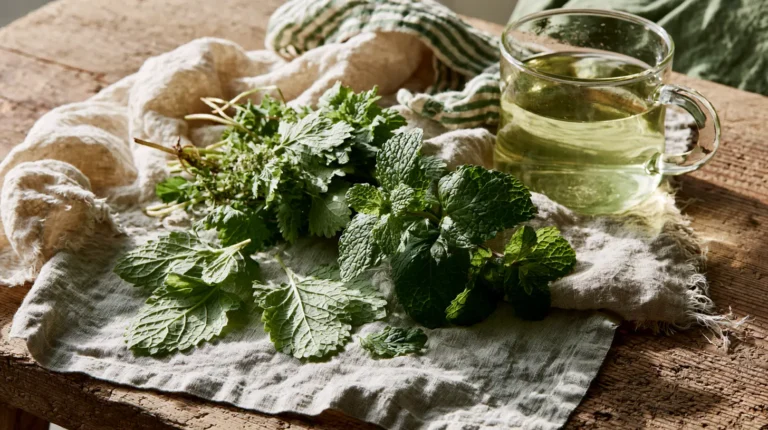
Lemon Balm-Oat Straw Mood Tea
A gentle, calming tea traditionally used when emotions feel jumpy, sensitive, tense, or easily stirred. Lemon balm brings a bright, soothing quality, oat straw offers steady nourishing support, chamomile softens stress-related tension, and lavender adds a small aromatic note.
Ingredients with exact measurements
1 teaspoon dried lemon balm
1 tablespoon dried oat straw
1 teaspoon dried chamomile flowers
1/4 teaspoon dried lavender flowers
1 1/2 cups hot water
Optional: 1/2 teaspoon honey
Step-by-step preparation instructions
- Place lemon balm, oat straw, chamomile, and lavender in a teapot or heat-safe jar.
- Pour 1 1/2 cups hot water over the herbs.
- Cover and steep for 10 to 15 minutes.
- Strain well.
- Add honey if desired.
- Sip warm.
How to use
Drink 1 cup during a stressful afternoon or in the evening when mood feels tense or overstimulated. Keep lavender modest, since too much can make the tea taste like a linen closet with ambitions.
Food for support Mood Swings
Steady-Mood Oatmeal with Berries and Pumpkin Seeds
A simple, grounding breakfast or snack built around oats, berries, seeds, and cinnamon. It provides fiber, gentle sweetness, and a slower-burning meal pattern that may be more mood-friendly than skipping breakfast and hoping coffee will become a personality.
Ingredients with exact measurements
1/2 cup rolled oats
1 cup water or milk of choice
1/2 cup blueberries or sliced strawberries
1 tablespoon pumpkin seeds
1 tablespoon ground flaxseed
1/2 teaspoon cinnamon
1 teaspoon almond butter or sunflower seed butter
1 pinch sea salt
Optional: 1 teaspoon honey or maple syrup
Step-by-step preparation instructions
- Add oats, water or milk, cinnamon, and salt to a small pot.
- Simmer over medium-low heat for 5 to 7 minutes, stirring often.
- Remove from heat and stir in ground flaxseed.
- Spoon into a bowl.
- Top with berries, pumpkin seeds, and almond or sunflower seed butter.
- Add honey or maple syrup if desired
How to use
Enjoy in the morning or as a steady snack when mood swings seem connected to skipped meals, afternoon crashes, or sugar cravings. For stronger staying power, pair it with extra protein such as Greek yogurt, eggs, tofu scramble, or a protein-rich smoothie.
What Herbs You Need
The most common herbs traditionally used for mood swings include lemon balm, oat straw, chamomile, lavender, skullcap, holy basil, ashwagandha, rhodiola, saffron, St. John’s wort, and vitex. The herbs below focus on the gentle tea formula, with notes on a few stronger mood-related herbs that require extra caution.
Lemon Balm
Latin name: Melissa officinalis
Key herbal actions: Nervine, meaning it supports a calmer nervous system; carminative, meaning it helps ease stress-related digestive tension; mild uplifting herb, meaning it is traditionally used when mood feels tense and low.
Key active compounds: Rosmarinic acid, citral, citronellal, geraniol, flavonoids, volatile oils.
Oat Straw
Latin name: Avena sativa
Key herbal actions: Nutritive nervine, meaning it is traditionally used as a gentle, mineral-rich support for a depleted nervous system; restorative tonic, meaning it is used over time rather than for quick effects; calming support, meaning it is chosen when stress feels wearing.
Key active compounds: Avenanthramides, silica, minerals, flavonoids, saponins.
Chamomile
Latin name: Matricaria chamomilla or Matricaria recutita
Key herbal actions: Nervine, meaning it supports relaxation during stress; carminative, meaning it helps with stress-related digestive discomfort; mild bitter, meaning it gently supports digestion when tension affects appetite.
Key active compounds: Apigenin, bisabolol, chamazulene, matricin, flavonoids.
Lavender
Latin name: Lavandula angustifolia
Key herbal actions: Aromatic nervine, meaning it supports relaxation through scent and taste; calming herb, meaning it is traditionally used during nervous tension; sleep-supportive herb, meaning it may be used when mood swings are linked with restlessness.
Key active compounds: Linalool, linalyl acetate, lavandulol, terpinen-4-ol, volatile oils.
Skullcap
Latin name: Scutellaria lateriflora
Key herbal actions: Nervine, meaning it is traditionally used for nervous tension; antispasmodic, meaning it may help relax physical tightness linked with stress; calming support, meaning it is often chosen when the mind feels overactive.
Key active compounds: Baicalin, baicalein, scutellarin, wogonin, flavonoids.
Saffron
Latin name: Crocus sativus
Key herbal actions: Uplifting herb, meaning it has traditional use for low mood support; antioxidant support, meaning its compounds are studied for oxidative stress pathways; gentle aromatic, meaning it is used in small amounts in food and herbal preparations.
Key active compounds: Crocin, crocetin, safranal, picrocrocin.
St. John’s Wort
Latin name: Hypericum perforatum
Key herbal actions: Uplifting herb, meaning it has traditional use for mood support; nervine, meaning it is used in formulas for emotional steadiness; topical vulnerary, meaning it is also traditionally used externally for skin and nerve discomfort.
Key active compounds: Hypericin, hyperforin, flavonoids, phenolic compounds.
Important safety note: St. John’s wort has many serious medication interactions, including with antidepressants, birth control pills, transplant medications, seizure medications, blood thinners, HIV medications, and others. It should not be used without professional guidance if you take any medication.
Key Herbal Products for Mood Swings
Calming herbal teas
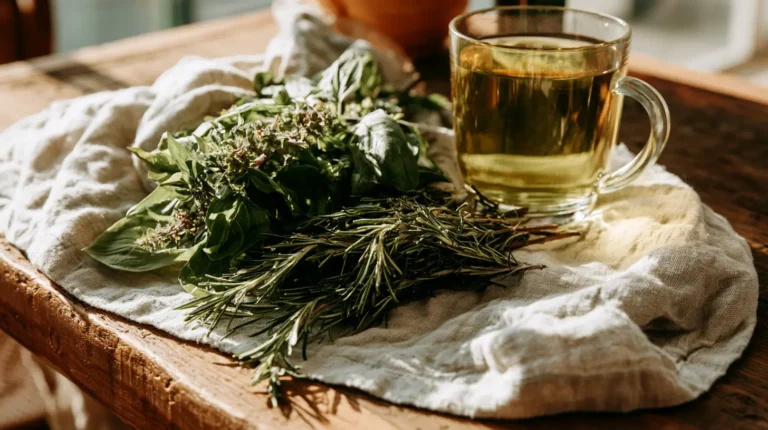
Calming teas usually contain gentle nervines such as lemon balm, chamomile, lavender, oat straw, passionflower, or skullcap. They are commonly used during stressful afternoons or before bed. The advantage is that tea is mild, familiar, and easy to personalize; the downside is that it is not a replacement for professional care when mood changes are intense or persistent. Someone might choose tea when mood swings feel connected to stress, tension, or poor sleep.
Lemon balm tincture
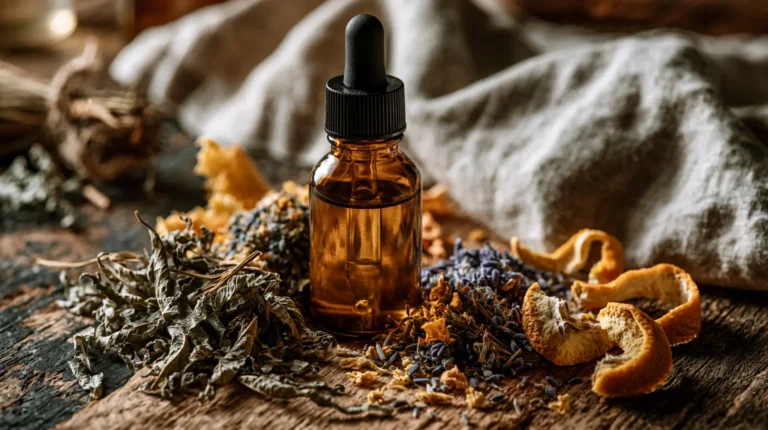
Lemon balm tincture is a concentrated liquid extract made from fresh or dried lemon balm. It is commonly used when someone wants a portable, faster-prep form of a calming herb. The advantage is convenience; the downside is that tinctures may contain alcohol and may not suit everyone. Someone might choose tincture over tea when they need something easy to carry or do not want to brew herbs.
Magnesium plus herbal blends
Many mood and stress products combine magnesium with herbs such as lemon balm, chamomile, ashwagandha, or lavender. These products are commonly marketed for stress support, sleep quality, and relaxation. The advantage is convenience; the downside is that formulas vary widely, and some ingredients may interact with medications or be inappropriate for pregnancy, thyroid conditions, autoimmune conditions, or bipolar disorder. Someone might choose a blend when they prefer a capsule or powder, but the label should be reviewed carefully.
Saffron capsules
Saffron capsules are concentrated products made from Crocus sativus stigma extract. Saffron has been studied in randomized trials for mood-related outcomes, but it is still not a stand-alone answer for serious mood symptoms. The advantage is that it is more standardized than culinary saffron; the downside is cost, product quality variation, and safety questions at higher doses. Someone might choose saffron when looking for a non-sedating mood-support supplement, ideally with professional guidance.
St. John’s wort capsules or tincture
St. John’s wort is one of the most widely known herbal mood-support products. It has research for mild to moderate depression, but it also has some of the most important safety concerns in the herbal world because of medication interactions. The advantage is that it is well-known and studied; the downside is that it can reduce the effectiveness of many medications or increase risks when combined with antidepressants. Someone should only choose it after checking with a qualified healthcare professional or pharmacist.
FAQ
Are mood swings normal?
Some mood changes are a normal part of being human, especially during stress, poor sleep, hormonal shifts, or emotionally demanding seasons. However, mood swings that are intense, frequent, disruptive, or paired with major changes in sleep, energy, impulsivity, or hopelessness deserve professional support.
Can herbs help stabilize mood?
Herbs may support stress resilience, relaxation, sleep quality, and digestive comfort, which can indirectly support a steadier mood. They should not be presented as a cure or substitute for therapy, medical evaluation, or prescribed medication when those are needed.
Which tea is best for mood swings?
A gentle tea with lemon balm, oat straw, chamomile, and a small amount of lavender is a good beginner-friendly option for stress-related emotional ups and downs. If someone is sensitive to sedating herbs, it is best to start with a weaker tea and see how the body responds.
Is St. John’s wort safe for mood swings?
St. John’s wort is not a casual herb. It can interact with many medications, including antidepressants and birth control pills, and may not be appropriate for bipolar disorder, pregnancy, or complex health situations. Anyone taking medication should check with a healthcare professional before using it.
Can mood swings be related to food?
Yes, some people notice mood changes when they skip meals, eat very sugary foods alone, drink too much caffeine, or go too long without protein and fiber. A steady meal pattern does not solve every mood concern, but it can make the nervous system less dramatic.
Can I use fresh herbs instead of dried herbs?
Yes, fresh lemon balm, chamomile, and lavender can be used if they are clean, correctly identified, and pesticide-free. As a general kitchen rule, use about two to three times more fresh herb than dried herb because fresh herbs contain more water.
Can pets use calming herbs for mood swings?
Do not give mood-support herbs, essential oils, tinctures, or supplements to pets unless your veterinarian recommends them. Cats, dogs, birds, and other animals process plant compounds differently from humans, and some essential oils or concentrated extracts can be unsafe.
References
NIMH: Bipolar Disorder
NIMH: Bipolar Disorder Topic Page
NCCIH: St. John’s Wort
NCCIH: Chamomile
NCCIH: Lavender
PubMed: Saffron for Depression, Anxiety, and Mood Disorders Review
PubMed: Lemon Balm and Mood/Cognitive Performance
PubMed: Chamomile Review
PubMed: St. John’s Wort for Depression Review
NCBI Bookshelf: St. John’s Wort LiverTox
Disclaimer
This article is for educational purposes only and is not medical advice. Mood swings can be related to stress, sleep, hormones, nutrition, medications, substance use, thyroid function, mental health conditions, or other medical concerns. Seek professional support if mood changes are intense, persistent, worsening, or affecting relationships, work, safety, sleep, or daily functioning. If you have thoughts of self-harm or suicide, call or text 988 in the United States or seek emergency help immediately. Herbs and supplements can interact with medications and may not be appropriate during pregnancy, breastfeeding, bipolar disorder, depression, anxiety disorders, thyroid conditions, liver disease, or other medical situations.