


Rose is one of the most beloved herbs in traditional herbalism, and for good reason. It is beautiful, fragrant, edible, emotionally comforting, and surprisingly practical. Herbalists use different parts of the rose plant in different ways: petals are often used for the nervous system, skin, digestion, and emotional balance, while rose hips are valued as a tart, nutrient-rich fruit traditionally used for immune and antioxidant support.
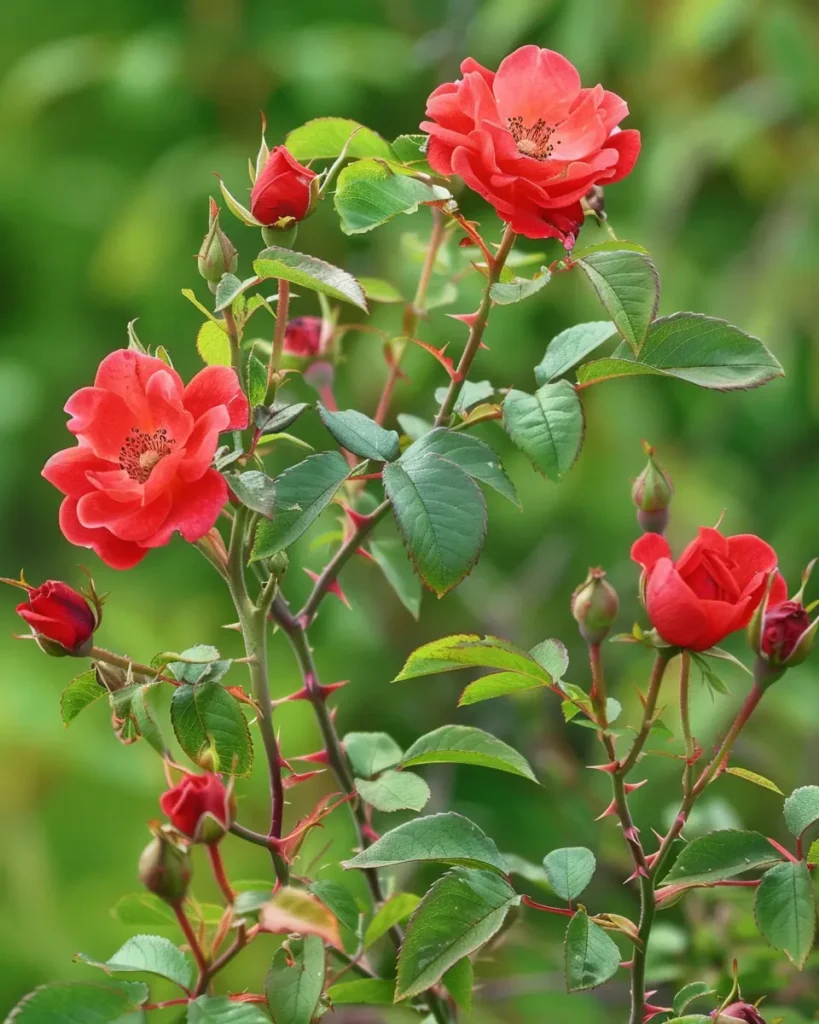
Rose (Rosa spp.)
Traditional uses of rose:
Nervous System Support: Rose petals are traditionally used as a gentle uplifting herb, especially when the heart feels heavy, tense, or emotionally tender.
Skin Support: Rose water, rose-infused oil, and rose preparations are commonly used in skin care for their cooling, softening, and mildly astringent qualities.
Digestive Comfort: Rose petals have a gentle aromatic and astringent nature, traditionally used when digestion is affected by tension or mild sensitivity.
Immune & Antioxidant Support: Rose hips are naturally rich in vitamin C, polyphenols, carotenoids, and other antioxidant compounds.
Rose is not just “pretty.” It is the herbal equivalent of beauty with a résumé.
“Rose reminds us that softness can still be strong.”
Available Rose Products
Dried Rose Petals
Dried rose petals are commonly used for teas, herbal blends, bath soaks, facial steams, infused oils, and culinary preparations. Look for petals that are fragrant, colorful, and food-grade. Avoid florist roses unless they are specifically grown without pesticides and labeled as edible or herbal quality.
Rose Hips
Rose hips are the fruit of the rose plant, usually harvested after the flowers fade. They are commonly used in teas, syrups, jams, powders, capsules, and extracts. Good-quality rose hips have a tart, fruity flavor and a red to orange-red color.
Rose Tea
Rose tea may be made from petals, hips, or both. Rose petal tea is floral, aromatic, and gently calming. Rose hip tea is tart, fruity, and more nutrient-focused.
Rose Tincture
Rose petal tincture is often used when a convenient, shelf-stable preparation is preferred. Tinctures extract some aromatic compounds, flavonoids, and tannins, though they do not capture rose’s delicate fragrance as fully as fresh preparations or hydrosols.
Rose Capsules
Rose hip capsules are more common than rose petal capsules. Capsules may contain powdered rose hips, rose hip extract, or rose hip seed oil. Users should check whether the product is made from whole hips, shells, seeds, or standardized extract.
Rose Glycerite
Rose glycerite is a sweet, alcohol-free preparation often made from rose petals. It is especially popular for people who want a gentle, pleasant-tasting preparation. Glycerites are commonly used in emotional wellness blends, children’s herbal formulas, and alcohol-free herbal products.
Rose Essential Oil
Rose essential oil is produced from rose petals, most famously from Rosa damascena. It is extremely concentrated and expensive because it takes a large amount of petals to produce a small amount of oil. Rose essential oil is used mainly in aromatherapy and skin care and should be diluted properly. It should not be used internally.
Rose Absolute
Rose absolute is another aromatic extract used in perfumery, aromatherapy, and natural body care. It is usually solvent-extracted rather than steam-distilled. Like essential oil, it is highly concentrated and should be used carefully and diluted before skin application.
Rose Hydrosol / Rose Water
Rose hydrosol, often called rose water, is the aromatic water produced during distillation. It is much gentler than essential oil and is commonly used as a facial mist, skin toner, linen spray, or mild aromatic preparation. It should still be purchased from a reputable source, especially if used on the skin or near the eyes.
Rose Powder
Rose petal powder may be used in face masks, bath blends, teas, and culinary recipes. Rose hip powder is commonly used in smoothies, capsules, teas, and food preparations. Powder loses freshness faster than whole dried petals or hips, so it should be stored carefully.
Rose-Infused Oil
Rose-infused oil is usually made by steeping dried rose petals in a carrier oil such as jojoba, olive, almond, or sunflower oil. It is used externally for massage, skin care, and bath products. It is not the same as rose essential oil.
Key Herbal Actions
Rose is known as a nervine, aromatic, astringent, antioxidant, vulnerary, anti-inflammatory-supportive herb, mild digestive, and heart-centered restorative herb.
Nervine
A nervine is an herb traditionally used to support the nervous system. Rose petals are often used when emotional tension, grief, irritability, or stress affects the body. Rose is not sedating in a heavy way; it is more gently uplifting and softening.
Aromatic
Aromatic herbs contain fragrant volatile compounds. Rose petals are strongly aromatic, and their scent is part of their traditional use. Aromatic herbs are often used to support mood, digestion, and sensory comfort.
Astringent
Astringent herbs contain tannins that gently tighten and tone tissues. Rose petals are mildly astringent, making them useful in traditional preparations for skin, mouth, throat, and digestive comfort. This is one reason rose water and rose facial preparations have stayed popular for centuries.
Antioxidant
Rose petals and rose hips contain antioxidant compounds, including polyphenols and flavonoids. Rose hips are especially known for vitamin C and carotenoids. Antioxidants help protect cells from oxidative stress, though they should not be treated as magic shields against modern life and questionable snack choices.
Vulnerary
A vulnerary herb is traditionally used to support the natural repair and comfort of tissues. Rose petals are used externally in washes, compresses, oils, and skin preparations. Their cooling, aromatic, and mildly astringent qualities make them especially loved in gentle skin care.
Mild Digestive
Rose petals have a gentle aromatic bitterness and astringency that may support digestion, especially when digestion is affected by tension. Rose hip tea is also traditionally used as a tart, food-like digestive support. Rose is not a strong digestive bitter, but it has a quiet usefulness.
Heart-Centered Restorative
This is a traditional herbal way of describing rose’s emotional use. Rose has long been associated with the heart, grief, tenderness, and emotional resilience. This does not mean rose treats heart disease; it means herbalists often use it to support emotional well-being.
Active Compounds and Extraction
Rose contains volatile oils, flavonoids, tannins, anthocyanins, phenolic acids, carotenoids, vitamin C, pectin, polysaccharides, and fatty acids in the seeds and hips.
Volatile Oils
Rose petals contain small amounts of volatile aromatic compounds such as citronellol, geraniol, nerol, and phenylethyl alcohol. These compounds contribute to rose’s fragrance and traditional use in aromatherapy, mood support, and skin care.
Best extraction: Steam distillation, hydrosol, fresh infusion, or infused honey.
To make a simple rose petal tea, use 1–2 teaspoons dried rose petals per cup of just-boiled water. Cover while steeping for 10–15 minutes to help preserve the delicate aromatic compounds.
Flavonoids
Flavonoids are plant compounds studied for antioxidant activity and tissue-supportive effects. Rose petals and hips contain flavonoids such as quercetin and kaempferol derivatives. These compounds contribute to rose’s traditional use for skin, circulation, and general wellness support.
Best extraction: Hot infusion, tincture, glycerite, or vinegar.
For a rose petal infusion, steep dried petals in hot water for 10–15 minutes. For a tincture, cover dried petals with alcohol-water menstruum and let sit for 2–4 weeks, shaking regularly.
Tannins
Tannins are mildly astringent compounds that help tone tissues. Rose petals contain tannins, which explains their use in mouth rinses, skin washes, and digestive formulas. The astringency is gentle rather than harsh.
Best extraction: Hot infusion, tincture, vinegar, or compress.
To make a rose skin wash, prepare a strong infusion with 1 tablespoon dried petals per cup of hot water. Steep covered, cool completely, strain well, and use externally.
Anthocyanins
Anthocyanins are colorful pigments found in red and pink rose petals and in some rose hips. They are part of the polyphenol family and are studied for antioxidant activity. They also give rose preparations some of their beautiful color.
Best extraction: Water, glycerite, vinegar, or alcohol-water extract.
A rose vinegar can be made by covering dried rose petals with apple cider vinegar and steeping for 2–4 weeks. This extracts color, tannins, and some polyphenols.
Vitamin C
Rose hips are known for their vitamin C content, though the amount varies depending on species, harvest time, drying method, and storage. Heat, oxygen, and long storage can reduce vitamin C levels. This is why fresh or gently dried rose hips are often preferred for nutrient-focused preparations.
Best extraction: Short hot infusion, cold infusion, syrup, or food preparation.
To make rose hip tea, use 1 tablespoon dried rose hips per cup of hot water and steep 10–15 minutes. For a gentler nutrient-focused method, steep rose hips in cool water for several hours.
Carotenoids
Rose hips contain carotenoids such as lycopene and beta-carotene. These pigments give rose hips their orange-red color and contribute to antioxidant activity. They are fat-soluble, meaning they pair well with food or preparations that include some fat.
Best extraction: Food preparations, powders, oils, and alcohol-water extracts.
Rose hip powder can be added to foods such as yogurt, smoothies, oatmeal, or herbal honey. Avoid overheating if the goal is to preserve delicate nutrients.
Pectin and Polysaccharides
Rose hips contain pectin and other polysaccharides that contribute to their thickening quality in jams, syrups, and cooked preparations. These compounds help explain why rose hips have been used as food as well as medicine. They also support the traditional view of rose hips as a nourishing fruit.
Best extraction: Water, syrup, jam, decoction.
To make rose hip syrup, simmer rose hips gently in water, strain very well, then combine the liquid with honey or another syrup base. Rose hips contain small internal hairs that should be strained carefully because they can irritate the throat.
Fatty Acids
Rose hip seeds contain oils rich in fatty acids, including linoleic and alpha-linolenic acids. Rose hip seed oil is used externally in skin care for dryness, texture, and mature skin support. It is different from rose essential oil and has little to no rose fragrance.
Best extraction: Cold-pressed seed oil.
Rose hip seed oil should be stored in a cool, dark place and used within the manufacturer’s freshness window. It is best for external use.
Harvesting and Storing Right
Rose petals are best harvested in the morning after the dew has dried but before the sun becomes too strong. This is when the fragrance is usually most vibrant. Choose fresh, fully opened petals that are free from browning, insects, and chemical sprays.
Rose hips are typically harvested in late summer through autumn, often after they turn red or orange. Some herbalists prefer harvesting after the first light frost because the flavor may become sweeter, though hips can be gathered before frost if they are ripe.
Dry rose petals quickly in a shaded, well-ventilated area. Too much heat can fade their color and fragrance. Store dried petals in an airtight container away from light, heat, and moisture. Best quality is usually within 6–12 months.
Dry rose hips should be stored in a cool, dark, dry place. Whole or cut dried hips are generally best used within 1 year. Rose hip powder is best used within 6 months because it oxidizes more quickly. Rose water should be refrigerated after opening unless the product label says otherwise. Rose hip seed oil should be kept tightly closed, away from heat and light, and used within 6–12 months after opening.
Body Functions Rose Can Support
Rose can support the nervous system, skin, digestion system, immune system, dental oral health, circulation, reproductive system female, and energy and vitality.
Nervous System
Rose petals are traditionally used as a gentle nervine for emotional tension, grief, irritability, and stress-related sensitivity. The aroma itself plays an important role, especially in rose tea, rose water, and aromatherapy. Rose is calming without feeling dull or heavy.
Skin
Rose supports skin through its mild astringency, antioxidants, aromatic compounds, and softening qualities. Rose water, rose-infused oil, and rose hip seed oil are commonly used in cosmetic preparations. Rose hip seed oil is especially popular for dry, mature, or weathered skin.
Digestion System
Rose petals are mildly aromatic and astringent, which makes them useful in traditional digestive teas. Rose hips, with their tart flavor and pectin content, have also been used as a food-like digestive support. Rose is especially nice when digestion seems connected to stress or emotional tightness.
Immune System
Rose hips are traditionally valued as a nutrient-rich seasonal fruit. Their vitamin C, polyphenols, and carotenoids support general antioxidant and immune wellness. This does not mean rose hips prevent illness, but they can be a useful food-herb during colder seasons.
Dental Oral
Rose petal tea or rose water may be used as a gentle mouth rinse because of the petals’ mild astringency and pleasant flavor. Traditionally, astringent herbs are used to tone oral tissues. Rose is a gentle option, but it does not replace dental care.
Circulation
Rose hips contain flavonoids, vitamin C, and other antioxidant compounds that support general vascular wellness. Traditional herbalists often include rose hips in long-term nutritive blends. Rose petals also have a long association with the emotional heart, though that is different from direct cardiovascular treatment.
Reproductive System Female
Rose has a long traditional connection with female reproductive wellness, especially emotional comfort around cyclical changes. Rose petals are often included in blends for mood, tenderness, and relaxation. This use is supportive and traditional, not a treatment for reproductive disorders.
Energy and Vitality
Rose hips are food-like, tart, mineral-containing, and antioxidant-rich, making them useful in daily wellness teas and syrups. They are often used when someone wants a nourishing herbal ingredient rather than a strong stimulating herb. Think steady support, not caffeine with a floral hat.
Safety and Practical Considerations
Rose petals and rose hips are generally considered gentle when used as food or tea, but quality matters. Only use roses that are food-grade or grown without pesticides, herbicides, or florist chemicals. Florist roses are usually not appropriate for tea or skin preparations.
People with known allergies to plants in the Rosaceae family should use caution. This family includes rose, apple, peach, cherry, almond, raspberry, and many other familiar plants.
Rose hips contain natural acids and may bother sensitive stomachs in large amounts. They may also affect how some people tolerate certain medications or supplements, especially if used in concentrated extract form. Anyone taking prescription medications, managing a medical condition, preparing for surgery, pregnant, or breastfeeding should consult a qualified healthcare professional before using rose medicinally.
Rose essential oil and rose absolute are highly concentrated and should be diluted before skin use. They should not be taken internally. People with sensitive skin should patch test topical rose products.
Rose hips contain small internal hairs around the seeds. These hairs can irritate the throat and digestive tract if not strained properly. When preparing whole dried rose hips, strain through a fine mesh strainer, cloth, or paper filter.
For children, older adults, pets, and sensitive individuals, simple rose petal tea or properly prepared rose hip tea is usually more appropriate than concentrated extracts. Pet use should be guided by a veterinarian or qualified animal herbalist.
FAQ
What does rose taste like?
Rose petals taste floral, slightly sweet, mildly bitter, and gently astringent. Rose hips taste tart, fruity, and bright, almost like a cross between cranberry and apple. The flavor depends heavily on species, freshness, and preparation.
When is the best time to use rose?
Rose petal tea is often used in the evening or during emotionally stressful moments. Rose hip tea can be used any time of day as a tart, nourishing beverage. Rose water may be used externally as part of a morning or evening skin routine.
Is fresh or dried rose better?
Fresh rose petals have the strongest aroma and are wonderful for teas, honey, glycerites, and hydrosols. Dried petals are more practical and available year-round. For rose hips, both fresh and dried forms can be useful, but dried hips are easier to store.
Is rose tea, tincture, or capsule better?
It depends on the part of the plant and the goal. Rose petal tea is excellent for fragrance and gentle nervous system support. Rose hip capsules are convenient for people who want a food-like supplement form. Tincture is useful for convenience but does not fully capture rose’s delicate beauty.
Can rose be used daily?
Rose petals and rose hips are commonly used in daily teas and food preparations. However, concentrated extracts, essential oils, and supplements should be used more thoughtfully. Anyone with health conditions, medication use, pregnancy, or breastfeeding should get professional guidance.
How should rose be stored?
Dried rose petals should be stored away from light, heat, and moisture to protect their color and fragrance. Rose hips should also be stored in airtight containers in a cool, dry place. Rose hip powder and rose hip seed oil lose freshness faster than whole dried material.
Does rose combine well with other herbs?
Yes, rose combines beautifully with many herbs. Rose petals pair well with lemon balm, hawthorn, tulsi, chamomile, lavender, and hibiscus. Rose hips pair well with hibiscus, elderberry, orange peel, cinnamon, ginger, and nettle.
Is rose safe for everyone?
Rose is gentle for many people, but not automatically safe for everyone. Allergies, medications, pregnancy, breastfeeding, sensitive digestion, and concentrated products all require caution. Choose food-grade rose and avoid chemically treated flowers.
Can rose be used for pets?
Rose may be used in animal herbalism, but pet use should be guided by a veterinarian or qualified animal herbalist. Rose hips may appear in some pet supplements, but dose and suitability depend on the animal’s species, size, health history, and medications.
What is the difference between rose essential oil and rose hip oil?
Rose essential oil comes from rose petals and is highly aromatic and concentrated. Rose hip oil comes from the seeds of rose hips and is used mainly as a carrier-type skin oil. They are completely different products and should not be used interchangeably.
Disclaimer
This content is educational only. It is not medical advice, diagnosis, or treatment. Herbs may interact with medications or health conditions. People who are pregnant, breastfeeding, managing a medical condition, taking prescription medications, or preparing for surgery should consult a qualified healthcare professional before using herbs.
References
PMC: Therapeutic Applications of Rose Hips from Different Rosa Species
PMC: Pharmacological Effects of Rosa damascena
PubMed: Genus Rosa: A Review of Ethnobotany, Phytochemistry, and Pharmacology
PubMed: Rosa damascena as a Holy Ancient Herb with Novel Applications
PMC: Bioactive Compounds and Antioxidant Activity of Rosa canina
PubMed: Effect of Rosehip Phytochemicals on Antioxidant Activity
PMC: Total Polyphenol Content and Antioxidant Capacity of Rosehips
PubMed: Systematic Review of Efficacy and Safety of Rosa damascena