Digestive-liver imbalance is not a formal medical diagnosis, but it is a useful traditional herbal phrase for times when digestion feels heavy, sluggish, bloated, or uncomfortable after rich meals. It often shows up as post-meal fullness, queasiness, bitter taste, burping, sluggish appetite, or the feeling that your body is taking a very long lunch break.
Learn more about Digestive-Liver Imbalance
In modern physiology, the liver supports digestion by making bile, a fluid that helps break down fats and absorb fat-soluble vitamins. The gallbladder stores bile between meals and releases it when food, especially fatty food, enters the small intestine.
So when herbalists talk about “liver digestion,” they usually mean the connection between the liver, bile flow, gallbladder rhythm, fat digestion, and the body’s everyday metabolic housekeeping.
The “Sluggish Digestion” Pattern
Traditional herbalism often looks at patterns of heavy, slow digestion. This may include feeling overly full after meals, low appetite, mild nausea, bloating, burping, a coated tongue, constipation tendency, or discomfort after fried, creamy, or rich foods.
Herbalists may describe this as a need for bitter stimulation, bile-supportive herbs, aromatic warmth, or gentle liver support. This language is traditional, not diagnostic.
Common Herbal Patterns
Heavy and sluggish digestion may feel like a meal is just sitting there, possibly filling out paperwork. Bitters such as dandelion root, artichoke leaf, and gentian are traditionally used before meals to encourage digestive readiness.
Fat-sensitive digestion may show up when fried foods, heavy meats, cheese, or creamy meals feel harder to process. Herbalists often think about bitters, bile-related support, bitter greens, lemon, warm soups, and lighter meals.
Tense digestion often appears when stress affects appetite, fullness, stomach comfort, or bowel rhythm. Chamomile, lemon balm, and peppermint may be used when digestive discomfort comes with nervous tension.
Hot and irritated digestion feels more sour, burning, sharp, or inflamed. Strong bitters, spicy herbs, alcohol tinctures, or concentrated formulas may not be the best fit.
When to Seek Care
Persistent symptoms, severe right-upper-abdominal pain, yellowing skin or eyes, dark urine, pale stool, fever, vomiting, or unexplained weight loss should be evaluated by a healthcare professional.
The Real Goal
Herbal liver support is not about dramatic “detoxing.” Your liver already has a full-time job. The practical goal is to support digestive rhythm, use bitter taste wisely, match herbs to the pattern, and reduce unnecessary digestive burden.
How Herbs Can Help Digestive-Liver Imbalance
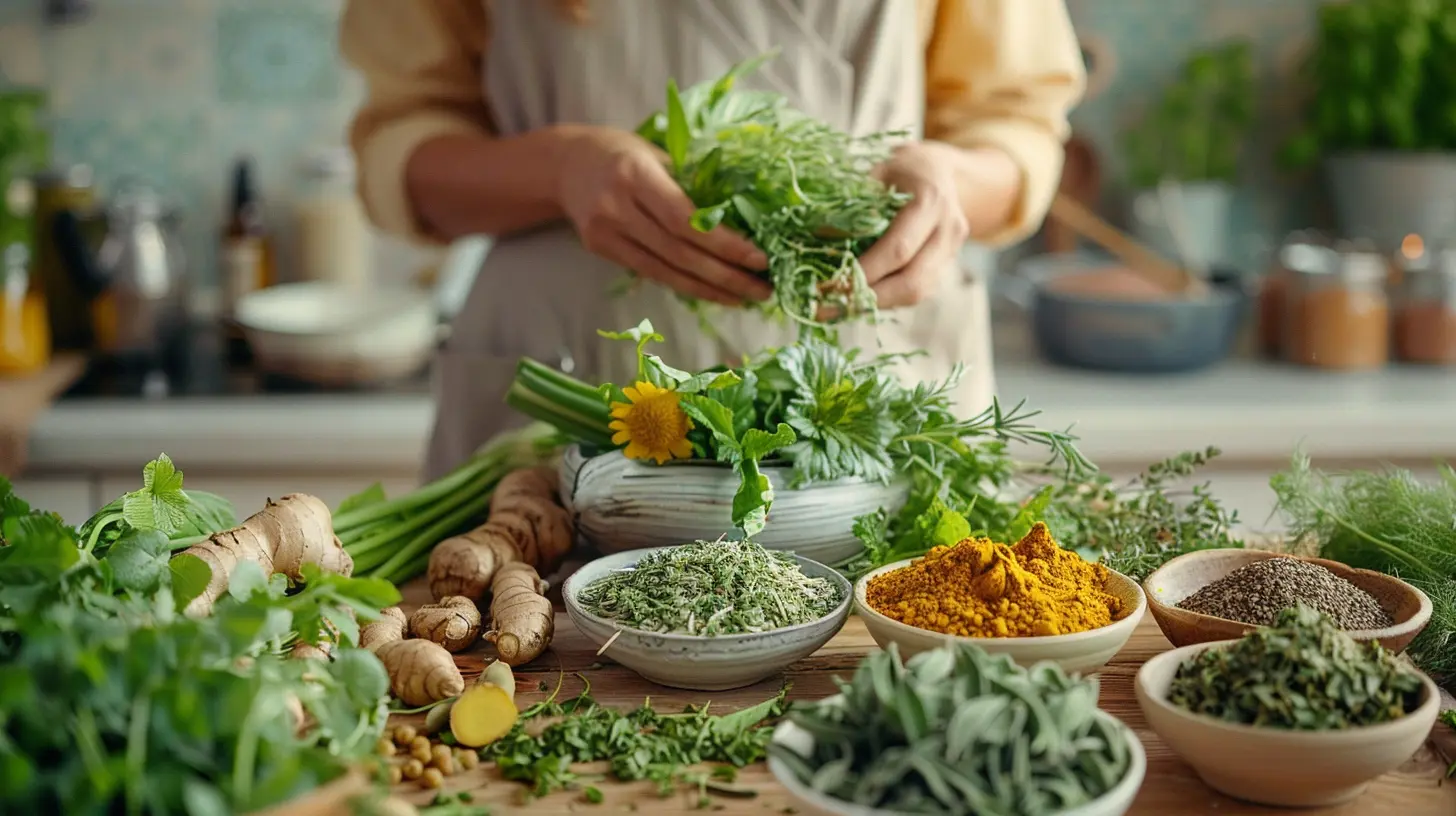
Herbalism traditionally sees digestive-liver imbalance as a pattern of sluggish digestive rhythm, especially when heavy meals, low appetite, bloating, or fat sensitivity are part of the picture. The main herbal actions include bitters, which wake up digestive secretions; cholagogues, traditionally used to support bile movement; carminatives, which ease gas and digestive tension; and hepatics, traditionally used to support normal liver function. Herbalists choose between these actions depending on whether the pattern feels heavy, gassy, tense, hot, or irritated, and these are herbs traditionally used when digestive-liver imbalance happens: dandelion root, ginger, fennel, milk thistle, peppermint, artichoke leaf, orange peel, chamomile, turmeric, cinnamon, burdock root, lemon balm, rosemary, lemon peel, schisandra, hibiscus, marshmallow root, cumin, coriander.
“A sluggish digestive-liver day is when your body opens the meal, reads the subject line, and says, ‘I’ll circle back on this.”
Recipes & Remedies Digestive-Liver Imbalance
Herbal Preparations
Bitter Digestive-Liver Tea
A traditional bitter-aromatic tea for times when digestion feels heavy, slow, or weighed down after meals. Dandelion root and artichoke leaf bring the bitter element, fennel helps with gas, ginger adds warmth, and chamomile softens the formula.
Ingredients with exact measurements
1 teaspoon roasted dandelion root
1/2 teaspoon dried artichoke leaf
1/2 teaspoon fennel seed, lightly crushed
1/4 teaspoon dried ginger root or 1 teaspoon fresh grated ginger
1 teaspoon dried chamomile flowers
1 1/2 cups hot water
Optional: 1 thin slice of lemon
Step-by-step preparation instructions
- Add dandelion root, artichoke leaf, fennel seed, ginger, and chamomile to a small teapot or heat-safe jar.
- Pour 1 1/2 cups hot water over the herbs.
- Cover and steep for 12 to 15 minutes.
- Strain well.
- Add a thin slice of lemon if desired.
- Sip warm.
How to use
Traditionally, bitter digestive teas are sipped 10 to 20 minutes before a heavier meal or after a meal when digestion feels slow. Start with a small amount because bitter herbs can be strong. Avoid this tea if you have gallstones, bile duct obstruction, active ulcers, significant reflux, severe liver disease, pregnancy, or medication concerns unless a qualified clinician says it is appropriate.
Food for support Digestive-Liver Imbalance
Bitter Greens and Lemon Lentil Bowl
A simple, traditional-style meal built around bitter greens, lentils, lemon, olive oil, and gentle spices. It is lighter than fried or creamy meals, includes fiber-rich plant foods, and brings in the bitter flavor often used in traditional digestive support.
Ingredients with exact measurements
1 cup cooked green or brown lentils
2 cups chopped dandelion greens, arugula, escarole, or kale
1 small carrot, grated
1 tablespoon extra-virgin olive oil
1 tablespoon fresh lemon juice
1/2 teaspoon grated fresh ginger
1/4 teaspoon ground turmeric
1/4 teaspoon ground cumin
1/8 teaspoon black pepper
1/4 teaspoon sea salt, or to taste
2 tablespoons chopped parsley
Optional: 1 tablespoon pumpkin seeds
Step-by-step preparation instructions
- Warm the cooked lentils in a small pan with 2 tablespoons water.
- Add ginger, turmeric, cumin, black pepper, and salt. Stir gently for 2 to 3 minutes.
- Place chopped greens in a bowl.
- Spoon the warm lentils over the greens to lightly soften them.
- Add grated carrot, olive oil, lemon juice, and parsley.
- Toss gently.
- Top with pumpkin seeds if desired.
How to use
Enjoy as a light lunch or dinner when digestion feels sluggish or heavy foods do not sound appealing. Eat slowly, keep portions moderate, and avoid making it too spicy if your digestion feels hot, sour, or irritated.
What Herbs You Need
The most common herbs traditionally used for digestive-liver imbalance include dandelion root, artichoke leaf, milk thistle seed, turmeric, ginger, fennel, peppermint, chamomile, burdock root, and lemon balm. The herbs below are especially relevant to the tea and food recipe in this post.
Dandelion Root
Latin name: Taraxacum officinale
Key herbal actions: Bitter tonic, meaning it stimulates the bitter taste response before meals; hepatic, meaning it is traditionally used to support normal liver function; mild digestive stimulant, meaning it encourages digestive readiness.
Key active compounds: Sesquiterpene lactones, phenolic acids, inulin, flavonoids, potassium-containing minerals.
Artichoke Leaf
Latin name: Cynara scolymus
Key herbal actions: Bitter digestive, meaning it supports appetite and digestive secretions; cholagogue, meaning it is traditionally used to support bile movement; hepatic, meaning it is traditionally used in liver-support formulas.
Key active compounds: Cynarin, chlorogenic acid, luteolin, caffeoylquinic acids, flavonoids.
Fennel Seed
Latin name: Foeniculum vulgare
Key herbal actions: Carminative, meaning it helps ease gas and bloating; aromatic digestive, meaning it supports comfortable digestive movement; antispasmodic, meaning it may help relax digestive tightness.
Key active compounds: Anethole, fenchone, estragole, flavonoids, volatile oils.
Ginger
Latin name: Zingiber officinale
Key herbal actions: Warming aromatic, meaning it brings warmth to sluggish digestion; carminative, meaning it helps with gas and fullness; digestive stimulant, meaning it is traditionally used when digestion feels slow or cold.
Key active compounds: Gingerols, shogaols, zingiberene, volatile oils.
Chamomile
Latin name: Matricaria chamomilla or Matricaria recutita
Key herbal actions: Gentle bitter, meaning it lightly supports digestive readiness; nervine, meaning it supports the stress-digestion connection; carminative, meaning it helps with gas and unsettled digestion.
Key active compounds: Apigenin, bisabolol, chamazulene, matricin, flavonoids.
Turmeric
Latin name: Curcuma longa
Key herbal actions: Hepatic, meaning it is traditionally used in liver-support formulas; bitter aromatic, meaning it supports digestive warmth and movement; antioxidant support, meaning it contains compounds studied for their role in oxidative stress pathways.
Key active compounds: Curcumin, demethoxycurcumin, bisdemethoxycurcumin, turmerones, volatile oils.
Key Herbal Products for Digestive-Liver Imbalance
Digestive bitters
Digestive bitters are usually liquid extracts made from bitter herbs such as dandelion root, artichoke leaf, gentian, orange peel, or burdock root. They are commonly taken in small amounts before meals. The practical advantage is that they are easy to use and strongly bitter; the downside is that alcohol-based tinctures, strong bitters, or gallbladder-stimulating herbs may not suit everyone. Someone might choose bitters when the main pattern is low appetite, heavy meals, or sluggish digestion.
Dandelion root tea
Dandelion root tea is a simple herbal preparation made from dried roasted or unroasted dandelion root. It is commonly used as a bitter digestive tea and as part of traditional liver-support routines. The advantage is that it is gentle, affordable, and easy to prepare; the downside is that it is earthy and bitter, which is either charming or “compost-adjacent,” depending on your palate. Someone might choose tea when they want a mild daily ritual rather than a concentrated extract.
Artichoke leaf capsules or extract
Artichoke leaf products are commonly sold as capsules, tablets, or liquid extracts. They are often used in digestive formulas aimed at post-meal heaviness, fat digestion, or sluggish digestive patterns. The advantage is convenience and stronger concentration than tea; the downside is that artichoke leaf may not be appropriate for people with gallstones, bile duct obstruction, or sensitivity to plants in the daisy family. Someone might choose capsules when they want a measured product and do not enjoy bitter tea.
Milk thistle capsules
Milk thistle products are usually made from seed extract standardized for silymarin. They are commonly marketed for liver support, although high-quality evidence for many liver-related claims remains limited and mixed. The advantage is that it is one of the most widely studied liver-associated herbs; the downside is that product quality varies, and it may cause digestive upset or allergic reactions in people sensitive to related plants. Someone might choose milk thistle when they are looking for a traditional liver-support supplement rather than a direct digestive bitter.
Turmeric capsules or powder
Turmeric is available as powder, capsules, extracts, and combination formulas. It is commonly used in food and traditional wellness routines for digestive and liver-support themes. The advantage is that it is easy to include in cooking; the downside is that concentrated turmeric or curcumin supplements may interact with medications and may not be appropriate for some gallbladder or bleeding-risk situations. Someone might choose turmeric powder in food when they want a culinary approach instead of a strong supplement.
FAQ
Is digestive-liver imbalance a medical diagnosis?
No. Digestive-liver imbalance is a traditional herbal phrase, not a formal diagnosis. It is best understood as a practical way to describe sluggish digestion, heaviness after meals, fat sensitivity, or digestive discomfort that may involve bile and liver-related digestive function.
What does the liver have to do with digestion?
The liver makes bile, which helps the body digest fats and absorb certain vitamins. The gallbladder stores bile and releases it when food enters the small intestine. This is why rich or fatty meals can sometimes highlight digestive patterns connected to bile flow.
Are bitter herbs safe for everyone?
No. Bitter herbs may not be appropriate for people with gallstones, bile duct obstruction, active ulcers, severe reflux, pregnancy, certain liver conditions, or medication concerns. Strong bitters should be used thoughtfully, especially when symptoms are sharp, burning, severe, or unexplained.
Can I use these herbs every day?
Some gentle herbs, such as fennel, chamomile, or culinary ginger, are commonly used in daily routines by many people. Stronger bitter formulas, artichoke extracts, turmeric supplements, and milk thistle capsules should be used more carefully and ideally with professional guidance if you have health conditions or take medication.
Does milk thistle detox the liver?
Milk thistle has a long history of traditional use for liver-related concerns, and its main compound group, silymarin, has been studied in modern research. However, evidence for many liver disease claims is limited or mixed, and it should not be viewed as a quick detox or replacement for medical care. The liver already performs detoxification as part of normal physiology.
What foods support this pattern?
Simple meals with bitter greens, fiber-rich plants, cooked vegetables, legumes, lemon, olive oil, and moderate portions are often a good fit for sluggish digestion. Very greasy, heavy, late-night, or oversized meals may feel harder to process for some people. The goal is not restriction; it is giving digestion a calmer workload.
Can pets use liver-support herbs?
Do not give liver-support herbs, bitters, essential oils, or supplements to pets unless directed by a veterinarian. Animals process herbs differently from humans, and products that seem mild for people may be unsafe for dogs, cats, or other animals.
References
NIDDK: Your Digestive System and How It Works
NCCIH: Milk Thistle Usefulness and Safety
NIDDK: Nonalcoholic Fatty Liver Disease
NIDDK: Gallstones
PubMed: Artichoke Leaf Extract in Functional Dyspepsia
PubMed: Ginger and Artichoke Extract Supplementation in Functional Dyspepsia
PubMed: Milk Thistle Overview in Liver Diseases
PubMed: Turmeric and Curcumin Biological Activities Review
PubMed: Chamomile Review
NCBI Bookshelf: LiverTox, Turmeric
Disclaimer
This article is for educational purposes only and is not medical advice. Digestive-liver imbalance is not a medical diagnosis, and symptoms involving the liver, gallbladder, bile ducts, stomach, or intestines can have many causes. Seek medical care for severe abdominal pain, right-upper-abdominal pain, yellowing skin or eyes, dark urine, pale stool, fever, vomiting, unexplained weight loss, black stools, chest pain, or symptoms that are persistent, worsening, or new. Herbs and supplements may interact with medications and may not be appropriate during pregnancy, breastfeeding, liver disease, gallbladder disease, ulcers, reflux, bleeding disorders, surgery preparation, or chronic medical conditions.