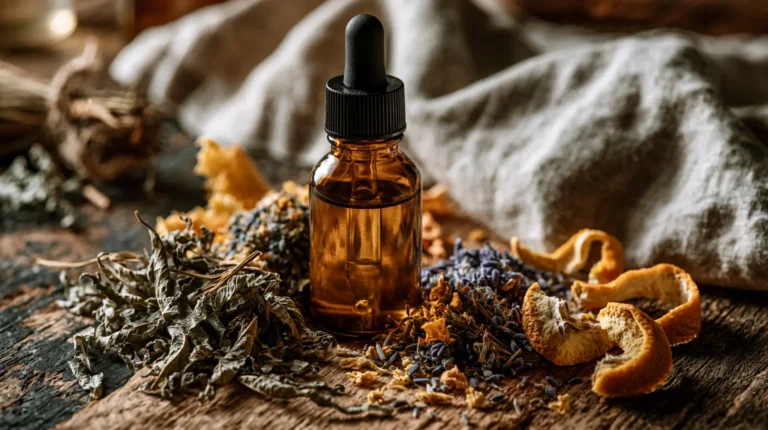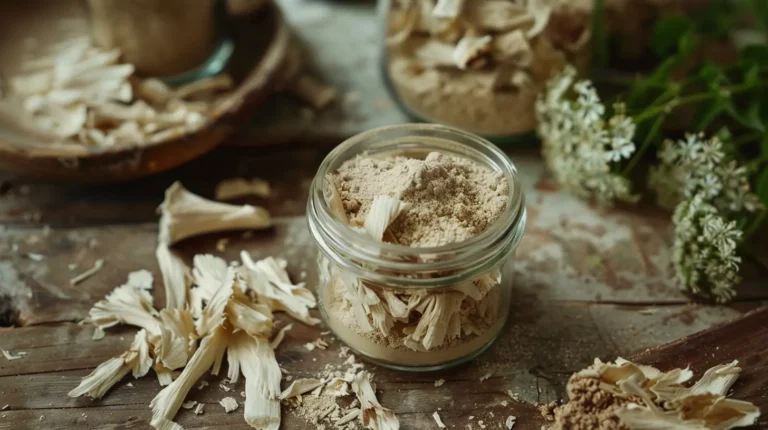
Dry skin is that tight, rough, flaky feeling that makes your face, hands, or legs seem like they are quietly turning into parchment. It can show up as dullness, itching, scaling, redness, cracking, or a “my skin drank moisturizer and still wants more” kind of situation.
Learn more about Dry Skin
Dry skin happens when the skin does not have enough water, oil, or protective barrier support to stay soft and comfortable. The medical term often used is xerosis or xeroderma, and it can range from mild seasonal dryness to more uncomfortable cracking, itching, and irritation.
The skin barrier is partly made of lipids, natural moisturizing factors, and outer skin cells that help reduce water loss. When this barrier is disrupted, water escapes more easily, and the skin can feel tight, rough, flaky, or sensitive. Cold weather, indoor heating, hot showers, harsh soaps, frequent handwashing, aging, dehydration, low humidity, certain medications, and some health conditions can all contribute.
The main types of dry skin can be understood in everyday language:
Weather-related dry skin: This often appears in winter or dry climates when cold air, wind, and indoor heat reduce moisture in the skin.
Over-washed or stripped skin: This happens when frequent washing, strong soaps, exfoliants, or alcohol-heavy products remove too much natural oil from the skin surface.
Sensitive dry skin: This type tends to feel tight, reactive, itchy, or easily irritated. It may not tolerate fragrance, essential oils, strong acids, or active skincare products very well.
Aging-related dryness: As skin changes with age, it often produces less oil and may hold water less effectively. This can make dryness more common on the arms, legs, hands, and face.
Cracked or very rough dry skin: This pattern may appear on hands, feet, elbows, or shins. It often needs thicker topical support and may need medical care if cracks are deep, painful, bleeding, or infected.
Traditional herbalism usually understands dry skin through the lens of moisture, nourishment, protection, and irritation. Herbalists often ask whether the dryness feels hot, itchy, inflamed, cold, rough, cracked, or simply undernourished. The goal is usually not to “dry out” the skin further, but to support comfort with moistening, soothing, protective, and gently emollient preparations.
For dry, irritated skin, herbalists often reach for demulcent and soothing herbs such as oat, aloe, marshmallow root, and slippery elm. For rough or cracked skin, infused oils and salves made with calendula, plantain, chamomile, or comfrey leaf are traditionally used externally. For dry skin with sensitivity, simple formulas are usually preferred over complicated blends, because the skin is already busy enough and does not need a 17-ingredient personality test.
How Herbs Can Help Dry Skin
Herbalism traditionally sees dry skin as a pattern of lost moisture, weakened barrier comfort, irritation, or lack of softening oils at the skin surface. The main herbal actions used are demulcents, which bring a slippery soothing quality; vulneraries, which are traditionally used for skin comfort; emollients, which soften and protect; and anti-inflammatory botanicals, which help calm the feel of irritation. Herbalists choose between those actions depending on whether the skin feels tight, itchy, rough, cracked, hot, or sensitive, and these are herbs traditionally used when dry skin happens: calendula, chamomile, oat, rose, lavender, aloe vera, marshmallow root, plantain, nettle, oatstraw, rosehips, licorice root, flaxseed, cinnamon.
“Dry skin is your body’s way of saying, ‘I appreciate the hot shower, but could we also invite moisture, oils, and common sense to this meeting?’”
Recipes & Remedies Dry Skin
Herbal Preparations
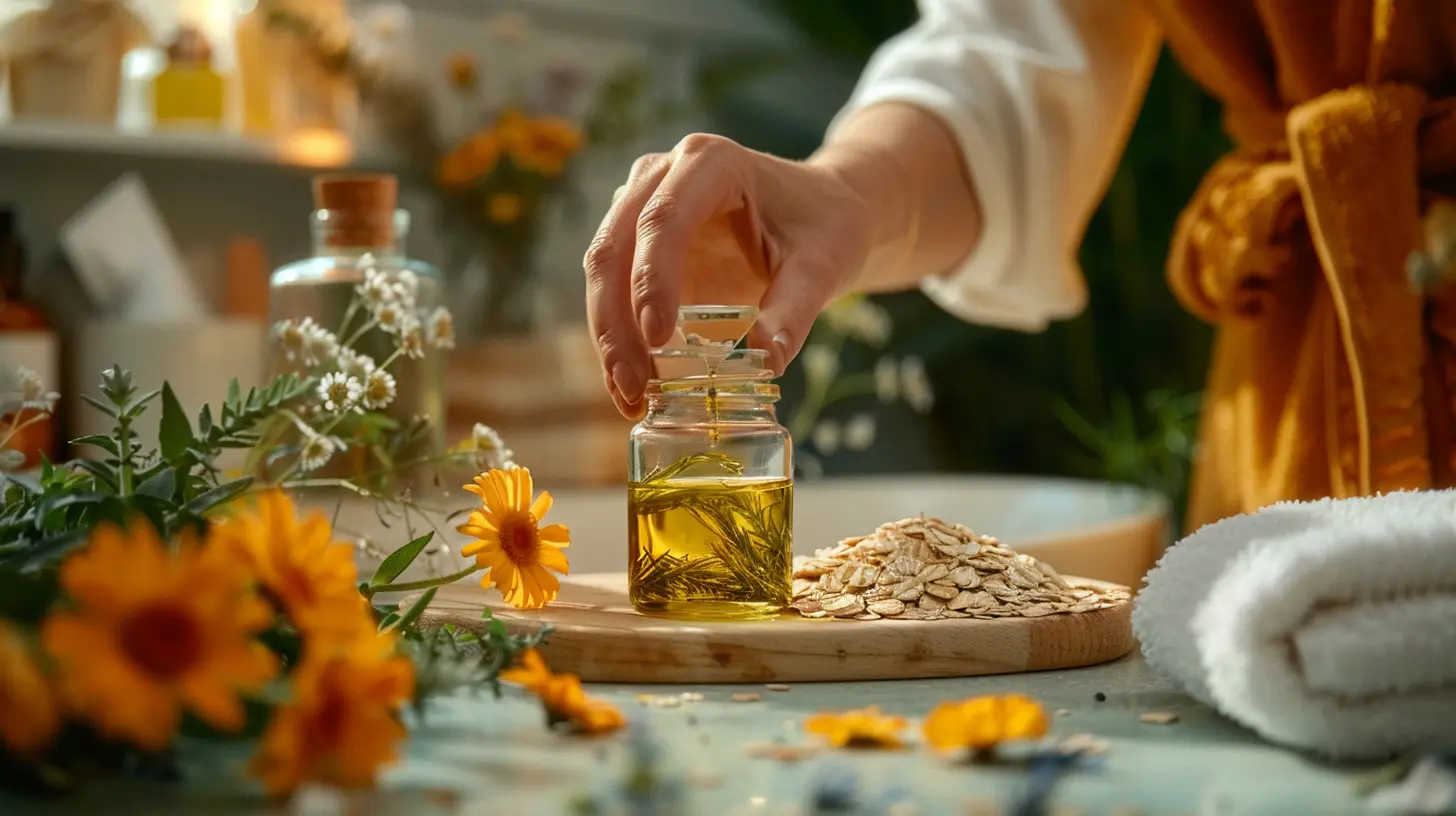
Calendula Oat Soothing Body Oil
This simple topical preparation combines calendula-infused oil with finely ground oat and a touch of aloe gel used separately before the oil. It is especially useful for dry, rough-feeling skin that needs gentle softening and barrier-friendly support.
Ingredients with exact measurements
1/2 cup calendula-infused olive oil or sunflower oil
1 tablespoon finely ground colloidal oatmeal
1 teaspoon jojoba oil or sweet almond oil
3 drops vitamin E oil, optional
1 tablespoon plain aloe vera gel, used separately before applying the oil
Step-by-step preparation instructions
Add calendula-infused oil to a clean glass jar.
Stir in jojoba oil or sweet almond oil.
Add vitamin E oil if using.
Keep the colloidal oatmeal separate if you prefer a smoother oil, or stir in a very small amount only if the oil will be used quickly and shaken before each use.
After bathing, pat skin slightly damp rather than fully dry.
Apply a thin layer of plain aloe vera gel first.
Follow with a small amount of calendula oil to help seal in moisture.
Store the oil in a cool, dark place and use clean, dry hands or a pump bottle.
How to use
Apply a small amount to damp skin after bathing, especially on arms, legs, hands, or other dry areas. Avoid applying oil to open wounds, infected skin, or deep cracks, and patch test first on a small area if your skin is sensitive.
Food for support Dry Skin
Salmon, Avocado, and Sweet Potato Bowl
This nourishing meal combines omega-3-rich fish, avocado, olive oil, colorful vegetables, and slow-digesting carbohydrates. It supports everyday skin wellness by focusing on healthy fats, protein, minerals, and plant pigments rather than pretending one salad can solve your entire epidermis.
Ingredients with exact measurements
1 cooked salmon fillet, about 4 to 5 ounces
1 medium sweet potato, roasted and cubed
1/2 avocado, sliced
1 cup baby spinach or mixed greens
1 tablespoon extra virgin olive oil
1 tablespoon lemon juice
1 tablespoon pumpkin seeds
1/4 teaspoon sea salt
1/8 teaspoon black pepper
Optional: 1 tablespoon chopped parsley
Step-by-step preparation instructions
Roast the sweet potato at 400°F for about 25 to 30 minutes, or until tender.
Bake or pan-sear the salmon until cooked through.
Add greens to a bowl.
Top with roasted sweet potato, salmon, avocado, and pumpkin seeds.
Whisk olive oil, lemon juice, salt, and pepper together.
Drizzle over the bowl.
Add parsley if desired.
How to use
Enjoy as a lunch or dinner when dry skin seems connected with low dietary fat, poor nourishment, or general seasonal dryness. Pair it with regular hydration and a gentle skincare routine for a more complete approach.
What Herbs You Need
The herbs used in the dry skin preparation include calendula, oat, and aloe vera. These botanicals are traditionally used to soothe, soften, cool, and support the comfort of dry or irritated skin.
Calendula
Latin name: Calendula officinalis
Key herbal actions:
- Vulnerary: Traditionally used externally to support skin comfort and minor irritation.
- Soothing herb: Helps calm the feel of rough or stressed skin.
- Emollient when infused in oil: Helps soften and condition the skin surface.
Key active compounds: Triterpenoids, flavonoids, carotenoids, polysaccharides, faradiol esters, and essential oil constituents.
Oat
Latin name: Avena sativa
Key herbal actions:
- Demulcent: Provides a soft, soothing, mucilage-like quality.
- Skin protectant: Colloidal oatmeal is widely used in topical products for dry and itchy-feeling skin.
- Anti-inflammatory botanical: Traditionally used to calm the feel of irritation.
Key active compounds: Avenanthramides, beta-glucans, starches, lipids, proteins, saponins, and phenolic compounds.
Aloe Vera
Latin name: Aloe barbadensis miller
Key herbal actions:
- Cooling demulcent: Traditionally used topically for hot, dry, or irritated-feeling skin.
- Moistening gel: Provides water-rich topical hydration.
- Soothing botanical: Commonly used in after-sun and dry-skin products.
Key active compounds: Polysaccharides such as acemannan, glucomannans, amino acids, sterols, enzymes, and phenolic compounds.
Key Herbal Products for Dry Skin
Calendula Salve
Calendula salve is usually made by infusing calendula flowers into oil and blending the oil with beeswax or a plant-based wax. It is commonly used on rough hands, elbows, knees, and dry patches.
Pros: Rich, protective, long-lasting, and easy to apply to small areas.
Cons: Can feel greasy and may not suit acne-prone or very oily skin.
Best for: Someone who wants a thicker product for rough, dry, or weather-exposed areas.
Colloidal Oatmeal Cream
Colloidal oatmeal cream contains finely ground oat suspended in a lotion or cream base. It is commonly used for dry, itchy-feeling, or sensitive skin because it is gentle and widely available.
Pros: Easy to use, fragrance-free options are common, and it is suitable for many sensitive-skin routines.
Cons: Some formulas contain extra ingredients that may irritate sensitive skin, so labels matter.
Best for: Someone with dry, itchy-feeling skin who wants a simple daily moisturizer.
Aloe Vera Gel
Aloe vera gel is a water-rich topical product commonly used for cooling and soothing the skin. It is often used after sun exposure or when skin feels hot and tight.
Pros: Lightweight, cooling, and easy to layer under moisturizer or oil.
Cons: It may not be enough by itself for very dry skin because it does not provide much oil-based barrier support.
Best for: Someone whose dry skin feels warm, tight, or mildly irritated and who wants light hydration before applying a moisturizer.
Herbal Body Oil
Herbal body oils often include calendula, chamomile, rose, lavender, or plantain infused into olive, sunflower, almond, or jojoba oil. They are commonly applied after bathing while skin is still damp.
Pros: Excellent for sealing in moisture and softening rough skin.
Cons: Can stain clothing or bedding if overused and may feel too heavy for some people.
Best for: Someone who likes a simple, traditional body-care routine and needs extra support in dry weather.
Marshmallow Root or Slippery Elm Gel Preparations
Marshmallow root and slippery elm are mucilage-rich herbs traditionally used for their slippery, soothing quality. In topical use, they may be prepared as a cool infusion or gel-like wash for dry, irritated-feeling skin.
Pros: Gentle, soothing, and useful when skin feels delicate or tight.
Cons: Homemade preparations spoil quickly and must be refrigerated and used within a short time.
Best for: Someone who prefers simple, water-based topical preparations and understands proper storage.
FAQ
What causes dry skin?
Dry skin can happen when the skin loses water, oil, or barrier protection. Common triggers include cold weather, indoor heat, hot showers, harsh soaps, aging, low humidity, frequent handwashing, and some health conditions or medications.
Are herbal oils enough for dry skin?
Herbal oils can help soften skin and seal in moisture, especially when applied after bathing. However, very dry skin often benefits from a combination of water-based hydration, a moisturizer, and an oil or balm to reduce moisture loss.
Is aloe vera good for dry skin?
Aloe vera gel can feel soothing and hydrating because it is water-rich and cooling. For very dry skin, it usually works best when followed by a moisturizer or oil, because aloe alone may evaporate and leave the skin feeling tight.
Is colloidal oatmeal the same as regular oatmeal?
Colloidal oatmeal is finely ground and processed so it can disperse evenly in creams, lotions, and bath products. Regular oats can be used in home baths, but they are not as smooth or consistent as true colloidal oatmeal.
Can I use essential oils for dry skin?
Essential oils are not necessary for dry skin and can irritate sensitive or cracked skin. If you use them, they should be properly diluted, patch tested, and avoided on broken skin, children, pets, and during pregnancy unless guided by a qualified professional.
How should I store homemade herbal oils?
Store homemade herbal oils in clean, dry containers away from heat, light, and moisture. If the oil smells rancid, changes color dramatically, grows mold, or looks cloudy in an unusual way, discard it.
When should dry skin be checked by a professional?
Seek professional guidance if dry skin is severe, painful, bleeding, infected, spreading quickly, or not improving with gentle care. Also check with a clinician if dryness appears with other symptoms such as intense itching, rash, swelling, fever, or unexplained fatigue.
References
NCCIH: Skin Conditions and Complementary Health Approaches
PubMed: Anti-inflammatory Activities of Colloidal Oatmeal
PubMed Central: The Role of Moisturizers in Addressing Various Kinds of Dermatitis
European Medicines Agency: Calendulae Flos
European Medicines Agency: Assessment Report on Calendula officinalis L., flos
Your Provided Article Prompt
Disclaimer
This article is for educational purposes only and is not medical advice. Dry skin can be caused by weather, skin-care habits, aging, medications, allergies, eczema, psoriasis, thyroid concerns, diabetes, kidney disease, or other health conditions. If dryness is severe, painful, cracked, bleeding, infected, persistent, or accompanied by rash or intense itching, speak with a qualified healthcare professional. Always patch test topical herbs and oils before wider use, and check with a healthcare professional before using herbal products on children, during pregnancy or breastfeeding, or on broken or irritated skin.