Goji berry is the small red-orange fruit of a shrub in the nightshade family. It is also known as wolfberry and has been used for centuries in traditional East Asian food and herbal practice. In Traditional Chinese Medicine, goji berry is often called gou qi zi and is traditionally associated with nourishment, vision support, liver and kidney vitality, and gentle daily resilience.
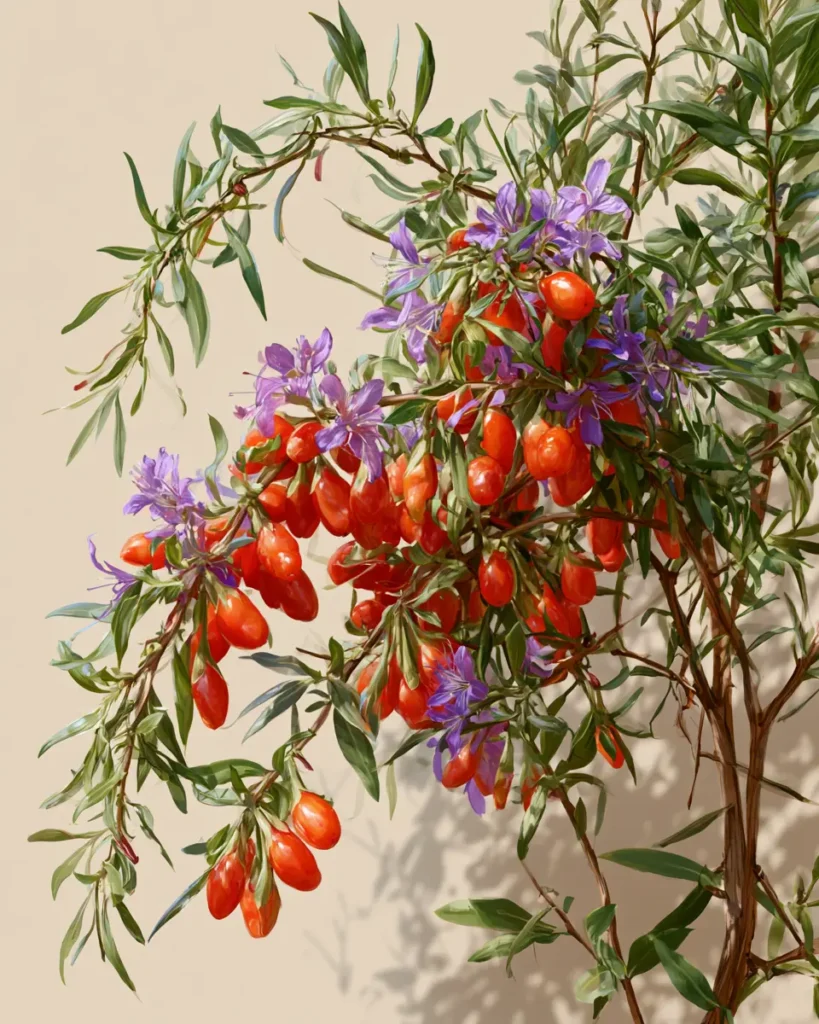
Goji Berry (Lycium barbarum, Lycium chinense)
Goji berry is traditionally connected with these wellness areas:
Vision Support: Goji berries are naturally rich in carotenoids, especially zeaxanthin, a pigment concentrated in the retina and macula.
Energy and Vitality: Traditionally used as a nourishing tonic, goji berry is often chosen when people want gentle food-based support rather than a stimulating herb.
Liver Support: In traditional Chinese herbal practice, goji berry is associated with liver nourishment, especially in relation to eye comfort and overall vitality.
Immune and Antioxidant Support: Goji berries contain polysaccharides, carotenoids, flavonoids, and other antioxidant compounds that make them a popular functional food.
“Goji berry is a tiny red reminder that nourishment does not have to be complicated.”
Available Goji Berry Products
Dried Goji Berry
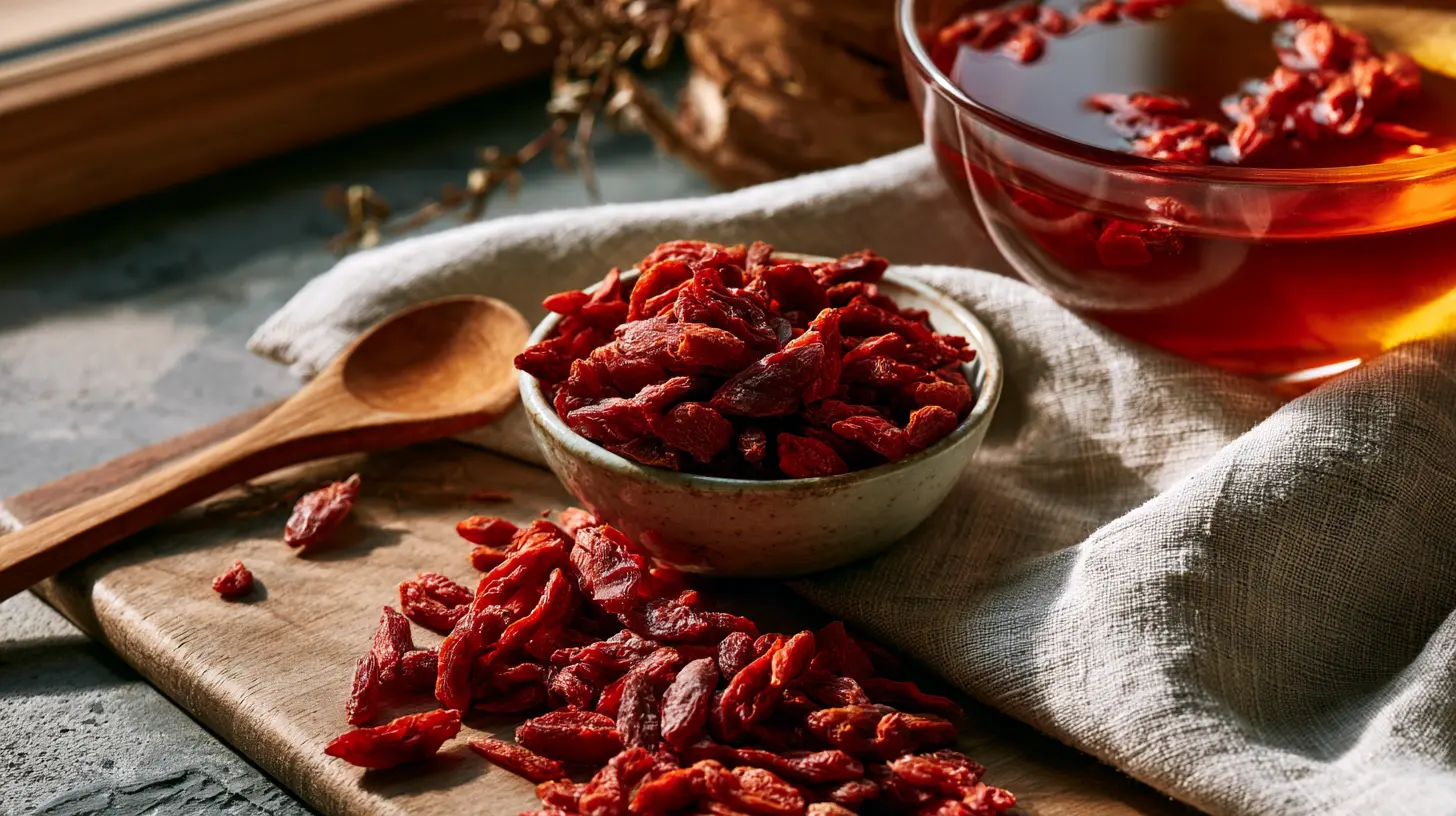
Dried goji berries are the most common form. They look like small red raisins and can be eaten as food, steeped into tea, added to soups, mixed into oatmeal, or used in herbal formulas. Look for berries that are bright red-orange, pliable rather than rock-hard, and free from added sugar or artificial color.
Goji Berry Tea
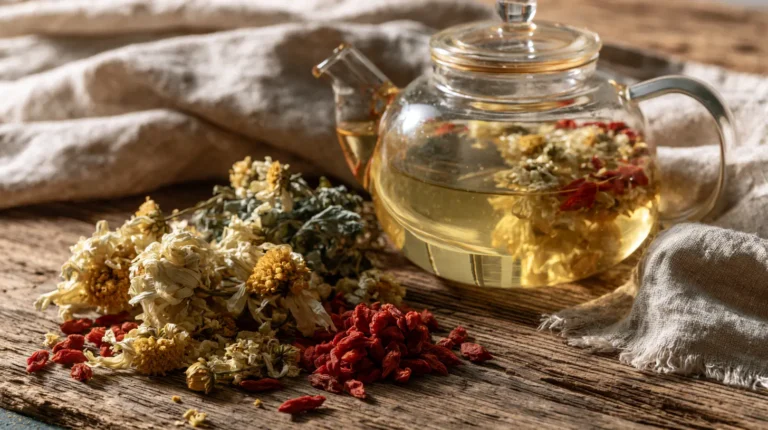
Goji tea is usually made by steeping dried berries in hot water. The berries soften and can be eaten after the tea is finished. This is one of the gentlest and most traditional ways to enjoy goji berry.
Goji Berry Powder
Goji powder is made from dried berries ground into a fine powder. It is commonly added to smoothies, yogurt, oatmeal, energy bites, or herbal drink blends. Because powders lose freshness faster than whole dried berries, choose small packages and keep them tightly sealed.
Goji Berry Capsules
Capsules are convenient for people who prefer a measured serving without the taste or texture of dried fruit. When choosing capsules, check whether the product contains whole berry powder or a concentrated extract, and look for clear serving information.
Goji Berry Extract
Goji extracts may be standardized for polysaccharides or other compounds. These are more concentrated than whole berries and should be used with more care, especially by people taking medications.
Goji Berry Juice
Goji juice became popular as a health beverage, but quality varies widely. Some juices contain added sugar, flavoring, or very small amounts of actual goji. Read labels carefully and avoid products making dramatic health claims.
Fresh Goji Berry
Fresh goji berries are less common in U.S. markets but may be available from specialty farms or home gardens. They are delicate, mildly sweet-tart, and usually eaten fresh, cooked, or dried.
Key Herbal Actions
Goji berry is known as a nutritive tonic, antioxidant, immune-supportive food herb, liver tonic, yin tonic, vision-supportive herb, and gentle adaptogen-like tonic.
Nutritive Tonic
A nutritive tonic is a food-like herb used to support general nourishment over time. Goji berry fits this category because it provides carbohydrates, fiber, carotenoids, minerals, and plant compounds in a form commonly eaten as food.
Antioxidant
Antioxidant herbs and foods help protect cells from oxidative stress. Goji berry contains carotenoids, flavonoids, phenolic compounds, and polysaccharides that are studied for antioxidant activity.
Immune-Supportive Food Herb
Goji berry polysaccharides have been widely studied for immune-modulating activity in laboratory and animal research. In traditional use, goji berry is considered a gentle strengthening food rather than a fast-acting immune herb.
Liver Tonic
In traditional Chinese herbalism, goji berry is associated with nourishing the liver system. This does not mean it “cleanses” the liver; rather, it reflects a traditional pattern of use connected with vitality, vision, and nourishment.
Yin Tonic
A yin tonic is traditionally used to support moisture, restoration, and deep nourishment. Goji berry is often used in formulas where dryness, depletion, or long-term fatigue are part of the wellness picture.
Vision-Supportive Herb
Goji berry is naturally rich in zeaxanthin, a carotenoid concentrated in the macula of the eye. This makes it especially relevant to traditional and modern discussions of eye and retinal support.
Gentle Adaptogen-Like Tonic
Goji is sometimes described as adaptogen-like because it is used traditionally for resilience and vitality. It is gentler and more food-like than classic adaptogens such as ginseng or rhodiola.
Active Compounds and Extraction
Goji berry contains polysaccharides, carotenoids such as zeaxanthin and zeaxanthin dipalmitate, flavonoids, phenolic acids, betaine, vitamins, minerals, amino acids, and small amounts of fatty acids.
Polysaccharides
Goji berry polysaccharides are among the most studied compounds in the fruit. They are complex carbohydrates often discussed in relation to immune activity, antioxidant activity, and general tonic use. In dried goji berry, polysaccharide-rich fractions can make up a meaningful portion of the fruit’s dry material.
Best extraction methods:
Hot water infusion: Add 1 tablespoon dried goji berries to 1 cup hot water. Steep for 10–15 minutes, then drink the tea and eat the softened berries.
Decoction: Simmer 1–2 tablespoons dried berries in 2 cups water for 15–20 minutes. This is useful when combining goji with roots, mushrooms, or other tonic herbs.
Soup extraction: Add dried goji berries during the last 10–15 minutes of cooking soups or broths. This is a traditional food-based way to extract water-soluble compounds while keeping the berries edible.
Carotenoids
Goji berry is especially known for carotenoids, including zeaxanthin and zeaxanthin dipalmitate. Zeaxanthin is one of the key yellow-orange pigments found in the macula of the eye. These compounds are fat-soluble, meaning they absorb better when eaten with a little dietary fat.
Best extraction methods:
Whole food use with fat: Add goji berries to meals containing nuts, seeds, avocado, olive oil, eggs, or yogurt. This improves the practical use of fat-soluble carotenoids.
Powder in smoothies: Blend goji powder with yogurt, nut butter, milk, or plant milk with added fat. This is better than mixing it only with plain water.
Gentle cooking: Add berries to porridge or soup. Cooking softens the fruit and may make carotenoids more available, especially when some fat is present in the meal.
Flavonoids
Goji berries contain flavonoids such as quercetin-related and kaempferol-related compounds. Flavonoids are widely studied plant compounds associated with antioxidant activity and overall plant defense.
Best extraction methods:
Hot water infusion: Steeping goji berries in hot water extracts some water-soluble flavonoids and phenolic compounds.
Whole dried berries: Eating the whole berry gives a broader range of compounds than tea alone, including fiber and less water-soluble constituents.
Phenolic Acids
Phenolic acids are antioxidant compounds found in many colorful fruits and herbs. In goji berry, they contribute to the fruit’s overall antioxidant profile.
Best extraction methods:
Tea: A 10–15 minute steep is enough for a simple daily preparation.
Food use: Adding whole berries to meals provides phenolic compounds along with fiber, minerals, and carotenoids.
Betaine
Goji berry contains betaine, a naturally occurring compound also found in foods such as beets and spinach. Betaine is involved in normal methylation pathways in the body, though goji should not be treated as a targeted therapy for any metabolic condition.
Best extraction methods:
Whole berry use: Eating the whole fruit is the simplest way to consume betaine along with the full range of goji compounds.
Hot water preparation: Betaine is water-soluble, so teas and soups can also extract some of it.
Vitamins, Minerals, and Amino Acids
Goji berries contain small amounts of vitamins, minerals, and amino acids. Their exact levels vary depending on cultivar, growing region, drying method, and product quality.
Best extraction methods:
Whole food use: Eating the berries is better than relying only on tea if the goal is broad nutrition.
Powder: Powder can be useful in smoothies or foods, but it should be fresh and protected from heat, moisture, and light.
Harvesting and Storing Right
Goji berries are usually harvested in late summer to early autumn when the fruits turn bright red-orange and become fully ripe. They are delicate, so they are often shaken gently onto mats or picked carefully to avoid bruising.
Fresh berries should be used quickly because they spoil faster than dried fruit. Dried berries should be stored in an airtight container away from heat, light, and moisture. A cool pantry is fine, but refrigeration can help extend freshness in warm or humid climates.
Storage tips:
Dried berries: Best used within 6–12 months for flavor and color, though they may last longer if properly stored.
Powder: Best used within 3–6 months after opening because it oxidizes faster.
Capsules: Follow the label date and keep away from heat and moisture.
Juice: Refrigerate after opening and follow the product’s use-by guidance.
Extracts: Store tightly closed in a cool, dark place.
Body Functions Goji Berry Can Support
Goji berry can support vision, immune system, liver support, energy and vitality, digestion system, skin, brain, metabolism, and circulation.
Vision
Goji berry is best known in modern nutrition for its carotenoids, especially zeaxanthin. Zeaxanthin is concentrated in the macula, where it helps filter blue light and supports normal retinal health. Traditionally, goji has long been associated with eye nourishment.
Immune System
Goji berry polysaccharides have been studied for immune-modulating effects, mostly in laboratory and animal models. As a food herb, goji is best understood as gentle immune nourishment rather than a quick immune “booster.”
Liver Support
Traditional Chinese herbalism connects goji berry with liver nourishment, especially in patterns related to eyes, dryness, and vitality. Modern research has explored antioxidant and liver-related effects, but goji should not be used as a treatment for liver disease.
Energy and Vitality
Goji berry is traditionally used as a strengthening tonic. Because it is food-like, it can support daily nourishment without the stimulating effect of caffeine. It is especially popular in soups, teas, and breakfast foods.
Digestion System
Goji berries provide fiber and can be eaten as a gently sweet dried fruit. In tea or soup, they soften and become easy to digest for many people. People sensitive to dried fruits should start with small amounts.
Skin
The carotenoids and antioxidant compounds in goji berry make it relevant to skin wellness from a nutritional perspective. Traditional use also connects goji with moisture and nourishment. It should not be presented as a cure for skin conditions.
Brain
Goji berry is sometimes discussed for cognitive and nervous system support because of its antioxidant compounds and traditional tonic use. Human evidence is still limited, so it is best described as a nourishing food that may support overall wellness.
Metabolism
Some small human studies have explored goji berry in relation to blood sugar and lipid markers. The evidence is not strong enough to use goji as a treatment, but whole goji berries can be part of a balanced diet when appropriate.
Circulation
Goji berry contains antioxidant carotenoids and flavonoids, and small studies have looked at cardiometabolic markers such as triglycerides and HDL cholesterol. These findings are promising but limited, so goji should be framed as food-based support rather than a cardiovascular remedy.
Safety and Practical Considerations
Goji berry is commonly eaten as food, but concentrated extracts, juices, and capsules deserve more caution. Whole dried berries are usually the gentlest form.
Goji may interact with warfarin and other anticoagulant medications. Case reports and safety references have raised concern about increased bleeding risk when goji is used with warfarin. People taking blood thinners should avoid goji supplements unless their healthcare professional approves.
People taking diabetes medications or blood pressure medications should also be cautious, especially with concentrated goji products. Goji may affect blood sugar or blood pressure in some individuals.
Because goji belongs to the nightshade family, people with strong nightshade sensitivity should start carefully or avoid it. Allergic reactions are uncommon but possible.
Pregnant or breastfeeding people should consult a qualified healthcare professional before using goji supplements or concentrated extracts. Small culinary amounts may be different from supplement use, but professional guidance is still wise.
Children, older adults, and sensitive individuals should start with small food amounts. Dried goji berries can be chewy, so they should be softened for young children or anyone with swallowing concerns.
Quality matters. Choose goji berries from reputable suppliers that test for pesticide residues, heavy metals, and adulteration. Avoid products making dramatic claims about curing disease, reversing aging, or replacing medical care.
FAQ
What does goji berry taste like?
Goji berry tastes mildly sweet, tangy, and slightly earthy. The dried berries are chewy, a little like a cross between a raisin and a dried cranberry, but less sugary.
When is the best time to use goji berry?
Goji berry can be used any time of day as food. Many people add it to breakfast, tea, soup, or afternoon snacks. In traditional practice, it is often used regularly in small amounts rather than occasionally in large amounts.
Is fresh or dried goji berry better?
Dried goji berry is more common and easier to store. Fresh goji is delicate and less widely available. Both can be useful, but dried berries are the practical choice for most home herbal kitchens.
Is goji berry tea, powder, capsule, or juice better?
Tea is gentle and traditional, especially when you eat the softened berries afterward. Powder is convenient for smoothies and foods. Capsules and extracts are more supplement-like and should be used with more caution, especially with medications.
Can goji berry be used daily?
Many people use small amounts of dried goji berry daily as food. A common food serving is about 1–2 tablespoons of dried berries. Daily supplement use should be discussed with a healthcare professional if you take medications or manage a medical condition.
How should goji berry be stored?
Store dried goji berries in an airtight container away from heat, light, and moisture. If your kitchen is warm or humid, refrigeration can help preserve quality. Powder should be used sooner because it loses freshness faster.
Does goji berry combine well with other herbs?
Yes. Goji berry combines well with chrysanthemum flower, jujube date, ginger, cinnamon, astragalus, reishi, schisandra, and green tea. It also works nicely with oats, cacao, nuts, and seeds in food preparations.
Is goji berry safe for everyone?
Goji berry is not ideal for everyone. People taking warfarin, blood thinners, diabetes medications, blood pressure medications, or those with nightshade sensitivity should be cautious. Concentrated extracts require more care than whole dried berries.
Can goji berry be used for pets?
Do not give goji berry supplements or herbal formulas to pets without veterinary guidance. Small accidental food exposure may not be the same as intentional herbal use. Pets have different digestive systems and medication risks, so a veterinarian is the safest guide.
Disclaimer
This content is educational only. It is not medical advice, diagnosis, or treatment. Herbs may interact with medications or health conditions. People who are pregnant, breastfeeding, managing a medical condition, taking prescription medications, or preparing for surgery should consult a qualified healthcare professional before using herbs.
References
Kew Science: Plants of the World Online – Lycium barbarum
Kew Science: Plants of the World Online – Lycium chinense
PubMed: Goji, Lycium barbarum and Lycium chinense – Phytochemistry, Pharmacology, and Safety
PubMed Central: Goji Berry Intake Increases Macular Pigment Optical Density in Healthy Adults
PubMed Central: Lycium barbarum Polysaccharides and Their Biological Activities