Gentian root is one of the most famous bitter herbs. Traditionally, gentian root has been used to support digestion, appetite, bile flow, and the body’s natural response to heavy meals. It is most often taken in small amounts before meals, especially when digestion feels slow or appetite needs a gentle nudge.

Gentian Root (Gentiana lutea)
Gentian root is traditionally connected with these wellness areas:
Digestive Support: Gentian root is a classic digestive bitter. Its bitter taste is traditionally used to awaken the mouth, stomach, and digestive secretions before eating.
Appetite Support: Herbalists often use gentian when appetite feels low or sluggish, especially after periods of stress, travel, or rich meals.
Liver and Bile Support: Bitter herbs are traditionally used to support healthy bile flow, which helps the body process fats.
Energy and Vitality: In old herbal traditions, gentian was considered a strengthening bitter tonic, especially when someone felt depleted after poor appetite or weak digestion.
“Gentian root is the herb that reminds digestion to clock in before dinner.”
Available Gentian Root Products
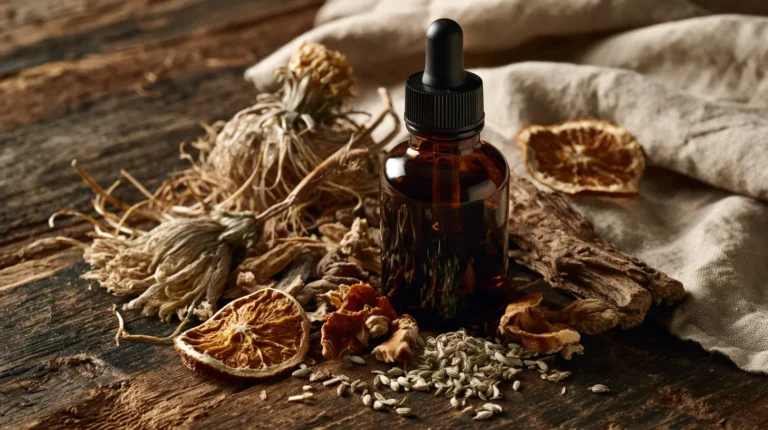
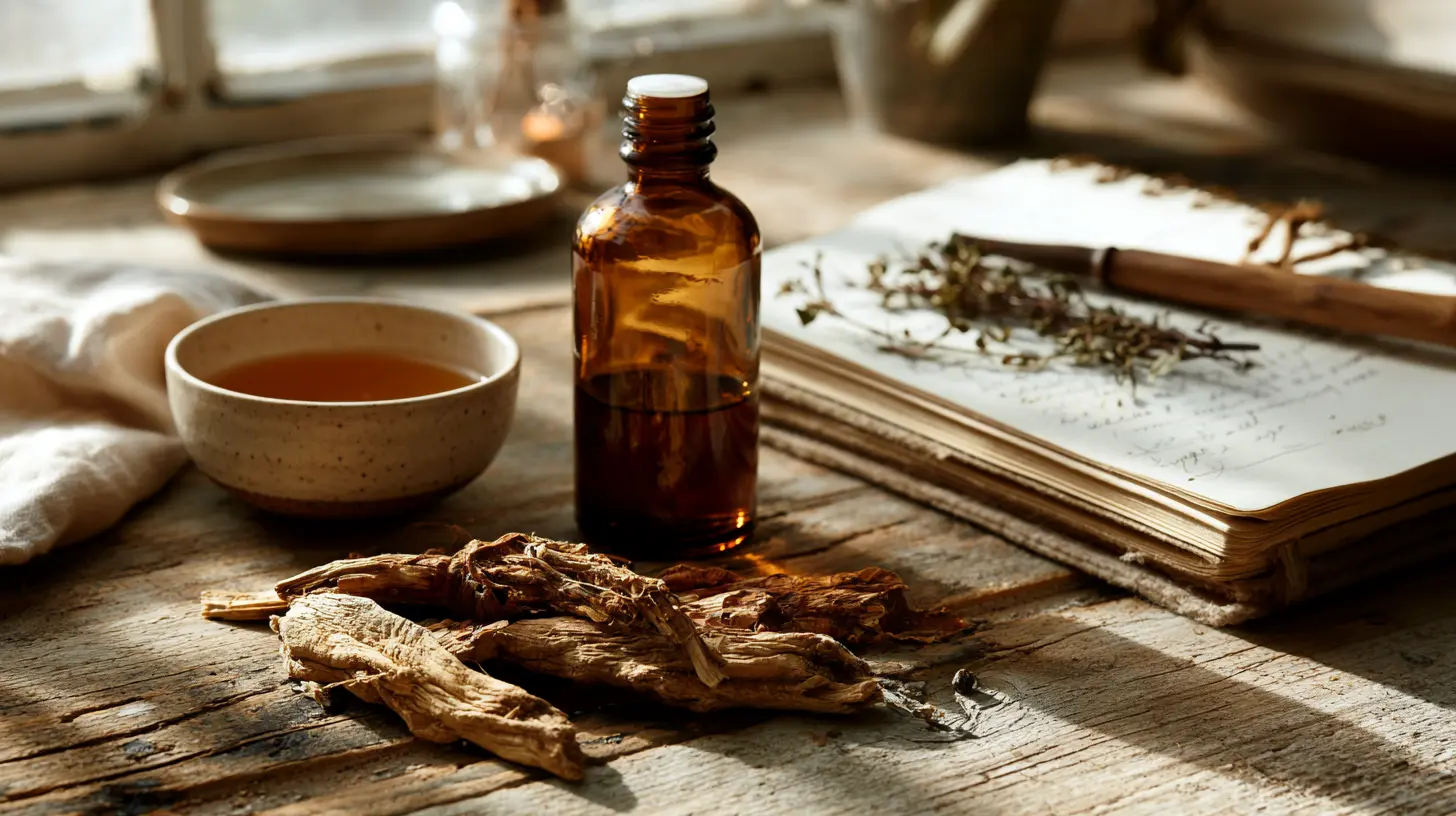
Dried Gentian Root
Dried gentian root is commonly sold as cut-and-sifted root or small root pieces. It is used for teas, decoctions, bitters blends, and homemade tinctures. Good-quality dried gentian should smell earthy, taste intensely bitter, and look clean, dry, and free from mold.
Gentian Root Tincture
Gentian tincture is one of the most common forms because only a small amount is usually needed. Tinctures are practical when someone wants a bitter preparation before meals without brewing a tea. Labels usually list the herb-to-liquid ratio, alcohol percentage, and serving size.
Gentian Root Capsules
Capsules are convenient, but they hide the bitter taste. Since much of gentian’s traditional digestive use begins with tasting bitterness, capsules may not offer the same sensory experience as tea or tincture. They can still be useful when taste is a major obstacle.
Gentian Root Glycerite
Gentian glycerite is less common than tincture but may be chosen by people avoiding alcohol. Glycerites are usually sweeter, which can soften the bitterness, though gentian will still announce itself. Check labels for the herb ratio and whether the product is made from dried or fresh root.
Gentian Root Powder
Gentian powder may be used in capsules, herbal formulas, or very small amounts in bitter blends. Because powder loses aroma and potency faster than whole root pieces, it should be stored tightly sealed and used within a shorter time.
Gentian Bitters
Gentian root is widely used in digestive bitters formulas, sometimes combined with orange peel, dandelion root, artichoke leaf, cardamom, ginger, or fennel. These blends are usually taken in small amounts before meals to stimulate the bitter taste response.
Key Herbal Actions
Gentian root is known as a digestive bitter, bitter tonic, cholagogue, sialagogue, stomachic, and mild hepatic support herb.
Digestive Bitter: A digestive bitter is an herb with a strong bitter taste that traditionally supports digestive readiness. Gentian root is one of the strongest classic bitters, mainly because of compounds such as gentiopicroside and amarogentin.
Bitter Tonic: A bitter tonic is used in small amounts over time to support appetite and digestive rhythm. Gentian fits this category because it has a long history of use in bitter formulas for sluggish digestion and low appetite.
Cholagogue: A cholagogue is an herb traditionally used to support the flow of bile. Gentian’s bitter taste is part of why herbalists associate it with fat digestion and bile-related digestive support.
Sialagogue: A sialagogue supports saliva flow. Because gentian is so bitter, simply tasting it can encourage salivation, which is the first step in digestion.
Stomachic: A stomachic is an herb traditionally used to support stomach function. Gentian root has long been used before meals to encourage digestive secretions and appetite.
Mild Hepatic Support Herb: Hepatic herbs are traditionally associated with liver function. Gentian is not a “liver cleanse” herb in the dramatic internet sense, but its bitter action has traditionally connected it with liver and bile support.
Active Compounds and Extraction
Gentian root contains secoiridoid bitter glycosides, especially gentiopicroside and amarogentin, as well as xanthones such as gentisin and isogentisin, phenolic acids, flavonoids, and polysaccharides.
Secoiridoid Bitter Glycosides
The best-known bitter compounds in gentian root are gentiopicroside and amarogentin. These compounds are responsible for the strong bitter taste that makes gentian famous. Amarogentin is often described as one of the most intensely bitter natural substances studied.
These compounds are traditionally understood to work through bitter taste receptors. In plain English, the bitter taste sends a “food is coming” signal to the digestive system. This is why gentian is usually tasted before meals rather than swallowed without contact with the tongue.
Best extraction methods:
Tea or decoction: Use about 1/4 to 1/2 teaspoon dried gentian root per cup of water. Simmer gently for 10–15 minutes, then strain. The taste will be very bitter, so small servings are more realistic than full mugs.
Cold infusion: Add 1/4 teaspoon dried gentian root to 1 cup cool water and steep for 4–8 hours. This produces a bitter preparation that may be slightly less harsh than a hot decoction.
Tincture: Combine dried gentian root with 40–60% alcohol and steep for 4–6 weeks, shaking occasionally. Strain and store in a dark glass bottle. Alcohol extracts bitter glycosides well and preserves the preparation.
Xanthones
Gentian root contains xanthone compounds such as gentisin and isogentisin. Xanthones are plant compounds studied for antioxidant activity and their role in the plant’s chemical profile. In herbal practice, they are not usually the main reason gentian is chosen, but they help round out the herb’s chemistry.
Best extraction methods:
Alcohol extraction: Xanthones are better captured in alcohol-containing extracts than plain water alone. A tincture is a practical choice when the goal is a broad-spectrum gentian preparation.
Hydroalcoholic extract: A mixture of alcohol and water helps extract both bitter glycosides and some less water-soluble compounds. This is why many commercial gentian extracts use alcohol.
Phenolic Acids and Flavonoids
Phenolic acids and flavonoids are plant compounds commonly associated with antioxidant activity. In gentian root, they contribute to the overall phytochemical profile rather than acting as the main bitter drivers.
Best extraction methods:
Hot water extraction: A short decoction can pull out some water-soluble phenolic compounds along with bitter glycosides.
Hydroalcoholic tincture: Alcohol and water together provide a wider extraction range than water alone.
Polysaccharides
Polysaccharides are larger carbohydrate-like compounds found in many roots. They are generally more water-soluble and may contribute to the body and texture of a root decoction, though gentian is not considered a demulcent herb like marshmallow root or slippery elm.
Best extraction methods:
Decoction: Simmering root material in water is the best simple method for extracting water-soluble root constituents. For gentian, keep the amount small because the bitterness is powerful.
Harvesting and Storing Right
Gentian root is typically harvested in autumn after the aerial parts begin to die back and the plant’s energy has moved into the root. Mature roots are preferred, and in traditional harvesting, plants were often several years old before digging.
Because yellow gentian grows slowly and wild populations may be protected or regulated in some regions, choose cultivated or responsibly sourced gentian root whenever possible. Avoid wild-harvested material unless the supplier clearly follows legal and sustainable harvesting standards.
Storage tips:
Dried cut root: Store in an airtight jar away from light, heat, and moisture. Best used within 2–3 years.
Powdered root: Store tightly sealed and use within 6–12 months for best quality.
Tincture: Store in a cool, dark place. Alcohol tinctures often keep for several years when properly made and stored.
Glycerite: Store according to the label. Many glycerites are best used within 1–2 years.
Bitters blends: Follow the product label, especially if the formula contains fresh ingredients or lower alcohol content.
Body Functions Gentian Root Can Support
Gentian root can support digestion system, liver support, metabolism, energy and vitality, and dental oral function.
Digestion System
Gentian root is most strongly associated with digestive support. Its bitter taste traditionally stimulates saliva, stomach secretions, and appetite before meals. This is why it is usually used in small amounts shortly before eating.
Liver Support
Gentian is traditionally used as a bitter herb connected with bile flow. Bile helps the body process fats, so gentian is often included in bitter formulas used before rich or heavy meals. It should be seen as supportive, not as a treatment for liver disease.
Metabolism
Gentian’s role in metabolism is indirect and digestive-focused. By supporting appetite, digestive secretions, and bile-related digestive function, it may help the body handle food more efficiently. It is not a weight-loss herb and should not be presented that way.
Energy and Vitality
In older herbal traditions, gentian was viewed as a bitter tonic for people who felt depleted because their digestion and appetite were weak. The idea is simple: better digestive readiness may support better nourishment. Gentian does not act like caffeine; it is more like a firm reminder to the digestive system.
Dental Oral
Gentian’s bitter taste begins its action in the mouth. By encouraging salivation, it supports the first phase of digestion and helps moisten the oral cavity before meals. Because it is very bitter, it is usually taken in drops or small sips rather than as a pleasant mouth rinse.
Safety and Practical Considerations
Gentian root is very bitter and should usually be used in small amounts. More is not better; with bitters, the taste signal matters.
People with active stomach ulcers, significant acid reflux, gastritis, or strong sensitivity to bitter herbs should use caution. Gentian may feel too stimulating for some people with upper digestive irritation.
Gentian should be used cautiously by people taking prescription medications, especially those managing digestive disorders, blood pressure concerns, or liver and gallbladder conditions. Anyone preparing for surgery should ask a healthcare professional before using herbal products.
Pregnant or breastfeeding people should avoid gentian root unless guided by a qualified healthcare professional. Safety data is not strong enough for casual use during pregnancy or lactation.
Children, older adults, and highly sensitive individuals should use extra care. Gentian is not usually a first-choice herb for young children because of its intensity and lack of broad pediatric safety guidance.
People with allergies to plants in the Gentianaceae family should avoid gentian. Also, because wild yellow gentian can be confused with toxic plants in some regions, only use properly identified commercial material from reputable sources.
FAQ
What does gentian root taste like?
Gentian root tastes intensely bitter, earthy, and slightly medicinal. It is not a cozy dessert tea herb. Its bitterness is exactly why herbalists value it.
When is the best time to use gentian root?
Gentian root is traditionally used 10–20 minutes before meals. This timing allows the bitter taste to stimulate saliva and digestive readiness before food arrives.
Is fresh or dried gentian root better?
Dried gentian root is the most common form on the market. Fresh root is rarely used by home herbalists because the plant grows slowly and is often regulated in wild areas. For most people, properly dried cultivated root is the practical choice.
Is gentian root tea, tincture, or capsule better?
Tincture is often the most practical because only a small amount is needed and the bitter taste reaches the tongue. Tea or decoction works but can be very bitter. Capsules are convenient, but they reduce the taste-based bitter effect.
Can gentian root be used daily?
Some traditional bitter formulas use gentian regularly before meals for short periods. However, daily use is not appropriate for everyone, especially people with reflux, ulcers, gastritis, pregnancy, or medication concerns. Start low and seek professional guidance if using it consistently.
How should gentian root be stored?
Store dried root in an airtight container away from heat, light, and moisture. Powder should be used sooner than cut root because it loses quality faster. Tinctures should be kept tightly closed in a cool, dark place.
Does gentian root combine well with other herbs?
Yes. Gentian root is often combined with aromatic herbs such as orange peel, ginger, fennel, cardamom, or peppermint to balance its strong bitterness. It may also appear with dandelion root or artichoke leaf in digestive bitters formulas.
Is gentian root safe for everyone?
No herb is safe for everyone. Gentian root may not be suitable for people with ulcers, strong reflux, gastritis, pregnancy, breastfeeding, gallbladder concerns, or certain medication use. Sensitive individuals should be especially cautious.
Can gentian root be used for pets?
Gentian root should not be given to pets without guidance from a veterinarian trained in herbal medicine. Animals process herbs differently than humans, and strong bitters may not be appropriate for every pet.
Disclaimer
This content is educational only. It is not medical advice, diagnosis, or treatment. Herbs may interact with medications or health conditions. People who are pregnant, breastfeeding, managing a medical condition, taking prescription medications, or preparing for surgery should consult a qualified healthcare professional before using herbs.
References
Kew Science: Plants of the World Online – Gentiana lutea
PubChem: Gentiopicroside
PubChem: Amarogentin
Journal of Agricultural and Food Chemistry: The Human Bitter Taste Receptor hTAS2R50 Is Activated by Amarogentin
Journal of Natural Medicines: The Chemical Constituents of Fresh Gentian Root