


Cardamom is a fragrant spice from the ginger family, best known for its sweet, warming, slightly citrusy, eucalyptus-like aroma. In herbalism and traditional food cultures, the small seeds inside the green pods are used for digestion, breath freshness, respiratory comfort, and gentle warming support.
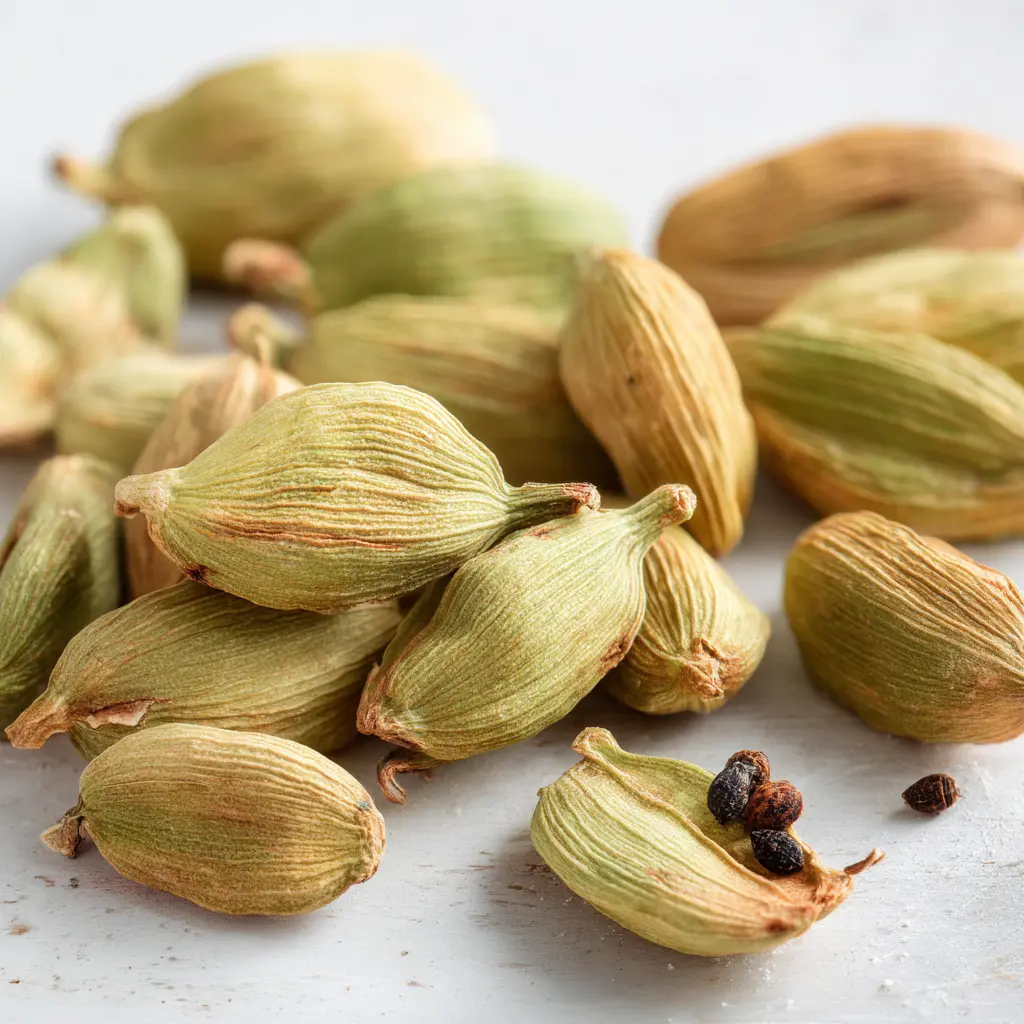
Cardamom (Elettaria cardamomum) – Common names include green cardamom, true cardamom, small cardamom, and cardamom seed. This post focuses on green cardamom, Elettaria cardamomum, not black cardamom, Amomum subulatum, which has a smokier flavor and somewhat different traditional use.
Traditional uses of cardamom:
Digestive Comfort: Cardamom is a classic aromatic carminative, traditionally used after meals to support gas, bloating, sluggish digestion, and that “I may have been too enthusiastic at dinner” feeling.
Breath & Oral Freshness: Chewing cardamom seeds after meals is a traditional practice in many cultures, both for flavor and fresh breath.
Respiratory Support: Its volatile oils, especially 1,8-cineole and alpha-terpinyl acetate, give cardamom a clearing, aromatic quality.
Metabolic Wellness: Cardamom has been studied for antioxidant, inflammatory, blood sugar, lipid, and metabolic markers, though it should be viewed as supportive food-herb research rather than a treatment.
Cardamom is small, elegant, and surprisingly powerful. It is what happens when a spice decides to wear perfume and still help with digestion.
“Cardamom is a tiny green pod with the manners of a dessert spice and the instincts of a digestive herb.”
Available Cardamom Products
Whole Green Cardamom Pods — Raw/Whole Spice
Whole dried pods that retain the longest-lasting aroma and flavor, cracked and ground fresh as needed for cooking, chai, or coffee.
Buy Whole Cardamom Pods
Ground Cardamom Powder — Powder
Pre-ground cardamom seeds offering a ready-to-use warm, citrusy, floral flavor for baking, curries, and spice blends.
Buy Ground Cardamom Powder
Cardamom Essential Oil — Essential Oil
A steam-distilled oil with a warm, spicy-sweet aroma, used in aromatherapy, diffusers, and diluted topical or massage oil blends.
Buy Cardamom Essential Oil
Cardamom Tea — Tea Bags
A caffeinated black tea infused with cardamom, offering the warm, spicy flavor reminiscent of traditional Indian chai.
Buy Cardamom Tea
⚠️ These are culinary/aromatherapy products — not evaluated by the FDA for treating disease. Cardamom essential oil should always be diluted before topical use and is not intended for undiluted internal consumption. In typical culinary amounts, cardamom is considered safe, but very large medicinal doses aren’t well studied for pregnancy or nursing — check with a healthcare provider if you have concerns, especially around gallstones, since cardamom may stimulate bile.
Key Herbal Actions
Cardamom is known as a carminative, aromatic, digestive stimulant, antispasmodic, expectorant, antioxidant, antimicrobial-supportive herb, circulatory stimulant, and metabolic-supportive food herb.
Carminative
A carminative herb helps ease gas, bloating, and digestive tension. Cardamom is a classic carminative because its aromatic oils support comfortable digestion. It is often used after meals, especially with heavier foods.
Aromatic
Aromatic herbs contain fragrant volatile compounds. Cardamom’s aroma comes mainly from essential oil constituents such as 1,8-cineole and alpha-terpinyl acetate. Aromatic herbs often support digestion, respiration, mood, and sensory comfort.
Digestive Stimulant
Cardamom’s warm, pungent, sweet flavor can gently stimulate digestive secretions through taste and aroma. It is often included in chai and digestive spice blends for this reason. It is warming without being as fiery as cayenne or black pepper.
Antispasmodic
An antispasmodic herb is traditionally used to ease mild spasms or cramping. Cardamom is traditionally used for digestive tension and gas-related discomfort. Its volatile oils help explain this action.
Expectorant
Expectorants support the body’s natural movement of mucus. Cardamom is a mild aromatic expectorant, especially in warm teas and syrups. It is often paired with ginger, cinnamon, clove, fennel, thyme, or licorice root.
Antioxidant
Cardamom contains phenolic compounds, flavonoids, tocopherols, and volatile oils studied for antioxidant activity. Antioxidants help protect cells from oxidative stress. This supports cardamom’s reputation as more than just a dessert spice.
Antimicrobial-Supportive Herb
Cardamom essential oil and extracts have shown antimicrobial activity in laboratory studies. This helps explain traditional use in oral freshness and digestive formulas. Laboratory findings do not mean cardamom replaces medical care for infections.
Circulatory Stimulant
Warming aromatic spices are traditionally used to support circulation and warmth. Cardamom is milder than ginger or cayenne but still gently warming. It is often used in cold-weather drinks and spice blends.
Metabolic-Supportive Food Herb
Cardamom has been studied for effects on oxidative stress, inflammatory markers, blood sugar, lipids, and metabolic syndrome-related markers. Results are promising but not strong enough for treatment claims. It is best viewed as a supportive culinary herb.
Active Compounds and Extraction
Cardamom contains volatile oils, 1,8-cineole, alpha-terpinyl acetate, limonene, linalool, alpha-terpineol, sabinene, flavonoids, phenolic acids, phytosterols, tocopherols, fixed oils, starches, and minerals.
Volatile Oils
Volatile oils are cardamom’s most important compound group. They give the seeds their sweet, warming, spicy aroma and digestive effects. Green cardamom essential oil is commonly rich in 1,8-cineole and alpha-terpinyl acetate, although amounts vary by origin, storage, and extraction.
Best extraction: Covered hot infusion, tincture, steam distillation.
To make cardamom tea, lightly crush 3–5 pods per cup of hot water. Cover, steep for 10–15 minutes, and strain. Covering the cup matters because volatile oils are excellent at escaping into the room before you get to drink them.
1,8-Cineole
1,8-cineole is an aromatic compound also found in eucalyptus, rosemary, and other aromatic plants. In cardamom, it contributes a fresh, clearing, slightly camphor-like note. It is studied for respiratory, antimicrobial, and anti-inflammatory-related activity.
Best extraction: Hot infusion, tincture, essential oil.
For everyday use, tea is the gentlest method. Essential oil is much more concentrated and should be used carefully.
Alpha-Terpinyl Acetate
Alpha-terpinyl acetate is one of green cardamom’s signature aromatic compounds. It contributes a sweet, floral, fruity, and spicy aroma. It is part of why cardamom smells elegant rather than harsh.
Best extraction: Covered infusion, tincture, essential oil.
A covered infusion captures some aromatic compounds. A tincture or essential oil captures a stronger aromatic profile.
Limonene
Limonene is a citrusy monoterpene found in many aromatic herbs and citrus peels. In cardamom, it adds brightness and digestive aroma. It is studied for antioxidant and digestive-supportive activity, mostly in preclinical research.
Best extraction: Tincture, essential oil, covered hot infusion.
A tea extracts some limonene, but alcohol and essential oil extraction capture it more strongly.
Linalool
Linalool is a floral aromatic compound also found in lavender and basil. It may contribute to cardamom’s pleasant sensory and calming qualities. The amount varies depending on cardamom type and oil profile.
Best extraction: Covered hot infusion, tincture, essential oil.
Do not boil cardamom aggressively if the goal is aroma. Gentle heat and a covered vessel work better.
Alpha-Terpineol
Alpha-terpineol is an aromatic alcohol with a lilac-like, piney, floral quality. It contributes to cardamom’s essential oil aroma and has been studied for antimicrobial and antioxidant activity. It is part of cardamom’s broader volatile oil profile.
Best extraction: Tincture, essential oil, covered infusion.
For home use, crushed pods in hot water are simple and effective.
Sabinene
Sabinene is a monoterpene found in cardamom and other spices. It contributes peppery, woody, and spicy notes. It is one of several compounds that give cardamom its warming character.
Best extraction: Tincture, essential oil.
Sabinene is more volatile and lipophilic, so alcohol-based extracts and essential oils capture it better than plain water.
Flavonoids
Cardamom contains flavonoids such as quercetin, kaempferol, luteolin, and related compounds. These contribute antioxidant and tissue-supportive activity. They are part of cardamom’s broader research interest in oxidative stress and metabolic wellness.
Best extraction: Hot infusion, tincture, glycerite.
A hot infusion can extract some flavonoids while also capturing aromatics. A tincture may extract a broader range.
Phenolic Acids
Phenolic acids are antioxidant plant compounds. In cardamom, they support the spice’s antioxidant profile. They work alongside volatile oils and flavonoids rather than acting alone.
Best extraction: Hot infusion, tincture, glycerite, vinegar.
A cardamom vinegar can be made by steeping crushed pods in apple cider vinegar for 2–4 weeks. Strain and use in culinary preparations.
Phytosterols and Tocopherols
Phytosterols and tocopherols are fat-associated compounds found in plant seeds and oils. They contribute to cardamom’s nutritional and antioxidant profile in whole-seed use. They are less relevant to a light tea and more relevant when the seed is consumed or extracted more fully.
Best extraction: Powder, food use, oil-based preparations, whole seed.
Using cardamom in food gives access to more of the whole-seed chemistry. Ground cardamom in oatmeal, rice, chai, or baked goods is a practical culinary method.
Harvesting and Storing Right
Cardamom pods are harvested when they are mature but still green, before they split open and release the seeds. Harvest timing is important because overripe pods lose quality and aroma. After harvest, pods are dried carefully to preserve their green color and volatile oil content.
Cardamom is a tropical perennial and is usually cultivated in warm, humid regions. For home gardeners in cooler climates, it is difficult to grow true cardamom to seed, though it may be grown as a foliage plant in warm indoor conditions.
Store whole cardamom pods in an airtight container away from heat, light, and moisture. Whole pods usually keep good aroma for about 1–2 years. Removed seeds are best used within 6–12 months. Ground cardamom is best used within 3–6 months because the volatile oils fade quickly. Essential oil should be stored tightly closed in a cool, dark place and used according to the product’s freshness guidance.
Body Functions Cardamom Can Support
Cardamom can support the digestion system, respiratory system, dental oral wellness, metabolism, circulation, immune system, nervous system, brain, liver support, and energy and vitality.
Digestion System
Cardamom’s strongest traditional role is digestive support. Its carminative, aromatic, and antispasmodic actions make it useful after meals, especially when food feels heavy or gas-producing. Volatile oils such as 1,8-cineole and alpha-terpinyl acetate are central to this action.
Respiratory System
Cardamom’s aromatic oils give it a clearing quality. It is traditionally used in warm drinks and syrups for respiratory comfort. It is mild and often works best when paired with ginger, thyme, cinnamon, or licorice root.
Dental Oral
Chewing cardamom seeds after meals is a traditional breath-freshening practice. Its aromatic oils create a clean, sweet flavor and have been studied for antimicrobial activity in laboratory settings. It does not replace brushing, flossing, or dental care.
Metabolism
Cardamom has been studied for metabolic markers such as blood glucose, lipids, inflammation, and oxidative stress. Some reviews report promising effects, but more high-quality clinical trials are needed. As a practical herb, cardamom fits best as part of food and lifestyle support.
Circulation
Cardamom is a warming aromatic spice, traditionally used to support circulation and comfort in cold or sluggish states. Some clinical research has explored effects on blood pressure and lipid markers, though evidence is not strong enough for treatment claims. People taking cardiovascular medications should be cautious with concentrated supplements.
Immune System
Cardamom supports immune wellness mainly through antioxidant compounds, aromatic respiratory support, and culinary use. It is not a strong immune stimulant. It is better understood as a warming, supportive spice in seasonal food and tea blends.
Nervous System
Cardamom is not usually classified as a primary nervine, but its aroma can feel uplifting and settling. Aromatic spices often support the gut-nervous system connection through digestion and sensory pathways. In chai, cardamom brings calm elegance without making the tea sleepy.
Brain
Cardamom extracts and essential oil have been studied in early research for antioxidant and neuroprotective mechanisms. This research is interesting but mostly preliminary. Practical use is best framed as aromatic and antioxidant support, not a brain treatment.
Liver Support
Cardamom has been studied in preclinical and human research for antioxidant effects and metabolic markers related to liver health. It should not be used as a treatment for liver disease. As food, it may contribute gentle antioxidant support.
Energy and Vitality
Cardamom’s warming aroma can feel refreshing and gently enlivening. It does not act like caffeine, but it can make teas and foods feel lighter and more stimulating to the senses. It is especially nice when energy feels low after a heavy meal.
Safety and Practical Considerations
Cardamom used as a culinary spice is generally well tolerated by many people, but concentrated extracts and essential oil need more caution.
People with gallstones, bile duct obstruction, gallbladder disease, or severe reflux should use caution with medicinal amounts of cardamom because aromatic spices may stimulate digestion and bile flow or aggravate sensitivity in some individuals.
People taking medications for blood pressure, blood sugar, blood thinning, or chronic conditions should consult a qualified healthcare professional before using concentrated cardamom supplements. Culinary use in food is different from capsules or extracts.
Pregnant and breastfeeding people commonly consume cardamom in food amounts in many cuisines, but medicinal doses, essential oil, and high-dose extracts should be used only with professional guidance.
Cardamom essential oil should be diluted before topical use and should not be used internally without expert supervision. Avoid applying essential oil near the eyes, mucous membranes, infants, or pets.
People with allergy to ginger-family plants should use caution. Sensitive individuals may experience heartburn, mouth irritation, or digestive upset from strong cardamom preparations.
Children, older adults, and sensitive individuals should use mild food or tea amounts rather than concentrated extracts. Pet use should be guided by a veterinarian or qualified animal herbalist.
FAQ
What does cardamom taste like?
Cardamom tastes sweet, spicy, warming, floral, citrusy, and slightly eucalyptus-like. Green cardamom is bright and elegant, while black cardamom is smoky and stronger. This post focuses on green cardamom.
When is the best time to use cardamom?
Cardamom is often used after meals for digestive comfort or in morning drinks such as chai or coffee. It can also be used in evening teas because it is caffeine-free on its own. The timing depends on the formula it is added to.
Is whole or ground cardamom better?
Whole pods are better for freshness because they protect the seeds and volatile oils. Ground cardamom is convenient but loses aroma quickly. For best flavor, crush pods or grind seeds shortly before use.
Is cardamom tea, tincture, or capsule better?
Tea is the most traditional and gentle form for digestion and flavor. Tincture is more concentrated and convenient. Capsules are practical but less aromatic, and the sensory aroma is part of cardamom’s herbal value.
Can cardamom be used daily?
Cardamom is commonly used daily in food amounts in many cultures. Daily use of concentrated supplements should be more cautious, especially for people taking medications or managing medical conditions. A pinch in chai is not the same as a high-dose extract.
How should cardamom be stored?
Store whole pods in an airtight container away from heat, light, and moisture. Keep seeds and powder sealed tightly and use them faster than pods. Ground cardamom loses aroma quickly, so buy small amounts.
Does cardamom combine well with other herbs?
Yes. Cardamom combines beautifully with ginger, cinnamon, clove, fennel, anise, black pepper, licorice root, rose, tulsi, peppermint, and orange peel. It is especially useful in chai, digestive teas, respiratory syrups, and warming winter blends.
Is cardamom safe for everyone?
No. Cardamom may not be appropriate in medicinal amounts for people with gallbladder disease, severe reflux, certain medication use, pregnancy concerns, or spice sensitivities. Essential oil requires extra caution.
Can cardamom be used for pets?
Cardamom is not usually a first-choice pet herb. Pet use should be guided by a veterinarian or qualified animal herbalist. Do not give cardamom essential oil or concentrated extracts to pets without professional guidance.
Is cardamom the same as coriander?
No. Cardamom and coriander are different plants and spices. Cardamom comes from Elettaria cardamomum in the ginger family, while coriander comes from Coriandrum sativum in the carrot family. Both are aromatic digestive spices, but their flavors and chemistry are different.
Disclaimer
This content is educational only. It is not medical advice, diagnosis, or treatment. Herbs may interact with medications or health conditions. People who are pregnant, breastfeeding, managing a medical condition, taking prescription medications, or preparing for surgery should consult a qualified healthcare professional before using herbs.
References
American Botanical Council: Cardamom Seed
PubMed: Botany, Traditional Uses, Phytochemistry and Biological Activities of Elettaria cardamomum
PMC: Benefits of Cardamom and Turmeric Extracts
PMC: The Effect of Elettaria cardamomum on Metabolic Syndrome and Related Disorders
PubMed: The Favorable Impacts of Cardamom on Diabetes-Related Oxidative Stress and Inflammation
PubMed: Phytochemical Variations Among Four Distinct Varieties of Cardamom