
Insomnia is difficulty falling asleep, staying asleep, waking too early, or feeling unrefreshed even after having enough opportunity to sleep. In everyday life, it can feel like the body is exhausted but the mind has suddenly decided to host a midnight strategy meeting.
Learn more about Insomnia
Insomnia can happen for many reasons, and it is not always about “not being tired enough.” Sleep depends on a coordinated rhythm between the nervous system, circadian timing, hormones, light exposure, body temperature, stress chemistry, digestion, habits, and the sleep environment.
A short period of poor sleep may happen during stress, travel, illness, schedule changes, grief, overwork, or too much evening stimulation. Chronic insomnia is usually described as sleep difficulty that happens at least 3 nights per week and lasts for at least 3 months. When sleep issues last this long, professional evaluation is important because sleep problems can be connected with mood, pain, breathing, hormones, medications, caffeine, alcohol, and other health factors.
Common types of insomnia include sleep-onset insomnia, where falling asleep is the main challenge; sleep-maintenance insomnia, where staying asleep is difficult; early-morning waking, where the person wakes too early and cannot return to sleep; and restless, light sleep, where sleep happens but does not feel deep or restorative.
Common triggers include stress, anxiety, late caffeine, alcohol, irregular sleep schedules, bright light at night, screen exposure, heavy late meals, poor sleep environment, pain, hot flashes, frequent urination, shift work, jet lag, and racing thoughts. Sometimes the body becomes conditioned to associate the bed with frustration rather than rest, which is one reason cognitive behavioral therapy for insomnia is widely recommended as a first-line approach.
Traditional herbalism tends to understand insomnia through patterns. A tense pattern may call for relaxing nervines such as skullcap, passionflower, lemon balm, or lavender. A depleted pattern may call for nourishing nervines such as oat straw and milky oats. A restless, overactive mind may call for calming aromatic herbs and gentle sedatives such as chamomile, passionflower, or valerian. A digestive pattern may call for carminatives such as lemon balm, chamomile, fennel, or ginger, especially when discomfort after dinner keeps the body alert.
Herbalists traditionally choose herbs based on how sleeplessness behaves. Someone who feels tense and wired may need different herbs than someone who feels sad, depleted, and fragile. Someone who wakes at 3 a.m. with racing thoughts may need a different approach than someone who cannot fall asleep because of digestive heaviness. The goal is not to knock the body out, but to help create conditions that invite sleep naturally.
How Herbs Can Help Insomnia
How Herbalism Traditionally Approaches This Issue
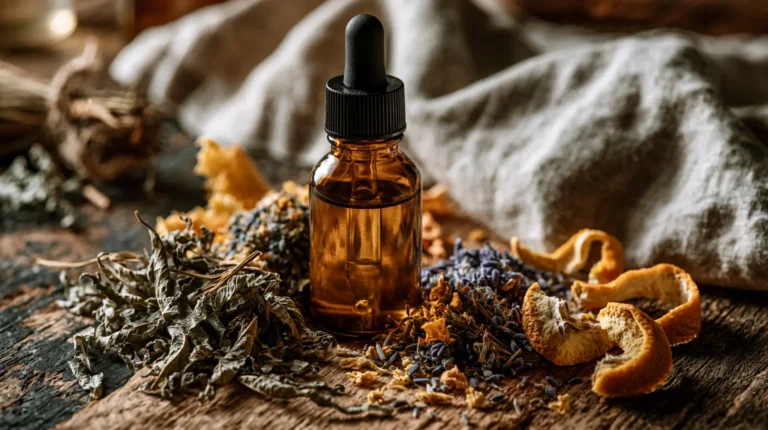
Herbalism typically sees insomnia as a pattern of nervous system overactivity, tension, depletion, or disrupted daily rhythm. Relaxing nervines help calm mental and physical tension, mild sedative herbs support a quieter bedtime transition, and nutritive nervines are traditionally used when sleeplessness follows long-term stress or exhaustion. Herbalists choose between those actions by looking at whether insomnia feels wired, anxious, restless, depleted, digestive, or rhythm-related; these are herbs traditionally used when insomnia happens: chamomile, lemon balm, lavender, passionflower, skullcap, valerian, hops, licorice, milky oats, oat straw, cinnamon, rose, California poppy, catnip.
“Insomnia is when your body wants sleep, but your brain starts a podcast called ‘Every Thought You Have Ever Had.’”
Recipes & Remedies Insomnia
Herbal Preparations
Bedtime Nervine Tea
This gentle bedtime tea combines chamomile, lemon balm, passionflower, and lavender, herbs traditionally used to help the body settle into a calmer evening rhythm. It is floral, soft, lightly lemony, and best enjoyed as part of a consistent wind-down routine.
Ingredients with exact measurements
1 teaspoon dried chamomile flowers
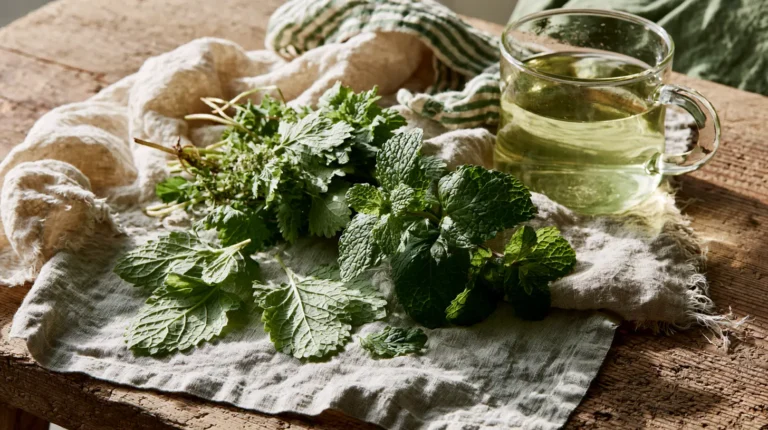
1 teaspoon dried lemon balm
1 teaspoon dried passionflower
1/4 teaspoon dried lavender flowers
1 cup hot water
1 teaspoon honey, optional
Step-by-step preparation instructions
Place chamomile, lemon balm, passionflower, and lavender into a mug or teapot.
Pour 1 cup hot water over the herbs.
Cover and steep for 10 to 15 minutes.
Strain well.
Add honey if desired.
Sip slowly 30 to 60 minutes before bed while keeping lights low and screens politely out of the room.
How to use
Drink 1 cup in the evening as part of a calming bedtime routine. Avoid combining sedating herbs with alcohol, sleep medications, anti-anxiety medications, or other sedatives unless approved by a healthcare professional. If insomnia is severe, long-lasting, or affecting daily function, seek professional support.
Food for support Insomnia
Simple Sleepy Oat-Cherry Bowl
This warm evening bowl combines oats, tart cherries, pumpkin seeds, cinnamon, and milk or oat milk for a cozy, steady bedtime snack. It is not a magic sleep potion, but it is a gentle option when hunger or blood sugar dips make sleep harder.
Ingredients with exact measurements
1/2 cup rolled oats
1 cup milk or unsweetened oat milk
1/4 cup tart cherries, fresh, frozen, or unsweetened dried
1 tablespoon pumpkin seeds
1/4 teaspoon cinnamon
1 small pinch sea salt
1 teaspoon honey or maple syrup, optional
Optional: 1 teaspoon dried chamomile powder or 1 tablespoon strong brewed chamomile tea stirred in after cooking
Step-by-step preparation instructions
Add oats, milk, cinnamon, and sea salt to a small saucepan.
Cook over medium-low heat for 5 to 7 minutes, stirring often.
Stir in tart cherries and cook for 1 more minute.
Remove from heat.
Stir in chamomile powder or strong brewed chamomile tea if using.
Top with pumpkin seeds and a small amount of honey or maple syrup if desired.
How to use
Enjoy a small bowl 1 to 2 hours before bedtime if you tend to wake hungry or feel restless after a very light dinner. Keep the portion modest, because going to bed too full can also disturb sleep. Pair with a dim room, a regular bedtime, and the difficult but noble art of not checking one more thing.
What Herbs You Need
The herbs traditionally used for insomnia often include relaxing nervines, mild sedatives, aromatic herbs, and nourishing nervous system tonics. The recipes above use chamomile, lemon balm, passionflower, lavender, oats, cinnamon, and tart cherry; other commonly used sleep-support herbs include valerian, skullcap, hops, milky oats, California poppy, and oat straw.
Chamomile
Latin name: Matricaria chamomilla or Matricaria recutita
Key herbal actions:
Relaxing nervine: traditionally used to calm tension and support a peaceful bedtime routine.
Carminative: traditionally used to support digestion when gas or discomfort interferes with rest.
Mild bitter: gently supports digestive secretions in traditional herbal use.
Key active compounds relevant to this issue: apigenin, bisabolol, chamazulene, luteolin, quercetin, and volatile oils.
Lemon Balm
Latin name: Melissa officinalis
Key herbal actions:
Calming nervine: traditionally used when stress, worry, or mental busyness affects sleep.
Carminative: traditionally used to support comfortable digestion.
Mild relaxant: traditionally used when the body feels tense but tired.
Key active compounds relevant to this issue: rosmarinic acid, citral, citronellal, linalool, geraniol, flavonoids, and volatile oils.
Passionflower
Latin name: Passiflora incarnata
Key herbal actions:
Relaxing nervine: traditionally used when the mind feels restless or overactive.
Mild sedative: used in traditional herbalism to support a calmer transition toward sleep.
Antispasmodic: traditionally used when tension shows up in the body.
Key active compounds relevant to this issue: flavonoids including vitexin and isovitexin, chrysin, harmala alkaloids in very small amounts, and glycosides.
Lavender
Latin name: Lavandula angustifolia
Key herbal actions:
Aromatic nervine: traditionally used to calm the senses and support relaxation.
Carminative: traditionally used when stress affects digestion.
Mild relaxant: often used in teas, baths, and aromatherapy for evening routines.
Key active compounds relevant to this issue: linalool, linalyl acetate, lavandulol, cineole, and other volatile oils.
Valerian
Latin name: Valeriana officinalis
Key herbal actions:
Sedative nervine: traditionally used when sleeplessness is linked with tension or restlessness.
Antispasmodic: traditionally used when muscular tension accompanies sleep difficulty.
Relaxing herb: often used in stronger bedtime formulas.
Key active compounds relevant to this issue: valerenic acid, valepotriates, volatile oils, lignans, and sesquiterpenes.
Skullcap
Latin name: Scutellaria lateriflora
Key herbal actions:
Relaxing nervine: traditionally used when the nervous system feels tense, jumpy, or overworked.
Nervine tonic: traditionally used for longer-term nervous system support.
Mild antispasmodic: traditionally used when tension is held in the body.
Key active compounds relevant to this issue: baicalin, baicalein, scutellarin, wogonin, flavonoids, and bitter compounds.
Hops
Latin name: Humulus lupulus
Key herbal actions:
Sedative nervine: traditionally used in sleep formulas for restlessness.
Bitter digestive: traditionally used to support digestion before sleep when heaviness is an issue.
Relaxing herb: often paired with valerian in traditional sleep blends.
Key active compounds relevant to this issue: humulone, lupulone, xanthohumol, myrcene, humulene, and volatile oils.
Oat Straw
Latin name: Avena sativa
Key herbal actions:
Nutritive nervine: traditionally used to nourish an overworked nervous system.
Mineral-rich tonic: used for slow, steady support during depleted seasons.
Moistening herb: traditionally used when the body feels dry, frayed, or worn down.
Key active compounds relevant to this issue: beta-glucans, avenanthramides, flavonoids, silica, magnesium, and saponins.
Milky Oats
Latin name: Avena sativa, fresh milky seed stage
Key herbal actions:
Nervine trophorestorative: traditionally used as a deeply nourishing herb for nervous system depletion.
Gentle tonic: used when stress has left someone feeling exhausted or emotionally thin.
Moistening herb: traditionally used when depletion feels dry, brittle, or fragile.
Key active compounds relevant to this issue: avenanthramides, minerals, flavonoids, saponins, and fresh oat constituents.
California Poppy
Latin name: Eschscholzia californica
Key herbal actions:
Relaxing nervine: traditionally used in bedtime formulas for restlessness.
Mild sedative: used cautiously for sleep support in traditional Western herbalism.
Antispasmodic: traditionally used when tension and discomfort interfere with rest.
Key active compounds relevant to this issue: isoquinoline alkaloids including californidine, eschscholtzine, protopine, flavonoids, and carotenoids.
Cinnamon
Latin name: Cinnamomum verum or Cinnamomum cassia
Key herbal actions:
Warming digestive: traditionally used to support digestion and comfort.
Aromatic spice: used in food traditions to make evening foods more grounding.
Circulatory warming herb: traditionally used when the body feels cold or sluggish.
Key active compounds relevant to this issue: cinnamaldehyde, cinnamic acid, eugenol, coumarin, procyanidins, and polyphenols.
Key Herbal Products for Insomnia
Sleep Tea Blends
Sleep tea blends often include chamomile, lemon balm, passionflower, lavender, skullcap, oat straw, or hops. They are commonly used as part of a bedtime routine rather than as a stand-alone solution.
Pros: gentle, hydrating, calming, and useful for creating a nightly ritual.
Cons: less concentrated than capsules or tinctures, and some people may need stronger or more targeted support.
Best choice when: someone wants a mild, approachable option and enjoys a warm evening drink.
Valerian Capsules
Valerian capsules contain powdered valerian root or valerian extract. They are commonly used in stronger sleep-support formulas.
Pros: convenient, stronger tasting herbs are easier to take in capsule form, and serving sizes are clear.
Cons: valerian can cause grogginess, vivid dreams, digestive upset, or a stimulating effect in some people. Evidence for chronic insomnia is inconsistent.
Best choice when: someone wants a stronger traditional sleep herb and has checked medication and safety concerns.
Passionflower Tincture
Passionflower tincture is a liquid extract commonly used when sleep difficulty is linked with a busy mind or nervous restlessness. It may be alcohol-based or glycerin-based.
Pros: easy to adjust serving size, portable, and often blends well with lemon balm or skullcap.
Cons: tinctures can taste strong, alcohol-based products are not appropriate for everyone, and sedative interactions are possible.
Best choice when: someone wants flexible use and prefers a liquid preparation over tea.
Lavender Aromatherapy Products
Lavender products may include essential oil, pillow sprays, bath blends, or dried lavender sachets. These are commonly used to create a calming bedtime environment.
Pros: external use, pleasant scent, helpful for ritual and relaxation, and does not require swallowing herbs.
Cons: essential oils can irritate skin or trigger headaches in sensitive people and should be kept away from pets and children.
Best choice when: someone wants sensory support and a relaxing sleep environment rather than an internal herbal product.
Magnesium and Herbal Sleep Blends
Many sleep products combine magnesium with herbs such as chamomile, lemon balm, passionflower, valerian, or lavender. These products are popular because they combine mineral support with calming botanicals.
Pros: convenient, often pleasant tasting in powders, and may support a broader bedtime routine.
Cons: formulas vary widely, magnesium can cause loose stools, and multi-ingredient blends make it harder to know what works or causes side effects.
Best choice when: someone wants a combined product and is willing to read the label carefully.
FAQ
When should insomnia be checked by a healthcare professional?
Insomnia should be checked if it lasts more than a few weeks, happens often, affects work or driving, or comes with anxiety, depression, pain, breathing problems, restless legs, night sweats, or major daytime sleepiness. Sudden severe insomnia also deserves attention. Sleep is basic maintenance, not a luxury feature.
Are herbs enough for insomnia?
Herbs can support relaxation and bedtime routines, but they are not always enough by themselves. Sleep timing, light exposure, caffeine, alcohol, stress, screen habits, room temperature, and medical factors all matter. For chronic insomnia, cognitive behavioral therapy for insomnia is considered a first-line approach by major medical guidelines.
Is valerian safe to use every night?
Valerian has a long history of traditional use, but research on its effectiveness for chronic insomnia is inconsistent. Some people feel drowsy, groggy, or unusually stimulated from valerian. It should not be mixed with alcohol, sedatives, sleep medications, or anti-anxiety medications unless approved by a healthcare professional.
What does bedtime tea taste like?
Bedtime tea usually tastes floral, lemony, earthy, or mildly bitter depending on the herbs. Chamomile is apple-like and floral, lemon balm is lemony and soft, passionflower is grassy, lavender is floral, and valerian is famously strong. Valerian’s flavor has character; some would say too much character.
Is fresh or dried chamomile better?
Both can be useful, but dried chamomile is easier to find and measure. Fresh chamomile has a lovely aroma when available, while dried flowers are practical for everyday tea. Choose flowers that smell fresh and sweet, not dusty or flat.
Can I take melatonin with sleep herbs?
Melatonin is a hormone-related supplement, not an herb, and it may not be appropriate for everyone. It may help certain circadian rhythm situations, such as jet lag or delayed sleep-wake timing, but guidelines do not recommend it as a routine first choice for chronic insomnia. Ask a healthcare professional before combining melatonin with sedating herbs or medications.
Are sleep herbs safe for pets?
Do not give sleep herbs, essential oils, tinctures, or supplements to pets unless guided by a veterinarian. Lavender essential oil, valerian, hops, and other sleep products may not be safe for animals, especially cats, dogs, birds, or small pets. Store all sleep products away from pets and children.
References
NCCIH: Sleep Disorders and Complementary Health Approaches
NCCIH: Melatonin: What You Need To Know
NCCIH: Valerian Usefulness and Safety
NHLBI: Sleep Deprivation and Deficiency
American College of Physicians: Management of Chronic Insomnia Disorder in Adults
PubMed: Chamomile for Sleep Quality, Anxiety, and Insomnia Systematic Review
PubMed: Passionflower Herbal Tea and Sleep Quality
PubMed: Lavender and the Nervous System
NIH Office of Dietary Supplements: Magnesium Fact Sheet
Disclaimer
This article is for educational purposes only and is not medical advice. Insomnia can have many causes, including stress, anxiety, depression, pain, hormonal changes, sleep apnea, restless legs, medications, caffeine, alcohol, shift work, and other health conditions. Herbs and supplements may interact with medications, medical conditions, pregnancy, breastfeeding, surgery, alcohol, sedatives, and sleep medications. Always speak with a qualified healthcare professional before using herbal products, especially concentrated extracts, capsules, tinctures, essential oils, melatonin, or sedative herbs.