
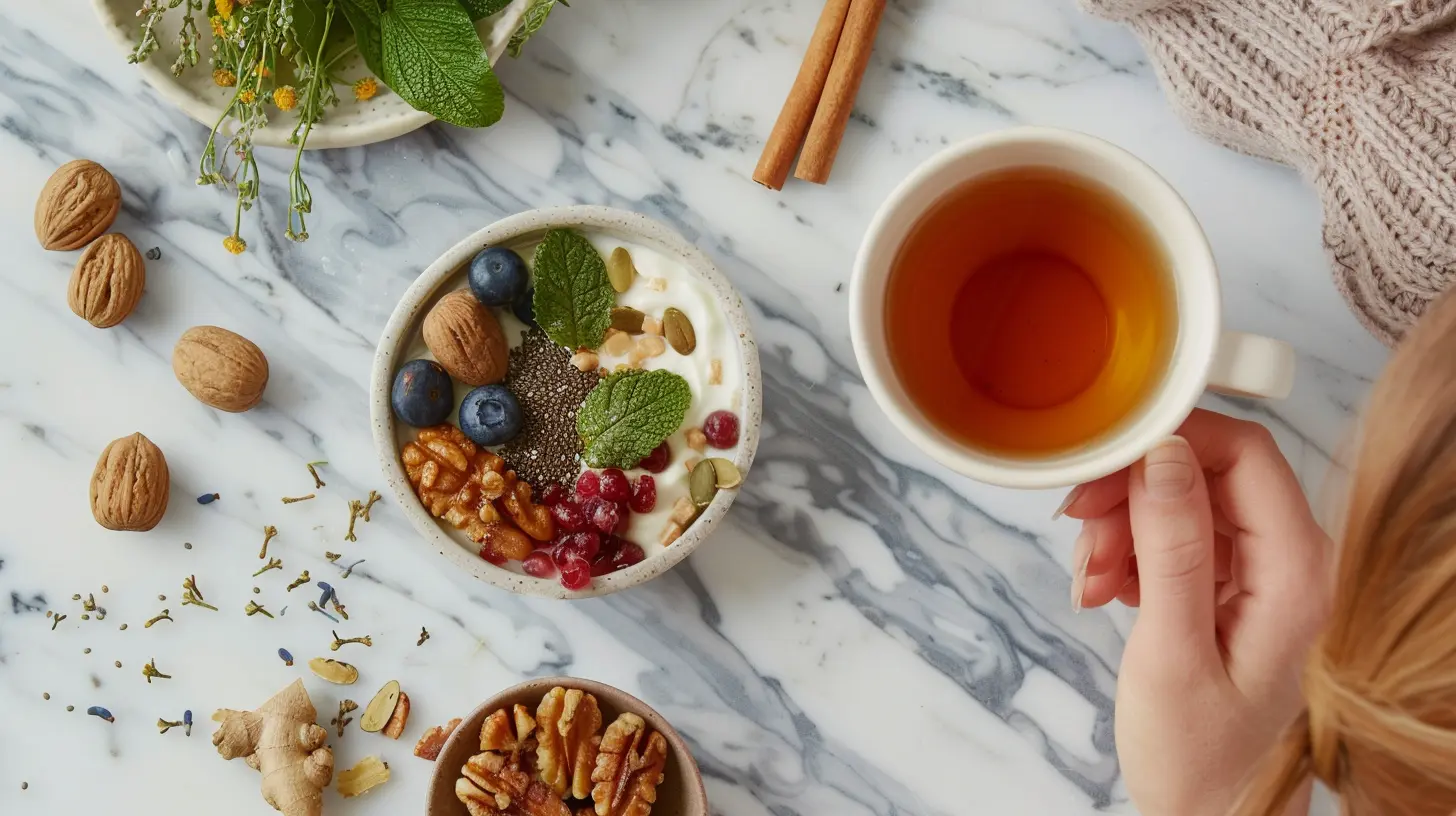
Sugar cravings are those strong urges for something sweet that can appear when energy dips, stress rises, sleep is short, or your afternoon brain begins campaigning for cookies with surprising political skill. They may feel like a simple taste preference, but they often involve appetite, habit, mood, blood sugar rhythm, sleep, and the nervous system all talking at once.
Learn more about Sugar Cravings
Sugar cravings are not a character flaw. They are a very human response to biology, habit, emotion, and environment. Sweet taste is naturally rewarding, and foods high in sugar can be especially appealing when the body is tired, stressed, under-fed, or looking for quick energy.
One common reason sugar cravings happen is uneven meal rhythm. Long gaps between meals, low-protein breakfasts, very light lunches, or meals made mostly from refined carbohydrates may leave some people feeling hungry again quickly. When blood sugar rises and falls rapidly, the body may ask for quick energy, and quick energy often looks suspiciously like pastries.
Stress can also play a role. When people are under pressure, sweet foods may feel comforting because they are easy, familiar, and rewarding. Poor sleep can make cravings stronger too, because sleep affects appetite hormones, energy regulation, and impulse control.
The main types of sugar cravings can be understood in plain language:
Energy-dip cravings: These often happen in the afternoon or evening when the body is tired and looking for fast fuel.
Blood-sugar swing cravings: These may appear after a high-sugar or refined-carb meal, especially if the meal lacked protein, fiber, or fat.
Stress cravings: These cravings are less about hunger and more about comfort, tension, reward, or needing a pause.
Habit cravings: These show up at predictable times, such as dessert after dinner, sweet coffee drinks in the morning, or candy during work.
Taste-driven cravings: Some people simply love sweet flavor. This is normal, but it can become difficult when sweet foods crowd out more nourishing meals.
Traditional herbalism does not usually approach sugar cravings by trying to “shut down” desire. Instead, herbalists look at the pattern underneath: Is the person depleted, stressed, undernourished, sluggish after meals, craving sweets after caffeine, or emotionally stretched? The herbal approach often combines bitter herbs, aromatic spices, mineral-rich plants, and steady food habits.
For cravings linked with digestion and appetite rhythm, herbalists may use bitters such as dandelion root, burdock root, or gentian before meals. For stress-related cravings, calming nervines like lemon balm, chamomile, or tulsi may be chosen. For sweet cravings connected with taste intensity, Gymnema sylvestre has a long traditional history and modern research interest because compounds in the leaf may temporarily reduce sweet taste perception.
How Herbs Can Help Sugar Cravings
Herbalism traditionally sees sugar cravings as a pattern involving quick-energy seeking, stress tension, digestive rhythm, taste habit, or blood-sugar ups and downs rather than simply “lack of willpower.” The main herbal actions used are bitters, which wake up digestive signaling; aromatics, which add satisfying flavor; nervines, which support the stress response; and sweet-taste-modulating herbs, which may help change how strongly sweet foods appeal in the moment. Herbalists choose between those actions depending on whether cravings feel stress-driven, energy-driven, habit-based, or connected with meals, and these are herbs traditionally used when sugar cravings happen: cinnamon, ginger, tulsi, lemon balm, orange peel, gymnema, peppermint, dandelion root, burdock root, cacao, cardamom, spearmint, rose, nettle, oatstraw, licorice root, hibiscus, rosehips, fenugreek, fennel, clove.
“Sugar cravings are not a moral failure. Sometimes they are your body saying, ‘I would like energy, comfort, and possibly a cinnamon roll, but let’s negotiate like adults.’”
Recipes & Remedies Sugar Cravings
Herbal Preparations
Cinnamon Ginger Tulsi Craving Tea
This warming, gently sweet-spiced tea is designed for moments when cravings are calling loudly but you want something grounding before deciding what you actually need. Cinnamon and ginger bring warmth, tulsi supports a calm stress rhythm, and the natural sweetness of the spices makes the tea feel satisfying without adding much sugar.
Ingredients with exact measurements
1 cinnamon stick or 1/2 teaspoon cinnamon chips
1 teaspoon dried tulsi leaf
1/2 teaspoon fresh grated ginger or 1/4 teaspoon dried ginger
1 teaspoon dried lemon balm
1 cup hot water
Optional: 1 small slice of orange peel
Optional: 1/2 teaspoon honey, if needed
Step-by-step preparation instructions
Add cinnamon, ginger, tulsi, lemon balm, and orange peel if using to a mug or small teapot.
Pour 1 cup of hot water over the herbs.
Cover and steep for 10 minutes.
Strain well.
Taste before adding honey, because cinnamon and orange peel may provide enough natural sweetness.
Sip slowly before reaching for sweets, snacks, or the emergency chocolate drawer.
How to use
Enjoy 1 cup in the afternoon or evening when cravings feel connected with stress, habit, or a need for something warm and satisfying. If you take diabetes medication, blood thinners, sedatives, or have a medical condition, check with a healthcare professional before using herbs regularly.
Food for support Sugar Cravings
Cinnamon Berry Greek Yogurt Bowl
This simple snack combines protein, fiber, healthy fat, and naturally sweet fruit. It gives the mouth something sweet and satisfying while also supporting a more steady fullness than candy or sweet drinks alone.
Ingredients with exact measurements
3/4 cup plain Greek yogurt or unsweetened coconut yogurt
1/2 cup blueberries or sliced strawberries
1 tablespoon chia seeds
1 tablespoon chopped walnuts or pumpkin seeds
1/2 teaspoon cinnamon
1 teaspoon almond butter
Optional: 1/2 teaspoon honey or maple syrup
Optional: 1/4 teaspoon vanilla extract
Step-by-step preparation instructions
Spoon the yogurt into a bowl.
Stir in cinnamon and vanilla if using.
Top with berries, chia seeds, walnuts or pumpkin seeds, and almond butter.
Add a very small drizzle of honey or maple syrup if desired.
Let it sit for 5 minutes if you want the chia seeds to soften slightly.
How to use
Enjoy as an afternoon snack, after-dinner sweet option, or balanced breakfast component when sugar cravings tend to appear. This works best when used as part of regular meals rather than as a punishment snack after a long day of under-eating.
What Herbs You Need
The herbs used in the sugar cravings tea include cinnamon, ginger, tulsi, and lemon balm. These herbs are traditionally used to support digestion, add satisfying flavor, soften stress-related patterns, and make a low-sugar ritual feel more enjoyable.
Cinnamon
Latin name: Cinnamomum verum or Cinnamomum cassia
Key herbal actions:
- Warming aromatic: Adds warmth and a naturally sweet taste that can make foods and teas feel more satisfying.
- Carminative: Traditionally used to support comfortable digestion after meals.
- Metabolic support herb: Studied for blood sugar-related effects, though research is mixed and cinnamon should not replace medical care.
Key active compounds: Cinnamaldehyde, eugenol, coumarin, procyanidins, catechins, and volatile oils.
Ginger
Latin name: Zingiber officinale
Key herbal actions:
- Warming digestive herb: Traditionally used when digestion feels cold, slow, or heavy.
- Carminative: Helps support digestive comfort and reduce occasional gas or bloating.
- Circulatory stimulant: Used in herbal traditions to bring warmth and movement.
Key active compounds: Gingerols, shogaols, zingiberene, paradols, and volatile oils.
Tulsi
Latin name: Ocimum tenuiflorum or Ocimum sanctum
Key herbal actions:
- Adaptogenic herb: Traditionally used to support resilience during stress.
- Nervine: Used when stress and emotional tension contribute to cravings.
- Aromatic digestive herb: Adds flavor and supports digestive comfort.
Key active compounds: Eugenol, ursolic acid, rosmarinic acid, linalool, apigenin, and ocimumosides.
Lemon Balm
Latin name: Melissa officinalis
Key herbal actions:
- Nervine: Traditionally used to support a calmer nervous system.
- Carminative: Supports comfortable digestion and a settled stomach.
- Mood-supporting aromatic: Often used when cravings feel connected with tension or emotional restlessness.
Key active compounds: Rosmarinic acid, citral, citronellal, geraniol, flavonoids, and volatile oils.
Key Herbal Products for Sugar Cravings
Cinnamon Tea or Cinnamon Spice Blends
Cinnamon tea and spice blends are commonly used when people want something naturally sweet-tasting without adding much sugar. Cinnamon can make oatmeal, yogurt, herbal tea, and roasted fruit feel more satisfying.
Pros: Affordable, familiar, easy to use in food, and naturally sweet in flavor.
Cons: Cassia cinnamon can be high in coumarin, so large daily amounts are not ideal for everyone.
Best for: Someone who wants a simple kitchen herb to make lower-sugar foods taste more satisfying.
Gymnema Capsules or Tea
Gymnema sylvestre is an herb traditionally used in Ayurveda and is sometimes called “sugar destroyer” because it may temporarily reduce sweet taste perception. Modern research has explored its effect on sweet taste, sweet food desire, and intake.
Pros: Specific to sweet-taste patterns and available as tea, capsules, or lozenges.
Cons: Can interact with blood sugar medications and may not be appropriate for pregnancy, breastfeeding, children, or people with certain conditions.
Best for: Someone with strong sweet-taste cravings who is using it cautiously and with professional guidance when needed.
Bitters Formulas
Digestive bitters often include herbs such as dandelion root, burdock root, gentian, orange peel, artichoke leaf, or angelica. They are commonly taken before meals to support digestive rhythm and appetite awareness.
Pros: Useful when cravings are connected with irregular meals, sluggish digestion, or constant grazing.
Cons: Bitter flavor is not everyone’s idea of a party, and bitters may not be appropriate with reflux, ulcers, gallbladder issues, pregnancy, or some medications.
Best for: Someone who wants to support meal rhythm and digestion rather than chase cravings after they become intense.
Tulsi Tea
Tulsi tea is commonly used as a daily stress-support beverage. It is a good option when sugar cravings appear during emotional stress, work pressure, or late-day tension.
Pros: Pleasant flavor, caffeine-free, and easy to use as a calming ritual.
Cons: May not be appropriate for everyone, especially with certain medications or during pregnancy without guidance.
Best for: Someone whose cravings are strongly tied to stress, overwhelm, or needing an evening comfort ritual.
Chromium Supplements
Chromium is a trace mineral found in foods and sold as a supplement for blood sugar support. Research on chromium supplements for blood sugar control has been mixed, and major health sources do not describe it as a clear solution for cravings.
Pros: Widely available and commonly marketed for glucose metabolism.
Cons: Benefits are uncertain, and chromium may interact with diabetes medications or increase the risk of low blood sugar in some situations.
Best for: Someone considering mineral support only after discussing it with a healthcare professional, especially if taking medication.
FAQ
Why do I crave sugar so much?
Sugar cravings can happen because of hunger, stress, habit, poor sleep, low protein intake, long gaps between meals, or quick rises and drops in energy. They are often a signal to look at the whole pattern, not just the craving itself.
What is the best herb for sugar cravings?
There is no single best herb for everyone. Cinnamon may help foods taste naturally sweeter, tulsi and lemon balm may be useful when cravings are stress-related, bitters may support meal rhythm, and gymnema is traditionally used when sweet taste itself feels very hard to resist.
Does cinnamon lower blood sugar?
Cinnamon has been studied for blood sugar-related effects, but research is mixed and not strong enough to use it as a substitute for medical care. It is best treated as a flavorful kitchen spice rather than a blood sugar treatment.
Can I use gymnema every day?
Gymnema should be used cautiously, especially if you take diabetes medication or have blood sugar concerns. Because it may affect sweet taste and may interact with glucose-lowering medications, it is best to ask a qualified healthcare professional before daily use.
What should I eat when I crave sugar?
A balanced snack with protein, fiber, and healthy fat is often more satisfying than sugar alone. Examples include Greek yogurt with berries and chia, apple slices with nut butter, oatmeal with cinnamon, or hummus with vegetables.
Are sugar cravings a sign of diabetes?
Sugar cravings alone do not mean someone has diabetes. However, if cravings come with excessive thirst, frequent urination, unexplained weight changes, extreme fatigue, blurry vision, or slow wound healing, it is important to speak with a healthcare professional.
Can I give sweet-craving herbs to pets?
No. Do not give gymnema, cinnamon supplements, essential oils, sweetened herbal products, or human supplements to pets unless a veterinarian recommends it. Pets process herbs and sweeteners differently, and some sweeteners can be dangerous for animals.
References
NCCIH: Diabetes and Dietary Supplements
NIH Office of Dietary Supplements: Chromium Fact Sheet for Health Professionals
Harvard T.H. Chan School of Public Health: Cravings
Harvard T.H. Chan School of Public Health: Carbohydrates and Blood Sugar
Harvard T.H. Chan School of Public Health: Healthy Eating Plate
PubMed Central: Consuming Gymnema sylvestre Reduces the Desire for High-Sugar Sweet Food
PubMed Central: The Effect of a 14-Day Gymnema sylvestre Intervention
PubMed: The Effect of a 14-Day Gymnema sylvestre Intervention to Reduce Sugar Cravings
Your Provided Article Prompt
Disclaimer
This article is for educational purposes only and is not medical advice. Sugar cravings can be influenced by sleep, stress, diet, medications, hormones, blood sugar regulation, mood, and underlying health conditions. If cravings are intense, persistent, connected with binge eating, or accompanied by symptoms such as excessive thirst, frequent urination, extreme fatigue, dizziness, or unexplained weight changes, speak with a qualified healthcare professional. Always check with a healthcare professional before using herbs or supplements if you are pregnant, breastfeeding, taking medication, managing diabetes or blood sugar concerns, or preparing herbs for children.