


Green tea is one of the world’s most studied herbal beverages. It is made from Camellia sinensis leaves that are quickly heated after harvest to limit oxidation, helping preserve their green color, fresh flavor, catechins, and delicate aroma.
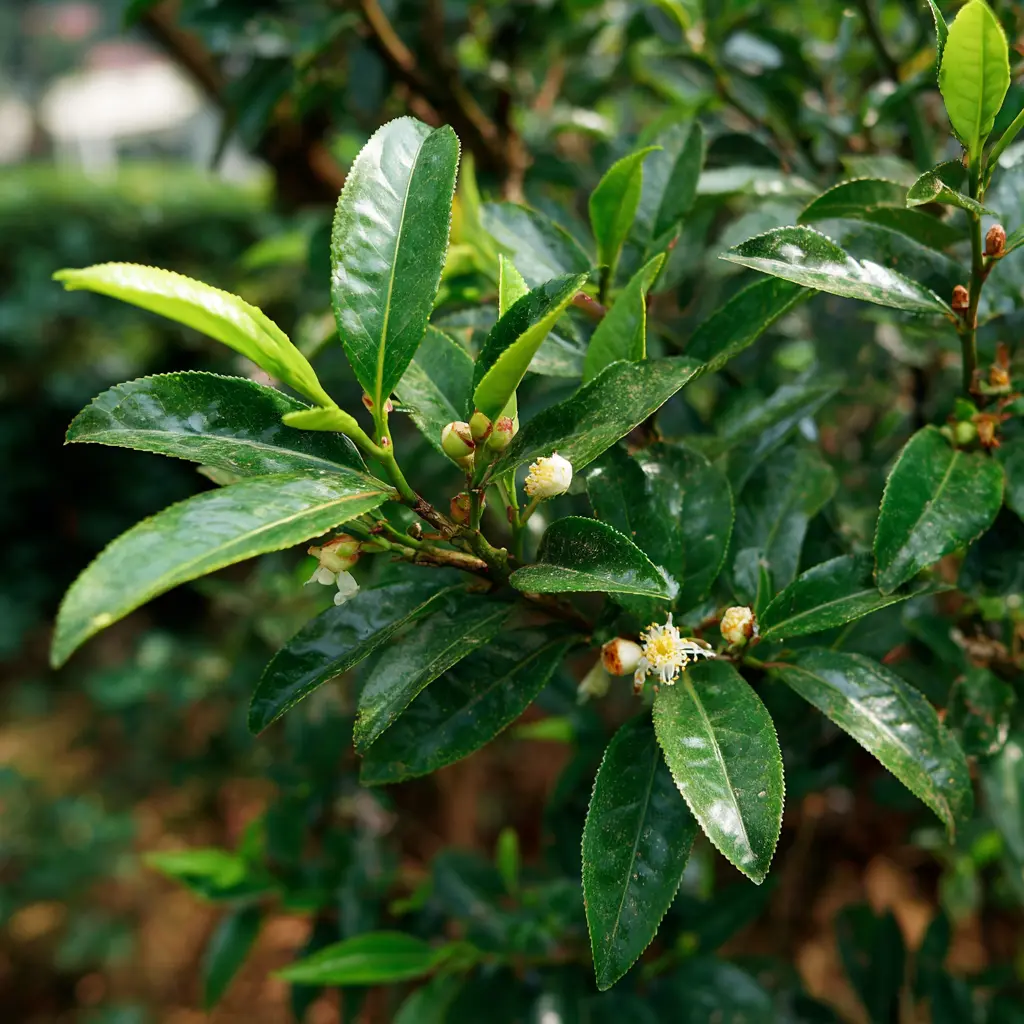
Green Tea (Camellia sinensis) – Green tea comes from the leaves and leaf buds of Camellia sinensis. The same plant also gives us black tea, oolong tea, white tea, and pu-erh; the difference is mainly harvesting, oxidation, and processing.
Traditional uses of green tea:
Energy & Mental Clarity: Green tea naturally contains caffeine, but usually less than coffee. It also contains L-theanine, an amino acid associated with calm alertness.
Antioxidant Support: Green tea is rich in catechins, especially EGCG, which are studied for antioxidant and cellular-protective activity.
Metabolic Wellness: Green tea and green tea extracts have been studied for body weight, fat oxidation, blood sugar, and lipid markers, though effects are generally modest and vary by person.
Cardiovascular Wellness: Green tea is often included in heart-healthy lifestyle patterns because of its polyphenols, catechins, and long history as a daily beverage.
Green tea is the herb that somehow manages to be both a quiet ritual and a chemistry lesson in a cup.
“Green tea is calm focus steeped in a cup.”
Available Green Tea Products
Loose Leaf Green Tea
Loose leaf green tea is one of the best forms for flavor and quality. It may include styles such as sencha, dragonwell, gunpowder, gyokuro, hojicha, and bancha. Each has a different flavor, caffeine level, and processing style.
Look for fresh green tea with a clean, grassy, vegetal, marine, nutty, or lightly sweet aroma depending on the style. Stale green tea may taste flat, dusty, bitter, or cardboard-like.
Green Tea Bags
Tea bags are convenient and widely available. They may contain smaller leaf particles, which infuse quickly but can become bitter faster. For best flavor, use water that is hot but not boiling and avoid oversteeping.
Matcha
Matcha is powdered shade-grown green tea. Because the whole leaf powder is consumed, matcha generally provides more caffeine and catechins per serving than a standard brewed green tea. It is used in traditional whisked tea, lattes, smoothies, desserts, and culinary recipes.
Sencha
Sencha is a common Japanese green tea made from steamed leaves. It has a fresh, grassy, slightly sweet flavor. It is one of the most familiar everyday green teas.
Gyokuro
Gyokuro is a shade-grown Japanese green tea with a rich, savory, umami flavor. Shade-growing increases certain compounds, including L-theanine. It is usually brewed at lower temperatures for a smoother taste.
Hojicha
Hojicha is roasted green tea. Roasting gives it a warm, nutty, toasty flavor and often reduces the sharp grassy taste. It is usually gentler in flavor and may be lower in caffeine than many other green teas, depending on the leaf material used.
Green Tea Extract
Green tea extract is a concentrated supplement form, often standardized for catechins or EGCG. Extracts are much stronger than brewed tea and require more caution. Concentrated green tea extract has been linked to rare but serious liver injury, especially in high doses or weight-loss products.
Green Tea Capsules
Green tea capsules may contain powdered leaf, extract, EGCG, or caffeine-containing green tea extract. Labels should clearly state caffeine content, EGCG amount, extract ratio, and serving size. Capsules are not the same as drinking tea.
Green Tea Powder
Green tea powder may refer to matcha or simply powdered green tea leaf. Matcha is a specific traditional form with particular growing and processing methods. Generic green tea powder may vary widely in quality and taste.
Green Tea Tincture
Green tea tincture is less common than tea, capsules, or extracts. It may extract catechins, caffeine, flavonoids, and some aromatic compounds. Because green tea is so easy to prepare as a beverage, tincture is not usually the first-choice form.
Green Tea Glycerite
Green tea glycerite is an alcohol-free liquid extract. It may be used in formulas where alcohol is avoided, but it is not as common as brewed tea or capsules. It may capture some water-soluble polyphenols and flavor.
Green Tea Skin Products
Green tea appears in creams, serums, masks, toners, shampoos, and after-sun products. It is used in skincare for antioxidant and soothing support. Topical green tea products vary widely depending on formulation and extract strength.
Green Tea Essential Oil
Green tea is not commonly used as a true essential oil in herbal practice. Many “green tea oil” products are fragrance oils, infused oils, or cosmetic ingredients rather than steam-distilled essential oil. Read labels carefully.
Key Herbal Actions
Green tea is known as an antioxidant, mild stimulant, astringent, cardiotonic-supportive herb, metabolic-supportive herb, neuroprotective-supportive herb, diuretic-supportive herb, anti-inflammatory-supportive herb, and antimicrobial-supportive herb.
Antioxidant
Green tea is rich in catechins and other polyphenols that help protect cells from oxidative stress. EGCG is the most famous catechin in green tea. Antioxidant support is one of the main reasons green tea has attracted so much research.
Mild Stimulant
Green tea contains caffeine, which can support alertness and reduce fatigue. Compared with coffee, green tea usually feels smoother for many people because it also contains L-theanine. Still, caffeine-sensitive people may feel jittery or have sleep disruption.
Astringent
Green tea contains tannins and catechins that create a drying, puckering taste when tea is oversteeped. Astringency can gently tone tissues. This action is relevant to oral care, skin care, and digestive traditions.
Cardiotonic-Supportive Herb
Green tea is often discussed in relation to cardiovascular wellness. Studies have explored green tea intake and markers such as blood pressure, cholesterol, vascular function, and oxidative stress. It should be viewed as lifestyle support, not a replacement for medical care.
Metabolic-Supportive Herb
Green tea catechins and caffeine have been studied for modest effects on body weight and metabolism. NCCIH notes that catechins and caffeine in green tea and extracts may have a modest effect on body weight, though products and results vary. The tea is not a shortcut around food, movement, sleep, and real life.
Neuroprotective-Supportive Herb
Green tea contains caffeine, L-theanine, catechins, and other compounds studied in relation to brain function, attention, and neuroprotection. Human evidence varies, but the combination of caffeine and L-theanine is especially interesting for calm focus. This is supportive language, not a treatment claim.
Diuretic-Supportive Herb
Because green tea contains caffeine, it may have mild diuretic effects in some people. Regular tea drinkers often adapt to this effect. Hydration still matters, especially if drinking strong tea.
Anti-inflammatory-Supportive Herb
Green tea polyphenols are studied for effects on inflammatory pathways. EGCG is especially well known in this area. This does not mean green tea treats inflammatory disease, but it helps explain its traditional and research-based wellness reputation.
Antimicrobial-Supportive Herb
Green tea extracts and catechins have shown antimicrobial activity in laboratory research. This supports its use in oral care, skin care, and topical products. Laboratory findings do not mean green tea replaces medical treatment for infections.
Active Compounds and Extraction
Green tea contains catechins, EGCG, EGC, ECG, EC, caffeine, L-theanine, flavonols, tannins, phenolic acids, chlorophyll, carotenoids, minerals, amino acids, volatile aromatic compounds, and small amounts of vitamins.
Catechins
Catechins are the major polyphenols in green tea. They include EGCG, EGC, ECG, and EC. These compounds are studied for antioxidant, cardiovascular, metabolic, oral, and skin-related activity.
Best extraction: Hot infusion, cold infusion, matcha, extract.
To make green tea, use 1 teaspoon loose leaf tea per cup of water heated to about 160–180°F. Steep 1–3 minutes, then strain. Boiling water and long steeping can make green tea bitter.
EGCG
EGCG, or epigallocatechin gallate, is the most studied catechin in green tea. It is associated with antioxidant, metabolic, liver, cardiovascular, and cellular research. EGCG is useful but not automatically safer in higher amounts; concentrated extracts are linked to liver injury in some cases.
Best extraction: Hot infusion, matcha, standardized extract.
Brewed tea provides EGCG in a traditional food-like form. Green tea extract capsules may provide much higher amounts and deserve more caution.
EGC, ECG, and EC
These catechins work alongside EGCG and contribute to green tea’s antioxidant profile. They may be less famous, but they are part of the whole-tea chemistry. Whole brewed green tea provides a balanced catechin mixture rather than one isolated compound.
Best extraction: Hot infusion, cold infusion, matcha.
A cold infusion can be made by steeping green tea leaves in cool water for 4–8 hours in the refrigerator. Cold brewing often tastes smoother and less bitter.
Caffeine
Caffeine is a natural stimulant found in green tea. The amount varies by tea type, leaf age, brewing time, water temperature, and serving size. Many brewed green teas provide roughly 20–45 mg caffeine per 8-ounce cup, while matcha may provide more because the whole powdered leaf is consumed.
Best extraction: Hot infusion, matcha, extract.
Hotter water and longer steeping usually extract more caffeine. If you want less caffeine, choose lower-caffeine styles, use shorter steeping, or avoid green tea late in the day.
L-Theanine
L-theanine is an amino acid found in tea leaves. It is studied for relaxation, attention, and stress-related effects, especially when combined with caffeine. It contributes to green tea’s reputation for calm alertness.
Best extraction: Hot infusion, cold infusion, matcha.
Shade-grown teas such as gyokuro and matcha may be richer in L-theanine. Gentle brewing helps preserve flavor and reduces bitterness.
Flavonols
Green tea contains flavonols such as quercetin, kaempferol, and myricetin derivatives. These compounds contribute antioxidant and tissue-supportive activity. They are part of green tea’s broader polyphenol profile.
Best extraction: Hot infusion, tincture, matcha.
A standard infusion extracts flavonols well. Matcha provides the whole powdered leaf, including compounds that may not fully extract into water.
Tannins
Tannins are astringent polyphenols that create a dry, puckering taste. In green tea, tannins become more noticeable with hotter water and longer steeping. They are relevant to green tea’s oral, digestive, and skin-supportive traditions.
Best extraction: Hot infusion.
If green tea tastes too bitter or drying, use cooler water and shorter steeping. Your tea should not taste like punishment.
Phenolic Acids
Phenolic acids are antioxidant compounds found in many plants. In green tea, they add to the antioxidant and cellular-supportive profile. They work together with catechins, flavonols, and other polyphenols.
Best extraction: Hot infusion, cold infusion, extract.
Both hot and cold infusions can extract phenolic compounds. Hot water generally extracts faster.
Chlorophyll
Chlorophyll gives green tea leaves their green color. Matcha, because it uses powdered whole leaf, contains more visible chlorophyll than strained tea. Shade-grown teas often have a deeper green color.
Best extraction: Matcha, whole powdered tea.
Chlorophyll is not extracted as strongly in a clear infusion. Consuming powdered tea provides more whole-leaf compounds.
Carotenoids
Green tea leaves contain small amounts of carotenoids such as beta-carotene and lutein. These fat-soluble compounds are not strongly extracted into water. They are more relevant in matcha or whole-leaf powder.
Best extraction: Matcha, powdered tea, food use.
Matcha in food or a latte may provide more access to fat-soluble compounds than brewed tea alone.
Minerals
Green tea contains minerals such as manganese, potassium, and fluoride, with amounts varying by soil, leaf age, and preparation. Fluoride can be higher in older tea leaves. Moderate tea use is generally the practical approach.
Best extraction: Hot infusion, matcha.
Longer steeping may extract more minerals, but it may also increase bitterness. Quality sourcing matters.
Volatile Aromatic Compounds
Green tea contains delicate aromatic compounds that create grassy, floral, marine, nutty, roasted, or sweet notes depending on tea type. These compounds are easily affected by heat, storage, and brewing technique. This is why green tea can taste elegant or like lawn clippings, depending on how it is treated.
Best extraction: Gentle hot infusion, covered steeping.
Use water below boiling and avoid old stale tea. Store leaves well to preserve aroma.
Harvesting and Storing Right
Green tea leaves are harvested from young leaves and buds of Camellia sinensis. In many tea traditions, the first spring flush is especially prized because the young leaves are tender, aromatic, and rich in desirable compounds.
After harvesting, green tea leaves are quickly heated by steaming, pan-firing, or baking to reduce oxidation. This step helps preserve the green color and catechin profile. The leaves are then rolled, shaped, and dried.
For home storage, green tea should be kept in an airtight container away from light, heat, moisture, and strong odors. Green tea is delicate and absorbs smells easily, so do not store it next to spices, coffee, or anything that smells like ambition and garlic.
Loose green tea is usually best used within 6–12 months. Matcha is more fragile and is best used within 1–3 months after opening, ideally stored tightly sealed in the refrigerator. Prepared tea should be consumed fresh or refrigerated and used within 24 hours.
Body Functions Green Tea Can Support
Green tea can support energy and vitality, brain, nervous system, circulation, metabolism, immune system, dental oral wellness, skin, liver support, digestion system, and vision.
Energy and Vitality
Green tea supports gentle energy through caffeine. Unlike coffee, it also contains L-theanine, which may smooth the stimulation for some people. This makes green tea useful when someone wants alertness without feeling overly wired.
Brain
Green tea’s caffeine and L-theanine combination is studied for attention, focus, and cognitive performance. Catechins are also studied for neuroprotective mechanisms. It is best viewed as a focus-supporting beverage, not a treatment for brain disorders.
Nervous System
L-theanine is associated with relaxation without heavy sedation. Green tea may support a calm-alert state when used moderately. People sensitive to caffeine may experience the opposite: jitters, anxiety, or poor sleep.
Circulation
Green tea catechins are studied for vascular function, blood pressure, cholesterol, and oxidative stress. Some research suggests modest cardiovascular support, especially as part of an overall healthy diet. It should not replace prescribed care.
Metabolism
Green tea catechins and caffeine may modestly support thermogenesis and fat oxidation. NCCIH notes that effects on body weight appear modest and vary by product. Green tea is better understood as a supportive beverage than a weight-loss solution.
Immune System
Green tea supports immune wellness mostly through polyphenols and antioxidant activity. It is not a strong immune stimulant. It fits well into daily wellness patterns as a simple, plant-rich beverage.
Dental Oral
Green tea catechins have been studied for oral microbial balance and breath support. The astringent quality may also feel toning in the mouth. Unsweetened green tea is more tooth-friendly than sweetened tea drinks, though tea can still stain teeth over time.
Skin
Green tea appears in topical skincare for antioxidant and soothing support. EGCG and other catechins are studied for effects on oxidative stress and skin appearance. Sensitive skin should patch test topical products.
Liver Support
Brewed green tea is generally considered safe for most adults when used moderately, but concentrated green tea extracts have been linked to rare liver injury. This is an important distinction. People with liver disease or unexplained liver symptoms should avoid green tea extracts unless medically supervised.
Digestion System
Green tea’s bitter-astringent taste can gently stimulate digestion for some people. For others, tannins and caffeine may irritate the stomach, especially on an empty stomach. Use with food if you are sensitive.
Vision
Green tea contains small amounts of carotenoids and polyphenols that support antioxidant nutrition. This is general wellness support, not eye treatment. Matcha provides more whole-leaf compounds than strained tea.
Safety and Practical Considerations
Green tea as a brewed beverage is generally safe for many adults when used moderately. Concentrated green tea extract is a different matter.
Green tea contains caffeine. Too much caffeine may cause insomnia, anxiety, jitteriness, rapid heartbeat, digestive upset, or headaches. People who are caffeine-sensitive, pregnant, breastfeeding, or managing heart rhythm issues should monitor intake carefully.
Green tea extracts, especially high-EGCG supplements, have been linked to rare but serious liver injury. NIH LiverTox notes that green tea extract and, more rarely, large amounts of green tea have been implicated in clinically apparent acute liver injury. NCCIH also advises people with liver disease to consult a healthcare provider before using green tea extracts.
Avoid taking green tea extract on an empty stomach unless the product label and healthcare professional advise otherwise. Some safety reviews suggest liver concerns are more likely with concentrated bolus doses than with brewed tea.
Green tea may interact with medications, including stimulants, some blood thinners, beta-blockers such as nadolol, lithium, certain chemotherapy drugs, and medications affected by caffeine. People taking prescription medications should consult a healthcare professional before using green tea supplements or high intake.
Because green tea contains vitamin K in small amounts, people taking warfarin should keep intake consistent and ask their clinician for guidance. Sudden large changes in green tea consumption may matter.
Green tea tannins may reduce absorption of non-heme iron from food. People with iron deficiency may prefer to drink green tea between meals rather than with iron-rich meals or iron supplements.
Pregnant and breastfeeding people should be mindful of total caffeine intake from all sources. Children and adolescents should avoid concentrated green tea extracts and use caffeine-containing beverages cautiously.
Topical green tea products may irritate sensitive skin. Patch test before wider use.
FAQ
What does green tea taste like?
Green tea can taste grassy, vegetal, sweet, nutty, marine, floral, roasted, or slightly bitter depending on the type. If it tastes harsh and very bitter, the water may have been too hot or the tea steeped too long. Green tea likes gentle handling.
When is the best time to use green tea?
Green tea is best used in the morning or early afternoon if you are sensitive to caffeine. Many people enjoy it between meals or with light food. Avoid it late in the day if it affects sleep.
Is loose leaf green tea or tea bags better?
Loose leaf tea often has better flavor and aroma, but good tea bags can still be useful and convenient. Tea bags infuse quickly because the leaf particles are smaller. Watch steeping time to avoid bitterness.
Is green tea, matcha, or green tea extract better?
Brewed green tea is the gentlest traditional form. Matcha provides more whole-leaf compounds and usually more caffeine. Green tea extract is concentrated and has greater safety concerns, especially for the liver.
Can green tea be used daily?
Many people drink green tea daily, but caffeine tolerance matters. Daily brewed tea is very different from daily high-dose extract. People with liver disease, medication use, pregnancy, breastfeeding, anxiety, insomnia, anemia, or heart rhythm concerns should seek guidance.
How should green tea be stored?
Store green tea in an airtight container away from light, heat, moisture, and strong odors. Matcha should be sealed tightly and used quickly after opening. Freshness makes a big difference in flavor.
Does green tea combine well with other herbs?
Yes. Green tea combines well with mint, jasmine, ginger, lemon peel, orange peel, rose, tulsi, lemongrass, nettle, hibiscus, and cinnamon. For calm focus, it pairs nicely with tulsi or lemon balm. For digestion, it works well with ginger or mint.
Is green tea safe for everyone?
No. Green tea may not be appropriate for people sensitive to caffeine, those with liver disease, certain medication use, severe anxiety, insomnia, iron deficiency, heart rhythm issues, or pregnancy-related caffeine limits. Extracts require much more caution than brewed tea.
Can green tea be used for pets?
Green tea contains caffeine, so pet use should be guided by a veterinarian or qualified animal herbalist. Do not give green tea extract, matcha, or caffeine-containing green tea products to pets without professional guidance. Cats and dogs are more sensitive to caffeine than humans.
Why does green tea become bitter?
Green tea becomes bitter when brewed with water that is too hot, steeped too long, or made with too much leaf. Use water around 160–180°F and steep for 1–3 minutes. Cooler water makes a smoother cup.
Disclaimer
This content is educational only. It is not medical advice, diagnosis, or treatment. Herbs may interact with medications or health conditions. People who are pregnant, breastfeeding, managing a medical condition, taking prescription medications, or preparing for surgery should consult a qualified healthcare professional before using herbs.
References
EMA: Camelliae sinensis non fermentatum folium
EMA: Community Herbal Monograph on Camellia sinensis, non fermentatum folium
PMC: Scientific Opinion on the Safety of Green Tea Catechins
PMC: Green Tea Extract-Associated Acute Liver Injury
PMC: Green Tea Catechins and Fatty Liver Review
NIH Office of Dietary Supplements: Dietary Supplement Fact Sheets