


Orange peel is the fragrant outer rind of the sweet orange. In herbalism and traditional food cultures, the peel is used as an aromatic digestive herb, flavoring agent, tea ingredient, and bright companion to heavier or more bitter herbs.
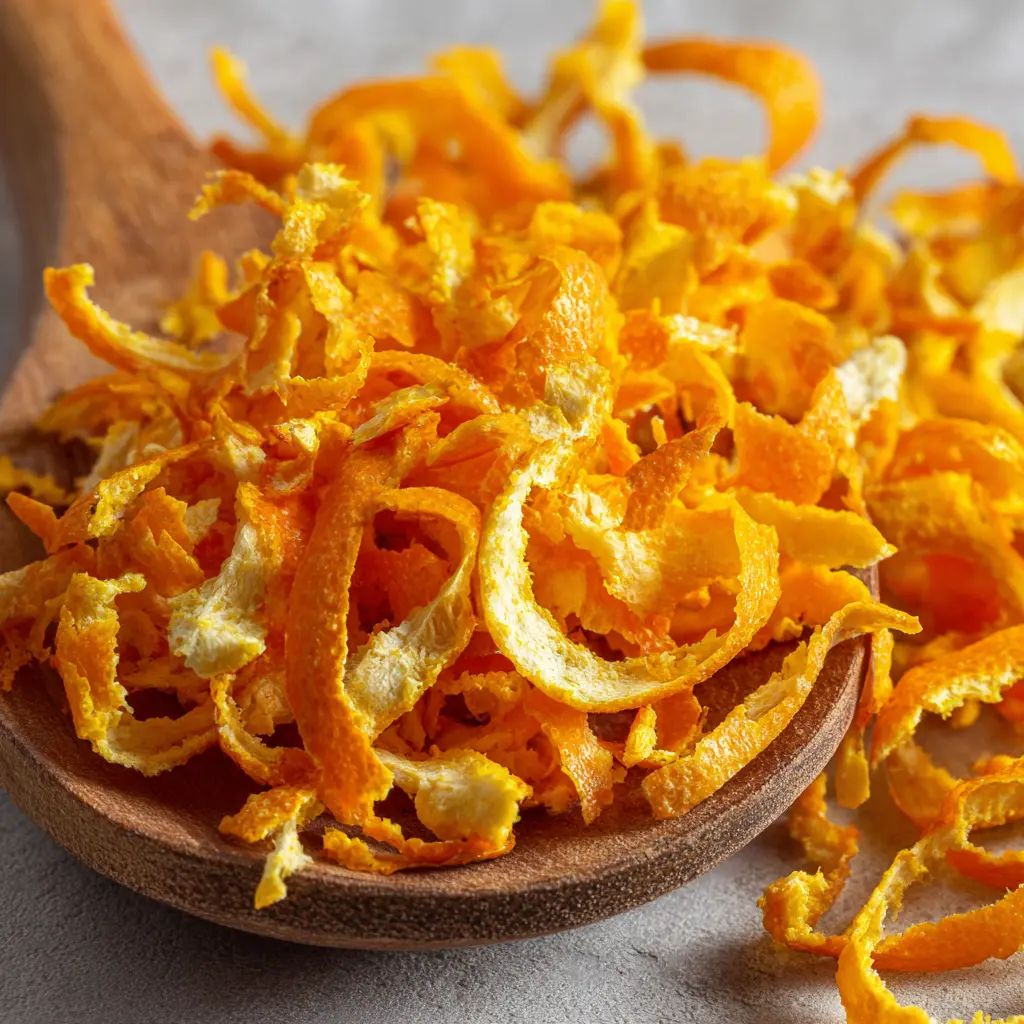
Orange Peel (Citrus sinensis) – Common names include sweet orange peel, orange rind, orange zest, and dried orange peel. This post focuses mainly on sweet orange peel from Citrus sinensis, not bitter orange peel from Citrus aurantium, which has a different safety profile and is often discussed separately.
Traditional uses of orange peel:
Digestive Comfort: Orange peel is traditionally used as an aromatic carminative to support digestion, especially when meals feel heavy, rich, or sluggish.
Respiratory Freshness: Its bright volatile oils give it a clearing, uplifting aroma and make it useful in seasonal tea blends.
Mood & Sensory Support: Orange peel’s scent is cheerful without being pushy. It is often used when a formula needs warmth, brightness, and a little emotional sunshine.
Antioxidant Support: Citrus peels contain flavonoids, phenolic acids, carotenoids, and volatile compounds studied for antioxidant activity.
Orange peel is proof that sometimes the part we throw away is the part with the best personality.
“Orange peel brings a little sunlight to the teacup and a polite nudge to digestion.”
Available Orange Peel Products
Dried Orange Peel
Dried orange peel is one of the most common herbal forms. It is used in teas, bitters, tinctures, syrups, spice blends, potpourri, baking, and culinary recipes. Good dried orange peel should smell bright, sweet, citrusy, and fresh.
Choose organic orange peel when possible, especially if using the peel in tea or food. Citrus peels can carry waxes, pesticide residues, or post-harvest treatments, so quality and washing matter.
Orange Peel Tea
Orange peel tea is simple, aromatic, and pleasantly bitter-sweet. It can be used alone or blended with ginger, cinnamon, fennel, cardamom, hibiscus, rosehip, chamomile, or black tea.
A simple orange peel tea can be made with 1–2 teaspoons dried peel per cup of hot water. Cover, steep for 10–15 minutes, then strain.
Orange Peel Tincture
Orange peel tincture is often used in digestive bitters and aromatic formulas. Alcohol extracts volatile oils, flavonoids, bitter compounds, and other aromatic constituents. It is a practical shelf-stable form for small-dose digestive support formulas.
Orange Peel Capsules
Orange peel capsules may contain powdered peel, citrus bioflavonoid extract, hesperidin, or citrus pectin. These products vary widely. Labels should clearly state the species, plant part, extract type, serving size, and whether it is whole peel, pectin, or isolated flavonoids.
Orange Peel Glycerite
Orange peel glycerite is a sweet, alcohol-free liquid preparation. It is useful for flavoring herbal formulas and for people avoiding alcohol. Glycerites may capture some water-soluble compounds and citrus flavor, though tinctures usually extract aromatics more strongly.
Orange Peel Essential Oil
Sweet orange essential oil is usually cold-pressed from the peel. It is highly concentrated and used mainly in aromatherapy, perfumery, cleaning products, and properly diluted topical preparations. It should not be used internally unless guided by a qualified professional trained in essential oil safety.
Sweet orange essential oil is generally considered less phototoxic than some citrus oils, but product type matters. Cold-pressed citrus oils can contain compounds that raise sun-sensitivity concerns, so dilution and label guidance are important.
Orange Peel Powder
Orange peel powder is used in capsules, face masks, spice blends, teas, baking, marinades, and herbal honeys. It has a strong flavor and aroma but loses freshness faster than larger peel pieces. Store it tightly sealed and use it within a few months.
Orange Zest
Fresh orange zest is the colorful outer peel grated from a fresh orange. It is used in cooking, baking, teas, infused honey, vinegar, and syrups. Avoid the white pith if you want less bitterness, though the pith contains useful flavonoids and fiber.
Orange Peel Syrup
Orange peel syrup is made by simmering orange peel gently in water, straining, and combining the liquid with honey or sugar. It is used in drinks, desserts, teas, and seasonal preparations. The flavor is bright, sweet, and slightly bitter.
Citrus Bioflavonoid Extract
Citrus bioflavonoid extracts are usually made from citrus peel and pith. They may contain hesperidin, naringin, eriocitrin, rutin-like compounds, and related flavonoids. These are supplement products and should be used more carefully than food-level orange peel.
Citrus Pectin
Citrus pectin is a soluble fiber from citrus peel. It is used in jams and supplements. Modified citrus pectin is a specialized product that has been processed to change its molecular size and is different from ordinary orange peel tea.
Key Herbal Actions
Orange peel is known as an aromatic, carminative, digestive stimulant, bitter tonic, antioxidant, mild expectorant, circulatory-supportive warming herb, antimicrobial-supportive herb, and flavoring harmonizer.
Aromatic
Aromatic herbs contain fragrant volatile compounds. Orange peel’s uplifting scent comes mostly from volatile oils, especially limonene. Aromatic herbs often support digestion, mood, respiration, and sensory comfort.
Carminative
A carminative herb helps ease gas and bloating. Orange peel is traditionally used after meals or in digestive blends because its aromatic oils help the digestive system feel more comfortable. It is often paired with fennel, ginger, cardamom, or peppermint.
Digestive Stimulant
Orange peel’s bitter and aromatic taste can gently stimulate digestive secretions through flavor. This makes it useful in bitters, aperitifs, teas, and food preparations. It is not harsh, but it does have a lively digestive nudge.
Bitter Tonic
A bitter tonic supports digestion by activating bitter taste receptors. Orange peel has mild bitterness, especially when the pith is included. This bitter quality is one reason dried citrus peel appears in digestive formulas.
Antioxidant
Orange peel contains flavonoids, phenolic acids, carotenoids, and volatile compounds studied for antioxidant activity. These compounds help protect cells from oxidative stress. This supports orange peel’s role as a bright, food-like wellness herb.
Mild Expectorant
Orange peel is not a primary expectorant like thyme or elecampane, but its aromatic oils can support respiratory freshness. It is often included in seasonal teas for flavor and gentle aromatic lift. It pairs especially well with ginger, cinnamon, thyme, and honey.
Circulatory-Supportive Warming Herb
Orange peel is gently warming and moving in traditional herbal language. It is used to brighten formulas and support circulation through aromatic warmth. This is a mild support action, not a cardiovascular treatment.
Antimicrobial-Supportive Herb
Orange peel essential oil and extracts have shown antimicrobial activity in laboratory studies. This helps explain traditional use in mouth, kitchen, and household preparations. Laboratory findings do not mean orange peel replaces medical care for infections.
Flavoring Harmonizer
Orange peel improves the flavor of many herbal formulas. It softens bitterness, brightens earthy herbs, and makes teas more pleasant. In practical herbalism, a herb that helps people actually drink their tea deserves respect.
Active Compounds and Extraction
Orange peel contains volatile oils, limonene, linalool, myrcene, alpha-pinene, flavonoids, hesperidin, narirutin, naringin in some citrus products, polymethoxyflavones, phenolic acids, carotenoids, pectin, coumarins, and minerals.
Volatile Oils
Volatile oils are the fragrant compounds that give orange peel its aroma. Sweet orange peel oil is especially rich in limonene. These oils are central to orange peel’s aromatic, carminative, and mood-brightening qualities.
Best extraction: Covered hot infusion, tincture, infused honey, syrup, essential oil.
To make orange peel tea, use 1–2 teaspoons dried peel per cup of hot water. Cover, steep 10–15 minutes, and strain. Covering the cup keeps more aroma in the tea instead of letting it decorate the kitchen air.
Limonene
Limonene is the dominant compound in sweet orange peel essential oil. It gives orange peel its bright citrus scent and has been studied for antioxidant, digestive, antimicrobial, and inflammation-related activity. It is much more concentrated in essential oil than in tea.
Best extraction: Tincture, essential oil, covered hot infusion.
For everyday use, orange peel tea or food preparations are gentler. Essential oil should be used cautiously and diluted for topical use.
Linalool
Linalool is a floral aromatic compound found in many plants, including citrus peel. It contributes to the soft, pleasant part of orange’s scent. It is studied for calming and sensory effects, mostly in aromatherapy and preclinical research.
Best extraction: Covered hot infusion, tincture, essential oil.
Avoid boiling orange peel aggressively if the goal is aroma. Gentle steeping works better.
Myrcene and Alpha-Pinene
Myrcene and alpha-pinene are aromatic terpenes found in citrus peel oils. They contribute green, resinous, and fresh notes. These compounds are studied for antioxidant, antimicrobial, and inflammation-related activity.
Best extraction: Tincture, essential oil.
A tincture captures more of these aromatic compounds than plain water. Essential oil is the most concentrated form and requires the most caution.
Flavonoids
Flavonoids are one of the major beneficial compound groups in citrus peel. Orange peel contains flavanones such as hesperidin and narirutin, along with other flavonoids. These compounds are studied for antioxidant, vascular, metabolic, and inflammation-related activity.
Best extraction: Hot infusion, tincture, glycerite, powder.
A hot infusion extracts some flavonoids, especially from dried peel and pith. Powdered peel provides more whole-plant material because it is consumed rather than strained out.
Hesperidin
Hesperidin is a major citrus flavanone found in orange peel and pith. It is studied for antioxidant, vascular, skin, and metabolic effects. Orange peel is one of the important natural sources of hesperidin.
Best extraction: Hot infusion, tincture, powder, citrus bioflavonoid extract.
For a simple home method, use dried orange peel that includes some pith. For higher intake, citrus bioflavonoid supplements exist, but these should be treated as supplements rather than tea.
Narirutin
Narirutin is another citrus flavanone found in sweet orange and other citrus fruits. It contributes to antioxidant activity and citrus peel’s broader flavonoid profile. It works alongside hesperidin rather than acting alone.
Best extraction: Hot infusion, tincture, powder.
Using whole dried peel or zest with some pith gives access to more flavonoids than essential oil alone.
Polymethoxyflavones
Polymethoxyflavones are citrus flavonoids found especially in peels. They are studied for antioxidant, metabolic, and inflammation-related activity. These compounds are more concentrated in the peel than in the juice.
Best extraction: Tincture, extract, powder.
Alcohol-water extracts and whole peel powders are more relevant for this group than a light tea. Concentrated extracts should be used carefully.
Phenolic Acids
Phenolic acids are antioxidant compounds found in citrus peel. They contribute to orange peel’s cellular-protective activity. They are part of the whole-peel profile, alongside flavonoids and terpenes.
Best extraction: Hot infusion, tincture, vinegar, glycerite.
Orange peel vinegar can be made by covering dried or fresh cleaned peel with apple cider vinegar for 2–4 weeks. Strain and use in culinary preparations.
Carotenoids
Carotenoids are orange-yellow pigments found in citrus peel. They contribute to color and antioxidant activity. Their levels vary depending on orange variety and ripeness.
Best extraction: Food use, powder, oil-containing foods, tincture.
Because carotenoids are fat-soluble, orange zest used in food with some fat may support better absorption than tea alone.
Pectin
Pectin is a soluble fiber found in the white pith and peel. It helps thicken marmalades and jams and is used commercially as citrus pectin. Pectin supports orange peel’s digestive and metabolic food-herb profile.
Best extraction: Decoction, jam, marmalade, syrup, food use.
To extract more pectin, simmer orange peel and pith gently in water for 15–30 minutes. This is useful for syrups, marmalades, and thicker preparations.
Coumarins and Furanocoumarins
Some citrus peels contain coumarins and furanocoumarins. These are important because certain citrus oils, especially cold-pressed oils from some species, can cause phototoxicity on skin. Sweet orange is generally lower risk than bergamot, lime, or bitter orange, but product labels and dilution guidance still matter.
Best extraction: Essential oil, tincture.
For topical use, use properly diluted products and follow sun-exposure precautions when using cold-pressed citrus oils.
Harvesting and Storing Right
Orange peel is harvested from ripe, fresh oranges. For home use, wash the fruit well, dry it, and remove the colorful outer peel with a zester or peeler. If using the peel medicinally or in tea, organic oranges are preferred because the peel is where residues and waxes may concentrate.
The best time to prepare orange peel is soon after the fruit is harvested or purchased, while the peel is still fragrant and firm. Avoid moldy, wax-heavy, bruised, or damaged fruit.
To dry orange peel, cut it into thin strips and dry in a single layer with good airflow, away from direct sun. A dehydrator on low heat can also work. The peel is fully dry when it snaps or feels leathery-dry with no soft moisture remaining.
Store dried orange peel in an airtight container away from light, heat, and moisture. It is usually best used within 6–12 months for strong aroma. Powder is best used within 3–6 months. Essential oil should be stored tightly closed in a cool, dark place and used according to the product’s shelf-life guidance.
Body Functions Orange Peel Can Support
Orange peel can support the digestion system, respiratory system, nervous system, immune system, circulation, metabolism, liver support, dental oral wellness, skin, and energy and vitality.
Digestion System
Orange peel’s strongest traditional role is digestive support. Its aromatic oils and mild bitterness help explain its use in teas, bitters, and after-meal formulas. It is especially useful when digestion feels heavy, gassy, or slow.
Respiratory System
Orange peel’s volatile oils give it a bright, clearing aroma. It is often used in seasonal tea blends for respiratory freshness and comfort. It works well with ginger, thyme, cinnamon, and honey.
Nervous System
Orange peel is not a primary nervine like skullcap or passionflower, but its aroma can be uplifting and gently settling. Citrus scents are widely used in aromatherapy for mood and relaxation support. In tea, orange peel adds brightness to calming blends.
Immune System
Orange peel supports immune wellness mostly through antioxidant flavonoids, phenolic compounds, and its use in seasonal teas. It is not a strong immune stimulant. It is best understood as a bright, supportive food-herb.
Circulation
Citrus flavonoids such as hesperidin are studied for vascular and antioxidant effects. Orange peel may support general circulation wellness as part of a diet rich in plant compounds. It should not replace medical care or prescribed cardiovascular treatment.
Metabolism
Orange peel contains pectin, flavonoids, and polymethoxyflavones that are studied for metabolic markers such as lipids and glucose regulation. Evidence is still developing, especially for whole peel preparations. The most practical use is as a bitter-aromatic food and tea ingredient.
Liver Support
Orange peel’s bitter and aromatic qualities traditionally support digestion and bile flow. Some citrus peel compounds are studied in relation to liver and metabolic health, mostly in early research. People with liver disease or medication concerns should seek professional guidance before using extracts.
Dental Oral
Chewing small pieces of dried orange peel or using orange peel in mouth-friendly formulas may freshen breath through aroma. Citrus peel essential oil has antimicrobial activity in laboratory studies, but acidic citrus preparations can affect enamel if overused. Do not use essential oil directly in the mouth without professional guidance.
Skin
Orange peel powder and extracts appear in skincare for brightening, exfoliating, and antioxidant support. However, citrus peel can irritate sensitive skin, and essential oil must be diluted. Cold-pressed citrus oils may require sun-exposure caution.
Energy and Vitality
Orange peel is bright, fragrant, and gently warming. It can make tea feel more lively without caffeine. When energy feels dull after heavy food, orange peel brings a clean aromatic lift.
Safety and Practical Considerations
Orange peel used as food or tea is generally gentle for many people, but quality and form matter.
Use organic peel when possible, and wash oranges thoroughly before zesting. Avoid using peels from fruit treated with heavy waxes, fungicides, or post-harvest chemicals unless the product is clearly food-grade and suitable for peel use.
People with citrus allergies should avoid orange peel. People with reflux, gastritis, mouth ulcers, or sensitive digestion may find orange peel too acidic or irritating, especially in strong preparations.
Orange peel and orange juice are not as famous for drug interactions as grapefruit, but citrus products can still affect medication absorption in some cases. People taking prescription medications, especially medications with narrow therapeutic windows, should ask a pharmacist or healthcare professional before using concentrated citrus extracts.
Sweet orange essential oil should be diluted before topical use. Avoid contact with eyes and mucous membranes. Follow label instructions about sun exposure, especially with cold-pressed citrus oils.
Pregnant and breastfeeding people commonly consume orange peel in food amounts, but medicinal doses, essential oils, and concentrated extracts should be used only with professional guidance.
Children, older adults, and sensitive individuals should use mild tea or food amounts rather than essential oils or high-dose extracts. For pets, avoid citrus essential oils unless specifically guided by a veterinarian, as many animals are sensitive to concentrated aromatic oils.
FAQ
What does orange peel taste like?
Orange peel tastes citrusy, bright, slightly bitter, sweet, and aromatic. The colorful outer zest is more fragrant, while the white pith is more bitter and fiber-rich. Dried peel has a warmer, deeper flavor than fresh zest.
When is the best time to use orange peel?
Orange peel is often used after meals in digestive teas or bitters. It is also useful in morning or afternoon teas when you want a caffeine-free aromatic lift. In seasonal blends, it pairs well with warming spices.
Is fresh or dried orange peel better?
Fresh zest is best for bright aroma and culinary use. Dried orange peel is more practical for storage, tea blends, tinctures, and syrups. Both are useful when the peel is clean, food-grade, and preferably organic.
Is orange peel tea, tincture, or capsule better?
Tea is gentle, aromatic, and beginner-friendly. Tincture is stronger and useful in digestive bitters. Capsules vary widely and may contain whole peel, pectin, or isolated citrus bioflavonoids, so labels matter.
Can orange peel be used daily?
Small food amounts of orange zest or peel are commonly used regularly. Daily medicinal use of concentrated extracts should be more cautious, especially for people taking medications or managing reflux, liver disease, or other medical concerns. Tea-level use is different from high-dose supplements.
How should orange peel be stored?
Store dried orange peel in an airtight container away from heat, light, and moisture. Powder loses aroma faster than larger pieces. Essential oil should be stored tightly closed in a cool, dark place.
Does orange peel combine well with other herbs?
Yes. Orange peel combines beautifully with ginger, cinnamon, cardamom, fennel, hibiscus, rosehip, chamomile, lemon balm, tulsi, cloves, peppermint, and black tea. It is especially helpful for improving the flavor of bitter or earthy herbs.
Is orange peel safe for everyone?
No. Orange peel may not be appropriate for people with citrus allergies, severe reflux, sensitive digestion, or certain medication concerns. Essential oil and concentrated extracts require extra caution.
Can orange peel be used for pets?
Orange peel and citrus essential oils should be used cautiously around pets. Many animals, especially cats, are sensitive to concentrated citrus oils. Pet use should be guided by a veterinarian or qualified animal herbalist.
Is orange peel the same as bitter orange?
No. Sweet orange peel comes from Citrus sinensis. Bitter orange usually refers to Citrus aurantium, which contains different compounds and has more safety concerns, especially in concentrated supplement form. Do not substitute them casually.
Disclaimer
This content is educational only. It is not medical advice, diagnosis, or treatment. Herbs may interact with medications or health conditions. People who are pregnant, breastfeeding, managing a medical condition, taking prescription medications, or preparing for surgery should consult a qualified healthcare professional before using herbs.
References
PMC: Bioactive Compounds of Citrus Fruits
PMC: Hesperidin: A Review on Extraction Methods, Stability and Biological Activities
PubMed: Hesperidin from Orange Peel as a Promising Skincare Bioactive
PMC: Biological Activities and Safety of Citrus Essential Oils
PMC: Comparative Flavonoid Profile of Orange Citrus sinensis Peel Extracts
PubMed: Antioxidant Activity of Citrus Fruit Peels