


Rhodiola is a hardy mountain plant that grows in cold northern and alpine regions. Its root has been used in traditional systems of herbalism, especially in Russia, Scandinavia, Central Asia, and parts of Europe, where it earned a reputation as a resilience herb for fatigue, stress, and demanding conditions.
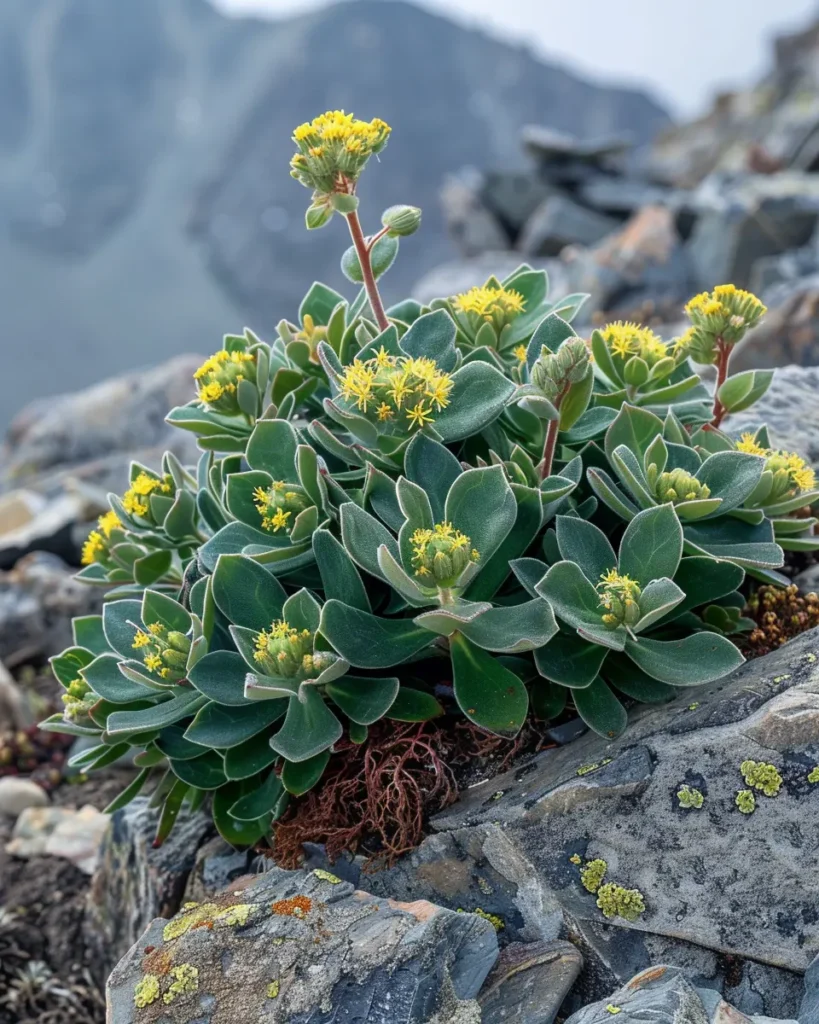
Rhodiola (Rhodiola rosea)
Traditional Uses of Rhodiola
Stress Support: Rhodiola is best known as an adaptogen, meaning it is traditionally used to help the body maintain balance during physical, mental, and emotional stress.
Energy and Vitality: Herbalists often use rhodiola when fatigue feels connected to stress or overwork. It is considered more stimulating than some calming adaptogens, so timing matters.
Brain and Focus: Rhodiola has been studied for mental performance, attention, and fatigue-related cognitive function, especially during stressful or demanding periods.
Physical Stamina: Traditional use and modern research both connect rhodiola with endurance, work capacity, and recovery from exertion.
Rhodiola is not a “sit quietly in the garden” herb. It is more like the mountain friend who says, “We can keep going, but let’s breathe properly.”
“Rhodiola carries the steady strength of cold mountains in a small, golden root.”
Available Rhodiola Products
Dried Rhodiola Root
Dried rhodiola root is used for teas, decoctions, and traditional preparations. It has a distinctive rose-like aroma, which is one reason Rhodiola rosea is sometimes called “rose root.”
Rhodiola Capsules
Capsules are one of the most common forms on the market. Labels should identify Rhodiola rosea and ideally state the extract standardization, often rosavins and salidroside.
Standardized Rhodiola Extract
Standardized extracts are commonly used in research and supplements. A common standardization is around 3% rosavins and 1% salidroside, though other ratios exist.
Rhodiola Tincture
Rhodiola tincture is a liquid alcohol-water extract. It is practical for people who prefer liquid preparations, though strength varies depending on the extract ratio and plant quality.
Rhodiola Tea or Decoction
Rhodiola root can be prepared as a decoction because roots are tougher than leaves or flowers. Tea is less standardized than capsules or extracts but remains a traditional preparation.
Rhodiola Powder
Rhodiola powder may be used in capsules or mixed into liquids. Because it has a strong taste and can lose quality over time, powder should be stored carefully and used while fresh.
Rhodiola Combination Formulas
Rhodiola is often combined with other adaptogens or nervines, such as ashwagandha, holy basil, schisandra, eleuthero, or bacopa. Combination formulas should be chosen carefully because multiple stimulating herbs can feel like too much for sensitive people.
Key Herbal Actions
Rhodiola is known as an adaptogen, nervine tonic, stimulant-supportive herb, antioxidant, anti-fatigue herb, neuroprotective herb, cardioprotective-supportive herb, anti-inflammatory, and endurance-supportive herb.
Adaptogen
An adaptogen is an herb traditionally used to support resilience during stress. Rhodiola is one of the classic adaptogens and is often used when stress comes with fatigue, low stamina, or reduced mental performance.
Nervine Tonic
A nervine tonic supports the nervous system over time. Rhodiola is not a sedative nervine like passionflower; it is more of a strengthening, energizing nervine.
Stimulant-Supportive Herb
Rhodiola can feel mildly stimulating for some people. This makes it useful for daytime energy support, but it may be too activating for people who are anxious, wired, or sensitive to stimulating herbs.
Antioxidant
Rhodiola contains phenolic compounds, including salidroside and rosavin-related compounds, that are studied for antioxidant activity. These compounds help protect cells from oxidative stress as part of normal body function.
Anti-Fatigue Herb
Rhodiola is widely studied for stress-related fatigue and mental tiredness. Research suggests potential benefit, though results vary depending on extract quality, dose, and study design.
Neuroprotective Herb
Rhodiola compounds are studied for their effects on brain cells, stress pathways, and neurotransmitter-related activity. This does not make rhodiola a treatment for neurological disease, but it helps explain its role in brain-support formulas.
Cardioprotective-Supportive Herb
Traditional and preclinical research connects rhodiola with heart and circulation resilience under stress. This is supportive language, not a claim that rhodiola treats heart disease.
Anti-inflammatory
Rhodiola compounds have been studied for effects on inflammatory signaling. Human evidence is still developing, so this action should be described carefully.
Endurance-Supportive Herb
Rhodiola has been studied in relation to exercise performance, stamina, and recovery. Effects are not guaranteed, but it has a long tradition as a herb for demanding physical conditions.
Active Compounds and Extraction
Rhodiola contains rosavins, salidroside, tyrosol, flavonoids, phenolic acids, proanthocyanidins, monoterpenes, triterpenes, organic acids, and volatile aromatic compounds.
Rosavins
Rosavins are a group of compounds especially associated with Rhodiola rosea. They include rosavin, rosin, and rosarin, and are often used as marker compounds for quality standardization.
Best extraction: alcohol-water extract or standardized capsule.
At home, rhodiola tincture can be made by covering dried chopped root with an alcohol-water blend and macerating for 4–6 weeks before straining. For consistency, standardized extracts are more predictable.
Salidroside
Salidroside is one of rhodiola’s most studied compounds. It is researched for antioxidant, stress-response, nervous system, and fatigue-related effects.
Best extraction: hot water, alcohol-water tincture, or standardized extract.
Salidroside is water-soluble enough to appear in decoctions. To make a simple decoction, simmer 1 teaspoon dried rhodiola root in 1 cup water for 10–15 minutes, covered, then strain.
Tyrosol
Tyrosol is a phenolic compound related to salidroside chemistry. It contributes to rhodiola’s antioxidant and stress-response profile.
Best extraction: water or alcohol-water extract.
Both decoction and tincture can extract tyrosol-related compounds. A tincture may provide a broader extraction of root constituents.
Flavonoids
Flavonoids are antioxidant plant compounds. Rhodiola contains flavonoids such as rhodionin, rhodiosin, and related compounds that contribute to its antioxidant activity.
Best extraction: alcohol-water tincture or decoction.
A water-alcohol extract is useful because it captures both water-soluble and moderately alcohol-soluble compounds. For tea, simmering the root gently is better than quick steeping.
Phenolic Acids
Phenolic acids are antioxidant compounds found in many medicinal plants. In rhodiola, they contribute to the plant’s broader antioxidant and protective profile.
Best extraction: hot water or tincture.
A decoction is suitable for traditional use. Keep the pot covered to preserve delicate aromatic compounds.
Proanthocyanidins
Proanthocyanidins are polyphenols with antioxidant activity. They are part of rhodiola’s supportive phytochemical profile.
Best extraction: water-alcohol tincture.
Tincture is generally more complete for polyphenols than a very short infusion. Use chopped dried root rather than large hard pieces for better extraction.
Volatile Aromatic Compounds
Rhodiola root has a subtle rose-like aroma from aromatic compounds. These compounds are delicate and can fade with age or poor storage.
Best extraction: covered decoction or tincture.
Use fresh-smelling dried root and keep preparations covered. If the root smells flat or stale, the product is likely past its best.
Harvesting and Storing Right
Rhodiola root is usually harvested from mature plants after several years of growth, often in late summer or fall when the plant’s energy has moved back into the root. Because wild rhodiola has been overharvested in some regions, cultivated or sustainably sourced material is strongly preferred.
Harvesting should be done carefully and ethically. In many areas, wild rhodiola populations are vulnerable, so home growers and buyers should prioritize cultivated sources.
Dried rhodiola root should be stored in an airtight container away from heat, light, and moisture. Chopped root is usually best within 1–2 years if stored well. Powder loses strength faster and is best used within 6–12 months. Tinctures often keep for several years when stored in a cool, dark place.
Body Functions Rhodiola can Support
Rhodiola can support stress support, adrenal, nervous system, brain, energy and vitality, metabolism, circulation, muscles and joint, immune system, reproductive system female, and sleep.
Stress Support
Rhodiola is traditionally used to support resilience during stress. It appears to influence stress-response pathways, including the hypothalamic-pituitary-adrenal axis, though individual responses vary.
Adrenal
Herbalists often place rhodiola in adrenal-support formulas because it is used for stress-related fatigue. It does not “repair” adrenal glands, but it may support the body’s normal stress adaptation.
Nervous System
Rhodiola is used as a strengthening nervine for mental fatigue, stress sensitivity, and low stamina. It is usually more activating than calming, so it may not suit people who feel wired or overstimulated.
Brain
Rhodiola has been studied for attention, mental performance, and fatigue during stressful tasks. Its salidroside, rosavins, and other polyphenols help explain its traditional use for cognitive support.
Energy and Vitality
Rhodiola is often chosen when energy feels low from overwork, stress, or demanding schedules. It is not caffeine, but some people find it noticeably energizing.
Metabolism
Rhodiola has been studied in relation to metabolic stress, glucose metabolism, and mitochondrial function, mostly in preclinical research. It should be described as supportive, not as a treatment for metabolic disorders.
Circulation
Rhodiola has traditional use in high-altitude and cold-climate regions, where stamina and circulation matter. Research explores cardiovascular stress resilience, but people with heart conditions should use it only with professional guidance.
Muscles and Joint
Rhodiola has been studied for exercise performance, recovery, and fatigue perception. Its role here is more about stamina and stress adaptation than direct joint support.
Immune System
Rhodiola’s antioxidant and stress-supportive actions may indirectly support immune wellness. Chronic stress affects immune balance, so adaptogens are often used as part of broader resilience support.
Reproductive System Female
Rhodiola is sometimes included in formulas for stress-related hormonal wellness, especially when fatigue and mood are part of the picture. It should not be used as a treatment for reproductive disorders or hormone conditions.
Sleep
Rhodiola may support sleep indirectly if stress-related fatigue improves, but it can disturb sleep in sensitive people or when taken late in the day. Morning or early afternoon use is usually more appropriate.
Safety and Practical Considerations
Rhodiola is generally well tolerated by many adults, but it is not the right herb for everyone. Possible side effects include jitteriness, dry mouth, dizziness, digestive upset, headache, irritability, or sleep disturbance.
Because rhodiola may feel stimulating, people with anxiety, insomnia, bipolar disorder, mania history, panic sensitivity, or strong sensitivity to stimulants should be cautious. It may be best avoided unless professionally guided.
Rhodiola may interact with antidepressants, stimulants, sedatives, blood pressure medications, diabetes medications, immune-modulating medications, and other prescriptions. People taking SSRIs, SNRIs, MAOIs, ADHD medications, or multiple medications should consult a qualified healthcare professional before use.
Avoid medicinal rhodiola during pregnancy and breastfeeding due to limited safety data. Children and teenagers should use rhodiola only with professional guidance.
People preparing for surgery or managing chronic medical conditions should speak with a healthcare professional before using rhodiola. Start low, use earlier in the day, and avoid combining with several stimulating herbs at once.
FAQ
What does rhodiola taste like?
Rhodiola root tastes bitter, slightly astringent, earthy, and faintly rose-like. The aroma is often more pleasant than the taste.
When is the best time to use rhodiola?
Rhodiola is usually best taken in the morning or early afternoon. Taking it late in the day may interfere with sleep for some people.
Is rhodiola tea, tincture, or capsule better?
Capsules or tablets with standardized extract are most commonly used in research. Tincture is convenient, while tea or decoction is more traditional but less standardized.
What does standardized rhodiola extract mean?
It means the product is adjusted to contain consistent levels of marker compounds. A common standard is 3% rosavins and 1% salidroside.
Can rhodiola be used daily?
Rhodiola is often used daily for limited periods, but it may not suit everyone long-term. People with medications, anxiety, insomnia, bipolar disorder, pregnancy, breastfeeding, or chronic illness should seek guidance.
How should rhodiola be stored?
Store dried rhodiola root in an airtight jar away from heat, light, and moisture. Capsules and tinctures should be stored according to the label.
Does rhodiola combine well with other herbs?
Yes, but combinations should be thoughtful. Rhodiola may combine with ashwagandha, holy basil, schisandra, eleuthero, bacopa, or lemon balm, but sensitive people may find multiple adaptogens too stimulating.
Is rhodiola calming or energizing?
Rhodiola is usually more energizing than sedating. It may help some people feel steady and focused, while others may feel overstimulated.
Is rhodiola safe for everyone?
No. People with bipolar disorder, insomnia, anxiety sensitivity, pregnancy, breastfeeding, medication use, or chronic illness should use caution or avoid it unless professionally guided.
Can rhodiola be used for pets?
Pet use should be guided by a veterinarian or qualified animal herbalist. Rhodiola is not appropriate for casual pet use because dosing and safety needs differ from humans.
Disclaimer
This content is educational only. It is not medical advice, diagnosis, or treatment. Herbs may interact with medications or health conditions. People who are pregnant, breastfeeding, managing a medical condition, taking prescription medications, or preparing for surgery should consult a qualified healthcare professional before using herbs.
References
NCCIH: Rhodiola
https://www.nccih.nih.gov/health/rhodiola
EMA: Rhodiolae roseae rhizoma et radix – Herbal Medicinal Product
https://www.ema.europa.eu/en/medicines/herbal/rhodiolae-roseae-rhizoma-et-radix
EMA: Assessment Report on Rhodiola rosea L., Rhizoma et Radix
https://www.ema.europa.eu/en/documents/herbal-report/final-assessment-report-rhodiola-rosea-l-rhizoma-et-radix_en.pdf
EMA: Community Herbal Monograph on Rhodiola rosea L., Rhizoma et Radix
https://www.ema.europa.eu/en/documents/herbal-monograph/final-community-herbal-monograph-rhodiola-rosea-l-rhizoma-et-radix_en.pdf
PubMed: Rhodiola rosea L. as a Putative Botanical Antidepressant
https://pubmed.ncbi.nlm.nih.gov/20378318/
PubMed: Rhodiola rosea for Physical and Mental Fatigue
https://pubmed.ncbi.nlm.nih.gov/19016404/
NIH / PubMed Central: Rhodiola rosea L. Extract Shows Anti-Stress and Anti-Aging Effects
https://pmc.ncbi.nlm.nih.gov/articles/PMC6208354/
NIH / PubMed Central: Rhodiola rosea in Subjects with Prolonged or Chronic Fatigue Symptoms
https://pmc.ncbi.nlm.nih.gov/articles/PMC6208355/
PubMed: Rhodiola rosea versus Sertraline for Mild to Moderate Depression
https://pubmed.ncbi.nlm.nih.gov/25837277/
Memorial Sloan Kettering Cancer Center: Rhodiola
https://www.mskcc.org/cancer-care/integrative-medicine/herbs/rhodiola