


Milky oat refers to the fresh, immature seed of the oat plant harvested during the brief “milky” stage, when the seed releases a white, latex-like fluid when squeezed. This is different from oatmeal grain and slightly different from oat straw, although all come from the same helpful plant.
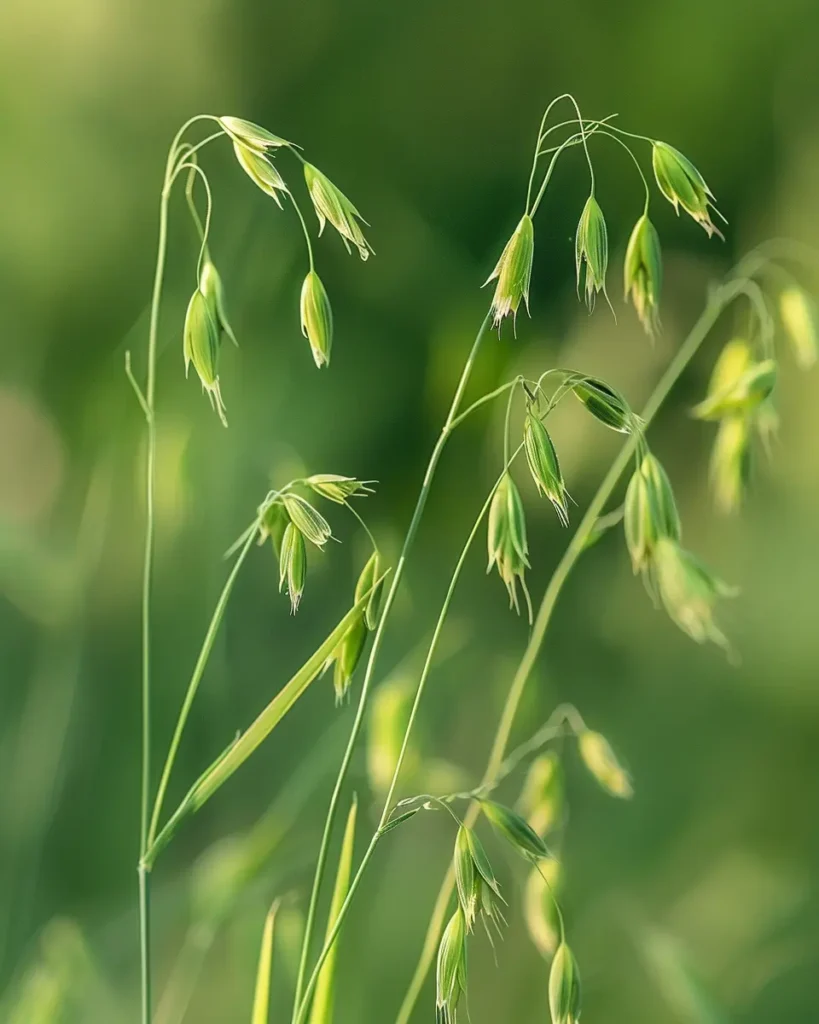
Milky Oat (Avena sativa)
Traditional Uses of Milky Oat
Nervous System Support: Milky oat is one of the classic gentle nervine herbs in Western herbalism. Herbalists often choose it when the nervous system feels overworked, depleted, tense, or “running on fumes.”
Stress Support: Milky oat is traditionally used as a nourishing herb for long-term stress support, especially when someone needs steadiness rather than sedation.
Sleep Rhythm: Milky oat is not a knockout herb. Instead, it is traditionally used to support relaxation and a more settled evening rhythm over time.
Mineral Nourishment: As part of the oat plant, milky oat is associated with food-like nourishment. It is often used alongside oat straw, which is especially known for mineral-rich infusions.
Milky oat is the herbal equivalent of someone quietly placing a blanket over your shoulders and saying, “Let’s not answer emails for five minutes.”
“Milky oat does not push the nervous system; it feeds it gently, like rain on tired soil.”
Available Milky Oat Products
Fresh Milky Oat Tincture
Fresh milky oat tincture is the most traditional and preferred herbal preparation. The milky stage is short, and many herbalists believe fresh tincture captures the plant’s nervous-system qualities best.
Dried Milky Oat
Dried milky oat tops are less common than fresh tincture because the fresh milky quality is difficult to preserve. They may still be used in teas, but they are usually considered gentler and less specific than fresh preparations.
Milky Oat Capsules
Capsules may contain dried oat tops, green oat extract, or oat herb powder. Labels should be read carefully because “oat” can mean oat grain, oat straw, oat herb, or milky oat.
Green Oat Extract
Green oat extract is usually made from the aerial parts of Avena sativa harvested before full maturity. Some standardized green oat extracts have been studied for cognitive performance, stress response, and attention.
Milky Oat Glycerite
A glycerite is an alcohol-free liquid extract made with vegetable glycerin and water. Milky oat glycerites are sometimes used when people avoid alcohol, though alcohol-water tincture is more traditional for fresh milky oat.
Oat Straw Tea
Oat straw tea is made from the dried stems and leaves of the oat plant. It is not exactly the same as milky oat, but it is often paired with milky oat for mineral-rich, long-term nervous system nourishment.
Oat Bath or Colloidal Oat Products
Colloidal oatmeal comes from the mature oat grain and is used topically for itchy, irritated, or dry skin. This is not milky oat, but it belongs to the same plant family of preparations and is worth distinguishing.
Key Herbal Actions
Milky oat is known as a nervine trophorestorative, nutritive, mild anxiolytic-supportive herb, demulcent, adaptogen-like restorative, antispasmodic, antioxidant, and tonic.
Nervine Trophorestorative
A nervine trophorestorative is an herb traditionally used to nourish and restore the nervous system over time. Milky oat is one of the best-known herbs in this category because it is gentle, steady, and not overly sedating.
Nutritive
Nutritive herbs provide food-like support. Milky oat and related oat preparations contain minerals, proteins, fibers, and plant compounds that contribute to their nourishing reputation.
Mild Anxiolytic-Supportive Herb
An anxiolytic-supportive herb is traditionally used to support calm and ease during stress. Milky oat is not a medication and should not be described as treating anxiety, but it is commonly used in calming herbal formulas.
Demulcent
A demulcent herb contains soothing, water-loving compounds that soften irritated tissues. Oat preparations contain soluble fibers and mucilage-like components that explain their soothing quality.
Adaptogen-Like Restorative
Milky oat is not usually classified as a classic adaptogen like ashwagandha or rhodiola. However, herbalists often use it in an adaptogen-like way for long-term resilience and recovery from stress.
Antispasmodic
Antispasmodic herbs traditionally help ease tension and spasmodic patterns. Milky oat is used gently in formulas where nervous tension and body tension travel together.
Antioxidant
Oats contain antioxidant compounds, including avenanthramides and polyphenols. These compounds are better studied in oat grain and green oat extracts, but they contribute to the broader Avena sativa profile.
Tonic
A tonic herb is used gradually over time to support normal function. Milky oat fits this role well because it is typically taken consistently rather than for dramatic immediate effects.
Active Compounds and Extraction
Milky oat contains avenanthramides, flavonoids, saponins, beta-glucans, mucilage-like soluble fibers, minerals, proteins, alkaloid-like compounds, phenolic acids, and B-vitamin-related nutrients.
Avenanthramides
Avenanthramides are polyphenols found mainly in oats. They are studied for antioxidant and inflammation-modulating activity and are part of what makes oats unique among cereal plants.
Best extraction: water-alcohol extract or food-style oat preparations.
Fresh milky oat tincture may capture some polyphenols, while oat grain preparations provide more documented avenanthramide content. For a home tincture, fresh milky oat tops are chopped and covered with alcohol-water menstruum, then macerated for 4–6 weeks before straining.
Flavonoids
Flavonoids are antioxidant plant compounds found in the green parts of oats. Green oat extracts used in research contain flavonoids and related compounds that may contribute to cognitive and nervous-system effects.
Best extraction: hot water infusion or alcohol-water tincture.
To make a gentle infusion, use 1 tablespoon dried oat tops or oat straw per cup of hot water, cover, steep 15–20 minutes, and strain. For stronger mineral-style oat straw infusion, steep longer, usually several hours.
Triterpene Saponins
Oats contain triterpene saponins, including avenacosides. These compounds are studied as part of green oat’s possible effects on mood, stress response, and cognitive performance.
Best extraction: alcohol-water tincture.
A fresh tincture is usually preferred for milky oat tops. Because the milky stage is brief, the plant should be tinctured soon after harvest rather than left to dry slowly.
Beta-Glucans
Beta-glucans are soluble fibers best known from oat grain. They form a gel-like texture in water and are well studied for cholesterol and blood sugar response when consumed as oat foods.
Best extraction: food use, hot water, or soaked grain preparations.
Beta-glucans are more relevant to oatmeal, oat bran, and mature oat grain than to milky oat tincture. To use oat beta-glucans, eat oat foods such as oatmeal or oat bran rather than relying on milky oat tincture.
Mucilage-Like Soluble Fibers
Oat preparations have a soft, soothing quality due to soluble fibers and starches. This is especially noticeable in oat baths, oatmeal, and long oat straw infusions.
Best extraction: hot water.
For a soothing oat straw infusion, place 1 ounce dried oat straw in a quart jar, cover with hot water, steep 4–8 hours, strain, and drink as a mineral-rich tea.
Minerals
Oat straw and green oat preparations are traditionally valued for minerals such as calcium, magnesium, silica, and trace minerals. The exact amount varies widely depending on soil, harvest timing, and plant part.
Best extraction: long hot infusion.
Minerals extract well into long infusions. This is why oat straw is often steeped for several hours rather than treated like a quick aromatic tea.
Phenolic Acids
Phenolic acids are antioxidant compounds found in oats and many other plants. They contribute to general cellular support and the overall oat phytochemical profile.
Best extraction: hot water, tincture, or food use.
Both green oat tinctures and oat foods can provide phenolic compounds. A tincture may extract a broader range from fresh milky oat tops.
Proteins and Amino Acids
Oats contain proteins and amino acids that contribute to their food-like, nourishing nature. These are more important in oat grain than in small amounts of tincture.
Best extraction: food use.
For protein and calories, use oat grain foods such as oatmeal, oat groats, or oat bran. Milky oat tincture is used more as a nervous-system tonic than as a protein source.
B-Vitamin-Related Nutrients
Oats contain B-vitamin-related nutrients, especially in the grain. B vitamins are important for normal energy metabolism and nervous system function.
Best extraction: food use.
Eating oat foods is the most practical way to benefit from these nutrients. Milky oat tincture should not be treated as a vitamin supplement.
Harvesting and Storing Right
Milky oat is harvested during a very short window after flowering, when the immature seed is plump and releases a white “milk” when squeezed. This stage may last only several days to about one week, depending on weather.
Harvest in the morning after dew has dried. Clip the fresh seed tops when most of the seeds are in the milky stage, then process them quickly.
Fresh milky oat should ideally be tinctured the same day it is harvested. Dried oat straw should be dried fully in a shaded, airy place and stored in an airtight container away from light, heat, and moisture. Dried oat straw is usually best within 1 year. Fresh milky oat tincture often keeps for several years if stored in a cool, dark place. Powders and capsules should be kept dry and used by the label date.
Body Functions Milky Oat can Support
Milky oat can support the nervous system, stress support, sleep, brain, adrenal, energy and vitality, digestion system, skin, muscles and joint, circulation, metabolism, and spine and bones.
Nervous System
Milky oat is traditionally used as a deep nervous-system tonic. It is most often chosen when stress, overwork, tension, or emotional depletion leave the system feeling thin and reactive.
Stress Support
Milky oat supports stress resilience gently rather than forcefully. It is often used over weeks or months, especially when someone needs nourishment more than stimulation.
Sleep
Milky oat is not a strong sedative, but it may support sleep rhythm by helping the nervous system feel more settled. It is often paired with skullcap, passionflower, lemon balm, or chamomile in evening blends.
Brain
Green oat extracts have been studied for attention, memory, multitasking, and cognitive performance in healthy adults. This evidence is not the same as proof for all milky oat products, but it supports the broader interest in Avena sativa for cognitive wellness.
Adrenal
In herbal language, milky oat is often used when stress has left someone feeling depleted. It does not directly “fix” adrenal function, but it may support the body’s overall stress-response system through nourishment and nervous-system support.
Energy and Vitality
Milky oat is used for steady rebuilding rather than fast stimulation. It is best understood as a restorative herb for people who feel worn down, not as an energy booster.
Digestion System
Oat preparations can soothe the digestive tract because of their soluble fibers and demulcent quality. Milky oat tincture is less fiber-rich than oatmeal, but the plant’s overall tradition includes digestive gentleness.
Skin
Oat grain preparations, especially colloidal oatmeal, are well established for topical skin comfort. Milky oat is not the same preparation, but it belongs to the same plant tradition of soothing, softening support.
Muscles and Joint
Oat straw is traditionally used as a mineral-rich tonic that may support muscles and connective tissues over time. Milky oat itself is more nervous-system focused, but it may be useful when tension is linked with stress.
Circulation
Oat foods, especially those rich in beta-glucan, are well studied for cholesterol-related cardiovascular support. Milky oat tincture should not be assumed to have the same fiber-based effects, but the whole plant has a strong heart-healthy food tradition.
Metabolism
Oat beta-glucans from oat foods can help moderate blood glucose response after meals and support cholesterol levels as part of a balanced diet. Milky oat is more of a nervine preparation, while oat grain is the stronger metabolic-support form.
Spine and Bones
Oat straw is traditionally valued as a mineral-rich herb for bones, connective tissue, hair, and nails. Milky oat may be paired with oat straw when the goal is nervous-system and mineral nourishment together.
Safety and Practical Considerations
Milky oat is generally considered a gentle herb, but product identity matters. “Oat” products may refer to oat grain, oat straw, oat herb, green oat extract, or fresh milky oat tincture, and these are not identical.
People with celiac disease or gluten sensitivity should choose certified gluten-free oat products because oats are often cross-contaminated with wheat, barley, or rye. People with true oat allergy should avoid milky oat and other oat preparations.
Because oat fiber can reduce or slow absorption of some medications, large amounts of oat foods or mucilage-rich preparations should be taken away from prescription medications unless a healthcare professional gives different guidance. This concern is more relevant to oat grain and oat fiber than to small amounts of milky oat tincture.
Pregnancy and breastfeeding safety data for medicinal milky oat preparations is limited, although oat foods are commonly consumed. Use medicinal preparations during pregnancy, breastfeeding, or for children only with professional guidance.
Sensitive people should start with small amounts. Very large amounts of oat preparations may cause digestive fullness, gas, or loose stool in some individuals.
FAQ
What does milky oat taste like?
Fresh milky oat tincture tastes green, grassy, slightly sweet, and mild. Oat straw tea tastes more hay-like, mineral-rich, and earthy.
Is milky oat the same as oat straw?
No. Milky oat is the fresh immature seed harvested during the milky stage. Oat straw is the dried stem and leaf of the oat plant and is usually used as a mineral-rich infusion.
Is milky oat the same as oatmeal?
No. Oatmeal is made from mature oat grain. Milky oat is an immature seed preparation used mainly as a nervine herb.
When is the best time to use milky oat?
Milky oat can be used during the day for stress support or in the evening as part of a calming routine. It is usually taken consistently over time rather than only once.
Is milky oat tea, tincture, or capsule better?
Fresh tincture is the classic form for milky oat tops. Tea is more common for oat straw, while capsules vary widely depending on whether they contain oat herb, oat straw, green oat extract, or grain.
Can milky oat be used daily?
Milky oat is often used as a daily tonic in herbal practice. People with celiac disease, oat allergy, pregnancy, breastfeeding, medication use, or chronic health concerns should seek guidance first.
How should milky oat be stored?
Fresh milky oat tincture should be stored in a cool, dark place. Dried oat straw or dried oat tops should be kept in an airtight jar away from heat, light, and moisture.
Does milky oat combine well with other herbs?
Yes. Milky oat combines well with skullcap, lemon balm, passionflower, chamomile, rose, ashwagandha, holy basil, nettle, and oat straw depending on the formula goal.
Is milky oat safe for everyone?
No herb is perfect for everyone. People with oat allergy, celiac disease, gluten sensitivity, pregnancy, breastfeeding, or medication concerns should use caution.
Can milky oat be used for pets?
Pet use should be guided by a veterinarian or qualified animal herbalist. Oat-based foods may appear in pet diets, but medicinal milky oat preparations should not be used casually.
Disclaimer
This content is educational only. It is not medical advice, diagnosis, or treatment. Herbs may interact with medications or health conditions. People who are pregnant, breastfeeding, managing a medical condition, taking prescription medications, or preparing for surgery should consult a qualified healthcare professional before using herbs.
References
EMA: Avenae Herba – Herbal Medicinal Product
https://www.ema.europa.eu/en/medicines/herbal/avenae-herba
EMA: Avenae Fructus – Herbal Medicinal Product
https://www.ema.europa.eu/en/medicines/herbal/avenae-fructus
EMA: Community Herbal Monograph on Avena sativa L., Fructus
https://www.ema.europa.eu/en/documents/herbal-monograph/draft-community-herbal-monograph-avena-sativa-l-fructus_en.pdf
NIH / PubMed Central: Acute and Chronic Effects of Green Oat Extract on Cognitive Function and Mood
https://pmc.ncbi.nlm.nih.gov/articles/PMC7352613/
PubMed: Acute and Chronic Effects of Green Oat Extract on Cognitive Function and Mood
https://pubmed.ncbi.nlm.nih.gov/32485993/
PubMed: Effect of Avena sativa Oat Extract on Cognitive Function
https://pubmed.ncbi.nlm.nih.gov/36657906/
NIH / PubMed Central: Multiple Antioxidative and Bioactive Molecules of Oats
https://pmc.ncbi.nlm.nih.gov/articles/PMC8471765/
PubMed: Avena sativa Oat as a Potential Nutraceutical and Therapeutic Agent
https://pubmed.ncbi.nlm.nih.gov/23072529/
EFSA: Oat Beta-Glucan and Blood Cholesterol Health Claim
https://efsa.onlinelibrary.wiley.com/doi/abs/10.2903/j.efsa.2010.1885
FDA / Federal Register: Soluble Dietary Fiber from Certain Foods and Coronary Heart Disease
https://www.federalregister.gov/documents/2005/12/23/05-24387/food-labeling-health-claims-soluble-dietary-fiber-from-certain-foods-and-coronary-heart-disease