Hormonal mood changes can feel like your emotions changed rooms before telling you. They may show up as irritability, tearfulness, anxiety, sensitivity, low mood, restlessness, or feeling unusually reactive around menstrual cycles, perimenopause, postpartum shifts, or other hormonal transitions.
Learn more about Hormonal Mood Changes
Why It Happens
Hormones influence brain chemistry, sleep, stress response, temperature regulation, and energy. Changes in estrogen, progesterone, cortisol, thyroid hormones, and reproductive transitions can affect how steady or sensitive someone feels.
Main Types in Plain Language
Cyclic mood changes often appear before menstruation and improve after bleeding begins. Perimenopausal mood changes may come with sleep disruption, hot flashes, irregular cycles, and stress sensitivity. Postpartum mood shifts can involve major emotional changes after birth and need careful support. Thyroid-related mood changes may come with fatigue, weight changes, temperature sensitivity, or heart-rate changes.
Common Triggers
Common triggers include poor sleep, skipped meals, caffeine, alcohol, stress, blood sugar dips, overcommitment, pain, heavy periods, hot flashes, and major life transitions.
How It Shows Up Daily
Hormonal mood changes may make small problems feel louder. Someone may feel calm one day and intensely irritated the next. They may also crave sugar, lose patience, sleep poorly, or need more quiet time.
Traditional Herbal View
Traditional herbalism often looks at hormonal mood changes through patterns of nervous system strain, liver sluggishness, depletion, heat, tension, and cycle irregularity. Herbalists may choose nervines for emotional steadiness, adaptogens for stress resilience, bitters for digestive-liver support, mineral-rich herbs for depletion, and cycle-supporting herbs when timing suggests a reproductive rhythm pattern.
How Herbs Can Help Hormonal Mood Changes
Herbalism traditionally sees hormonal mood changes as a pattern of nervous system sensitivity, stress load, cycle rhythm changes, and sometimes heat, tension, or depletion. Nervines support calm, adaptogens support stress resilience, bitters support digestion and liver pathways, and mineral-rich tonics support everyday nourishment. Herbalists choose between those actions by noticing whether the mood pattern feels tense, tearful, hot, depleted, restless, cycle-timed, sleep-related, or stress-triggered. These are herbs traditionally used when hormonal mood changes happen: lemon balm, oat straw, chamomile, chasteberry, raspberry leaf, passionflower, lavender, nettle, red clover, ginger, cinnamon, motherwort, rose petals, skullcap, ashwagandha, turmeric, spearmint, hibiscus, oat
“Hormones can be dramatic little messengers; herbs help you answer them with tea instead of a group text apology.”
Recipes & Remedies Hormonal Mood Changes
Herbal Preparations
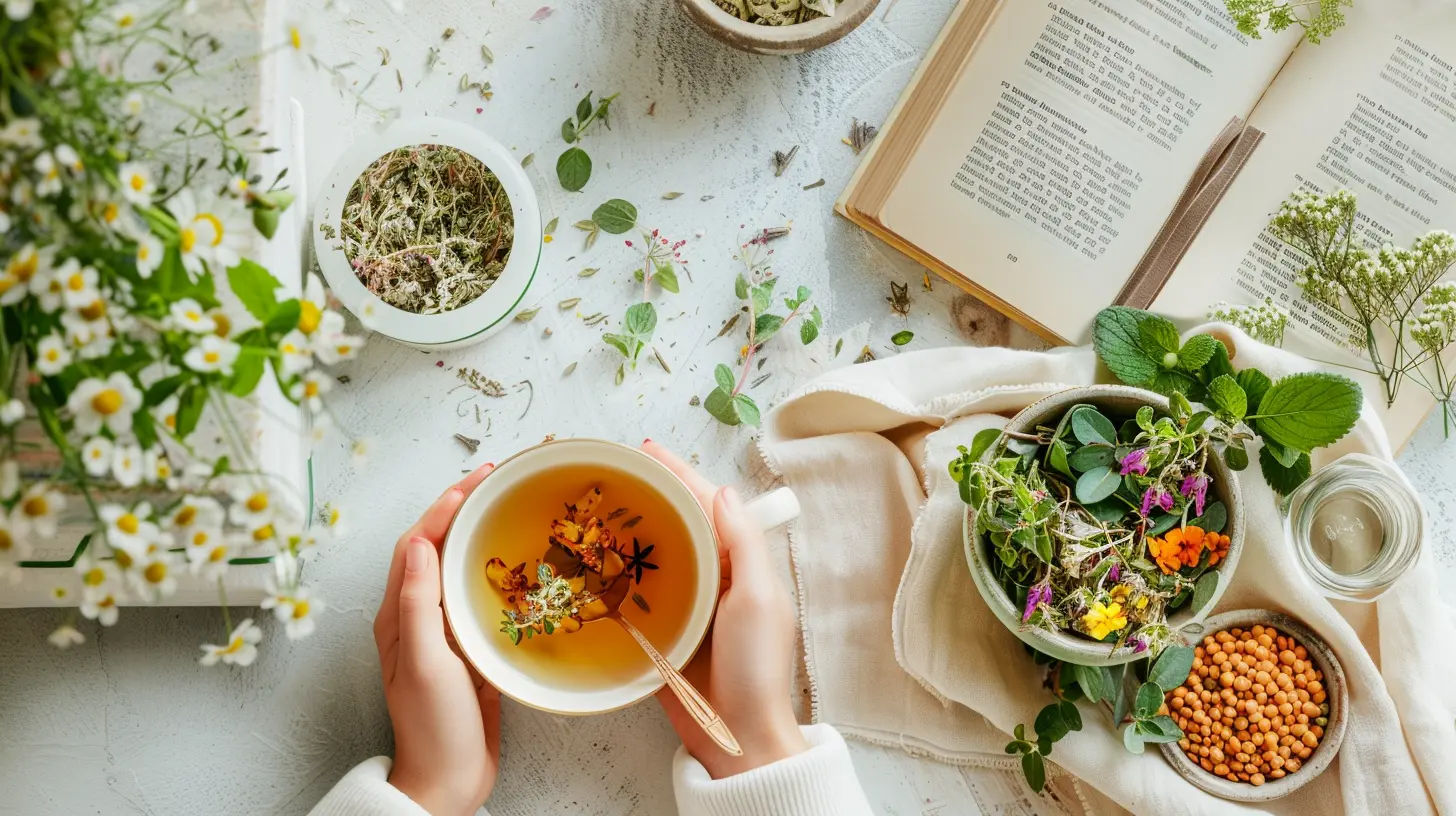
Cycle-Calm Lemon Balm and Oat Straw Tea
This gentle tea combines nervine and nutritive herbs traditionally used when mood feels sensitive, tense, or emotionally stretched.
Ingredients with exact measurements
- 1 tablespoon dried oat straw
- 1 teaspoon dried lemon balm
- 1 teaspoon dried chamomile flowers
- 1/2 teaspoon dried passionflower
- 12 ounces hot water
- Optional: 1 teaspoon honey
Step-by-step preparation instructions
- Add oat straw, lemon balm, chamomile, and passionflower to a teapot.
- Pour 12 ounces hot water over the herbs.
- Cover the pot.
- Steep for 15 to 20 minutes.
- Strain well.
- Add honey after the tea cools slightly, if desired.
How to use
Sip 1 cup in the evening or during emotionally sensitive days. Start with a small amount if you feel sensitive to herbs. Avoid passionflower with sedatives, alcohol, or medications unless a clinician approves.
Food for support Hormonal Mood Changes
Magnesium-Rich Lentil and Greens Bowl
This simple meal offers protein, fiber, leafy greens, seeds, and steady carbohydrates. It suits hormonal mood days when the nervous system wants nourishment, not just heroic self-control.
Ingredients with exact measurements
- 1 cup cooked lentils
- 1 cup cooked brown rice or quinoa
- 1 cup chopped spinach or kale
- 1 tablespoon pumpkin seeds
- 1 tablespoon olive oil
- 1 teaspoon lemon juice
- 1/4 teaspoon sea salt
- 1/4 teaspoon ground cumin
- Optional: 1 tablespoon chopped parsley
Step-by-step preparation instructions
- Warm lentils and rice or quinoa in a pan over low heat.
- Add chopped greens.
- Cook for 2 to 3 minutes until the greens soften.
- Stir in olive oil, lemon juice, salt, and cumin.
- Spoon into a bowl.
- Top with pumpkin seeds and parsley.
How to use
Eat as a steady lunch or dinner during the week before menstruation, stressful days, or low-energy hormonal transitions. Pair it with hydration, sleep routines, and reduced caffeine if caffeine worsens mood swings.
What Herbs You Need
For hormonal mood changes, traditional herbalism often uses chasteberry, lemon balm, oat straw, nettle, passionflower, skullcap, ashwagandha, red clover, motherwort, and chamomile. These herbs have different roles, and hormonal symptoms deserve extra care when they feel severe, sudden, or disruptive.
Chasteberry
Latin name: Vitex agnus-castus
Key herbal actions:
Cycle-supporting herb: traditionally used when mood changes follow a menstrual rhythm.
Endocrine-modulating herb: traditionally used for reproductive hormone patterns.
Bitter-aromatic: supports digestive and hormonal routines through taste and plant compounds.
Key active compounds: iridoid glycosides, flavonoids, diterpenes, essential oils.
Lemon Balm
Latin name: Melissa officinalis
Key herbal actions:
Nervine: supports calm when stress affects mood.
Carminative: helps ease digestive tension linked with stress.
Aromatic: offers fragrant volatile oils that support comfort.
Key active compounds: rosmarinic acid, citral, citronellal, flavonoids.
Oat Straw
Latin name: Avena sativa
Key herbal actions:
Nutritive nervine: supports the nervous system through gentle nourishment.
Tonic: traditionally used during tired, depleted states.
Mineral support: provides plant-based minerals in infusion form.
Key active compounds: avenanthramides, flavonoids, minerals, saponins.
Nettle
Latin name: Urtica dioica
Key herbal actions:
Nutritive: provides minerals and plant compounds for daily nourishment.
Tonic: traditionally used for steady rebuilding.
Alterative: traditionally used in long-term wellness routines.
Key active compounds: minerals, chlorophyll, flavonoids, carotenoids, phenolic acids.
Passionflower
Latin name: Passiflora incarnata
Key herbal actions:
Nervine: traditionally used for tension and restlessness.
Mild sedative: supports evening calm and sleep routines.
Antispasmodic: helps ease tension patterns.
Key active compounds: flavonoids, vitexin, isovitexin, harman alkaloids.
Skullcap
Latin name: Scutellaria lateriflora
Key herbal actions:
Nervine tonic: traditionally used for an overworked nervous system.
Relaxant: supports tension release.
Restorative herb: often used when stress feels wired and depleted.
Key active compounds: flavonoids, baicalin, scutellarin, wogonin.
Ashwagandha
Latin name: Withania somnifera
Key herbal actions:
Adaptogen: supports stress resilience.
Nervine tonic: traditionally used during worn-down states.
Restorative herb: supports people who feel depleted by stress and poor sleep.
Key active compounds: withanolides, sitoindosides, alkaloids.
Red Clover
Latin name: Trifolium pratense
Key herbal actions:
Phytoestrogenic herb: contains plant compounds that weakly interact with estrogen pathways.
Alterative: traditionally used in skin and long-term wellness formulas.
Mineral-rich herb: provides gentle nutritive support.
Key active compounds: isoflavones, biochanin A, formononetin, flavonoids.
Motherwort
Latin name: Leonurus cardiaca
Key herbal actions:
Nervine: traditionally used for emotional tension and agitation.
Cardiac nervine: supports the emotional heart in traditional herbal language.
Bitter herb: supports digestive response through bitter taste.
Key active compounds: leonurine, iridoids, flavonoids, alkaloids.
Chamomile
Latin name: Matricaria recutita
Key herbal actions:
Nervine: supports calm during stress.
Carminative: eases gas and digestive tension.
Antispasmodic: supports relaxation of tightness and cramps.
Key active compounds: apigenin, alpha-bisabolol, chamazulene, flavonoids.
Key Herbal Products for Hormonal Mood Changes
Chasteberry Capsules or Tincture
Chasteberry products contain extracts or tinctures from Vitex agnus-castus berries. People commonly choose them when mood changes, breast tenderness, or irritability follow a monthly pattern. This herb needs consistency and caution, and it may not suit hormone-sensitive conditions or some medications. Someone might choose chasteberry when symptoms clearly track with the menstrual cycle.
Lemon Balm Tea
Lemon balm tea is a gentle, bright-tasting nervine tea. People commonly choose it when mood changes come with stress, tension, digestive fluttering, or restlessness. It tastes pleasant and suits evening routines, but it may feel too mild for intense symptoms. Someone might choose lemon balm when they want daily emotional steadiness support.
Oat Straw Infusion
Oat straw infusion uses a larger amount of dried oat straw steeped longer than a standard tea. People commonly choose it for depleted, frayed, or worn-down nervous system patterns. It tastes grassy and mild, but it requires more steeping time. Someone might choose oat straw when they want nourishing support rather than a strong sedative.
Passionflower Tincture
Passionflower tincture offers a concentrated nervine preparation. People commonly choose it for occasional tension, restlessness, and sleep-related mood sensitivity. It may cause drowsiness and can interact with sedatives or alcohol. Someone might choose it when evening nervous tension feels stronger than daytime mood changes.
Ashwagandha Capsules or Powder
Ashwagandha products come as capsules, powders, tinctures, and blends. People often choose them when stress, fatigue, and poor sleep overlap with hormonal transitions. This herb does not suit everyone, especially during pregnancy, thyroid concerns, autoimmune conditions, or certain medications. Someone might choose ashwagandha when stress resilience and depletion feel central.
FAQ
Are hormonal mood changes normal?
Many people notice mood shifts around menstrual cycles, perimenopause, postpartum changes, or sleep disruption. Mild changes can happen, but intense symptoms deserve support. Mood changes that disrupt work, relationships, safety, or daily life need professional care.
What is the difference between PMS and PMDD?
PMS can include mood and physical symptoms before menstruation. PMDD involves more severe mood symptoms that can seriously affect daily life. Anyone with severe depression, rage, hopelessness, panic, or suicidal thoughts should seek urgent help.
Can herbs balance hormones?
Herbs should not be described as directly “balancing hormones” in a guaranteed way. Traditional herbalism supports patterns such as stress, tension, sleep disruption, cycle rhythm, and depletion. Hormone-related symptoms may need medical testing and individualized care.
Is chasteberry safe for everyone?
No. Chasteberry may not suit pregnancy, hormone-sensitive conditions, fertility treatments, hormonal contraceptives, or dopamine-related medications. It also works slowly and may not fit every cycle pattern. Ask a qualified clinician before using it.
Can food help hormonal mood changes?
Food can support steadier blood sugar, energy, and nervous system resilience. Protein, fiber, minerals, and regular meals often help people feel less reactive. Skipping meals, excess caffeine, and alcohol may worsen mood sensitivity for some people.
Are fresh herbs better than dried herbs?
Fresh herbs can taste brighter, but dried herbs often work better for tea blends and storage. Dried oat straw, nettle, chamomile, and lemon balm make practical daily preparations. Choose good-quality herbs that smell fresh and look vibrant.
Can pets use these remedies?
Do not give hormonal or mood-related herbs to pets without veterinary guidance. Herbs like essential oils, concentrated tinctures, and adaptogens may harm animals. Mood or behavior changes in pets need a veterinarian.
References
ACOG: Premenstrual Dysphoric Disorder
NCCIH: Chasteberry Usefulness and Safety
NCCIH: Menopausal Symptoms and Complementary Health Approaches
NCCIH: Black Cohosh Usefulness and Safety
NIH/PMC: Nutritional Diet Therapy and Premenstrual Syndrome
NIH/PMC: Magnesium and Vitamin B6 Effects on Premenstrual Syndrome
NIH/PMC: Nutritional Interventions and Psychological Symptoms of PMS
User-provided article prompt
Disclaimer
This article is for educational purposes only and does not provide medical advice, diagnosis, or treatment. Hormonal mood changes can overlap with PMS, PMDD, perimenopause, postpartum mood disorders, thyroid issues, medication effects, trauma, depression, anxiety, and other concerns. Seek urgent help for suicidal thoughts, thoughts of self-harm, thoughts of harming others, severe depression, mania, panic, or symptoms that feel unsafe. Talk with a qualified healthcare professional before using herbs if you take medication, use hormonal birth control, have a hormone-sensitive condition, are pregnant, are breastfeeding, are trying to conceive, or are preparing remedies for a child.