
A runny nose is when the nose produces extra fluid or mucus, often making tissues, sleeves, and dignity work overtime. It commonly appears with colds, allergies, cold air, sinus irritation, spicy foods, strong smells, or dry indoor environments.
Learn more about Runny Nose
A runny nose happens when the tissues inside the nose become irritated, inflamed, or stimulated and begin producing more mucus or watery fluid. During a common cold, the nose may first make clear mucus as the body responds to a virus; after a few days, mucus may become white, yellow, or green, which can be normal and does not automatically mean antibiotics are needed. Cold symptoms often peak within 2 to 3 days, though runny or stuffy nose and cough can last up to 10 to 14 days while gradually improving.
There are a few common types of runny nose in everyday language. A cold-related runny nose usually comes with sneezing, sore throat, mild tiredness, cough, or congestion. Allergy-related runny nose often comes with sneezing, itchy eyes, clear drainage, and seasonal or environmental triggers. Irritant-related runny nose may happen around smoke, fragrance, pollution, cleaning products, or cold air. Nonallergic rhinitis can cause a drippy or stuffy nose even without an allergy trigger.
Common triggers include cold viruses, pollen, dust, pet dander, mold, dry air, cold weather, strong odors, smoke, spicy foods, hormonal changes, and overuse of some nasal sprays. A runny nose may show up as constant dripping, postnasal drip, sneezing, throat clearing, watery mucus, or that charming moment when your nose starts running at exactly the wrong time.
Traditional herbalism often understands runny nose through patterns such as cold and damp, hot and irritated, watery and allergic, dry and reactive, or mucus-heavy and stagnant. A cold, watery pattern may call for warming aromatics. A hot, irritated pattern may call for cooling, soothing herbs. A dry, reactive pattern may call for moistening herbs and gentle hydration. A mucus-heavy pattern may call for aromatic herbs that encourage movement.
Herbs are traditionally selected based on what the runny nose feels like, not only the symptom name. If the nose is watery and the person feels chilled, warming herbs may be chosen. If the nose is irritated and the throat feels dry, soothing demulcents may be preferred. If sneezing and seasonal sensitivity are part of the picture, gentle nutritive and aromatic herbs may be used as part of a broader wellness routine.
How Herbs Can Help Runny Nose
How Herbalism Traditionally Approaches This Issue
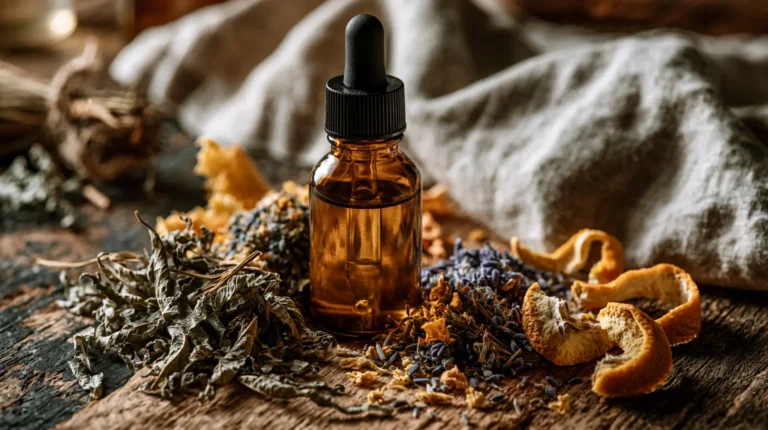
Herbalism often sees runny nose as a pattern of irritated nasal tissues, excess watery mucus, dryness, seasonal sensitivity, or cold-damp congestion beginning to move. The main herbal actions used include aromatics, which bring a sense of movement and openness; astringents, which gently tone weepy tissues; demulcents, which soothe dryness and irritation; and diaphoretics, which traditionally support the body’s surface response during seasonal discomfort. Herbalists choose between these actions based on whether the runny nose feels cold, watery, hot, irritated, dry, allergic, or mucus-heavy. These herbs are traditionally used to support : elderflower, peppermint, ginger, lemon, nettle, spearmint, rosehip, hibiscus, cinnamon, marshmallow root, plantain leaf, yarrow, chamomile, lavender, thyme, sage, rosemary, garlic, black pepper, and calendula.
“A runny nose is your body’s least subtle way of saying, ‘Something is irritating me.’ A warm cup of tea, gentle steam, and a little patience can help make the drip drama feel less like a full-time job.”
Recipes & Remedies Runny Nose
Herbal Preparations
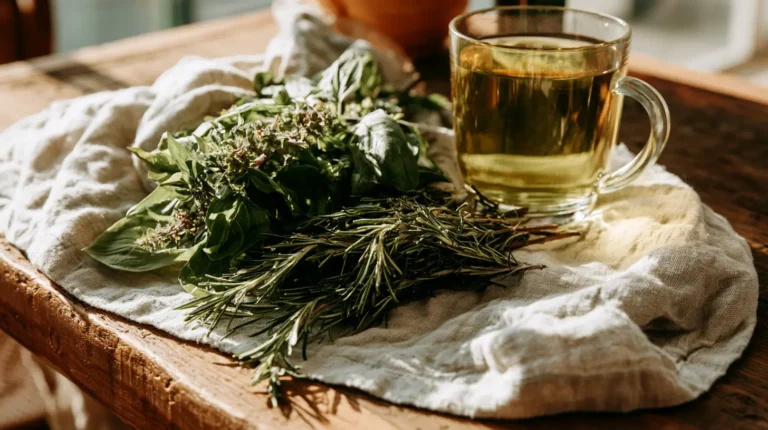
Elderflower, Peppermint & Ginger Runny Nose Tea
Short description
This warm, aromatic tea combines elderflower, peppermint, and ginger for a traditional cold-season preparation when the nose is drippy, stuffy, or both. It is light, fragrant, and easy to sip when your nose has decided to become a tiny waterfall.
Ingredients with exact measurements
1 tablespoon dried elderflower
1 teaspoon dried peppermint
1 teaspoon fresh grated ginger or 1/2 teaspoon dried ginger
1 cup hot water
1 teaspoon honey, optional
1 teaspoon lemon juice, optional
Step-by-step preparation instructions
Place elderflower, peppermint, and ginger in a mug.
Pour hot water over the herbs.
Cover and steep for 10 to 12 minutes.
Strain well.
Add honey and lemon juice if desired.
Sip warm.
How to use
Drink warm as a comfort tea during cold-season runny nose or mild seasonal stuffiness. Use caution with ginger if you have reflux, take blood-thinning medication, or are preparing this for young children. Do not give honey to children under 1 year old.
Food for support Runny Nose
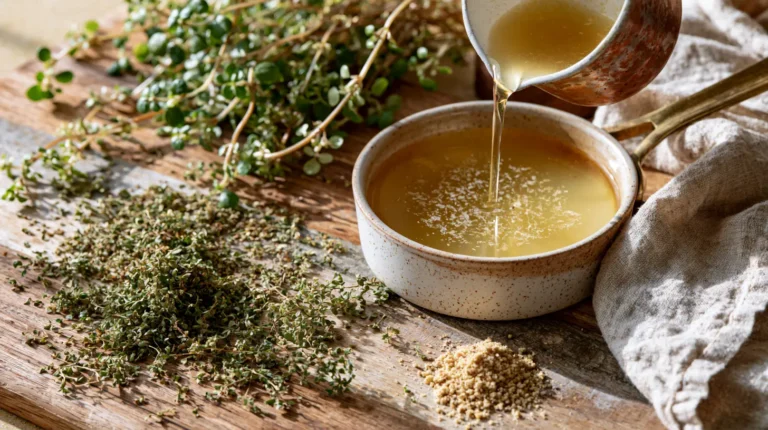
Ginger Garlic Lemon Broth
This warm broth is simple, aromatic, and easy to sip when a runny nose comes with cold-season heaviness or low appetite. It uses familiar kitchen ingredients that have long been part of traditional comfort foods.
Ingredients with exact measurements
4 cups low-sodium vegetable broth or chicken broth
2 garlic cloves, minced
1 tablespoon fresh ginger, grated
1 teaspoon dried thyme
1 small carrot, thinly sliced
1 celery stalk, thinly sliced
1 tablespoon fresh lemon juice
1 teaspoon olive oil
1 pinch black pepper
1/4 teaspoon sea salt, or to taste
1 tablespoon chopped parsley, optional
Step-by-step preparation instructions
Warm olive oil in a soup pot over low to medium heat.
Add garlic and ginger, stirring for about 1 minute until fragrant.
Add carrot and celery. Stir for 2 to 3 minutes.
Pour in broth.
Add thyme, black pepper, and sea salt.
Bring to a gentle simmer.
Simmer for 15 to 20 minutes, until the vegetables are soft.
Turn off the heat and stir in lemon juice.
Add parsley before serving if desired.
How to use
Sip warm as a light meal when runny nose comes with cold-season discomfort, a scratchy throat, or low appetite. Store leftovers in a sealed container in the refrigerator for 3 to 4 days. Reheat gently before serving.
What Herbs You Need
For runny nose support, the main herbs and ingredients used in these recipes are elderflower, peppermint, ginger, lemon, garlic, thyme, black pepper, and parsley.
Elderflower
Latin name: Sambucus nigra
Key herbal actions:
Diaphoretic: traditionally used to support the body’s natural surface response during seasonal discomfort.
Cooling aromatic: gently fragrant and often used in cold-season teas.
Mild astringent: traditionally used to tone tissues that feel overly watery or weepy.
Key active compounds:
Flavonoids, rutin, quercetin derivatives, phenolic acids.
Peppermint
Latin name: Mentha x piperita
Key herbal actions:
Aromatic: contains fragrant volatile oils that create a fresh, open sensation.
Cooling: traditionally used when the head feels hot, heavy, or stuffy.
Carminative: supports digestion and helps reduce occasional gas.
Key active compounds:
Menthol, menthone, rosmarinic acid, flavonoids.
Ginger
Latin name: Zingiber officinale
Key herbal actions:
Warming aromatic: traditionally used when the body feels cold, damp, or sluggish.
Diaphoretic: supports a healthy surface response in traditional herbalism.
Carminative: supports digestive comfort and reduces occasional gas.
Key active compounds:
Gingerols, shogaols, zingiberene.
Lemon
Latin name: Citrus limon
Key herbal actions:
Aromatic: brightens teas and broths with a fresh citrus scent.
Digestive-supportive: supports appetite and freshness in food traditions.
Vitamin C-containing food: contributes vitamin C as part of a balanced diet.
Key active compounds:
Citric acid, limonene, flavonoids, vitamin C.
Garlic
Latin name: Allium sativum
Key herbal actions:
Warming aromatic: traditionally used in cold-season foods for warmth and intensity.
Digestive-supportive: supports warmth and digestion in food traditions.
Seasonal wellness food: commonly used in traditional kitchen remedies.
Key active compounds:
Alliin, allicin, sulfur compounds.
Thyme
Latin name: Thymus vulgaris
Key herbal actions:
Expectorant: traditionally used to support the body’s natural mucus-moving process.
Aromatic: brings warmth, fragrance, and movement to respiratory formulas.
Antimicrobial aromatic: valued in traditional herbalism for its strong volatile oils.
Key active compounds:
Thymol, carvacrol, rosmarinic acid, flavonoids.
Black Pepper
Latin name: Piper nigrum
Key herbal actions:
Warming stimulant: traditionally used in small amounts to bring warmth and movement.
Carminative: supports digestion and reduces heaviness after meals.
Circulatory stimulant: traditionally used to encourage warmth.
Key active compounds:
Piperine, volatile oils, alkaloids.
Parsley
Latin name: Petroselinum crispum
Key herbal actions:
Nutritive: provides minerals and plant compounds in food form.
Aromatic: adds freshness and brightness to broth.
Digestive-supportive: traditionally used as a light culinary digestive herb.
Key active compounds:
Apigenin, myristicin, vitamin C, vitamin K.
Key Herbal Products for Runny Nose
Elderflower Tea
Elderflower tea is a light floral infusion traditionally used in cold-season blends. It is commonly paired with peppermint, yarrow, ginger, or lemon.
Pros: Pleasant flavor, gentle aroma, easy to blend.
Cons: Mild on its own and may not feel strong enough for heavy congestion.
Best choice when: A runny nose feels connected to early cold-season discomfort, head heaviness, or mild warmth.
Peppermint Tea
Peppermint tea is a cooling aromatic tea made from dried peppermint leaves. It is commonly used when runny nose comes with stuffiness, head heaviness, or digestive discomfort.
Pros: Easy to find, caffeine-free, refreshing flavor.
Cons: May aggravate reflux in some people and may feel too cooling when someone already feels chilled.
Best choice when: Runny nose feels hot, stuffy, or paired with a heavy head.
Ginger Tea
Ginger tea is a warming preparation made from fresh or dried ginger root. It is traditionally used when runny nose feels cold, watery, or damp.
Pros: Simple kitchen remedy, warming, inexpensive, and easy to combine with lemon and honey.
Cons: Can feel too hot for people with reflux, heartburn, or already irritated throats.
Best choice when: The runny nose is watery and the body feels chilled or sluggish.
Nettle Tea or Capsules
Nettle is a mineral-rich herb often used in seasonal wellness routines, especially when sneezing and seasonal sensitivity are part of the picture. It is commonly sold as tea, capsules, tincture, or freeze-dried preparations.
Pros: Nutritive, widely available, and useful as part of a seasonal routine.
Cons: May not be appropriate for people with kidney disease, certain medications, or potassium restrictions without professional guidance.
Best choice when: Runny nose seems tied to seasonal changes or environmental exposure.
Saline Nasal Spray or Rinse
Saline nasal spray or rinse is not an herbal product, but it is one of the most common natural-style options for a runny or stuffy nose. It uses salt water to moisten or rinse the nasal passages.
Pros: Drug-free, widely available, and useful for dryness, cold symptoms, or allergy-related nasal irritation.
Cons: Nasal rinses must be prepared safely with distilled, sterile, or boiled-and-cooled water; tap water should not be used for rinsing.
Best choice when: Someone wants a non-herbal, practical option for nasal comfort and mucus clearing. NCCIH notes that saline nasal irrigation may help relieve some common cold or seasonal allergy symptoms, though the evidence is limited.
FAQ
Is a runny nose always a cold?
No. A runny nose can come from a cold, allergies, dry or cold air, smoke, fragrance, spicy foods, sinus irritation, hormonal changes, or nonallergic rhinitis. The pattern matters: itchy eyes and sneezing may suggest allergies, while sore throat and cough may point more toward a cold.
Is green or yellow mucus always a sign of infection?
Not always. CDC notes that mucus may turn white, yellow, or green after a few days during a cold, and this color change does not automatically mean antibiotics are needed. What matters more is the full symptom picture, how long it lasts, and whether symptoms are worsening.
Are herbal teas enough for a runny nose?
Herbal teas can be comforting, but they are not a guaranteed solution. They may support hydration, warmth, throat comfort, and a soothing routine. Rest, fluids, humidified air, avoiding triggers, and safe nasal care may also help.
Can I use steam for a runny nose?
Gentle steam may feel comforting for some adults, especially when runny nose comes with stuffiness. Avoid steam with small children, asthma triggered by steam, dizziness, sensitive skin, or anyone who feels worse with heat. Never put your face too close to hot water.
How should dried herbs be stored?
Store dried herbs in airtight containers away from heat, light, and moisture. Aromatic herbs such as peppermint, thyme, and elderflower are usually best within 6 to 12 months for flavor and fragrance. If the herb smells flat or dusty, it is probably past its best.
Are fresh herbs better than dried herbs?
Fresh herbs are bright and fragrant, while dried herbs are convenient and more concentrated. Either can be useful if the herb is good quality. For tea, dried herbs are often easier to measure and store.
When should I see a doctor for a runny nose?
Mayo Clinic recommends contacting a healthcare provider if runny nose symptoms last more than 10 days, come with high fever, include yellow or green discharge with facial pain or fever, include bloody discharge, or happen after a head injury. Seek medical care sooner if symptoms are severe, unusual, or worsening.
References
CDC: Preventing and Managing the Common Cold
Mayo Clinic: Runny Nose Causes
Mayo Clinic: Runny Nose — When to See a Doctor
Mayo Clinic: Nonallergic Rhinitis
NCCIH: The Common Cold and Complementary Health Approaches
NCCIH: Colds, Flu, and Complementary Health Approaches
NCCIH: Seasonal Allergies and Complementary Health Approaches
MedlinePlus: How to Treat the Common Cold at Home
Disclaimer
This article is for educational purposes only and is not medical advice, diagnosis, or treatment. A runny nose can have many causes, including colds, allergies, sinus irritation, environmental triggers, medication effects, nonallergic rhinitis, or other medical conditions. Herbs, foods, teas, steams, and home preparations should not replace care from a qualified healthcare professional. Seek medical guidance if symptoms are severe, persistent, recurring, associated with high fever, facial pain, bloody discharge, breathing trouble, symptoms that worsen after improving, or if a runny nose begins after a head injury.