Hormonal imbalance is a broad phrase people often use when mood, energy, sleep, skin, menstrual rhythm, digestion, weight changes, or temperature regulation feel “off.” Hormones are chemical messengers, so when their rhythm shifts, the whole body may feel like the group chat got confusing.
Learn more about Hormonal Imbalance
Hormonal imbalance is not one single condition. It can involve many different hormone systems, including reproductive hormones, thyroid hormones, insulin, cortisol, melatonin, and others. Because hormones influence metabolism, mood, sleep, skin, appetite, menstrual cycles, fertility, temperature, and stress response, changes can show up in many different ways.
Common patterns people describe as hormonal imbalance may include irregular menstrual cycles, PMS-like discomfort, acne flares, breast tenderness, mood swings, low energy, sleep disruption, hot flashes, night sweats, sugar cravings, weight changes, hair changes, or feeling more sensitive to stress. These signs can have many causes, including puberty, pregnancy, postpartum changes, perimenopause, menopause, thyroid changes, polycystic ovary syndrome, stress, under-eating, over-exercising, poor sleep, medications, chronic illness, blood sugar issues, and normal life transitions.
One common pattern is stress-related hormonal disruption, where long-running stress affects sleep, appetite, energy, and cycle regularity. Another is cycle-related imbalance, where symptoms rise and fall with the menstrual cycle. A third is blood-sugar-related imbalance, where energy crashes, cravings, and irritability may show up between meals. A fourth is menopausal transition imbalance, where changing estrogen and progesterone patterns may affect temperature, sleep, mood, and skin.
Traditional herbalism tends to understand hormonal imbalance through patterns rather than one-size-fits-all labels. A depleted pattern may call for nourishing herbs, minerals, and nervous system support. A tense pattern may call for calming nervines and liver-supportive bitters. A cold, sluggish pattern may call for warming digestive herbs. A hot, restless pattern may call for cooling herbs and gentle relaxation support. A cycle-irregularity pattern may involve herbs traditionally used to support menstrual rhythm, but only after considering safety and possible medical causes.
Herbalists traditionally choose herbs based on the person’s pattern, timing, constitution, and life stage. Someone with stress-related sleep disruption may need different herbs than someone with hot flashes, irregular cycles, acne flares, or blood sugar swings. Hormone-related concerns are also an area where caution matters: herbs can interact with medications, fertility treatments, hormonal contraceptives, thyroid medications, diabetes medications, blood thinners, and hormone-sensitive conditions.
How Herbs Can Help Hormonal Imbalance
How Herbalism Traditionally Approaches This Issue
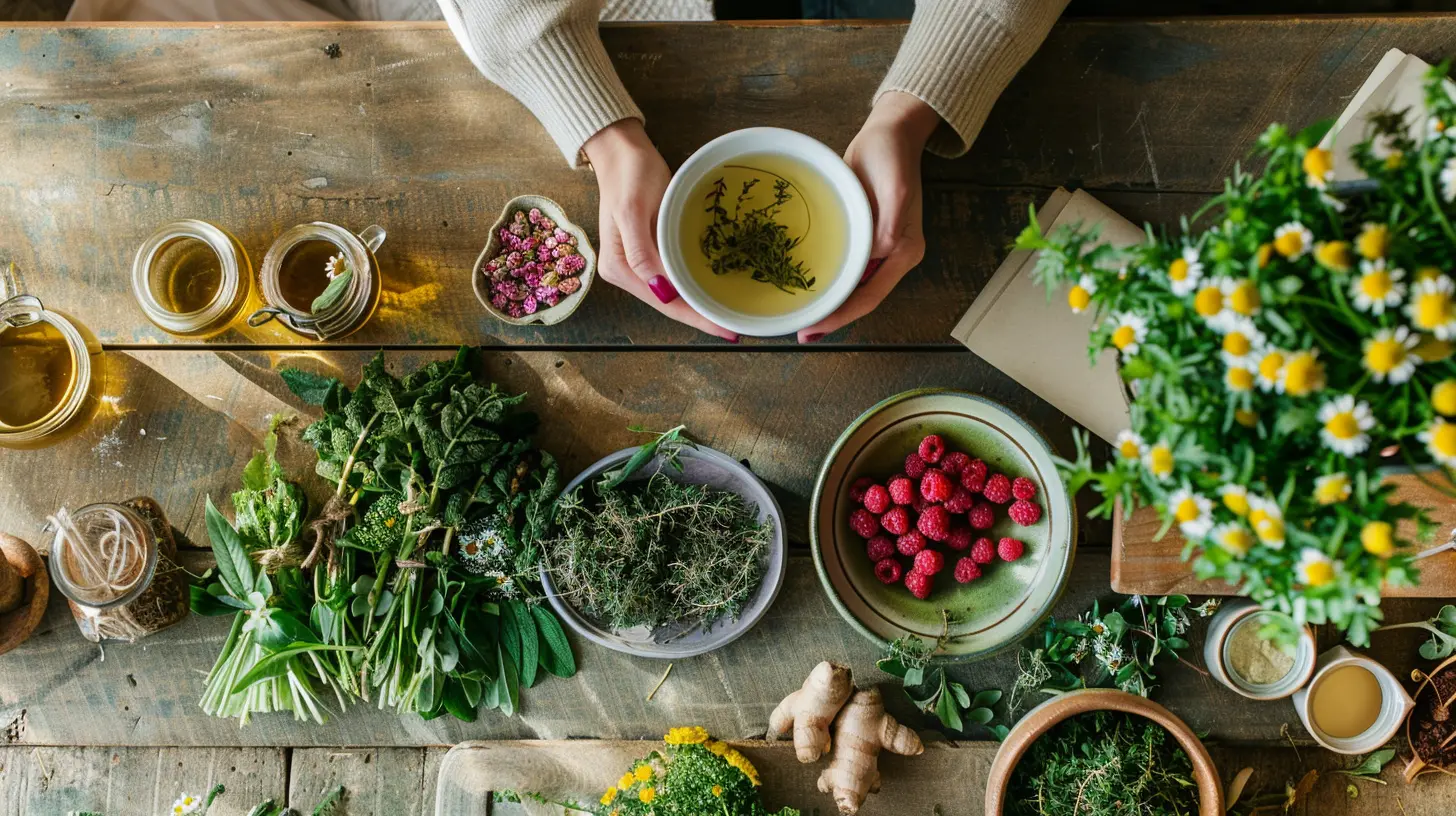
Herbalism typically sees hormonal imbalance as a pattern involving stress response, liver and digestive function, blood sugar rhythm, nervous system strain, menstrual-cycle changes, or life-stage transitions. Adaptogens are traditionally used for stress resilience, nervines for calming the nervous system, bitters for digestion and liver support, mineral-rich herbs for nourishment, and cycle-supportive herbs for reproductive rhythm. Herbalists choose between those actions by looking at whether the pattern feels stressed, depleted, hot, sluggish, irregular, or tied to a specific life stage; these are herbs traditionally used when hormonal imbalance happens: nettle, red raspberry leaf, lemon balm, spearmint, rose, holy basil, oat straw, dandelion root, burdock root, ginger, vitex, ashwagandha, cinnamon, cardamom, shatavari, sage, maca, cacao, turmeric, black pepper, parsley, red clover, black cohosh.
“Hormones like rhythm, not chaos; sometimes the most herbal thing you can do is eat breakfast, sleep like you mean it, and stop asking your nervous system to run a circus.”
Recipes & Remedies Hormonal Imbalance
Herbal Preparations
Cycle-Rhythm Nettle, Raspberry Leaf, and Lemon Balm Tea
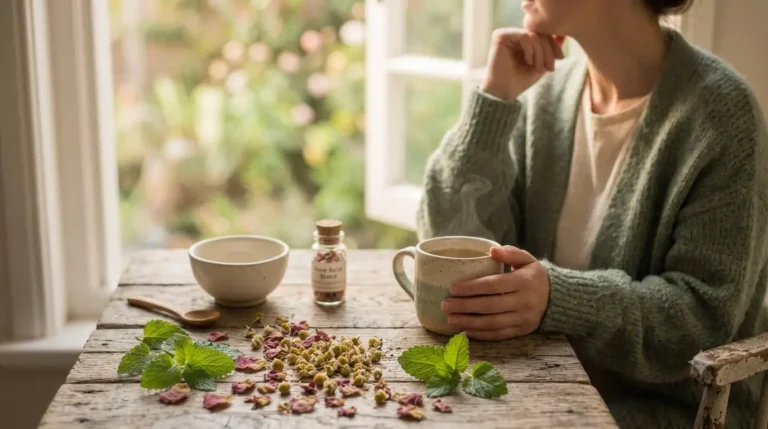
This gentle tea combines mineral-rich nettle, traditional red raspberry leaf, and calming lemon balm. It is designed as a general wellness tea for people who want a steady, nourishing, non-stimulating herbal routine around cycle and nervous system support.
Ingredients with exact measurementsIngredients with exact measurements
1 teaspoon dried nettle leaf
1 teaspoon dried red raspberry leaf
1 teaspoon dried lemon balm
1 cup hot water
1 teaspoon honey, optional
1 small squeeze of lemon juice, optional
Step-by-step preparation instructions
- Place nettle, red raspberry leaf, and lemon balm into a mug or teapot.
- Pour 1 cup hot water over the herbs.
- Cover and steep for 10 to 15 minutes.
- Strain well.
- Add honey and lemon juice if desired.
- Sip warm or let it cool and drink as an iced herbal tea.
How to use
Drink 1 cup as part of a daily or occasional wellness routine. Avoid using hormone-focused herbs as a substitute for medical evaluation if symptoms are persistent, severe, sudden, or unusual for you. Use caution during pregnancy, breastfeeding, fertility treatment, hormone therapy, thyroid medication use, blood thinner use, or chronic medical conditions.
Food for support Hormonal Imbalance
Blood-Sugar-Supportive Lentil and Greens Bowl
This practical meal combines lentils, leafy greens, olive oil, pumpkin seeds, turmeric, ginger, and lemon. It supports a steadier food rhythm, which matters because irregular meals and blood sugar swings can make hormonal symptoms feel louder than they need to be.
Ingredients with exact measurements
1 cup cooked lentils
1 cup chopped spinach or kale
1 tablespoon olive oil
1/2 teaspoon grated fresh ginger
1/4 teaspoon ground turmeric
1 small pinch black pepper
2 tablespoons pumpkin seeds
1/2 avocado, sliced
1 tablespoon lemon juice
1/4 teaspoon sea salt, or to taste
1 tablespoon chopped parsley
Step-by-step preparation instructions
- Warm olive oil in a skillet over medium heat.
- Add ginger and cook for 30 seconds.
- Add spinach or kale and cook for 2 to 3 minutes.
- Stir in cooked lentils, turmeric, black pepper, and sea salt.
- Warm for 3 to 4 minutes.
- Transfer to a bowl.
- Top with avocado, pumpkin seeds, parsley, and lemon juice.
How to use
Enjoy as a breakfast, lunch, or dinner when you want a steady, nourishing meal with protein, fiber, minerals, and healthy fats. Pair with regular meals, hydration, sleep support, and stress reduction. Food rhythm is not glamorous, but hormones tend to appreciate consistency.
What Herbs You Need
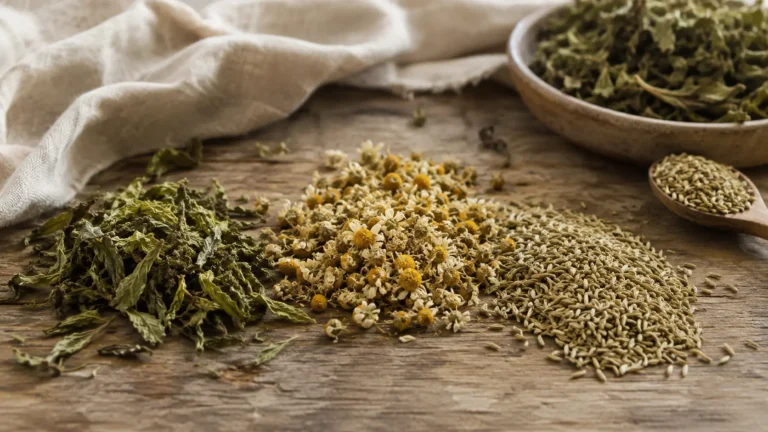
Herbs traditionally used to support hormonal imbalance include vitex, red raspberry leaf, nettle, oat straw, ashwagandha, holy basil, maca, dandelion root, burdock root, spearmint, shatavari, sage, black cohosh, licorice root, lemon balm, turmeric, ginger, and parsley. The recipes above use nettle, red raspberry leaf, lemon balm, ginger, turmeric, black pepper, and parsley as practical, beginner-friendly herbs for nourishment, digestion, stress support, and steady daily rhythm.
Nettle
Latin name: Urtica dioica
Key herbal actions:
Nutritive tonic: traditionally used as a mineral-rich daily herb.
Restorative herb: used when depletion, fatigue, or poor nourishment are part of the picture.
Alterative: traditionally used to support normal elimination and overall balance.
Key active compounds relevant to this issue: chlorophyll, flavonoids, phenolic acids, carotenoids, calcium, magnesium, potassium, and iron.
Red Raspberry Leaf
Latin name: Rubus idaeus
Key herbal actions:
Uterine tonic in traditional herbalism: traditionally used to support reproductive tissue tone.
Astringent: provides a toning quality due to tannins.
Nutritive herb: contains minerals and plant compounds used in daily tea traditions.
Key active compounds relevant to this issue: tannins, flavonoids, ellagic acid, fragarine-like compounds described in traditional literature, minerals, and polyphenols.
Lemon Balm
Latin name: Melissa officinalis
Key herbal actions:
Calming nervine: traditionally used when stress affects mood, sleep, digestion, or cycle comfort.
Carminative: supports digestion when tension affects the stomach.
Mild relaxant: used when the nervous system feels busy but tired.
Key active compounds relevant to this issue: rosmarinic acid, citral, citronellal, linalool, geraniol, flavonoids, and volatile oils.
Ginger
Latin name: Zingiber officinale
Key herbal actions:
Warming digestive: traditionally used to support digestion and comfort after meals.
Carminative: helps reduce gas and digestive tension.
Circulatory warming herb: traditionally used when the body feels cold or sluggish.
Key active compounds relevant to this issue: gingerols, shogaols, zingerone, paradols, and volatile oils.
Turmeric
Latin name: Curcuma longa
Key herbal actions:
Bitter aromatic: traditionally used to support digestion and liver-associated herbal formulas.
Antioxidant-rich spice: provides plant compounds studied for oxidative stress and inflammation-related pathways.
Warming digestive: supports food comfort and digestive rhythm in traditional use.
Key active compounds relevant to this issue: curcuminoids including curcumin, demethoxycurcumin, bisdemethoxycurcumin, turmerones, and volatile oils.
Black Pepper
Latin name: Piper nigrum
Key herbal actions:
Warming spice: traditionally used to encourage digestive warmth.
Carminative: supports digestive comfort in small culinary amounts.
Bioavailability-supporting spice: piperine is studied for its effect on the absorption of some compounds, including curcumin.
Key active compounds relevant to this issue: piperine, chavicine, volatile oils, and alkaloids.
Parsley
Latin name: Petroselinum crispum
Key herbal actions:
Nutritive culinary herb: traditionally used as a mineral-rich food herb.
Digestive aromatic: supports freshness and digestion in meals.
Mild diuretic in traditional use: historically used for fluid balance support, though concentrated use requires caution.
Key active compounds relevant to this issue: flavonoids such as apigenin, vitamin K, vitamin C-related compounds, carotenoids, volatile oils, and minerals.
Vitex
Latin name: Vitex agnus-castus
Key herbal actions:
Cycle-supportive herb: traditionally used for menstrual rhythm support.
Endocrine-modulating herb in modern research context: studied for its influence on prolactin-related pathways.
Bitter aromatic fruit: used as a small daily preparation rather than a large food herb.
Key active compounds relevant to this issue: iridoid glycosides such as agnuside and aucubin, flavonoids including casticin, diterpenes, and volatile oils.
Ashwagandha
Latin name: Withania somnifera
Key herbal actions:
Adaptogen: traditionally used to support stress resilience.
Nervine tonic: used when stress leaves the nervous system depleted.
Restorative tonic: used in Ayurveda for long-term vitality patterns.
Key active compounds relevant to this issue: withanolides, sitoindosides, alkaloids, flavonoids, and steroidal lactones.
Holy Basil
Latin name: Ocimum tenuiflorum or Ocimum sanctum
Key herbal actions:
Adaptogen: traditionally used for stress resilience and daily balance.
Nervine: supports calm and emotional steadiness in traditional use.
Aromatic digestive: supports digestion when stress and the belly are connected.
Key active compounds relevant to this issue: eugenol, ursolic acid, rosmarinic acid, apigenin, linalool, and volatile oils.
Dandelion Root
Latin name: Taraxacum officinale
Key herbal actions:
Digestive bitter: traditionally used to support digestive secretions.
Liver-supportive herb in traditional herbalism: used when digestion and elimination feel sluggish.
Prebiotic root: contains inulin, a fiber-like compound that supports gut microbiome nourishment.
Key active compounds relevant to this issue: inulin, sesquiterpene lactones, phenolic acids, flavonoids, potassium, and triterpenes.
Burdock Root
Latin name: Arctium lappa
Key herbal actions:
Alterative: traditionally used to support normal elimination and skin-related patterns.
Digestive tonic: used when sluggish digestion is part of the pattern.
Nutritive root: used as both food and herb in some traditions.
Key active compounds relevant to this issue: inulin, lignans including arctigenin, polyphenols, mucilage, and bitter compounds.
Spearmint
Latin name: Mentha spicata
Key herbal actions:
Aromatic digestive: traditionally used for digestion and refreshing tea.
Cooling herb: used when heat, irritability, or intensity are part of the pattern.
Hormone-related modern research context: studied in small clinical trials for androgen-related patterns.
Key active compounds relevant to this issue: carvone, limonene, rosmarinic acid, flavonoids, and volatile oils.
Sage
Latin name: Salvia officinalis
Key herbal actions:
Drying aromatic: traditionally used when excess sweating or heat patterns are part of the picture.
Nervine aromatic: supports clarity and calm in traditional use.
Digestive herb: used in meals and teas for digestive comfort.
Key active compounds relevant to this issue: rosmarinic acid, thujone, cineole, camphor, carnosic acid, and flavonoids.
Black Cohosh
Latin name: Actaea racemosa
Key herbal actions:
Menopause-supportive herb in traditional and modern herbal use: commonly used for hot flash-related support.
Relaxing herb in traditional use: used when tension and transition symptoms overlap.
Bitter root: used as a concentrated preparation rather than a casual tea herb.
Key active compounds relevant to this issue: triterpene glycosides, phenolic acids, fukinolic acid, cimicifugic acids, and flavonoids.
Licorice Root
Latin name: Glycyrrhiza glabra
Key herbal actions:
Adaptogen-like tonic in traditional use: used in formulas for depletion and stress patterns.
Demulcent: provides a moistening, soothing quality.
Formula harmonizer: traditionally used to soften and blend formulas.
Key active compounds relevant to this issue: glycyrrhizin, glabridin, liquiritin, flavonoids, saponins, and polysaccharides.
Key Herbal Products for Hormonal Imbalance
Vitex Capsules or Tincture
Vitex is commonly sold as capsules, tinctures, or liquid extracts made from the berry. It is often used in cycle-support products.
Pros: convenient, widely available, and usually taken in small measured amounts.
Cons: not appropriate for everyone and may interact with hormonal medications, fertility treatments, dopamine-related medications, or hormone-sensitive conditions.
Best choice when: someone wants a cycle-focused herb and has checked whether it fits their health context.
Spearmint Tea
Spearmint tea is a simple dried-leaf herbal tea with a naturally sweet, minty flavor. It is commonly used in daily tea routines and has been studied in small trials for androgen-related patterns.
Pros: pleasant taste, easy to prepare, caffeine-free, and beginner-friendly.
Cons: may worsen reflux in some people and should not be expected to produce dramatic results.
Best choice when: someone wants a gentle, food-like tea option for a cooling daily routine.
Red Raspberry Leaf Tea
Red raspberry leaf tea is made from dried raspberry leaves and is traditionally used as a reproductive tonic herb. It has a mild green, tannic flavor.
Pros: simple, mineral-containing, and easy to blend with nettle or lemon balm.
Cons: tannins can feel drying or astringent, and pregnancy use should be guided by a qualified professional.
Best choice when: someone wants a traditional tea for general reproductive wellness support.
Ashwagandha Capsules or Powder
Ashwagandha products are commonly sold as capsules, powders, tinctures, and standardized extracts. They are often used for stress-resilience support.
Pros: convenient and widely studied compared with many adaptogens.
Cons: not appropriate during pregnancy, breastfeeding, thyroid concerns, autoimmune conditions, liver concerns, sedative use, or some medications. Rare liver injury reports exist.
Best choice when: stress and depletion are central patterns and safety has been reviewed.
Black Cohosh Extract
Black cohosh is commonly sold as capsules, tablets, or extracts, especially in menopause-focused products. It is generally used as a concentrated preparation rather than as a casual kitchen tea.
Pros: widely available and commonly used for menopausal transition support.
Cons: safety concerns include possible liver-related issues and uncertainty for people with hormone-sensitive conditions.
Best choice when: someone is specifically looking for menopause-transition support and has discussed it with a healthcare professional.
FAQ
What does hormonal imbalance mean?
Hormonal imbalance is a broad phrase people use when hormone-related patterns feel out of rhythm. It may involve menstrual changes, mood, sleep, energy, skin, temperature, weight, appetite, or stress response. Because many conditions can cause these symptoms, persistent changes should be evaluated professionally.
Can herbs balance hormones naturally?
Herbs may support body systems involved in hormonal rhythm, such as stress response, digestion, sleep, liver function, blood sugar patterns, and nervous system tone. However, herbs do not “balance hormones” in a guaranteed or one-size-fits-all way. The safest approach is to match herbs to the pattern and check for medical causes.
Which herb is best for hormonal imbalance?
There is no single best herb because hormone patterns vary widely. Vitex, spearmint, red raspberry leaf, ashwagandha, black cohosh, sage, nettle, and lemon balm are used in different situations. The right herb depends on the person, the symptoms, medications, life stage, and safety concerns.
Are hormone-support herbs safe to use daily?
Some gentle herbs, such as lemon balm, nettle, and spearmint tea, are commonly used in daily routines by many adults. Stronger herbs, such as vitex, black cohosh, licorice, ashwagandha, and concentrated extracts, require more caution. Daily use should be discussed with a qualified professional if symptoms are significant or medications are involved.
What does red raspberry leaf tea taste like?
Red raspberry leaf tastes mild, green, earthy, and slightly tannic. It is not sweet like raspberry fruit. It blends well with nettle, lemon balm, rose, hibiscus, or peppermint.
Can I use fresh herbs instead of dried herbs?
Fresh herbs can be useful for lemon balm, spearmint, parsley, sage, and some culinary preparations. Dried herbs are more practical for roots, berries, and many medicinal teas. As a general kitchen rule, fresh leaves are less concentrated by volume than dried leaves.
Are these herbs safe for pets?
Do not give hormone-support herbs, tinctures, extracts, teas, powders, or supplements to pets unless guided by a veterinarian. Animals process herbs differently than humans, and herbs that affect the nervous system, digestion, or endocrine patterns may not be safe for dogs, cats, birds, or small animals. Keep all herbal products away from pets.
References
NCCIH: Menopausal Symptoms and Complementary Health Approaches
PubMed: Vitex agnus-castus for Premenstrual Syndrome
PubMed: Vitex agnus-castus Extracts for Female Reproductive Disorders
PubMed: Spearmint Herbal Tea and Androgen Levels in Women with Hirsutism
PubMed: Spearmint Tea in Polycystic Ovarian Syndrome
NIH Office of Dietary Supplements: Magnesium Fact Sheet
Disclaimer
This article is for educational purposes only and is not medical advice, diagnosis, or treatment. Hormonal imbalance can have many causes, including thyroid disorders, PCOS, pregnancy, postpartum changes, perimenopause, menopause, diabetes, adrenal disorders, medications, eating patterns, stress, tumors, and other medical conditions. Herbs and supplements may interact with prescription medications, hormonal contraceptives, fertility treatments, thyroid medications, diabetes medications, blood pressure medications, blood thinners, sedatives, liver conditions, pregnancy, breastfeeding, surgery, and hormone-sensitive conditions. Always speak with a qualified healthcare professional before using herbs for hormone-related concerns, especially if symptoms are new, severe, persistent, or affecting fertility, menstrual regularity, mood, weight, sleep, or daily function.