


This bright green culinary herb has been traditionally used to support digestion, urinary flow, fresh breath, and everyday mineral-rich nourishment. Herbalists use parsley leaf most often, though parsley root and seed also appear in traditional herbal practice. The leaf is gentle, food-like, and refreshing, while the seed and essential oil are much stronger and require more caution.
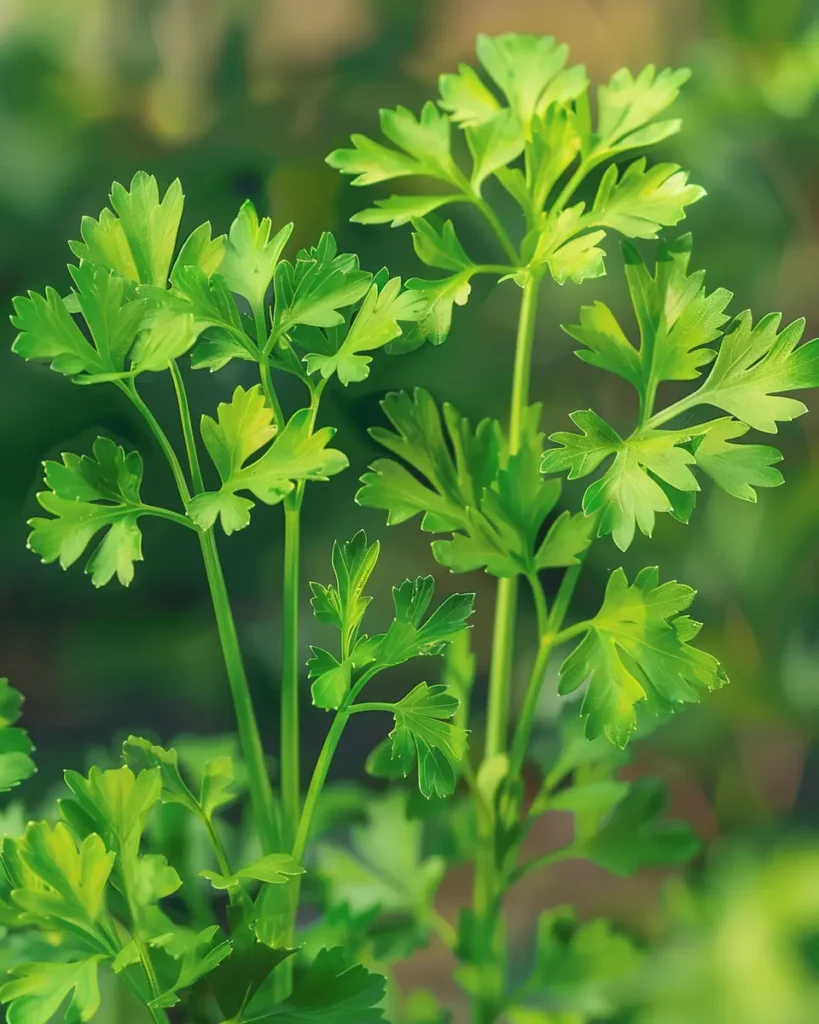
Parsley (Petroselinum crispum)
Traditional Uses of Parsley
Digestion: Parsley leaf is traditionally used as a carminative herb to support digestion, reduce food heaviness, and freshen the mouth after meals.
Urinary System: Parsley has a long folk history as a mild diuretic herb, meaning it has traditionally been used to support healthy urine flow.
Dental & Oral Freshness: Because of its fresh, green aroma, parsley is commonly used after meals to freshen breath.
Nutritional Support: Parsley is rich in vitamin K and also provides vitamin C, carotenoids, folate, minerals, and antioxidant flavonoids.
“Parsley is the humble green herb that quietly turns garnish into nourishment.”
Available Parsley Products
Fresh Parsley
Fresh parsley is the most common and practical form. It is used in salads, soups, sauces, tabbouleh, smoothies, pestos, and as a fresh finishing herb.
Dried Parsley
Dried parsley is convenient for soups, stews, broths, seasoning blends, and teas. Look for dried parsley that is still green and mildly aromatic, not faded, dusty, or brown.
Parsley Tincture
Parsley tincture is usually made from the leaf, root, or seed. Alcohol extracts aromatic compounds, flavonoids, and some stronger constituents more efficiently than water.
Parsley Capsules
Capsules may contain parsley leaf powder, parsley root, parsley seed, or standardized extracts. Always check the label carefully, because parsley seed products are much stronger than parsley leaf products.
Parsley Glycerite
Parsley glycerite is less common but may be used when someone wants an alcohol-free preparation. It is milder than tincture and best suited to leaf-based preparations rather than strong seed extracts.
Parsley Essential Oil
Parsley essential oil may be distilled from the seed, leaf, or herb, but it is very concentrated and not appropriate for casual home internal use. Parsley seed oil in particular may contain apiol and myristicin, compounds that require caution.
Parsley Powder
Parsley powder is made from dried leaf and may be used in capsules, green powders, soups, sauces, or savory blends. Because powdered herbs lose freshness faster, smaller amounts are usually best.
Parsley Root
Parsley root is used more commonly in Central and Eastern European cooking. It looks similar to a small pale carrot or parsnip and is used in soups, broths, stews, and traditional urinary-support preparations.
Parsley Juice
Parsley juice is sometimes used in green juices, usually in small amounts because the flavor is strong and the plant is rich in vitamin K. It is best viewed as a concentrated food preparation, not a casual all-day drink.
Key Herbal Actions
Parsley is known as a nutritive, carminative, mild diuretic, antioxidant, digestive aromatic, breath freshener, mild bitter, and urinary tonic.
Nutritive
Nutritive herbs provide meaningful nutrients in food-like amounts. Parsley leaf contains vitamin K, vitamin C, carotenoids, folate, and minerals, making it a useful everyday green.
Carminative
Carminative herbs support digestive comfort and help reduce occasional gas. Parsley’s fresh aromatic compounds explain its traditional use after meals.
Mild Diuretic
A diuretic herb supports the body’s natural urine flow. Parsley has a traditional reputation in this category, especially the leaf and root, though strong seed preparations are more potent and require caution.
Antioxidant
Parsley contains flavonoids, carotenoids, vitamin C, and phenolic compounds studied for antioxidant activity. These compounds help protect plant tissues and contribute to parsley’s wellness value as a food herb.
Digestive Aromatic
Digestive aromatics are herbs with scent and flavor that support appetite and digestive movement. Parsley is gentler than hot spices like black pepper or ginger but still useful in food-based digestive support.
Breath Freshener
Parsley’s chlorophyll-rich green leaves and fresh aroma make it a traditional after-meal breath freshener. It does not replace dental care, but it is a pleasant kitchen helper.
Mild Bitter
Parsley has a gentle green bitterness, especially in the stems and root. Mild bitters are traditionally used to support appetite and digestive secretions.
Urinary Tonic
In traditional herbal language, a urinary tonic is an herb used to support normal urinary function over time. Parsley leaf and root are gentler choices than parsley seed or essential oil.
Active Compounds and Extraction
Parsley contains flavonoids, apigenin, apiin, vitamin K, vitamin C, carotenoids, volatile oils, myristicin, apiol, phenolic acids, coumarins, chlorophyll, folate, potassium, and small amounts of minerals.
Flavonoids
Flavonoids are plant compounds studied for antioxidant activity. Parsley is especially known for apigenin and apiin, which contribute to its antioxidant and inflammation-modulating profile.
Best extraction: Fresh food use, hot infusion, tincture, vinegar, or glycerite.
Simple parsley tea: Use 1–2 teaspoons dried parsley leaf per cup of hot water. Cover and steep for 10 minutes, then strain.
Apigenin
Apigenin is a flavonoid found in parsley, chamomile, celery, and other plants. It has been studied for antioxidant and cell-signaling effects, though parsley should be understood as a supportive food herb rather than a concentrated treatment.
Best extraction: Fresh leaf, dried leaf infusion, tincture, or whole-food use.
Food method: Add chopped parsley generously to soups, salads, eggs, beans, grains, and roasted vegetables after cooking to preserve more flavor and vitamin C.
Vitamin K
Vitamin K is important for normal blood clotting and bone-related proteins. Parsley is naturally high in vitamin K, which is helpful nutritionally but important for people taking warfarin or other anticoagulant medications to manage consistently.
Best extraction: Fresh or dried leaf eaten as food.
Practical method: Use parsley regularly in moderate food amounts rather than switching suddenly between none and very large servings.
Vitamin C
Vitamin C is a water-soluble nutrient involved in collagen formation, antioxidant function, and normal immune support. Fresh parsley contains vitamin C, but heat and long storage can reduce it.
Best extraction: Fresh parsley, raw preparations, quick warm additions.
Simple method: Add fresh parsley at the end of cooking or use it raw in tabbouleh, chimichurri, green sauces, and salads.
Carotenoids
Parsley contains carotenoids such as lutein and beta-carotene. These plant pigments are associated with antioxidant activity and are best absorbed when eaten with a little dietary fat.
Best extraction: Fresh food use with oil or fat-containing meals.
Kitchen method: Combine parsley with olive oil, avocado, tahini, nuts, or seeds in sauces and salads.
Volatile Oils
Parsley contains aromatic volatile oils that contribute its fresh scent. Parsley seed essential oil is much stronger than parsley leaf and may contain apiol and myristicin.
Best extraction: Covered infusion, tincture, fresh food use, or professional distillation.
Covered infusion method: Steep dried parsley leaf in hot water for 10 minutes with a lid on the cup. Covering helps keep aromatic compounds in the tea.
Apiol and Myristicin
Apiol and myristicin are aromatic compounds found more strongly in parsley seed and essential oil than in typical leaf food use. These compounds are why parsley seed oil and strong seed extracts should be treated with caution.
Best extraction: Essential oil and alcohol tincture extract these more strongly.
Safety note: Avoid parsley seed essential oil and concentrated seed preparations during pregnancy, breastfeeding, kidney disease, and unsupervised internal use.
Chlorophyll
Chlorophyll gives parsley its deep green color. It contributes to parsley’s traditional reputation as a freshening food herb.
Best extraction: Fresh leaf, juice, powder, or raw food use.
Simple preparation: Blend parsley into green sauces or smoothies in small amounts, balancing its strong flavor with lemon, cucumber, mint, or apple.
Harvesting and Storing Right
Parsley is a biennial herb. In the first year, it focuses on leaves and roots; in the second year, it sends up flower stalks and seeds. Leaves are best harvested before flowering, when they are tender and flavorful.
Harvest in the morning after dew has dried. Cut outer stems near the base so the plant can keep growing from the center.
Fresh parsley: Store stems in a jar of water in the refrigerator or wrap lightly in a damp towel. Best used within 5–10 days.
Dried parsley: Store in an airtight jar away from light, heat, and moisture. Best quality is usually within 6–12 months.
Parsley powder: Store tightly sealed and use within 3–6 months for best color and flavor.
Parsley tincture: Store in dark glass in a cool place. Alcohol tinctures may keep for several years.
Parsley glycerite: Usually best within 1–2 years.
Parsley essential oil: Store tightly closed, away from heat and light, and use only with appropriate professional guidance.
Parsley root: Store like carrots or parsnips in the refrigerator. Use within a few weeks for best flavor.
Body Functions Parsley can Support
Parsley can support the digestion system, urinary system, dental oral health, immune system, skin, vision, circulation, liver support, bones and spine, and energy and vitality.
Digestion System
Parsley’s carminative and mild bitter qualities make it useful as a food-based digestive herb. It pairs especially well with beans, grains, meats, and rich dishes because it adds freshness and aromatic lift.
Urinary System
Parsley leaf and root have traditionally been used to support healthy urinary flow. Because parsley can act as a mild diuretic, people with kidney disease or those taking diuretic medications should use caution with concentrated preparations.
Dental Oral
Parsley is traditionally chewed after meals to freshen breath. Its green aroma and chlorophyll-rich leaves make it a simple food-based oral freshener, though it does not replace brushing, flossing, or dental care.
Immune System
Parsley provides vitamin C, carotenoids, flavonoids, and other antioxidant compounds. These nutrients support normal immune function as part of an overall varied diet.
Skin
Vitamin C contributes to normal collagen formation, while carotenoids and flavonoids add antioxidant support. Parsley is best used for skin health through food rather than strong topical experiments.
Vision
Parsley contains carotenoids such as lutein and beta-carotene. These compounds are associated with eye-health nutrition, especially when eaten regularly as part of a colorful diet.
Circulation
Parsley’s vitamin K content supports normal clotting biology, and its flavonoids contribute antioxidant activity. People on blood-thinning medications should keep parsley intake consistent and ask their clinician about large dietary changes.
Liver Support
Parsley’s gentle bitter and aromatic qualities connect it traditionally with digestive-liver function. This does not mean parsley “detoxes” the liver, but it can support appetite and digestive flow as a culinary herb.
Spine and Bones
Parsley is rich in vitamin K, which is involved in bone-related proteins. It should be viewed as one nutrient-rich green among many, not as a stand-alone bone remedy.
Energy and Vitality
Parsley adds minerals, green flavor, vitamin C, and freshness to meals. Sometimes the most useful herb is not exotic at all — it is the green thing you almost forgot to eat.
Safety and Practical Considerations
Parsley leaf in normal food amounts is generally safe for most people. Concentrated parsley supplements, parsley seed, parsley seed essential oil, and very large juice amounts require more caution.
Parsley is high in vitamin K, so people taking warfarin or other anticoagulant medications should keep intake consistent and speak with their healthcare professional before making large changes. Parsley may also have mild diuretic activity, so caution is wise with kidney disease, lithium, diuretic medications, or fluid-balance concerns.
Parsley seed and essential oil should be avoided during pregnancy and breastfeeding unless supervised by a qualified professional. Strong parsley preparations have traditionally been associated with uterine stimulation, and seed oil contains compounds such as apiol and myristicin that are not appropriate for casual use.
People with Apiaceae-family allergies, including sensitivity to celery, carrot, fennel, dill, or coriander, should use parsley cautiously. Children, older adults, pets, and sensitive individuals should avoid concentrated parsley products unless guided professionally.
Fresh parsley is commonly used in food, dried parsley is useful for tea and seasoning, and root is used as food in some traditions. The essential oil is not a kitchen herb — it belongs in the “handle with respect” category.
FAQ
What does parsley taste like?
Parsley tastes fresh, green, mildly bitter, and slightly peppery. Flat-leaf parsley usually has a stronger flavor, while curly parsley is often milder and more decorative.
When is the best time to use parsley?
Parsley is best used with meals or added at the end of cooking. It is especially useful when food needs freshness, brightness, or a little digestive support.
Is fresh or dried parsley better?
Fresh parsley is better for flavor, vitamin C, salads, sauces, and garnishes. Dried parsley is convenient for soups, broths, teas, and seasoning blends.
Is parsley tea, tincture, or capsule better?
For most people, fresh parsley as food is the best everyday form. Tea is gentle, while tinctures and capsules are more concentrated and require more caution, especially if made from seed or root.
Can parsley be used daily?
Parsley can be used daily in normal food amounts by many people. Large daily servings, juices, extracts, or supplements should be used carefully if you take medications or have kidney, pregnancy, or bleeding-related concerns.
How should parsley be stored?
Fresh parsley keeps well in the refrigerator with stems placed in water or wrapped in a damp towel. Dried parsley should be stored in an airtight jar away from light and heat.
Does parsley combine well with other herbs?
Yes. Parsley combines well with lemon, mint, cilantro, dill, garlic, basil, oregano, thyme, rosemary, fennel, and chives. It is especially good in green sauces and digestive food blends.
Is parsley safe for everyone?
No. People taking blood thinners, diuretics, lithium, or those with kidney disease, pregnancy, breastfeeding, or Apiaceae allergies should be cautious with concentrated parsley products.
Can parsley be used for pets?
Small food-like amounts may appear in some pet diets, but parsley supplements or essential oil should not be used casually for pets. Pet use should be guided by a veterinarian.
Can parsley essential oil be used internally?
No. Parsley essential oil is concentrated and may contain compounds such as apiol and myristicin. It should not be taken internally as a home remedy.
Disclaimer
This content is educational only. It is not medical advice, diagnosis, or treatment. Herbs may interact with medications or health conditions. People who are pregnant, breastfeeding, managing a medical condition, taking prescription medications, or preparing for surgery should consult a qualified healthcare professional before using herbs.
References
PubMed Central: Exploring the Therapeutic Efficacy of Parsley
PubMed Central: Petroselinum crispum Review of Traditional Uses, Phytochemistry, and Pharmacology
PubMed: Chemical Composition and Biological Activity of Parsley Essential Oil
PubMed: Petroselinum crispum Biological Activities and Phytochemical Profile
USDA FoodData Central: Parsley, Fresh
NIH Office of Dietary Supplements: Vitamin K