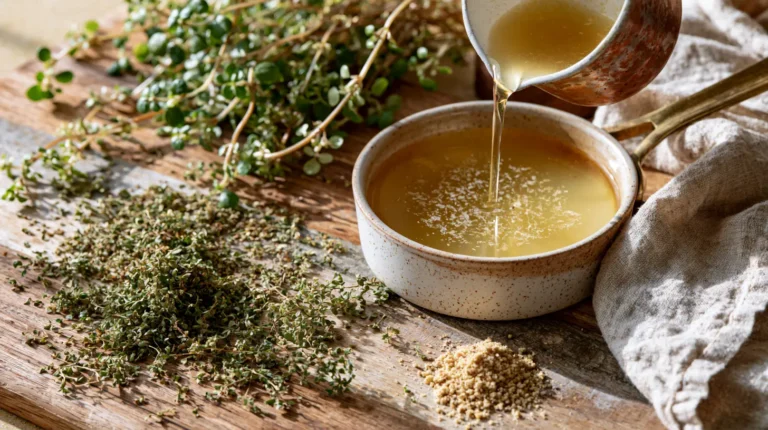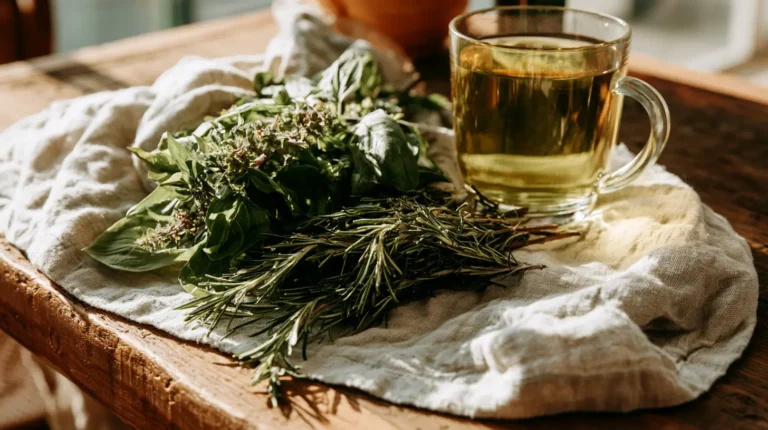

Chronic fatigue patterns describe ongoing tiredness, low stamina, slow recovery, or feeling drained in a way that does not improve easily with a normal night of sleep. It can feel like your body is running on a low battery, but the charger is missing, the outlet is questionable, and someone keeps opening more tabs.
Learn more about Chronic Fatigue Patterns
Chronic fatigue patterns can come from many different causes, so it is important not to treat fatigue as one simple thing. Ongoing fatigue may be connected with poor sleep, stress overload, anemia, thyroid imbalance, nutrient deficiencies, chronic infections, autoimmune conditions, medication side effects, depression, anxiety, blood sugar issues, long COVID, pain conditions, or myalgic encephalomyelitis/chronic fatigue syndrome, also called ME/CFS.
ME/CFS is a specific, serious, long-lasting illness, not ordinary tiredness. According to the CDC, ME/CFS can include profound fatigue that is not improved by rest, reduced ability to do previous activities for more than 6 months, unrefreshing sleep, post-exertional malaise, cognitive problems, dizziness, pain, and other symptoms. The CDC estimates that as many as 3.3 million people in the United States may have ME/CFS, and many remain undiagnosed.
For a general wellness article, “chronic fatigue patterns” can be understood more broadly than ME/CFS. Some people feel depleted after long stress, caregiving, poor sleep, or overwork. Others feel heavy, sluggish, and low after illness or seasonal changes. Some feel wired and exhausted at the same time, where the nervous system seems tired but unable to fully rest. Others crash after activity, which should be handled carefully and discussed with a healthcare professional.
The main types of fatigue patterns can be described in plain language. A “depleted and undernourished” pattern may include weakness, low appetite, pale skin, low motivation, or slow recovery. A “stress-burned” pattern may include tension, poor sleep, irritability, and feeling tired but unable to relax. A “heavy and sluggish” pattern may feel like brain fog, low movement, digestive heaviness, and needing effort for small tasks. A “post-exertional crash” pattern may involve worsening symptoms after physical, mental, or emotional effort, sometimes lasting days or longer.
Traditional herbalism often looks at fatigue through patterns of depletion, weak digestion, poor sleep, stress load, low vitality, and impaired recovery. Rather than asking, “Which herb gives energy?” herbalists usually ask, “Why is the person tired, and what kind of tired is it?” That question matters because stimulating a depleted person can feel like whipping a tired horse, which is not a wellness plan anyone should brag about.
Herbs are traditionally selected based on the pattern. Nutritive herbs such as nettle and oat straw may be chosen when someone feels depleted and mineral-hungry. Adaptogenic herbs such as ashwagandha, rhodiola, eleuthero, and astragalus are traditionally used to support resilience during stress, though they are not right for everyone. Digestive bitters and warming herbs such as ginger may be used when fatigue comes with sluggish digestion. Nervines such as lemon balm and skullcap may be chosen when stress and poor sleep are part of the picture.
Because chronic fatigue can have serious underlying causes, persistent or unexplained fatigue should be evaluated by a qualified healthcare professional. This is especially important if fatigue is new, severe, worsening, associated with weight loss, fever, night sweats, shortness of breath, chest pain, fainting, severe depression, neurological symptoms, or post-exertional crashes. Herbal support is best used as part of a careful, grounded plan, not as a way to ignore the dashboard lights.
How Herbs Can Help Chronic Fatigue Patterns
Herbalism often sees chronic fatigue patterns as a sign that the body’s reserves, sleep rhythm, digestion, stress response, or recovery capacity may be depleted or poorly regulated. Nutritive tonics, adaptogens, nervines, digestive bitters, warming circulatory herbs, and mineral-rich plants are traditionally used to support nourishment, resilience, rest, digestion, warmth, and steady daily energy. Herbalists choose between those actions by noticing whether fatigue feels depleted, stress-driven, sluggish, post-illness, sleep-related, digestion-related, or followed by crashes after activity. These are herbs traditionally used when chronic fatigue patterns happen: nettle, oat straw, rose hips, ashwagandha, cinnamon, nutmeg, ginger, lemon balm, fennel, astragalus, garlic, thyme, rhodiola, spearmint, tulsi, dandelion root, burdock root, eleuthero, cardamom, hibiscus, skullcap, passionflower, chamomile, maca, cacao, lavender, rose.
“Chronic fatigue is not laziness wearing pajamas; it is your body asking for investigation, steadiness, and fewer heroic attempts to function on fumes.”
Recipes & Remedies Chronic Fatigue Patterns
Herbal Preparations
Nourishing Nettle Oat Straw Mineral Infusion
This long-steeped herbal infusion combines nettle and oat straw, two mineral-rich herbs traditionally used as nutritive tonics during periods of depletion. It is simple, earthy, and steady, more like filling the pantry than flipping an energy switch.
Ingredients with exact measurements
2 tablespoons dried nettle leaf
2 tablespoons dried oat straw
1 teaspoon dried rose hips
1 quart hot water
Optional: 1 teaspoon honey or lemon juice per cup
Step-by-step preparation instructions
- Add nettle, oat straw, and rose hips to a quart-size glass jar or heat-safe container.
- Pour 1 quart of just-boiled water over the herbs.
- Cover tightly.
- Steep for 4 to 8 hours, or overnight.
- Strain well.
- Refrigerate the infusion after straining.
- Warm gently before drinking if desired, or enjoy cool.
How to use
Drink 1 cup daily as part of a nourishing routine. Start with a smaller amount if you are new to nettle or strong herbal infusions, and avoid using this as a substitute for medical evaluation of ongoing fatigue.
Food for support Chronic Fatigue Patterns
Lentil, Greens, and Sweet Potato Recovery Stew
This hearty stew combines lentils, leafy greens, sweet potato, garlic, ginger, and olive oil for a balanced meal with plant protein, fiber, minerals, and warm spices. It is designed for steady nourishment rather than a quick “energy hack,” because the body is not a vending machine.
Ingredients with exact measurements
1 tablespoon olive oil
1 medium yellow onion, diced
2 garlic cloves, minced
1 teaspoon fresh grated ginger
1 medium sweet potato, peeled and cubed
1 cup dried red or brown lentils, rinsed
5 cups low-sodium vegetable or chicken broth
2 cups chopped spinach or kale
1/2 teaspoon ground cumin
1/4 teaspoon turmeric powder
1/2 teaspoon sea salt, or to taste
1/4 teaspoon black pepper
1 tablespoon lemon juice
Optional: 2 tablespoons chopped parsley
Step-by-step preparation instructions
- Warm olive oil in a large soup pot over medium heat.
- Add onion and cook for 5 minutes, stirring occasionally.
- Add garlic and ginger and cook for 1 minute.
- Add sweet potato, lentils, broth, cumin, turmeric, salt, and black pepper.
- Bring to a gentle boil, then reduce heat and simmer for 20 to 25 minutes, until lentils and sweet potato are tender.
- Stir in spinach or kale and cook for 3 to 5 minutes.
- Add lemon juice and parsley if using.
- Serve warm.
How to use
Enjoy as a nourishing meal when fatigue feels linked with under-eating, stress, cold weather, or post-illness depletion. Pair it with rest, hydration, and gentle pacing rather than using food to push through exhaustion.
What Herbs You Need
The main herbs traditionally used for chronic fatigue patterns include nettle, oat straw, ashwagandha, rhodiola, eleuthero, astragalus, ginger, lemon balm, skullcap, rose hips, and licorice root. These herbs are traditionally chosen based on the fatigue pattern, such as depletion, stress overload, poor recovery, sluggish digestion, nervous exhaustion, post-illness weakness, or low resilience.
Nettle
Latin name: Urtica dioica
Key herbal actions: Nutritive tonic, meaning it provides minerals and plant nutrients; alterative, meaning it is traditionally used to support general resilience; mild diuretic, meaning it supports healthy fluid movement.
Key active compounds: Chlorophyll, minerals, flavonoids, phenolic acids, plant sterols, carotenoids, and silica.
Oat Straw
Latin name: Avena sativa
Key herbal actions: Nutritive nervine, meaning it gently supports the nervous system over time; mineral-rich tonic, meaning it contributes plant-based minerals; restorative herb, meaning it is traditionally used during depletion and stress strain.
Key active compounds: Avenanthramides, silica, minerals, flavonoids, saponins, and polysaccharides.
Ashwagandha
Latin name: Withania somnifera
Key herbal actions: Adaptogen, meaning it is traditionally used to support resilience during stress; nervine tonic, meaning it supports the nervous system over time; restorative herb, meaning it is used in traditions of weakness and depletion.
Key active compounds: Withanolides, alkaloids, sitoindosides, withaferin A, and steroidal lactones.
Rhodiola
Latin name: Rhodiola rosea
Key herbal actions: Adaptogen, meaning it is traditionally used to support stress resilience; stimulating tonic, meaning it may feel more activating than calming herbs; cognitive support herb, meaning it is traditionally used when fatigue comes with mental fog.
Key active compounds: Rosavins, salidroside, tyrosol, flavonoids, and phenolic compounds.
Eleuthero
Latin name: Eleutherococcus senticosus
Key herbal actions: Adaptogen, meaning it supports resilience during long stress; stamina tonic, meaning it is traditionally used for endurance and recovery; immune-supportive tonic, meaning it is used during periods of low resilience.
Key active compounds: Eleutherosides, polysaccharides, lignans, coumarins, and phenolic compounds.
Astragalus
Latin name: Astragalus membranaceus
Key herbal actions: Immune tonic, meaning it is traditionally used for long-term resilience; adaptogenic herb, meaning it supports the body during stress; nutritive tonic, meaning it is often used when someone feels depleted after long strain.
Key active compounds: Astragalosides, polysaccharides, saponins, flavonoids, and isoflavones.
Ginger
Latin name: Zingiber officinale
Key herbal actions: Warming circulatory herb, meaning it brings a sense of warmth and movement; carminative, meaning it supports digestion and eases gas; digestive stimulant, meaning it is traditionally used when appetite and digestion feel sluggish.
Key active compounds: Gingerols, shogaols, zingiberene, paradols, and volatile oils.
Lemon Balm
Latin name: Melissa officinalis
Key herbal actions: Nervine, meaning it supports a calmer nervous system; carminative, meaning it helps ease nervous digestion; mild uplifting herb, meaning it is traditionally used when stress and low mood affect daily rhythm.
Key active compounds: Rosmarinic acid, citral, citronellal, geranial, neral, flavonoids, and triterpenes.
Skullcap
Latin name: Scutellaria lateriflora
Key herbal actions: Nervine, meaning it supports nervous system calm; antispasmodic, meaning it is traditionally used for stress-held tension; restorative herb, meaning herbalists often choose it when someone feels wired, jumpy, or overextended.
Key active compounds: Baicalin, baicalein, scutellarin, wogonin, and flavonoids.
Rose Hips
Latin name: Rosa canina or Rosa spp.
Key herbal actions: Vitamin-rich nutritive, meaning it contributes naturally occurring vitamin C and polyphenols; antioxidant, meaning it supports protection from oxidative stress; astringent, meaning it gently tones tissues.
Key active compounds: Vitamin C, carotenoids, flavonoids, polyphenols, and galactolipids.
Licorice Root
Latin name: Glycyrrhiza glabra
Key herbal actions: Adaptogenic herb, meaning it is traditionally used for stress and depletion patterns; demulcent, meaning it soothes irritated tissues; harmonizing herb, meaning it is often used in small amounts in formulas.
Key active compounds: Glycyrrhizin, liquiritin, glabridin, flavonoids, saponins, and polysaccharides.
Key Herbal Products for Chronic Fatigue Patterns
Mineral-Rich Herbal Infusions
Mineral-rich infusions are strong teas made with herbs such as nettle, oat straw, red clover, or alfalfa and steeped for several hours. They are commonly used when fatigue feels connected with depletion, poor nourishment, or long-term stress. The pros are affordability, hydration, and food-like support; the cons are preparation time and earthy flavor. Someone might choose this form when they want gentle daily nourishment rather than stimulating energy.
Adaptogen Capsules
Adaptogen capsules may contain ashwagandha, rhodiola, eleuthero, astragalus, or blends of several herbs. They are commonly used for stress resilience, stamina, and recovery routines. The pros are convenience and measured dosing; the cons are that adaptogens are not all calming, not all appropriate for every person, and may interact with medications or health conditions. Someone might choose capsules when they want a simple form but should still choose the herb carefully.
Adaptogen Tinctures
Adaptogen tinctures are liquid extracts of herbs such as rhodiola, eleuthero, ashwagandha, or astragalus. They are commonly used when someone wants a flexible preparation that can be taken in small amounts. The pros are portability and easy adjustment; the cons are strong taste and alcohol content in many products. Someone might choose tinctures when they want something compact and do not mind the flavor.
Nervine Tea Blends
Nervine tea blends may include lemon balm, skullcap, oat straw, chamomile, or passionflower. They are commonly used when fatigue is tangled with stress, poor sleep, irritability, or feeling wired and tired. The pros are gentle support and a calming ritual; the cons are that tea may not be strong enough for every pattern and takes time to prepare. Someone might choose nervine tea when rest quality is part of the fatigue picture.
Herbal Broths and Food-Based Tonics
Herbal broths may include astragalus slices, ginger, garlic, nettle, mushrooms, and mineral-rich foods simmered into soups or stews. They are commonly used in traditional seasonal and post-illness recovery routines. The pros are nourishment, warmth, and easy integration into meals; the cons are slower preparation and the need to choose herbs that fit the person. Someone might choose broths when fatigue feels cold, depleted, or post-illness.
FAQ
Is chronic fatigue the same as ME/CFS?
No. Chronic fatigue is a symptom or pattern that can have many causes, while ME/CFS is a specific serious illness with defined criteria. ME/CFS often includes post-exertional malaise, unrefreshing sleep, reduced function for more than 6 months, and either cognitive problems or orthostatic intolerance. Anyone with ongoing or unexplained fatigue should seek proper evaluation.
When should I see a doctor for fatigue?
See a healthcare professional if fatigue is persistent, severe, worsening, unexplained, or interfering with daily life. Seek prompt care if fatigue comes with chest pain, shortness of breath, fainting, unexplained weight loss, fever, night sweats, neurological symptoms, severe depression, or symptoms that worsen after activity. Fatigue is common, but it is still worth taking seriously.
What herbs are commonly used for chronic fatigue patterns?
Nettle, oat straw, ashwagandha, rhodiola, eleuthero, astragalus, ginger, lemon balm, skullcap, rose hips, and licorice root are commonly used in traditional fatigue-support formulas. The best choice depends on the pattern. A depleted person may need nutritive herbs, while a stressed and wired person may need nervines more than stimulating adaptogens.
Are adaptogens safe for daily use?
Adaptogens are not automatically safe for everyone. Some may affect thyroid function, blood pressure, blood sugar, immune activity, sleep, or medication effects. People who are pregnant, breastfeeding, taking medications, managing autoimmune disease, thyroid disease, high blood pressure, diabetes, or mood conditions should speak with a qualified clinician first.
Can herbs give quick energy?
Some herbs may feel stimulating, but chasing quick energy can backfire if the body is depleted. Traditional herbalism usually focuses on rebuilding reserves, supporting sleep, improving digestion, and pacing activity. Think “steady fire” rather than “borrowed sparks.”
What does “wired and tired” mean?
“Wired and tired” describes feeling exhausted but unable to relax, often with poor sleep, tension, racing thoughts, or stress reactivity. Herbalists may look toward nervines such as lemon balm, skullcap, oat straw, or chamomile in this pattern. Stimulants may make this pattern worse for some people.
Are fatigue-support herbs safe around pets?
Use caution with herbs, tinctures, and essential oils around pets. Do not give adaptogens, essential oils, or strong herbal preparations to animals unless guided by a veterinarian trained in herbal use. Pets can react differently from humans, and “natural” does not mean pet-safe.
References
CDC: Clinical Overview of ME/CFS
NCCIH: Complementary, Alternative, or Integrative Health
NCCIH: Using Dietary Supplements Wisely
NIH Office of Dietary Supplements: Iron Fact Sheet
NIH Office of Dietary Supplements: Vitamin B12 Fact Sheet
NIH Office of Dietary Supplements: Vitamin D Fact Sheet
Disclaimer
This article is for educational purposes only and is not medical advice. Chronic fatigue can have many causes, including conditions that require medical evaluation and treatment. Speak with a qualified healthcare professional if fatigue is persistent, severe, worsening, unexplained, or associated with post-exertional crashes, dizziness, fainting, shortness of breath, chest pain, fever, night sweats, weight loss, neurological symptoms, mood changes, or medication changes. Herbs and supplements should not replace diagnosis, lab testing, medical care, rest, pacing, nutrition, or professional support.