Muscle tension is that familiar tight, stiff, “why are my shoulders living near my ears?” feeling that often shows up after stress, long sitting, poor sleep, overuse, or awkward posture. It can feel like tight bands, tender spots, mild soreness, reduced flexibility, or general body stiffness.
Learn more about Muscle Tension
Muscle tension happens when muscles stay partly contracted instead of fully relaxing. This can be related to physical strain, stress, repetitive movement, poor posture, dehydration, lack of movement, mineral imbalance, or simply asking the same muscles to do the same job for too many hours in a row.
There are several everyday types of muscle tension. Stress-related tension often shows up in the neck, shoulders, jaw, upper back, or scalp. Postural tension tends to build from sitting, screen work, driving, or sleeping in a position that your body did not vote for. Exercise-related tension may appear after a workout, a long walk, lifting, gardening, or doing “just one quick project” that somehow becomes four hours.
Muscle cramps are different from general tension because they involve a sudden, involuntary tightening of a muscle. General muscle tension is usually more of a steady tightness or stiffness. Both can overlap, but they are not exactly the same experience.
Common triggers include emotional stress, overuse, underuse, poor ergonomics, cold weather, intense workouts, dehydration, low dietary intake of certain minerals, and not giving muscles enough time to recover. In daily life, this may show up as tight shoulders, a stiff neck, clenched jaw, sore calves, low back tightness, or the feeling that your body needs a polite reset button.
Traditional herbalism often understands muscle tension through patterns of tightness, coldness, stagnation, and nervous system strain. If the muscles feel cold, stiff, and slow to loosen, warming herbs and aromatic oils may be selected. If tension is clearly stress-related, calming nervines and relaxing aromatics are often preferred. If the area feels sore from physical work or exercise, herbalists may choose topical preparations that bring warmth, cooling sensation, or a sense of local comfort.
Herbs are traditionally selected based on how the tension feels. Lavender and chamomile are often chosen when tension seems connected to stress and restlessness. Peppermint and menthol-rich preparations are often used topically when a cooling sensation is desired. Ginger, rosemary, and cayenne are traditionally used in warming preparations when muscles feel cold, tight, or sluggish.
How Herbs Can Help Muscle Tension
Herbalism traditionally sees muscle tension as a combination of tight tissues, nervous system stress, reduced circulation, and sometimes cold or stagnant-feeling muscles. The main herbal actions used are nervines to calm stress patterns, antispasmodics to support relaxation, rubefacients to bring warmth to the skin, and aromatic topicals to create a cooling or warming comfort effect. Herbalists choose between these actions depending on whether the tension feels stress-related, cold and stiff, exercise-related, or localized; these are herbs traditionally used when muscle tension happens in everyday wellness patterns.
These herbs are traditionally used to support relaxation, warmth, circulation, digestion, nourishment, and everyday body comfort: chamomile, lavender, lemon balm, ginger, rosemary, green tea, peppermint, turmeric, cinnamon, black pepper, nettle, oatstraw, cayenne, skullcap, passionflower, calendula, plantain, yarrow, parsley, garlic.
Muscle tension is your body’s way of sending a calendar invite titled “Please stretch, breathe, and stop pretending your chair is a wellness plan.”
Recipes & Remedies Muscle Tension
Herbal Preparations
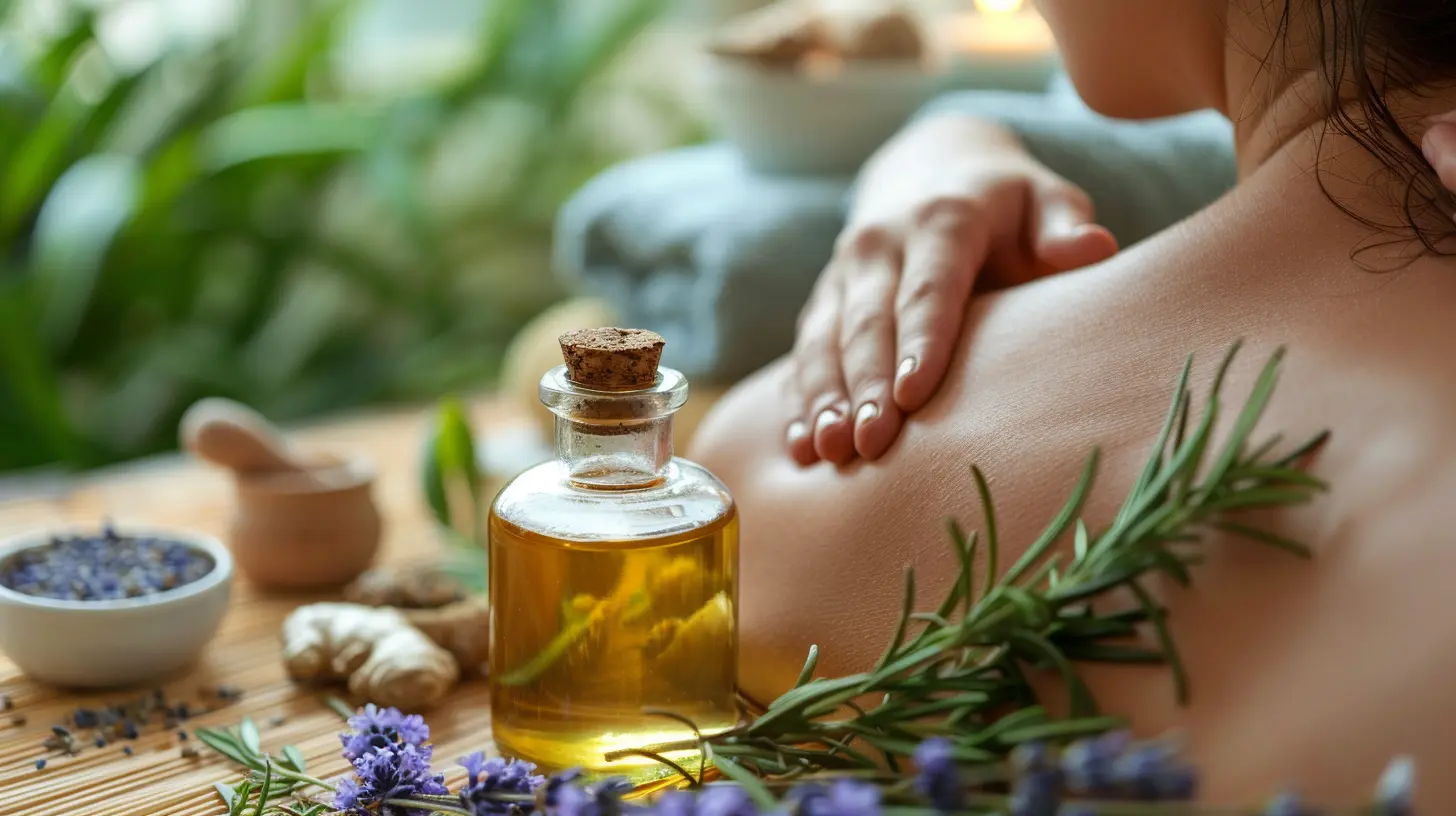
Lavender, Rosemary, and Peppermint Muscle Rub Oil
This simple topical oil combines calming lavender, warming rosemary, and cooling peppermint in a gentle carrier oil. It is designed for massage into tight shoulders, neck, calves, or back muscles after a long day.
Ingredients with exact measurements
2 tablespoons olive oil, jojoba oil, or sweet almond oil
4 drops lavender essential oil
2 drops rosemary essential oil
1 drop peppermint essential oil
Optional: 1/4 teaspoon grated fresh ginger, infused into the carrier oil and strained before use
Step-by-step preparation instructions
Add the carrier oil to a small glass bowl.
Add lavender, rosemary, and peppermint essential oils.
Stir gently until fully blended.
Transfer the oil to a small glass bottle or jar.
Label the jar with the name and date.
Store in a cool, dark place.
Use within 3 months for best freshness.
How to use
Massage a small amount into tight muscles for 2–5 minutes. Use only on intact skin, and avoid the eyes, face, mucous membranes, and sensitive areas. Wash hands after applying. Do not use this blend on children, pets, during pregnancy, or with sensitive skin unless approved by a qualified professional.
Food for support Muscle Tension
Magnesium-Rich Lentil, Spinach, and Pumpkin Seed Bowl
This practical meal brings together lentils, spinach, pumpkin seeds, olive oil, lemon, and warming spices. It is nourishing, fiber-rich, mineral-friendly, and much more useful than trying to negotiate with tight shoulders through willpower alone.
Ingredients with exact measurements
1 cup cooked lentils
2 cups fresh spinach
1/2 cup cooked quinoa or brown rice
1 tablespoon olive oil
1 tablespoon lemon juice
1 tablespoon pumpkin seeds
1/4 teaspoon ground cumin
1/4 teaspoon ground ginger
1 small garlic clove, minced
1/8 teaspoon black pepper
1/4 teaspoon salt, or to taste
Optional: 1 tablespoon chopped parsley
Step-by-step preparation instructions
Warm olive oil in a skillet over low-medium heat.
Add garlic, cumin, ginger, and black pepper. Stir for 30 seconds until fragrant.
Add cooked lentils and cooked quinoa or brown rice. Stir until warm.
Add spinach and cook for 1–2 minutes, just until wilted.
Turn off the heat and add lemon juice and salt.
Spoon into a bowl and top with pumpkin seeds and parsley if desired.
How to use
Enjoy as a simple lunch or dinner when your body feels tense, underfed, or tired. Pair with water, gentle movement, and a few slow breaths for a very reasonable, non-dramatic wellness plan.
What Herbs You Need
For muscle tension support, the herbs and botanicals used in these recipes include lavender, rosemary, peppermint, ginger, garlic, cumin, black pepper, parsley, and spinach.
Lavender
Latin name: Lavandula angustifolia
Key herbal actions:
- Nervine: traditionally used to support calm and relaxation
- Aromatic relaxant: offers a soothing scent often used in massage and bath preparations
- Mild antispasmodic tradition: historically used when tension is linked with nervous system stress
Key active compounds: linalool, linalyl acetate, lavandulol, cineole
Rosemary
Latin name: Salvia rosmarinus, formerly Rosmarinus officinalis
Key herbal actions:
- Rubefacient: traditionally used topically to bring warmth and a feeling of movement to the skin
- Aromatic stimulant: used when tissues feel cold, heavy, or sluggish
- Circulatory support herb: traditionally included in massage oils and bath blends
Key active compounds: rosmarinic acid, camphor, cineole, carnosic acid
Peppermint
Latin name: Mentha x piperita
Key herbal actions:
- Cooling aromatic: creates a fresh cooling sensation on the skin
- Carminative: traditionally used to ease digestive tension and gas
- Topical comfort herb: commonly used in muscle rubs and balms
Key active compounds: menthol, menthone, rosmarinic acid, flavonoids
Ginger
Latin name: Zingiber officinale
Key herbal actions:
- Warming aromatic: traditionally used when the body feels cold, stiff, or slow
- Circulatory stimulant: supports a sense of warmth and movement
- Digestive support herb: commonly used to support comfortable digestion
Key active compounds: gingerols, shogaols, zingerone, volatile oils
Garlic
Latin name: Allium sativum
Key herbal actions:
- Warming culinary herb: traditionally used to support circulation and digestion
- Aromatic digestive support: helps balance heavier foods
- Cardiometabolic culinary herb: commonly included in traditional diets for general wellness
Key active compounds: allicin, alliin, ajoene, sulfur compounds
Cumin
Latin name: Cuminum cyminum
Key herbal actions:
- Carminative: traditionally used to reduce gas and digestive heaviness
- Warming digestive spice: supports comfortable digestion of legumes and grains
- Aromatic spice: adds warmth and movement to food
Key active compounds: cuminaldehyde, terpenes, flavonoids, volatile oils
Black Pepper
Latin name: Piper nigrum
Key herbal actions:
- Warming stimulant: traditionally used to wake up cold or sluggish digestion
- Carminative: supports comfort after meals
- Bioavailability enhancer: piperine may influence absorption of some plant compounds
Key active compounds: piperine, chavicine, volatile oils
Parsley
Latin name: Petroselinum crispum
Key herbal actions:
- Nutritive herb: provides minerals and plant compounds in a culinary form
- Mild digestive herb: traditionally used after meals
- Freshening aromatic: adds lightness to heavier dishes
Key active compounds: apigenin, myristicin, vitamin K, flavonoids
Spinach
Latin name: Spinacia oleracea
Key herbal actions:
- Nutritive green: provides magnesium, potassium, folate, and plant compounds
- Mineral-rich food herb: supports everyday nourishment
- Cooling food tradition: often used when meals need freshness and lightness
Key active compounds: magnesium, potassium, lutein, zeaxanthin, nitrates, flavonoids
Key Herbal Products for Muscle Tension
Herbal Massage Oil
Herbal massage oils combine carrier oils with infused herbs or diluted essential oils. They are commonly used for hands-on massage over tight shoulders, neck, back, calves, or feet.
Pros: easy to apply, encourages touch and circulation through massage, customizable.
Cons: can stain fabric, may irritate sensitive skin, and essential oils must be diluted properly.
Best choice when: muscle tension feels localized and responds well to gentle massage.
Muscle Balm or Salve
Balms and salves are thicker topical products usually made with oils, waxes, and herbs such as peppermint, rosemary, cayenne, arnica, or ginger. They stay on the skin longer than oils.
Pros: portable, less messy than oil, useful for targeted areas.
Cons: some warming or cooling ingredients can be too intense for sensitive skin.
Best choice when: someone wants a small, travel-friendly product for specific tight spots.
Herbal Bath Soak
Herbal bath soaks may include lavender, chamomile, rosemary, Epsom salt, or mineral salts. They are commonly used as part of a relaxation routine.
Pros: relaxing, simple, helpful for whole-body tension.
Cons: not ideal for people without a bathtub, and hot baths may not be appropriate for certain health conditions.
Best choice when: tension feels widespread and stress-related.
Lavender Essential Oil
Lavender essential oil is commonly used in massage oils, bath blends, diffusers, and bedtime routines. It is one of the most popular aromatic herbs for relaxation.
Pros: pleasant scent, versatile, easy to blend.
Cons: must be diluted before skin use and may bother people sensitive to fragrance.
Best choice when: tension is linked with stress, restlessness, or difficulty winding down.
Peppermint or Menthol Topical Products
Peppermint and menthol products create a cooling sensation that many people enjoy on tight or sore muscles. They are often found in gels, roll-ons, balms, and patches.
Pros: fast cooling sensation, easy to apply, widely available.
Cons: can irritate skin, should not be used near the eyes, and is not appropriate for young children or pets.
Best choice when: someone wants a cooling topical sensation rather than a warming balm.
FAQ
Is muscle tension the same as muscle pain?
Not exactly. Muscle tension usually means tightness, stiffness, or a feeling that the muscle is not relaxing well. Muscle pain can include soreness, sharp pain, injury-related pain, or deeper discomfort, so persistent or severe pain should be checked by a healthcare professional.
Can herbs relax tight muscles?
Herbs are traditionally used to support relaxation, warmth, and comfort, especially through teas, baths, massage oils, and topical balms. They should not be expected to solve the underlying cause of tension by themselves. Stretching, hydration, posture, sleep, movement, and stress reduction usually matter too.
Is peppermint oil safe for muscle tension?
Peppermint oil should always be diluted before applying to the skin. It can feel cooling and refreshing, but it may irritate sensitive skin and should be kept away from the eyes, face, children, and pets. A patch test is a smart first step.
Is heat or cold better for muscle tension?
It depends on the situation. Many people prefer warmth for chronic tightness or cold, stiff muscles, while cooling products may feel better after activity or when the area feels hot and irritated. If there is swelling, injury, numbness, weakness, or severe pain, professional guidance is recommended.
Can I use dried herbs instead of essential oils?
Yes, dried herbs can be used in baths, infused oils, compresses, and teas. Essential oils are much more concentrated and require more caution. For beginners, dried herbs are often gentler and easier to work with.
How should I store homemade muscle rub oil?
Store it in a clean, labeled glass bottle away from heat, sunlight, and moisture. Use it within about 3 months for best freshness. If it smells rancid, changes texture, or irritates your skin, discard it.
Are muscle tension herbs safe for pets?
Do not use essential oils, menthol products, herbal balms, or massage oils on pets unless a veterinarian approves it. Cats and dogs process many aromatic compounds differently than humans, and some common oils can be unsafe for them.
References
- NCCIH: Massage Therapy: What You Need To Know
- NCCIH: Massage Therapy for Health: What the Science Says
- NCCIH: 6 Things To Know About Massage Therapy for Health Purposes
- NCCIH: Chronic Pain and Complementary Health Approaches
- PubMed Central: Magnesium for Skeletal Muscle Cramps
- PubMed: Magnesium for Skeletal Muscle Cramps
- PubMed Central: Acute Effect of Topical Menthol on Chronic Pain in Slaughterhouse Workers With Carpal Tunnel Syndrome
- PubMed Central: A Comparison of Topical Menthol to Ice on Pain, Evoked Tetanus, and Voluntary Force During Delayed Onset Muscle Soreness
- PubMed: Efficacy and Safety Profile of a Topical Methyl Salicylate and Menthol Patch
- PubMed Central: Efficacy of Topical Essential Oils in Musculoskeletal Disorders
- PubMed: Effect of Aromatherapy Massage With Lavender Essential Oil on Pain in Patients With Osteoarthritis of the Knee
- NCCIH: Using Dietary Supplements Wisely
Disclaimer
This article is for educational purposes only and is not medical advice. Muscle tension can be related to stress, posture, exercise, dehydration, sleep, medications, injuries, nerve issues, mineral imbalance, or other health conditions. Herbs, foods, massage, and topical preparations may support everyday comfort, but they should not replace diagnosis, treatment, or guidance from a qualified healthcare professional. Seek medical care for severe pain, sudden weakness, numbness, swelling, injury, chest pain, fever, unexplained cramps, or muscle symptoms that do not improve.