
Overeating tendencies are patterns where a person often eats past comfortable fullness, eats quickly, or reaches for food when stress, boredom, tiredness, or habit is driving the moment more than true hunger. It can feel like the body and brain are having two separate meetings, and somehow the snack cabinet was invited to both.
Learn more about Overeating
Overeating tendencies can happen for many reasons, and they are not a character flaw. Appetite is influenced by hunger hormones, sleep, stress, food environment, meal timing, emotions, habits, blood sugar swings, highly palatable foods, social eating, and how much attention is available during meals.
In plain language, there are a few common patterns. One is “too hungry, too fast,” where long gaps between meals lead to intense hunger and quick eating. Another is “stress or emotional eating,” where food becomes a comfort tool during pressure, sadness, boredom, or mental overload. Another is “distracted eating,” where meals happen in front of screens and the body misses some of its own fullness cues. There is also the “cravings and grazing” pattern, where snack foods are easy to reach and meals may not feel satisfying enough.
Overeating tendencies may show up as eating very quickly, feeling uncomfortably full, snacking without noticing, craving sweet or salty foods at certain times of day, feeling guilty after meals, or regularly eating while distracted. If overeating feels out of control, happens with distress, includes binge episodes, or is connected with shame, secrecy, purging, or extreme restriction, it is important to seek support from a qualified healthcare or mental health professional.
Traditional herbalism usually approaches overeating tendencies by looking at digestion, appetite rhythm, stress, and nourishment rather than trying to “suppress appetite.” Herbalists may consider whether the pattern is driven by sluggish digestion, stress eating, poor meal rhythm, cravings, bloating, or an unsettled nervous system. This is a gentle, supportive approach, not a punishment plan.
For digestion-centered patterns, herbalists may use bitter herbs before meals to support digestive secretions and help create a mindful pause. For stress-related eating, calming nervines such as lemon balm, chamomile, or tulsi may be selected to support emotional steadiness. For heavy, bloated, or uncomfortable fullness, aromatic carminatives such as ginger, fennel, peppermint, or cardamom may be used in teas after meals.
Herbs are traditionally selected based on the person’s pattern. Bitter herbs such as dandelion root, burdock root, or gentian may be considered when meals feel heavy or appetite cues feel dull, but bitters are not right for everyone, especially people with reflux, ulcers, gallbladder concerns, pregnancy, or certain medications. Gentle aromatic teas may be better when overeating is followed by fullness or digestive discomfort. Calming teas may fit better when stress, screens, or late-night emotional eating are part of the picture.
How Herbs Can Help Overeating
Herbalism traditionally sees overeating tendencies as a pattern involving appetite rhythm, digestion, stress response, cravings, and how present a person feels during meals. The main herbal actions used are bitters, which support digestive readiness; carminatives, which support digestive comfort after meals; and nervines, which support calm when stress eating is part of the pattern. Herbalists choose between these actions by noticing whether overeating is linked with skipped meals, stress, cravings, bloating, distracted eating, or heavy digestion.
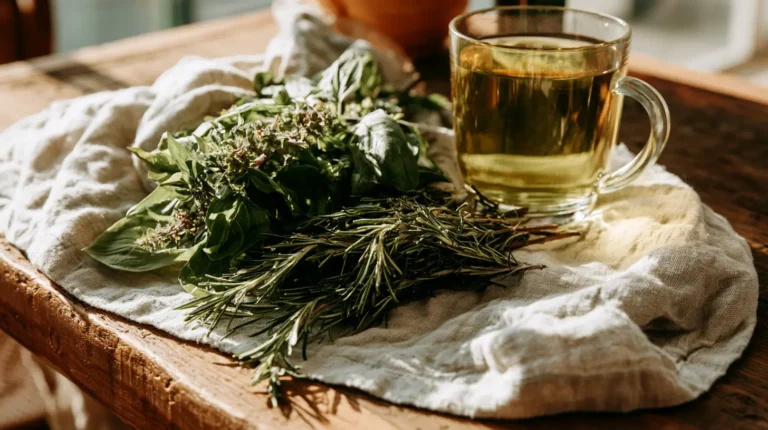
These are herbs traditionally used when overeating tendencies happen: dandelion root, fennel, ginger, chamomile, lemon balm, cardamom, cinnamon, holy basil, peppermint, burdock root, oat straw, spearmint, rose, turmeric, and mint..
“Overeating tendencies are often less about willpower and more about a tired nervous system, a distracted mind, and a snack drawer with excellent marketing.”
Recipes & Remedies Overeating
Herbal Preparations
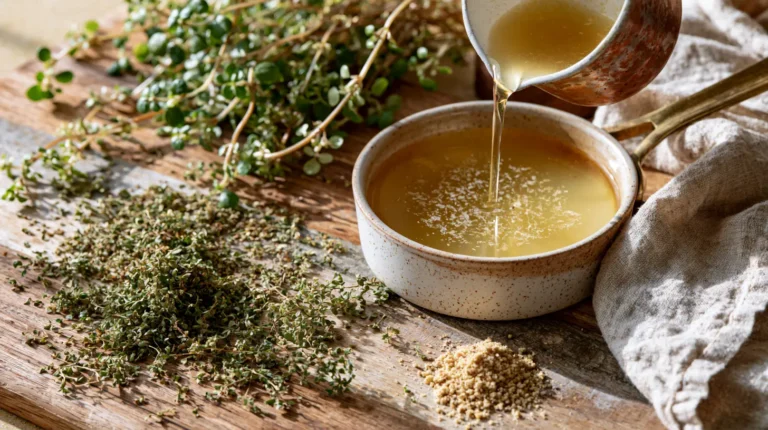
Mindful Bitter Digestive Tea
This simple pre-meal tea uses gentle bitter and aromatic herbs to create a pause before eating. Think of it as a small herbal “slow down, friend” ritual rather than an appetite-control trick.
Ingredients with exact measurements
1/2 teaspoon roasted dandelion root
1/2 teaspoon burdock root
1/2 teaspoon fennel seed
1 thin slice fresh ginger
1 cup hot water
Optional: 1 small squeeze of lemon
Step-by-step preparation instructions
Add dandelion root, burdock root, fennel seed, and ginger to a small saucepan.
Add 1 cup hot water.
Simmer gently for 10 minutes, or steep covered in a mug for 15 minutes.
Strain well.
Add a small squeeze of lemon if desired.
Sip slowly before a meal.
How to use
Drink 1 small cup about 10 to 15 minutes before a meal when you want a mindful transition into eating. Avoid bitter herbs if you have reflux, ulcers, gallbladder disease, bile duct obstruction, kidney disease, are pregnant, or take medications affected by digestion or fluid balance unless a qualified healthcare professional says they are appropriate.
Food for support Overeating
Warm Lentil, Fennel & Ginger Comfort Bowl
This fiber-rich, protein-containing bowl is warm, steady, and satisfying. It is designed to support comfortable fullness without feeling like “diet food wearing a sad little hat.”
Ingredients with exact measurements
1/2 cup cooked lentils
1/2 cup cooked brown rice or quinoa
1 cup chopped vegetables, such as carrots, zucchini, or spinach
1 teaspoon olive oil
1/2 teaspoon fennel seed, lightly crushed
1/2 teaspoon grated fresh ginger
1/4 teaspoon cinnamon
1 small pinch sea salt
1 tablespoon chopped fresh parsley or cilantro
1/4 avocado, sliced, optional
Step-by-step preparation instructions
Warm olive oil in a small skillet over low to medium heat.
Add fennel seed and ginger, and stir for 30 seconds.
Add chopped vegetables and cook until softened.
Stir in cooked lentils and brown rice or quinoa.
Add cinnamon and a small pinch of sea salt.
Warm everything together for 3 to 5 minutes.
Serve in a bowl with fresh parsley or cilantro and avocado if desired.
How to use
Enjoy as a steady lunch or dinner when you want something grounding and satisfying. Eat slowly, pause halfway through, and check in with comfort rather than chasing “full” like it owes you money.
What Herbs You Need
These herbs are traditionally used to support digestion, calm, meal rhythm, and comfort when overeating tendencies happen: dandelion root, burdock root, ginger, fennel, peppermint, chamomile, lemon balm, holy basil, cinnamon, and cardamom. They do not replace balanced meals, mental health support, or medical care, but they can be part of a practical routine that supports more mindful eating and digestive comfort.
Dandelion Root
Latin name: Taraxacum officinale
Key herbal actions:
- Bitter tonic: Traditionally used before meals to support digestive readiness.
- Cholagogue tradition: Traditionally used to support bile flow, though this makes it inappropriate for some gallbladder conditions.
- Digestive support herb: Often used when meals feel heavy or sluggish.
Key active compounds: Sesquiterpene lactones, inulin, phenolic acids, flavonoids, triterpenes, and potassium.
Burdock Root
Latin name: Arctium lappa
Key herbal actions:
- Bitter nutritive root: Traditionally used for digestion and general nourishment.
- Prebiotic-style fiber source: Contains inulin, a plant fiber that supports gut microbial activity.
- Alterative tradition: Traditionally used in long-term wellness formulas.
Key active compounds: Inulin, arctiin, arctigenin, chlorogenic acid, lignans, polyphenols, and mucilage.
Ginger
Latin name: Zingiber officinale
Key herbal actions:
- Carminative: Traditionally used to support digestive comfort and reduce feelings of gas or heaviness.
- Warming aromatic: Adds warmth and movement to digestive formulas.
- Digestive stimulant tradition: Commonly used when digestion feels slow or cold.
Key active compounds: Gingerols, shogaols, zingerone, volatile oils, and phenolic compounds.
Fennel
Latin name: Foeniculum vulgare
Key herbal actions:
- Carminative: Traditionally used after meals for bloating, gas, and digestive comfort.
- Aromatic digestive herb: Has a sweet, licorice-like flavor that works well in teas.
- Mild antispasmodic tradition: Traditionally used when the belly feels tight or unsettled.
Key active compounds: Anethole, fenchone, estragole, flavonoids, phenolic acids, and volatile oils.
Peppermint
Latin name: Mentha x piperita
Key herbal actions:
- Carminative: Traditionally used for digestive comfort after meals.
- Cooling aromatic: Offers a fresh flavor that can be satisfying after eating.
- Antispasmodic tradition: Peppermint oil has been studied for digestive discomfort, though it may worsen reflux in some people.
Key active compounds: Menthol, menthone, rosmarinic acid, flavonoids, tannins, and volatile oils.
Chamomile
Latin name: Matricaria recutita
Key herbal actions:
- Nervine: Traditionally used to support calm when stress influences eating patterns.
- Carminative: Traditionally used for digestive comfort after meals.
- Gentle antispasmodic tradition: Often used when tension and digestion are connected.
Key active compounds: Apigenin, bisabolol, chamazulene, matricin, flavonoids, and volatile oils.
Lemon Balm
Latin name: Melissa officinalis
Key herbal actions:
- Nervine: Traditionally used to support emotional steadiness and calm.
- Carminative: Traditionally used when stress affects digestion.
- Aromatic digestive herb: Adds a bright lemony flavor to after-meal teas.
Key active compounds: Rosmarinic acid, citral, citronellal, geraniol, flavonoids, and volatile oils.
Holy Basil
Latin name: Ocimum tenuiflorum
Key herbal actions:
- Adaptogenic tradition: Traditionally used to support resilience during stressful seasons.
- Nervine-like support: Often used when stress and cravings seem connected.
- Aromatic digestive herb: Used in teas for both mood and digestion support.
Key active compounds: Eugenol, ursolic acid, rosmarinic acid, apigenin, linalool, and flavonoids.
Cinnamon
Latin name: Cinnamomum verum or Cinnamomum cassia
Key herbal actions:
- Warming aromatic: Traditionally used in food and tea to support digestive comfort.
- Carminative: Adds warmth and flavor after meals.
- Flavor support: Can make unsweetened foods and drinks feel more satisfying.
Key active compounds: Cinnamaldehyde, eugenol, coumarin, procyanidins, tannins, and volatile oils.
Cardamom
Latin name: Elettaria cardamomum
Key herbal actions:
- Carminative: Traditionally used after meals for digestive comfort.
- Aromatic spice: Adds a fragrant, satisfying flavor to teas and foods.
- Warming digestive herb: Often used when digestion feels heavy or slow.
Key active compounds: 1,8-cineole, alpha-terpinyl acetate, limonene, linalool, flavonoids, and volatile oils.
Key Herbal Products for Overeating
Digestive Bitters
Digestive bitters are liquid herbal extracts made with bitter plants such as dandelion, gentian, artichoke leaf, orange peel, or burdock root. They are commonly taken in very small amounts before meals to support a mindful pause and digestive readiness.
Pros: Convenient, traditional, and useful for people who want a pre-meal ritual.
Cons: Not suitable for everyone, especially people with reflux, ulcers, gallbladder concerns, pregnancy, or certain medications.
Best choice when: Meals feel heavy, eating feels rushed, and a structured pre-meal pause is helpful.
Fennel Tea
Fennel tea is made from crushed fennel seeds and is often used after meals. It has a naturally sweet, licorice-like taste.
Pros: Gentle, caffeine-free, pleasant after meals, and easy to prepare.
Cons: Not everyone likes the flavor, and people with certain hormone-sensitive conditions or allergies should use caution.
Best choice when: Overeating is followed by bloating, gas, or belly tightness.
Peppermint Tea
Peppermint tea is a widely available digestive tea with a cooling, fresh flavor. It is often used after meals when digestion feels heavy.
Pros: Easy to find, refreshing, and pleasant after eating.
Cons: May worsen reflux, heartburn, or indigestion in some people.
Best choice when: The person wants a fresh after-meal tea and does not have reflux sensitivity.
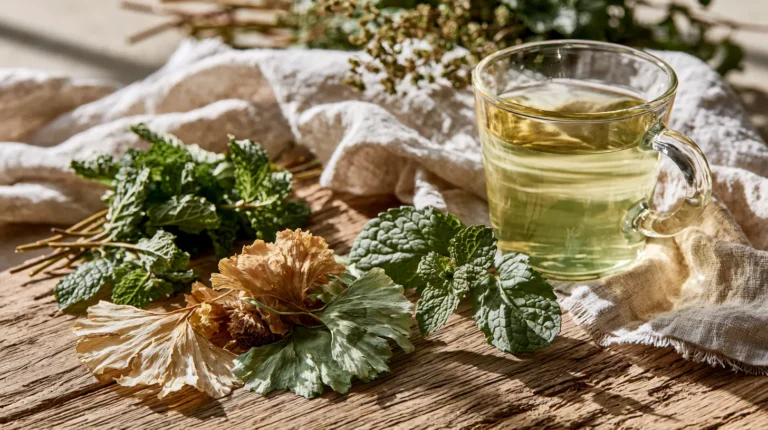
Lemon Balm or Chamomile Tea
Lemon balm and chamomile teas are gentle calming options often used when stress eating, evening snacking, or nervous digestion are part of the pattern. They are usually better suited to emotional tension than strong digestive bitters.
Pros: Gentle, calming, pleasant, and beginner-friendly.
Cons: Chamomile may bother people allergic to ragweed-family plants.
Best choice when: Overeating tendencies are connected with stress, restlessness, or late-day overwhelm.
Ginger Capsules or Ginger Tea
Ginger is sold as tea, capsules, powders, chews, and tinctures. For overeating tendencies, tea or food use is usually the gentler and more practical format.
Pros: Warming, digestive, widely available, and easy to use in food.
Cons: May cause heartburn, mouth irritation, stomach upset, or interact with medications in some people.
Best choice when: Digestion feels slow or heavy and warming spices are well tolerated.
FAQ
Are overeating tendencies the same as binge eating?
Not always. Many people overeat sometimes, especially when stressed, distracted, or very hungry. Binge eating usually involves feeling out of control while eating and may come with distress, shame, or repeated episodes. If eating feels out of control or emotionally painful, professional support can be very helpful.
Can herbs stop overeating?
Herbs should not be used as appetite suppressants or punishment tools. They may support digestion, calm, and meal rituals, but they do not replace balanced meals, sleep, emotional support, or a healthy relationship with food. The goal is support, not control through force.
Are digestive bitters safe to use every day?
Digestive bitters are not right for everyone. They may aggravate reflux, ulcers, gastritis, gallbladder issues, or certain digestive conditions, and they may interact with medications. Start cautiously and ask a healthcare professional if you have medical concerns.
What should I drink after overeating?
Warm ginger, fennel, chamomile, or peppermint tea may feel comforting after a heavy meal, depending on your body. Avoid peppermint if you have reflux or heartburn. Gentle walking and giving the body time can also help more than adding complicated remedies.
Is stress eating a digestion problem or an emotional problem?
It can be both. Stress affects appetite, cravings, digestion, attention, and food choices, so the body and emotions are often working together. Calming herbs may support the nervous system, but ongoing stress eating may also benefit from counseling, mindful eating practices, and practical meal planning.
Do fresh herbs work better than dried herbs?
Fresh herbs are wonderful in meals, but dried herbs are often easier for teas and consistent recipes. Dried fennel, chamomile, lemon balm, and peppermint are convenient pantry herbs. Spices like ginger, cinnamon, and cardamom can be used fresh or dried depending on the recipe.
Can I use these herbs with weight loss medications?
Do not combine herbs, bitters, supplements, or concentrated extracts with weight loss medications without professional guidance. Herbs can affect digestion, blood sugar, blood pressure, and medication tolerance. It is better to ask before mixing products.
Can pets use these herbs for overeating?
Do not give digestive bitters, teas, essential oils, spices, or supplements to pets unless a veterinarian recommends them. Overeating in pets can be related to diet, behavior, medications, or health conditions. A vet is the right person to guide that plan.
References
PubMed Central: Eating Attentively, A Systematic Review and Meta-Analysis
PubMed Central: Taking a Closer Look at Mindful Eating
PubMed Central: Effects of Mindful Eating in Patients with Obesity and Binge Eating Disorders
PubMed Central: Bitters, Time for a New Paradigm
PubMed Central: Effects of Bitter Substances on GI Function, Energy Intake and Appetite
PubMed Central: Ginger in Gastrointestinal Disorders, A Systematic Review
PubMed Central: The Role of Fennel in Managing Menopause Symptoms and Digestive Comfort
NCCIH: Using Dietary Supplements Wisely
Disclaimer
This article is for educational purposes only and is not medical advice, diagnosis, or treatment. Overeating tendencies can be connected with stress, sleep, hormones, medications, food environment, emotional health, restrictive dieting, or eating disorders.
Speak with a qualified healthcare professional, registered dietitian, or mental health professional if overeating feels frequent, distressing, out of control, or connected with guilt, shame, secrecy, purging, fasting, or extreme restriction. Consult a healthcare professional before using herbs or supplements if you are pregnant, nursing, taking medication, managing reflux, ulcers, gallbladder disease, diabetes, blood pressure concerns, eating disorder history, or any chronic health condition.