


Licorice root is a sweet, earthy root with a long history in Western herbalism, Ayurveda, Traditional Chinese Medicine, and traditional European medicine. It is famous for its naturally sweet taste, which comes largely from glycyrrhizin, a compound many times sweeter than sugar.
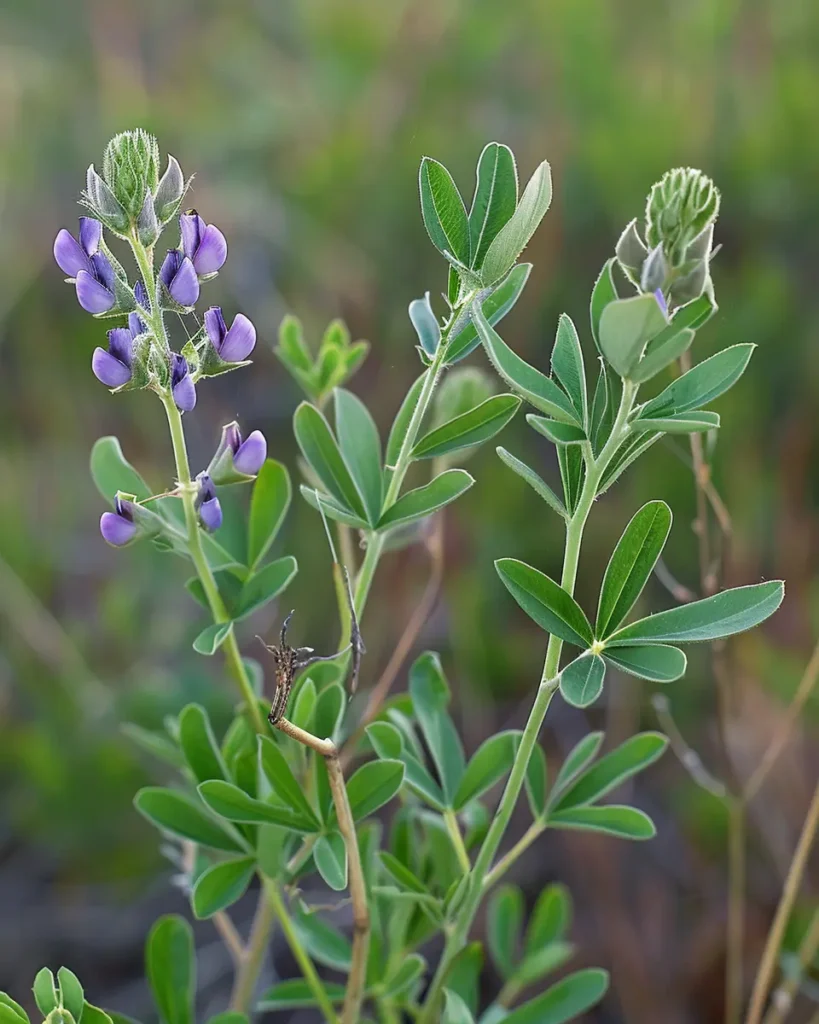
Licorice Root (Glycyrrhiza glabra) – Other medicinal species include Glycyrrhiza uralensis and Glycyrrhiza inflata. Common names include licorice, liquorice, sweet root, and gan cao in Traditional Chinese Medicine.
Traditional uses of licorice root:
Respiratory Support: Licorice root is traditionally used as a soothing expectorant for dry, irritated throat and chest comfort.
Digestive Comfort: Its demulcent and anti-inflammatory-supportive qualities make it a classic herb for sensitive digestive tissues.
Adrenal & Stress Support: Herbalists often describe licorice as a supportive herb for stress resilience, especially when fatigue and depletion are part of the picture.
Formula Harmonizer: In many herbal traditions, licorice is used in small amounts to improve flavor and “harmonize” formulas.
Licorice root is powerful, sweet, and useful, but it is not casual candy in herb clothing. This is one herb where safety details really matter.
“Licorice root is sweet, steady, and serious enough to deserve your respect.”
Available Licorice Root Products
Dried Licorice Root
Dried licorice root is commonly sold cut-and-sifted, sliced, shredded, or powdered. It is used in teas, decoctions, syrups, lozenges, herbal blends, and traditional formulas. Good licorice root has a sweet, earthy scent and a yellowish interior.
Because licorice root is naturally strong and sweet, small amounts often go a long way. It should be used thoughtfully, especially by people with blood pressure, kidney, heart, liver, or medication concerns.
Licorice Root Tea
Licorice root tea is usually prepared as a decoction because roots need more heat and time than delicate leaves. It tastes sweet, earthy, and slightly woody. It blends well with marshmallow root, ginger, cinnamon, fennel, thyme, mullein, and slippery elm.
A simple decoction can be made with 1 teaspoon dried licorice root per cup of water. Simmer gently for 10–15 minutes, strain, and use cautiously.
Licorice Root Tincture
Licorice tincture is a concentrated liquid extract. It is convenient and shelf-stable, but it can be stronger than tea. People with medication concerns or conditions affected by glycyrrhizin should avoid using tincture casually.
Licorice Root Capsules
Licorice capsules may contain powdered root, extract, or standardized extract. Labels should clearly state whether the product contains glycyrrhizin or is deglycyrrhizinated. This distinction is very important.
DGL Licorice
DGL stands for deglycyrrhizinated licorice. It is licorice root processed to remove most of the glycyrrhizin. DGL is commonly marketed for digestive support and is often sold as chewable tablets, capsules, or powders.
DGL is different from whole licorice root. It may be better suited for people who need to avoid glycyrrhizin, but it still should be used carefully and with label guidance.
Licorice Root Glycerite
Licorice glycerite is an alcohol-free liquid preparation. It is naturally sweet and can be useful in formulas where taste matters. However, glycerites made from whole licorice may still contain glycyrrhizin unless specifically labeled otherwise.
Licorice Root Powder
Licorice powder is used in capsules, herbal pastilles, lozenges, tooth powders, and powdered formulas. It is sweet and strong. Powder loses freshness faster than whole root and can be harder to dose precisely.
Licorice Root Syrup
Licorice syrup is traditionally made from a decoction combined with honey or another syrup base. It is commonly used in throat and respiratory formulas. Because it may deliver glycyrrhizin, it should not be used freely or for long periods without guidance.
Licorice Extract
Licorice extracts can be water-based, alcohol-based, standardized, or DGL. Some are used in supplements, lozenges, skincare, and digestive formulas. Concentrated extracts require the most caution because glycyrrhizin exposure may be higher.
Licorice Essential Oil
Licorice root is not commonly used as a true essential oil in practical herbalism. Most licorice products are teas, powders, tinctures, extracts, syrups, DGL tablets, or flavoring extracts. If a product is labeled “licorice oil,” read carefully because it may be a flavor oil, infused oil, or cosmetic ingredient.
Key Herbal Actions
Licorice root is known as a demulcent, expectorant, anti-inflammatory-supportive herb, adrenal-supportive herb, adaptogen-like tonic, antiviral-supportive herb, hepatoprotective-supportive herb, antispasmodic, mild laxative, and formula harmonizer.
Demulcent
A demulcent herb soothes mucous membranes. Licorice root contains compounds that support a moistening, coating, and comforting effect on the throat and digestive tract. This is one reason it appears in throat teas and digestive formulas.
Expectorant
An expectorant supports the body’s natural movement of mucus. Licorice root is traditionally used in respiratory formulas for coughs associated with mucus or throat irritation. It is often combined with herbs such as thyme, mullein, marshmallow root, or elecampane.
Anti-inflammatory-Supportive Herb
Licorice contains glycyrrhizin, glycyrrhetinic acid, flavonoids, and other compounds studied for activity related to inflammatory pathways. This supports its traditional use for irritated mucous membranes. This does not mean licorice treats inflammatory disease.
Adrenal-Supportive Herb
In herbal language, licorice is often described as supporting adrenal function because glycyrrhizin can influence cortisol metabolism. This effect is part of why licorice may feel strengthening to some people, but also why it can raise blood pressure and cause potassium loss. Respect the root.
Adaptogen-Like Tonic
Licorice is sometimes used in adaptogenic formulas to support resilience under stress. It is not as gentle or broadly appropriate as some other adaptogens because of its blood pressure and electrolyte effects. It is best used with clear purpose and caution.
Antiviral-Supportive Herb
Licorice compounds, especially glycyrrhizin, have been studied for antiviral activity in laboratory and clinical research contexts. These findings are interesting but should not be used to make treatment claims. Licorice should not replace medical care for infections.
Hepatoprotective-Supportive Herb
Licorice has been studied in liver-related research, particularly in Asian medical contexts and compounds such as glycyrrhizin. In everyday herbal use, it is better described as liver-supportive in traditional formulas rather than a treatment for liver disease. People with liver conditions should seek professional guidance.
Antispasmodic
Licorice has traditional use for soothing tension and spasm in irritated tissues. This may be relevant in digestive and respiratory formulas. It is usually used in combination rather than as the only herb.
Mild Laxative
Licorice root may have a mild laxative effect for some people, especially in larger amounts or formulas. This action is not its main use. People prone to loose stools should use caution.
Formula Harmonizer
Licorice is famously used to improve the taste and blending quality of herbal formulas. Its sweetness can make bitter or pungent herbs easier to take. In Traditional Chinese Medicine, it is often used in small amounts to harmonize formulas.
Active Compounds and Extraction
Licorice root contains glycyrrhizin, glycyrrhetinic acid, liquiritin, isoliquiritin, liquiritigenin, glabridin, flavonoids, chalcones, coumarins, polysaccharides, saponins, sterols, amino acids, and starches.
Glycyrrhizin
Glycyrrhizin, also called glycyrrhizic acid, is licorice root’s most famous compound. It is intensely sweet and contributes to licorice’s expectorant, anti-inflammatory-supportive, and adrenal-related effects. It is also the compound most responsible for safety concerns such as elevated blood pressure, low potassium, fluid retention, and heart rhythm risks.
Best extraction: Decoction, tincture, water extract.
To make a simple licorice decoction, use 1 teaspoon dried cut root per cup of water. Simmer gently for 10–15 minutes, then strain. Do not use this preparation daily or long-term unless guided by a qualified professional.
Glycyrrhetinic Acid
Glycyrrhetinic acid is formed from glycyrrhizin in the body. It can affect enzymes involved in cortisol metabolism, which helps explain licorice’s adrenal-related effects and safety risks. This compound is one reason licorice is not suitable for people with hypertension, kidney disease, heart disease, or low potassium risk.
Best extraction: Whole licorice preparations that contain glycyrrhizin.
Glycyrrhetinic acid is not usually the goal of a simple kitchen extraction. It is part of how the body processes glycyrrhizin after intake.
Liquiritin
Liquiritin is a flavonoid glycoside found in licorice root. It contributes to antioxidant and tissue-supportive activity. It is part of licorice’s broader flavonoid profile.
Best extraction: Decoction, tincture, glycerite.
A decoction extracts water-soluble flavonoid glycosides well. A tincture may extract a broader range of flavonoids and chalcones.
Isoliquiritin and Isoliquiritigenin
These are licorice flavonoid and chalcone compounds studied for antioxidant, inflammation-related, and cellular effects. They contribute to the root’s activity beyond sweetness. They are not the same as glycyrrhizin and do not carry the exact same safety profile.
Best extraction: Alcohol-water tincture, decoction, extract.
A water-alcohol extract is useful for a broad compound range. For home use, decoction remains the most traditional method.
Glabridin
Glabridin is an isoflavonoid found especially in Glycyrrhiza glabra. It is studied for antioxidant, skin-related, and metabolic activity. It is often discussed in cosmetic science because of its relevance to pigmentation and skin appearance.
Best extraction: Alcohol extract, standardized extract, topical cosmetic extract.
Glabridin is not strongly extracted in a simple tea. It is more relevant to specialized extracts and topical formulations.
Flavonoids
Licorice root contains many flavonoids, which contribute antioxidant and tissue-supportive actions. These compounds help explain licorice’s role in digestive, respiratory, and topical traditions. They also add to the root’s yellow color and complex taste.
Best extraction: Decoction, tincture, glycerite.
For a tea blend, simmer licorice root with other roots or barks first, then add delicate leaves or flowers after removing from heat.
Chalcones
Chalcones are a subclass of flavonoid-like compounds found in licorice. They are studied for antioxidant, antimicrobial, and inflammation-related activity. They contribute to licorice’s strong pharmacological interest.
Best extraction: Alcohol-water tincture, extract.
Tinctures and standardized extracts are better suited for chalcones than a quick tea. Concentrated extracts should be used carefully.
Coumarins
Coumarins are aromatic plant compounds found in small amounts in many herbs. Licorice contains coumarin-related compounds that contribute to its overall chemistry. These compounds are not the same as prescription anticoagulants, but people taking blood thinners should still be cautious with concentrated licorice products.
Best extraction: Tincture, extract.
Alcohol-water extraction is suitable for many coumarin-like compounds.
Polysaccharides
Licorice polysaccharides are water-soluble compounds studied for immune-related and tissue-supportive activity. They contribute to the root’s demulcent and soothing qualities. These compounds work alongside saponins and flavonoids.
Best extraction: Decoction, water extract.
A simmered decoction extracts polysaccharides well. Roots need more time than leaves to release these heavier compounds.
Saponins
Glycyrrhizin itself is a triterpenoid saponin. Saponins can foam in water and contribute to expectorant activity. This helps explain licorice’s traditional use in respiratory formulas.
Best extraction: Decoction, tincture.
A decoction is the simplest traditional method. Avoid high-dose or long-term use because glycyrrhizin-containing saponins are also responsible for key safety concerns.
Harvesting and Storing Right
Licorice root is usually harvested from mature plants after several years of growth, commonly in autumn after the aerial parts begin to die back. At this time, roots are more developed and concentrated. Roots may also be harvested in early spring before new growth begins.
The best time of day is less important than soil condition and plant maturity. Harvest when the soil is workable and not overly wet. Roots should be washed, cut, and dried thoroughly to prevent mold.
Dry licorice root in thin pieces with good airflow. Store dried root in an airtight container away from heat, light, and moisture. Cut dried root usually keeps good quality for 2–3 years. Powder is best used within 6–12 months. Tinctures may last several years when properly prepared and stored. Decoctions should be refrigerated and used within 24–48 hours.
Body Functions Licorice Root Can Support
Licorice root can support the respiratory system, digestion system, adrenal, stress support, immune system, liver support, dental oral wellness, skin, reproductive system female, energy and vitality, and circulation, but it requires caution because of its stronger physiological effects.
Respiratory System
Licorice root is traditionally used as a demulcent and expectorant for throat and chest comfort. Its saponins support mucus movement, while its sweet, soothing quality can comfort irritated throat tissues. It is commonly used in small amounts in respiratory tea blends.
Digestion System
Licorice root is traditionally used for irritated digestive tissues and mild digestive discomfort. DGL licorice is especially common in modern digestive support products because most glycyrrhizin has been removed. Whole licorice root should be used more cautiously.
Adrenal
Licorice can influence cortisol metabolism, which is why herbalists sometimes use it in adrenal-support formulas. This same effect can contribute to high blood pressure, fluid retention, and low potassium. People with adrenal disorders should not self-prescribe licorice.
Stress Support
Licorice is sometimes included in adaptogenic formulas for stress-related fatigue. It may feel supportive for some people, but it is not the right stress herb for everyone. People with hypertension, heart disease, kidney disease, or medication use should generally avoid whole licorice unless professionally guided.
Immune System
Licorice compounds are studied for immune and antiviral-related activity. In herbal practice, licorice often appears in seasonal formulas, especially for respiratory support. This use should be moderate and short-term unless supervised.
Liver Support
Licorice and glycyrrhizin have been studied in liver-related contexts, especially in East Asian medical research. However, people with liver disease should not use licorice without professional guidance. Supportive research does not make it safe for every liver condition.
Dental Oral
Licorice extracts have been studied for oral microbial activity and appear in some natural oral care products. Licorice root also has a sweet flavor that can make mouth rinses or lozenges pleasant. It should not replace dental care.
Skin
Licorice compounds, especially glabridin and related flavonoids, are used in topical products for skin tone and irritation-related support. Licorice extracts appear in creams, serums, and spot-care products. Sensitive skin should patch test before wider use.
Reproductive System Female
Licorice has phytoestrogen-like and endocrine-related activity in some studies and traditional systems. This makes it relevant but also caution-worthy. People with hormone-sensitive conditions, pregnancy, fertility concerns, or reproductive medications should avoid self-directed use.
Energy and Vitality
Licorice may support energy in people who feel depleted, especially in traditional formulas. However, this effect can be tied to cortisol and electrolyte changes, which may become harmful. It is not a casual energy herb.
Circulation
Licorice can affect blood pressure and potassium balance. This is not a “support” area in the usual gentle sense; it is a major safety consideration. People with high blood pressure, heart disease, kidney disease, fluid retention, or low potassium should avoid whole licorice root unless supervised.
Safety and Practical Considerations
Licorice root needs a stronger safety section than most herbs.
Whole licorice root contains glycyrrhizin, which can raise blood pressure, lower potassium, cause fluid retention, and contribute to irregular heartbeat in susceptible people. Serious reactions have been reported, especially with high intake, long-term use, high salt intake, hypertension, kidney disease, heart disease, or older age.
Avoid whole licorice root if you have high blood pressure, heart disease, kidney disease, liver disease, low potassium, fluid retention, edema, or are taking medications that affect blood pressure, potassium, heart rhythm, or fluid balance.
Licorice may interact with diuretics, blood pressure medications, corticosteroids, digoxin, blood thinners, insulin, diabetes medications, hormonal medications, stimulant laxatives, and many other prescriptions. It may also counteract some antihypertensive medications.
Pregnant people should avoid medicinal licorice root and high-glycyrrhizin licorice products. Breastfeeding safety data is limited, so professional guidance is recommended.
People preparing for surgery should discuss licorice with their healthcare team. Because licorice can affect blood pressure, potassium, and medications, it should not be used casually around surgical procedures.
DGL licorice removes most glycyrrhizin and may be more appropriate for some digestive uses, but it is still not automatically safe for everyone. Check labels carefully.
Children, older adults, and sensitive individuals need extra caution. Licorice candy, teas, cough drops, tobacco flavorings, and herbal formulas may all contribute to total glycyrrhizin exposure. “Natural” does not mean “unlimited.”
FAQ
What does licorice root taste like?
Licorice root tastes very sweet, earthy, woody, and slightly spicy. Its sweetness comes mainly from glycyrrhizin, which is much sweeter than sugar. A little licorice can strongly flavor an herbal blend.
When is the best time to use licorice root?
Licorice root is usually used in small amounts in tea blends or formulas rather than as a casual daily beverage. It is often used in respiratory and digestive preparations. Because of safety concerns, timing should be guided by purpose, dose, and personal health status.
Is fresh or dried licorice root better?
Dried licorice root is the standard market form and is practical for teas, decoctions, powders, and extracts. Fresh root is less commonly available. Dried cut root stores well when kept cool, dark, and dry.
Is licorice tea, tincture, capsule, or DGL better?
It depends on the goal and safety needs. Tea is traditional but still contains glycyrrhizin. Tinctures and capsules can be more concentrated. DGL is preferred in many digestive products when people want to avoid most glycyrrhizin.
Can licorice root be used daily?
Whole licorice root should not be used daily or long-term without professional guidance. Chronic intake is associated with increased blood pressure and reduced potassium. DGL products may be used differently, but label directions and professional guidance still matter.
How should licorice root be stored?
Store dried licorice root in an airtight container away from heat, light, and moisture. Cut root lasts longer than powder. Powder should be used within 6–12 months for best quality.
Does licorice root combine well with other herbs?
Yes, licorice root combines well with marshmallow root, slippery elm, ginger, cinnamon, fennel, thyme, mullein, elecampane, and echinacea. It is often used in small amounts to improve flavor. Safety still matters even when the dose is small.
Is licorice root safe for everyone?
No. Licorice root is not safe for everyone and can cause serious effects in some people. Avoid whole licorice if you have high blood pressure, heart disease, kidney disease, low potassium, fluid retention, pregnancy, or relevant medication use.
Can licorice root be used for pets?
Licorice root is sometimes used in animal herbalism, but only with professional guidance. Pets may be more sensitive to medication interactions, blood pressure effects, and electrolyte changes. Do not give licorice root or licorice extracts to pets without a veterinarian or qualified animal herbalist.
What is the difference between licorice root and licorice candy?
Real licorice candy may contain licorice extract and glycyrrhizin, but many candies are flavored mostly with anise or artificial flavoring. True licorice products can still affect blood pressure and potassium if eaten often or in large amounts. Always check ingredients.
Disclaimer
This content is educational only. It is not medical advice, diagnosis, or treatment. Herbs may interact with medications or health conditions. People who are pregnant, breastfeeding, managing a medical condition, taking prescription medications, or preparing for surgery should consult a qualified healthcare professional before using herbs.
References
Health Canada: Licorice Monograph
PubMed: Association Between Consistent Licorice Ingestion, Hypertension, and Hypokalemia
PMC: Licorice Abuse – Time to Send a Warning Message
PMC: Licorice Toxicity Presenting as Refractory Hypokalemia
PMC: Glycyrrhiza glabra Licorice: A Comprehensive Review
PubMed: Glycyrrhiza glabra Licorice: Ethnobotany and Pharmacology