The Complete Guide to Nature’s Stress-Balancing Plants
You know that feeling — you get through one stressful thing and there’s already another one waiting behind it. Work deadlines stack up, sleep gets shorter, and by mid-afternoon your energy has quietly vanished, replaced by a low hum of “wired but tired.” If that sounds familiar, you’re far from alone, and it’s exactly the kind of everyday overload that a category of herbs called adaptogens was traditionally used to help the body cope with. These aren’t quick-fix stimulants or sedatives — they’re a class of plants used for centuries in traditional Chinese medicine and Ayurveda to support the body’s ability to handle stress over time. Let’s take a closer look at what they are, which herbs belong in this category, and how people incorporate them into daily life.
Known Adaptogen Herbs
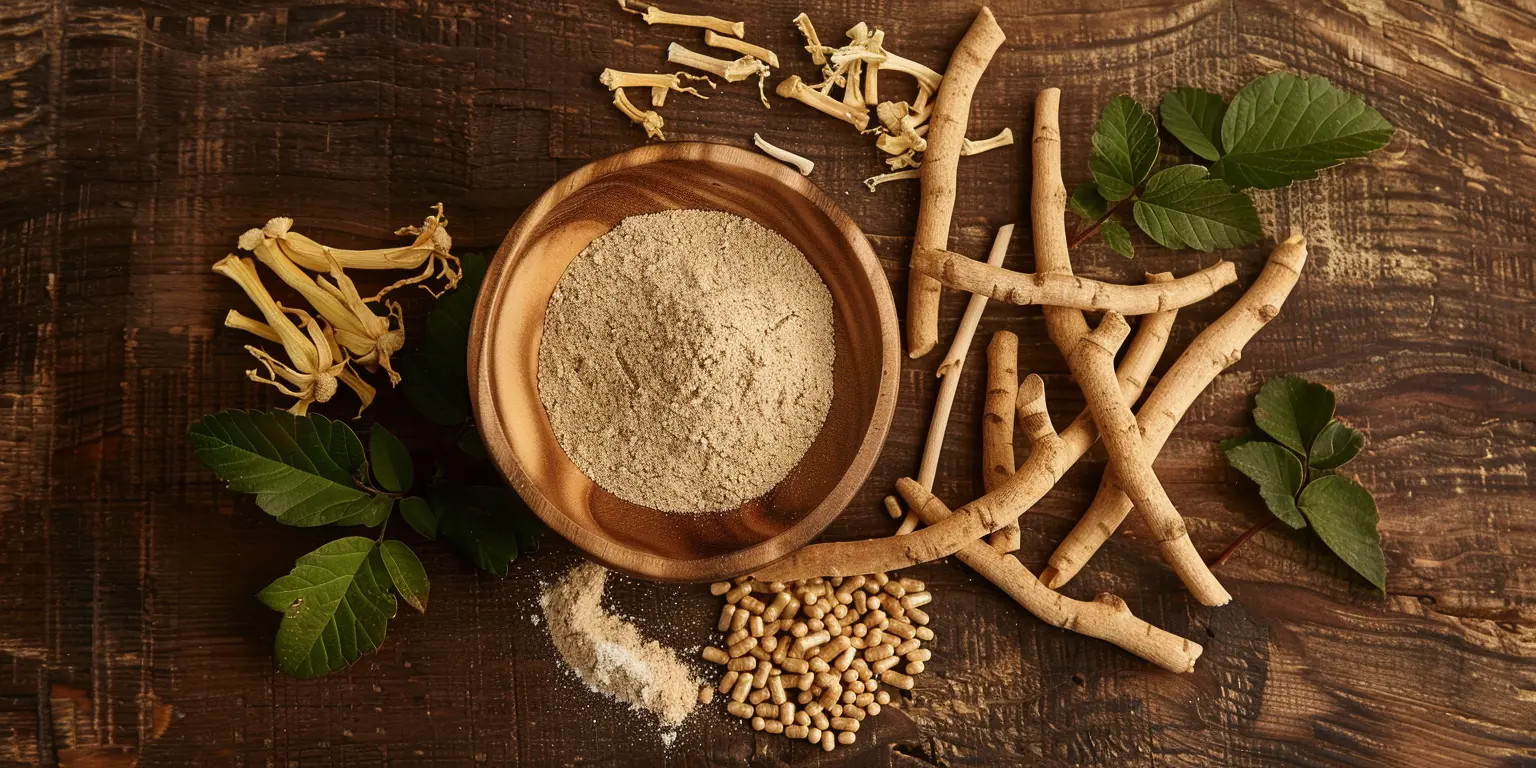
Ashwagandha (Withania somnifera) A staple of Ayurvedic tradition, ashwagandha root has long been used to support relaxation and resilience during periods of physical and mental strain. It’s one of the most widely studied adaptogens today.
Rhodiola (Rhodiola rosea) Native to cold mountainous regions of Europe and Asia, rhodiola root has traditionally been used to support mental stamina and reduce the sense of fatigue during demanding periods.
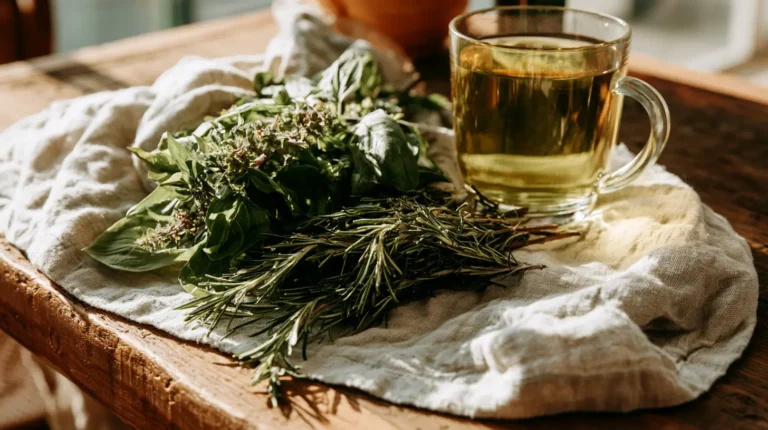
Holy Basil / Tulsi (Ocimum sanctum) Considered sacred in Ayurvedic tradition, holy basil (tulsi) has traditionally been used as a calming daily tonic and is often taken as a tea to support a steady, balanced mood.
Panax Ginseng (Asian Ginseng) A cornerstone of traditional Chinese medicine, Panax ginseng root has traditionally been used to support energy and endurance, particularly during recovery from illness or exertion.
Eleuthero (Siberian Ginseng) Not a true ginseng botanically, but grouped with adaptogens for similar traditional use, eleuthero root has historically been used to support stamina and the body’s resistance to physical stress.
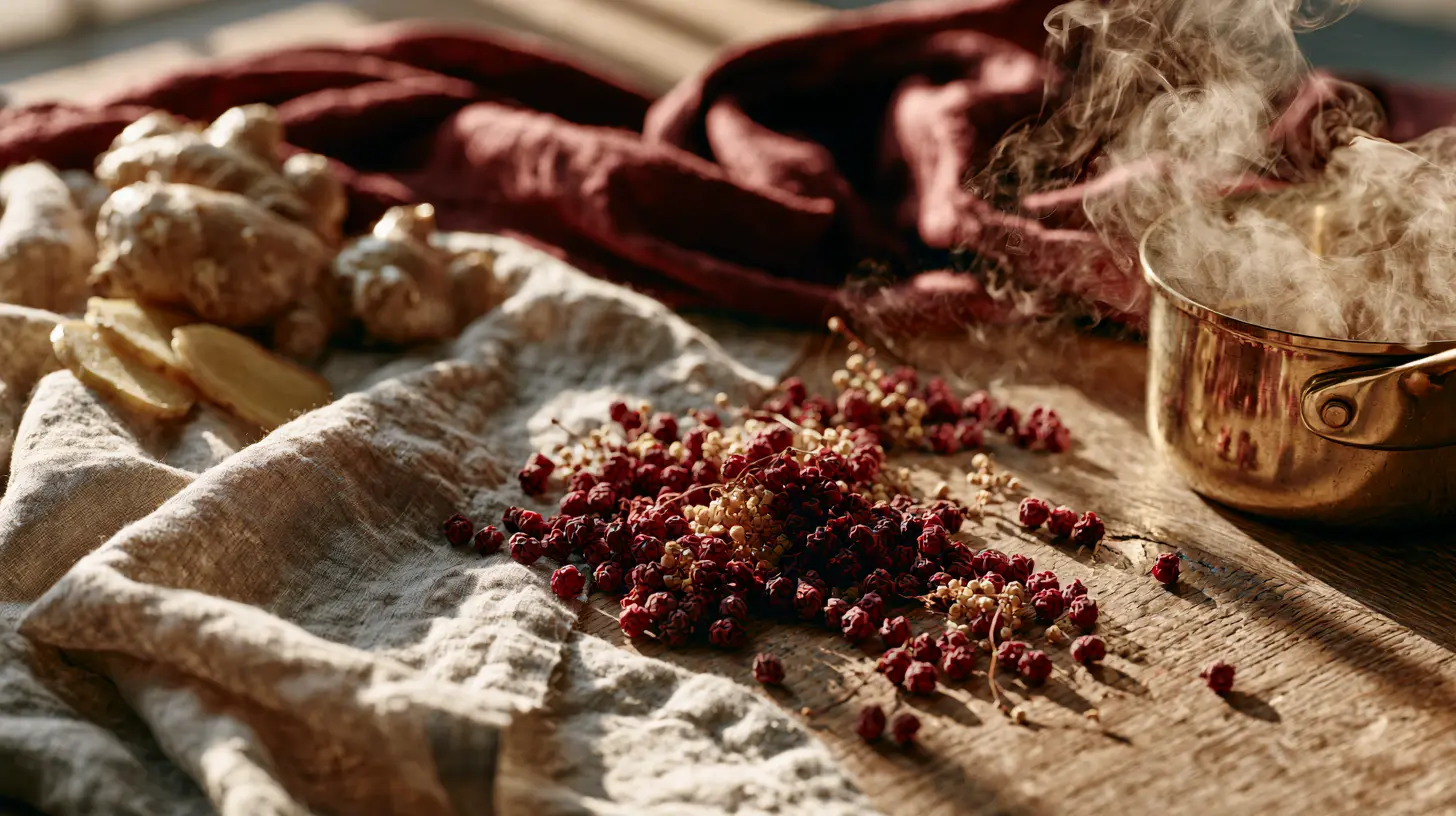
Schisandra (Schisandra chinensis) Known in Chinese herbalism as a “five-flavor fruit,” schisandra berries have traditionally been used to support liver function and mental clarity during periods of fatigue.
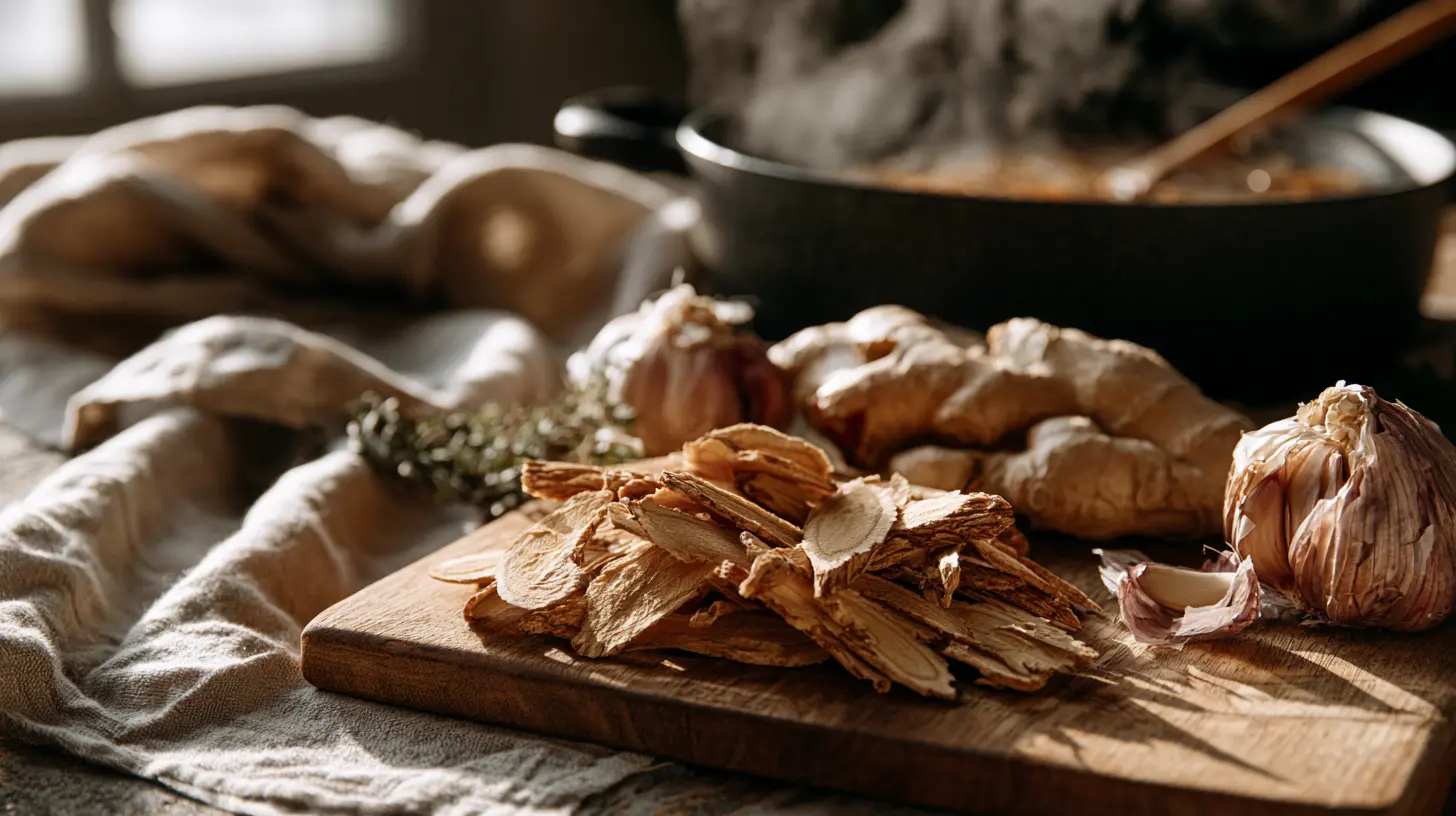
Astragalus (Astragalus membranaceus) A foundational herb in traditional Chinese medicine, astragalus root is traditionally used to support the body’s natural defenses, especially during seasonal transitions.
Reishi Mushroom (Ganoderma lucidum) Though technically a fungus rather than a botanical herb, reishi is commonly grouped with adaptogens for its traditional use in supporting calm, restful states and everyday resilience.
Maca (Lepidium meyenii) Grown in the high altitudes of the Peruvian Andes, maca root has traditionally been used to support stamina, mood, and overall vitality.
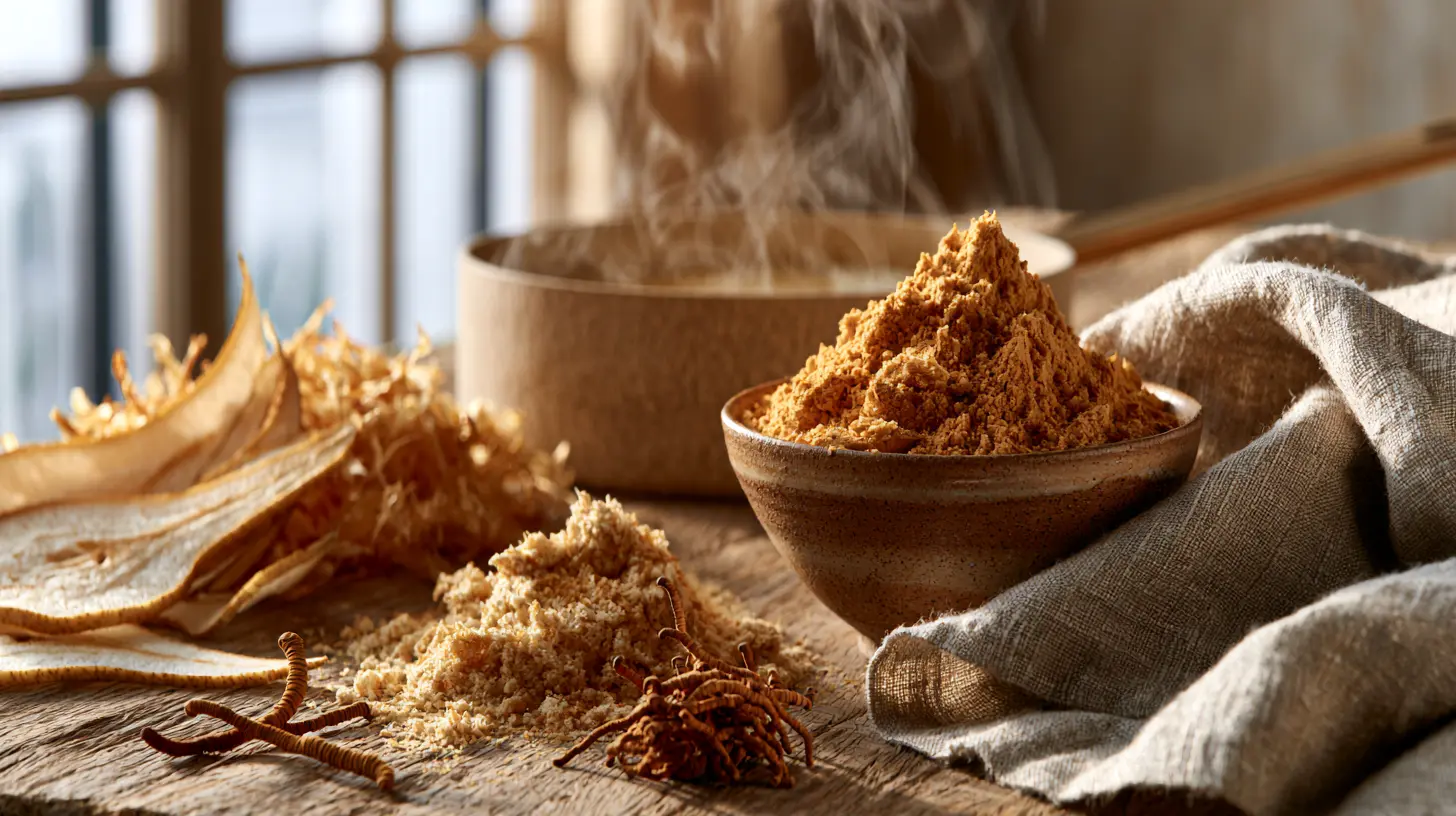
Cordyceps (Cordyceps sinensis) Another adaptogenic fungus, cordyceps has a long history in Tibetan and Chinese medicine, traditionally used to support respiratory function and physical endurance.
Adaptogen Recipes
Calm & Steady Ashwagandha Moon Milk
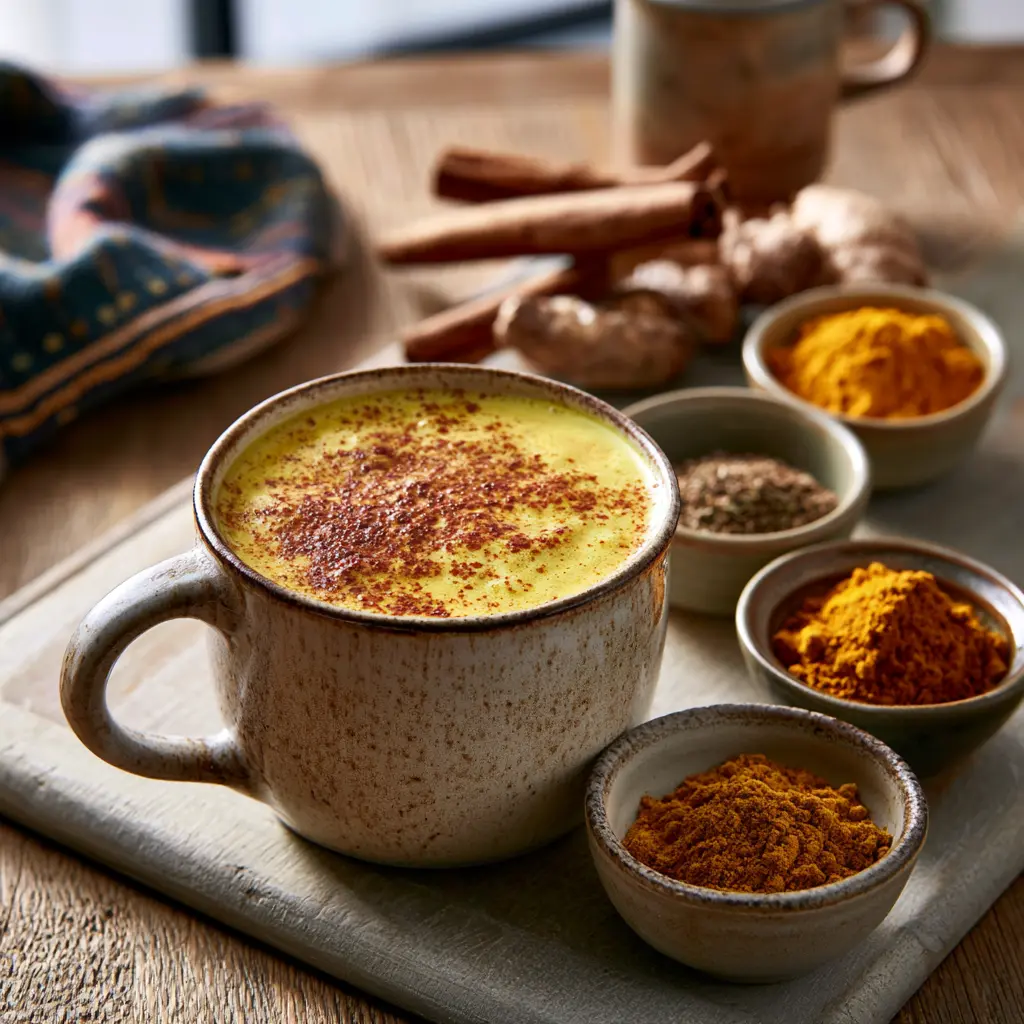
Herbs used: Ashwagandha root powder, a pinch of cinnamon (optional)
A gentle, easy entry point into adaptogens — this warm, cozy drink is a favorite evening ritual for people just starting to explore herbal wellness.
- Warm 1 cup of milk (dairy or a creamy plant-based alternative) gently on the stove — don’t let it boil.
- Whisk in ½ teaspoon of ashwagandha root powder and a pinch of cinnamon until fully blended.
- Pour into a mug, add a touch of honey if you like, and sip about 30–60 minutes before bed.
This recipe is a great starting point because it uses just one adapt
Explore Other Adaptogen Recipes

Herbal Products with Adaptogen Herbs
If a DIY recipe isn’t your speed, adaptogens are widely available in several convenient formats:
- Teas — a gentle, low-dose way to try adaptogens like tulsi or ashwagandha as part of a daily ritual. [Product Link]
- Tinctures — concentrated liquid extracts that offer a fast, flexible way to adjust your dose. [Product Link]
- Capsules — a no-fuss option for people who want consistent dosing without the taste of herbs. [Product Link]
- Bath soaks — adaptogenic herbs blended with Epsom salts for a relaxing, at-home ritual. [Product Link]
Whichever format you choose, look for products that clearly list the herb, the part of the plant used, and the extraction method — transparency is a good sign of quality.
Learn More About Adaptogen Herbs
What is an adaptogen? The term “adaptogen” was originally coined by Soviet scientists in the 1940s to describe a specific class of plants believed to help the body maintain balance, or homeostasis, when faced with physical, mental, or environmental stressors. Traditionally, an adaptogen was defined as a substance that is non-specific in its action (supporting the body broadly rather than targeting one system), non-toxic at normal doses, and works to help normalize body functions regardless of the direction they’ve been thrown off in.
Sub-categories: calming vs. stimulating Not all adaptogens act the same way. Some, like ashwagandha, holy basil, and reishi, lean toward the calming, grounding end of the spectrum and are traditionally used in the evening or during periods of high anxiety. Others, like rhodiola, eleuthero, and Panax ginseng, lean more stimulating and are traditionally used earlier in the day to support energy and focus. Knowing which category an herb falls into can help you choose the right one for your goal — and the right time of day to take it.
How they generally work in the body Adaptogens are thought to interact with the body’s stress-response systems, including the hypothalamic-pituitary-adrenal (HPA) axis, which regulates the release of stress hormones like cortisol. Research into the exact mechanisms is ongoing, and while findings are promising for several adaptogens, the evidence base varies by herb and much of it comes from smaller or preliminary studies. It’s best to think of adaptogens as gentle, supportive additions to a healthy lifestyle rather than a cure for chronic stress or a diagnosed health condition.
Common ways to use them Adaptogens are most often taken as teas, tinctures, capsules, or powders blended into drinks and food (a practice often called “adaptogen lattes” in wellness culture). Traditional use generally favors consistent, moderate daily intake over weeks or months rather than a single large dose, since these herbs are believed to work cumulatively over time.
Comparison Table
| Herb | Best For | How to Use |
|---|---|---|
| Ashwagandha | Evening relaxation, stress support | Powder in warm milk, capsules, tincture |
| Rhodiola | Morning energy, mental stamina | Capsules or tincture, taken earlier in the day |
| Holy Basil (Tulsi) | Daily calm, balanced mood | Tea, 1–3 cups daily |
| Panax Ginseng | Energy, endurance, recovery | Capsules, tea, or tincture |
| Eleuthero | Physical stamina, resilience | Tincture or capsules |
| Schisandra | Mental clarity, liver support | Dried berries, tea, or tincture |
| Astragalus | Seasonal immune support | Decoction (simmered tea), tincture, capsules |
| Reishi | Calm, restful evenings | Tea, tincture, or powdered extract |
| Maca | Vitality, mood, stamina | Powder blended into smoothies |
| Cordyceps | Endurance, respiratory support | Capsules or powdered extract |
Adaptogens vs. Nervines
It’s easy to lump all “calming herbs” together, but adaptogens and nervines work quite differently. Nervines — herbs like chamomile, lemon balm, and passionflower — act more directly and immediately on the nervous system to promote relaxation or ease occasional sleeplessness; you typically feel their effects within an hour or so of taking them. Adaptogens, on the other hand, are generally taken consistently over weeks or months and are traditionally understood to work more gradually, helping the body build resilience to stress over time rather than producing an immediate calming effect. In practice, many herbalists use the two together: a nervine for in-the-moment relaxation, and an adaptogen as a longer-term daily support.
Q&A
Are adaptogens safe to take every day? Many people use adaptogens as a daily practice, but “safe for daily use” varies by herb, dose, and individual health situation. It’s best to start with one herb at a time, use a lower dose initially, and check with a healthcare provider, especially if you take medication or have an existing health condition.
Can I combine multiple adaptogens? Some herbal traditions do combine adaptogens in formulas, but starting with a single herb makes it much easier to notice how your body responds. If you want to combine herbs, it’s worth doing so under the guidance of a knowledgeable herbalist or healthcare provider.
How long does it take to notice an effect? Unlike nervines, adaptogens are traditionally understood to work gradually. Many people report noticing effects after several weeks of consistent use rather than immediately.
Who should avoid adaptogens? Pregnant or breastfeeding individuals, people on medication (especially thyroid, blood pressure, blood sugar, or immunosuppressant medications), and people with autoimmune conditions should talk to a healthcare provider before use, since several adaptogens can interact with these situations.
Is there a best time of day to take adaptogens? As a general guideline, more stimulating adaptogens (like rhodiola or ginseng) are often taken earlier in the day, while calming adaptogens (like ashwagandha or reishi) are often taken in the evening — but this can vary by individual.
Do adaptogens interact with medications? Yes, several adaptogens can interact with common medications, including blood thinners, thyroid medication, and immunosuppressants. Always check with a healthcare provider or pharmacist before adding an adaptogen if you take prescription medication.
References
- National Center for Complementary and Integrative Health (NCCIH), NIH — “Herbs at a Glance” fact sheet series: https://www.nccih.nih.gov/health/herbsataglance
- National Center for Complementary and Integrative Health (NCCIH), NIH — main site: https://www.nccih.nih.gov/
- Panossian, A. & Wikman, G. — “Effects of Adaptogens on the Central Nervous System and the Molecular Mechanisms Associated with Their Stress-Protective Activity,” Pharmaceuticals, 2010 — available via PubMed: https://pubmed.ncbi.nlm.nih.gov/
- American Botanical Council (HerbalGram): https://www.herbalgram.org/
- Memorial Sloan Kettering Cancer Center — “About Herbs” database: https://www.mskcc.org/cancer-care/diagnosis-treatment/symptom-management/integrative-medicine/herbs
- Mount Sinai Health Library — Herbal & Supplement Guide: https://www.mountsinai.org/health-library/herb
Safety Tips
- Start with one adaptogen at a time and a lower dose, so you can track how your body responds.
- Talk to a healthcare provider before use if you’re pregnant, breastfeeding, on medication, or managing a chronic health condition (especially thyroid, autoimmune, or blood pressure conditions).
- Choose products from reputable brands that disclose sourcing, extraction method, and third-party testing.
- Give adaptogens time — most are traditionally used over weeks, not days, so avoid judging effectiveness too quickly.
- Stop use and consult a healthcare provider if you notice any unusual symptoms after starting a new herb.
Disclaimer
This article is for general educational and informational purposes only and is not intended as medical advice. It should not be used to diagnose, treat, cure, or prevent any disease or health condition. Always consult a qualified healthcare provider before starting any new herbal supplement, especially if you are pregnant, breastfeeding, taking medication, or managing a health condition.