


Traditionally, red clover blossoms have been used as a gentle tonic herb for women’s wellness, skin health, lymphatic support, respiratory comfort, and general nourishment. It is one of those friendly meadow plants that looks delicate but has a surprisingly serious herbal résumé.
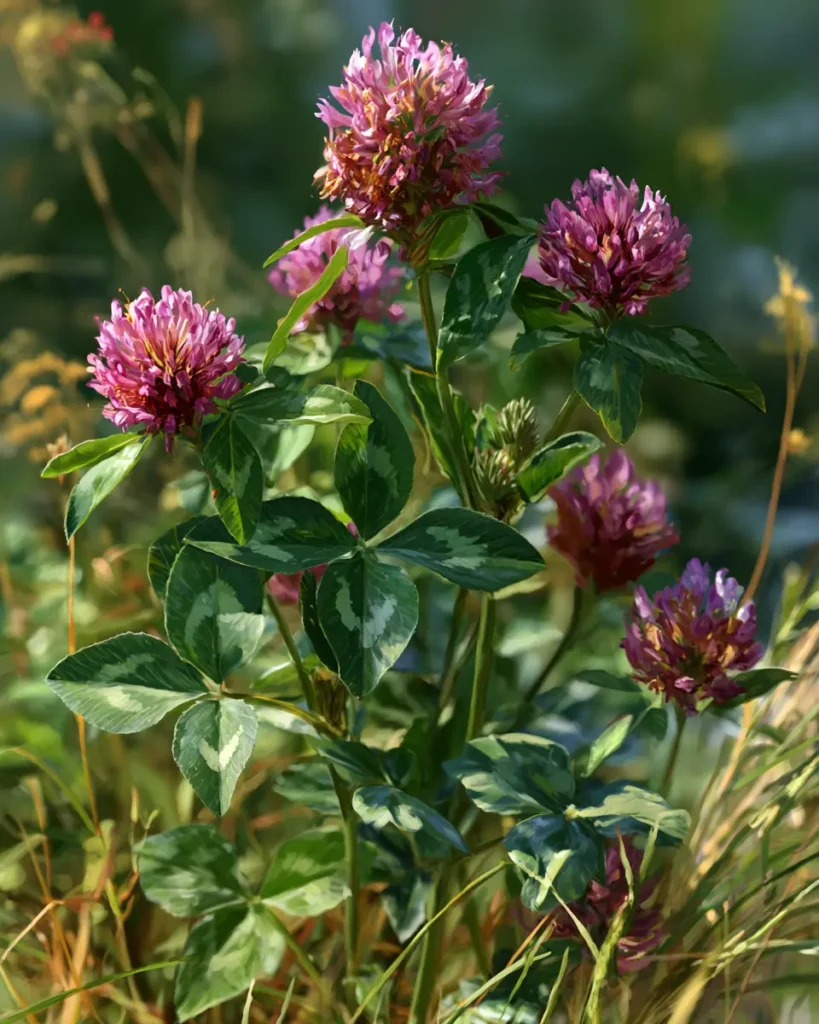
Red Clover (Trifolium pratense)
Traditional Uses of Red Clover
Women’s Wellness: Red clover is traditionally used during midlife transitions because it contains isoflavones, plant compounds with mild estrogen-like activity.
Skin Support: Herbalists often use red clover in formulas for skin wellness, especially when the goal is gentle internal cleansing and lymphatic support.
Lymphatic Support: Red clover is traditionally considered an alterative herb, meaning it is used over time to support the body’s natural elimination and tissue-clearing processes.
Respiratory Comfort: Red clover blossoms have also been used in traditional tea blends for mild cough and throat comfort.
“Red clover is the meadow’s quiet little reminder that gentle herbs can still have depth.”
Available Red Clover Products
Dried Red Clover Blossoms
Dried red clover blossoms are the most traditional herbal form. They are commonly used for tea, infusions, syrups, herbal powders, and blends. Good dried blossoms should look pink-purple to rosy-brown and smell mildly sweet, grassy, and floral.
Red Clover Tea
Red clover tea is usually made from dried blossoms. It has a mild, earthy, slightly sweet flavor and blends well with nettle, oat straw, raspberry leaf, mint, rosehip, hibiscus, and burdock root.
Red Clover Tincture
Red clover tincture is an alcohol-water extract of the blossoms. It is convenient and shelf-stable, often used when someone wants a small daily amount without brewing tea.
Red Clover Capsules
Capsules may contain powdered red clover blossom or standardized extract. Labels should clearly show the botanical name, plant part, serving size, and whether the product is standardized to isoflavones.
Red Clover Powder
Red clover powder can be added to capsules, smoothies, herbal honey, or tea blends. Because powders lose freshness faster than whole blossoms, smaller containers are usually better.
Red Clover Glycerite
Red clover glycerite is an alcohol-free liquid preparation made with vegetable glycerin. It may be preferred by people avoiding alcohol, though glycerites may extract some compounds less strongly than alcohol-water tinctures.
Red Clover Extract
Standardized red clover extracts are commonly marketed for menopause-related wellness. These may contain measured amounts of isoflavones, so they should be used more carefully than simple tea.
Red Clover Topical Products
Red clover may appear in creams, salves, oils, and skincare formulas. Topical use is usually focused on skin comfort and appearance, but sensitive people should patch-test first.
Key Herbal Actions
Red clover is known as an alterative, lymphatic, phytoestrogenic herb, nutritive tonic, expectorant, mild antispasmodic, antioxidant, and skin-supportive herb.
Alterative
Alteratives are herbs traditionally used over time to support the body’s natural cleansing and elimination pathways. Red clover is one of the classic alterative herbs in Western herbalism, especially in skin and lymphatic formulas.
Lymphatic
Lymphatic herbs are traditionally used to support normal lymph movement and tissue fluid balance. Red clover’s gentle alterative reputation makes it relevant in formulas focused on skin, glands, and tissue clearing.
Phytoestrogenic Herb
Red clover contains isoflavones, which are plant compounds structurally similar to estrogen. This does not mean red clover is the same as estrogen or hormone therapy, but it explains why it is often studied for menopausal wellness.
Nutritive Tonic
Red clover blossoms contain minerals, flavonoids, and other plant compounds that fit its traditional use as a gentle nourishing tea herb. It is not highly mineral-rich like nettle, but it can still belong in daily tonic blends.
Expectorant
Red clover has a mild traditional expectorant reputation. This means it has been used in teas to support respiratory comfort and normal mucus clearance.
Mild Antispasmodic
Red clover has been traditionally used when mild tension or spasm patterns are present, especially in respiratory and menstrual wellness contexts. This action is gentle and should not be overstated.
Antioxidant
Red clover contains isoflavones, flavonoids, and phenolic compounds studied for antioxidant activity. These compounds help explain its broader wellness interest.
Skin-Supportive Herb
Red clover is traditionally used in skin formulas, especially when the herbal strategy is slow, gentle support from the inside. It is not a fast topical treatment; it is more of a long-game herb.
Active Compounds and Extraction
Red clover contains isoflavones, biochanin A, formononetin, genistein, daidzein, flavonoids, coumarins, phenolic acids, tannins, saponins, minerals, and small amounts of volatile compounds.
Isoflavones
Isoflavones are the signature compound group in red clover. They are phytoestrogens, meaning plant compounds that can interact weakly with estrogen receptors in the body.
Red clover isoflavones are studied mostly in relation to menopausal symptoms, bone health, cardiovascular markers, and women’s wellness. Results are mixed, so it is best to describe red clover as traditionally supportive rather than proven to treat menopausal symptoms.
Best extraction: alcohol-water tincture, standardized extract, tea, powder, and capsules.
To make red clover tea, use 1–2 teaspoons dried blossoms per cup of hot water. Cover and steep for 10–15 minutes, then strain.
Biochanin A
Biochanin A is one of the main isoflavones found in red clover. It can be metabolized in the body into genistein, another isoflavone studied for estrogen-like activity.
Best extraction: alcohol-water tincture, standardized extract, powder, and hot-water infusion.
A tincture can be made with dried red clover blossoms using about 1 part herb to 5 parts 40–50% alcohol. Let it sit for 4–6 weeks, shake regularly, then strain.
Formononetin
Formononetin is another major red clover isoflavone. It can be converted into daidzein, which is also found in soy and other legumes.
Best extraction: tincture, standardized extract, powder, and infusion.
Standardized extracts often focus on measured isoflavone content, while tea provides a gentler traditional preparation.
Genistein and Daidzein
Genistein and daidzein are isoflavones studied for their relationship to estrogen receptors, bone health, cardiovascular markers, and menopause research. They are not unique to red clover, but red clover contributes precursor compounds that may convert into them.
Best extraction: extract, tincture, powder, and tea.
For a gentle approach, tea is appropriate. For a stronger approach, standardized extracts should be used only with attention to safety and professional guidance when needed.
Flavonoids
Flavonoids are plant compounds that support antioxidant activity and tissue wellness. Red clover contains flavonoids that contribute to its general tonic and skin-supportive reputation.
Best extraction: tea, tincture, powder, and glycerite.
A covered infusion extracts many water-soluble flavonoids while keeping the preparation simple.
Coumarins
Red clover contains coumarin-related compounds. These are not the same as the prescription drug warfarin, but they are one reason caution is often advised for people using blood thinners or managing clotting concerns.
Best extraction: tea, tincture, extract, and powder.
Because coumarin-related safety concerns are dose-dependent and person-specific, concentrated red clover products should be approached carefully.
Phenolic Acids
Phenolic acids are antioxidant compounds found in many herbs and foods. In red clover, they work alongside isoflavones and flavonoids.
Best extraction: hot-water infusion, tincture, powder, and whole-herb use.
A simple red clover infusion is a practical way to capture many water-soluble phenolic compounds.
Tannins
Tannins give herbs a mild drying and toning quality. Red clover is not strongly astringent like raspberry leaf or witch hazel, but tannins contribute to its tissue-supportive profile.
Best extraction: hot-water infusion and tincture.
A 10–15 minute infusion is usually enough. Very long steeping may make the tea more drying and earthy.
Saponins
Saponins are plant compounds that can have a mild foaming quality in water. In red clover, they are part of the broader legume-family chemistry.
Best extraction: infusion, decoction, tincture, and powder.
A warm infusion or longer steep can help extract saponins, but red clover does not require aggressive boiling.
Harvesting and Storing Right
Red clover blossoms are usually harvested in late spring through summer when the flower heads are fully open, colorful, and fresh. The best time of day is late morning after dew has dried but before intense afternoon heat.
Harvest only clean blossoms from unsprayed areas away from roadsides, lawns treated with chemicals, polluted fields, or animal waste. Red clover grows freely, but quality depends heavily on where it grows.
Pick the flower heads with a small amount of the top leaf if desired. Avoid brown, faded, moldy, or insect-damaged blossoms.
Dry red clover quickly in a shaded, well-ventilated place. The flower heads can hold moisture, so spread them in a thin layer and turn them often. Poorly dried red clover can mold, and moldy clover should be discarded.
Once fully dry, store red clover in an airtight jar away from heat, light, and moisture. It is best used within about 1 year.
Red clover powder loses freshness faster and is best used within 6–12 months. Tinctures made with adequate alcohol can keep for several years when stored in a cool, dark place.
Body Functions Red Clover Can Support
Red clover can support Reproductive system female, Skin, Lymphatic system, Respiratory system, Circulation, Metabolism, Immune system, Digestion system, and Spine and bones.
Reproductive System Female
Red clover is best known today for women’s wellness, especially midlife and menopausal transition support. Its isoflavones are the main reason it is studied in relation to hot flashes, bone density, and cardiovascular markers.
Research results are mixed, and red clover should not be described as a treatment or replacement for hormone therapy. It is better framed as a traditional phytoestrogenic herb that may support some women, depending on health history and product type.
Skin
Red clover has a long traditional role in skin-support formulas. Herbalists often use it as an alterative when the goal is slow internal support for skin clarity and tissue balance.
Its flavonoids, isoflavones, and antioxidant compounds may support skin wellness indirectly. It should not be claimed to treat eczema, psoriasis, acne, or rashes.
Lymphatic System
Red clover is traditionally considered a gentle lymphatic and alterative herb. This makes it relevant in formulas for tissue clearing, glandular support, and skin wellness.
This does not mean red clover treats swollen lymph nodes or lymphatic disease. Persistent swelling, pain, fever, or unexplained lumps should be medically evaluated.
Respiratory System
Red clover blossoms have traditional use in mild respiratory tea blends. They are often paired with herbs such as mullein, thyme, licorice, marshmallow root, plantain leaf, or elderflower.
Its respiratory role is gentle and supportive. It should not replace care for asthma, pneumonia, chronic cough, wheezing, or serious breathing problems.
Circulation
Red clover isoflavones have been studied in relation to cholesterol and vascular markers, especially in postmenopausal women. Findings are not consistent enough for strong claims.
Traditional herbal use connects red clover with gentle movement and tissue support. People using blood thinners or managing clotting issues should use caution.
Metabolism
Because red clover contains isoflavones and other polyphenols, it has been studied in relation to metabolic and cardiovascular wellness markers. Evidence remains mixed.
It is best understood as a plant-rich tonic herb, not as a metabolic treatment. People using diabetes medications or hormone-related medications should check with a healthcare professional before using concentrated products.
Immune System
Red clover may support general wellness through its antioxidant compounds and traditional alterative use. In herbal language, this is more about terrain support than immune stimulation.
It should not be presented as an immune booster or infection remedy. Its personality is gentle, slow, and supportive.
Digestion System
Red clover tea is mild, slightly sweet, and gently earthy. Its tannins and saponins may contribute to digestive tone, though it is not a main digestive herb like peppermint, ginger, or fennel.
Some people may experience mild nausea or digestive discomfort from concentrated products. Tea is usually the gentler starting point.
Spine and Bones
Red clover isoflavones have been studied for possible effects on bone density in postmenopausal women, but results are inconsistent. This makes it an interesting research herb, not a proven bone-health solution.
Bone health depends on many factors, including protein, minerals, vitamin D, resistance exercise, hormones, medication use, and medical history. Red clover should be only one small part of the conversation.
Safety and Practical Considerations
Red clover tea in moderate amounts is generally well tolerated by many adults. Concentrated extracts and high-isoflavone supplements are stronger and require more caution.
Red clover may not be appropriate for people with hormone-sensitive conditions, including estrogen-sensitive breast cancer, uterine cancer, ovarian cancer, endometriosis, fibroids, or unexplained reproductive bleeding, unless guided by a qualified clinician.
People taking blood thinners, antiplatelet medications, hormone therapy, birth control pills, fertility medications, tamoxifen, aromatase inhibitors, diabetes medications, liver-metabolized drugs, or multiple prescriptions should speak with a healthcare professional before using red clover supplements.
Red clover supplements may be unsafe during pregnancy or breastfeeding. Culinary or occasional tea use is different from concentrated extracts, but professional guidance is still important.
People preparing for surgery should stop concentrated herbal products in advance according to clinician guidance because of possible bleeding or medication-interaction concerns.
Red clover can cause mild side effects such as nausea, headache, rash, muscle ache, or digestive discomfort in some people. Allergic reactions are possible, especially in people sensitive to legumes or pasture plants.
Children, older adults, and sensitive individuals should use smaller amounts and avoid concentrated extracts unless professionally guided. Pet use should only be guided by a veterinarian.
FAQ
What does red clover taste like?
Red clover tea tastes mild, earthy, grassy, and slightly sweet. It is gentler than many bitter herbs and blends easily with mint, nettle, oat straw, or rosehip.
When is the best time to use red clover?
Red clover is often used as a daily tonic tea or in women’s wellness and skin-support blends. It is usually taken during the day, though it is not strongly stimulating.
Is fresh or dried red clover better?
Dried red clover blossoms are the most common and practical herbal form. Fresh blossoms can be used if properly identified and harvested from a clean, unsprayed area.
Is red clover tea, tincture, or capsule better?
Tea is the gentlest traditional form. Tincture is convenient, while capsules and standardized extracts may provide more concentrated isoflavones and require more caution.
Can red clover be used daily?
Some people use red clover tea regularly for short periods. Daily use of concentrated red clover extracts should be discussed with a qualified professional, especially with medications or hormone-related concerns.
How should red clover be stored?
Store dried red clover blossoms in an airtight jar away from heat, light, and moisture. Because the blossoms can mold if poorly dried, discard any material that smells musty.
Does red clover combine well with other herbs?
Yes. Red clover combines well with nettle, oat straw, raspberry leaf, burdock root, dandelion leaf, calendula, rosehip, hibiscus, spearmint, and lemon balm.
Is red clover the same as clover in the lawn?
Red clover is one species of clover, Trifolium pratense. Lawns may contain white clover or other species, so proper identification matters before harvesting.
Is red clover safe for everyone?
No. Red clover may not be appropriate for pregnancy, breastfeeding, hormone-sensitive conditions, blood thinner use, cancer treatment, fertility treatment, upcoming surgery, or complex medical conditions.
Can red clover be used for pets?
Pet use should only be guided by a veterinarian. Human red clover supplements, tinctures, and strong teas may not be appropriate for animals.
Disclaimer
This content is educational only. It is not medical advice, diagnosis, or treatment. Herbs may interact with medications or health conditions. People who are pregnant, breastfeeding, managing a medical condition, taking prescription medications, or preparing for surgery should consult a qualified healthcare professional before using herbs.
References
Memorial Sloan Kettering Cancer Center: Red Clover
PubMed: Red Clover Extract and Menopausal Symptoms Systematic Review
PubMed: Red Clover and Cardiovascular Disease Prevention in Postmenopausal Women
PubMed: Red Clover Isoflavones and Menopause
PubMed: Trifolium pratense Phytochemistry