


Traditionally, artichoke leaf has been used as a bitter digestive herb to support bile flow, liver function, fat digestion, appetite, and post-meal comfort. It is especially known in European herbal practice as a classic “bitter before meals” plant.
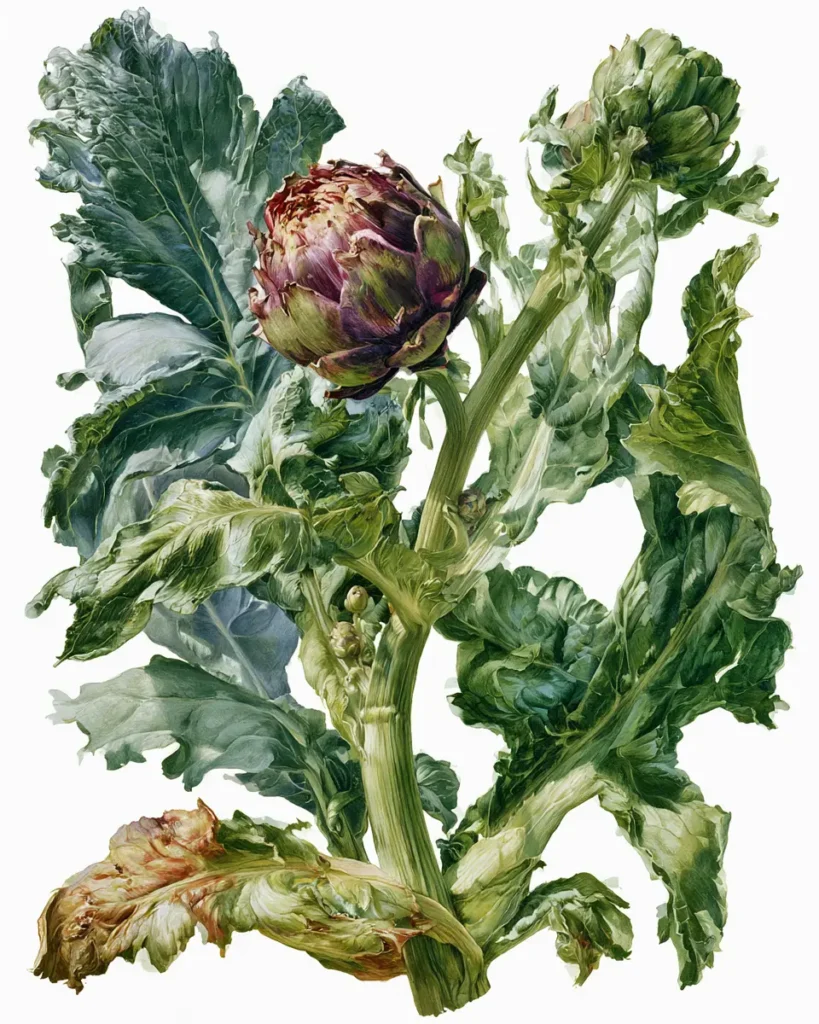
Artichoke Leaf (Cynara cardunculus var. scolymus; syn. Cynara scolymus)
Traditional Uses of Artichoke Leaf
Digestive Support: Artichoke leaf is traditionally used to support digestion, especially when meals feel heavy, rich, or slow to move along.
Bile Flow: Its bitter compounds have made it a classic choleretic herb, meaning it supports the body’s natural production and movement of bile.
Liver Support: Artichoke leaf is traditionally associated with liver function because bile production and liver metabolism are closely connected.
Cholesterol Metabolism: Modern studies have explored artichoke leaf extract for supporting healthy cholesterol levels already within a wellness context.
“Artichoke leaf is the bitter friend who tells your digestion to wake up and do its paperwork.”
Available Artichoke Leaf Products
Artichoke Leaf Extract Capsules — Capsules/Tablets
A standardized leaf extract supplement traditionally used to support liver function, bile flow, and healthy digestion.
Buy Artichoke Leaf Extract Capsules
Artichoke Leaf Tincture — Tincture/Liquid Extract
A liquid extract of fresh artichoke leaf, traditionally used as a bitter digestive tonic and often added to water or juice.
Buy Artichoke Leaf Tincture
Artichoke Leaf Tea — Tea Bags
A caffeine-free herbal tea made from pure artichoke leaf, traditionally drunk to support digestion and liver wellness.
Buy Artichoke Leaf Tea
Artichoke Leaf Extract Powder — Powder
A concentrated leaf extract powder that dissolves into water, juice, or smoothies, used to support digestive and liver health.
Buy Artichoke Leaf Extract Powder
Artichoke Leaf Dried/Loose Herb — Raw/Dried Herb
Whole dried, cut artichoke leaf for home tea brewing or use in your own herbal blends and tinctures.
Buy Artichoke Leaf Dried Herb
⚠️ These are dietary supplements — not evaluated by the FDA for treating disease. Artichoke leaf may stimulate bile flow, so those with gallstones or bile duct obstruction should avoid it, and people allergic to ragweed, marigolds, daisies, or chrysanthemums may also react to artichoke. Not recommended during pregnancy or nursing without medical guidance — check with a healthcare provider before use.
Key Herbal Actions
Artichoke leaf is known as a bitter tonic, choleretic, cholagogue, hepatoprotective-supportive herb, digestive stimulant, antioxidant, lipid metabolism support herb, mild diuretic, and prebiotic-supportive plant.
Bitter Tonic
A bitter tonic is an herb with a bitter taste that traditionally supports digestive activity. Artichoke leaf is strongly bitter, and that bitterness is part of its herbal personality.
Choleretic
A choleretic supports the liver’s natural production of bile. Artichoke leaf is one of the classic herbs used for this purpose in European herbalism.
Cholagogue
A cholagogue supports the movement or release of bile into the digestive tract. This is why artichoke leaf is often connected with fat digestion and post-meal heaviness.
Hepatoprotective-Supportive Herb
This means the herb has been studied for liver-related protective effects in experimental and clinical contexts. Artichoke leaf should not be described as a liver cure or detox miracle, but it is a serious herb in liver-support traditions.
Digestive Stimulant
Digestive stimulants encourage digestive secretions and movement. Artichoke leaf is especially useful when digestion feels sluggish rather than irritated or overheated.
Antioxidant
Artichoke leaf contains phenolic acids and flavonoids that show antioxidant activity. These compounds help explain why artichoke leaf has attracted modern scientific interest.
Lipid Metabolism Support Herb
Artichoke leaf extract has been studied for its influence on cholesterol and lipid metabolism. This does not mean it replaces cholesterol medication, but it is one reason it appears in cardiovascular wellness formulas.
Mild Diuretic
Artichoke leaf has traditional use as a mild fluid-moving herb. This action is secondary to its digestive and bile-supporting reputation.
Prebiotic-Supportive Plant
The edible artichoke contains inulin-type fibers that support beneficial gut bacteria. Artichoke leaf extracts are more focused on bitter and phenolic chemistry, but the whole plant is strongly associated with digestive wellness.
Active Compounds and Extraction
Artichoke leaf contains caffeoylquinic acids, cynarin, chlorogenic acid, flavonoids, luteolin derivatives, sesquiterpene lactones, cynaropicrin, inulin-type fibers, tannins, minerals, and bitter compounds.
Caffeoylquinic Acids
Caffeoylquinic acids are phenolic compounds found in artichoke leaf. They are studied for antioxidant activity and are considered important contributors to artichoke leaf’s liver and bile-related herbal profile.
Best extraction: Hot water infusion or alcohol-water tincture.
To make artichoke leaf tea, use 1 teaspoon dried leaf per cup of hot water. Cover and steep for 10–15 minutes, then strain. Expect bitterness; artichoke leaf is not trying to be chamomile.
Cynarin
Cynarin is one of the best-known compounds associated with artichoke leaf, although the plant contains many related caffeoylquinic acids. It is often discussed in relation to bile flow, digestion, and liver-support research.
Best extraction: Hot water infusion or standardized extract.
A simple infusion can extract water-soluble phenolic compounds. Standardized extracts are used when consistency is important, especially in research-style preparations.
Chlorogenic Acid
Chlorogenic acid is a phenolic acid found in artichoke leaf and many other plants. It is studied for antioxidant activity and effects on metabolism.
Best extraction: Hot water infusion, tincture, or capsules containing extract.
Tea is suitable for traditional use. Extracts may provide more concentrated and consistent amounts.
Flavonoids
Artichoke leaf contains flavonoids, especially luteolin and luteolin glycosides. These compounds are studied for antioxidant and inflammation-related activity in laboratory settings.
Best extraction: Hot water infusion or alcohol-water tincture.
Flavonoid glycosides extract reasonably well in water. Tincture may capture a broader range of flavonoid and bitter compounds.
Luteolin Derivatives
Luteolin derivatives are flavonoid compounds that contribute to artichoke leaf’s antioxidant profile. They are also studied in relation to lipid metabolism and liver-support pathways.
Best extraction: Tincture or standardized extract.
A tincture provides a broader extraction than tea alone. Capsules and tablets may be preferred when a product is standardized for specific phenolic content.
Sesquiterpene Lactones
Sesquiterpene lactones are bitter compounds found in artichoke leaf. Cynaropicrin is one of the best-known bitter constituents and contributes to artichoke’s strong taste.
Best extraction: Tincture or bitter infusion.
Alcohol-water extracts are often useful for bitter compounds. A tea also works, but it will taste very bitter, which is partly the point.
Inulin-Type Fibers
Inulin is a prebiotic fiber more associated with the edible artichoke and root-like plant storage tissues than with filtered leaf extracts. It supports beneficial gut bacteria when eaten as part of food.
Best extraction: Food use rather than strained tea.
Eating artichoke hearts provides fiber and general nutrition. Artichoke leaf tea is more about bitter and phenolic extraction than fiber intake.
Tannins and Minerals
Artichoke leaf contains smaller amounts of tannins and minerals. These contribute to the overall plant profile but are not usually the main reason people choose the herb.
Best extraction: Hot water infusion.
Water extracts many mineral components and some tannins. Avoid oversteeping if the tea becomes too harsh.
Harvesting and Storing Right
Artichoke leaves are usually harvested during the growing season when the plant is mature and the leaves are strong, green, and healthy. In many climates, this is spring through summer, before the plant becomes too dry or exhausted.
The best time of day is late morning after dew has dried but before strong afternoon heat. Choose clean, unsprayed leaves from healthy plants. Avoid leaves with disease, heavy insect damage, or roadside pollution.
Dry artichoke leaves in a shaded, airy place with good airflow. Because the leaves are large and thick, they should be cut into smaller pieces before drying to prevent mold. Store dried leaf in an airtight jar away from heat, light, and moisture.
Dried artichoke leaf is best used within about 1 year. Powder should be used faster, often within 6 months. Tinctures and extracts generally keep for several years when prepared and stored properly.
Body Functions Artichoke Leaf Can Support
Artichoke leaf can support digestion system, liver support, metabolism, circulation, urinary system, immune system, energy and vitality, and skin.
Digestion System
Artichoke leaf is most strongly connected with digestion. Its bitter tonic action supports digestive secretions, while its bile-related actions make it especially relevant after rich or fatty meals.
Liver Support
Artichoke leaf is traditionally used to support liver function through its relationship with bile production and flow. Its phenolic compounds, including caffeoylquinic acids and flavonoids, are part of its modern liver-support research profile.
Metabolism
Artichoke leaf extract has been studied for lipid metabolism, including cholesterol-related markers. This makes it relevant to metabolic wellness, though it should not replace medical care or prescribed cholesterol treatment.
Circulation
Because cholesterol metabolism is connected with cardiovascular wellness, artichoke leaf is sometimes included in circulation and heart-health formulas. This use should be framed as supportive, not as treatment for cardiovascular disease.
Urinary System
Artichoke leaf has traditional mild diuretic use, meaning it may support normal fluid movement. This action is secondary and should be used cautiously by people with kidney disease or those taking diuretic medication.
Immune System
Artichoke leaf contains antioxidant compounds that help protect cells from oxidative stress in research settings. This supports general wellness, but it should not be described as an immune cure.
Energy and Vitality
When digestion is sluggish, people often feel heavy and tired after meals. By supporting digestive function and bile flow, artichoke leaf may indirectly support a lighter, more comfortable post-meal feeling.
Skin
In traditional herbal thinking, digestion, liver function, and skin health are often connected. Artichoke leaf may support skin indirectly by supporting digestion and elimination pathways, but it should not be presented as a direct skin treatment.
Safety and Practical Considerations
Artichoke leaf is a bitter, bile-moving herb, so it is not appropriate for everyone. People with gallstones, bile duct obstruction, active gallbladder disease, severe liver disease, or unexplained abdominal pain should seek medical guidance before using it.
People allergic to plants in the Asteraceae family, such as ragweed, daisies, chrysanthemums, marigolds, or chamomile, may be more likely to react to artichoke leaf. Start cautiously or avoid it if allergy history is significant.
Artichoke leaf may interact with medications or medical conditions, especially cholesterol-lowering drugs, bile-related conditions, liver medications, diuretics, or blood sugar medications. Anyone taking prescription medication should consult a qualified healthcare professional before using concentrated extracts.
Pregnant or breastfeeding people should avoid medicinal amounts unless guided by a qualified professional. Children, older adults, and sensitive individuals should use extra caution.
The taste is strongly bitter. For some people, that is the feature; for others, it is a character-building exercise. It can be blended with peppermint, fennel, lemon balm, or orange peel to soften the flavor.
FAQ
What does artichoke leaf taste like?
Artichoke leaf tastes bitter, green, earthy, and slightly astringent. It is much more bitter than the edible artichoke heart.
Is artichoke leaf the same as eating artichokes?
No. Eating the artichoke bud provides fiber, minerals, and food nutrition, while artichoke leaf preparations are more concentrated in bitter and phenolic compounds used in herbal practice.
When is the best time to use artichoke leaf?
Artichoke leaf is often used before meals as a bitter tonic or after heavy meals for digestive support. People with reflux or sensitive digestion should start carefully because bitters are not ideal for everyone.
Is artichoke leaf tea, tincture, or capsule better?
Tea is traditional and simple, tincture is convenient and bitter, and capsules are easiest for people who dislike the taste. Standardized capsules or tablets may be preferred when consistency matters.
Can artichoke leaf be used daily?
Some people use artichoke leaf daily for short wellness periods, but long-term or concentrated use should be discussed with a healthcare professional. This is especially important for gallbladder, liver, cholesterol, blood sugar, or medication concerns.
How should artichoke leaf be stored?
Store dried artichoke leaf in an airtight container away from heat, light, and moisture. Powder should be used quickly because it loses freshness faster than cut leaf.
Does artichoke leaf combine well with other herbs?
Yes. It combines well with dandelion root, milk thistle, peppermint, fennel, ginger, turmeric, burdock root, and orange peel, depending on the goal of the blend.
Is artichoke leaf safe for everyone?
No. People with gallstones, bile duct obstruction, Asteraceae allergies, pregnancy, breastfeeding, prescription medications, or serious liver or kidney conditions need professional guidance.
Can artichoke leaf be used for pets?
Pet use should be guided by a veterinarian or qualified animal herbalist. Bitter, bile-moving herbs are not appropriate for casual pet use.
Why is artichoke leaf so bitter?
Its bitterness comes partly from sesquiterpene lactones and other bitter compounds. In herbalism, that bitter taste is considered part of how the herb signals digestive activity.
Disclaimer
This content is educational only. It is not medical advice, diagnosis, or treatment. Herbs may interact with medications or health conditions. People who are pregnant, breastfeeding, managing a medical condition, taking prescription medications, or preparing for surgery should consult a qualified healthcare professional before using herbs.
References
EMA: European Union Herbal Monograph on Artichoke Leaf
EMA: Assessment Report on Artichoke Leaf
PubMed: Artichoke Leaf Extract for Treating Hypercholesterolaemia
PubMed: Artichoke Leaf Extract and Lipid Profile – Systematic Review and Meta-Analysis
PubMed: Cynara scolymus and Hepatoprotective Activity Review
NCBI Bookshelf: Herbal Medicine Safety and Herb-Drug Interaction Considerations